Tag Archives: entertainment

The “It Girl” Series: Jasmine Guy

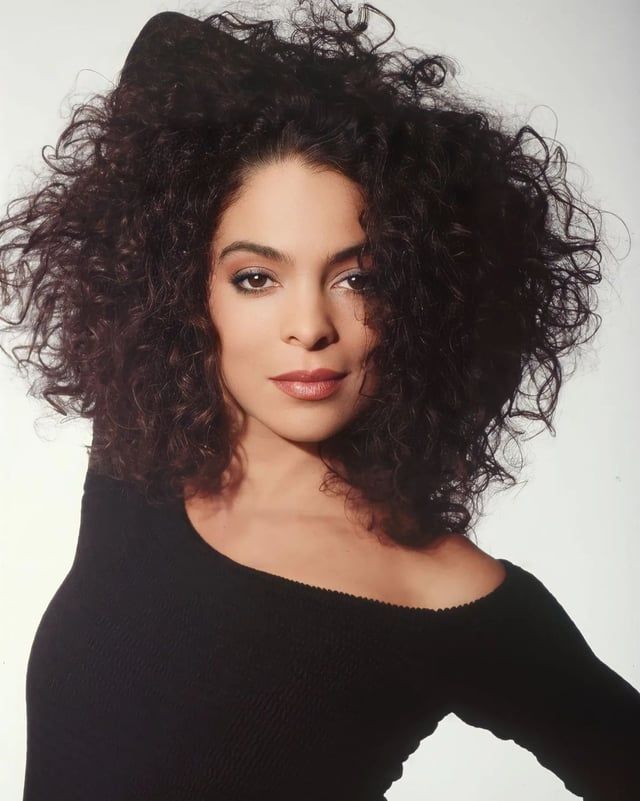
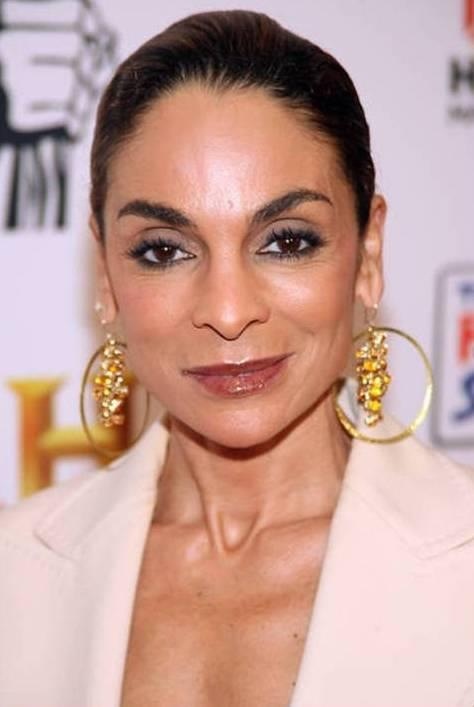
A vision of sophistication with a dancer’s poise and an actress’s emotional depth, Jasmine Guy captivated audiences and helped redefine the image of the modern Black woman on television.
This photograph is the property of its respective owner.

With regal poise, luminous beauty, and a voice that blended Southern charm with artistic sophistication, Jasmine Guy became one of television’s most unforgettable “It Girls,” captivating audiences with intelligence, elegance, and multi-talented artistry.
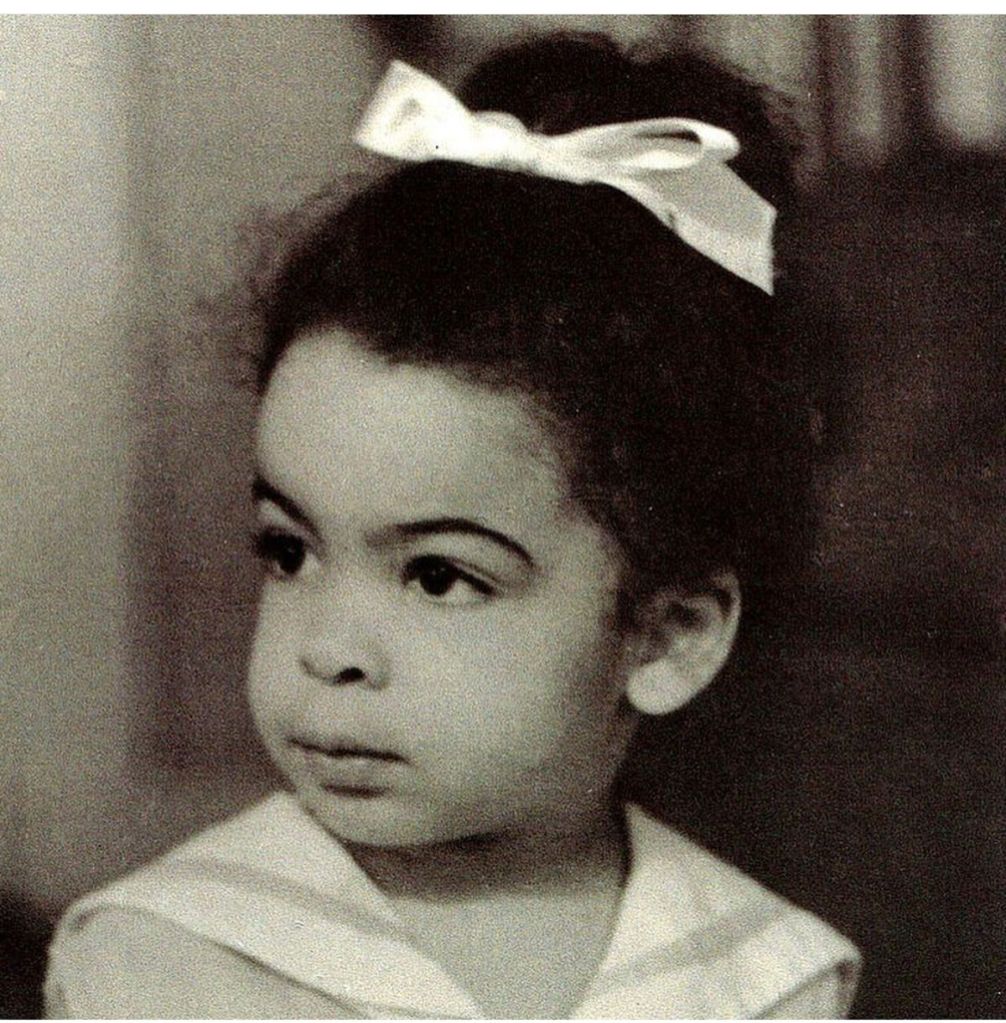
This photograph is the property of its respective owner.

Jasmine Guy was born on March 10, 1962, in Boston, Massachusetts, but she was primarily raised in Atlanta, Georgia. She grew up in a culturally rich and intellectually stimulating household. Her father, William Guy, was an African American Baptist minister and professor of philosophy and religion who served as pastor of the historic Friendship Baptist Church in Atlanta. Her mother, Jaye Rudolph, was a Portuguese-American high school teacher. Growing up in a biracial household exposed Jasmine Guy to diverse cultural influences that shaped her worldview and artistic identity. Raised in the historic Collier Heights neighborhood—one of Atlanta’s first affluent Black communities—Guy was surrounded by educators, professionals, and leaders who emphasized excellence and achievement.

From childhood, Guy displayed remarkable artistic ability. She sang in the church choir where her father preached, developing a love for music and performance at an early age. She later attended Northside Performing Arts High School in Atlanta, where her talents in dance, theater, and singing began to flourish. Determined to pursue a professional career in the arts, she moved to New York City at age seventeen to study dance at the prestigious Alvin Ailey American Dance Theater school. This rigorous training refined her technical abilities and prepared her for a career in entertainment that would span television, film, music, and theater.
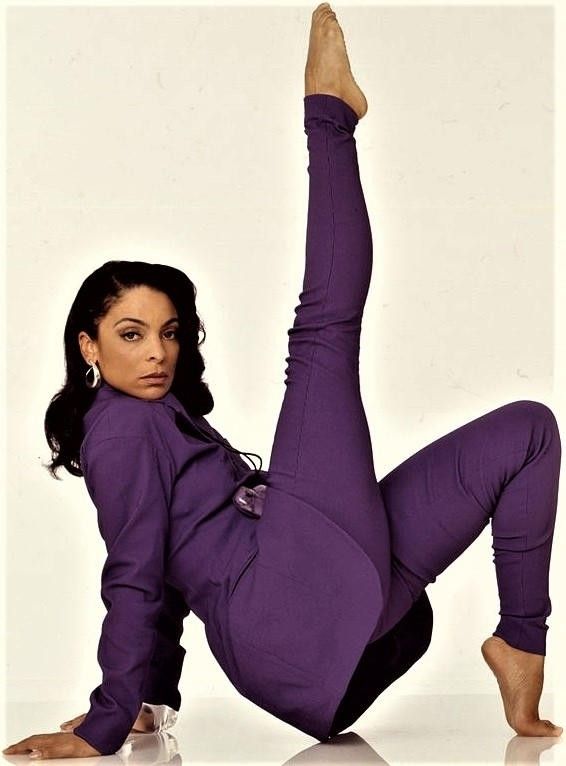
This photograph is the property of its respective owner.

Guy’s professional career began in the early 1980s when she appeared as a dancer on the television series Fame in 1982. Though a small role, it marked her official entry into the entertainment industry. She soon began performing in stage productions and appeared in the Broadway musical revival of The Wiz in 1984. Her work in theater helped her develop the triple-threat talent—acting, singing, and dancing—that would define her career.

Her major breakthrough came in 1987 when she was cast as Whitley Gilbert on the NBC sitcom A Different World, a spin-off of The Cosby Show. Whitley Gilbert was a wealthy Southern debutante attending the fictional historically Black Hillman College. The character quickly became one of the most iconic figures on television due to her dramatic personality, distinctive Southern accent, impeccable fashion sense, and complex emotional development. Initially portrayed as a privileged socialite, Whitley evolved into a thoughtful and independent woman over the course of the show’s six seasons from 1987 to 1993. Guy’s performance made the character unforgettable and cemented her place in television history. Her portrayal resonated with audiences, particularly Black viewers, who saw a sophisticated and multidimensional representation of young Black womanhood.

Guy’s work on A Different World brought her significant recognition. She won four NAACP Image Awards for Outstanding Lead Actress in a Comedy Series, reflecting both her acting talent and the cultural impact of the show. The series itself became an influential program that highlighted historically Black colleges and universities, inspiring many young viewers to pursue higher education.
This photograph is the property of its respective owner.

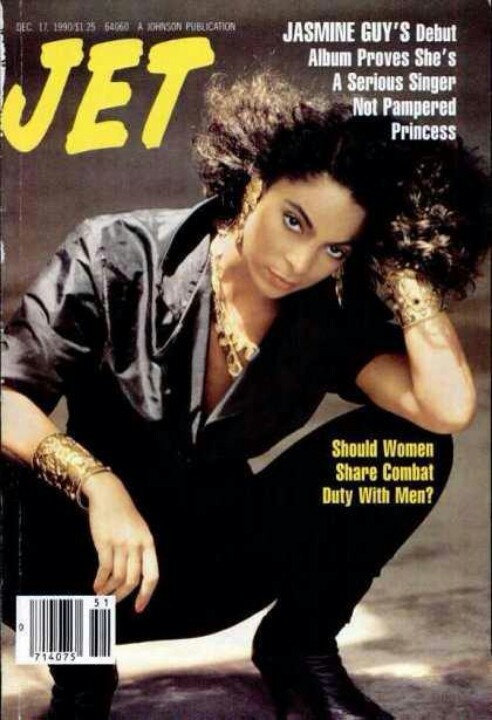
At the height of her television fame, Guy expanded her artistic career into music. In 1990, she released her self-titled debut album Jasmine Guy through Warner Bros. Records. The album blended R&B, pop, and new jack swing, a sound popular during the early 1990s. It produced several singles, including “Try Me,” “Another Like My Lover,” and “Just Want to Hold You.” The song “Another Like My Lover” became her biggest hit, reaching the Top 10 on the Billboard R&B chart. Though she did not pursue a long-term recording career, the album demonstrated her versatility as an entertainer and further enhanced her public image as a multi-talented performer.

Alongside her television success, Guy built a notable film career. One of her earliest film roles was in School Daze (1988), directed by Spike Lee. The film explored issues of colorism and social identity within Black college culture, and Guy’s role as Dina contributed to the movie’s cultural commentary. She later appeared in Harlem Nights (1989), starring alongside Eddie Murphy and Richard Pryor. Her film work also included voice acting in the animated film Cats Don’t Dance (1997).
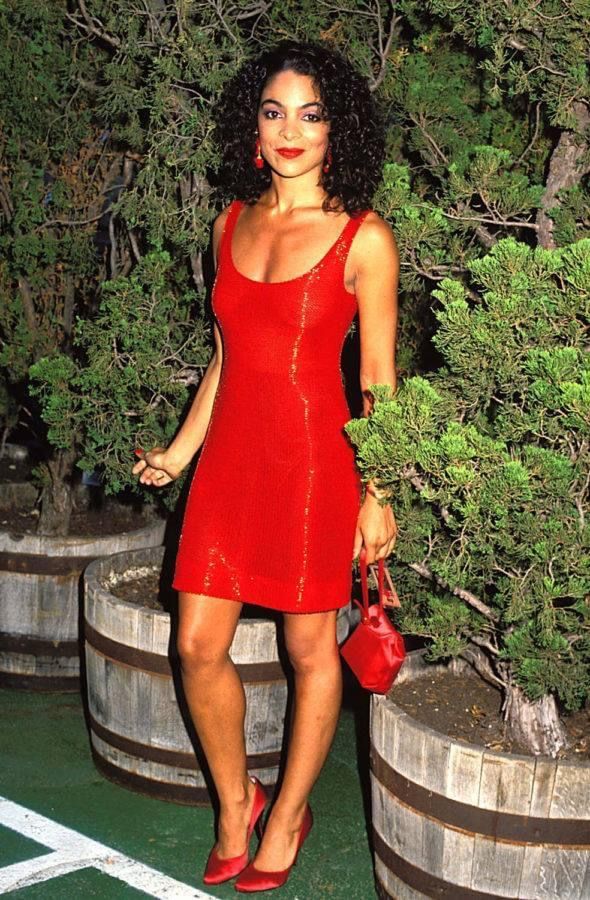
This photograph is the property of its respective owner.

Guy continued appearing in numerous television projects throughout the 1990s and 2000s. Her television credits include guest roles in The Fresh Prince of Bel-Air, Dead Like Me, and the supernatural drama The Vampire Diaries. Her continued presence on television demonstrated her longevity as an actress and her ability to adapt to new genres and audiences. In addition to acting, Guy worked behind the scenes as a director and choreographer, further expanding her influence in the entertainment industry.

Beyond performing, Jasmine Guy is also an accomplished writer. In 2004, she authored the biography Afeni Shakur: Evolution of a Revolutionary, chronicling the life of activist Afeni Shakur, the mother of legendary rapper Tupac Shakur. Guy had been a close friend of Tupac and worked closely with Afeni Shakur to document her experiences as a member of the Black Panther Party and a social activist.

In her personal life, Guy married Terrence Duckett in 1998. The couple welcomed a daughter, Imani Guy Duckett, in 1999. After approximately ten years of marriage, Guy and Duckett divorced in 2008. Following the divorce, she returned to Atlanta, where she continued acting while focusing on raising her daughter and participating in local theater and cultural projects.

Throughout her career, Jasmine Guy has received numerous honors and recognitions. In addition to her NAACP Image Awards, she received critical acclaim for her stage performances and later earned a Daytime Emmy Award in 2023 for her work in the short-form series Chronicles of Jessica Wu. The recognition demonstrated the lasting relevance of her talent decades after her breakthrough role.
This photograph is the property of its respective owner.

Jasmine Guy became an “It Girl” because she represented the rare combination of beauty, intelligence, artistic versatility, and cultural significance. Her elegant appearance, expressive voice, and commanding presence made her unforgettable, while her portrayal of Whitley Gilbert defined an era of Black television. The character’s memorable lines, emotional depth, and iconic romance with Dwayne Wayne remain among the most beloved moments in sitcom history.

More than just a television star, Jasmine Guy symbolizes the power of multidimensional Black artistry. Actress, singer, dancer, author, and director, she built a career that reflects both creativity and resilience. Her influence continues to resonate with audiences who grew up watching A Different World and with new generations discovering her work. In the legacy of Black entertainment icons, Jasmine Guy stands as a timeless example of the grace, intellect, and talent that define a true “It Girl.”


References

BlackPast.org. (2016). Jasmine Guy.
IMDb. (2024). Jasmine Guy Biography and Filmography.
The Famous People. (2024). Jasmine Guy Biography.
Billboard. (1990). R&B Chart History – Jasmine Guy.
Wikipedia contributors. (2024). Jasmine Guy.
Wikipedia contributors. (2024). Jasmine Guy (album).
The Indian Dolls: Priyanka Chopra Jonas

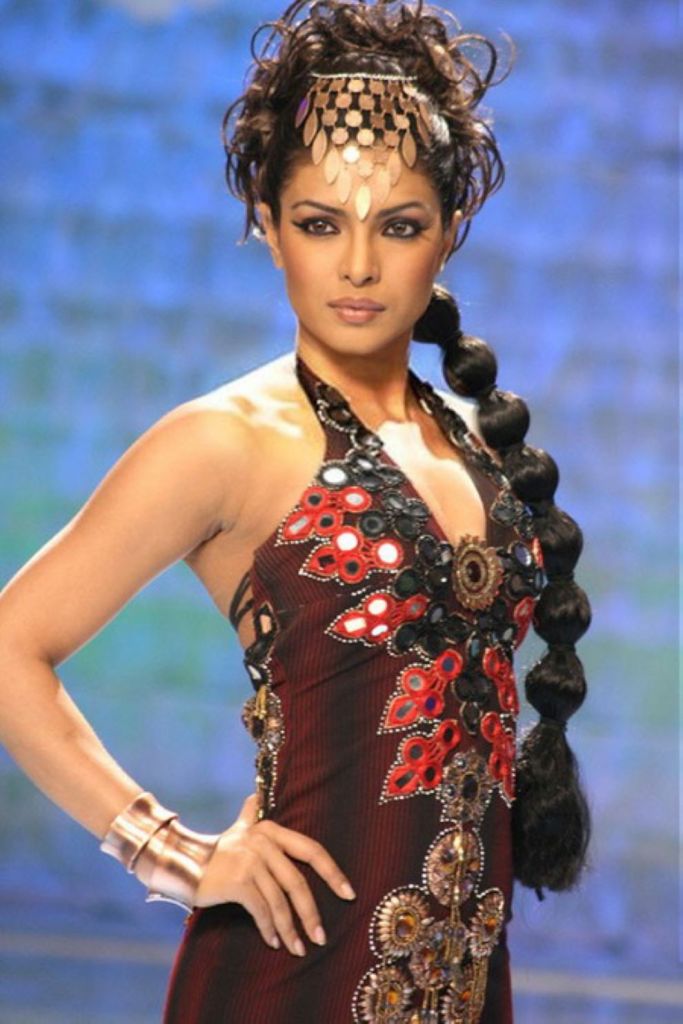
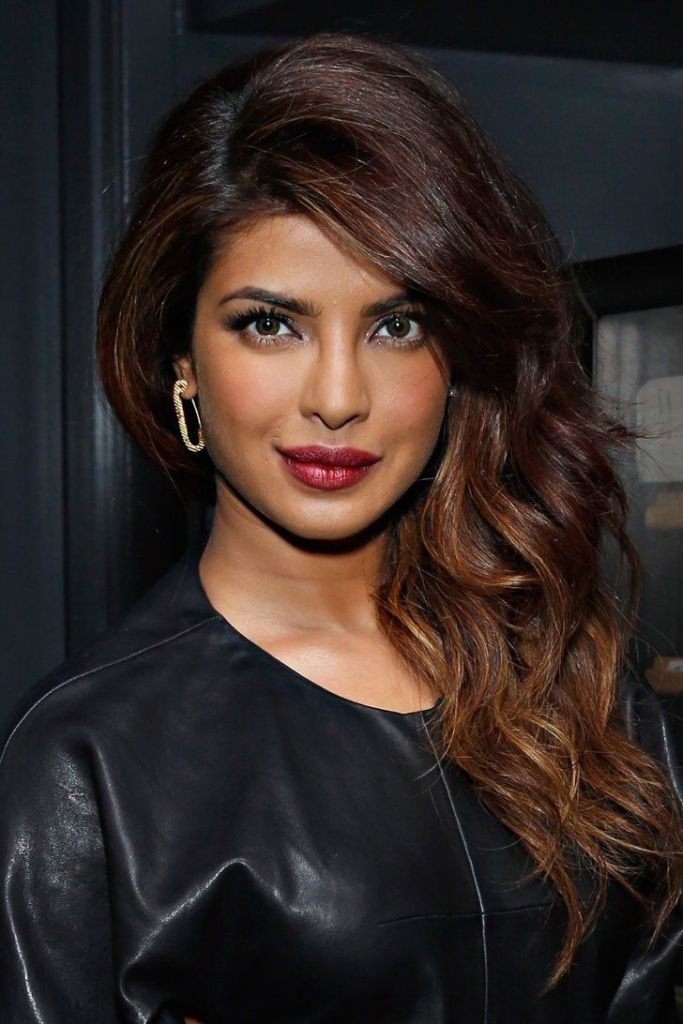
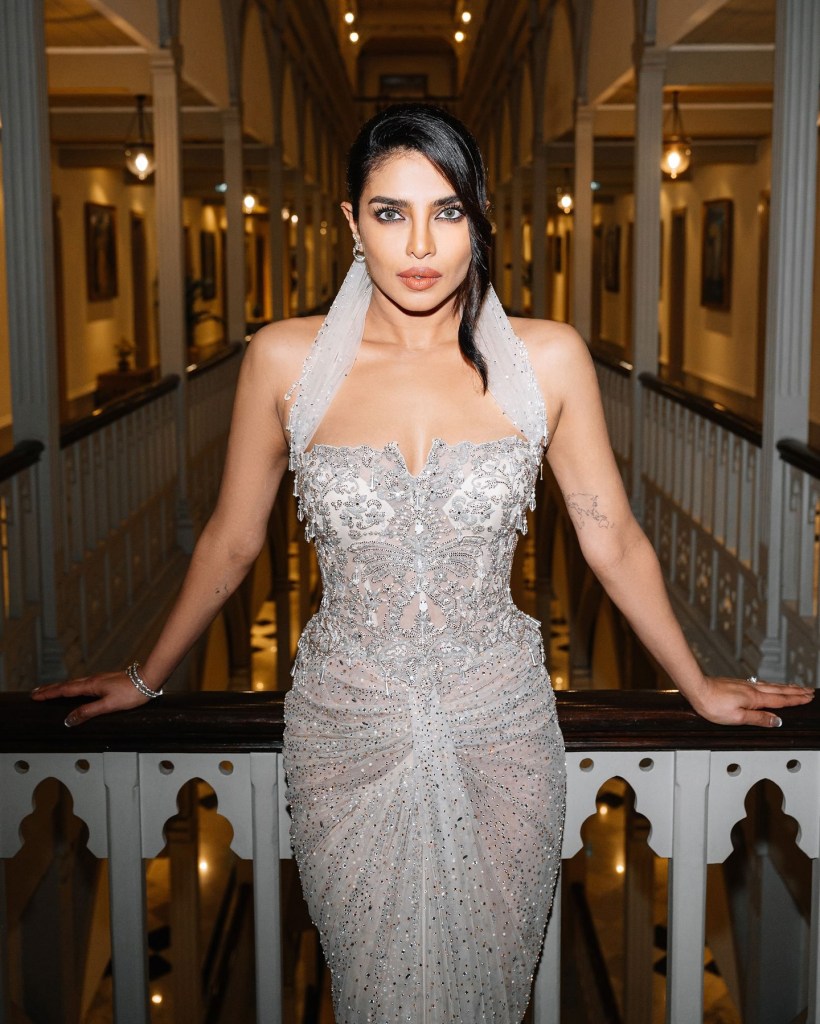
This photograph is the property of its respective owner. No copyright infringement intended.

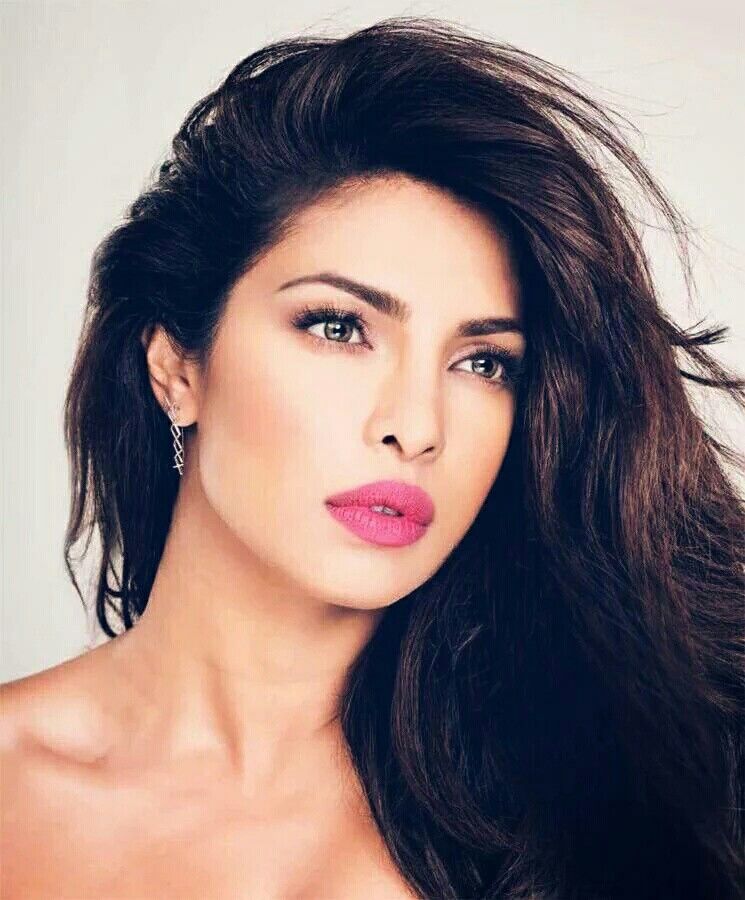
Priyanka Chopra Jonas is one of the most celebrated figures to emerge from India’s entertainment industry and transition successfully into Hollywood. Known for her mesmerizing beauty, intelligence, and fierce determination, she has transcended cultural and cinematic boundaries, becoming a symbol of global Indian excellence. With her captivating eyes, flawless features, and commanding presence, Chopra embodies the allure of what many describe as the “exotic Indian beauty” — timeless, radiant, and powerful.

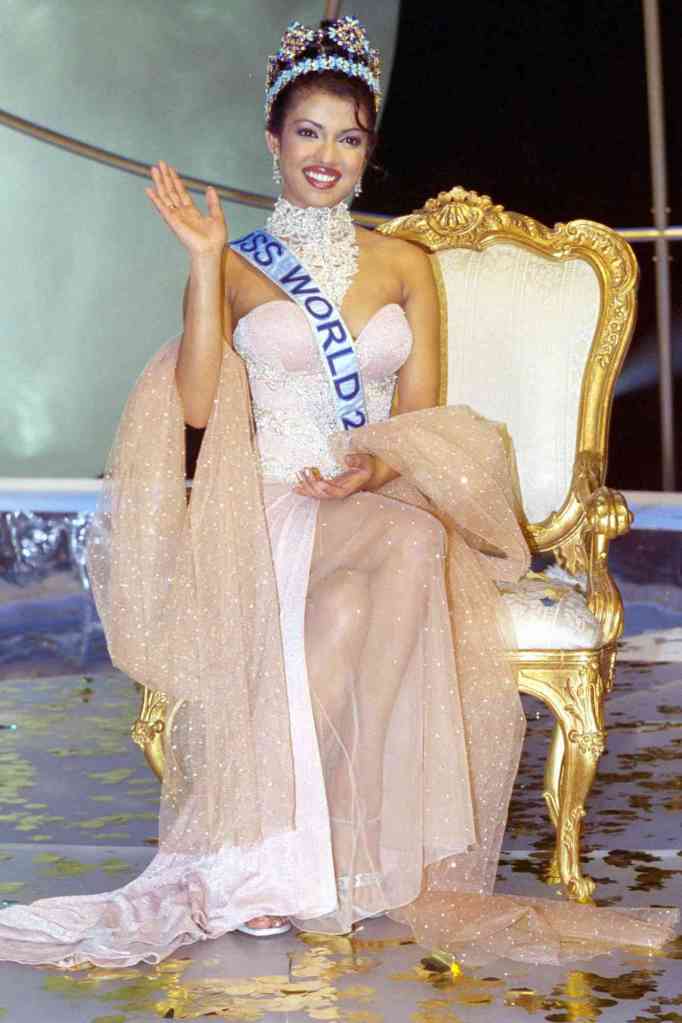
Born on July 18, 1982, in Jamshedpur, Bihar (now Jharkhand), India, Priyanka Chopra grew up in an army household, which meant constant relocation and exposure to diverse cultures across India. This nomadic upbringing shaped her adaptability and confidence. Educated in both India and the United States, she was a bright student who initially aspired to study engineering or psychiatry. Her life took a dramatic turn when she entered the world of beauty pageants, ultimately capturing the Miss World crown in 2000 — a victory that catapulted her into the spotlight overnight.

This photograph is the property of its respective owner. No copyright infringement intended.

Her Miss World win marked the beginning of an illustrious career. Priyanka’s beauty was often described as “regal yet approachable,” her almond-shaped brown eyes often noted as her most striking feature. In India, she was hailed as a national treasure — the perfect blend of modernity and tradition. The Bollywood industry quickly embraced her, recognizing not only her looks but also her immense potential as a performer.

Priyanka’s entry into Bollywood began with the 2003 film The Hero: Love Story of a Spy, followed by her breakout performance in Andaaz (2003), for which she won the Filmfare Award for Best Female Debut. Her versatility became evident as she took on diverse roles, from romantic comedies to action thrillers. Audiences admired her charisma and screen presence, describing her as both glamorous and grounded — a rare combination in the Indian film industry.

The year 2008 marked a turning point in her career with Fashion, directed by Madhur Bhandarkar. Playing the role of Meghna Mathur, a small-town girl navigating the ruthless world of high fashion, Priyanka delivered one of the most powerful performances of her career. The film not only won critical acclaim but also earned her the National Film Award for Best Actress, solidifying her position as one of Bollywood’s finest talents.

Fashion 2008. This photograph is the property of its respective owner. No copyright infringement intended.

Her portrayal in Fashion was hailed as bold and transformative. Critics praised her for breaking stereotypes about female-led films in India. It was a defining moment that proved she was not just another beauty queen but a serious actress capable of carrying a film on her shoulders. Fashion also symbolized her personal philosophy — to reinvent herself continuously and rise stronger from every fall.

Following Fashion, Chopra delivered memorable performances in films such as Kaminey (2009), 7 Khoon Maaf (2011), Barfi! (2012), and Mary Kom (2014). Her ability to embody a wide range of characters earned her several awards, including five Filmfare Awards and numerous international honors. In Barfi!, she portrayed an autistic woman with depth and sensitivity, earning global recognition for her emotional range and commitment to complex roles.

Priyanka’s ambition extended beyond Bollywood. In 2015, she made history as the first South Asian woman to headline an American television series, starring as Alex Parrish in ABC’s Quantico. The role showcased her strength, intelligence, and allure to a global audience, earning her the People’s Choice Award — another first for an Indian actress. Her transition to Hollywood was seen as groundbreaking, symbolizing a cultural bridge between East and West.

This photograph is the property of its respective owner. No copyright infringement intended.

In Hollywood, she continued to expand her repertoire with roles in films like Baywatch (2017), Isn’t It Romantic (2019), and The Matrix Resurrections (2021). Priyanka’s success in both industries demonstrated her adaptability and tenacity. Hollywood insiders often described her as a “global powerhouse” — an artist who commands attention not merely for her looks, but for her intelligence and presence.

Priyanka’s beauty remains one of her most discussed attributes. Her skin tone, eyes, and classic features have inspired discussions on representation and inclusivity in Western media. She has often used her platform to challenge stereotypes about Indian women and advocate for diversity in entertainment. Her elegance and confidence have made her a red-carpet favorite at the Met Gala, the Oscars, and Cannes.

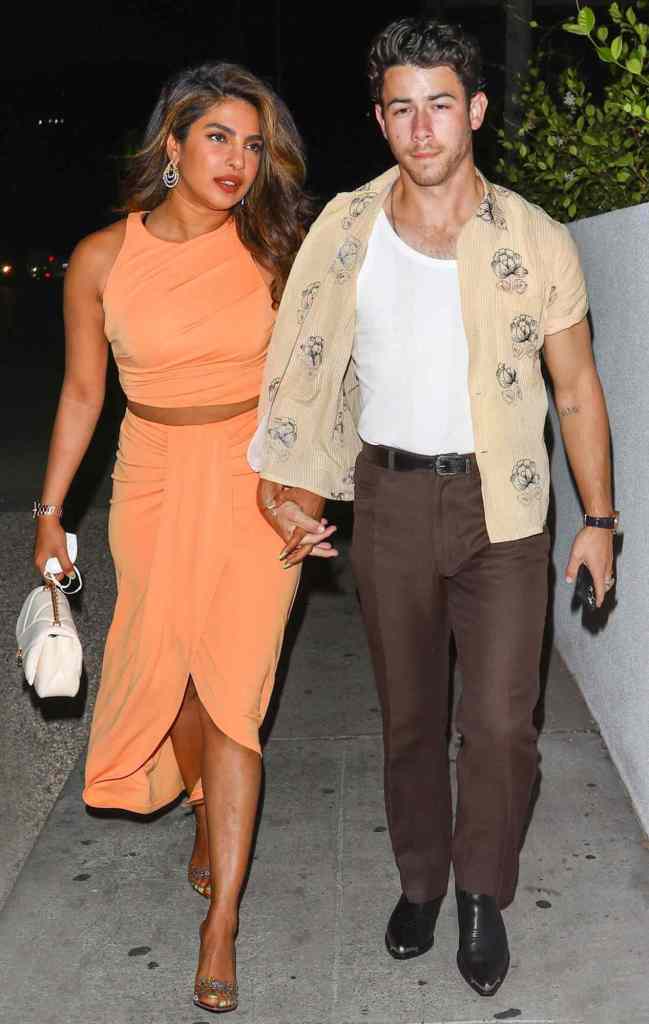
Her love story with American singer Nick Jonas captivated the world. The couple first met in 2017 at the Vanity Fair Oscars afterparty, where Jonas reportedly fell in love at first sight. After a year of dating, they married in December 2018 in a lavish ceremony at the Umaid Bhawan Palace in Jodhpur, blending Hindu and Christian traditions. Their union was celebrated globally as a symbol of cultural harmony and modern love.

This photograph is the property of its respective owner. No copyright infringement intended.

The Chopra-Jonas marriage also sparked widespread admiration for how the couple balances their cultural differences with mutual respect. Nick Jonas often praises Priyanka’s intelligence, work ethic, and sense of humor, while she affectionately calls him her “cheerleader.” Together, they represent a merging of East and West, tradition and modernity.

Priyanka’s influence extends beyond film. She has been a UNICEF Goodwill Ambassador since 2010, advocating for children’s rights, gender equality, and education. Her humanitarian work reflects the same passion and discipline she brings to her acting career. In 2016, Time magazine named her one of the 100 most influential people in the world, and Forbes consistently listed her among the highest-paid actresses globally.

Her entrepreneurial ventures include her haircare brand Anomaly, which emphasizes clean beauty and inclusivity. She is also a published author; her memoir Unfinished (2021) offers an intimate look into her journey, struggles, and triumphs. The book became a bestseller, further cementing her status as a multifaceted global figure.

In both Bollywood and Hollywood, people describe Priyanka as disciplined, ambitious, and fearless. Industry peers admire her for breaking barriers and representing India on a world stage with dignity. In Bollywood, she is remembered as one of the last true “movie stars,” while in Hollywood, she is respected as a cultural trailblazer.

Priyanka’s career has redefined what it means to be an Indian actress in a globalized world. Her ability to navigate different cultures, languages, and cinematic traditions makes her one of the most versatile and influential artists of her generation. She stands as a beacon for women of color striving to succeed in industries historically dominated by Western ideals of beauty and stardom.

Beyond fame, Priyanka remains grounded in her roots. She frequently expresses pride in her Indian heritage and continues to celebrate her culture through fashion, film, and philanthropy. Her journey from Miss World to international superstar illustrates the power of resilience, reinvention, and purpose.

Today, Priyanka Chopra Jonas represents far more than glamour — she symbolizes empowerment, diversity, and global unity. Her beauty may have opened doors, but it is her determination, intelligence, and heart that keep them open. Through her art, activism, and authenticity, she continues to inspire millions around the world. Priyanka Chopra is often described metaphorically as an “Indian doll” because of her striking beauty, polished poise, and global elegance—qualities that blend classical Indian femininity with modern cosmopolitan power. The term, when used respectfully, reflects admiration for her refined features, expressive eyes, symmetrical face, and statuesque presence that photographs and films with remarkable grace.

References

  • Bhandarkar, M. (Director). (2008). Fashion [Film]. UTV Motion Pictures.
  • Chopra Jonas, P. (2021). Unfinished: A Memoir. Ballantine Books.
  • Filmfare Awards Archives. (2024). Priyanka Chopra Jonas Awards and Nominations. Filmfare.
  • TIME Magazine. (2016). 100 Most Influential People: Priyanka Chopra.
  • UNICEF. (2022). Priyanka Chopra Jonas: Goodwill Ambassador Profile.
  • Variety. (2023). Priyanka Chopra: The Global Powerhouse Bridging Bollywood and Hollywood.
  • Vogue India. (2020). Priyanka Chopra on Love, Beauty, and Global Identity.

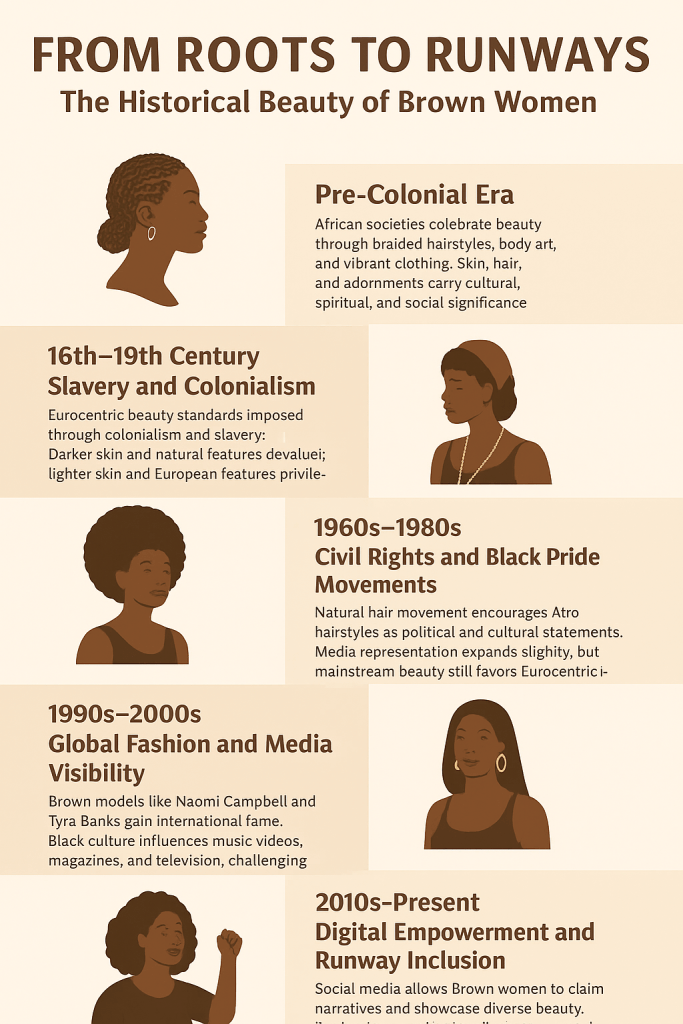
From Roots to Runways: The Historical Beauty of Brown Women

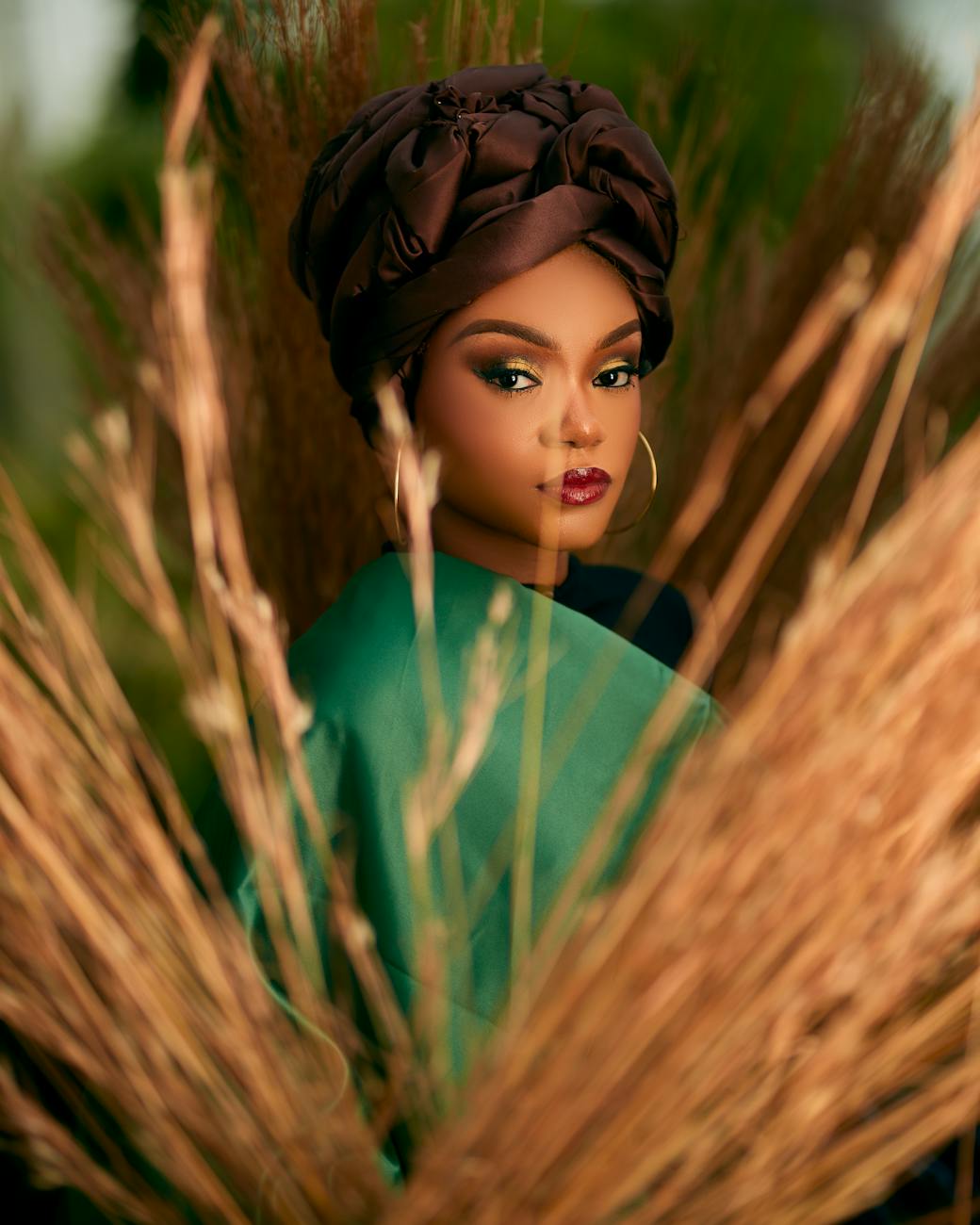
Photo by Al Ameen Saddiq on Pexels.com

The beauty of Brown women is deeply intertwined with culture, history, and resilience. From ancestral traditions to modern fashion runways, Brown women have navigated societies that often imposed Eurocentric standards while cultivating unique forms of self-expression, artistry, and elegance. Exploring this trajectory—from historical roots to contemporary visibility—reveals not only aesthetic contributions but also the resilience and empowerment embedded in the legacy of Brown women.

Ancestral Traditions and Cultural Significance

Throughout African, Caribbean, and Latin American societies, beauty has historically been expressed through hairstyles, skin care, adornments, and textiles. Braided and twisted hairstyles, body art, and vibrant clothing often carried social, spiritual, or cultural meaning, signaling status, heritage, or community affiliation (Byrd & Tharps, 2014). These traditions celebrated melanin-rich skin, facial features, and natural hair textures long before the imposition of colonial beauty standards. Beauty, in these contexts, was both personal and collective—a reflection of identity and heritage.

Colonialism, Slavery, and the Imposition of Eurocentric Standards

The transatlantic slave trade and colonial regimes brought systemic oppression that devalued darker skin and natural features. European ideals of beauty—fair skin, straight hair, and Eurocentric facial features—became markers of social privilege and desirability (Hunter, 2007). Despite these pressures, Brown women preserved cultural beauty practices, maintaining pride in their appearance and transmitting ancestral knowledge through generations. This resistance demonstrates that beauty has always been inseparable from resilience and identity affirmation.

African American Beauty Culture and the Harlem Renaissance

In the United States, the Harlem Renaissance (1920s–1930s) provided a platform for Black artistic expression, including beauty and fashion. Women like Josephine Baker, with her daring style and signature elegance, challenged mainstream perceptions while celebrating African aesthetics. Beauty salons became cultural hubs where women exchanged styling techniques, supported one another, and fostered community identity (Perry, 2009). These spaces cultivated confidence, creativity, and empowerment, demonstrating that beauty is not merely aesthetic but also sociocultural.

Modern Visibility and Runway Influence

In contemporary fashion, Brown women increasingly claim visibility and redefine industry standards. Models like Adut Akech, Duckie Thot, and Naomi Campbell have dominated international runways, demonstrating that melanin-rich beauty is not niche but universal. Designers are incorporating diverse features and complexions into campaigns, acknowledging the historical exclusion and striving toward inclusion. Social media further amplifies these voices, allowing Brown women to influence global perceptions directly.

Timeline: The Historical Beauty of Brown Women

Pre-Colonial Era

  • African societies celebrate beauty through braided hairstyles, body art, and vibrant clothing.
  • Skin, hair, and adornments carry cultural, spiritual, and social significance.

16th–19th Century: Slavery and Colonialism

  • Eurocentric beauty standards imposed through colonialism and slavery.
  • Darker skin and natural features devalued; lighter skin and European features privileged.
  • Brown women preserve cultural beauty practices covertly or in safe community spaces.

1920s–1930s: Harlem Renaissance

  • Black artistic expression flourishes; women like Josephine Baker challenge mainstream norms.
  • Beauty salons become cultural hubs for skill-sharing, empowerment, and community.

1960s–1980s: Civil Rights and Black Pride Movements

  • Natural hair movement encourages Afro hairstyles as political and cultural statements.
  • Media representation expands slightly, but mainstream beauty still favors Eurocentric ideals.

1990s–2000s: Global Fashion and Media Visibility

  • Brown models like Naomi Campbell and Tyra Banks gain international fame.
  • Black culture influences music videos, magazines, and television, challenging stereotypes.

2010s–Present: Digital Empowerment and Runway Inclusion

  • Social media allows Brown women to claim narratives and showcase diverse beauty.
  • Models like Adut Akech, Duckie Thot, and public figures like Lupita Nyong’o redefine global standards.
  • Colorism awareness movements (#MelaninMagic, #BrownSkinPoppin) increase representation and self-love advocacy.

Present & Future

  • Celebration of melanin-rich skin, natural hair, and diverse features continues to grow globally.
  • Beauty becomes a tool of empowerment, cultural pride, and resistance against systemic bias.

Media Representation and Colorism

While progress has been made, media representation continues to favor lighter-skinned women. Colorism—preference for lighter shades within communities of color—persists, reinforcing hierarchical beauty standards (Hunter, 2007). Visibility of darker-skinned models, actresses, and influencers challenges these norms, offering representation that affirms a broader spectrum of beauty. Public figures like Lupita Nyong’o and Tracee Ellis Ross exemplify this shift, inspiring younger generations to embrace their natural features proudly.

Beauty as Resistance and Empowerment

The historical beauty of Brown women reflects both aesthetic expression and resistance. Maintaining traditional hairstyles, advocating for natural skin care, and claiming space in fashion and media are acts of empowerment. Each choice affirms identity, challenges dominant beauty paradigms, and honors ancestral legacy. Brown women’s beauty has always been inseparable from cultural pride, resilience, and agency.

Conclusion

From roots to runways, the beauty of Brown women is a testament to heritage, resilience, and self-expression. Historical traditions, artistic contributions, and contemporary visibility reveal that beauty is not merely physical; it is cultural, social, and political. Celebrating this legacy affirms the value of melanin-rich skin, natural hair, and diverse features, ensuring that the beauty of Brown women continues to inspire confidence, empowerment, and cultural pride for generations to come.


References

  • Byrd, A. D., & Tharps, L. L. (2014). Hair story: Untangling the roots of Black hair in America. St. Martin’s Press.
  • Hunter, M. (2007). The persistent problem of colorism: Skin tone, status, and inequality. Sociology Compass, 1(1), 237–254.
  • Perry, I. (2009). Prophets of the hood: Politics and poetics in Hip Hop. Duke University Press.

The “It Girl” Series: Regina Hall

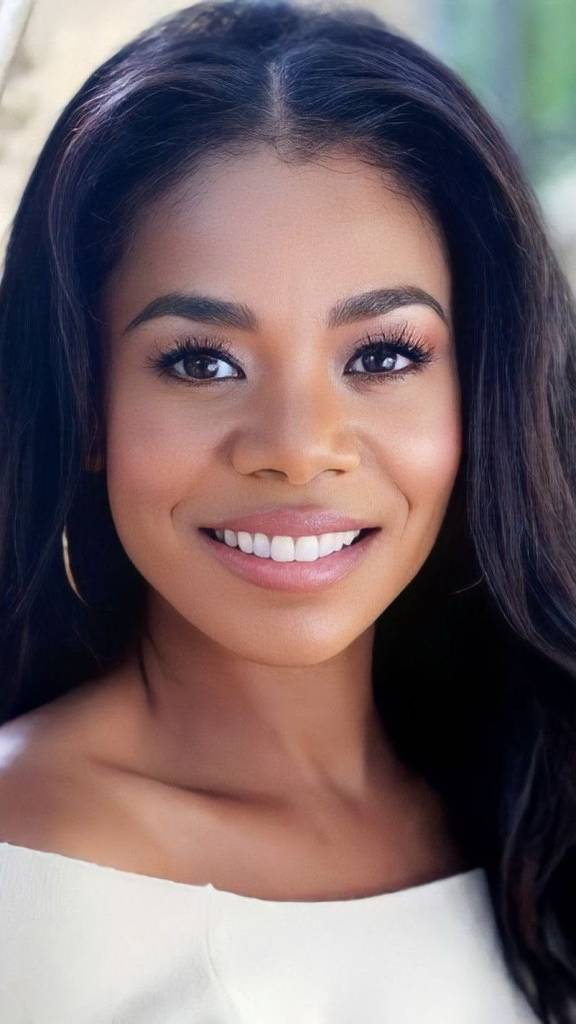
The brilliant beauty whose laughter disarms, but whose depth leaves a lasting imprint.

This photograph is the property of its respective owner.

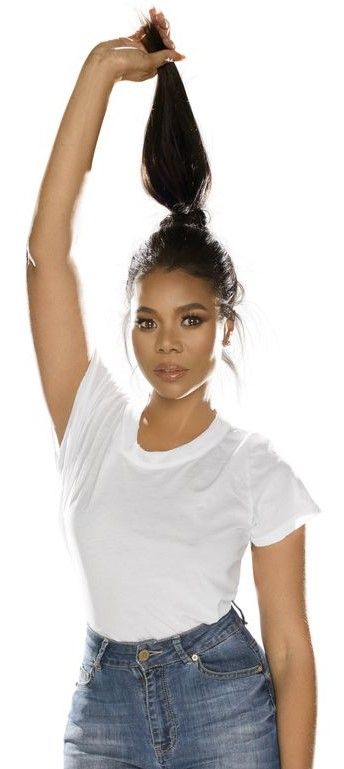
Regina Hall represents a rare Hollywood alchemy: impeccable comedic timing fused with intellectual depth and dramatic restraint. With her luminous smile, expressive eyes, and effortless sophistication, Hall has sustained a career that defies typecasting. She is as comfortable delivering sharp satire as she is portraying layered, emotionally complex women navigating faith, grief, ambition, and desire.

Born December 12, 1970, in Washington, D.C., Hall earned a bachelor’s degree in English from Fordham University and later completed a master’s degree in journalism at New York University. Initially aspiring to a career in journalism, she pivoted toward acting in the late 1990s. Her breakout came with the wildly successful Scary Movie franchise, where she portrayed the unforgettable Brenda Meeks. Across multiple installments, Hall transformed what could have been a one-note comedic character into a cultural staple—bold, animated, and endlessly quotable.

Yet Hall’s trajectory did not remain confined to parody. In The Best Man and its sequel, The Best Man Holiday, she played Candace “Candy” Sparks, a former exotic dancer navigating respectability politics, marriage, and social mobility. Acting alongside Taye Diggs, Nia Long, and Sanaa Lathan, Hall demonstrated emotional nuance beneath comedic sparkle.

Her critical renaissance emerged powerfully with Girls Trip, where she starred opposite Queen Latifah, Jada Pinkett Smith, and Tiffany Haddish. The film grossed over $140 million domestically and became a landmark in contemporary Black female ensemble cinema. Hall’s portrayal of Ryan Pierce—a successful author confronting marital betrayal—allowed her to oscillate between humor and heartbreak, reinforcing her range.

In 2018, Hall delivered one of her most critically acclaimed performances in Support the Girls, earning the New York Film Critics Circle Award for Best Actress. The role marked a departure from broad comedy into understated realism, portraying a working-class manager balancing compassion with exhaustion. That same year, she starred in The Hate U Give, adapted from the novel by Angie Thomas, further solidifying her dramatic credibility.

Hall continued to expand her artistic portfolio with Master, a psychological horror film released by Amazon Prime Video, in which she portrayed a college dean confronting racial tension at an elite institution. The role reflected a maturation of her on-screen presence—measured, restrained, and hauntingly internal.

Throughout her career, Hall has received multiple NAACP Image Awards and nominations, along with critical accolades recognizing her versatility. Beyond awards, however, her cultural impact lies in redefining what comedic actresses can become. She has navigated the transition from satire to sophistication without losing her spark.

Regina Hall is an “It Girl” of endurance. She is neither confined to an archetype nor defined by an era. She stands as proof that laughter and intelligence are not mutually exclusive—and that longevity in Hollywood requires both reinvention and restraint.


References

IMDb. (n.d.). Regina Hall. Retrieved from https://www.imdb.com

Scary Movie franchise data retrieved from:
Box Office Mojo. (n.d.). Scary Movie.

Girls Trip box office information retrieved from:
Box Office Mojo. (n.d.). Girls Trip.

Support the Girls award recognition retrieved from:
New York Film Critics Circle. (2018). Awards listing.

Master distribution information retrieved from:
Amazon Prime Video press materials (2022).

Guerrero, E. (1993). Framing Blackness: The African American image in film. Temple University Press.

Mask, M. (2009). Divas on screen: Black women in American film. University of Illinois Press.

The Indian Dolls: Priyanka Chopra Jonas, Deepika Padukone, and Aishwarya Rai Bachchan.

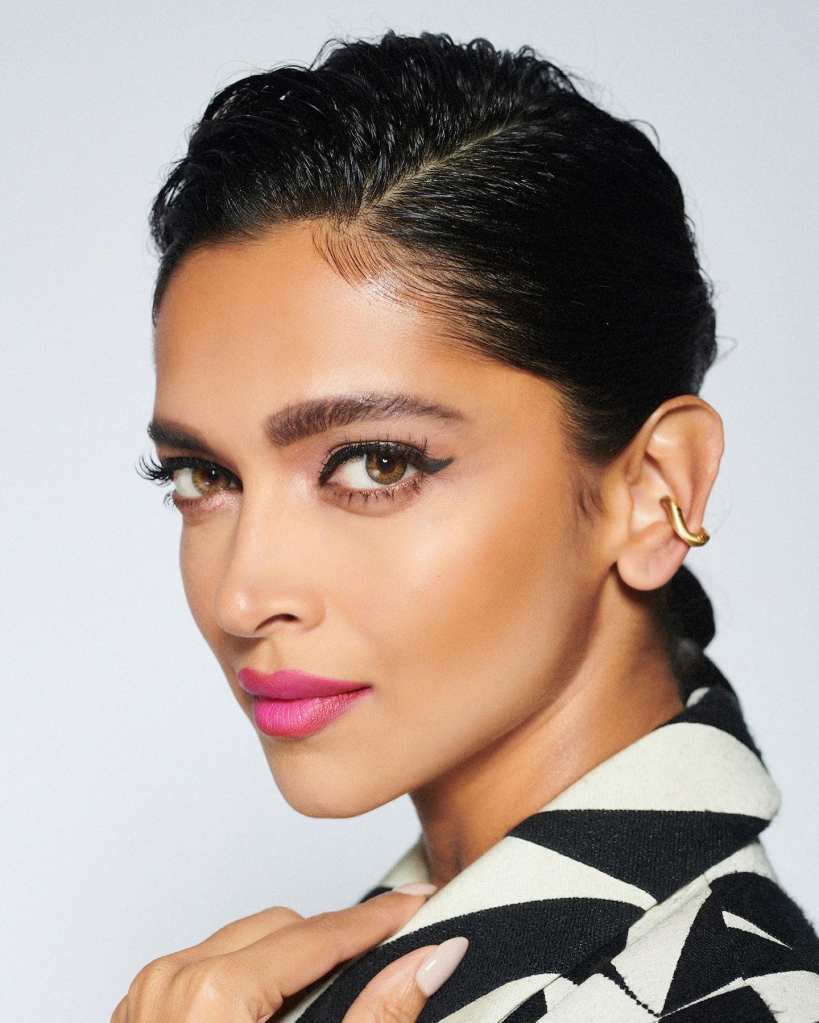
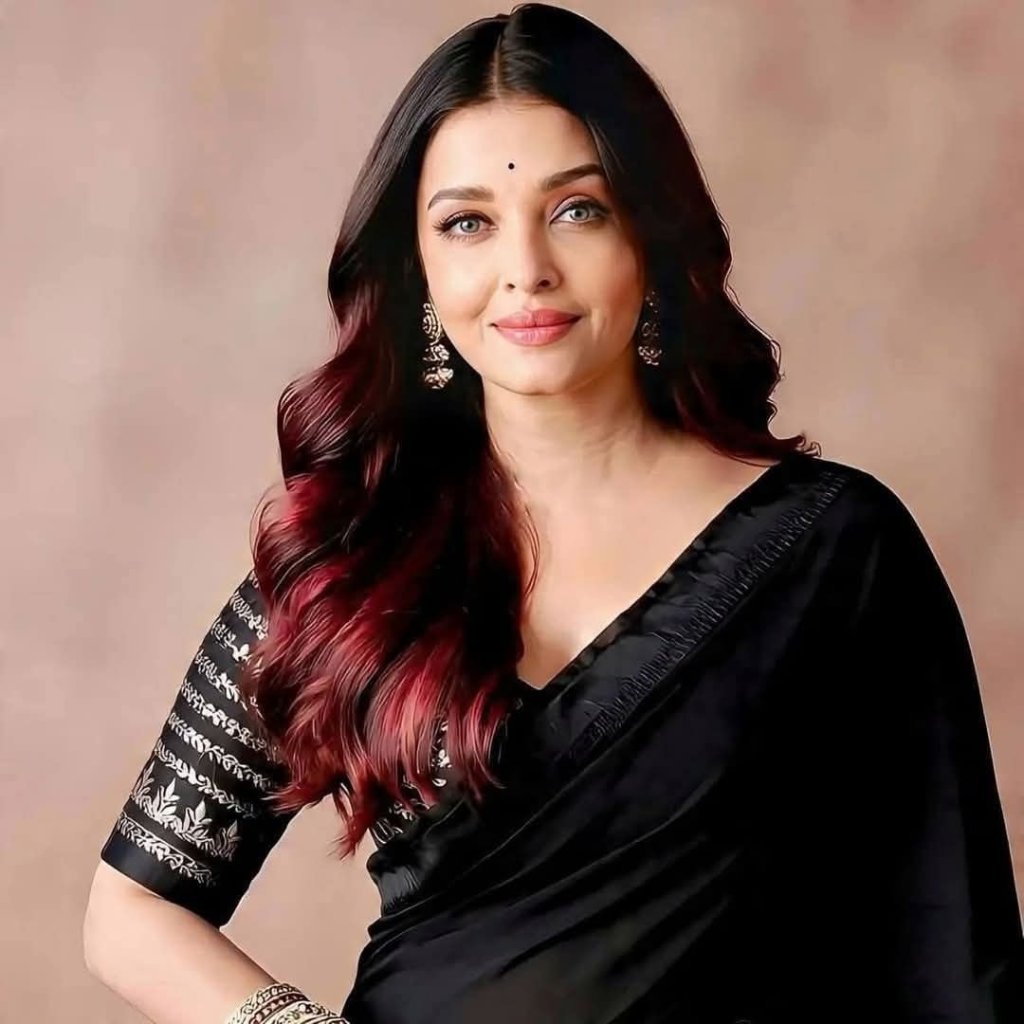
South Asian women have long occupied a complicated space in global beauty culture—simultaneously admired, stereotyped, and under-represented. The idea of the “Indian doll” does not symbolize artificial imitation, but rather a woman whose aesthetics appear richly crafted, emotionally expressive, culturally rooted, and globally captivating. Priyanka Chopra Jonas embodies radiant, healthy skin and facial sculpting that reads as cinematic perfection. Deepika Padukone brings a commanding, statuesque elegance—runway poise blended with emotional vulnerability and strength. Aishwarya Rai Bachchan’s green-blue colored eyes make her instantly recognizable in the Indian community. Together, these women represent cultural range, ancestral depth, family stability, global success, and physical beauty that still feels human and warm, a spectrum that modern South Asian girls can both aspire to and see themselves in.

They are a powerful representation of Indian “doll” imagery because:

  • Their beauty is distinct, not uniform
  • They reflect mixed influences from colonization, migration, and heritage without losing their Indianness
  • They succeeded in global media without abandoning marriage, motherhood, or cultural identity
  • They entered Hollywood and international cinema as fully formed stars, not novelties
  • They shifted the lens from “exotic stereotype” to “global admiration.”


Priyanka Chopra Jonas — The Exotic Global Doll with Glowing Skin

Early Life & Family

  • Born July 18, 1982, in Jamshedpur, Jharkhand, India
  • Parents: Dr. Ashok Chopra and Dr. Madhu Chopra, both physicians in the Indian Army
  • Frequent relocation during childhood due to military assignments gave her exposure to multilingual and multicultural environments
  • Attended school in India and the United States
  • At age 13, she lived in the U.S. for studies before returning to India to complete her education

Ethnicity / Race

  • She is Indian (South Asian), primarily of Punjabi descent
  • Identifies culturally as Desi and maintains a strong affiliation with Indian identity despite a global career trajectory

Marriage & Children

  • Married American singer/actor Nick Jonas in December 2018
  • Child: Malti Marie Chopra Jonas (born January 2022 via surrogate)
  • Priyanka and Nick have displayed a public narrative of cross-cultural admiration, blended tradition, and committed partnership, including a Hindu and Christian wedding celebration

Career Beginnings & Hollywood Entry

  • Crowned Miss World 2000, which launched her national visibility
  • Bollywood film debut: The Hero: Love Story of a Spy (2003)
  • Rose rapidly through Hindi cinema with a commercial and dramatic range
  • U.S. breakthrough: TV series Quantico (2015–2018), making her the first South Asian woman to lead an American network drama
  • Hollywood films include Baywatch (2017) and The Matrix Resurrections (2021)

Awards & Honors

  • National Film Award for Best Actress (India, 2008)
  • 5 Filmfare Awards
  • Padma Shri (Government of India, 2016)
  • Serves as UNICEF Goodwill Ambassador
  • Featured in Time 100 Most Influential People

Beauty Representation

Priyanka represents the modern Indian doll archetype—her golden-bronze complexion, healthy, glowing skin, and beauty rooted in self-care rituals offer representation for Indian girls who seldom saw their natural skin tone elevated in global media before her.


Deepika Padukone — The piercing-eyed Statuesque beauty, the Runway-Doll

Early Life & Family

  • Born January 5, 1986 in Copenhagen, Denmark
  • Raised in Bangalore, India
  • Father: Prakash Padukone, one of India’s greatest badminton champions
  • Mother: Ujjala Padukone, travel agent
  • Younger sister: Anisha Padukone, professional golfer
  • Originally trained in sports before transitioning into modeling

Ethnicity / Race

  • Indian (South Asian), of Konkani ancestry
  • Her upbringing merges Nordic birth geography with a deeply Indian childhood cultural imprint

Marriage & Children

  • Married Bollywood actor Ranveer Singh in November 2018
  • Child: Dua Padukone Singh, born 2024

Career Beginnings & Hollywood Entry

  • Started career in professional modeling and fashion campaigns
  • Bollywood debut: Om Shanti Om (2007), which transformed her into a national sensation
  • Hollywood debut: xXx: Return of Xander Cage (2017)
  • Regular presence at the Cannes Film Festival
  • Built a parallel career as a mental health advocate, founding the Live Love Laugh Foundation

Major Awards & Honors

  • 3 Filmfare Best Actress Awards
  • Cannes 2022 Jury Member
  • Time 100 Impact Award
  • Multiple global honors for fashion and influence

Beauty Representation

Her towering height, flawless beauty, sculpted bone structure, and bronzed, warm skin give her the presence of a living couture doll. She reflects beauty that is bold, visible, and undeniable, inspiring Indian girls to see power in presence, not just prettiness.


Aishwarya Rai Bachchan — The Iconic Bollywood Doll

  • Born November 1, 1973 in Mangalore, Karnataka, India
  • Raised in Mumbai
  • Father: Krishnaraj Rai, marine biologist
  • Mother: Brindya Rai, writer/author
  • Fluent in Tulu, Hindi, English, Tamil, and Bengali
  • Academically gifted; originally studied architecture before pivoting to modeling and film

Ethnicity / Race

  • Indian (South Asian), from a Tulu-speaking community
  • Represents intelligence and cultural rootedness underneath global beauty admiration

Marriage & Children

  • Married Bollywood actor Abhishek Bachchan in April 2007
  • Daughter: Aaradhya Bachchan (born 2011)

Career Beginnings & Hollywood Entry

  • Won Miss World 1994
  • Bollywood debut: Aur Pyaar Ho Gaya (1997)
  • International film visibility early, making her India’s first major crossover global film star
  • Major English-language roles:
    • Bride & Prejudice (2004)
    • The Last Legion (2007)
    • The Pink Panther 2 (2009)
  • Longstanding Cannes red carpet presence since 2002

Major Awards & Honors

  • 2 Filmfare Awards
  • Padma Shri
  • Ordre des Arts et des Lettres (France, 2012)
  • Numerous global beauty and cinema honors

Beauty Representation

Her eyes are her signature—not common in India. She became the blueprint for success in Bollywood – unforgettable and delicate-fierce.


Why They Represent the “Indian Doll” Legacy Well

They are not a monolith. They represent a trinity of Hispanic-style inspiration in South Asian form:

WomanDoll EssenceRepresentation Value
Priyankaglowing skin, sculpted face, golden toneModern global Desi woman + cross-cultural beauty
Deepikastatuesque runway statue brought to lifeTall South Asian beauty + mental health voice
Aishwaryagreen-blue eyesIndia’s first global beauty

Their representation matters because:

  • They reflect the true multiracial and multi-textural harmony of South Asian populations
  • They preserve long-term marriage and motherhood narratives, resisting Hollywood instability tropes
  • They carried their languages, traditions, and ancestry onto global screens
  • They embody beauty that is ornamental, aspirational, emotional, political, cultural, and personal

They are a good representation of the idea of Indian dolls because they show the world that South Asian beauty is not factory-made—it is lineage-made, climate-born, grace-carried, and culturally embodied.


References

Chopra Jonas, P. (2019). Unfinished: A Memoir. Ballantine Books.

Live Love Laugh Foundation. (2021). Mental health advocacy research and campaigns.

Cannes Film Festival Archives. (2003, 2022). Jury member and red carpet documentation.

Nayar, P. K. (2014). The Indian Cinematic Imagination. Routledge.

Dudrah, R. (2006). Bollywood and Globalization: The Global Power of Popular Hindi Cinema. Manchester University Press.

ChatGPT can make mistakes. Check important info.

Celebrity Spotlight: Diana Ross

There’s only one word that describes rich and dark, beautiful and rare. I’m going to call you: Mahogany. — Anthony Perkins (Mahogany, 1975)

This photograph is the property of its respective owner. No copyright infringement intended.

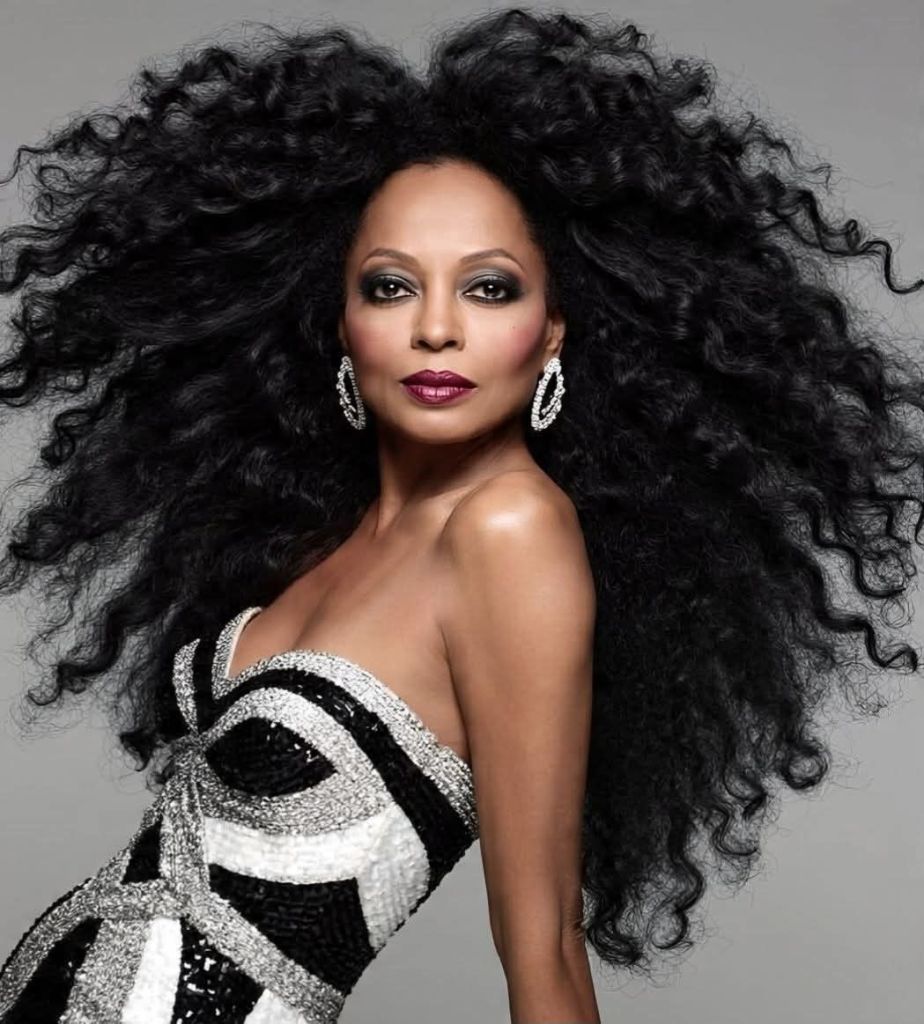
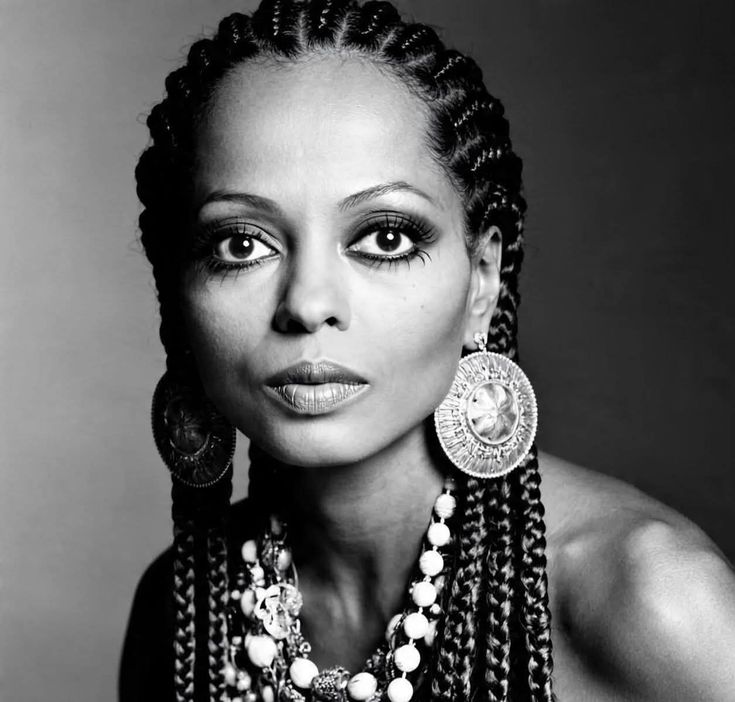
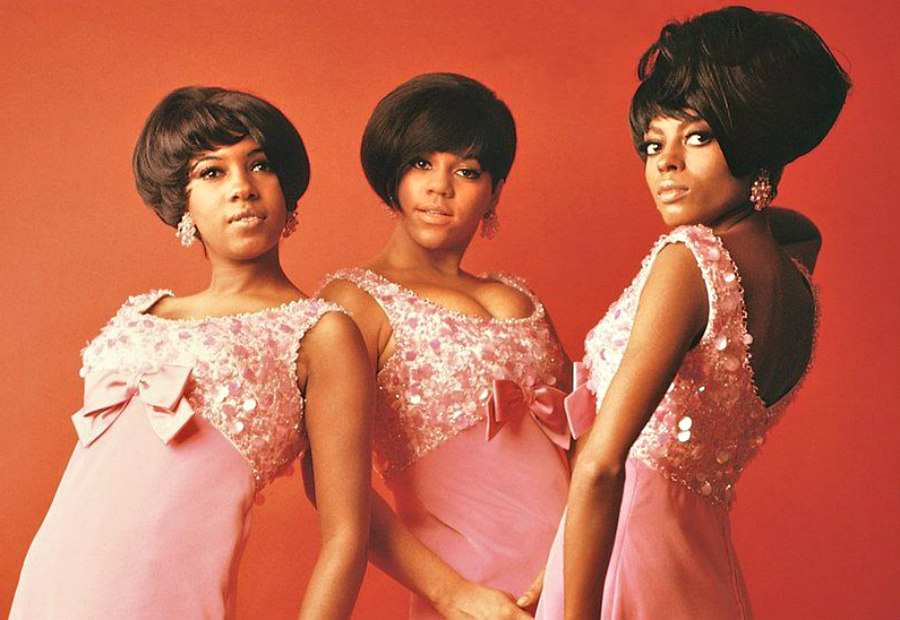
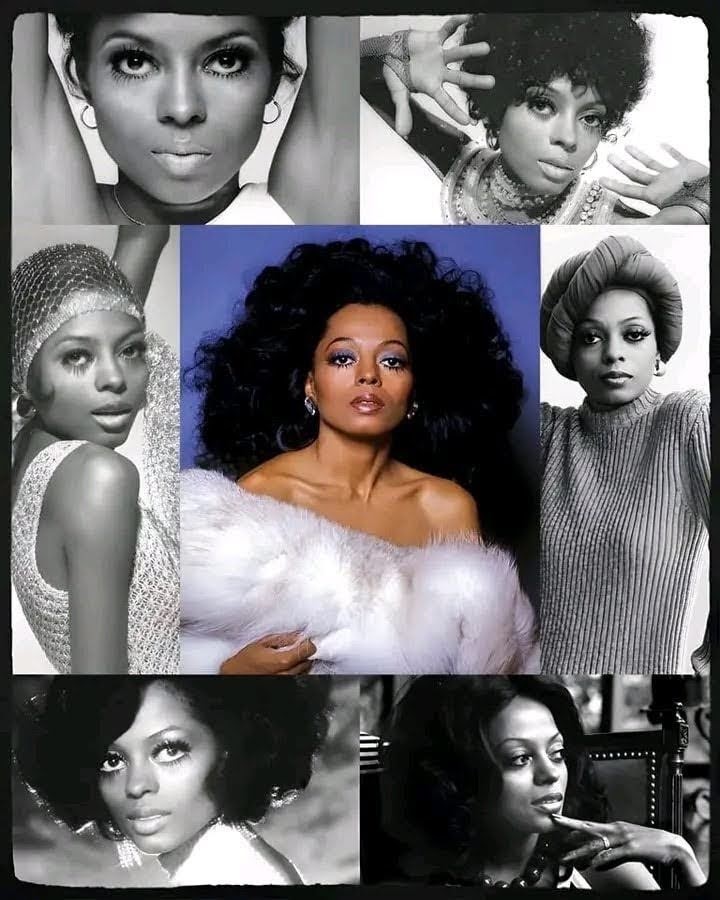
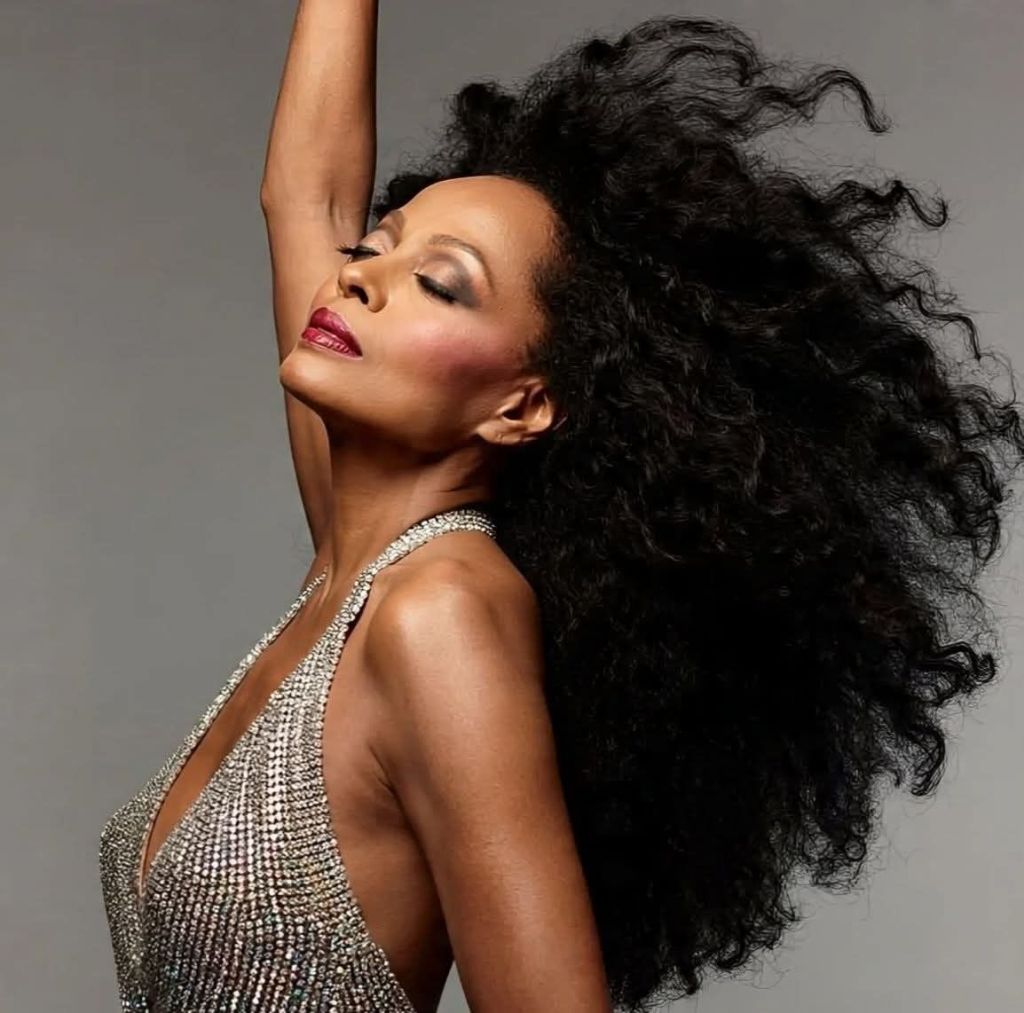
The Doe-Eyed Dollish image of Diana Ross, often referred to as “The Boss,” is a cultural icon whose influence transcends music, film, and fashion. Renowned for her distinctive soprano voice, commanding stage presence, and unmatched elegance, Ross redefined what it meant to be a Black female superstar. From her groundbreaking years as the lead singer of The Supremes to her illustrious solo career, she has captivated audiences worldwide with her charisma, style, and versatility. Beyond her musical achievements, Ross’s big hypnotic eyes, poise, glamour, and enduring influence have made her a symbol of empowerment, sophistication, and timeless artistry.

This photograph is the property of its respective owner. No copyright infringement intended.

🎤 THE QUEEN OF MOTOWN 🎤

Diana Ross, born Diana Ernestine Ross on March 26, 1944, in Detroit, Michigan, is one of the most iconic singers and entertainers in music history. She rose to fame as the lead singer of The Supremes, Motown’s premier female group, before establishing an extraordinary solo career. Ross’s beauty, charisma, and vocal talent earned her the title “The Queen of Motown,” a distinction she continues to hold decades later.

Ross grew up in a working-class neighborhood in Detroit, the youngest of six children. From an early age, she displayed a love for singing and performing. Her mother, Ernestine, encouraged her talents, helping Diana develop poise and confidence that would later define her stage presence. Ross attended Cass Technical High School, where she honed her musical skills alongside academics.

Diana Ross’s career began in the late 1950s when she joined a girl group originally called The Primettes. The group eventually signed with Berry Gordy’s Motown Records in 1961 and changed their name to The Supremes. Ross’s distinct soprano voice, combined with her elegance and stage presence, quickly distinguished her from other groups of the era.

This photograph is the property of its respective owner. No copyright infringement intended.

With Ross as lead singer, The Supremes became Motown’s most successful act in the 1960s. Hits such as “Where Did Our Love Go,” “Baby Love,” and “Stop! In the Name of Love” dominated the Billboard charts. Her style — graceful, glamorous, and commanding — helped define the image of a modern Black female superstar, paving the way for countless artists.

In 1970, Diana Ross left The Supremes to pursue a solo career. Her debut album, “Diana Ross”, produced hits like “Ain’t No Mountain High Enough”, showcasing her ability to deliver powerful and emotionally resonant performances as a solo artist. Her voice and presence evolved, demonstrating versatility across pop, R&B, and soul genres.

Ross’s film career is equally remarkable. She starred in “Lady Sings the Blues” (1972), portraying jazz legend Billie Holiday. Her performance earned an Academy Award nomination for Best Actress, solidifying her status as a multi-talented entertainer. Ross followed with “Mahogany” (1975) and “The Wiz” (1978), demonstrating her range in dramatic and musical roles.

Ross has received numerous awards and accolades throughout her career. She won a Grammy Lifetime Achievement Award in 2012, an Emmy Award, and a Golden Globe for her role in “Lady Sings the Blues.” Billboard and Rolling Stone have recognized her influence, ranking her among the greatest singers of all time.

Her influence extended beyond music and film. Ross became a fashion icon, celebrated for her glamorous gowns, striking hairstyles, and elegant stage presence. She set trends for Black women and female performers worldwide, proving that beauty, poise, and talent could coexist at the highest level of entertainment.

Diana Ross welcomed her first child, Rhonda Ross Kendrick, in 1971 with her then-partner Berry Gordy.

The following year, she welcomed Tracee Ellis Ross with her husband, Robert Ellis Silberstein. Three years later, their third daughter, Chudney Ross, was born.

After marrying Arne Naess Jr. in 1986, Ross welcomed two sons, Ross Arne Naess and Evan Ross. Ross also has a son, Rohan Marley, with reggae legend Bob Marley.

Throughout her life, Ross maintained strong relationships with Motown founder Berry Gordy, who was both mentor and former partner. Gordy’s guidance was instrumental in shaping her career, and their professional relationship produced some of Motown’s most memorable hits. Ross’s interactions with fellow stars, including Billy Dee Williams, highlighted her collaborative spirit in the entertainment industry.

This photograph is the property of its respective owner. No copyright infringement intended.

Diana Ross’s hit songs in the 1970s and 1980s include “Touch Me in the Morning,” “Theme from Mahogany,” “Upside Down,” and “I’m Coming Out.” These songs remain cultural staples, reflecting her ability to evolve musically while maintaining her signature sound. Ross also performed at landmark events, including the 1983 Motown 25 special, which celebrated her contributions to music history.

Ross cited numerous influences on her musical development. She admired Billie Holiday, Ella Fitzgerald, and Sarah Vaughan, drawing inspiration from their emotive vocal styles and stagecraft. This foundation allowed Ross to blend jazz, soul, and pop seamlessly in her own performances.

Her relationship with Berry Gordy was pivotal in her early career, providing both creative direction and exposure. Despite the personal complexities, their collaboration produced timeless hits that shaped Motown and set the standard for future musical acts. Ross’s professionalism and artistry ensured that these collaborations remained productive and legendary.

Ross’s impact extended internationally. She performed for presidents, royalty, and global audiences, including her historic performance at the 1983 US Presidential Inauguration. Her music and presence transcended cultural barriers, inspiring fans worldwide and affirming her role as a global icon.

This photograph is the property of its respective owner. No copyright infringement intended.

Throughout her career, Ross faced challenges, including scrutiny over her personal life, financial negotiations, and the pressures of fame. Nevertheless, she consistently demonstrated resilience, adapting to changing musical landscapes and remaining relevant across decades.

Ross’s filmography includes notable projects beyond “Lady Sings the Blues” and “Mahogany.” She starred in “The Wiz,” “Out of Darkness,” and several made-for-TV specials. These roles showcased her versatility, merging her musical talents with acting and stagecraft.

Her style and performances influenced countless artists, including Beyoncé, Jennifer Hudson, and Alicia Keys. Ross’s legacy is evident in the way contemporary performers blend music, fashion, and social influence, reflecting her holistic approach to artistry.

Diana Ross’s personal life also reflects her commitment to family and philanthropy. She has supported causes including education, children’s welfare, and health awareness, particularly advocating for Black communities. Her activism complements her artistic legacy, demonstrating a life of purpose beyond entertainment.

Ross has been recognized with lifetime achievement honors, including inductions into the Rock and Roll Hall of Fame, Grammy Hall of Fame, and numerous music industry awards. These accolades affirm her enduring contributions to music, film, and culture.

In conclusion, Diana Ross remains a defining figure in 20th and 21st-century entertainment. Her journey from The Supremes to global superstardom illustrates exceptional talent, strategic vision, and personal resilience. She is not only a musical icon but a cultural symbol of beauty, elegance, and empowerment. Ross’s life and career continue to inspire generations of artists and fans around the world.


References

  • Taraborrelli, J. R. (2007). Diana Ross: A Biography. Crown Publishing Group.
  • Ritz, D. (2003). Divided Soul: The Life of Marvin Gaye. Da Capo Press.
  • Larkin, C. (2011). The Encyclopedia of Popular Music. Omnibus Press.
  • The Holy Bible, King James Version.
  • Billboard. (2020). Diana Ross Chart History. Retrieved from https://www.billboard.com/music/diana-ross
  • Rolling Stone. (2015). Diana Ross: 100 Greatest Singers of All Time.