
The Black Experience: Prophecy or History Repeating?
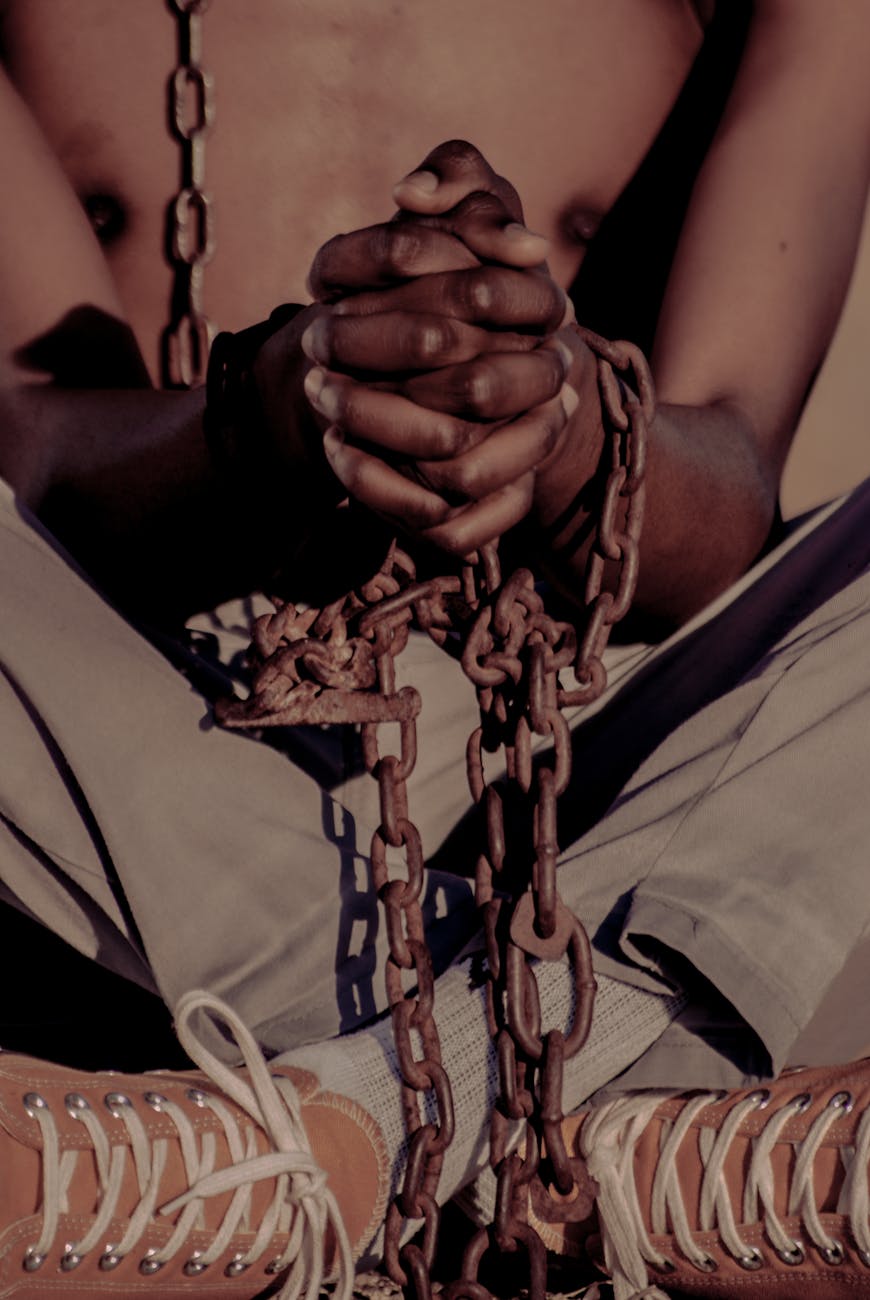
The twenty-eighth chapter of Deuteronomy in the King James Version (KJV) is one of the most striking passages in the Bible because of its detailed account of blessings for obedience and curses for disobedience. For centuries, many have read this chapter as a prophetic warning to ancient Israel. However, within the Black community—particularly among African Americans and the African diaspora—Deuteronomy 28 has been seen as more than distant history. Its descriptions of exile, suffering, and generational struggle resonate deeply with the legacy of slavery, systemic oppression, and the enduring trials faced by Black people today.
What Deuteronomy 28 Means (KJV Context)
Deuteronomy 28 outlines two distinct paths:
- Verses 1–14 – Blessings for obedience to God’s commandments: prosperity, victory over enemies, fruitful land, and respect among nations.
- Verses 15–68 – Curses for disobedience: poverty, disease, oppression, exile, enslavement, and a loss of identity.
For example:
“The LORD shall cause thee to be smitten before thine enemies… thou shalt be removed into all the kingdoms of the earth.” (Deut. 28:25, KJV)
“And the LORD shall bring thee into Egypt again with ships… and there ye shall be sold unto your enemies for bondmen and bondwomen, and no man shall buy you.” (Deut. 28:68, KJV)
In biblical times, “Egypt” symbolized bondage. The reference to ships in verse 68 has been interpreted by many in the African diaspora as a prophetic mirror to the transatlantic slave trade.
How It Affects Black People Today
For many descendants of the transatlantic slave trade, Deuteronomy 28 feels eerily personal:
- Loss of Homeland & Identity – The scattering of Israelites into foreign nations parallels the forced removal of Africans from their native lands, stripping away language, culture, and heritage.
- Generational Oppression – The curses describe cycles of poverty and violence that continue to plague Black communities worldwide.
- Cultural Disconnection – Enslavement replaced ancestral traditions with foreign religions, names, and lifestyles, creating a fractured sense of self.
This sense of displacement—spiritual, cultural, and physical—has left an imprint that still affects Black people’s self-perception, unity, and empowerment.
Is History Repeating Itself?
While the transatlantic slave trade has ended, its legacy persists in new forms:
- Mass Incarceration – A modern system echoing the chains of the past.
- Police Brutality – Public killings and abuse as an extension of historical racial violence.
- Economic Inequality – Wealth gaps between Black communities and white counterparts remain rooted in systemic barriers from slavery and Jim Crow.
- Global Displacement – Migration crises and gentrification uproot Black families from established communities.
These parallels suggest that although the methods have changed, the core patterns of oppression remain. In this sense, history is not merely repeating—it is evolving in ways that still reflect the curses described in Deuteronomy 28.
Trials and Tribulations of the Black Experience
From enslavement to present-day systemic injustice, Black people have endured:
- Enslavement & Forced Labor – Centuries of physical bondage and exploitation.
- Lynchings & Racial Terrorism – The use of fear to maintain racial hierarchies.
- Educational Barriers – Underfunded schools and restricted access to higher learning.
- Cultural Appropriation – The theft and monetization of Black creativity without proper recognition or benefit.
- Health Disparities – Higher rates of preventable diseases due to unequal access to care.
These struggles align with the “yoke of iron” (Deut. 28:48) that speaks not just to physical chains, but to social, economic, and psychological oppression.
Why Are We Going Through This?
From a biblical perspective, the trials faced by Black people can be seen through the lens of covenant relationship. In the Hebrew Scriptures, disobedience to God brought consequences upon Israel. Theologically, some interpret the suffering of the African diaspora as part of a divine chastisement that calls for repentance, unity, and a return to God’s commandments.
From a historical lens, the reason lies in systemic exploitation and white supremacy, which have sought to control, divide, and profit from Black labor and culture for centuries. Both spiritual and political explanations reveal that our suffering has roots deeper than mere coincidence.
Why Did This Separate Us?
Deuteronomy 28 speaks of being “scattered among all people” (v. 64). The scattering of African peoples through slavery physically separated families and tribes. Colonialism and forced assimilation further divided communities, creating:
- Fragmented Identity – Different surnames, languages, and religions within the same bloodline.
- Division by Colorism – A lingering byproduct of slavery’s “divide and rule” tactics.
- Cultural Amnesia – Loss of collective memory about African kingdoms, traditions, and biblical heritage.
This separation weakens unity, making it harder for Black communities to mobilize for collective liberation.
Conclusion: Prophecy and Purpose
Whether one views Deuteronomy 28 as ancient prophecy directly describing the African diaspora or as an allegorical warning, the parallels are undeniable. The chapter reads like both a historical account and a prophetic mirror reflecting the Black experience—past and present.
Yet within the same chapter lies hope: the blessings that come with obedience, unity, and spiritual restoration. If the curses came to pass, so too can the promises of restoration, prosperity, and freedom. Our history may feel like it’s repeating, but prophecy also offers the possibility of breaking the cycle.
“And the LORD thy God will turn thy captivity, and have compassion upon thee, and will return and gather thee from all the nations…” (Deut. 30:3, KJV)
The call, then, is not only to recognize the pattern but to rise above it—spiritually, culturally, and collectively—so history’s repetition ends with us.
 THE BROWN GIRL DILEMMA