
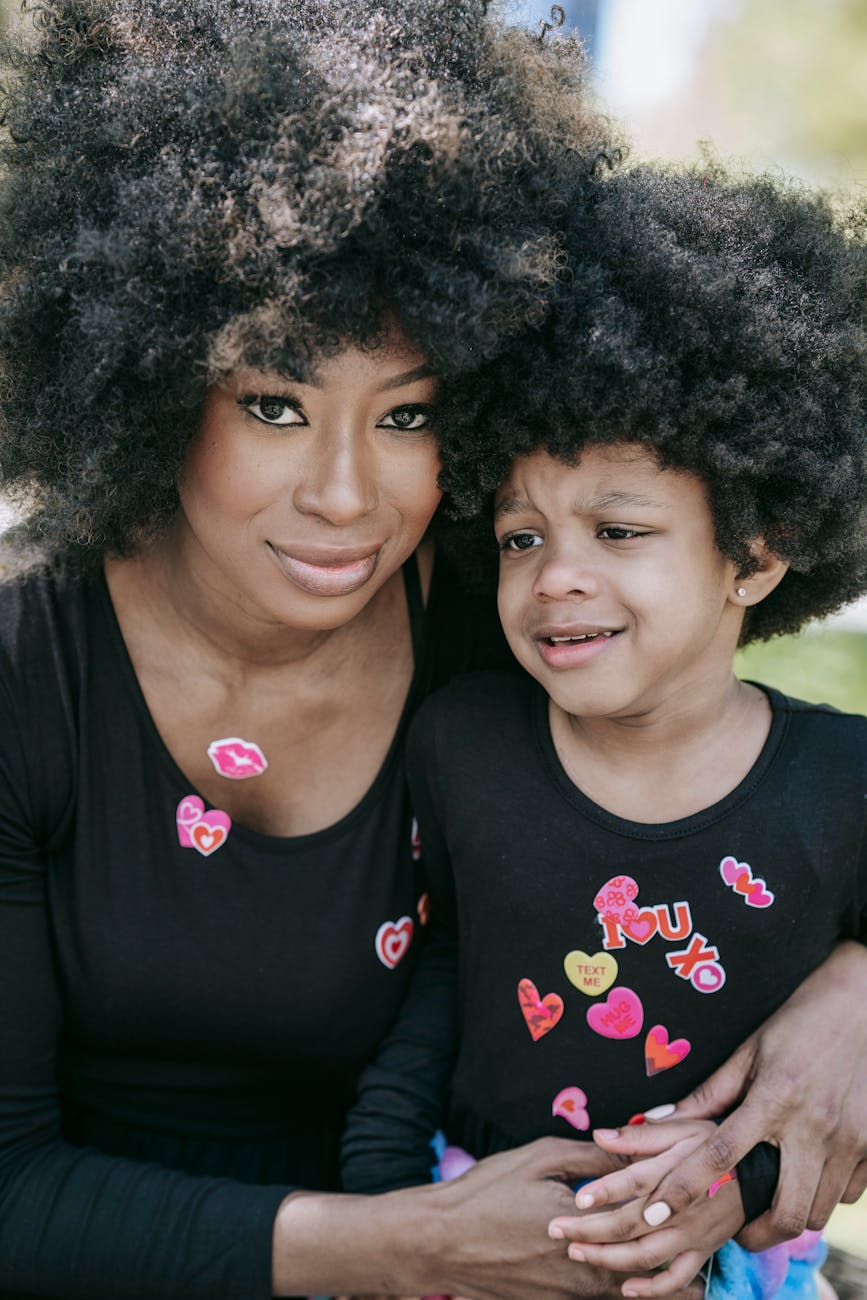
The “mother wound” is a term used in psychology to describe the emotional pain, unmet needs, and lasting effects that come from a strained or harmful relationship with one’s mother. This wound can form when a mother is absent, overly critical, emotionally unavailable, abusive, or unable to give nurturing love. It leaves a deep imprint on a child’s developing identity and often affects adulthood relationships, self-esteem, and the way one sees God. In many ways, the mother wound is the pain of not receiving the warmth, affirmation, and safety that children need from the woman who gave them life.
Psychologists note that children naturally bond with their mothers as their first source of safety and comfort. When that bond is disrupted, children may grow up feeling rejected, unworthy, or unlovable. This can lead to perfectionism, people-pleasing, or difficulty trusting others later in life. Some may struggle with anger, resentment, or fear of abandonment. The mother wound is not always the result of malicious intent—sometimes mothers simply repeat the patterns they learned from their own mothers. Yet the pain remains very real and can show up in adulthood as anxiety, depression, or an empty longing for approval.
The Bible acknowledges the power of a mother’s role and the pain that comes when it is lacking. Proverbs 31 celebrates a mother who nurtures and instructs, saying, “Her children arise up, and call her blessed” (Proverbs 31:28, KJV). Conversely, passages like Isaiah 49:15 remind us that even if a mother forgets her child, the Lord will not forget: “Can a woman forget her sucking child, that she should not have compassion on the son of her womb? yea, they may forget, yet will I not forget thee.” This scripture comforts those who feel abandoned, showing that God Himself steps in to mother and nurture His children when earthly mothers fail.
Psychologically, the mother wound often results in inner conflict. Adults may crave closeness with their mothers but also feel deep hurt or resentment toward them. This ambivalence can create guilt, shame, or anger. Therapists encourage people to recognize and name these feelings rather than suppress them. Suppression often leads to bitterness, which Scripture warns against: “Looking diligently lest any man fail of the grace of God; lest any root of bitterness springing up trouble you, and thereby many be defiled” (Hebrews 12:15, KJV). Healing requires courage to face the truth of what was lost or damaged.
Part of the solution is learning to re-parent yourself through God’s love. Psalm 27:10 declares, “When my father and my mother forsake me, then the Lord will take me up.” This verse is a promise that God Himself will provide the nurturing and affirmation you missed. Through prayer, meditation on God’s Word, and fellowship with healthy believers, you can learn to receive love in a secure way and build a new foundation of identity rooted in Christ.
Forgiveness is also a key step toward healing. Forgiveness does not excuse harmful behavior, but it frees you from carrying the weight of resentment. Jesus teaches, “For if ye forgive men their trespasses, your heavenly Father will also forgive you” (Matthew 6:14, KJV). Forgiving a mother who wounded you can be one of the most difficult acts of obedience, yet it can bring incredible peace and break generational cycles of pain.
Counseling or support groups can be helpful in processing the mother wound. Christian therapy combines psychological insight with biblical truth to address patterns of codependency, perfectionism, and unhealthy attachment styles. Journaling, prayer, and honest conversations with trusted mentors can also allow you to express your grief safely and invite God’s healing presence into those places of pain.
Ultimately, the solution to the mother wound is to let God rewrite your story. The Lord can transform sorrow into strength and teach you how to relate to others with healthier boundaries and deeper compassion. The process may be slow, but His promise is sure: “He healeth the broken in heart, and bindeth up their wounds” (Psalm 147:3, KJV). As you walk this journey, you will discover that your identity is not limited by what you lacked as a child. In Christ, you are whole, beloved, and capable of building a new legacy of love for future generations.
References
Biblical References (KJV):
- Proverbs 31:28 – “Her children arise up, and call her blessed; her husband also, and he praiseth her.”
- Isaiah 49:15 – “Can a woman forget her sucking child, that she should not have compassion on the son of her womb? yea, they may forget, yet will I not forget thee.”
- Hebrews 12:15 – “Looking diligently lest any man fail of the grace of God; lest any root of bitterness springing up trouble you, and thereby many be defiled.”
- Psalm 27:10 – “When my father and my mother forsake me, then the Lord will take me up.”
- Matthew 6:14 – “For if ye forgive men their trespasses, your heavenly Father will also forgive you.”
- Psalm 147:3 – “He healeth the broken in heart, and bindeth up their wounds.”
Psychological & Scholarly References:
- Woodman, B. (2015). The Mother Wound: Understanding and Healing the Impact of Unavailable Mothers. Psychology Today.
- Willson, J., & Toman, C. (2021). Intergenerational trauma and the “mother wound”: Exploring the psychological effects of maternal emotional unavailability. Journal of Family Therapy, 43(3), 356–373.
- Bowlby, J. (1988). A Secure Base: Parent-Child Attachment and Healthy Human Development. Basic Books.
- Neff, K. D. (2011). Self-Compassion: The Proven Power of Being Kind to Yourself. William Morrow.
- Cloud, H., & Townsend, J. (1992). Boundaries: When to Say Yes, How to Say No to Take Control of Your Life. Zondervan.
 THE BROWN GIRL DILEMMA