
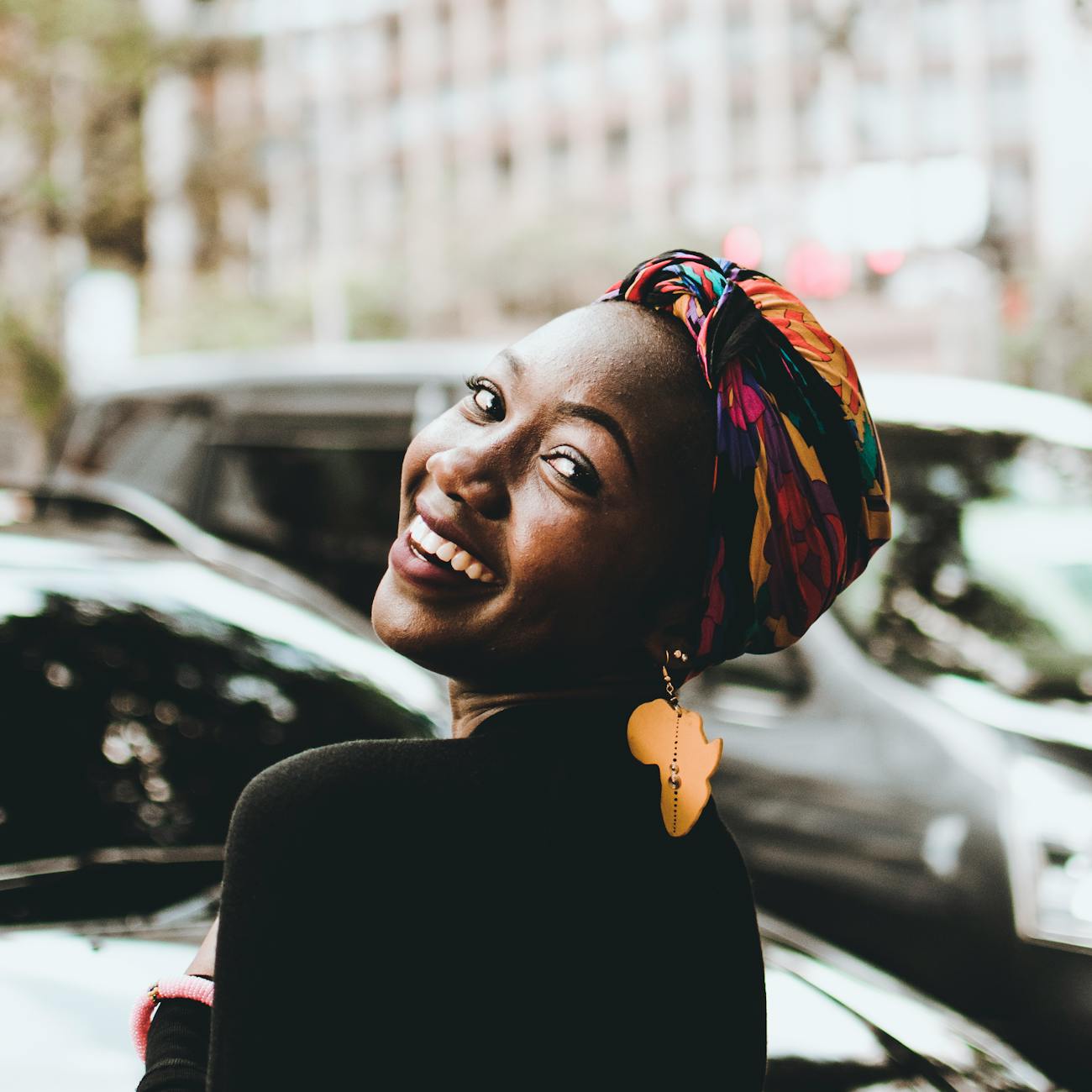
For generations, brown girls have lived under what feels like a curse—a complex web of colorism, racism, and sexism that tells them they are too much and yet never enough. This “brown girl curse” is not an inherent flaw, but a cultural inheritance of oppression, one that weighs on identity, beauty, and belonging. Yet, the act of unveiling confidence is the key to breaking this cycle, reclaiming dignity, and walking in divine affirmation.
The so-called curse traces its origins to slavery and colonialism, where hierarchies of shade were constructed to privilege lightness and punish darkness (Hunter, 2007). This created a system where brown-skinned women were caught in-between—neither afforded the proximity-to-power that lighter skin might offer, nor granted the admiration sometimes given to deeper hues as symbols of resilience. The “curse” is thus the burden of comparison, internalized shame, and constant negotiation of worth.
Psychologically, this manifests as what social scientists describe as internalized colorism—when individuals absorb society’s prejudices and direct them inward (Tharps, 2016). Brown girls may find themselves doubting their attractiveness, questioning their professional value, or feeling “average” in a world obsessed with extremes of either pale or dark beauty. This curse fosters cycles of self-doubt, imposter syndrome, and anxiety around visibility.
Yet scripture points to a different reality. Proverbs 31:25 declares, “Strength and honour are her clothing; and she shall rejoice in time to come” (KJV). The curse is man-made, but confidence is God-given. To unveil confidence is to strip away the false narratives placed upon brown girls and to embrace the truth that they are fearfully and wonderfully made (Psalm 139:14, KJV). Confidence, then, is not arrogance—it is the rightful rejection of lies and the embodiment of sacred worth.
Breaking the brown girl curse also requires community healing. Sisterhood circles, mentorship networks, and intergenerational storytelling empower brown girls to hear affirmations that counteract the bias of the world. When a brown girl sees herself reflected in the confidence of another—whether in family, media, or leadership—she recognizes that she too carries the authority to define herself. Representation becomes revelation.
In popular culture, this confidence is increasingly unveiled through women who refuse to conform to narrow beauty standards. Actresses like Lupita Nyong’o and Yara Shahidi, and models such as Adut Akech, have reclaimed the power of their shade, turning once-dismissed features into celebrated markers of identity. Their visibility breaks the supposed curse by showing younger generations that brown skin is not a limitation but a canvas of resilience and radiance.
Faith and psychology agree that confidence is not a superficial quality but a core identity marker. It is the antidote to invisibility and fetishization, and it grows stronger with intentional practice: affirming words, spiritual grounding, and consistent self-love rituals. As Paul wrote, “Be not conformed to this world: but be ye transformed by the renewing of your mind” (Romans 12:2, KJV). Renewing the mind is how the brown girl moves from curse to confidence, from silent endurance to outspoken dignity.
In unveiling confidence, the brown girl curse is broken. What once was a burden becomes a badge of survival. What once was shame becomes strength. What once was silence becomes song. The brown girl does not merely survive the curse—she dismantles it, declaring to the world that her confidence is not borrowed, but born of the God who saw her from the beginning.
References
- Hunter, M. (2007). The persistent problem of colorism: Skin tone, status, and inequality. Sociology Compass, 1(1), 237–254.
- Tharps, L. L. (2016). Same Family, Different Colors: Confronting Colorism in America’s Diverse Families. Beacon Press.
- The Holy Bible, King James Version.
 THE BROWN GIRL DILEMMA