
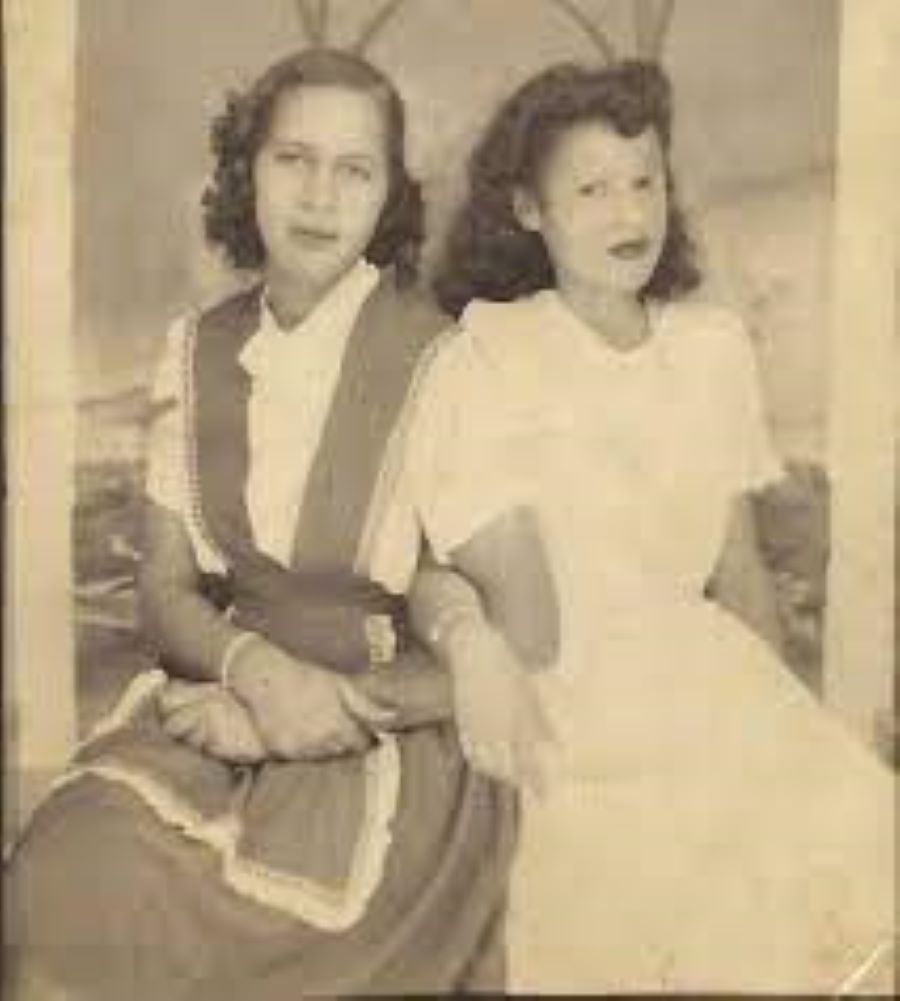
The Creoles of Louisiana are a unique cultural group whose roots go back to the French and Spanish colonial periods of the 18th century. The word “Creole” originally referred to people born in the colonies rather than in Europe, but over time, it came to describe a population of mixed European, African, and Native American ancestry that developed a distinct identity in Louisiana (Domínguez, 1994). The Creole community was shaped by colonial rule, the transatlantic slave trade, and the blending of cultures in the Gulf Coast region.
The racial and cultural mixture of Louisiana Creoles is complex. Many Creoles were of French and Spanish descent, intermarrying with Africans and Native Americans, which created a population with diverse skin tones, languages, and traditions (Hall, 1992). This blending produced a rich cultural heritage that included Catholicism, French or Creole French language, and a strong emphasis on music, cuisine, and family traditions. Creoles of color, in particular, played a unique role in Louisiana society, forming a class that was socially distinct from both enslaved Africans and white European settlers.
The origins of Louisiana Creoles can be traced to the early 1700s, when Louisiana was a French colony. By the mid-18th century, enslaved Africans from West Africa were brought into the colony, contributing not only labor but also culture, language, and traditions. Spanish rule, which lasted from 1763 to 1800, added another layer of influence. After the Louisiana Purchase in 1803, Creoles resisted assimilation into Anglo-American culture and worked to preserve their distinct identity (Hirsch & Logsdon, 1992).
An example of a well-known Creole is the famous writer and folklorist George Washington Cable, who documented Creole life in New Orleans, or more recently, singer Beyoncé Knowles, whose mother, Tina Knowles, is of Louisiana Creole heritage. Creoles can range widely in appearance, from very fair-skinned individuals with European features to darker-skinned individuals with African features, reflecting their mixed ancestry. This diversity in appearance often confounded simplistic racial categories in America’s history (Domínguez, 1994).
Historical Creoles of Louisiana
The historical Creoles of Louisiana were a culturally rich and socially complex community who emerged during the French and Spanish colonial periods in the 18th and 19th centuries. The word “Creole” originally meant “born in the colony” and applied to both Europeans and Africans born in Louisiana rather than in their ancestral homelands (Hall, 1992). Over time, it came to describe a distinctive class of people who were shaped by the blending of French, Spanish, African, and Native American influences.
One prominent group was the Creoles of color (gens de couleur libres), free people of mixed African and European ancestry who occupied a unique social position. They were neither enslaved nor fully accepted into white society, but they developed their own communities with strong traditions in music, art, education, and business (Hirsch & Logsdon, 1992). Many were educated in France, owned property, and even owned businesses or plantations.
Among the most famous historical Creoles was Marie Laveau (1801–1881), the legendary Voodoo priestess of New Orleans. She was a free woman of color who gained great influence in both the Black and white communities of the city. Her legacy blends religion, mysticism, and Creole culture, making her one of the most enduring symbols of Louisiana Creole identity (Long, 2006).
Another notable Creole figure was Homer Plessy (1862–1925), the plaintiff in the landmark Supreme Court case Plessy v. Ferguson (1896). Plessy, a Creole of color, challenged segregation laws by refusing to leave a whites-only train car, leading to the infamous “separate but equal” ruling. His activism reflects the long history of Creoles advocating for civil rights.
Creoles also made major contributions in the arts. Louis Moreau Gottschalk (1829–1869), a world-renowned pianist and composer, was of Creole descent. He brought Louisiana musical traditions to the international stage, blending European classical music with Afro-Caribbean and Creole rhythms (Saffle, 1995).
Visually, historical Creoles varied greatly in appearance. Some had light skin and European features, while others had darker complexions reflecting African ancestry. This diversity often blurred rigid racial categories in America’s history, making Creoles a community that challenged the black-and-white binary system of racial identity (Domínguez, 1994).
Socially, Creoles were also known for their traditions, such as Creole society balls, especially the “quadroon balls,” which introduced mixed-race women into elite circles. These gatherings reflected both the elegance and the racial complexities of Creole society in New Orleans.
By the late 19th and early 20th centuries, Creole identity began to shift due to segregation laws and Americanization after the Louisiana Purchase. Yet, historical Creoles left an enduring mark on Louisiana through music, food, religion, and resistance to cultural erasure. Their legacy is still celebrated today in New Orleans festivals, Creole cuisine, and the preservation of the Creole French language.
A key distinction exists between Creoles and Cajuns in Louisiana. Cajuns are descendants of French-speaking Acadians who were expelled from Canada (Nova Scotia) in the mid-1700s and settled in rural southern Louisiana. They developed their own culture, marked by Catholicism, French dialects, and rural traditions (Ancelet, 1991). In contrast, Creoles were often urban, tied to New Orleans and plantation life, and represented a broader racial and cultural mix. While both groups share French roots, their histories and identities are distinct.
Social life for Creoles in the 18th and 19th centuries included elaborate traditions such as Creole balls, which were formal gatherings that showcased music, fashion, and dance. These events often served as opportunities for members of the Creole community to preserve cultural identity and reinforce social ties. One particularly notable tradition was the “quadroon balls” in New Orleans, where women of mixed African and European ancestry were introduced into society, often leading to complex social arrangements within the racial caste system (Hirsch & Logsdon, 1992).
Creole culture is also deeply tied to music, food, and religion. Catholicism played a central role, influencing festivals such as Mardi Gras, which was celebrated with both sacred and secular dimensions. Creole cuisine, blending French, African, Spanish, and Caribbean flavors, produced iconic dishes like gumbo, jambalaya, and étouffée. Musically, Creoles contributed to jazz, zydeco, and other genres that are now central to Louisiana’s cultural identity.
Today, Louisiana Creoles continue to preserve their heritage while also navigating questions of racial and cultural identity in modern America. Their history of resilience, creativity, and adaptation has made them one of the most distinct cultural groups in the United States. Through language, food, music, and traditions, the Creoles of Louisiana embody the complexity of American history and the richness of cultural fusion.
References
- Ancelet, B. J. (1991). Cajun Music and Zydeco. University Press of Mississippi.
- Domínguez, V. R. (1994). White by Definition: Social Classification in Creole Louisiana. Rutgers University Press.
- Hall, G. M. (1992). Africans in Colonial Louisiana: The Development of Afro-Creole Culture in the Eighteenth Century. LSU Press.
- Hirsch, A. R., & Logsdon, J. (1992). Creole New Orleans: Race and Americanization. LSU Press.
- Hirsch, A. R., & Logsdon, J. (1992). Creole New Orleans: Race and Americanization. LSU Press.
- Long, C. (2006). A New Orleans Voudou Priestess: The Legend and Reality of Marie Laveau. University Press of Florida.
- Saffle, M. (1995). Louis Moreau Gottschalk: Selected Studies in Nineteenth-Century American Music. Garland Publishing.
 THE BROWN GIRL DILEMMA