
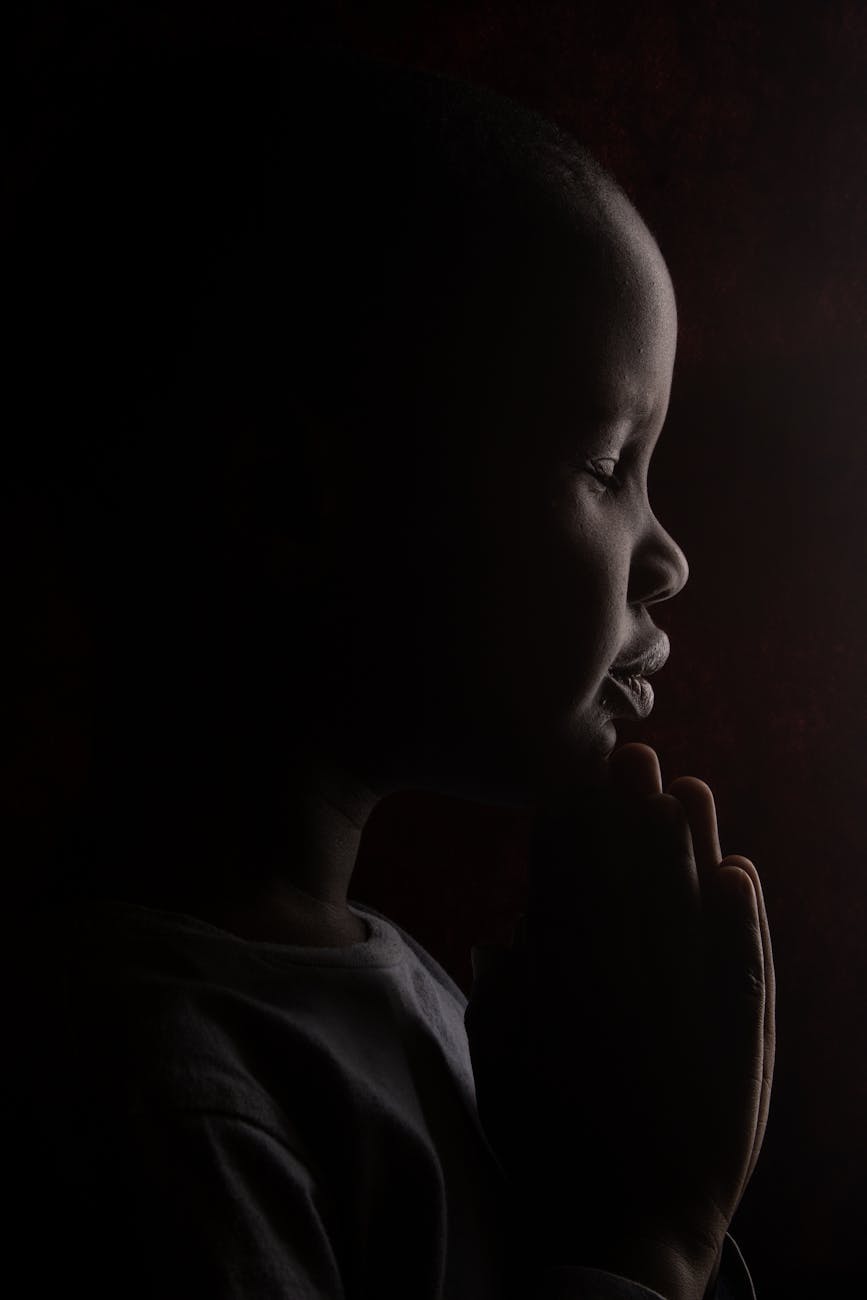
Prayer is the act of communicating with God, expressing praise, thanksgiving, confession, and supplication. Biblically, prayer is both a privilege and a spiritual weapon: “Pray without ceasing” (1 Thessalonians 5:17, KJV). It is a direct channel to the Most High, allowing believers to align their hearts with His will, seek guidance, and intercede for others. Psychologically, prayer can reduce stress, enhance emotional regulation, and foster resilience by providing a sense of control and connection to a higher purpose (Pargament, 2007).
How God Receives Prayer
The Most High receives prayer based on the heart and righteousness of the believer. James 5:16 states, “The effectual fervent prayer of a righteous man availeth much” (KJV). God listens attentively when our hearts are aligned with His commands and when we approach Him with humility and faith. Even in imperfection, sincere prayer is heard, but unrepented sin can hinder effectiveness (Psalm 66:18, KJV).
How to Pray
Prayer can take many forms: adoration, confession, thanksgiving, and supplication (ACTS model). Jesus provided a template: “After this manner therefore pray ye: Our Father which art in heaven, Hallowed be thy name. Thy kingdom come. Thy will be done in earth, as it is in heaven” (Matthew 6:9-10, KJV). Effective prayer is consistent, heartfelt, and specific. Psychologically, structured prayer fosters focus and intentionality, strengthening mental clarity and spiritual discipline.
When to Pray and the Role of Fasting
Prayer is not limited by time; it can be done morning, evening, and throughout the day (Psalm 5:3, KJV). Fasting intensifies prayer by humbling the body and heightening spiritual sensitivity. Daniel exemplified this: “And when he had spoken unto me, I set my face unto the Lord God, to seek by prayer and supplications, with fasting” (Daniel 9:3, KJV). Prayer and fasting together unlock spiritual breakthroughs, discipline the flesh, and magnify faith.
Prayers That Hit the Walls
Some prayers encounter resistance when the believer is not in right standing. Sin, unforgiveness, or idolatry can act as barriers: “If I regard iniquity in my heart, the Lord will not hear me” (Psalm 66:18, KJV). Persistent, repentant, and righteous prayer, however, can penetrate spiritual walls and bring deliverance. Examples include Elijah praying for rain (1 Kings 18:41-45) and Hezekiah interceding for Jerusalem (Isaiah 38:1-5).
Praying Over Your Home and Spiritual Warfare
Prayer affects not only individuals but also spaces and demonic influences. Praying over one’s home involves dedicating it to God, reading Scripture aloud, and commanding evil spirits to depart (Joshua 24:15, KJV). Demonic forces are disrupted by prayer, as it invokes God’s authority: “Submit yourselves therefore to God. Resist the devil, and he will flee from you” (James 4:7, KJV). Consistent intercession fortifies households, communities, and personal lives.
Biblical Examples of Prayer
- Hannah prayed fervently for a child and received Samuel (1 Samuel 1:10-20).
- Daniel prayed three times daily despite decree forbidding it (Daniel 6:10-22).
- Jesus prayed in Gethsemane for guidance and submission to the Father (Luke 22:41-44).
These examples highlight prayer’s power, persistence, and alignment with God’s will.
Practical Prayer Guide: Unlocking the Secret Weapon of Faith
1. Daily Prayer Routine
- Morning Prayer: Begin the day thanking God and dedicating your actions to Him (Psalm 5:3, KJV).
- Evening Prayer: Reflect on the day, confess sins, and ask for guidance (Psalm 66:18, KJV).
- Throughout the Day: Short prayers of gratitude, protection, and intercession.
Tip: Use the ACTS method—Adoration, Confession, Thanksgiving, Supplication—to structure prayers.
2. How to Pray Effectively
- Align Your Heart: Approach God with humility and sincerity (James 5:16, KJV).
- Be Specific: Pray for clear needs and outcomes, not just general desires.
- Persistence: Don’t give up after one prayer; consistent prayer demonstrates faith (Luke 18:1-8).
- Meditate on Scripture: Integrate verses into your prayers to strengthen faith and focus.
3. Prayer and Fasting
- Purpose: Fasting humbles the body and heightens spiritual sensitivity (Daniel 9:3, KJV).
- Timing: Fast during critical decisions, spiritual battles, or when seeking breakthroughs.
- Integration: Combine fasting with focused prayer for specific outcomes or intercession.
4. Praying Over Your Home
- Walk through each room while reading Scriptures aloud (Joshua 24:15, KJV).
- Declare God’s protection, peace, and blessing over the home.
- Command any demonic influence to leave in Jesus’ name (James 4:7, KJV).
- Maintain a routine of prayer, praise, and Scripture reading to keep the space spiritually strong.
5. Spiritual Warfare Through Prayer
- Recognize that prayer disrupts demonic forces: “Resist the devil, and he will flee from you” (James 4:7, KJV).
- Use authority in Christ to bind evil spirits and release blessing.
- Pray for protection, discernment, and deliverance over yourself, family, and community.
6. Prayers That Hit the Walls
- Sin, unforgiveness, or hidden motives can hinder prayer (Psalm 66:18, KJV).
- Confess and repent regularly to maintain alignment with God’s will.
- Intercede with righteousness, faith, and persistence to break through spiritual barriers.
7. Biblical Examples
- Hannah: Persisted in prayer for a child; God answered (1 Samuel 1:10-20).
- Daniel: Prayed three times daily despite persecution (Daniel 6:10-22).
- Elijah: Prayed for rain; his persistence caused a spiritual breakthrough (1 Kings 18:41-45).
- Jesus: Prayed for God’s will to be done in Gethsemane (Luke 22:41-44).
8. Psychology of Prayer
- Prayer reduces stress, promotes emotional regulation, and fosters resilience.
- Structured prayer improves mental clarity and decision-making (Pargament, 2007).
- Spiritual connection enhances purpose, optimism, and coping strategies.
9. Tips for Righteous and Effective Prayer
- Confess sins and forgive others before praying (Matthew 6:14-15, KJV).
- Keep a prayer journal to track requests and God’s answers.
- Pray in faith, believing God hears and answers according to His will (Mark 11:24, KJV).
- Use corporate prayer with community or church to strengthen spiritual authority.
Conclusion
Prayer is a secret weapon of faith, blending spiritual authority, discipline, and psychological fortitude. Approached with righteousness, consistency, and humility, it brings guidance, protection, and breakthroughs. Through fasting, intercession, and praying over spaces and individuals, believers engage in spiritual warfare, resist demonic forces, and strengthen their connection to the Most High. Prayer is both a divine privilege and a practical tool for navigating life’s challenges with faith and purpose.
References
Biblical References (KJV)
- 1 Thessalonians 5:17
- James 5:16
- Psalm 66:18
- Matthew 6:9-10
- Psalm 5:3
- Daniel 9:3
- 1 Kings 18:41-45
- Isaiah 38:1-5
- Joshua 24:15
- James 4:7
- 1 Samuel 1:10-20
- Daniel 6:10-22
- Luke 22:41-44
Secondary Sources
Pargament, K. I. (2007). Spiritually Integrated Psychotherapy: Understanding and Addressing the Sacred. Guilford Press.
 THE BROWN GIRL DILEMMA