
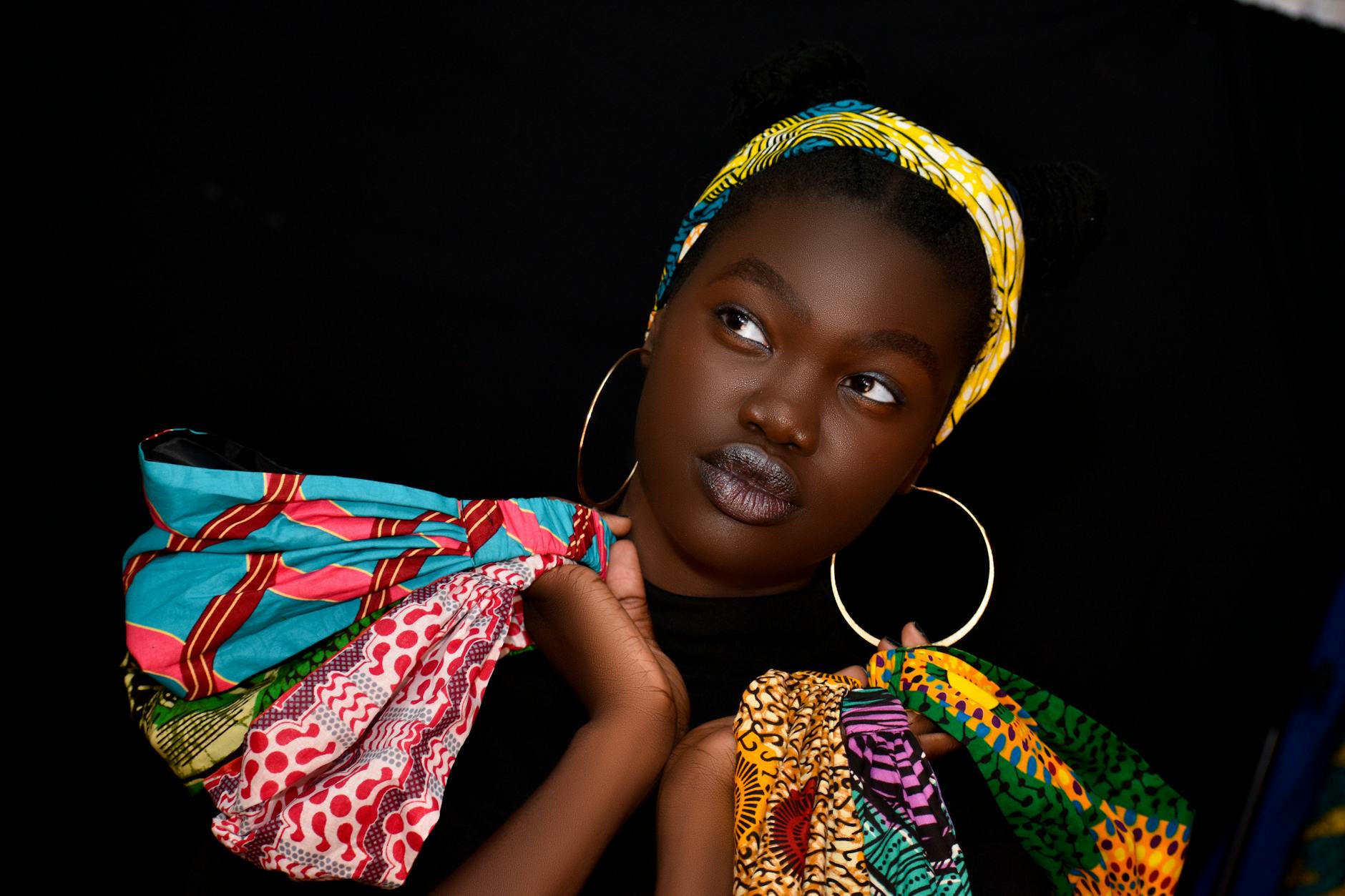
The experience of being a brown-skinned girl in a color-conscious world is a battle that is often fought in silence. It is a struggle that does not always leave visible scars but deeply impacts self-image, mental health, and emotional well-being. Many brown girls grow up internalizing unspoken messages about their worth based on skin tone, hair texture, and proximity to Eurocentric standards of beauty. The world subtly communicates that lighter is better, leaving darker-skinned girls to question their place and value in society. This silent battle affects confidence and identity, sometimes shaping life choices in profound ways.
Colorism, a term coined by Alice Walker, describes the preferential treatment given to lighter skin tones within and outside communities of color. Psychological studies confirm that colorism can lead to lower self-esteem and higher rates of anxiety and depression among darker-skinned women. The Brown Girl Dilemma is not just about beauty standards but about access — access to opportunity, representation, and affirmation. It is a reminder that racism is not the only challenge Black and brown women face; sometimes, bias comes from within their own culture, adding a double layer of pain and isolation.
From a biblical perspective, God does not measure worth by appearance but by the heart. The Bible says, “Man looketh on the outward appearance, but the Lord looketh on the heart” (1 Samuel 16:7, KJV). This scripture offers a powerful antidote to the internalized shame that colorism can produce. A brown girl’s value is not determined by societal standards but by her Creator, who made her “fearfully and wonderfully” (Psalm 139:14, KJV). This truth becomes a shield against the lies that suggest she must alter or diminish herself to be worthy of love and respect.
Psychologically, the internalization of color-based prejudice can lead to what is known as “internalized oppression,” where the individual begins to adopt negative beliefs about their own group. Brown girls may overcompensate by bleaching their skin, straightening their hair, or minimizing their ethnic features in order to fit in. This creates a cycle of disconnection from self, which researchers say can cause long-term emotional harm. Healing requires not only unlearning these messages but also embracing cultural pride and self-acceptance.
Representation matters in this healing journey. Seeing brown-skinned women celebrated in media, academia, and positions of influence reinforces that beauty and brilliance exist in every shade. It tells brown girls that they are enough as they are. As Philippians 4:8 (KJV) reminds believers, we must think on things that are “true, honest, just, pure, lovely, and of good report.” Choosing to focus on affirming messages can help dismantle years of internalized bias.
In relationships, the Brown Girl Dilemma can manifest as settling for less than one deserves or seeking validation through unhealthy attachments. When society tells you you are “less desirable,” it takes spiritual strength and psychological resilience to wait for someone who honors your worth. This is why affirming communities and faith-based support systems are crucial — they remind women that they are not defined by a world that idolizes lighter complexions but by God’s eternal truth.
The workforce is another battlefield for brown-skinned women. Studies show that lighter-skinned individuals are sometimes given preferential treatment in hiring, promotions, and salaries. This reality can lead to frustration, burnout, and feelings of invisibility. However, the Bible promises that “your labor is not in vain in the Lord” (1 Corinthians 15:58, KJV). A brown girl who persists, despite systemic barriers, becomes a living testimony of resilience and grace under pressure.
Action Steps for Overcoming the Brown Girl Dilemma
Affirm Your Identity in God’s Word
Start each day by declaring Scriptures that affirm your worth. Verses like Psalm 139:14 (“I will praise thee; for I am fearfully and wonderfully made”) and Song of Solomon 1:5 (“I am black, but comely”) remind you that your beauty and value come from God, not from cultural beauty standards.
Limit Negative Influences
Reduce exposure to media that glorifies only one type of beauty. Psychology research shows that repeated exposure to biased imagery reinforces internalized prejudice. Replace it with diverse, affirming images of Black and brown women thriving in different areas of life.
Practice Self-Compassion and Inner Healing
Use journaling, prayer, or therapy to process pain related to colorism. Cognitive Behavioral Therapy (CBT) techniques can help reframe negative thoughts about appearance and self-worth. Spiritually, ask God to renew your mind (Romans 12:2) and heal emotional wounds.
Surround Yourself with Affirming Community
Connect with mentors, faith-based groups, or women’s circles that celebrate melanin-rich beauty and personal growth. Social support buffers against the negative effects of discrimination and increases self-esteem (Cohen & Wills, 1985).
Celebrate Your Natural Beauty
Wear your natural hair, showcase your skin tone, and embrace your cultural heritage as acts of resistance. These practices reinforce self-love and signal to others that you are proud of who you are.
Educate and Advocate
Learn the history of colorism and talk about it openly with others. Bringing awareness to the issue helps dismantle harmful narratives and gives younger girls permission to love themselves fully.
Pursue Purpose, Not Approval
Focus on developing your skills, talents, and spiritual gifts instead of seeking validation from others. Proverbs 31:30 reminds us that “favour is deceitful, and beauty is vain: but a woman that feareth the Lord, she shall be praised.”
Seek Professional and Spiritual Guidance
If colorism-related trauma is affecting mental health, seek professional counseling or Christian therapy. Prayer, fasting, and wise counsel can be combined with evidence-based therapy for holistic healing.
Ultimately, the Brown Girl Dilemma calls for both personal and collective healing. It challenges society to confront colorism and dismantle systems that privilege one shade over another. For the brown girl, victory in this silent battle is found in embracing her identity, anchoring her worth in God’s truth, and walking boldly in the knowledge that she carries greatness within her. Her beauty, resilience, and brilliance are not diminished by the shade of her skin — they are magnified by her strength to rise above a color-conscious world.
References
- Holy Bible, King James Version
- Cohen, S., & Wills, T. A. (1985). Stress, social support, and the buffering hypothesis. Psychological Bulletin, 98(2), 310–357.
- Hunter, M. (2007). The persistent problem of colorism: Skin tone, status, and inequality. Sociology Compass, 1(1), 237–254.
- Maddox, K. B., & Perry, J. L. (2017). Skin tone, race, and the psychology of colorism. American Psychologist, 72(9), 996–1006.
- Walker, A. (1983). In Search of Our Mothers’ Gardens: Womanist Prose. Harcourt Brace Jovanovich.
- Williams, M. T., & Lewis, J. A. (2019). Microaggressions and discrimination: The experience of people of color. American Psychologist, 74(1), 77–89.
 THE BROWN GIRL DILEMMA