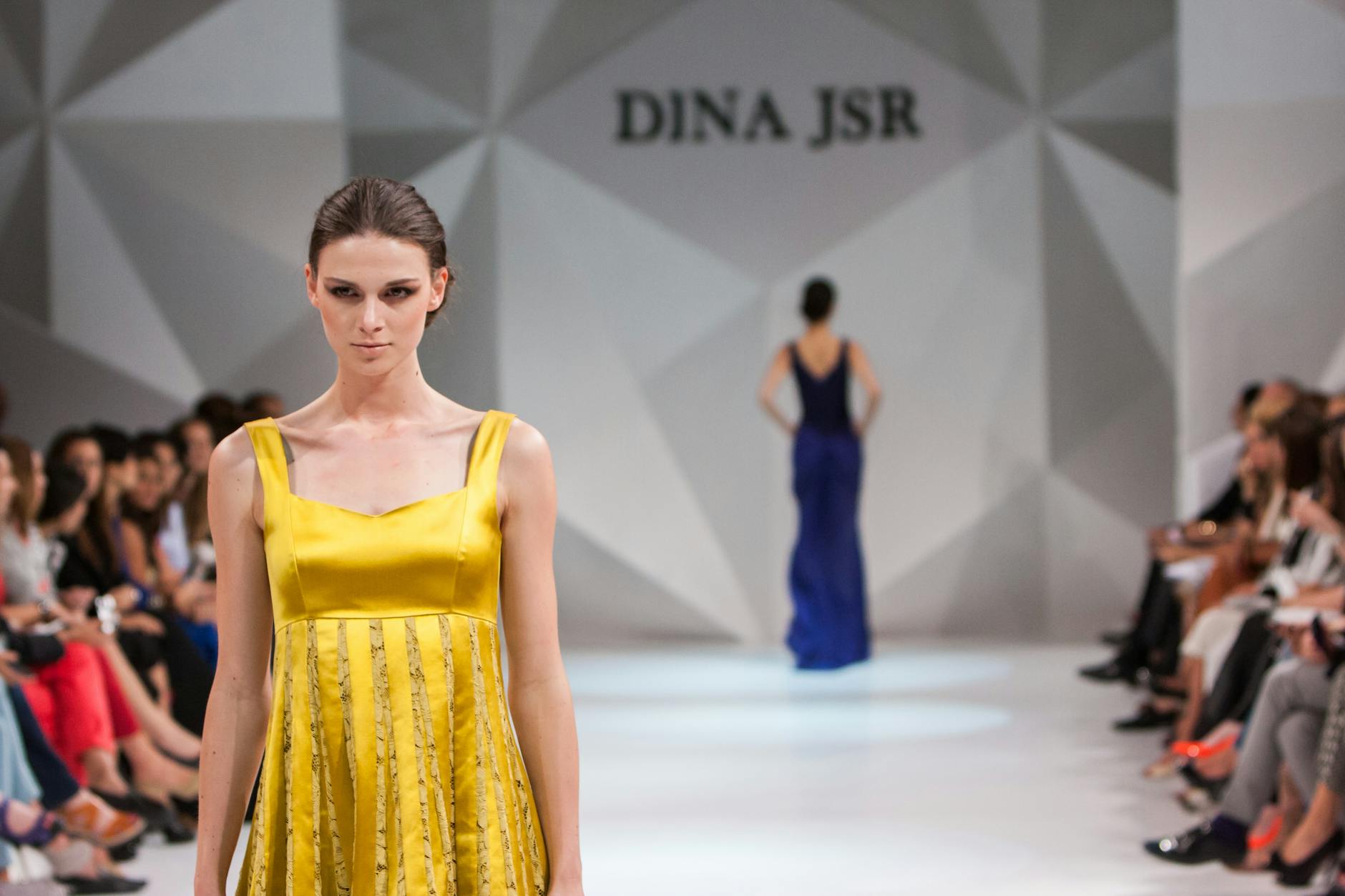
Tag Archives: Clothing

👗✨ Girl Talk Series: Dressing Sexy ✨👗

When the world says “show more,” God says “walk in honor.”
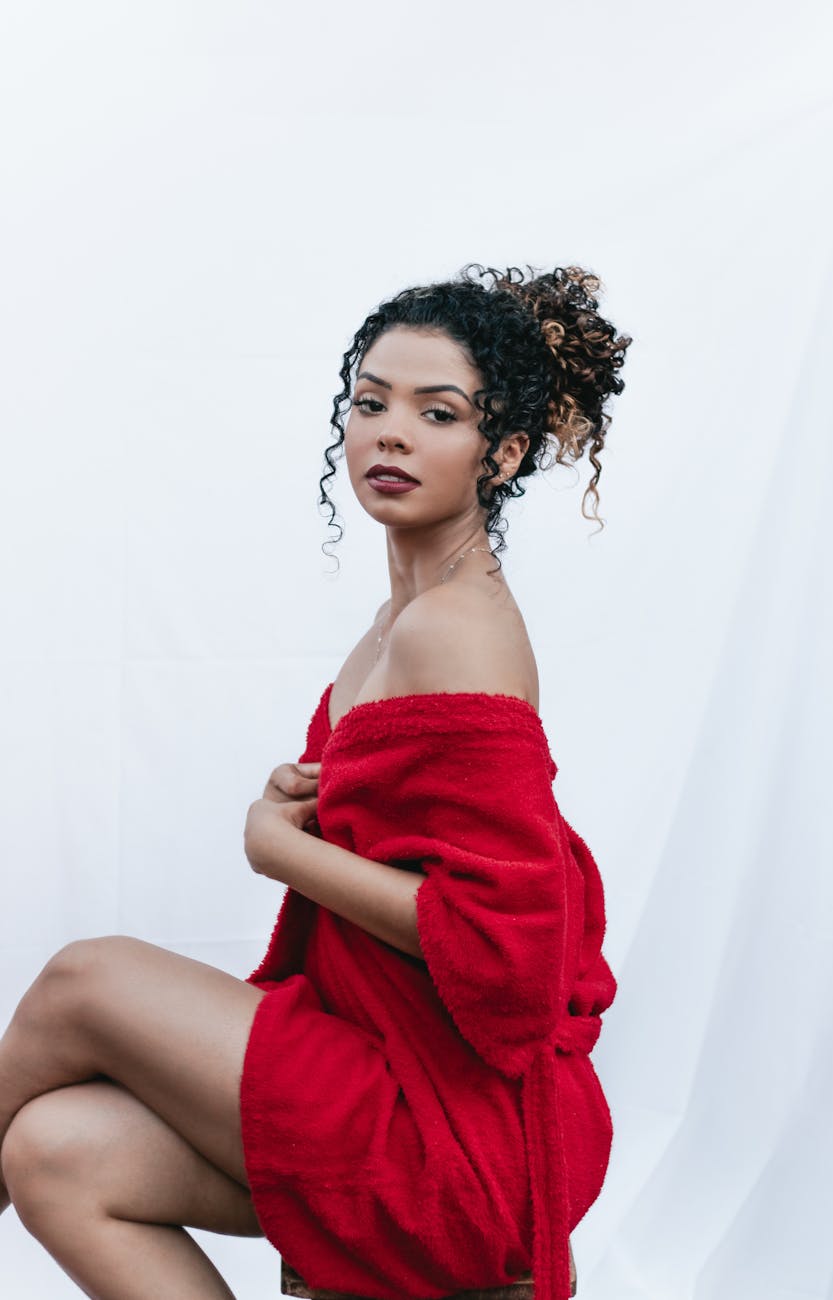
Photo by Gustavo Almeida on Pexels.com

🌸 Ladies, Let’s Talk… Before We Step Out the Door 🌸

Beloved sisters, before we talk about modesty, we must talk about identity and intention. Because how you dress is not just fabric — it is a message, a posture, and a spiritual signal.

In a world that constantly tells women to “be sexy,” “show skin,” and “use what you’ve got,” many daughters have forgotten that your body is not bait — it is a temple.

You cannot dress like a temptation and then cry when you attract men who only want to taste you, not treasure you.
You cannot present yourself like a snack and expect to be treated like a covenant wife.
You cannot market sensuality and expect spiritual leadership to come pursue you.

Godly men do not chase seductive presentation — lustful men do.
And lust never leads to love — only regret, soul ties, and heartbreak.

“For they that are after the flesh do mind the things of the flesh…”
Romans 8:5 (KJV)

When you dress for lust, you attract men led by lust.
When you dress for respect, you attract men who honor and protect.
When you dress like a wife, you repel men who only want temporary access.

Some women cry,
“Why do I only get approached by players, users, and men who want one thing?”
Sis, sometimes the answer is painful but powerful:
Because your presentation invited their intentions.

And we say this not to shame you, but to protect you.

You are not to be exposed — you are to be esteemed.
You are not to be displayed — you are to be cherished and covered.
You were never called to compete with the world — you were called to stand apart from it.

“In like manner also, that women adorn themselves in modest apparel…”
1 Timothy 2:9 (KJV)

The enemy uses seduction to turn queens into spectacles.
God uses modesty to reveal your worth, wisdom, and dignity.

You are far too powerful, far too chosen, and far too divine to dress like you are for everyone.
You belong to the King — dress like royalty, not like a marketplace display.

Your beauty is sacred.
Your body is holy.
And your presentation tells the world how you expect to be treated.

This is your gentle warning and loving reminder:

If you don’t want lustful men, don’t dress for lustful eyes.
Dress for your future, not for fleeting attention.
Dress like a woman who knows her worth — because Heaven already does.

In a culture obsessed with seduction, shock value, and showing as much skin as possible, many women are being taught that “sexy” is power. But daughters of Zion, your power is not in exposure — it’s in excellence, dignity, and modesty.

Modern culture tells women to dress for attention, validation, and likes. But attention is not affection, and lust is not love. Dressing to provoke lust attracts men led by flesh, not by spirit. It invites temporary interest, not covenant honor.

Godly femininity does not cheapen itself.
A queen does not need to advertise to be seen.

“As a jewel of gold in a swine’s snout, so is a fair woman which is without discretion.”
Proverbs 11:22 (KJV)

Beauty without modesty becomes wasted elegance.
Attraction without standards leads to heartbreak.

Ladies, this is not about shame — it’s about wisdom, value, and protection. Satan knows the power of a woman’s body, so he tries to turn it into bait instead of blessing. He wants you celebrated for curves, not character. But God calls you back to holiness, not hype.

“In like manner also, that women adorn themselves in modest apparel, with shamefacedness and sobriety…”
1 Timothy 2:9 (KJV)

When you dress for lust, you invite lustful men.
When you dress with dignity, you attract men with vision, honor, and restraint.

We don’t need to be half-dressed to feel beautiful.
We don’t need skin-tight clothes to feel valuable.
We don’t need to compete with the world — we set the standard.

“Favour is deceitful, and beauty is vain: but a woman that feareth the LORD, she shall be praised.”
Proverbs 31:30 (KJV)

Beauty fades.
Body trends change.
But righteousness never goes out of style.

Modesty isn’t about hiding — it’s about being reserved for what is sacred.

You dress like you know you belong to the King. A virtuous woman doesn’t display herself to every eye — she is covered because she is treasured.

Holiness is alluring.
Femininity is powerful.
And dignity is divine.

So fix your crown, cover your temple, and walk in the kind of beauty that heaven applauds — the kind that attracts good men, godly respect, and God’s favor.

Because when you value yourself, you don’t need the world to validate you.

📖 KJV Scriptures on Modesty & Godly Appearance

1️⃣ 1 Timothy 2:9–10
“That women adorn themselves in modest apparel, with shamefacedness and sobriety… but (which becometh women professing godliness) with good works.”

2️⃣ Proverbs 31:25
“Strength and honour are her clothing; and she shall rejoice in time to come.”

3️⃣ Proverbs 11:22
“As a jewel of gold in a swine’s snout, so is a fair woman which is without discretion.”

4️⃣ 1 Peter 3:3–4
“Whose adorning let it not be that outward adorning… but let it be the hidden man of the heart… a meek and quiet spirit, which is in the sight of God of great price.”

5️⃣ Romans 12:1–2
“Present your bodies a living sacrifice, holy… And be not conformed to this world…”

6️⃣ 1 Corinthians 6:19–20
“What? know ye not that your body is the temple of the Holy Ghost… therefore glorify God in your body…”

7️⃣ Titus 2:3–5
“…young women… be discreet, chaste… that the word of God be not blasphemed.”

8️⃣ 1 Thessalonians 4:3–4
“For this is the will of God… that every one of you should know how to possess his vessel in sanctification and honour.”

9️⃣ Matthew 5:28
“But I say unto you, That whosoever looketh on a woman to lust after her hath committed adultery with her already in his heart.”

(This reminds us that we do not want to become a stumbling block.)

🔟 Philippians 2:15
“That ye may be blameless… in the midst of a crooked and perverse nation, among whom ye shine as lights in the world.”


💡 Key Takeaways

  • Modesty is not about hiding — it is about honor, holiness, and identity.
  • God values the heart posture over the outfit, but dress reflects spiritual wisdom.
  • Your appearance signals whether you seek attention or anointing, lust or leadership, the crowd or the covenant.
  • You do not dress to be desired by the world — you dress to be distinct in the Kingdom.
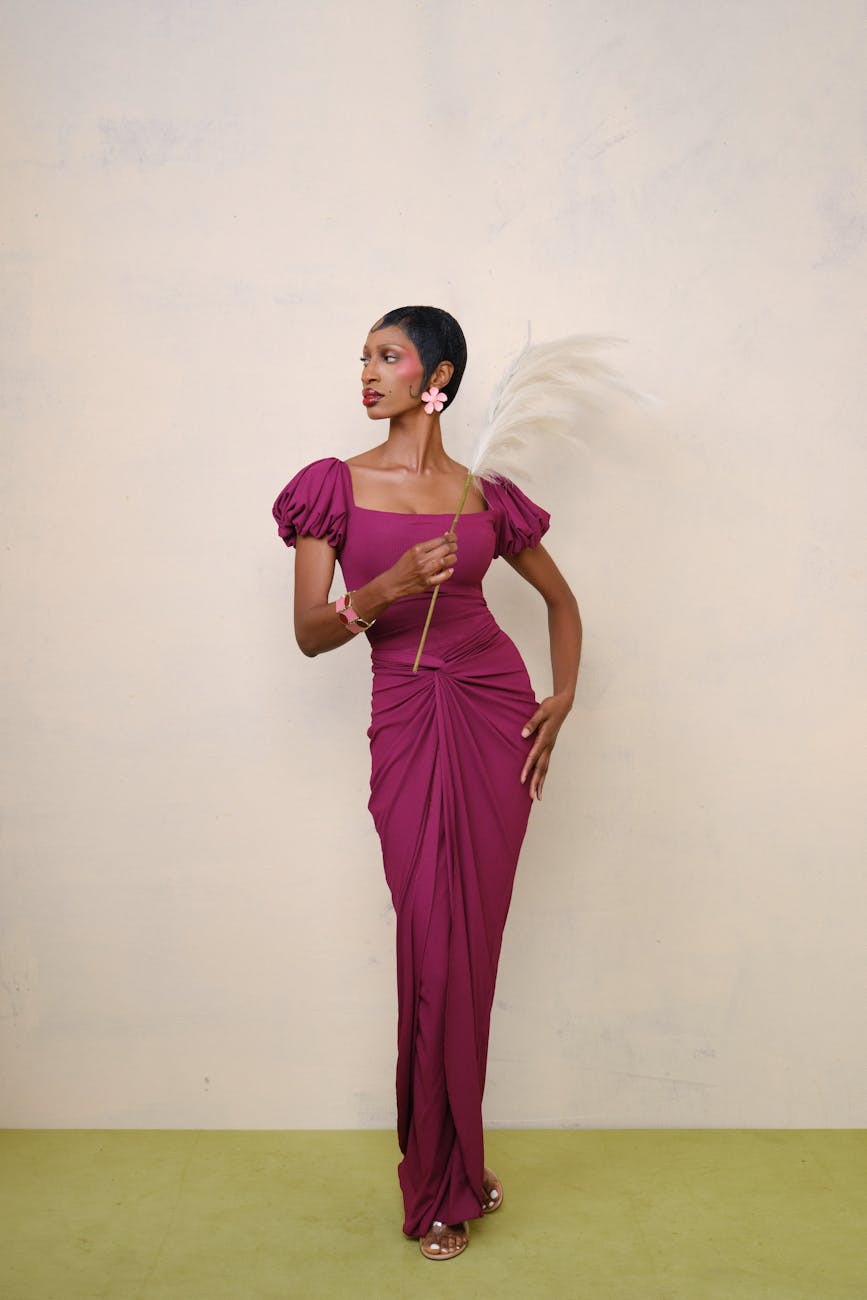
Black Women in Modeling: Redefining Beauty Standards.

Photo by magapls . on Pexels.com

For decades, the modeling industry has been dominated by Eurocentric ideals of beauty, where light skin, straight hair, and narrow features were privileged as the standard. Within this landscape, Black women faced barriers of both racism and colorism, often excluded from mainstream campaigns and denied equal opportunities. Yet, despite these challenges, Black women have transformed modeling, reshaping global beauty standards and redefining what it means to be seen, valued, and celebrated. Their journey is not only a story of fashion but also of resilience, representation, and cultural affirmation.

The entrance of Naomi Sims in the late 1960s marked a revolutionary moment for dark-skinned Black women in fashion. As the first African American supermodel to gain international recognition, Sims broke through racial barriers when she appeared on the cover of Ladies’ Home Journal in 1968. Her success challenged the industry’s exclusionary practices and paved the way for others, such as Beverly Johnson, who became the first Black model on the cover of Vogue in 1974. These women shattered long-held myths that Black beauty could not sell magazines or luxury products, demonstrating that Blackness itself was aspirational, marketable, and worthy of celebration.

The 1970s and 1980s further opened doors for iconic models like Iman, Grace Jones, and Pat Cleveland. Each redefined beauty in unique ways—Iman with her regal East African features, Grace Jones with her bold and androgynous style, and Cleveland with her theatrical runway presence. Together, they created new aesthetic possibilities that went far beyond Eurocentric limitations. They represented a multiplicity of Black beauty—dark, angular, bold, elegant, and unapologetically different. By their very existence, they destabilized narrow ideals and demanded recognition of global, diverse standards of beauty.

Despite these advances, systemic bias and colorism persisted. Dark-skinned Black women, particularly from Africa and the Caribbean, continued to face underrepresentation well into the 1990s and early 2000s. Lighter-skinned models often received more opportunities due to the industry’s preference for proximity to whiteness. Yet, the rise of models like Alek Wek, who emerged in the 1990s with her deep ebony complexion and Sudanese features, marked another turning point. Wek’s success signaled that beauty could not be confined to a singular mold. She inspired a new generation of dark-skinned models and young Black girls who saw themselves reflected on runways and in magazines for the first time.

In the 21st century, the impact of Black women in modeling has grown exponentially. Figures like Naomi Campbell, who dominated the 1990s supermodel era, paved the way for contemporary icons such as Lupita Nyong’o, Adut Akech, Anok Yai, and Duckie Thot. These women not only dominate global campaigns but also use their platforms to speak against colorism, racism, and lack of diversity in the industry. Their voices are as revolutionary as their beauty, pushing the conversation forward and demanding structural change in fashion houses, casting agencies, and media representation.

Beyond individual representation, Black women in modeling have also changed the commercial landscape. Rihanna’s Fenty Beauty and Iman’s earlier cosmetics line demonstrated that products must reflect the wide spectrum of skin tones that Black women embody. Similarly, natural hair movements and the celebration of Afrocentric features in beauty campaigns signify a shift toward inclusivity. Where once Black women were asked to assimilate into white-centered aesthetics, today they are celebrated for bringing their authentic selves into the fashion world.

The redefinition of beauty standards by Black women in modeling is not merely about fashion—it is deeply cultural and psychological. Representation affirms identity, counters internalized racism, and dismantles harmful hierarchies of color. For Black girls and women, seeing models who look like them is transformative, affirming that their features, skin, and hair are beautiful in their own right. This shift is biblical in scope as well, reflecting Psalm 139:14 (KJV), “I will praise thee; for I am fearfully and wonderfully made.” In reclaiming beauty, Black women in modeling have not only shifted an industry but have spoken life into generations of women once told they were not enough.

Despite the progress, challenges remain. Black models still face pay disparities, tokenism, and limited opportunities compared to their white counterparts. Fashion magazines may showcase diversity on the surface while maintaining exclusionary practices behind the scenes. Yet, the trajectory is undeniable: Black women have fundamentally reshaped the narrative of beauty and continue to expand its horizons.

Ultimately, Black women in modeling represent more than just physical appearance—they embody cultural survival, creativity, and the dismantling of oppressive beauty hierarchies. Their contributions reveal that true beauty cannot be confined to one standard. Instead, beauty is expansive, global, and reflective of God’s diverse creation. Through their presence, talent, and advocacy, Black women in modeling have redefined beauty for themselves and for the world.


References

Collins, P. H. (2000). Black feminist thought: Knowledge, consciousness, and the politics of empowerment. Routledge.
Craig, M. L. (2006). Race, beauty, and the tangled knot of a guilty pleasure. Feminist Theory, 7(2), 159–177.
Hall, R. E. (2010). An historical analysis of skin color discrimination in America: Victimism among victim group populations. Springer.
Johnson, B. (2012). The face that changed it all. Atria Books.
Lewis, R., & Neal, A. (2020). Colorism and the fashion industry: Shifting standards of representation. Journal of Black Studies, 51(5), 452–469.
Nyong’o, L. (2014). Speech on beauty and representation. Essence Awards.
Tate, S. A. (2009). Black beauty: Aesthetics, stylization, politics. Ashgate.
The Holy Bible, King James Version. (1611/2017). Thomas Nelson.

The Evolution of Fashion: From Haute Couture to Modern Trends

Photo by Pixabay on Pexels.com

Fashion, as both a cultural expression and a global industry, reflects society’s evolving ideologies, class structures, and creative impulses. From ancient royal garments to modern streetwear, fashion is more than fabric—it is a language of status, art, rebellion, and self-identity. This paper traces the history of fashion with a focus on iconic elements like the little black dress, high heels, and haute couture. It also contrasts the styles and societal contexts of fashion from the 1960s to the 2000s and examines the work of pivotal designers such as Coco Chanel, Oscar de la Renta, Elie Saab, and Valentino.


The Origins and Evolution of Fashion

The history of fashion can be traced back to ancient civilizations such as Egypt, Mesopotamia, and Rome, where clothing signified rank, wealth, and occupation (Tortora & Eubank, 2010). In medieval Europe, sumptuary laws dictated what individuals could wear based on class, and during the Renaissance, elaborate fabrics and tailoring became status symbols.

The Industrial Revolution of the 18th and 19th centuries marked a turning point with mass production, making fashionable clothing accessible beyond the aristocracy. By the 20th century, fashion became a symbol of both modernity and rebellion, with icons like Coco Chanel and Christian Dior reshaping feminine silhouettes.


The Little Black Dress and Coco Chanel’s Revolution

Coco Chanel revolutionized women’s fashion by liberating them from corsets and promoting simplicity and elegance. In 1926, Vogue published a drawing of Chanel’s “little black dress,” describing it as “a uniform for all women of taste” (Madsen, 1990). The dress was radical in its minimalism, contrasting the ornate gowns of the era. Chanel’s vision made black, once reserved for mourning, a symbol of chic elegance.

Chanel’s biography reveals a woman who defied societal expectations. Born Gabrielle Bonheur Chanel in 1883 in Saumur, France, she began as a milliner and eventually built a fashion empire. Her designs, such as the tweed suit and the use of jersey fabric, reflected her commitment to functional luxury (Madsen, 1990).


The History and Symbolism of High Heels

Photo by Ray Piedra on Pexels.com

High heels, often perceived as modern, date back to Persian cavalry in the 10th century who used heels for stability in stirrups. By the 17th century, European nobility wore heels to signify power; King Louis XIV famously wore red heels as a symbol of his status (Semmelhack, 2015).

In modern fashion, high heels are often associated with femininity, sexuality, and class, though their health implications and gender expectations have sparked ongoing debate. Despite controversy, they remain a staple in haute couture and mainstream fashion alike.


Haute Couture: History and Modern Significance

Haute couture, meaning “high sewing” in French, began in 19th-century Paris with Charles Frederick Worth, widely regarded as the first fashion designer to present seasonal collections. Haute couture is defined by custom-fitted clothing, hand-stitched construction, and luxurious materials, regulated by the Chambre Syndicale de la Haute Couture (Steele, 2005).

Designers such as Christian Dior, Valentino, Givenchy, and Elie Saab have carried the legacy of haute couture into the modern era. Saab, in particular, is renowned for ethereal, intricately embroidered gowns worn by royalty and Hollywood elite.


Fashion Trends by Decade (1960s–2000s)

Each decade brought distinct styles influenced by politics, culture, and technological shifts:

  • 1960s – Mod fashion, mini skirts, bold prints (Mary Quant, André Courrèges)
  • 1970s – Bohemian, disco, bell bottoms (Halston, Diane von Fürstenberg)
  • 1980s – Power suits, shoulder pads, neon (Gianni Versace, Jean-Paul Gaultier)
  • 1990s – Minimalism, grunge, slip dresses (Calvin Klein, Tom Ford)
  • 2000s – Logomania, denim on denim, hip-hop fashion (Baby Phat, Ed Hardy)

Fashion Today vs. the Last 100 Years

  • 1920s–1950s: silhouettes moved from restrictive corsets to simplified lines, culminating in Dior’s romantic post-war shapes.
  • 1960s–1980s: youth culture, social revolutions, and corporate power defined bold and expressive style.
  • 1990s–2000s: minimalism, casualwear ascendancy, brand logos, celebrity-endorsed fashion.
  • 2020s: sustainability, nostalgia revivals, tech integration, diversity and inclusivity becoming central themes.

The fashion of each era responded to social dynamics—from feminism and counterculture to globalism and digital innovation.


Modern Trends and the Role of the Media

Today, fashion is heavily influenced by social media, fast fashion giants, and digital influencers. While this democratizes style, it also accelerates trend cycles and raises concerns about sustainability and mental health due to comparison culture. “Old money” elites often shop luxury heritage brands like Loro Piana, Hermès, and Brunello Cucinelli, in contrast to the masses who gravitate toward trend-driven retail brands.


Top Fashion Designers of the Past (Historical Legends)

These designers shaped fashion history and left legacies that continue to influence the industry:

1. Coco Chanel (1883–1971) – France

  • Created the little black dress, Chanel No. 5, and Chanel suits.
  • Liberated women from corsets; introduced casual elegance.
  • House of Chanel remains one of the most powerful fashion houses.

2. Christian Dior (1905–1957) – France

  • Introduced the “New Look” in 1947: cinched waists, full skirts, femininity post-WWII.
  • Re-established Paris as the capital of fashion.

3. Yves Saint Laurent (1936–2008) – France

  • First to put women in tuxedos (Le Smoking).
  • Merged haute couture with street style.
  • Iconic for color blocking and global influence.

4. Gianni Versace (1946–1997) – Italy

  • Known for bold colors, gold hardware, Greek motifs, and celebrity culture.
  • Popularized supermodels and high-glamour fashion.

5. Valentino Garavani (b. 1932) – Italy

  • Master of red carpet romance, known for “Valentino red”.
  • Specialized in haute couture elegance.

6. Karl Lagerfeld (1933–2019) – Germany

  • Artistic director of Chanel, Fendi, and his own brand.
  • Known for revamping fashion houses while keeping heritage.

7. Oscar de la Renta (1932–2014) – Dominican Republic/USA

  • Known for luxurious gowns and dressing First Ladies.
  • Feminine, refined eveningwear for the elite.

8. Alexander McQueen (1969–2010) – UK

  • Avant-garde, dark romanticism, technical genius.
  • Known for theatrical runway shows and sculptural garments.

👑 Leading Fashion Designers Right Now (2020s–Present)

These designers are dominating the current fashion scene across haute couture, ready-to-wear, and innovation:

1. Maria Grazia Chiuri – Dior (France)

  • First female creative director at Dior.
  • Focuses on feminism, craftsmanship, and modern romanticism.

2. Pierpaolo Piccioli – Valentino (Italy)

  • Reinvented Valentino with ethereal couture and bold color use.
  • Praised for inclusive casting and poetic design.

3. Demna (Gvasalia) – Balenciaga (France/Georgia)

  • Known for normcore, dystopian aesthetics, and political commentary.
  • Challenges the fashion establishment while keeping Balenciaga edgy.

4. Daniel Roseberry – Schiaparelli (USA/France)

  • Revived the surrealist legacy of Elsa Schiaparelli.
  • Worn by Beyoncé, Cardi B, and Lady Gaga (notably at Biden’s inauguration).

5. Elie Saab – Lebanon

  • Master of red carpet glamour.
  • Known for embellished gowns with Middle Eastern opulence.

6. Jonathan Anderson – Loewe & JW Anderson (UK/Spain)

  • Artistic and gender-fluid designs.
  • Cultivates luxury art-fashion hybrids.

7. Pharrell Williams – Louis Vuitton Men’s (USA)

  • Music mogul turned designer.
  • Infuses hip-hop culture into high fashion since 2023.

8. Telfar Clemens – Telfar (USA)

  • Famous for the “Bushwick Birkin” bag.
  • Champion of unisex, inclusive, accessible luxury.

9. Simone Rocha – UK/Ireland

  • Known for feminine silhouettes with a gothic twist.
  • Modern fairy-tale fashion.

10. Iris van Herpen – Netherlands

  • Leads fashion-tech innovation.
  • Uses 3D printing, robotics, and biomimicry in haute couture.

✨ Honorable Mentions (Current and Rising)

  • Matthew M. Williams – Givenchy
  • Glenn Martens – Diesel & Y/Project
  • Nicolas Ghesquière – Louis Vuitton (Women’s)
  • Sarah Burton (recently stepped down) – Alexander McQueen
  • Bach Mai – Emerging couture talent
  • Marine Serre – Sustainability and futurism
  • Grace Wales Bonner – British-Jamaican designer blending tailoring with Black culture

The First Hat Milliner and the Role of Accessories

The profession of millinery—hat making—rose to prominence in the 17th century. Rose Bertin, milliner to Marie Antoinette, was one of the first to gain international fame. Hats were once a symbol of decorum and status; today, they serve both function and fashion, especially in haute couture.


The Ups and Downs of Fashion

Fashion offers creative expression, economic power, and cultural identity. However, its pitfalls include consumerism, exploitation of labor, and unrealistic beauty standards. Moreover, the pressure to remain “on trend” can foster insecurity and materialism.


Conclusion

Fashion is both an art form and a mirror of society. From Chanel’s timeless black dress to the media-driven culture of fast fashion, clothing tells the story of human desire, innovation, and identity. The industry continues to evolve, balancing heritage and futurism, luxury and accessibility. As the world confronts environmental and social challenges, the future of fashion will depend on conscious creativity and a renewed understanding of its historical significance. Fashion is a reflection of society’s evolving values—from rigid hierarchy and exclusion to democratized expression, sustainability, and individual identity. Figures like Worth and Chanel reshaped not only what people wear, but how they see themselves. In every era, fashion has offered both opportunity for self-expression and critique of excess, reminding us that clothes carry cultural stories as much as they carry the body.


References

  • Madsen, A. (1990). Chanel: A Woman of Her Own. Henry Holt.
  • Semmelhack, E. (2015). Shoes: The Meaning of Style. Bata Shoe Museum.
  • Steele, V. (2005). Fashion, Italian Style. Yale University Press.
  • Tortora, P. G., & Eubank, K. (2010). Survey of Historic Costume. Fairchild Books.
  • Arnold, R. (2009). Fashion: A Very Short Introduction. Oxford University Press.
  • Steele, V. (2003). The Berg Companion to Fashion. Bloomsbury.
  • Chanel’s life and influence; LBD history thisbluebird.comiconikmagazine.comWikipediaapnews.com
  • History of haute couture and Charles Frederick Worth The National News+1
  • High heel origins and social symbolism teenvogue.com+2Wikipedia+2
  • Modern trends in fashion revival and sustainability theguardian.combyrdie.commarieclaire.com