Tag Archives: cinema

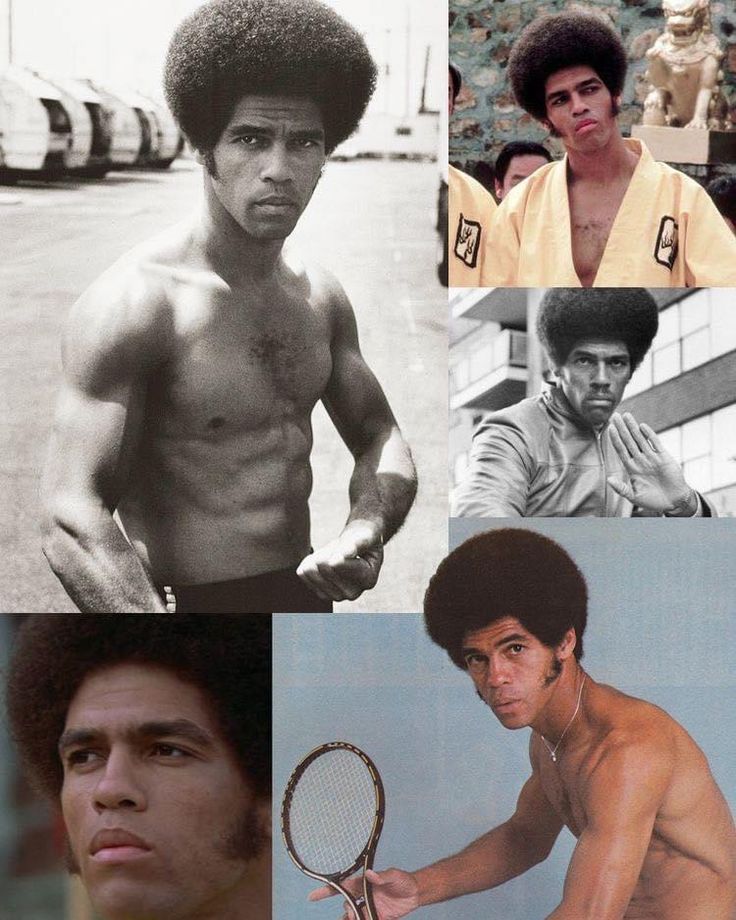
Celebrity Spotlight: Jim Kelly – The Dragon of the Black Belt and the Martial Arts King of Cinema.

These photographs are the property of their respective owners. No copyright infringement intended.

Jim Kelly stands as one of the most iconic martial artists and action stars in film history, a figure who reshaped the image of Black masculinity in global cinema. At a time when Black men were rarely portrayed as disciplined heroes, intellectual fighters, or spiritual warriors, Kelly emerged as a symbol of strength, confidence, and cultural pride. His presence on screen fused martial arts philosophy with Black Power aesthetics, creating a legacy that transcended entertainment.

Born in 1946 in Paris, Kentucky, Kelly grew up during the height of segregation and racial inequality in the United States. As a young man, he was drawn to physical fitness, sports, and self-discipline as a means of empowerment. Martial arts became not just a hobby, but a personal philosophy rooted in control, focus, and self-mastery.

Kelly began his martial arts journey in karate, training rigorously in the late 1960s. He studied under respected instructors and quickly demonstrated exceptional talent and athleticism. His dedication to training placed him among the elite practitioners of his era, at a time when very few Black Americans were visible in competitive martial arts spaces.

He ultimately achieved the rank of black belt in Shorin-Ryu karate, a traditional Okinawan style known for speed, precision, and fluid striking techniques. This was not a ceremonial rank but one earned through serious training, competition, and mastery. Kelly was widely respected in martial arts circles as a legitimate and highly skilled fighter.

Before entering Hollywood, Kelly became a professional karate champion. He won multiple national karate tournaments and was considered one of the top competitors in the United States. His reputation as a real martial artist, not just a movie performer, distinguished him from many action stars who relied primarily on choreography.

Kelly’s big breakthrough came when he was discovered by Warner Bros and cast in the film Enter the Dragon in 1973. This film, starring Bruce Lee, became one of the most influential martial arts movies in history. Kelly’s role as Williams introduced audiences to a new archetype: the Black martial artist who was disciplined, rebellious, and spiritually grounded.

His relationship with Bruce Lee was one of deep mutual respect. Lee admired Kelly’s athletic ability and on-screen charisma, while Kelly viewed Lee as both a mentor and philosophical influence. Together, they helped globalize martial arts culture and popularize Eastern philosophy within Western and Black communities.

In Enter the Dragon, Kelly’s character symbolized Black resistance and self-awareness. He rejected corrupt systems, challenged authority, and embodied a revolutionary spirit that resonated with Black audiences worldwide. His afro, confidence, and unapologetic masculinity made him a cultural icon of the 1970s.

After Bruce Lee’s death, Kelly became the leading Black martial arts star in the world. He starred in several kung fu and action films, including Black Belt Jones, Three the Hard Way, Hot Potato, and Golden Needles. These films positioned him as the central hero, not a sidekick or stereotype.

Black Belt Jones was especially significant, as it was one of the first martial arts films to center a Black protagonist. Kelly played a karate instructor protecting his community from gangsters and corrupt forces. The film blended Blaxploitation themes with authentic martial arts, creating a genre-defining classic.

Unlike many actors, Kelly insisted on realism in fight scenes. His movements were not exaggerated or theatrical but grounded in real technique. This authenticity made his performances influential among future martial artists and action stars.

Beyond film, Kelly was deeply committed to health, wellness, and holistic living. He later became a motivational speaker and health advocate, promoting vegetarianism, fitness, and mental discipline. Martial arts, for him, was inseparable from spiritual and physical health.

Kelly also worked as a tennis instructor and sports entrepreneur, showing that his talents extended far beyond cinema. He believed in lifelong physical excellence and viewed the body as a sacred instrument requiring discipline and respect.
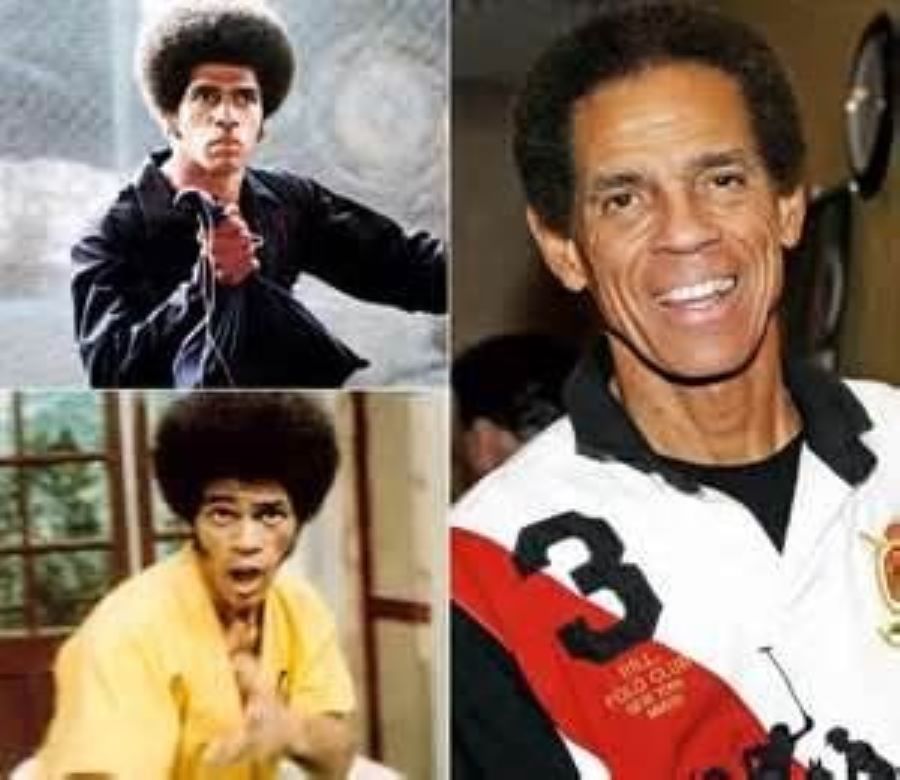
These photographs are the property of their respective owners. No copyright infringement intended.

In his personal life, Kelly was married and had children, though he kept his family life largely private. He was known by friends and peers as humble, disciplined, and deeply philosophical, living by the values he portrayed on screen.

Tragically, Kelly died in 2013 after battling cancer. His death was mourned across martial arts communities, film circles, and Black cultural spaces. Yet his influence remains alive through generations of fighters, actors, and fans.

Kelly’s legacy is not just cinematic but symbolic. He represented a Black man who mastered both mind and body, who rejected criminal stereotypes and replaced them with warrior ethics and intellectual power.

He opened doors for Black representation in action cinema long before stars like Wesley Snipes, Michael Jai White, and Idris Elba. Without Jim Kelly, the image of the Black martial arts hero might never have existed.

Culturally, Kelly fused Afrocentric pride with Eastern philosophy, creating a new global identity for Black masculinity rooted in discipline, honor, and spiritual strength.

His image continues to circulate in hip-hop, fashion, fitness culture, and martial arts philosophy. He remains one of the few figures who embodied both revolutionary aesthetics and authentic warrior training.

Ultimately, Jim Kelly was not just an actor or a fighter. He was a symbol of Black excellence in motion, a living bridge between African American empowerment and martial arts philosophy, and a king whose legacy still trains minds and bodies across the world.


References

Bolelli, D. (2008). On the warrior’s path: Philosophy, fighting, and martial arts mythology. Blue Snake Books.

Bowman, P. (2010). Theorizing Bruce Lee: Film-fantasy-fighting-philosophy. Rodopi.

Hunt, L. H. (1998). Kung fu cult masters: From Bruce Lee to Crouching Tiger. Film Quarterly, 51(4), 10–17.

Miller, D. (2014). Jim Kelly: The original Black martial arts superstar. Black Film Review, 6(2), 22–29.

Teo, S. (2009). Chinese martial arts cinema: The wuxia tradition. Edinburgh University Press.

Jim Kelly

The Indian Dolls: Priyanka Chopra Jonas

This photograph is the property of its respective owner. No copyright infringement intended.

Priyanka Chopra Jonas is one of the most celebrated figures to emerge from India’s entertainment industry and transition successfully into Hollywood. Known for her mesmerizing beauty, intelligence, and fierce determination, she has transcended cultural and cinematic boundaries, becoming a symbol of global Indian excellence. With her captivating eyes, flawless features, and commanding presence, Chopra embodies the allure of what many describe as the “exotic Indian beauty” — timeless, radiant, and powerful.

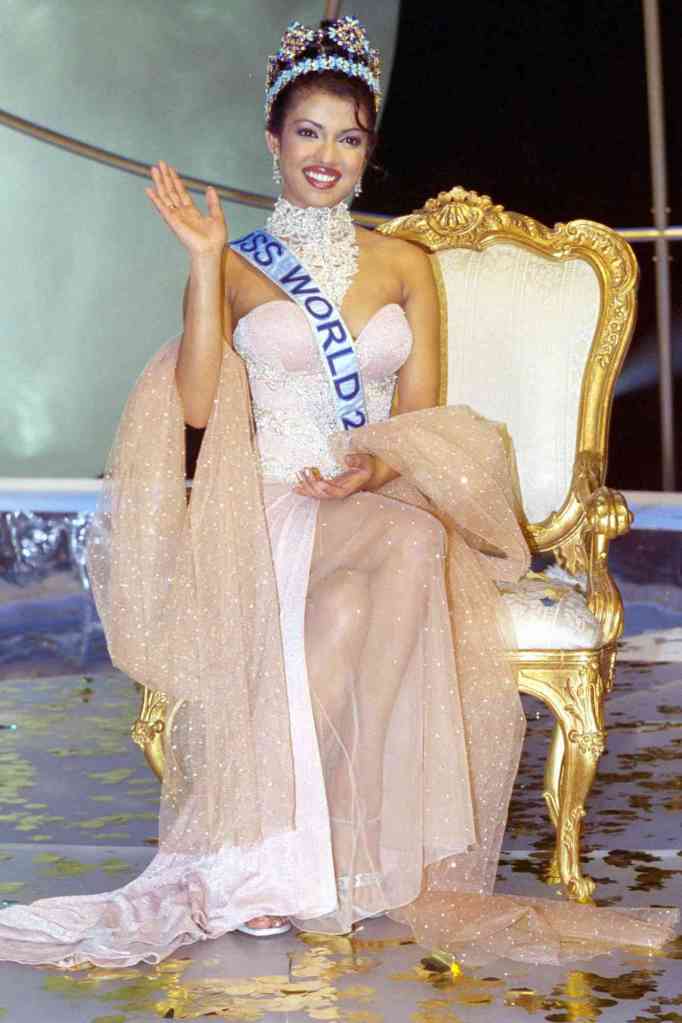
Born on July 18, 1982, in Jamshedpur, Bihar (now Jharkhand), India, Priyanka Chopra grew up in an army household, which meant constant relocation and exposure to diverse cultures across India. This nomadic upbringing shaped her adaptability and confidence. Educated in both India and the United States, she was a bright student who initially aspired to study engineering or psychiatry. Her life took a dramatic turn when she entered the world of beauty pageants, ultimately capturing the Miss World crown in 2000 — a victory that catapulted her into the spotlight overnight.

This photograph is the property of its respective owner. No copyright infringement intended.

Her Miss World win marked the beginning of an illustrious career. Priyanka’s beauty was often described as “regal yet approachable,” her almond-shaped brown eyes often noted as her most striking feature. In India, she was hailed as a national treasure — the perfect blend of modernity and tradition. The Bollywood industry quickly embraced her, recognizing not only her looks but also her immense potential as a performer.

Priyanka’s entry into Bollywood began with the 2003 film The Hero: Love Story of a Spy, followed by her breakout performance in Andaaz (2003), for which she won the Filmfare Award for Best Female Debut. Her versatility became evident as she took on diverse roles, from romantic comedies to action thrillers. Audiences admired her charisma and screen presence, describing her as both glamorous and grounded — a rare combination in the Indian film industry.

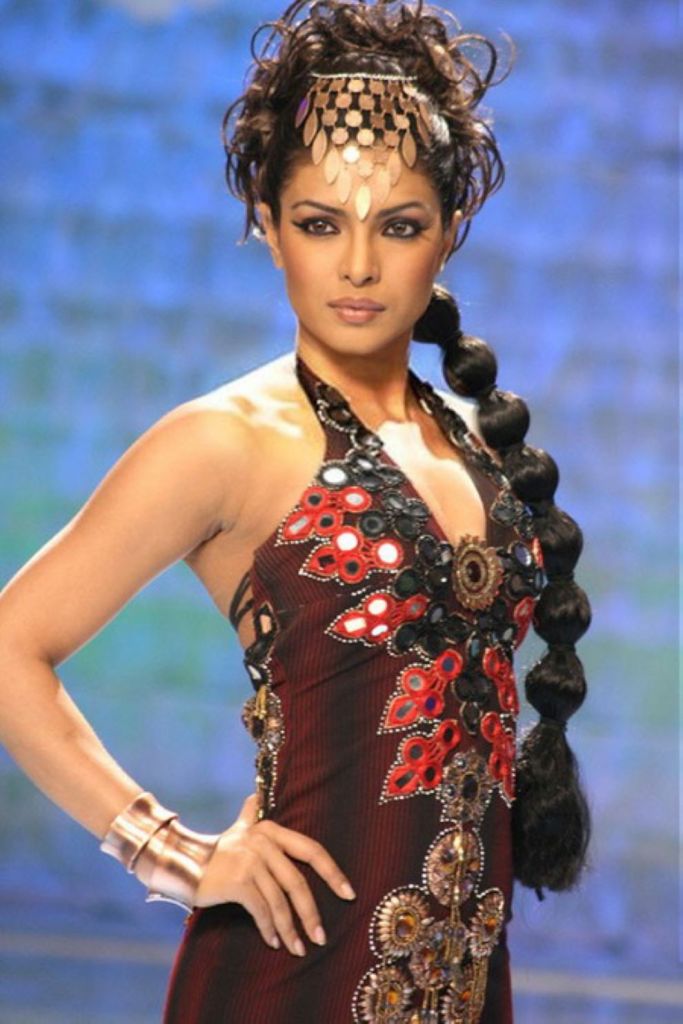
The year 2008 marked a turning point in her career with Fashion, directed by Madhur Bhandarkar. Playing the role of Meghna Mathur, a small-town girl navigating the ruthless world of high fashion, Priyanka delivered one of the most powerful performances of her career. The film not only won critical acclaim but also earned her the National Film Award for Best Actress, solidifying her position as one of Bollywood’s finest talents.

Fashion 2008. This photograph is the property of its respective owner. No copyright infringement intended.

Her portrayal in Fashion was hailed as bold and transformative. Critics praised her for breaking stereotypes about female-led films in India. It was a defining moment that proved she was not just another beauty queen but a serious actress capable of carrying a film on her shoulders. Fashion also symbolized her personal philosophy — to reinvent herself continuously and rise stronger from every fall.

Following Fashion, Chopra delivered memorable performances in films such as Kaminey (2009), 7 Khoon Maaf (2011), Barfi! (2012), and Mary Kom (2014). Her ability to embody a wide range of characters earned her several awards, including five Filmfare Awards and numerous international honors. In Barfi!, she portrayed an autistic woman with depth and sensitivity, earning global recognition for her emotional range and commitment to complex roles.

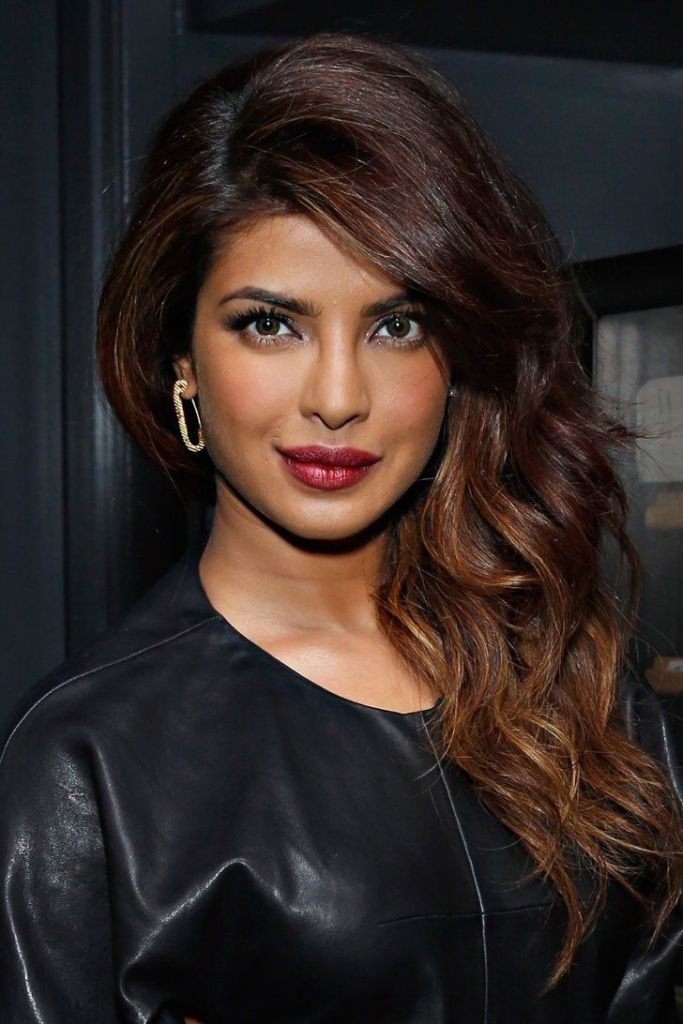
Priyanka’s ambition extended beyond Bollywood. In 2015, she made history as the first South Asian woman to headline an American television series, starring as Alex Parrish in ABC’s Quantico. The role showcased her strength, intelligence, and allure to a global audience, earning her the People’s Choice Award — another first for an Indian actress. Her transition to Hollywood was seen as groundbreaking, symbolizing a cultural bridge between East and West.

This photograph is the property of its respective owner. No copyright infringement intended.

In Hollywood, she continued to expand her repertoire with roles in films like Baywatch (2017), Isn’t It Romantic (2019), and The Matrix Resurrections (2021). Priyanka’s success in both industries demonstrated her adaptability and tenacity. Hollywood insiders often described her as a “global powerhouse” — an artist who commands attention not merely for her looks, but for her intelligence and presence.

Priyanka’s beauty remains one of her most discussed attributes. Her skin tone, eyes, and classic features have inspired discussions on representation and inclusivity in Western media. She has often used her platform to challenge stereotypes about Indian women and advocate for diversity in entertainment. Her elegance and confidence have made her a red-carpet favorite at the Met Gala, the Oscars, and Cannes.

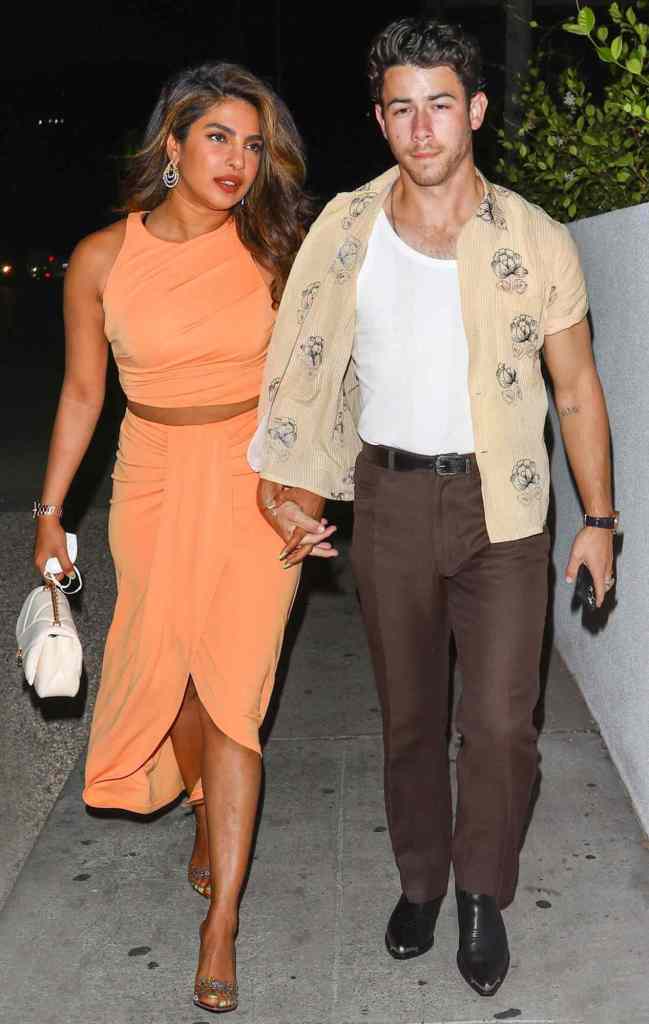
Her love story with American singer Nick Jonas captivated the world. The couple first met in 2017 at the Vanity Fair Oscars afterparty, where Jonas reportedly fell in love at first sight. After a year of dating, they married in December 2018 in a lavish ceremony at the Umaid Bhawan Palace in Jodhpur, blending Hindu and Christian traditions. Their union was celebrated globally as a symbol of cultural harmony and modern love.

This photograph is the property of its respective owner. No copyright infringement intended.

The Chopra-Jonas marriage also sparked widespread admiration for how the couple balances their cultural differences with mutual respect. Nick Jonas often praises Priyanka’s intelligence, work ethic, and sense of humor, while she affectionately calls him her “cheerleader.” Together, they represent a merging of East and West, tradition and modernity.

Priyanka’s influence extends beyond film. She has been a UNICEF Goodwill Ambassador since 2010, advocating for children’s rights, gender equality, and education. Her humanitarian work reflects the same passion and discipline she brings to her acting career. In 2016, Time magazine named her one of the 100 most influential people in the world, and Forbes consistently listed her among the highest-paid actresses globally.

Her entrepreneurial ventures include her haircare brand Anomaly, which emphasizes clean beauty and inclusivity. She is also a published author; her memoir Unfinished (2021) offers an intimate look into her journey, struggles, and triumphs. The book became a bestseller, further cementing her status as a multifaceted global figure.

In both Bollywood and Hollywood, people describe Priyanka as disciplined, ambitious, and fearless. Industry peers admire her for breaking barriers and representing India on a world stage with dignity. In Bollywood, she is remembered as one of the last true “movie stars,” while in Hollywood, she is respected as a cultural trailblazer.

Priyanka’s career has redefined what it means to be an Indian actress in a globalized world. Her ability to navigate different cultures, languages, and cinematic traditions makes her one of the most versatile and influential artists of her generation. She stands as a beacon for women of color striving to succeed in industries historically dominated by Western ideals of beauty and stardom.

Beyond fame, Priyanka remains grounded in her roots. She frequently expresses pride in her Indian heritage and continues to celebrate her culture through fashion, film, and philanthropy. Her journey from Miss World to international superstar illustrates the power of resilience, reinvention, and purpose.

Today, Priyanka Chopra Jonas represents far more than glamour — she symbolizes empowerment, diversity, and global unity. Her beauty may have opened doors, but it is her determination, intelligence, and heart that keep them open. Through her art, activism, and authenticity, she continues to inspire millions around the world. Priyanka Chopra is often described metaphorically as an “Indian doll” because of her striking beauty, polished poise, and global elegance—qualities that blend classical Indian femininity with modern cosmopolitan power. The term, when used respectfully, reflects admiration for her refined features, expressive eyes, symmetrical face, and statuesque presence that photographs and films with remarkable grace.

References

  • Bhandarkar, M. (Director). (2008). Fashion [Film]. UTV Motion Pictures.
  • Chopra Jonas, P. (2021). Unfinished: A Memoir. Ballantine Books.
  • Filmfare Awards Archives. (2024). Priyanka Chopra Jonas Awards and Nominations. Filmfare.
  • TIME Magazine. (2016). 100 Most Influential People: Priyanka Chopra.
  • UNICEF. (2022). Priyanka Chopra Jonas: Goodwill Ambassador Profile.
  • Variety. (2023). Priyanka Chopra: The Global Powerhouse Bridging Bollywood and Hollywood.
  • Vogue India. (2020). Priyanka Chopra on Love, Beauty, and Global Identity.