The Complexion Divide: A Critical Examination of Colorism, Beauty, and Identity.
Colorism, a term coined by Pulitzer Prize–winning author Alice Walker in 1982, refers to the “prejudicial or preferential treatment of same-race people based solely on their color” (Walker, 1983). Unlike racism, which is structured around differences between racial groups, colorism operates within racial and ethnic communities, privileging lighter skin tones while marginalizing those with darker complexions. It is a form of internalized oppression born from the intersection of white supremacy and colonial ideology.
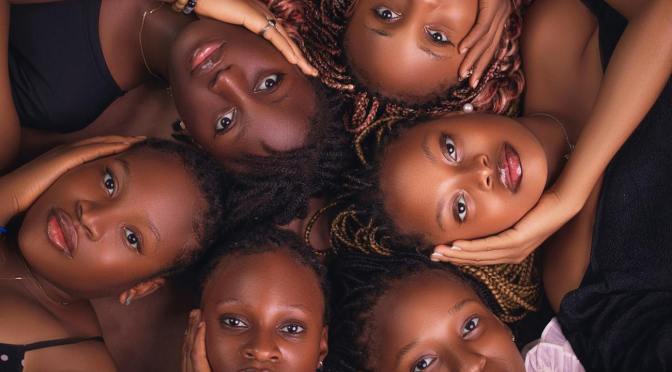
This photograph is the property of its respective owner.
While racism categorizes people by race, colorism creates a hierarchy within that categorization, wherein lighter skin becomes a form of social capital. The effects are deeply psychological, affecting self-worth, community relationships, beauty standards, and life opportunities. It is most deeply felt in communities historically subjected to colonial rule, enslavement, and media misrepresentation—including the Black diaspora.
Colorism privileges individuals with lighter skin, Eurocentric features, and straighter hair textures, often at the expense of darker-skinned individuals, particularly women. It is a global phenomenon—seen in the popularity of skin-lightening creams in Africa and Asia, the media underrepresentation of dark-skinned women, and internalized inferiority within Black and brown communities.
The Beauty Hierarchy and Eurocentric Standards
The universal standard of beauty, reinforced by colonialism, mass media, and white supremacy, promotes a Eurocentric ideal—fair skin, narrow noses, thin lips, and a slim yet curvaceous figure. These characteristics are often seen as aspirational, while Afrocentric features—broad noses, full lips, tightly coiled hair—are marginalized. Scientific racism and eugenics in the 19th and 20th centuries played critical roles in establishing this false standard of human aesthetics (Painter, 2010).
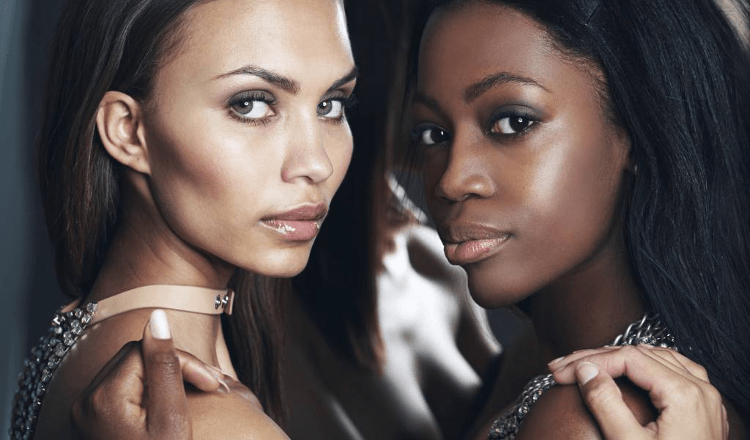
This beauty hierarchy persists today in the form of Hollywood casting, magazine covers, beauty pageants, and advertising, where lighter-skinned Black women (e.g., Beyoncé, Zendaya, Halle Berry, and Yara Shahidi) are more prominently featured than their darker-skinned peers, such as Lupita Nyong’o or Viola Davis—though the latter have also achieved visibility through activism and counter-cultural movements.
Psychological and Biblical Implications
Psychologically, colorism fosters internalized oppression, body dysmorphia, low self-esteem, and even disordered eating. Women and girls not deemed “beautiful” by Eurocentric standards often feel invisible or undesirable. Society trains them, through media propaganda, to seek validation through external approval—what psychologists call externalized locus of control.
Biblically, this phenomenon contradicts the teachings of Scripture, which affirms that “man looks at the outward appearance, but the Lord looks at the heart” (1 Samuel 16:7, NKJV). The Bible consistently emphasizes inner character over physical beauty (Proverbs 31:30). Moreover, the elevation of one group over another due to appearance or social class mirrors the sin of partiality, which Scripture condemns (James 2:1-9).
Beauty and the Racial Caste: From Nazi Aryanism to American Colorism
The Nazi Aryan ideal, rooted in pseudoscientific racial theories, promoted the concept of the Nordic master race. This racial doctrine, advanced by figures like Alfred Rosenberg, claimed that Aryans (Northern Europeans) were biologically and morally superior. Such ideologies influenced not only Germany but also global race and beauty perceptions, legitimizing discrimination against people of color and reinforcing whiteness as the pinnacle of humanity.
These ideologies helped shape a global racial beauty hierarchy, where the following order often dominates:
White (European, Aryan)
East Asian (with fair skin)
South Asian (light-skinned)
Latinx (light mestizo)
Middle Eastern (light Arab)
Black (light-skinned)
Black (dark-skinned)
This hierarchy is evident in fashion industries, marriage markets, and social media algorithms that favor Eurocentric features and lighter complexions.
The Science of Dark Skin and Its Strength
Biologically, melanin—the pigment that gives skin its dark color—offers natural protection against UV radiation and decreases the risk of skin cancer (Jablonski & Chaplin, 2000). Far from being a disadvantage, dark skin is an adaptive advantage in equatorial climates. Despite this, it has been wrongly associated with inferiority, laziness, or criminality—myths perpetuated by colonial narratives and media biases.
In the Black community, colorism fosters division, resentment, and competition. It informs dating preferences, hiring decisions, and self-worth. Lighter-skinned individuals may receive more opportunities, while darker-skinned individuals report higher instances of discrimination—even within their own racial group (Keith & Herring, 1991).
This reality is a byproduct of slavery, where enslaved Africans were divided and assigned labor based on color. Today, this manifests in preferences for lighter-skinned partners, the rejection of natural hair, and increased rates of skin bleaching.
Solutions: Psychological and Spiritual Healing
To overcome colorism and its caste-based roots, several interventions are necessary:
Psychological: Encourage media literacy, affirm diverse representations of beauty, promote healing spaces for racial identity development, and reject comparison culture.
Spiritual: Reconnect with Scripture, which affirms that all are “fearfully and wonderfully made” (Psalm 139:14). Reject the idolatry of beauty and uphold justice and equality.
The Church, educators, and media gatekeepers must challenge false narratives and elevate voices and images that reflect the full spectrum of human dignity.
Colorism and the racial caste system are global cancers rooted in historical oppression and perpetuated through beauty myths and social structures. They distort how people see themselves and others, particularly within communities of color. To rise above the “isms”, we must engage in intentional truth-telling, healing, and cultural reformation that affirms all people—regardless of hue—as made in the image of God.
Historical Origins of Colorism and the Colonial Legacy
Colorism has deep roots in the transatlantic slave trade and European colonization. During American slavery, enslaved Africans were divided by complexion: lighter-skinned individuals—often the result of forced sexual relations between slave owners and enslaved women—were frequently assigned domestic duties in the “Big House,” while darker-skinned individuals labored in the fields under harsher conditions. This division reinforced the idea that proximity to whiteness equated to privilege and desirability.
These divisions sowed seeds of internal conflict, jealousy, and disunity within the Black community—a legacy that remains today. Light skin became associated with intelligence, civility, and beauty, while dark skin was linked to ignorance, brutishness, and unattractiveness. These narratives were not just social—they were weaponized tools of control under the umbrella of white supremacy.
Colorism vs. Racism: A Distinct Yet Interrelated Dynamic
While racism is discrimination based on perceived racial identity—often institutional and systemic—colorism is intra-racial and operates at a more intimate, psychological level. It reflects an acceptance of racial hierarchies within one’s own group, often unknowingly perpetuated by those subjected to racial subjugation themselves.
he concept of a racial caste system reflects a deeply entrenched global hierarchy that privileges certain racial and phenotypic features—especially those associated with whiteness—while marginalizing others. This system, particularly within the realms of beauty and social value, historically elevates the white woman as the apex of aesthetic ideals. Her image—fair skin, narrow features, and light hair—has become the global prototype of beauty, reinforced relentlessly through media, colonial legacies, and socio-political structures.
Defining the Caste System and Its Color-Based Foundations
The caste system, originally associated with South Asia, particularly India, is a rigid social stratification structure that historically defined individuals by their birth status, often linked to ritual purity and occupation. During the collapse of the Mughal Empire and under British colonial rule, caste identities were hardened and institutionalized. The British Raj, from 1860–1920, codified caste divisions through their administration, privileging upper-caste elites with education and jobs while relegating the lower castes to subjugated roles. This stratification aligned with skin tone hierarchies, where lighter skin tones were associated with higher caste status and moral superiority (Deshpande, 2010).
This Indian model of caste-based discrimination found parallels across the globe. During American slavery, enslaved Africans were divided by shade: light-skinned Blacks, often children of slave masters, were assigned more favorable tasks (such as domestic work), while dark-skinned Africans were confined to harsh field labor. This intra-racial division sowed seeds of colorism that persist today (Hunter, 2007).
Colorism privileges individuals with lighter skin, Eurocentric features, and straighter hair textures, often at the expense of darker-skinned individuals, particularly women. It is a global phenomenon—seen in the popularity of skin-lightening creams in Africa and Asia, the media underrepresentation of dark-skinned women, and internalized inferiority within Black and brown communities.
The Beauty Hierarchy and Eurocentric Standards
The universal standard of beauty, reinforced by colonialism, mass media, and white supremacy, promotes a Eurocentric ideal—fair skin, narrow noses, thin lips, and a slim yet curvaceous figure. These characteristics are often seen as aspirational, while Afrocentric features—broad noses, full lips, tightly coiled hair—are marginalized. Scientific racism and eugenics in the 19th and 20th centuries played critical roles in establishing this false standard of human aesthetics (Painter, 2010).
This beauty hierarchy persists today in the form of Hollywood casting, magazine covers, beauty pageants, and advertising, where lighter-skinned Black women (e.g., Beyoncé, Zendaya, Halle Bailey, Yara Shahidi) are more prominently featured than their darker-skinned peers, such as Lupita Nyong’o or Viola Davis—though the latter have also achieved visibility through activism and counter-cultural movements.
Beauty and the Racial Caste: From Nazi Aryanism to American Colorism
The Nazi Aryan ideal, rooted in pseudoscientific racial theories, promoted the concept of the Nordic master race. This racial doctrine, advanced by figures like Alfred Rosenberg, claimed that Aryans (Northern Europeans) were biologically and morally superior. Such ideologies influenced not only Germany but also global race and beauty perceptions, legitimizing discrimination against people of color and reinforcing whiteness as the pinnacle of humanity.
These ideologies helped shape a global racial beauty hierarchy, where the following order often dominates:
White (European, Aryan)
East Asian (with fair skin)
South Asian (light-skinned)
Latinx (light mestizo)
Middle Eastern (light Arab)
Black (light-skinned)
Black (dark-skinned)
This hierarchy is evident in fashion industries, marriage markets, and social media algorithms that favor Eurocentric features and lighter complexions.
The Science of Dark Skin and Its Strength
Biologically, melanin—the pigment that gives skin its dark color—offers natural protection against UV radiation and decreases the risk of skin cancer (Jablonski & Chaplin, 2000). Far from being a disadvantage, dark skin is an adaptive advantage in equatorial climates. Despite this, it has been wrongly associated with inferiority, laziness, or criminality—myths perpetuated by colonial narratives and media biases.
Impact on the Black Community
In the Black community, colorism fosters division, resentment, and competition. It informs dating preferences, hiring decisions, and self-worth. Lighter-skinned individuals may receive more opportunities, while darker-skinned individuals report higher instances of discrimination—even within their own racial group (Keith & Herring, 1991).
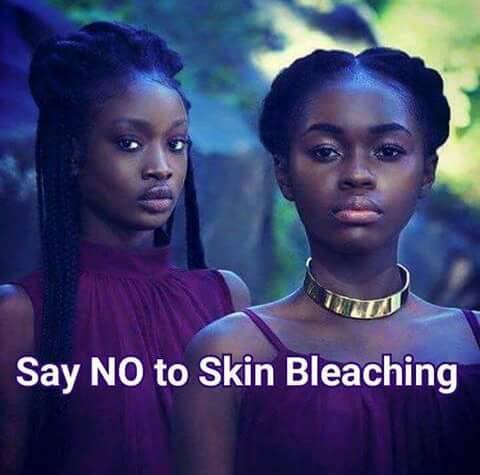
This reality is a byproduct of slavery, where enslaved Africans were divided and assigned labor based on color. Today, this manifests in preferences for lighter-skinned partners, the rejection of natural hair, and increased rates of skin bleaching.
Solutions: Psychological and Spiritual Healing
To overcome colorism and its caste-based roots, several interventions are necessary:
Psychological: Encourage media literacy, affirm diverse representations of beauty, promote healing spaces for racial identity development, and reject comparison culture.
Spiritual: Reconnect with Scripture, which affirms that all are “fearfully and wonderfully made” (Psalm 139:14). Reject the idolatry of beauty and uphold justice and equality.
The Church, educators, and media gatekeepers must challenge false narratives and elevate voices and images that reflect the full spectrum of human dignity.
Colorism and the racial caste system are global cancers rooted in historical oppression and perpetuated through beauty myths and social structures. They distort how people see themselves and others, particularly within communities of color. To rise above the “isms”, we must engage in intentional truth-telling, healing, and cultural reformation that affirms all people—regardless of hue—as made in the image of God.
Why Is Light Skin Viewed as More Attractive? The Colonial Beauty Ideal
The elevation of light skin is a product of a Eurocentric beauty paradigm established through colonial education, media, and social norms. Historically, European features—fair skin, straight hair, slender noses, and light eyes—have been projected as the universal standard of beauty. This construct is reinforced in fashion, television, film, and social media, creating a globalized aesthetic ideal.
Black women and girls across the world are pressured to conform to this standard—often resulting in skin lightening, hair straightening, cosmetic surgery, and disordered eating. These are not merely beauty preferences; they are survival strategies in a world where desirability often equates to social and economic access.
The Psychological and Spiritual Toll of Colorism
The psychological damage caused by colorism includes:
Low self-esteem and body image issues
Internalized self-hatred
Disrupted identity formation in youth
Color-based bullying, often beginning in childhood
Discrimination in dating, employment, and education
From a biblical perspective, colorism contradicts the foundational truth that all people are made in the image of God (Genesis 1:27). The Bible affirms diversity in creation, and nowhere does it prescribe skin tone as a standard of righteousness, beauty, or worth. Proverbs 31:30 reminds us:
“Charm is deceitful and beauty is vain, but a woman who fears the Lord is to be praised.”
Media and the “Invisible” Woman: The Silencing of Darker Beauty
The media has long perpetuated the myth that beauty is white, slim, and symmetrical. Women who do not meet this standard—especially dark-skinned Black women—often face erasure. Who sees “the woman that nobody sees”? The one ignored in public, overlooked in dating, absent from billboards? This invisibility is one of the most painful consequences of colorism.
Black Beauty and Global Icons
Despite centuries of marginalization, many Black figures have shattered conventional beauty standards and redefined what it means to be beautiful:
Lupita Nyong’o – Oscar-winning actress and vocal advocate against colorism
Viola Davis – Emmy and Oscar winner, known for her powerful presence and authenticity
Gabrielle Union – Actress and author who has challenged Hollywood’s narrow beauty ideals
Naomi Campbell – One of the first Black supermodels to dominate high fashion
Kelly Rowland – Often overshadowed in her early career, she has embraced and celebrated her dark complexion
Jodie Turner-Smith, Michaela Coel, Danai Gurira, and Teyonah Parris – All represent a bold, proud, and deeply Black beauty that confronts Eurocentric norms
These women are not only physically stunning—they reflect strength, intelligence, and spiritual depth.
The Science Behind Dark Skin: A Gift Misunderstood
Scientifically, melanin—the pigment responsible for darker skin—provides protection against ultraviolet radiation. It reduces the risk of sunburn, skin cancer, and slows the aging process. Far from being a deficiency, dark skin is a biological adaptation of excellence, rooted in the geography and climate of ancestral homelands.
✨ Mark Twain on Dark Skin and Zulu Beauty
In Following the Equator (1897), Mark Twain offers a striking meditation on the appearance of South African Zulu tribesmen:
Twain continues with a vivid contrast of white and dark complexions:
“Nearly all black and brown skins are beautiful, but a beautiful white skin is rare.… The advantage is with the Zulu… he starts with a beautiful complexion, and it will last him through.”Full Text Archive+7TheOriginalBlackWoman+7Learning India+7
These passages reveal Twain’s admiration for deeply melanin-rich skin tones and his critique of pale complexions, which, he argues, require constant artificial maintenance.
📖 Contextual Significance
Twain’s reflections emerge from his global travels, where he observed beauty in cultures often marginalized by Western standards. He contrasted the effortless radiance of dark-skinned individuals with the fragile, impermanent beauty of many white complexions, noting how the latter often appear unhealthy or artificial in contrast to naturally rich melanin hues. Mark Twain Classic LiteratureFull Text ArchiveTheOriginalBlackWoman
🧪 Insights and Implications
Theme
Explanation
Beauty & Hierarchy
Twain challenges Eurocentric beauty ideals by elevating darker skin as naturally durable and aesthetically superior.
Cultural Critique
He implicitly critiques a global beauty infrastructure reliant on cosmetics, bleaching, and artificial enhancements.
Psychological Affirmation
His language affirms the inherent dignity, grace, and resilience of dark-skinned individuals—a rare stance in his era.
Recognize each human as fearfully and wonderfully made (Psalm 139:14)
Dismantle idols of beauty and embrace godly character as the true mark of worth
Celebrate diversity as God’s creative intention, not as a flaw to be corrected
Psychological and Community Solutions:
Media representation: Promote diverse portrayals of Blackness in media and advertising
Education: Teach children the beauty of melanin, natural hair, and African features early
Therapy and support groups: Address color-based trauma in safe, healing environments
Parenting practices: Encourage affirmation in families, especially for dark-skinned children
Conclusion: From Shame to Sovereignty
Colorism is a byproduct of colonial violence and white supremacy that has taken root in the hearts and minds of oppressed peoples. But it is not unbreakable. Through truth, education, and faith, the lies about Blackness—especially dark-skinned Black womanhood—can be uprooted.
The question remains: Is light skin better than dark skin? No. It is a false dichotomy—a deception. Beauty is not found in hue, but in the harmony of soul, spirit, and strength. When we rise above the shade-based lies that divide us, we rediscover the inherent power of being beautifully, unapologetically Black.
REFERENCES:
Deshpande, A. (2010). The Grammar of Caste: Economic Discrimination in Contemporary India. Oxford University Press.
Hunter, M. (2007). The Persistent Problem of Colorism: Skin Tone, Status, and Inequality. Sociology Compass, 1(1), 237–254.
Jablonski, N. G., & Chaplin, G. (2000). The evolution of human skin coloration. Journal of Human Evolution, 39(1), 57–106.
Keith, V. M., & Herring, C. (1991). Skin Tone and Stratification in the Black Community. American Journal of Sociology, 97(3), 760–778.
Walker, A. (1982). In Search of Our Mothers’ Gardens: Womanist Prose.
Hunter, M. (2005). Race, Gender, and the Politics of Skin Tone. Routledge.
Russell, K., Wilson, M., & Hall, R. (1992). The Color Complex: The Politics of Skin Color Among African Americans. Anchor Books.
Thompson, C. (2009). Black Women, Beauty, and Hair as a Matter of Being. Women’s Studies.
The Holy Bible, KJV. Genesis 1:27; Psalm 139:14; Proverbs 31:30.
Twain, M. (1894). Following the Equator: A Journey Around the World.
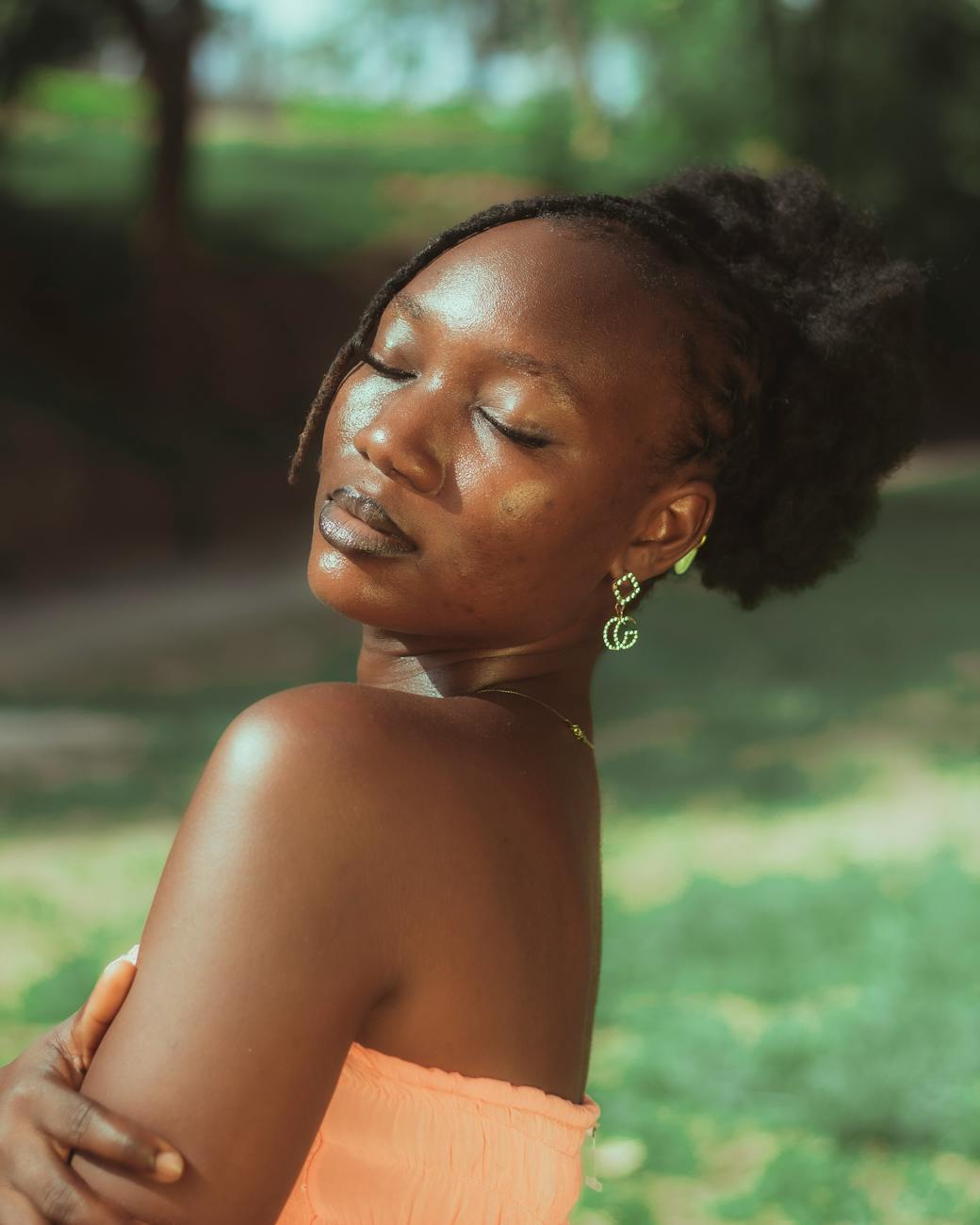
This photograph is the property of its respective owner. No copyright infringement intended.
“My teenage years were plagued by the idea that light skin was better skin. There were adverts on TV … I felt that I was not considered beautiful because of my complexion. My self-worth was deeply compromised in those years.” –– Lupita Nyong’o
Throughout history, beauty has not merely been an aesthetic pursuit but a reflection of power, status, and identity. The modern obsession with light skin, despite its dangers and toxic implications, is one of the most telling examples of how deeply colonialism has shaped global perceptions of worth. Even in the face of severe health risks from mercury-based skin-whitening creams, millions continue to use them, driven by an invisible yet powerful ideology: that lighter is better.
To understand this fixation, one must first look to history. The global conquest of Europe during the colonial era redefined the hierarchy of human value. Through political domination, missionary education, and cultural imperialism, whiteness was not only privileged but sanctified. From Africa to Asia, and the Caribbean to Latin America, colonized people internalized the myth that white skin was the mark of civility, intelligence, and beauty (Hunter, 2007).
During the Renaissance period, this idealization of whiteness was reinforced through art, literature, and religion. White women were portrayed in paintings as divine, ethereal, and pure. Pale skin became a symbol of wealth and class, as only those who did not labor under the sun could afford to be fair. This visual narrative of “fairness equals virtue” became embedded in the social consciousness of the Western world (Glenn, 2008).
As colonialism expanded, these Eurocentric ideals traveled globally, becoming the beauty gospel imposed upon darker nations. Fair skin became not just a preference but a social passport. In many societies, lighter complexions opened doors to better marriage prospects, employment opportunities, and higher social standing. This stratification birthed what sociologists call colorism—a system of discrimination based on skin tone within one’s own race (Russell, Wilson & Hall, 2013).
In Asia, the legacy of colonialism and caste further reinforced this mindset. Skin-lightening creams became billion-dollar industries in countries like India, South Korea, and the Philippines. Advertisements depicted fair-skinned women as more successful, desirable, and confident, cementing the false equation between fairness and happiness. The slogan “Fair is Lovely,” once used by a leading Indian brand, became both a marketing triumph and a cultural tragedy.
Africa, too, bears the scars of this color complex. The introduction of European beauty standards during colonial occupation devalued the natural features of Black people. From hair texture to skin tone, everything dark was labeled “undesirable.” As a result, some individuals began using harmful bleaching agents to emulate European features, unaware that they were absorbing toxins and erasing the beauty of their own heritage (Charles, 2009).
In the Americas, the legacy of slavery compounded these issues. Enslaved Africans with lighter skin were often given preferential treatment, allowed to work in the master’s house rather than in the fields. This created divisions within the Black community that persist today, where lighter skin is often perceived as more acceptable or beautiful, echoing the “house slave versus field slave” dichotomy (Keith & Herring, 1991).
The psychological damage of colorism runs deep. It fosters self-hatred, envy, and a lifelong pursuit of unattainable beauty standards. The constant bombardment of light-skinned models in magazines, movies, and advertisements perpetuates the illusion that dark skin is something to overcome rather than embrace. The media, acting as the modern missionary, continues to preach the gospel of whiteness through filters, Photoshop, and casting decisions.
Yet, this obsession is not born of vanity alone—it is a byproduct of systemic conditioning. Generations have been raised to equate whiteness with success and darkness with deficiency. This internalized racism manifests as economic behavior: billions spent annually on skin-lightening products, surgeries, and treatments, often marketed as “brightening” or “toning” to disguise their true purpose (Glenn, 2008).
Spiritually, this phenomenon mirrors the biblical warning against conforming to worldly standards. Romans 12:2 (KJV) reminds believers: “And be not conformed to this world: but be ye transformed by the renewing of your mind.” The obsession with lightness is a form of conformity—a submission to a false idol of beauty that profits from insecurity.
Psychologically, the pursuit of lighter skin reflects an inferiority complex rooted in generational trauma. When an entire race has been told for centuries that they are less than human, the desire to approximate the oppressor’s image becomes a coping mechanism, albeit a destructive one. This cycle of psychological bondage mirrors the words of Proverbs 23:7 (KJV): “For as he thinketh in his heart, so is he.”
Health-wise, the implications are severe. Mercury, hydroquinone, and corticosteroids—common in bleaching products—cause skin thinning, kidney failure, neurological damage, and in extreme cases, death. What begins as a quest for beauty often ends in tragedy, revealing the literal toxicity of self-rejection.
However, a global awakening is underway. Movements such as “Dark Is Beautiful” in India and “Melanin Poppin’” in the United States are reclaiming the beauty of darker tones. Black and brown creators are challenging the dominance of Eurocentric beauty on social media, promoting self-love, and redefining what it means to be beautiful.
The conversation around skin color is not merely cosmetic—it is cultural, political, and spiritual. To embrace one’s melanin is to resist centuries of indoctrination and to honor the divine craftsmanship of creation. Genesis 1:27 (KJV) declares, “So God created man in his own image.” If all shades come from God, then no shade is superior.
Media responsibility also plays a crucial role in dismantling this narrative. Representation matters. When darker-skinned women are seen as heroines, scholars, and leaders, they challenge the subconscious biases formed through decades of white-centered beauty imagery. Change in perception begins with visibility.
Economically, promoting natural beauty empowers local industries and rejects exploitative global beauty chains that profit from colonial residue. Supporting melanin-positive brands is an act of resistance—a declaration that beauty no longer bows to a Eurocentric ideal.
In conclusion, the obsession with fair skin is neither new nor benign. It is the residue of colonization, perpetuated through art, religion, and commerce. The solution lies in education, representation, and spiritual renewal. To reclaim beauty in all its shades is to reclaim one’s identity, worth, and freedom from psychological slavery.
When people learn to see themselves as God created them—fearfully and wonderfully made—the market for inferiority collapses. The true revolution begins not with lighter skin, but with enlightened minds.
References (APA 7th Edition)
Charles, C. A. D. (2009). Skin bleaching, self-hate, and black identity in Jamaica. Journal of Black Studies, 40(2), 153–170. https://doi.org/10.1177/0021934708315587
Glenn, E. N. (2008). Yearning for lightness: Transnational circuits in the marketing and consumption of skin lighteners. Gender & Society, 22(3), 281–302. https://doi.org/10.1177/0891243208316089
Keith, V. M., & Herring, C. (1991). Skin tone and stratification in the Black community. American Journal of Sociology, 97(3), 760–778. https://doi.org/10.1086/229819
Russell, K., Wilson, M., & Hall, R. (2013). The Color Complex (Revised): The Politics of Skin Color Among African Americans. Anchor Books.

 THE BROWN GIRL DILEMMA