
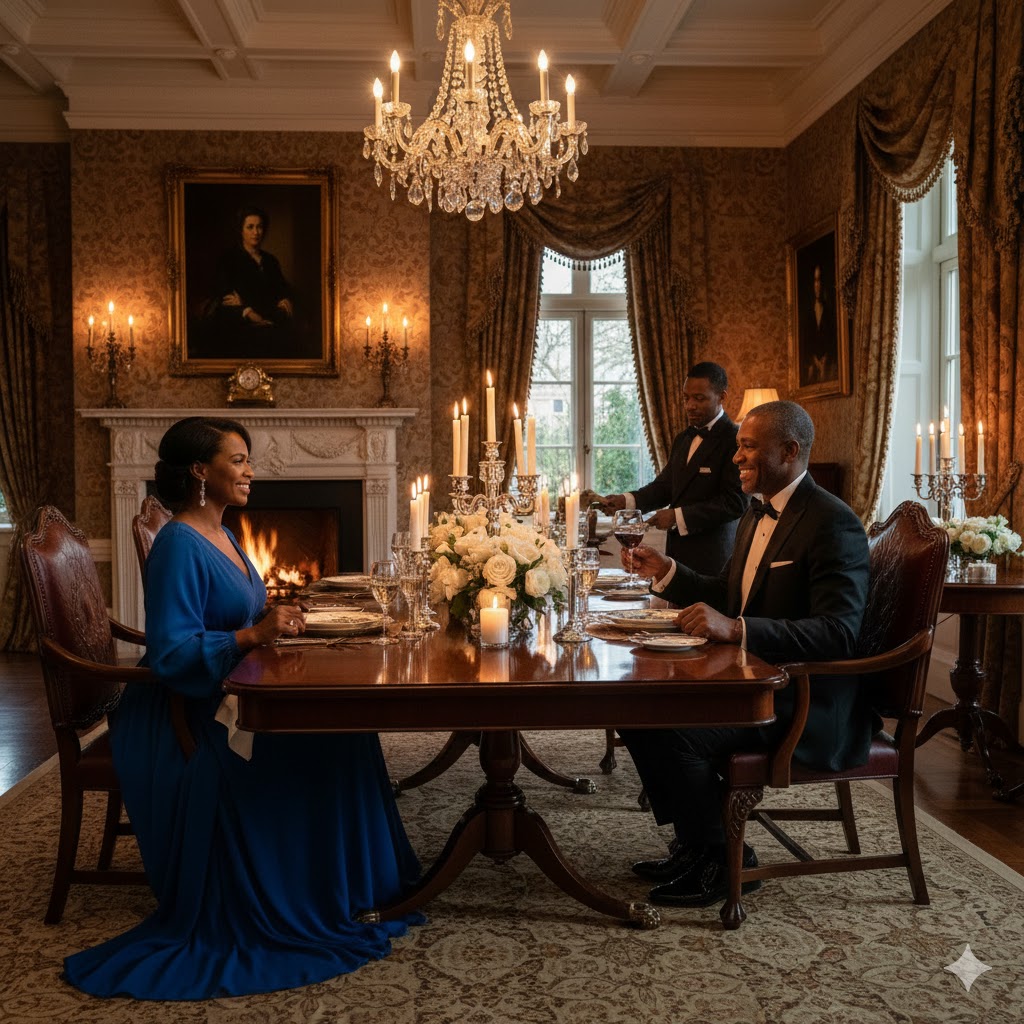
In every enduring relationship, especially within the covenant of biblical marriage, communication stands as one of the greatest expressions of love. When two people speak openly, listen deeply, and share honestly, they build a foundation that storms cannot destroy. The Scriptures affirm that “a threefold cord is not quickly broken” (Ecclesiastes 4:12, KJV), and communication is one of the strands woven into that sacred cord.
Healthy communication begins with a willingness to be transparent. Marriage was never designed for masks, silence, or emotional withdrawal. Adam and Eve were “naked and not ashamed” (Genesis 2:25, KJV), symbolizing emotional openness and vulnerability. When couples talk honestly, they strip away fear and allow intimacy to flourish.
Trust is the oxygen of communication. Without trust, words become weapons or walls. Proverbs 31 describes the virtuous wife by saying, “the heart of her husband doth safely trust in her” (Proverbs 31:11, KJV). Likewise, a God-fearing husband earns trust by acting with integrity, consistency, and love. Trust grows stronger when both partners are safe places for each other.
Respect is another pillar of healthy dialogue. The Bible commands husbands to dwell with their wives “according to knowledge” (1 Peter 3:7, KJV), meaning with understanding, honor, and patience. Respectful communication avoids sarcasm, belittling words, and assumptions. It listens before reacting and seeks to understand before seeking to be understood.
Love—biblical, selfless love—is the voice of God within marriage. Paul reminds us that “charity…seeketh not her own…is not easily provoked…rejoiceth in the truth” (1 Corinthians 13:4–6, KJV). Communicating in love means speaking truth without cruelty, correcting without condemning, and disagreeing without disrespect.
Healthy marriages thrive when couples intentionally create space for conversation. This means setting aside time to talk without distraction, whether daily check-ins or weekly heart-to-heart sessions. These moments build emotional intimacy and allow couples to realign expectations, share gratitude, and resolve tensions before they grow.
Listening is just as holy as speaking. James teaches, “Let every man be swift to hear, slow to speak, slow to wrath” (James 1:19, KJV). A listening spouse hears not only the words but the emotions behind them. A listening spouse resists defensiveness and responds with grace. Listening is a ministry of presence.
Honesty must be handled gently. Truth without compassion becomes harshness, while compassion without truth becomes compromise. Ephesians 4:15 encourages believers to speak “the truth in love,” which should be the posture of every married couple. Honesty should heal, not harm.
Forgiveness is essential for communication to thrive. Couples who talk openly will eventually bump into misunderstandings or mistakes. Jesus teaches that forgiveness is not optional (Matthew 18:21–22, KJV). In marriage, forgiveness restores conversation and prevents resentment from choking intimacy.
Communication also requires humility. Pride is the enemy of connection, but humility invites grace. Philippians 2:3 teaches, “Let nothing be done through strife or vainglory; but in lowliness of mind let each esteem other better than themselves.” Humility softens tone, shifts perspective, and opens doors that pride keeps shut.
Being trustworthy means being dependable with words, emotions, and commitments. When couples keep promises, show up consistently, and honor boundaries, they reinforce the security needed for open dialogue. Trustworthiness is proven over time through actions, not simply declared with speech.
In a biblical marriage, communication should include prayer. When couples pray together, they speak not only to one another but also to God. Prayer invites divine wisdom, unity, and peace. Matthew 18:19 affirms the power of agreement: “If two of you shall agree on earth… it shall be done.” Couples who talk to God together learn to talk to each other with more grace.
Healthy communication honors emotional needs. Some partners need reassurance; others need organization; some need affection; others need clarity. Understanding these differences prevents unnecessary conflict. Husbands and wives can study each other the way they study Scripture—with intention and reverence.
Setting boundaries for conflict is another key. Couples can agree not to shout, insult, walk away, or bring up unrelated past issues. Ephesians 4:26 warns, “Let not the sun go down upon your wrath,” reminding us that peace is a daily pursuit.
A strong marriage requires accountability. Couples must lovingly hold each other to spiritual, emotional, and relational standards. Accountability is not control but partnership. “Iron sharpeneth iron” (Proverbs 27:17, KJV), and marriage is one of God’s refining tools.
Communication thrives when couples celebrate each other. Appreciation strengthens bonds and encourages positive behavior. Compliments, gratitude, and verbal affection create emotional security. Proverbs 16:24 reminds us that “pleasant words are as an honeycomb.”
Honest communication may require difficult conversations—about finances, family, expectations, boundaries, or disappointment. These conversations should not be avoided, for avoidance breeds fear. Instead, couples should approach difficult topics with prayer, patience, and love.
Couples must guard their marriage from outside influences that corrupt communication. Gossipers, negative friends, meddling relatives, and social media comparisons can poison perspective. The Bible warns, “Be not deceived: evil communications corrupt good manners” (1 Corinthians 15:33, KJV). Protecting the marriage circle is protecting communication.
Healthy relationships require consistent emotional check-ins. Asking simple questions like “How are we doing?” keeps problems from festering. These conversations can be gentle assessments of connection, trust, and emotional well-being.
Ultimately, communication in marriage reflects the couple’s relationship with God. When spouses honor God with their words, they honor each other. When they let the Holy Spirit guide their speech, they speak life. Proverbs 18:21 declares, “Death and life are in the power of the tongue.” In marriage, words can either build a sanctuary or create a battlefield.
At its core, biblical communication is an act of love, service, and covenant faithfulness. When couples commit to honesty, humility, trustworthiness, and grace-filled dialogue, they create a marriage that reflects the heart of God—one rooted in truth, strengthened by forgiveness, and flourishing in love.
References
Holy Bible, King James Version.
Ecclesiastes 4:12; Genesis 2:25; Proverbs 31:11; 1 Peter 3:7; 1 Corinthians 13:4–6; James 1:19; Ephesians 4:15, 4:26; Matthew 18:19, 18:21–22; Philippians 2:3; Proverbs 27:17; Proverbs 16:24; 1 Corinthians 15:33; Proverbs 18:21.
 THE BROWN GIRL DILEMMA