
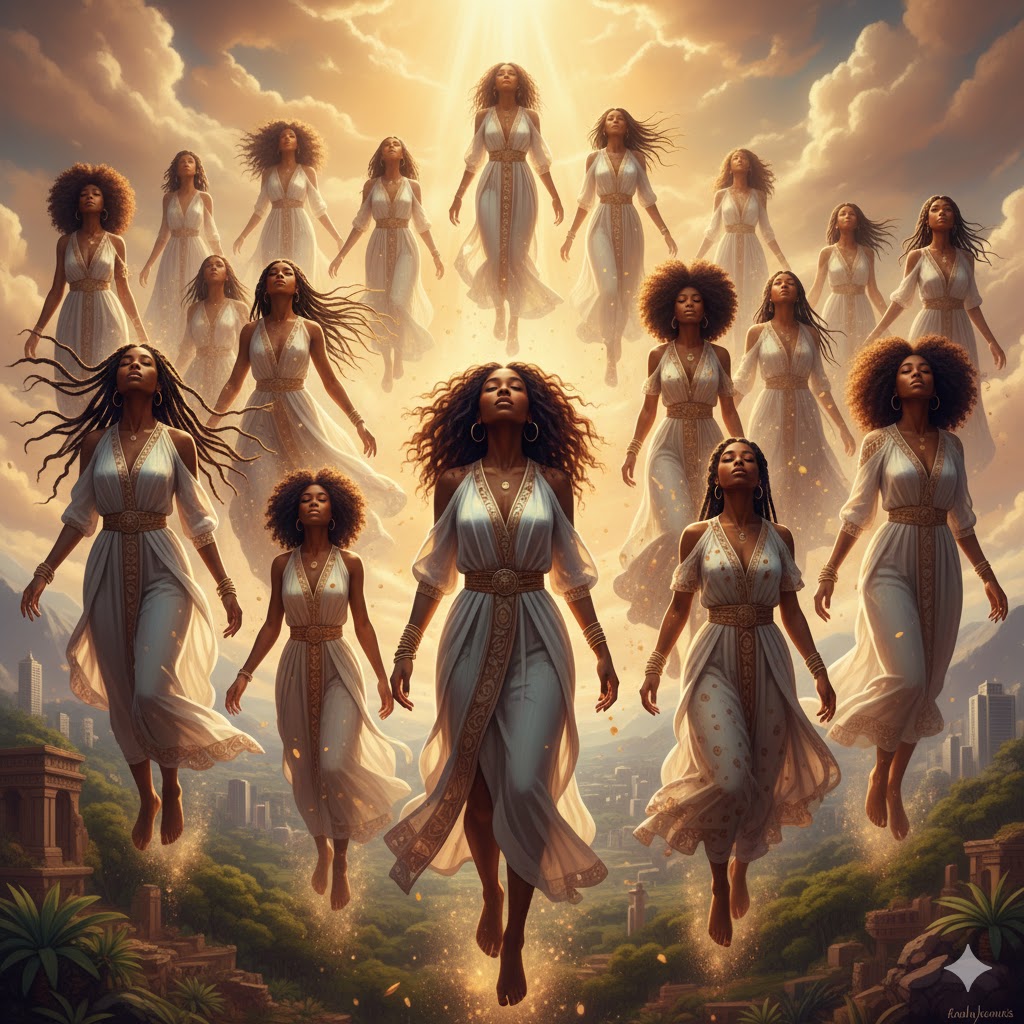
Brown Girl Rising is the story of awakening, resilience, and transformation. It is the journey from self-doubt shaped by societal bias to a confident embrace of identity, heritage, and purpose. For brown girls everywhere, rising is both personal and collective, a declaration that history, circumstance, or prejudice cannot define their worth or potential.
From childhood, brown girls encounter narratives that seek to diminish their value. Colorism, media misrepresentation, and systemic inequities often shape perception and self-esteem. Hunter (2007) highlights how internalized bias can negatively impact identity formation and confidence. Rising begins with recognizing and rejecting these false narratives.
Education is a key pillar in the ascent of the brown girl. Knowledge empowers critical thinking, cultural awareness, and leadership. When a brown girl learns her history, studies her potential, and cultivates her skills, she builds a foundation of confidence and independence. Proverbs 4:7 (KJV) affirms, “Wisdom is the principal thing; therefore get wisdom: and with all thy getting get understanding.”
Faith fortifies resilience. Brown Girl Rising understands that divine purpose is embedded within her being. Jeremiah 29:11 (KJV) declares, “For I know the thoughts that I think toward you, saith the LORD, thoughts of peace, and not of evil, to give you an expected end.” Trusting in God’s plan encourages perseverance through adversity.
Rising also requires community and mentorship. Surrounding oneself with supportive peers, role models, and leaders fosters growth, accountability, and inspiration. Proverbs 27:17 (KJV) states, “Iron sharpeneth iron; so a man sharpeneth the countenance of his friend.” Community becomes both a mirror and a catalyst for elevation.
Brown girls possess a unique brilliance, often overlooked or underestimated. Historical and contemporary examples—from scientists to artists to leaders—illustrate that talent, creativity, and leadership flourish when nurtured and affirmed. Asante (2007) emphasizes the rich intellectual legacy of African civilizations, demonstrating that brilliance is both inherited and cultivated.
Self-love is central to the rising journey. 1 John 4:19 (KJV) notes, “We love him, because he first loved us.” Recognizing God’s love provides a template for self-respect, affirmation, and boundaries, allowing brown girls to assert value in all aspects of life.
Rising is not linear. Challenges, setbacks, and opposition test resilience. Yet every trial strengthens character, sharpens focus, and deepens understanding of self. Romans 5:3-4 (KJV) teaches, “…we glory in tribulations also: knowing that tribulation worketh patience; And patience, experience; and experience, hope.”
Expression through art, literature, and culture amplifies the voice of the brown girl. Poetry, music, visual art, and storytelling communicate identity, resistance, and aspiration. These mediums allow her to rise visibly and inspire others.
Physical presence and aesthetic pride are also acts of rising. Hair, fashion, and beauty practices are expressions of culture and self-respect. Celebrating natural features affirms identity and challenges oppressive beauty standards.
Leadership is a natural extension of rising. By taking initiative, advocating for others, and influencing change, brown girls demonstrate that rising is not only personal but communal. Proverbs 31:8-9 (KJV) exhorts, “Open thy mouth for the dumb in the cause of all such as are appointed to destruction. Open thy mouth, judge righteously, and plead the cause of the poor and needy.”
Health—physical, emotional, and spiritual—is essential for sustaining upward movement. Self-care is not indulgence but a strategy for resilience, ensuring that the brown girl has energy and clarity to pursue purpose. 1 Corinthians 6:19-20 (KJV) reminds us that our bodies are temples of the Holy Spirit.
Rising also involves breaking cycles of generational trauma. By confronting inherited wounds and seeking healing, brown girls create space for empowerment and possibility. The journey becomes both personal transformation and societal impact.
Courage is fundamental. Speaking truth, pursuing dreams, and challenging injustice often require bravery. Joshua 1:9 (KJV) affirms, “Be strong and of a good courage; be not afraid, neither be thou dismayed: for the LORD thy God is with thee whithersoever thou goest.”
Brown Girl Rising understands the power of visibility. Representation in media, academia, business, and politics counters stereotypes, inspiring the next generation to rise without apology. Seeing oneself reflected validates dreams and normalizes achievement.
Advocacy is integral to rising. Elevating voices, addressing inequity, and mentoring others extends personal ascent into societal transformation. Acts of advocacy demonstrate that rising is both a personal and communal endeavor.
Patience and persistence distinguish lasting rise from fleeting success. Galatians 6:9 (KJV) reminds, “And let us not be weary in well doing: for in due season we shall reap, if we faint not.” Persistence ensures that efforts bear fruit over time.
Rising requires authenticity. Embracing individuality, culture, and values fosters self-respect and influence. Brown girls who honor their heritage and uniqueness inspire confidence and respect in others.
Celebration marks milestones of rising. Rejoicing in accomplishments, whether large or small, reinforces identity and motivates continued growth. Psalm 118:24 (KJV) declares, “This is the day which the LORD hath made; we will rejoice and be glad in it.”
Finally, Brown Girl Rising embodies hope, resilience, and purpose. It is a declaration of presence, power, and potential. Each step upward reflects ancestral strength, divine design, and personal agency. Rising is not only survival—it is flourishing.
References
Psalm 139:14, KJV.
Jeremiah 29:11, KJV.
Proverbs 4:7, KJV.
Proverbs 27:17, KJV.
1 John 4:19, KJV.
Romans 5:3-4, KJV.
Proverbs 31:8-9, KJV.
1 Corinthians 6:19-20, KJV.
Joshua 1:9, KJV.
Galatians 6:9, KJV.
Psalm 118:24, KJV.
Hunter, M. L. (2007). The Persistent Problem of Colorism: Skin Tone, Status, and Inequality. Sociology Compass, 1(1), 237–254.
Asante, M. K. (2007). The History of Africa: The Quest for Eternal Harmony. Routledge.
Gates, H. L. (2019). The Black Experience in America: Identity, Culture, and Achievement. Vintage Press.
 THE BROWN GIRL DILEMMA