
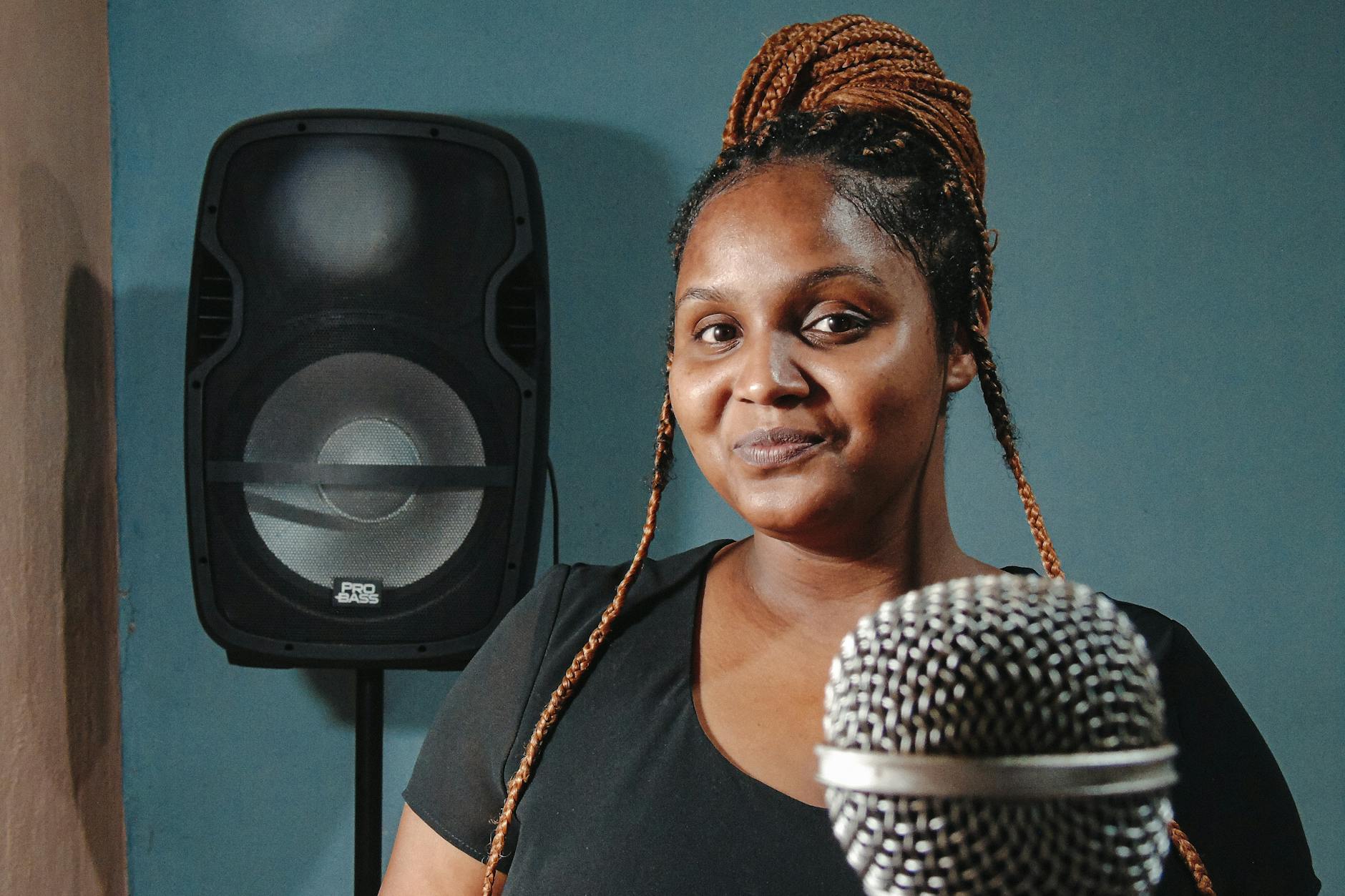
The identity of Black women in media has been a contested site for centuries. From the earliest forms of representation during slavery to the multifaceted portrayals seen in contemporary television, film, and music, Black women have endured caricature, erasure, and distortion. Yet they have also reclaimed power, reshaped narratives, and challenged society’s limited gaze. This essay explores the evolution of Black women’s identity in media, tracing historical stereotypes, cultural shifts, and the emergence of new voices that define representation on their own terms.
Enslavement and Stereotypes
In the era of slavery, the media reflected the racial hierarchy designed to justify oppression. Black women were cast into roles that reduced their humanity. The mammy stereotype, a loyal, nurturing figure stripped of sexuality, was meant to normalize Black women’s servitude in white households (Collins, 2000). Meanwhile, the Jezebel trope, portraying Black women as hypersexual, provided justification for their exploitation and abuse. These stereotypes circulated through minstrel shows, advertising, and early literature, embedding themselves in cultural consciousness.
Early Cinema and Caricature
With the rise of film in the early 20th century, these images were cemented on screen. Birth of a Nation (1915) not only glorified white supremacy but also caricatured Black women as either grotesque or immoral. The entertainment industry treated Black womanhood as either comic relief or deviance, rarely affording dignity or complexity. These representations reinforced the cultural belief that Black women were outside the boundaries of true femininity.
Hollywood’s Golden Age and Colorism
The mid-20th century brought breakthroughs in visibility, though with limits. Actresses like Lena Horne and Dorothy Dandridge emerged as Hollywood stars. However, their success was conditioned by colorism, as lighter-skinned women were cast in glamorous roles while darker-skinned actresses were relegated to servitude roles. Dandridge, though immensely talented, faced barriers that kept her from sustaining a long career, reflecting how Hollywood selectively embraced Black beauty closer to Eurocentric ideals (Hunter, 2005).
Respectability Politics
The Civil Rights era of the 1950s and 1960s saw Black women negotiating respectability in media. They were expected to embody dignity and restraint, countering stereotypes through roles that emphasized professionalism and morality. Yet these portrayals often muted expressions of sexuality, individuality, and complexity. Representation was a balancing act—resisting racist caricature while conforming to narrow standards of acceptability.
“Black is Beautiful” Movement
The late 1960s and 1970s ushered in a shift with the Black is Beautiful movement. Natural hair, dark skin, and Afrocentric aesthetics became celebrated symbols of pride and resistance. Media reflected this new self-image, with magazines like Essence showcasing Black women on their own terms. Actress Pam Grier, through Blaxploitation films, embodied a new type of Black female protagonist—fierce, sensual, and central. Although controversial, her roles broke with the tradition of erasure and secondary status, pushing Black women into leading narratives.
Oprah Winfrey: Redefining Influence
One of the most transformative figures in modern media has been Oprah Winfrey. Rising from a background of poverty and trauma, Oprah created a media empire that placed a Black woman at the center of daytime television for decades. Her authenticity, compassion, and storytelling power challenged stereotypes, presenting a multidimensional Black woman whose identity transcended boundaries of race and gender. Oprah’s success symbolized empowerment through visibility, showing that Black women could dominate mainstream spaces without conforming to white ideals.
The Hip-Hop Era
From the 1980s into the 2000s, hip-hop shaped new images of Black women in media. Artists like Queen Latifah and MC Lyte used their platforms to assert independence, intelligence, and pride. Latifah’s U.N.I.T.Y. rejected misogyny while affirming respect for women. Conversely, music videos often displayed hypersexualized images of Black women, reducing them to background dancers and objects of desire. This duality revealed the tension between empowerment and exploitation, illustrating how media could simultaneously elevate and degrade.
Beyoncé: Power and Reclamation
Few figures embody the complexity of Black women’s media identity more than Beyoncé. Emerging as part of Destiny’s Child, she was initially packaged within a commercial pop framework. Over time, however, Beyoncé transformed into a cultural icon whose work fused entertainment with political commentary. Her visual album Lemonade (2016) celebrated Black womanhood, motherhood, and resilience while addressing infidelity, race, and legacy. Drawing on imagery of African spirituality and Southern Black culture, Beyoncé reframed Black women’s identity as powerful, multifaceted, and central to cultural discourse.
Viola Davis: Depth and Authenticity
Actress Viola Davis has pushed representation into new terrain by demanding roles that honor the complexity of Black women. In How to Get Away with Murder, she portrayed Annalise Keating, a brilliant, vulnerable, and flawed woman—a role rarely afforded to Black women in television history. Davis also made history by becoming the first Black woman to win an Emmy for Outstanding Lead Actress in a Drama. By embracing roles that show vulnerability alongside strength, Davis challenges the stereotype that Black women must always appear invulnerable.
Issa Rae: Authenticity in the Digital Era
Issa Rae represents a new wave of creators who bypassed traditional gatekeepers. Beginning with her YouTube series The Misadventures of Awkward Black Girl, Rae built a platform that celebrated the everyday experiences of young Black women. Her HBO series Insecure continued this project, portraying friendship, romance, career, and self-discovery without resorting to caricature. Rae’s work highlights the significance of digital media in empowering Black women to tell their own stories, creating representation rooted in authenticity rather than external validation.
Zendaya: A New Generation
As one of Hollywood’s most visible young stars, Zendaya represents a new generation of Black women in media. Her roles in Euphoria and films such as Dune have shown range, while her advocacy against colorism demonstrates awareness of her positionality. Zendaya’s career reflects both progress and ongoing challenges, as she openly acknowledges that her lighter skin tone has afforded her opportunities often denied to darker-skinned peers. She embodies the nuanced conversation about privilege, representation, and responsibility in contemporary media.
Social Media and Self-Definition
Social media has radically transformed the landscape of representation. Black women now have the ability to curate and broadcast their own identities without relying on traditional institutions. Influencers, writers, and activists use platforms like Instagram, YouTube, and TikTok to showcase natural hair, celebrate diverse body types, and engage in political discourse. Movements such as #BlackGirlMagic affirm pride, beauty, and resilience, countering centuries of erasure and distortion.
Persisting Challenges: Colorism
Despite progress, colorism remains a major barrier. Dark-skinned women are often marginalized in casting, advertising, and music videos, while lighter-skinned women are elevated as the preferred face of Black beauty. This reflects a colonial legacy in which proximity to whiteness was rewarded. The persistence of colorism reveals how deeply ingrained Eurocentric ideals remain in media representation (Hunter, 2005).
Eurocentric Beauty Standards
Beyond colorism, Eurocentric beauty standards still influence portrayals of Black women. Straight hair, slim noses, and lighter complexions are often privileged in media. This pressure to conform to white aesthetics has psychological consequences, influencing self-esteem and perpetuating exclusion. Yet the growing embrace of natural hair and Afrocentric features suggests that resistance is reshaping the standard of beauty.
Intersection of Gender and Race
Black women’s media identity cannot be understood apart from the intersection of racism and sexism. bell hooks (1992) argued that Black women are often seen as “other,” positioned outside dominant femininity and therefore vulnerable to exploitation. This dual marginalization explains why progress in representation has often been uneven. Media portrayals must navigate not only racial stereotypes but also patriarchal expectations.
Faith and Spiritual Identity
For many Black women, representation in media intersects with faith. Biblical texts affirm their worth, countering centuries of degradation. Song of Solomon 1:5 (KJV) states, “I am black, but comely, O ye daughters of Jerusalem.” Such verses reclaim Black beauty as divinely affirmed, offering spiritual grounding for self-definition. Faith becomes a tool for liberation, reinforcing that Black women’s identities extend beyond media distortions.
Transformation and Resistance
The evolution of representation reflects both oppression and resistance. From caricatures to complex portrayals, Black women have fought to assert their dignity. The resilience of figures like Oprah, Beyoncé, Viola Davis, Issa Rae, and Zendaya illustrates how Black women have turned media into a platform for empowerment. Their stories reveal not only cultural shifts but also the persistence of barriers.
Toward Multiplicity
Today, representation is no longer about singular breakthroughs but multiplicity. Black women exist in media as leaders, visionaries, entertainers, activists, and everyday protagonists. Their portrayals encompass vulnerability, joy, complexity, and contradiction. This multiplicity reflects a move away from stereotypes toward authenticity.
Conclusion
The evolution of Black women’s identity in media tells a story of struggle, resistance, and transformation. From slavery’s stereotypes to Hollywood’s constraints, from the “Black is Beautiful” movement to today’s digital age, representation has been redefined across generations. Figures like Oprah, Beyoncé, Viola Davis, Issa Rae, and Zendaya demonstrate the possibilities of media as a site of liberation. Yet the work continues, as challenges of colorism, Eurocentrism, and systemic exclusion persist. Ultimately, the story of Black women in media is one of ongoing reclamation—an insistence on defining themselves in truth, dignity, and power.
References
Collins, P. H. (2000). Black feminist thought: Knowledge, consciousness, and the politics of empowerment. Routledge.
hooks, b. (1992). Black looks: Race and representation. South End Press.
Hunter, M. (2005). Race, gender, and the politics of skin tone. Routledge.
Stephens, D. P., & Phillips, L. D. (2003). Freaks, gold diggers, divas, and dykes: The sociohistorical development of adolescent African American women’s sexual scripts. Sexuality & Culture, 7(1), 3–49.
Ford, T. (2015). Liberated threads: Black women, style, and the global politics of soul. University of North Carolina Press.
 THE BROWN GIRL DILEMMA