
Frantz Fanon: The Revolutionary Mind of Black Liberation
Featuring Reviews of Black Skin, White Masks and The Wretched of the Earth
Who Was Frantz Fanon? Biography & Nationality
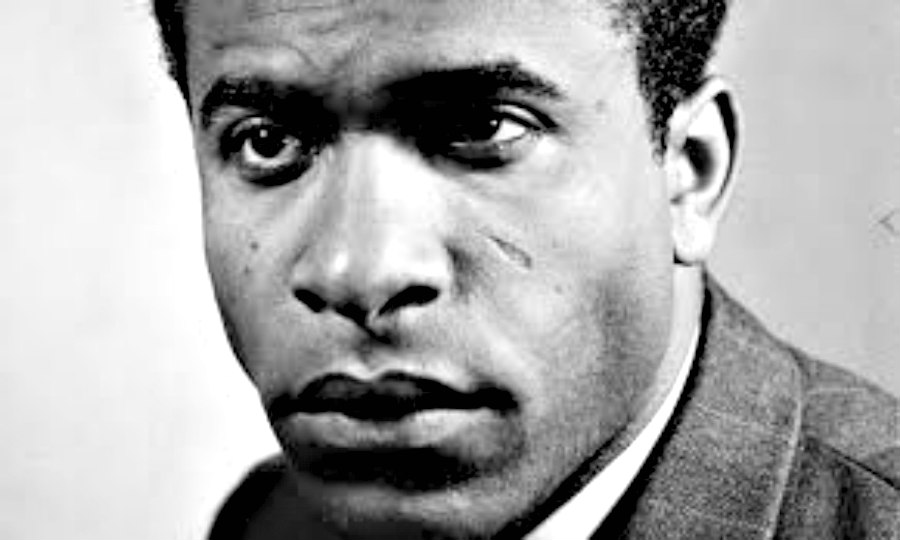
Frantz Omar Fanon was born on July 20, 1925, in Fort-de-France, Martinique, a French colony in the Caribbean. He was a Black psychiatrist, writer, revolutionary theorist, and anti-colonial activist. Fanon was of French nationality, since Martinique was a French territory, but he fiercely rejected colonial identity and became one of the most radical critics of French imperialism.
He grew up speaking French and was educated in the French system, but his experience as a Black man in a white-dominated society led him to reject colonial assimilation and instead advocate for African liberation.
His Marriage and Personal Life
Fanon married Josie (Marie-Josephe) Dublé, a white Frenchwoman, who was a nurse. This marriage sparked controversy, as Fanon wrote passionately against white colonialism and the psychological effects of internalized whiteness among Black people. Yet, he also saw personal relationships as complex and never viewed love solely through political binaries.
They had one son, Olivier Fanon.
His Language and Writing
Fanon wrote in French, and both of his major works have been translated into many languages, including English, Spanish, Arabic, and Portuguese, making his ideas accessible to freedom fighters and intellectuals around the world.
Life in Martinique and France: The Formation of a Revolutionary
Growing up in Martinique, Fanon was considered part of the Black middle class. However, he became deeply disillusioned with the racism of the French colonial structure, even in his homeland. He witnessed colorism, elitism, and a system that trained Black people to idolize whiteness.
He later moved to France to study psychiatry. As a young man, he fought in World War II for the Free French forces, believing in liberty and equality. But upon returning, he was met with the same anti-Black racism, even by those who had called him a fellow soldier. This double betrayal pushed him to rethink everything about colonialism, identity, and liberation.
Fanon wasn’t just a theorist; he joined the Algerian Revolution against French colonial rule, working as a psychiatrist and strategist for the National Liberation Front (FLN) in Algeria.
He treated Algerian fighters traumatized by war, and he exposed the use of torture by the French. His writings were not abstract—they were tools of war. The French authorities expelled him from Algeria for his radicalism, and he spent his remaining years helping liberation movements across Africa, including in Ghana and the Congo.
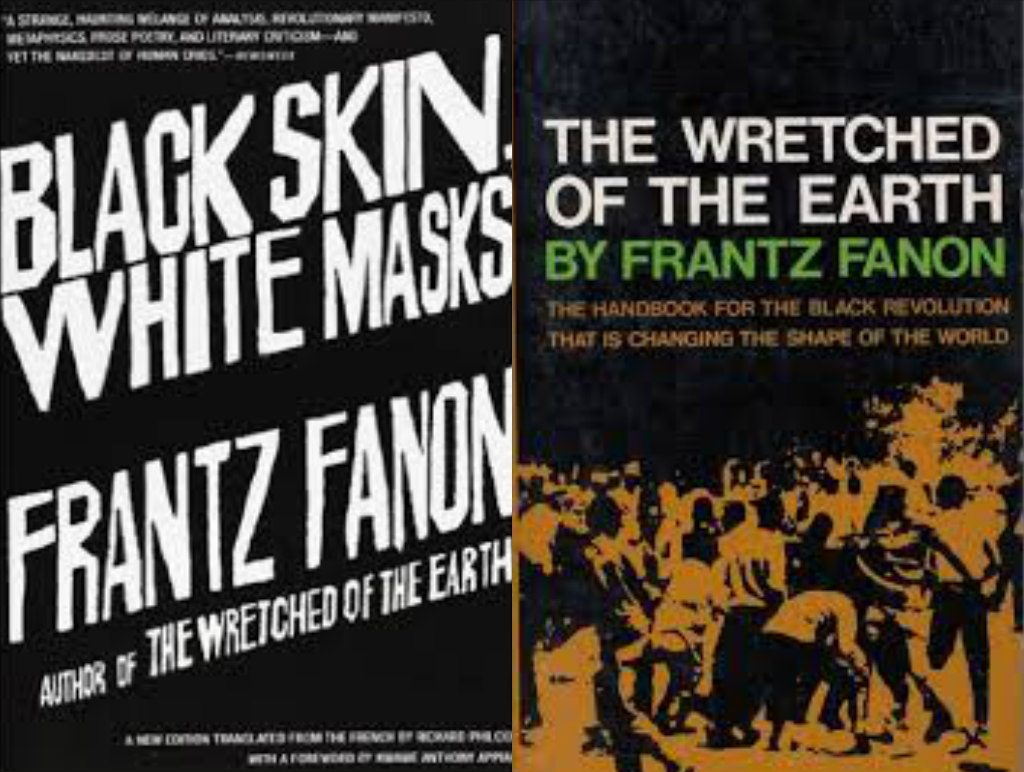
📘 Book Review: Black Skin, White Masks
⭐️⭐️⭐️⭐️⭐️
Published: 1952
Language: French (translated to English by Charles Lam Markmann)
Original Title: Peau Noire, Masques Blancs
This book is a psychological and philosophical dissection of what it means to be Black in a world built on white supremacy. Fanon dives deep into the Black psyche under colonialism, examining how racism shapes identity, self-worth, language, and love.
Key Messages and Themes:
- The Inferiority Complex of the Colonized:
Black people, especially those educated in white systems, are taught to hate themselves and to wear “white masks” to be accepted. - Language as a Tool of Oppression:
Speaking French “well” became a way to be seen as civilized, but Fanon argued that this was a linguistic betrayal of self. - Desire for Whiteness:
Fanon was critical of Black men who sought white women to gain status, and Black women who rejected their own features for European beauty standards. - Racism as a Mental Illness:
He saw racism not just as social injustice but as a psychiatric condition—both for the oppressed and the oppressors.
“The Black man has no resistance against the white man’s culture. He becomes a mimic man.”
—Frantz Fanon, Black Skin, White Masks
🔥 Impact on the Black Psyche
The book shattered illusions. It revealed how colonialism invaded the mind, creating identity crises and self-hatred. It gave Black people language to understand their trauma and tools to decolonize the self.
📕 Book Review: The Wretched of the Earth
⭐️⭐️⭐️⭐️⭐️
Published: 1961 (just before his death from leukemia at age 36)
Translated by: Constance Farrington
Original Language: French
Introduction by: Jean-Paul Sartre
This is Fanon’s revolutionary manual, a blistering indictment of colonial violence and a blueprint for third-world liberation. Written from the frontlines of the Algerian War, it calls for armed struggle, psychological liberation, and national consciousness.
Key Messages and Chapters:
- “Violence is cleansing.”
Fanon controversially argues that for the colonized to reclaim their dignity, violence is inevitable and purifying. It is how the oppressed reclaim agency. - Mental Illness as a Colonial Weapon
Fanon documents how colonial trauma causes paranoia, psychosis, and inferiority, especially among youth and fighters. - Revolution Must Go Beyond Nationalism
Independence is not enough. True liberation must dismantle capitalism, Western models of power, and Eurocentric values. - Warning to Post-Colonial Elites
Fanon criticized new African leaders who replaced white rulers but served the same Western interests, failing to uplift the masses.
“The colonized can see right away if decolonization is taking place or not. The minimum demand is for the colonized to govern their own country.”
—Frantz Fanon, The Wretched of the Earth
Why Was Fanon Revolutionary?
At a time when France still claimed moral superiority, Fanon exposed the brutality of its empire, tearing down illusions of liberal democracy. His insistence on psychological freedom, militant resistance, and cultural pride made him a hero to Black radicals and a threat to white colonial powers.
How Were Black People Seen in His Time?
In France and its colonies, Black people were exoticized, infantilized, and oppressed. They were taught that whiteness was superior, and “becoming French” was their highest goal. Fanon rejected this with rage and clarity.
Did His Light Skin Give Him Privilege?
Fanon was of mixed ancestry, and his relatively light skin may have given him closer access to French intellectual circles, but he rejected any identity built on proximity to whiteness. He used his position to amplify the pain and resistance of the oppressed, never to benefit personally.
His “je ne sais quoi” was not his skin—it was his brilliance, passion, and fearlessness.
What Was His Impact on Black People Worldwide?
Fanon inspired:
- The Black Panther Party
- South African anti-apartheid fighters
- Caribbean and African revolutions
- Black Lives Matter and global liberation movements
- Scholars like bell hooks, Ngũgĩ wa Thiong’o, Angela Davis, and Malcolm X
His writings gave language to the rage and hope of colonized people and continue to empower those fighting white supremacy.
💡 Core Messages of Both Books
- Colonialism is not just political—it is psychological.
- Racism creates internalized hatred that must be unlearned.
- Liberation requires both mental and physical decolonization.
- Black identity must be rebuilt on truth, history, and cultural pride.
- Freedom is not given—it must be seized.
Conclusion: The Fire That Still Burns
Frantz Fanon lived only 36 years, but he changed the world. He exposed the invisible chains in the Black mind and gave us tools to break them. His books are not just texts—they are weapons.
“Each generation must, out of relative obscurity, discover its mission, fulfill it, or betray it.”
—Frantz Fanon
Fanon fulfilled his mission. The question now is—will we fulfill ours?
 THE BROWN GIRL DILEMMA