
Tag Archives: black models

Colorism in the Fashion Industry: Breaking the Bias.

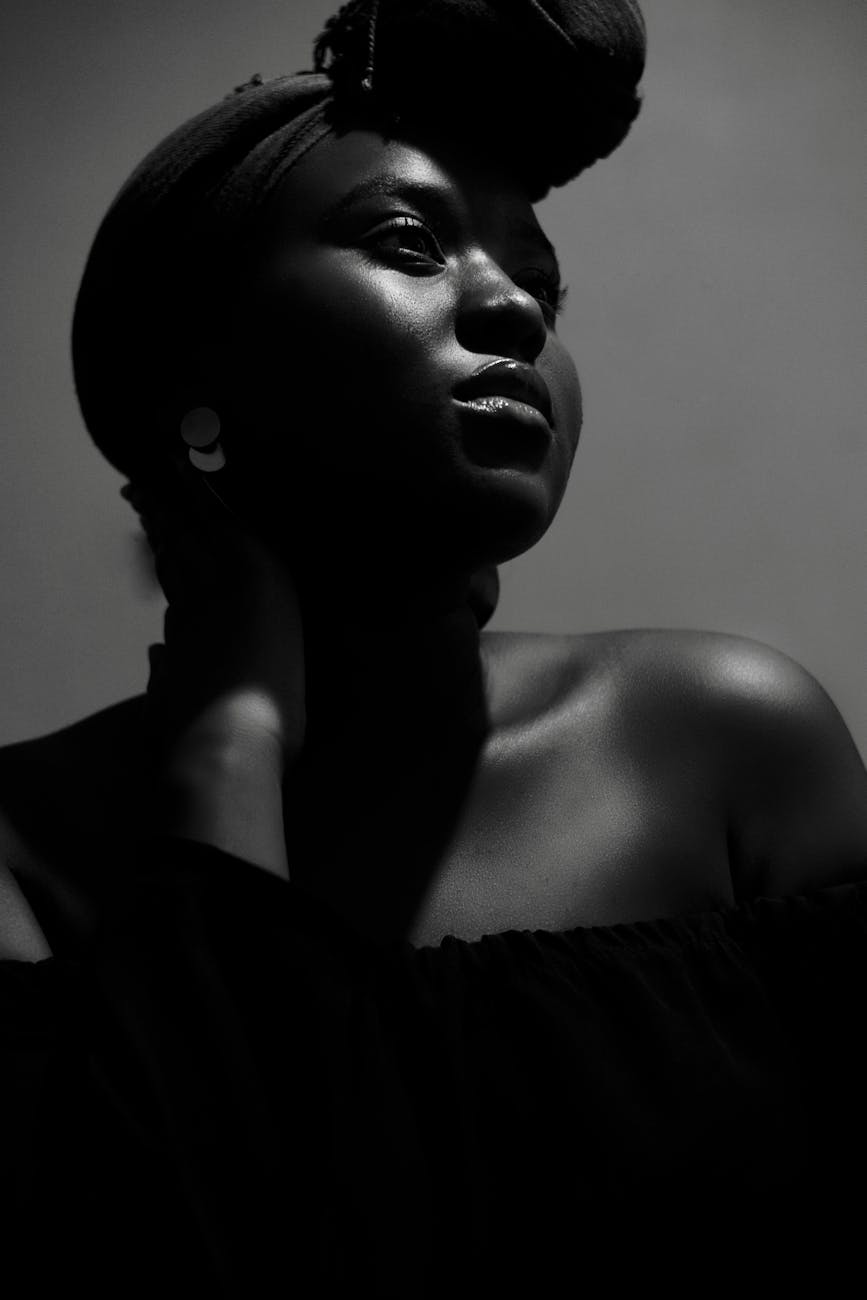
Photo by Bash Mutumba on Pexels.com

Colorism—the privileging of lighter skin tones over darker ones within the same racial group—has deep historical roots and contemporary consequences in global society. Within the fashion industry, colorism functions not only as a discriminatory practice but also as a mechanism that shapes visibility, opportunity, and representation. Fashion, as both an art form and a business, reflects and reinforces cultural hierarchies. Thus, the underrepresentation of dark-skinned models and the preference for lighter-skinned ones underscores the persistence of Eurocentric beauty ideals in an industry that prides itself on innovation and inclusivity.


Historical Roots of Colorism in Fashion

The origins of colorism trace back to slavery and colonialism, where lighter skin was often associated with proximity to whiteness, privilege, and desirability (Hunter, 2007). In the United States, enslaved individuals with lighter complexions were sometimes favored for domestic work, while darker-skinned individuals were relegated to harsher labor. This hierarchical system established a cultural preference for lighter skin that extended into media, beauty, and eventually fashion. As the fashion industry developed, Eurocentric beauty standards became codified in runway shows, advertising, and editorial spreads, marginalizing darker-skinned women and men.


The Runway and Editorial Exclusion

Runways and fashion magazines have historically privileged models with lighter skin, straighter hair, and Eurocentric features. Even within “diverse” campaigns, darker-skinned Black models often remain tokenized. For instance, Naomi Campbell, despite her status as one of the most famous supermodels of all time, revealed she had to fight harder for opportunities that her white counterparts received effortlessly (Campbell, 2016). Dark-skinned models such as Alek Wek and Duckie Thot broke barriers, but their presence has often been treated as exceptions rather than norms. This reveals the systemic nature of colorism: representation is granted selectively and sparingly, rather than broadly embraced.

Case Study – Naomi Campbell, Alek Wek, and Adut Akech

Naomi Campbell (1980s–Present)

Naomi Campbell emerged in the late 1980s as one of the first globally recognized Black supermodels. While she reached heights few models—regardless of race—could achieve, Campbell herself revealed that she often had to fight harder for opportunities that her white peers received with ease. She once said, “I was never picked for certain shows—not because I couldn’t do the job, but because of the color of my skin” (Campbell, 2016). Her career symbolizes both the barriers imposed by colorism and the resilience required to break through them.


Alek Wek (1990s)

In the 1990s, South Sudanese model Alek Wek revolutionized the industry by unapologetically showcasing her deep dark skin, natural hair, and African features. When she rose to prominence, many Western critics doubted whether her look could be commercially viable. Yet Wek’s success redefined beauty and inspired a new generation of young women, particularly dark-skinned Black girls, to embrace their appearance. Her visibility disrupted Eurocentric norms and served as a cultural turning point in fashion’s global aesthetic (Hall, 2010).


Adut Akech (2010s–Present)

Adut Akech, another South Sudanese model, continues to advance the legacy of dark-skinned representation in fashion. A refugee turned international supermodel, Akech has walked for major houses like Valentino and Chanel, becoming a muse for designers while advocating for refugee rights. She has spoken openly about colorism and racism in the fashion world, noting that makeup artists are often unprepared to work with her skin tone (Lewis, 2011). Akech’s presence represents both progress and the work yet to be done in dismantling systemic biases.


Comparative Analysis

These three women represent different eras of struggle and triumph in the face of colorism. Campbell fought for inclusion, often being the lone dark-skinned figure on global stages. Wek expanded the vision of Black beauty, embodying features once excluded from mainstream fashion. Akech, in the digital age, uses her platform to not only model but also advocate for social justice. Collectively, they embody resilience and redefine beauty standards, proving that dark skin is not only viable but invaluable in fashion’s ongoing evolution.


Colorism in Advertising and Branding

Advertising campaigns often reinforce a narrow vision of Black beauty by privileging lighter-skinned women in mainstream branding. Lighter skin is frequently equated with “universality,” while darker skin is portrayed as “niche.” This not only affects representation but also market access: darker-skinned models are underbooked, underpaid, and less visible, despite global recognition of Black culture’s influence on fashion trends (Lewis, 2011). The commodification of “acceptable” Blackness perpetuates an insidious cycle where lighter-skinned women are celebrated as symbols of diversity, while darker-skinned women remain marginalized.


Psychological Effects of Colorism in Fashion

The exclusion and marginalization of darker-skinned models create lasting psychological effects. Research shows that colorism contributes to internalized racism, self-esteem struggles, and body image issues among Black women (Hall, 2010). For young women aspiring to careers in fashion, the lack of role models who reflect their skin tone signals that beauty and desirability are tethered to lightness. Scripture warns against such vanity and distorted perceptions of beauty: “For the LORD seeth not as man seeth; for man looketh on the outward appearance, but the LORD looketh on the heart” (1 Samuel 16:7, KJV). This biblical reminder challenges the industry to move beyond surface-level valuations of beauty.


Resistance and Breaking the Bias

Despite systemic barriers, dark-skinned women have reclaimed space in fashion. Alek Wek’s rise in the 1990s challenged Eurocentric ideals by celebrating her Sudanese heritage and skin tone, inspiring countless young women globally. More recently, the success of models like Adut Akech and Nyakim Gatwech demonstrates the possibility of breaking entrenched biases. Additionally, designers and makeup brands such as Rihanna’s Fenty Beauty and Thebe Magugu have embraced darker tones and African aesthetics as integral, not peripheral, to their visions. These efforts represent resistance against colorism, although structural changes in casting, marketing, and pay equity remain necessary.


The Role of Social Media Activism

Social media has been a powerful tool in challenging colorism. Hashtags like #MelaninPoppin and #DarkSkinMagic celebrate darker skin tones, countering narratives that have historically marginalized them. Models bypass traditional gatekeepers by building platforms directly with audiences, forcing brands to acknowledge and adapt to consumer demands for inclusivity. This digital activism represents a democratization of fashion, where consumers and creators hold institutions accountable for bias.


A Biblical and Ethical Challenge

From a biblical perspective, the challenge to colorism in fashion is not merely about inclusion but about justice and truth. James 2:1 warns against favoritism: “My brethren, have not the faith of our Lord Jesus Christ, the Lord of glory, with respect of persons.” Favoring lighter skin over darker skin perpetuates a false hierarchy that contradicts the truth of human equality before God. Thus, breaking the bias in fashion is not only socially progressive but also spiritually imperative.


Conclusion: Toward True Inclusivity

Colorism in the fashion industry reveals how deeply embedded Eurocentric ideals remain in structures of representation. While progress has been made, particularly through the visibility of dark-skinned models and consumer-driven activism, systemic inequities persist. Breaking the bias requires structural reform, cultural accountability, and a commitment to genuine inclusivity rather than tokenism. For Black women, the reclamation of dark skin beauty in fashion is not just a trend—it is a revolution that affirms dignity, identity, and divine worth.


References

Campbell, N. (2016). Interview with the Guardian on race and modeling. Guardian Media Group.
Hall, R. E. (2010). An historical analysis of skin color discrimination in America: Victimism among victim group populations. Springer.
Hunter, M. (2007). The persistent problem of colorism: Skin tone, status, and inequality. Sociology Compass, 1(1), 237–254.
Lewis, R. (2011). Race, representation, and fashion media: Shaping Blackness in cultural industries. Fashion Theory, 15(2), 153–174.
The Holy Bible, King James Version. (1611/2017). Thomas Nelson.
Black Women in Modeling: Redefining Beauty Standards.

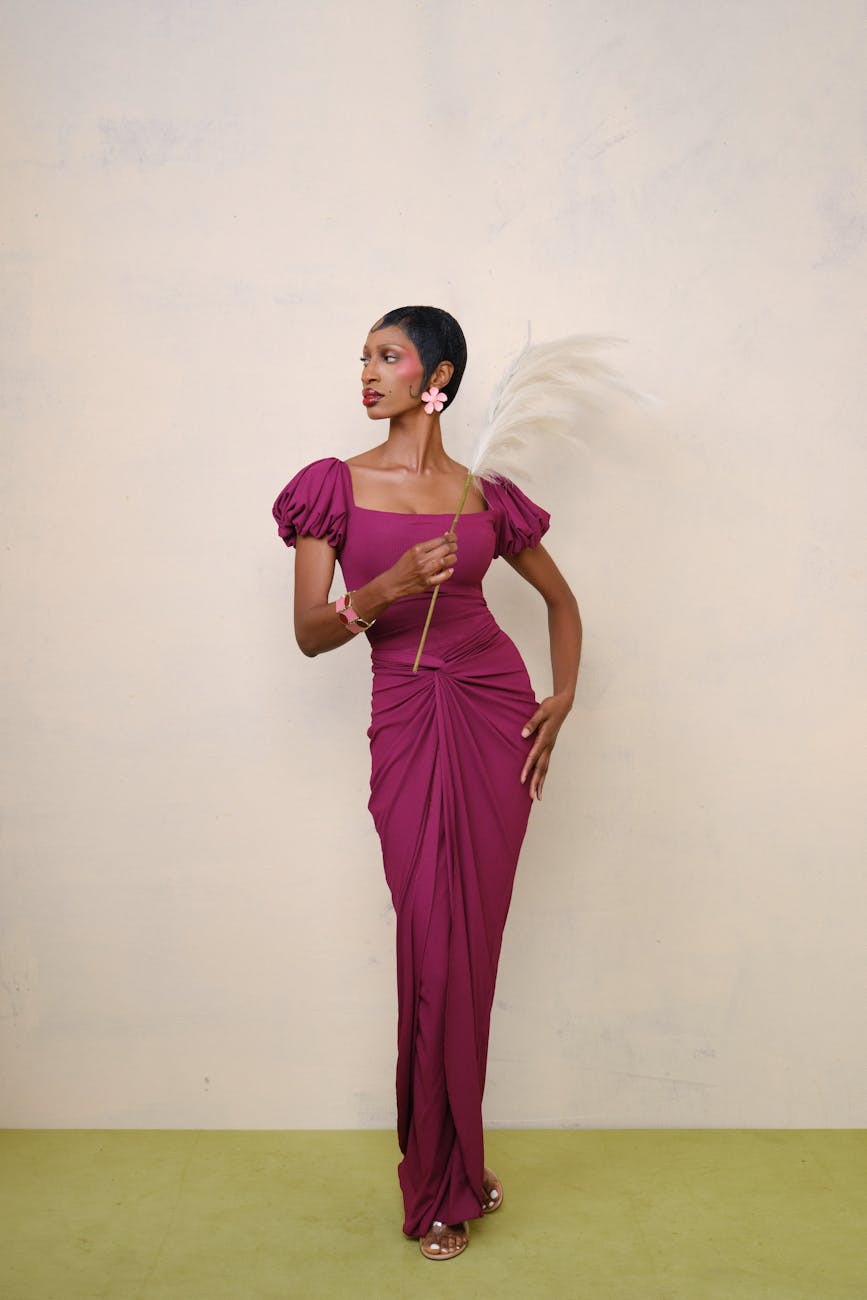
Photo by magapls . on Pexels.com

For decades, the modeling industry has been dominated by Eurocentric ideals of beauty, where light skin, straight hair, and narrow features were privileged as the standard. Within this landscape, Black women faced barriers of both racism and colorism, often excluded from mainstream campaigns and denied equal opportunities. Yet, despite these challenges, Black women have transformed modeling, reshaping global beauty standards and redefining what it means to be seen, valued, and celebrated. Their journey is not only a story of fashion but also of resilience, representation, and cultural affirmation.

The entrance of Naomi Sims in the late 1960s marked a revolutionary moment for dark-skinned Black women in fashion. As the first African American supermodel to gain international recognition, Sims broke through racial barriers when she appeared on the cover of Ladies’ Home Journal in 1968. Her success challenged the industry’s exclusionary practices and paved the way for others, such as Beverly Johnson, who became the first Black model on the cover of Vogue in 1974. These women shattered long-held myths that Black beauty could not sell magazines or luxury products, demonstrating that Blackness itself was aspirational, marketable, and worthy of celebration.

The 1970s and 1980s further opened doors for iconic models like Iman, Grace Jones, and Pat Cleveland. Each redefined beauty in unique ways—Iman with her regal East African features, Grace Jones with her bold and androgynous style, and Cleveland with her theatrical runway presence. Together, they created new aesthetic possibilities that went far beyond Eurocentric limitations. They represented a multiplicity of Black beauty—dark, angular, bold, elegant, and unapologetically different. By their very existence, they destabilized narrow ideals and demanded recognition of global, diverse standards of beauty.

Despite these advances, systemic bias and colorism persisted. Dark-skinned Black women, particularly from Africa and the Caribbean, continued to face underrepresentation well into the 1990s and early 2000s. Lighter-skinned models often received more opportunities due to the industry’s preference for proximity to whiteness. Yet, the rise of models like Alek Wek, who emerged in the 1990s with her deep ebony complexion and Sudanese features, marked another turning point. Wek’s success signaled that beauty could not be confined to a singular mold. She inspired a new generation of dark-skinned models and young Black girls who saw themselves reflected on runways and in magazines for the first time.

In the 21st century, the impact of Black women in modeling has grown exponentially. Figures like Naomi Campbell, who dominated the 1990s supermodel era, paved the way for contemporary icons such as Lupita Nyong’o, Adut Akech, Anok Yai, and Duckie Thot. These women not only dominate global campaigns but also use their platforms to speak against colorism, racism, and lack of diversity in the industry. Their voices are as revolutionary as their beauty, pushing the conversation forward and demanding structural change in fashion houses, casting agencies, and media representation.

Beyond individual representation, Black women in modeling have also changed the commercial landscape. Rihanna’s Fenty Beauty and Iman’s earlier cosmetics line demonstrated that products must reflect the wide spectrum of skin tones that Black women embody. Similarly, natural hair movements and the celebration of Afrocentric features in beauty campaigns signify a shift toward inclusivity. Where once Black women were asked to assimilate into white-centered aesthetics, today they are celebrated for bringing their authentic selves into the fashion world.

The redefinition of beauty standards by Black women in modeling is not merely about fashion—it is deeply cultural and psychological. Representation affirms identity, counters internalized racism, and dismantles harmful hierarchies of color. For Black girls and women, seeing models who look like them is transformative, affirming that their features, skin, and hair are beautiful in their own right. This shift is biblical in scope as well, reflecting Psalm 139:14 (KJV), “I will praise thee; for I am fearfully and wonderfully made.” In reclaiming beauty, Black women in modeling have not only shifted an industry but have spoken life into generations of women once told they were not enough.

Despite the progress, challenges remain. Black models still face pay disparities, tokenism, and limited opportunities compared to their white counterparts. Fashion magazines may showcase diversity on the surface while maintaining exclusionary practices behind the scenes. Yet, the trajectory is undeniable: Black women have fundamentally reshaped the narrative of beauty and continue to expand its horizons.

Ultimately, Black women in modeling represent more than just physical appearance—they embody cultural survival, creativity, and the dismantling of oppressive beauty hierarchies. Their contributions reveal that true beauty cannot be confined to one standard. Instead, beauty is expansive, global, and reflective of God’s diverse creation. Through their presence, talent, and advocacy, Black women in modeling have redefined beauty for themselves and for the world.


References

Collins, P. H. (2000). Black feminist thought: Knowledge, consciousness, and the politics of empowerment. Routledge.
Craig, M. L. (2006). Race, beauty, and the tangled knot of a guilty pleasure. Feminist Theory, 7(2), 159–177.
Hall, R. E. (2010). An historical analysis of skin color discrimination in America: Victimism among victim group populations. Springer.
Johnson, B. (2012). The face that changed it all. Atria Books.
Lewis, R., & Neal, A. (2020). Colorism and the fashion industry: Shifting standards of representation. Journal of Black Studies, 51(5), 452–469.
Nyong’o, L. (2014). Speech on beauty and representation. Essence Awards.
Tate, S. A. (2009). Black beauty: Aesthetics, stylization, politics. Ashgate.
The Holy Bible, King James Version. (1611/2017). Thomas Nelson.

The Dark-Skinned Icons of Fashion

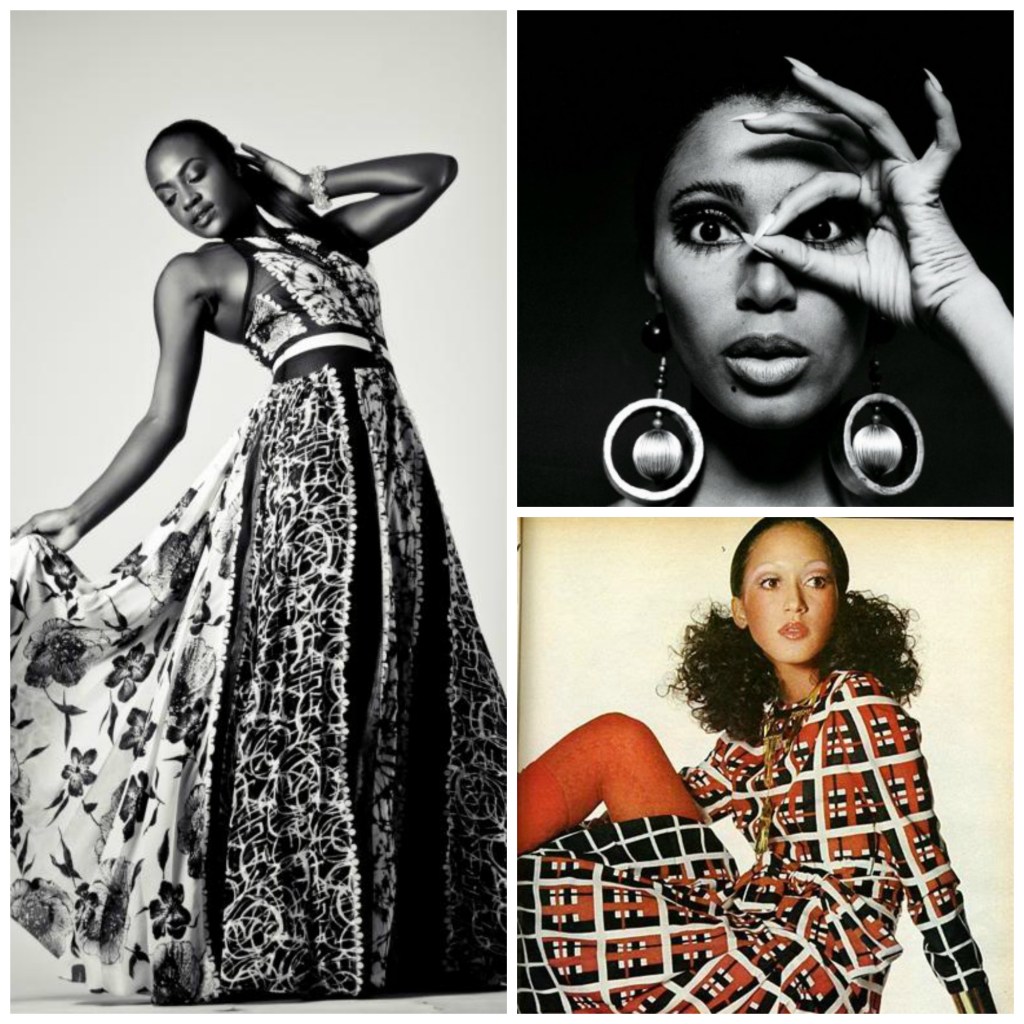
This photograph is the property of its respective owners. No copyright infringement intended.

Dark-skinned models and fashion icons have historically navigated a beauty industry that has long favored Eurocentric features and lighter complexions. Despite systemic biases, many dark-skinned women and men have risen to prominence, reshaping the fashion world, inspiring generations, and challenging traditional beauty standards.

Historical Context

In the 1970s and 1980s, dark-skinned models such as Beverly Johnson, Iman, Pat Cleveland, Naomi Sims, and Barbara Cheeseborough broke barriers in high fashion. Beverly Johnson made history in 1974 as the first African American model to appear on the cover of Vogue, demonstrating that beauty and talent transcend skin color (Watson & Gnatek, 2019). These pioneers paved the way for subsequent generations of dark-skinned models and helped diversify global beauty standards.

10 Dark-Skinned Fashion Icons Across Decades

1. Beverly Johnson (1952–) – Model, 1970s

Beverly Johnson broke barriers in 1974 as the first African American model on the cover of Vogue. With her rich dark complexion and striking features, she challenged Eurocentric beauty standards and became an enduring symbol of empowerment for women of color.

2. Iman (1955–) – Model & Entrepreneur, 1970s–1980s

Iman became one of the most recognizable dark-skinned supermodels in fashion history. Beyond modeling, she launched her own cosmetics line celebrating melanin-rich skin and advocated for inclusivity in beauty campaigns worldwide.

3. Pat Cleveland (1950–) – Model, 1970s

A pioneering face in high fashion, Pat Cleveland brought dynamism and charisma to runways. She was celebrated for her versatility, elegance, and for challenging rigid beauty norms during the 1970s.

4. Naomi Sims (1948–2009) – Model, 1960s–1970s

Regarded as the first African American supermodel, Naomi Sims became the face of major fashion magazines and advertisements, demonstrating that dark-skinned beauty could be commercially successful.

5. Barbara Cheeseborough (1946–2013) – Model, 1970s–1980s

Barbara Cheeseborough graced magazine covers and runway shows with poise and sophistication, solidifying her place as a dark-skinned beauty icon of the era.

6. Lupita Nyong’o (1983–) – Actress & Fashion Icon, 2010s–Present

Oscar-winning actress Lupita Nyong’o is celebrated for her natural beauty, elegant style, and advocacy for diversity in fashion. Her red carpet appearances consistently highlight the power and elegance of dark skin.

7. Viola Davis (1965–) – Actress, 1990s–Present

Viola Davis’s talent and presence extend beyond acting; her dark-skinned beauty has challenged Hollywood’s colorist norms, making her a role model for representation in media and fashion.

8. Adut Akech (1999–) – Model, 2010s–Present

South Sudanese-Australian model Adut Akech has become one of the most in-demand runway models globally. Her dark complexion, poise, and advocacy for inclusivity have made her a modern icon.

9. Duckie Thot (1995–) – Model, 2010s–Present

An Australian model of South Sudanese descent, Duckie Thot has graced Vogue covers and global campaigns. She actively promotes representation and confidence for dark-skinned women in fashion.

10. Anok Yai (1997–) – Model, 2010s–Present

Discovered as a teenager, Anok Yai made headlines for being the first African American model with dark skin to open a Prada show in decades. She embodies contemporary representation and the celebration of melanin in fashion.


From the trailblazers of the 1970s to contemporary supermodels and actresses, these dark-skinned icons have redefined beauty standards in fashion and media. Their success challenges colorism, promotes inclusivity, and inspires future generations to embrace the elegance and power of dark skin.

Breaking Barriers in Fashion

These icons confronted discrimination, colorism, and limited representation in campaigns, runway shows, and advertisements. Despite these obstacles, their poise, elegance, and confidence commanded attention and shifted the perception of beauty within the industry. Models like Iman not only modeled but also launched influential beauty lines, proving the commercial power of embracing dark-skinned beauty.

Cultural Impact

Dark-skinned fashion icons influenced cultural perceptions of beauty, empowering communities of color to embrace their natural features. The representation of darker skin in major publications and runway shows challenged long-standing biases and inspired inclusivity in fashion marketing and media campaigns.

Contemporary Icons

In recent decades, dark-skinned models such as Adut Akech, Duckie Thot, Grace Bol, and models like Anok Yai continue to redefine beauty standards globally. Their prominence underscores the fashion industry’s gradual, though incomplete, shift toward inclusivity. These models exemplify elegance, resilience, and advocacy for diversity.

Celebrity and Media Influence

Celebrities with dark skin, including Lupita Nyong’o, Viola Davis, and Idris Elba, have further cemented the appreciation for darker complexions in fashion and media. Their red carpet appearances and brand collaborations promote visibility and challenge colorist biases that persist in society.

Psychological Implications

Representation of dark-skinned models positively impacts self-esteem and identity development for people of color. According to social identity theory, seeing individuals who resemble oneself in positions of influence or beauty strengthens self-concept and reduces internalized bias (Tajfel & Turner, 1986).

Fashion as Activism

Dark-skinned models have also used fashion as a platform for activism, addressing issues of colorism, racial inequality, and inclusivity. Campaigns celebrating melanin-rich skin challenge conventional norms and encourage broader societal appreciation of diverse beauty.

Future Directions

While progress has been made, the fashion industry still requires systemic change. Greater representation in major campaigns, editorial spreads, and executive positions will solidify equity. Cultivating opportunities for emerging dark-skinned talent ensures that the celebration of melanin is not episodic but sustained.

Conclusion

The dark-skinned icons of fashion embody resilience, beauty, and cultural significance. From pioneering models in the 1970s and 1980s to contemporary global figures, these individuals have reshaped the industry, challenged bias, and inspired generations to embrace the richness of darker skin tones. Their impact extends beyond aesthetics, influencing culture, psychology, and social perceptions of beauty.


References

  1. Watson, J., & Gnatek, T. (2019). Becoming Black and Beautiful: The Pioneering Models Who Changed Fashion. HarperCollins.
  2. Tajfel, H., & Turner, J. C. (1986). The social identity theory of intergroup behavior. In S. Worchel & W. G. Austin (Eds.), Psychology of intergroup relations. Nelson-Hall.
  3. National Women’s History Museum. (2020). Trailblazing African American Models.
  4. Steele, V. (2010). Fashion and racial representation in the 20th century. Fashion Theory, 14(2), 123–145.
  5. Brookes, D. (2017). Melanin and Media: How Dark-Skinned Women Navigate Beauty Standards. Journal of Black Studies, 48(7), 1–20.
  6. Iman. (2015). IMAN: Beauty, Business, and Advocacy. Random House.
  7. Collins, P. H. (2000). Black Feminist Thought: Knowledge, Consciousness, and the Politics of Empowerment. Routledge.
  8. Hall, R. E. (2019). Colorism in Fashion: Historical and Contemporary Perspectives. Fashion Studies Journal, 12(3), 45–61.

Watson, J., & Gnatek, T. (2019). Becoming Black and Beautiful. HarperCollins.

Steele, V. (2010). Fashion and racial representation in the 20th century. Fashion Theory, 14(2), 123–145.

National Women’s History Museum. (2020). Trailblazing African American Models.

Brookes, D. (2017). Melanin and Media: How Dark-Skinned Women Navigate Beauty Standards. Journal of Black Studies, 48(7), 1–20.

Vogue Archive. (2020). African American Models Through the Decades.