
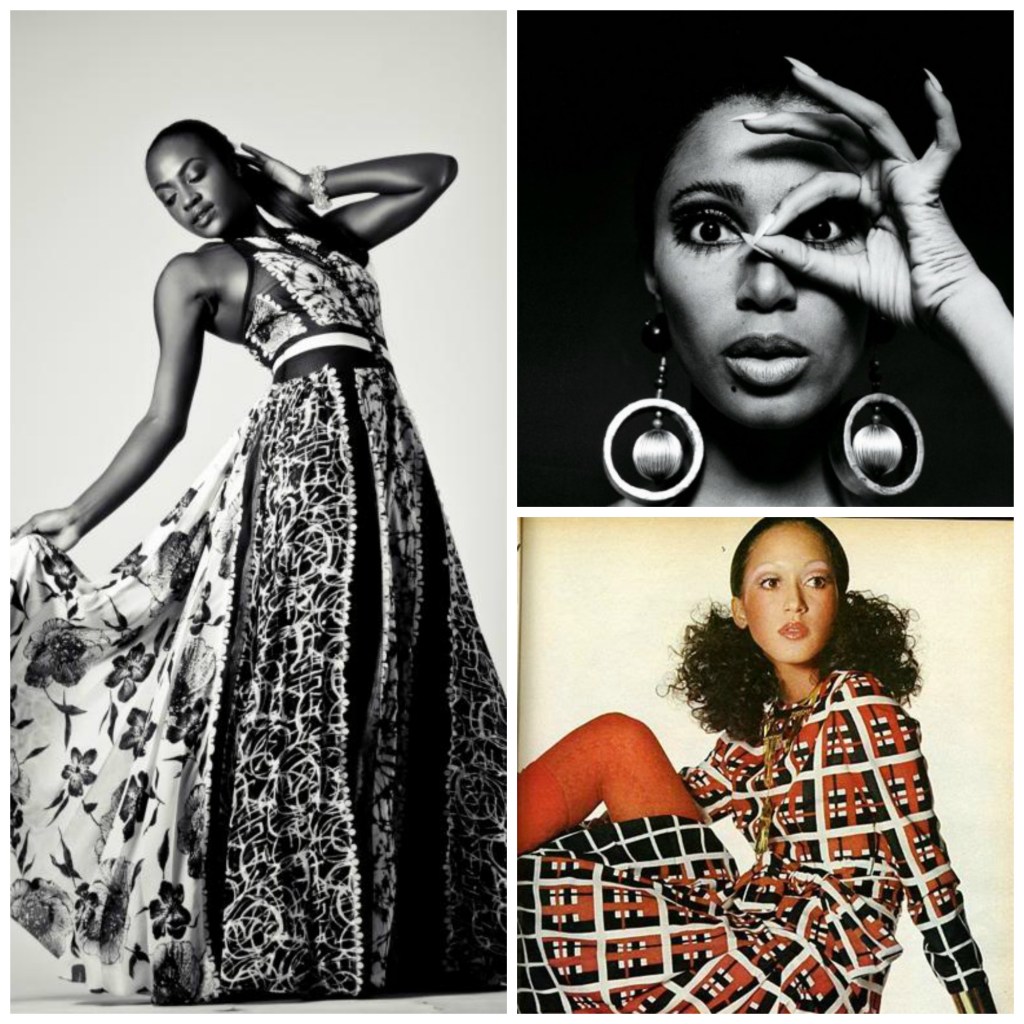
Dark-skinned models and fashion icons have historically navigated a beauty industry that has long favored Eurocentric features and lighter complexions. Despite systemic biases, many dark-skinned women and men have risen to prominence, reshaping the fashion world, inspiring generations, and challenging traditional beauty standards.
Historical Context
In the 1970s and 1980s, dark-skinned models such as Beverly Johnson, Iman, Pat Cleveland, Naomi Sims, and Barbara Cheeseborough broke barriers in high fashion. Beverly Johnson made history in 1974 as the first African American model to appear on the cover of Vogue, demonstrating that beauty and talent transcend skin color (Watson & Gnatek, 2019). These pioneers paved the way for subsequent generations of dark-skinned models and helped diversify global beauty standards.
10 Dark-Skinned Fashion Icons Across Decades
1. Beverly Johnson (1952–) – Model, 1970s
Beverly Johnson broke barriers in 1974 as the first African American model on the cover of Vogue. With her rich dark complexion and striking features, she challenged Eurocentric beauty standards and became an enduring symbol of empowerment for women of color.
2. Iman (1955–) – Model & Entrepreneur, 1970s–1980s
Iman became one of the most recognizable dark-skinned supermodels in fashion history. Beyond modeling, she launched her own cosmetics line celebrating melanin-rich skin and advocated for inclusivity in beauty campaigns worldwide.
3. Pat Cleveland (1950–) – Model, 1970s
A pioneering face in high fashion, Pat Cleveland brought dynamism and charisma to runways. She was celebrated for her versatility, elegance, and for challenging rigid beauty norms during the 1970s.
4. Naomi Sims (1948–2009) – Model, 1960s–1970s
Regarded as the first African American supermodel, Naomi Sims became the face of major fashion magazines and advertisements, demonstrating that dark-skinned beauty could be commercially successful.
5. Barbara Cheeseborough (1946–2013) – Model, 1970s–1980s
Barbara Cheeseborough graced magazine covers and runway shows with poise and sophistication, solidifying her place as a dark-skinned beauty icon of the era.
6. Lupita Nyong’o (1983–) – Actress & Fashion Icon, 2010s–Present
Oscar-winning actress Lupita Nyong’o is celebrated for her natural beauty, elegant style, and advocacy for diversity in fashion. Her red carpet appearances consistently highlight the power and elegance of dark skin.
7. Viola Davis (1965–) – Actress, 1990s–Present
Viola Davis’s talent and presence extend beyond acting; her dark-skinned beauty has challenged Hollywood’s colorist norms, making her a role model for representation in media and fashion.
8. Adut Akech (1999–) – Model, 2010s–Present
South Sudanese-Australian model Adut Akech has become one of the most in-demand runway models globally. Her dark complexion, poise, and advocacy for inclusivity have made her a modern icon.
9. Duckie Thot (1995–) – Model, 2010s–Present
An Australian model of South Sudanese descent, Duckie Thot has graced Vogue covers and global campaigns. She actively promotes representation and confidence for dark-skinned women in fashion.
10. Anok Yai (1997–) – Model, 2010s–Present
Discovered as a teenager, Anok Yai made headlines for being the first African American model with dark skin to open a Prada show in decades. She embodies contemporary representation and the celebration of melanin in fashion.
From the trailblazers of the 1970s to contemporary supermodels and actresses, these dark-skinned icons have redefined beauty standards in fashion and media. Their success challenges colorism, promotes inclusivity, and inspires future generations to embrace the elegance and power of dark skin.
Breaking Barriers in Fashion
These icons confronted discrimination, colorism, and limited representation in campaigns, runway shows, and advertisements. Despite these obstacles, their poise, elegance, and confidence commanded attention and shifted the perception of beauty within the industry. Models like Iman not only modeled but also launched influential beauty lines, proving the commercial power of embracing dark-skinned beauty.
Cultural Impact
Dark-skinned fashion icons influenced cultural perceptions of beauty, empowering communities of color to embrace their natural features. The representation of darker skin in major publications and runway shows challenged long-standing biases and inspired inclusivity in fashion marketing and media campaigns.
Contemporary Icons
In recent decades, dark-skinned models such as Adut Akech, Duckie Thot, Grace Bol, and models like Anok Yai continue to redefine beauty standards globally. Their prominence underscores the fashion industry’s gradual, though incomplete, shift toward inclusivity. These models exemplify elegance, resilience, and advocacy for diversity.
Celebrity and Media Influence
Celebrities with dark skin, including Lupita Nyong’o, Viola Davis, and Idris Elba, have further cemented the appreciation for darker complexions in fashion and media. Their red carpet appearances and brand collaborations promote visibility and challenge colorist biases that persist in society.
Psychological Implications
Representation of dark-skinned models positively impacts self-esteem and identity development for people of color. According to social identity theory, seeing individuals who resemble oneself in positions of influence or beauty strengthens self-concept and reduces internalized bias (Tajfel & Turner, 1986).
Fashion as Activism
Dark-skinned models have also used fashion as a platform for activism, addressing issues of colorism, racial inequality, and inclusivity. Campaigns celebrating melanin-rich skin challenge conventional norms and encourage broader societal appreciation of diverse beauty.
Future Directions
While progress has been made, the fashion industry still requires systemic change. Greater representation in major campaigns, editorial spreads, and executive positions will solidify equity. Cultivating opportunities for emerging dark-skinned talent ensures that the celebration of melanin is not episodic but sustained.
Conclusion
The dark-skinned icons of fashion embody resilience, beauty, and cultural significance. From pioneering models in the 1970s and 1980s to contemporary global figures, these individuals have reshaped the industry, challenged bias, and inspired generations to embrace the richness of darker skin tones. Their impact extends beyond aesthetics, influencing culture, psychology, and social perceptions of beauty.
References
- Watson, J., & Gnatek, T. (2019). Becoming Black and Beautiful: The Pioneering Models Who Changed Fashion. HarperCollins.
- Tajfel, H., & Turner, J. C. (1986). The social identity theory of intergroup behavior. In S. Worchel & W. G. Austin (Eds.), Psychology of intergroup relations. Nelson-Hall.
- National Women’s History Museum. (2020). Trailblazing African American Models.
- Steele, V. (2010). Fashion and racial representation in the 20th century. Fashion Theory, 14(2), 123–145.
- Brookes, D. (2017). Melanin and Media: How Dark-Skinned Women Navigate Beauty Standards. Journal of Black Studies, 48(7), 1–20.
- Iman. (2015). IMAN: Beauty, Business, and Advocacy. Random House.
- Collins, P. H. (2000). Black Feminist Thought: Knowledge, Consciousness, and the Politics of Empowerment. Routledge.
- Hall, R. E. (2019). Colorism in Fashion: Historical and Contemporary Perspectives. Fashion Studies Journal, 12(3), 45–61.
Watson, J., & Gnatek, T. (2019). Becoming Black and Beautiful. HarperCollins.
Steele, V. (2010). Fashion and racial representation in the 20th century. Fashion Theory, 14(2), 123–145.
National Women’s History Museum. (2020). Trailblazing African American Models.
Brookes, D. (2017). Melanin and Media: How Dark-Skinned Women Navigate Beauty Standards. Journal of Black Studies, 48(7), 1–20.
Vogue Archive. (2020). African American Models Through the Decades.
 THE BROWN GIRL DILEMMA