
Tag Archives: black actresses

The “It Girl” Series: Viola Davis

In Hollywood and beyond, few women shine as brightly and powerfully as Viola Davis. This extraordinary actress not only captivates audiences with their unparalleled talent, but they also embody the richness and beauty of Black womanhood—her deep, radiant “chocolate” skintone celebrated as a symbol of elegance, strength, and resilience. From commanding the stage to dominating the silver screen, she has carved a path defined by hard work, brilliance, and groundbreaking accomplishments. Viola Davis, often hailed as the “Black Meryl Streep,” has achieved the rare EGOT status in Hollywood.
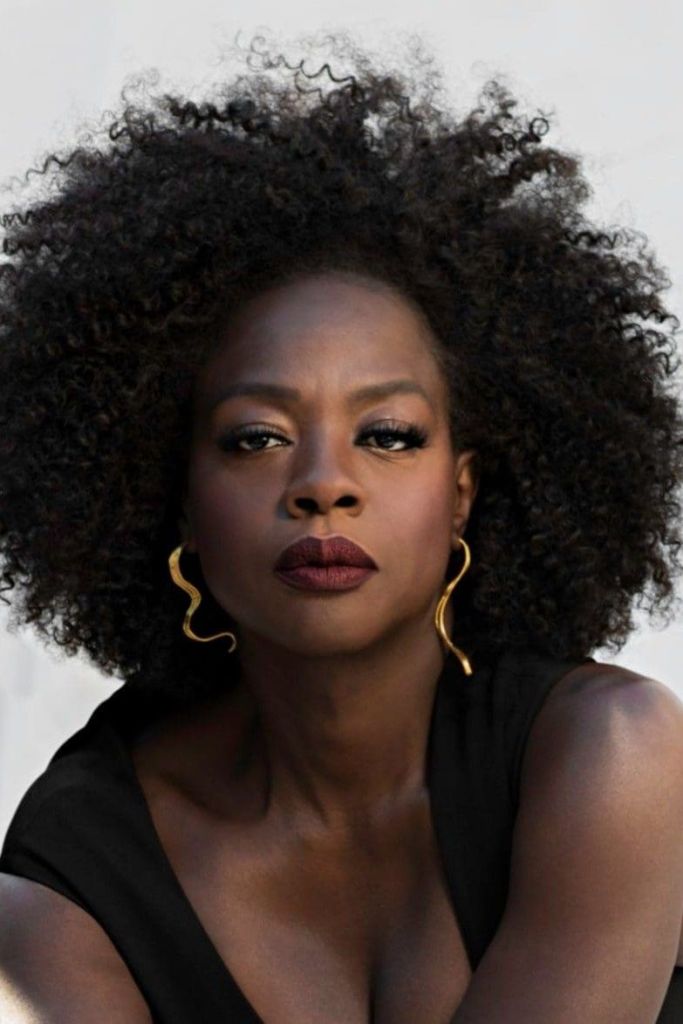
This photograph is the property of its respective owners. No copyright infringement intended.

From poverty in Rhode Island to Hollywood’s highest honors, Viola Davis is a transformative talent whose piercing presence, emotional depth, and unparalleled achievements have made her one of the most acclaimed actors of her generation.

Viola Davis was born on August 11, 1965, in Saint Matthews, South Carolina, and raised in Central Falls, Rhode Island, where her family lived in poverty. Growing up, she often felt unseen by society but nurtured a powerful imaginative spirit and a dream of acting as both escape and purpose. Her early life shaped her relentless work ethic, emotional honesty, and drive to portray complex, truthful stories about Black women and human experience.

Davis’s formal training began with a scholarship to the prestigious Juilliard School, where she honed her craft and prepared for a career that would break barriers in theater, film, and television. Her Broadway debut in August Wilson’s Seven Guitars earned critical praise and her first Tony nomination, setting the stage for a career defined by depth, gravitas, and transformative performances.

Viola Davis’s screen career spans gripping dramas, powerful historical adaptations, and commercial successes. Early attention came from roles in films such as Doubt (2008), earning her first Academy Award nomination, and The Help (2011), for which she received another Oscar nomination. Her range expanded into thrillers (Prisoners), biopics (Get On Up), and blockbusters (Suicide Squad), all while continuing to bring unparalleled intensity and truth to her characters.
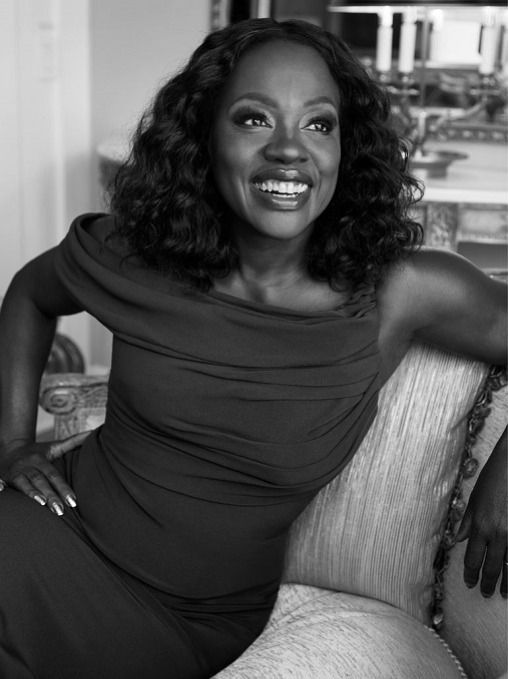
This photograph is the property of its respective owner.

Her iconic television role as Annalise Keating in How to Get Away with Murder (2014–2020) marked a historic milestone: she became the first Black actress to win the Primetime Emmy Award for Outstanding Lead Actress in a Drama Series. That performance, fierce and emotionally layered, influenced a generation of actresses and redefined representation on primetime TV.

In film, Davis reached new heights with Fences (2016), directed by and starring Denzel Washington, earning her the Academy Award for Best Supporting Actress—a performance widely regarded as one of the most courageous and textured portrayals of a struggling Black woman in cinema. In Ma Rainey’s Black Bottom (2020), she delivered another powerful performance as the blues legend Bessie Smith, further cementing her range and emotional depth.

Viola Davis’s list of honors is historic and unparalleled. She has won the four major American entertainment awards—Emmy, Grammy, Oscar, and Tony—earning her EGOT status, one of the rarest distinctions in the industry. In 2023, her Grammy win for the audiobook narration of her memoir Finding Me completed the quartet, making her only the 18th person in history and the third Black woman ever to achieve EGOT. In addition, she has received multiple Screen Actors Guild Awards, Golden Globe, BAFTA, and Critics’ Choice Awards, as well as the Cecil B. DeMille Award (Golden Globe lifetime achievement) in 2025.

Davis is frequently described as one of the most powerful actors of her generation—often likened to a “Black Meryl Streep” for her emotional precision, versatility, and ability to disappear into roles while still projecting fierce authenticity. Her performances are marked by piercing, expressive eyes and a remarkable capacity to reveal inner turmoil, strength, and vulnerability through minimal gesture, a quality that elevates every character she embodies. Critics, peers, and audiences alike note her uncanny ability to deliver performances that are both profoundly human and culturally transformative.
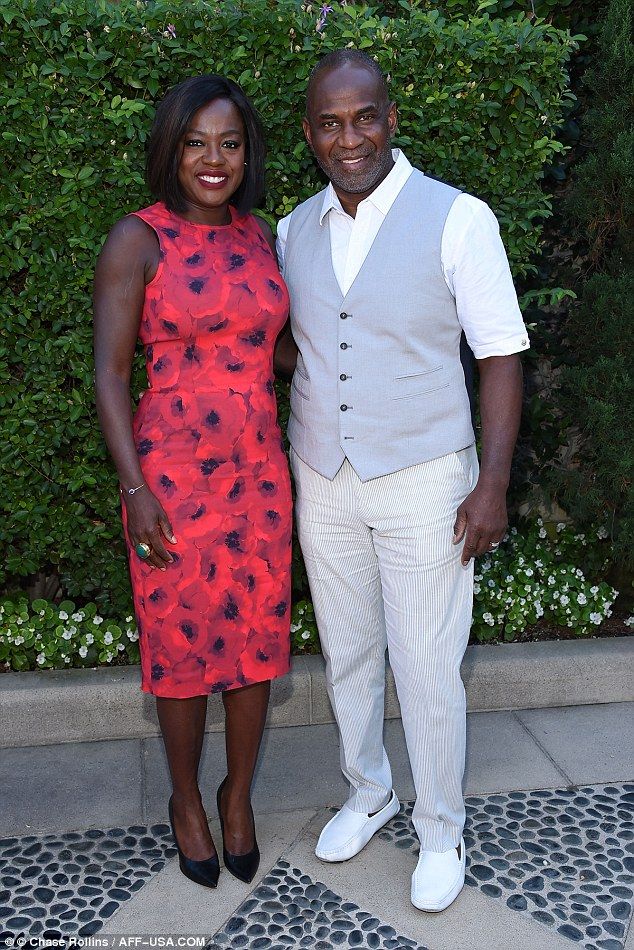
This photograph is the property of its respective owner.

In her personal life, Viola Davis married producer Julius Tennon in 2003, and together they co‑founded JuVee Productions, a company dedicated to elevating underrepresented voices and stories in film, television, and theater. She balances her professional success with family life and philanthropy, using her platform to advocate for equity, representation, and opportunities for diverse artists.

Beyond awards and accolades, Davis’s influence extends into cultural discourse about race, representation, beauty standards, and women’s stories in entertainment. Her ascendancy—from humble beginnings to EGOT winner and global icon—serves as a testament to perseverance, intelligence, and artistic integrity.

References:

  1. Viola Davis | Biography, Movies, Plays, The Help, EGOT, & Facts. (2026). Britannica. https://www.britannica.com/biography/Viola-Davis
  2. EGOT (Viola Davis). (2026). Wikipedia. https://en.wikipedia.org/wiki/EGOT
  3. Viola Davis. (2026). Wikipedia. https://en.wikipedia.org/wiki/Viola_Davis
  4. Viola Davis | National Women’s History Museum. (2026). https://www.womenshistory.org/about-us/our-people/viola-davis
  5. Viola Davis Completes EGOT After Winning a Grammy For Her Audiobook. (2023). Vanity Fair. https://www.vanityfair.com/style/2023/02/viola-davis-egot-grammy-award-win-audiobook-finding-me
  6. Viola Davis achieves EGOT status at the 2023 Grammys. (2023). The Independent. https://www.the-independent.com/arts-entertainment/films/news/viola-davis-egot-grammys-b2276280.html
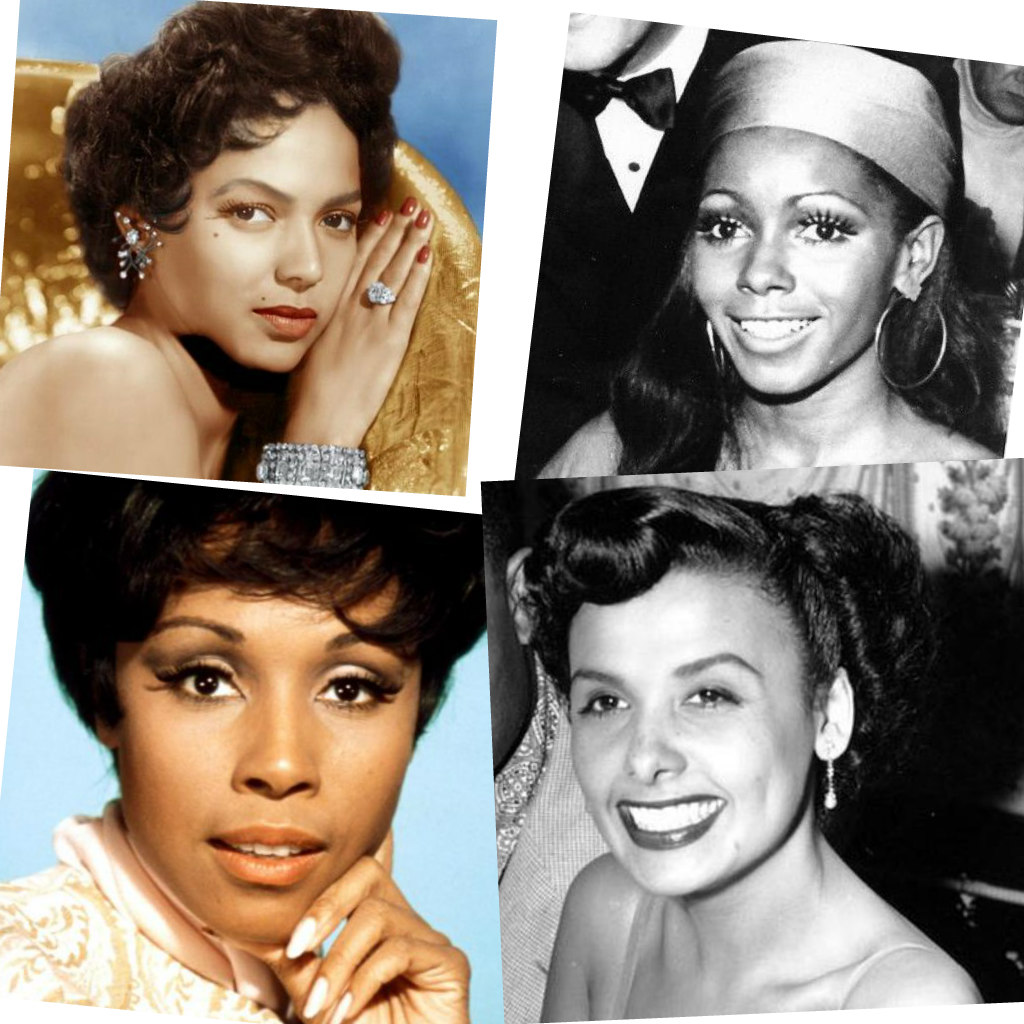
The Colorism Trap: When Skin Tone Becomes a Cage.

All photographs are the property of their respective owners.

Colorism, the preferential treatment of lighter skin within communities of color and the entertainment industry, has long functioned as both a ladder and a cage for Black women. While it opened certain doors in Hollywood, it simultaneously confined actresses to narrow roles, stereotypes, and expectations. For legendary women such as Dorothy Dandridge, Lena Horne, and Diahann Carroll, their luminous beauty made them icons, but their careers were shaped and constrained by how closely their appearances aligned with Eurocentric ideals. At the same time, darker-skinned actresses like Judy Pace often faced underrepresentation and stereotyping, demonstrating how the “cage” of colorism traps women on both ends of the spectrum. Younger actresses like Nia Long and Sanaa Lathan inherited both the opportunities and burdens of this skin-tone hierarchy, proving that the cage still lingers today.

The Cage of Colorism: A Comparative View

Lighter-Skinned ActressesDarker-Skinned Actresses
Examples: Dorothy Dandridge, Lena Horne, Halle BerryExamples: Judy Pace, Viola Davis, Gabourey Sidibe 
Elevated as “acceptable” Black beauty by HollywoodOften excluded from leading roles altogether
Cast in glamorous or “palatable” rolesCast in stereotypical roles (sassy, tough, hypersexual)
Visibility increased, but freedom limited to narrow rolesVisibility decreased, opportunities scarce
They may win the awards but still face the same discrimination as their darker black peers. Used as symbols of progress for diversity, but only on Hollywood’s terms. They may win awards, but they still face racism in Hollywood
Trapped in an image of exoticized yet safe BlacknessTrapped in invisibility or typecasting
Their beauty opened doors, but they were rarely fully embraced as equals to white peersTheir talent often overlooked despite equal or greater ability

👉 This chart shows how colorism cages women on both sides of the spectrum:

  • Lighter-skinned actresses were celebrated but restricted.
  • Darker-skinned actresses were sidelined or stereotyped.

Dorothy Dandridge and Lena Horne: The “Acceptable” Faces of Black Beauty

Dorothy Dandridge, the first Black woman nominated for an Academy Award for Best Actress (Carmen Jones, 1954), embodied both progress and limitation. Hollywood celebrated her lighter complexion and Eurocentric features, casting her as the glamorous Black woman who could be exoticized yet palatable to white audiences (Levy, 2012). Lena Horne faced similar struggles. While MGM signed her to a long-term contract in the 1940s, the studio refused to cast her in leading roles opposite white actors. Instead, she was often placed in standalone musical numbers that could be cut from films when shown in segregated Southern theaters (Watkins, 1994). Their beauty allowed them entry, but their skin tone became a cage: they were “acceptable” but never fully embraced.

Diahann Carroll and Frieda Washington: Elegance in a Narrow Frame

Diahann Carroll, though groundbreaking as the first Black woman to star in a non-stereotypical television role (Julia, 1968), still found her career circumscribed by Hollywood’s narrow vision of Black femininity. Her elegance was celebrated, but darker-skinned actresses of equal talent were often excluded, revealing the industry’s entrenched bias (Hooks, 1992). Likewise, Frieda Washington, though talented and striking, was often overshadowed by Hollywood’s fixation on casting Black actresses who most resembled white ideals of beauty.

Judy Pace: The Other Side of the Cage

Unlike Dandridge and Horne, Judy Pace entered Hollywood in the late 1960s as a darker-skinned beauty. Best known for films like Cotton Comes to Harlem (1970) and for her role in the TV soap Peyton Place, Pace often found herself typecast in roles that leaned on stereotypes—the “sassy,” “dangerous,” or “seductive” Black woman. Her beauty was undeniable, but it did not grant her the same privileges as her lighter-skinned peers. Instead, colorism worked against her, limiting her access to leading romantic roles or “glamorous” portrayals reserved for actresses closer to Eurocentric standards. Her experience reveals how colorism cages darker-skinned women by reducing their range of opportunity, even as they carried immense talent and screen presence.

Nia Long, Sanaa Lathan, and the Modern Continuation of the Cage

In the 1990s and 2000s, actresses like Nia Long and Sanaa Lathan became household names, starring in films that defined Black romantic cinema (Love Jones, The Best Man). While they embodied a broader spectrum of beauty, colorism still influenced casting. These actresses were often positioned as “everywoman” love interests, while darker-skinned women were underrepresented or typecast into roles of hardship and struggle (Monk, 2014). Though progress has been made, the cage remains: opportunities are more accessible to women with complexions that fit within a certain range, while systemic bias continues to marginalize others.

How Did Skin Tone Become a Cage?

The origins of this cage lie not solely in Hollywood but in the long history of racial hierarchy in America. During slavery, lighter-skinned Black people were often granted preferential treatment as house slaves, while darker-skinned individuals were relegated to field labor (Hunter, 2007). This created a color-based caste system within the Black community, reinforced by white supremacy. Hollywood merely inherited and amplified this bias, shaping it into an industry-wide standard that continues to influence casting, beauty standards, and representation.

Racial Divide or Something Else?

While the racial divide rooted in white supremacy established the framework, it was internalized and perpetuated within the Black community through colorism. The divide was not just about race versus whiteness—it became intraracial, creating painful divisions based on shade. Colorism traps women in a paradox: lighter-skinned actresses were elevated but confined to roles that served Hollywood’s comfort with “palatable” Blackness, while darker-skinned actresses were sidelined, invisibilized, or limited to stereotypes. Thus, the cage was both racial and psychological, born of external oppression and internalized bias.

Conclusion: Breaking the Cage

The women named—Dandridge, Horne, Washington, Carroll, Pace, Long, and Lathan—demonstrate the painful duality of colorism. They were celebrated yet constrained, admired yet restricted, included yet never fully free. Their stories remind us that colorism is not just about aesthetics but about access, power, and systemic oppression. Breaking free from the cage requires both dismantling Eurocentric standards of beauty and celebrating the full spectrum of Blackness. Until then, the trap of colorism continues to shape how Black women are seen, cast, and valued in society.


References

  • Hooks, b. (1992). Black looks: Race and representation. South End Press.
  • Hunter, M. (2007). The persistent problem of colorism: Skin tone, status, and inequality. Sociology Compass, 1(1), 237–254.
  • Levy, P. (2012). Dorothy Dandridge: A biography. Amistad.
  • Monk, E. P. (2014). Skin tone stratification among Black Americans, 2001–2003. Social Forces, 92(4), 1313–1337.
  • Watkins, M. (1994). On the real side: Laughing, lying, and signifying. Simon & Schuster.