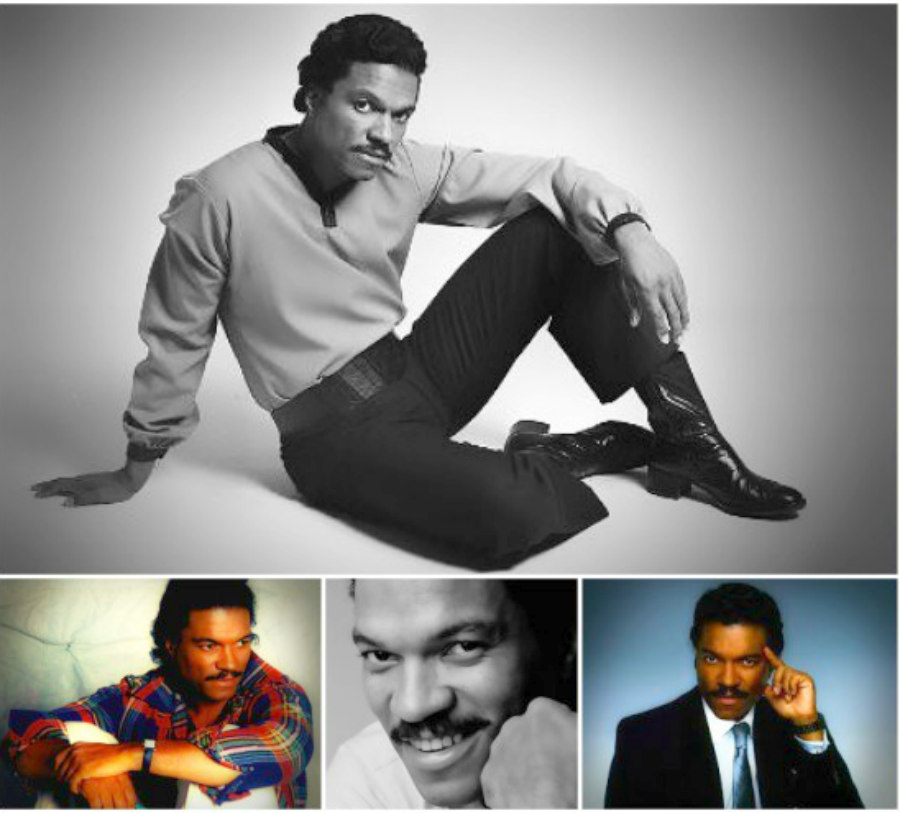
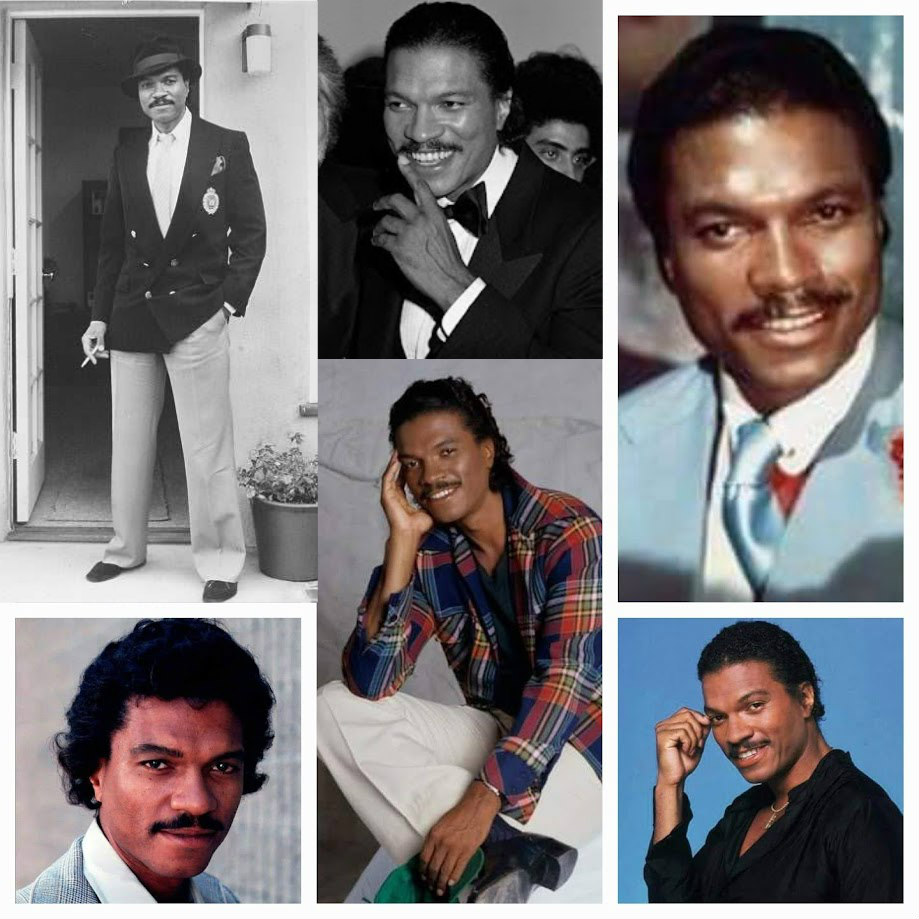
Tag Archives: Billy Dee Williams

The Black Archetypes of Male Beauty: The Most Handsome Black Male Celebrities.

Black male beauty has long existed at the intersection of visibility and erasure—celebrated within Black communities yet historically marginalized by mainstream media that privileged Eurocentric standards of masculinity. Today, the rise of Black leading men in film, television, fashion, and culture represents not merely aesthetic recognition but a cultural re-centering of what male beauty truly looks like. Black male attractiveness is not singular or monolithic; it spans a spectrum of shades, facial structures, energies, and archetypes—from regal authority to gentle vulnerability, from warrior strength to romantic softness. These men embody more than physical appeal; they reflect history, resilience, and ancestral aesthetics that reclaim African features as symbols of global desirability. In honoring the most handsome Black male celebrities, we are also honoring a larger truth: Black male beauty is diverse, powerful, and divinely designed, standing as both a visual standard and a cultural restoration.
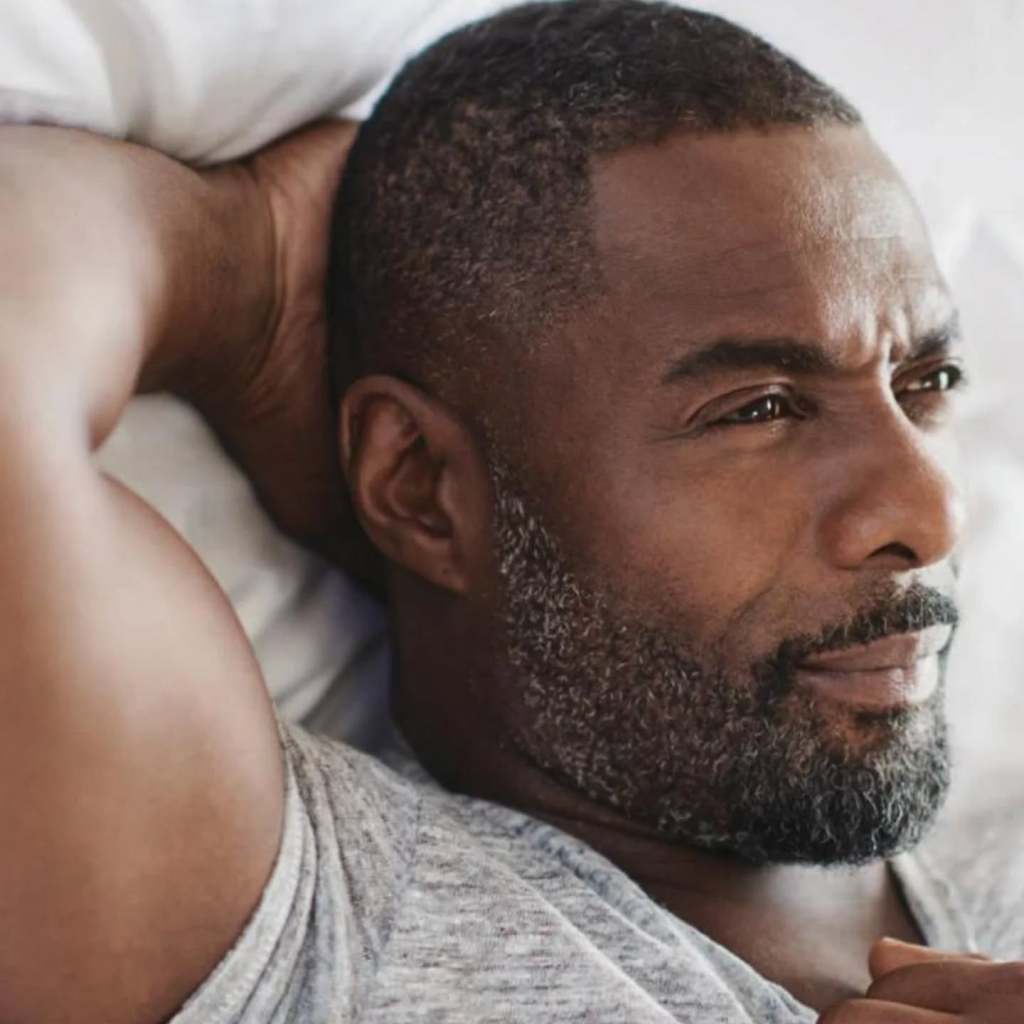
This photograph is the property of its respective owner. No copyright infringement intended.

Idris Elba
Idris Elba embodies the classic “tall, dark, and handsome” archetype through his imposing height, deep complexion, resonant voice, and commanding presence, which together signal what evolutionary psychology associates with protective and authoritative masculinity—strength, genetic fitness, and emotional depth (Rhodes, 2006; Puts et al., 2012). He is the epitome of handsomeness, the complete package, with his broad facial structure, piercing soulful eyes, strong jawline, and calm demeanor. This projection of kingly gravitas feels both powerful and grounding, making his beauty not only physical but also symbolic of dignified Black male authority in a global cultural landscape.
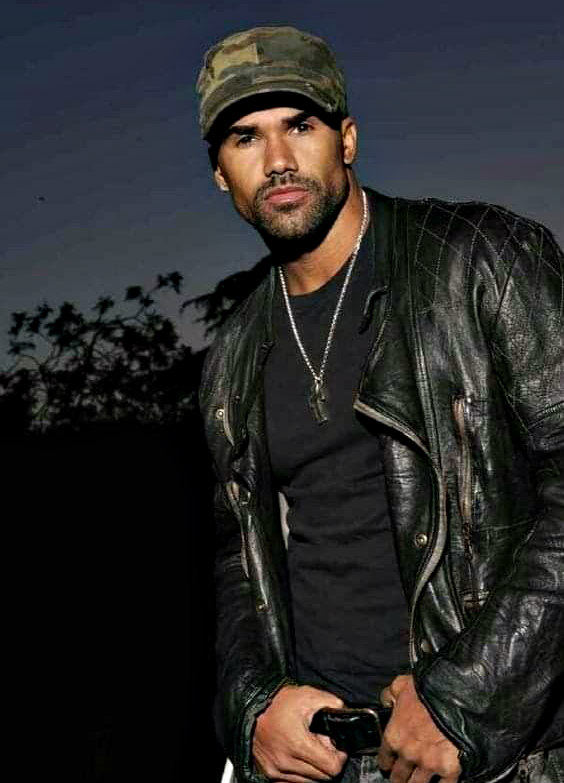
This photograph is the property of its respective owner. No copyright infringement intended.

Shemar Moore
Shemar Moore represents a “golden” or “light cafe au lait” masculinity rooted in warmth, symmetry, and relational charm, with his light honeyed skin tone, expressive marbles like eyes, and radiant smile activating perceptions of approachability, joy, and emotional safety (Maddox & Gray, 2002; Gangestad & Simpson, 2000). He is the complete package in terms of beauty. His muscular build, combined with playful charisma, reflects a form of soft dominance—strength without threat—making his beauty feel intimate, affectionate, astonishing, and emotionally inviting rather than distant or intimidating.
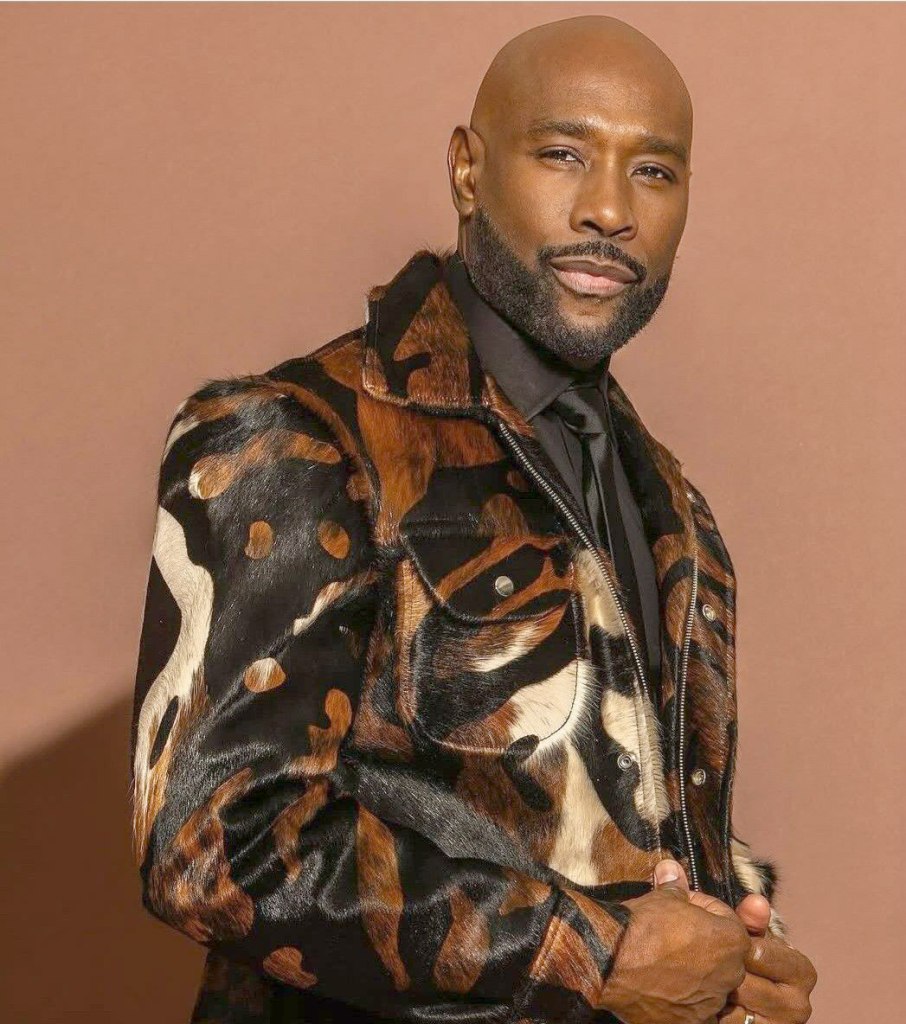
This photograph is the property of its respective owner. No copyright infringement intended.

Morris Chestnut
Morris Chestnut has been the heartthrob for decades, representing black masculinity and black male beauty. He embodies a form of “classic gentleman masculinity” rooted in symmetry, emotional steadiness, and timeless appeal. The epitome of fineness. His medium-brown complexion, described as chocolate heaven, refined facial proportions, calm eyes that convey a great deal, and consistently polished presentation signal what evolutionary psychology describes as stable attractiveness—beauty associated with trust, long-term partnership, and reliability, rather than fleeting sexual novelty (Rhodes, 2006; Gangestad & Simpson, 2000). Chestnut’s appeal is not loud or hyper-sexualized; it is dignified, mature, and romantic, making him the archetype of the dependable Black leading man whose beauty feels safe, rooted, and enduring across generations.
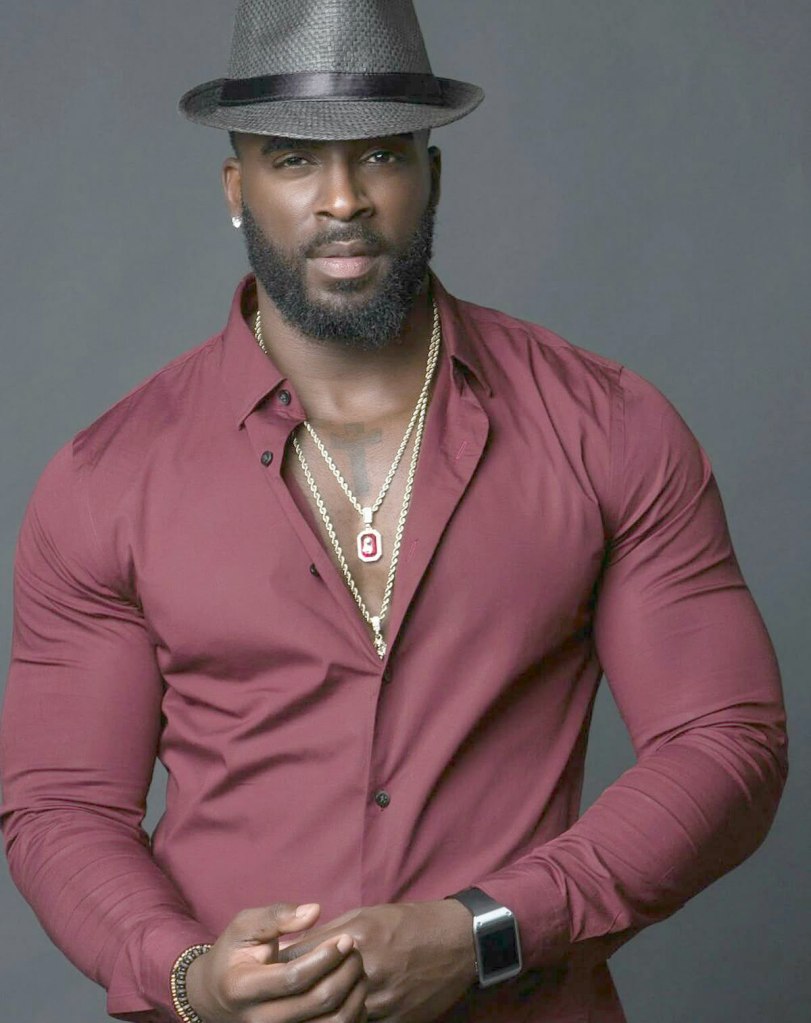
This photograph is the property of its respective owner. No copyright infringement intended.

Travis Cure
Travis Cure represents a modern “aesthetic masculinity” shaped by fitness culture, facial harmony, and digital-era visual standards. His lean, muscular build, sharp jawline, clear skin, come-hither good looks, and balanced facial symmetry align closely with contemporary metrics of physical attractiveness, where visual clarity, body sculpting, and high grooming standards dominate desirability frameworks (Frederick & Haselton, 2007). Cure’s beauty reflects a post-Instagram masculinity—where the male body is curated, disciplined, and displayed as both art and aspiration, signaling self-mastery, health, and high social capital.
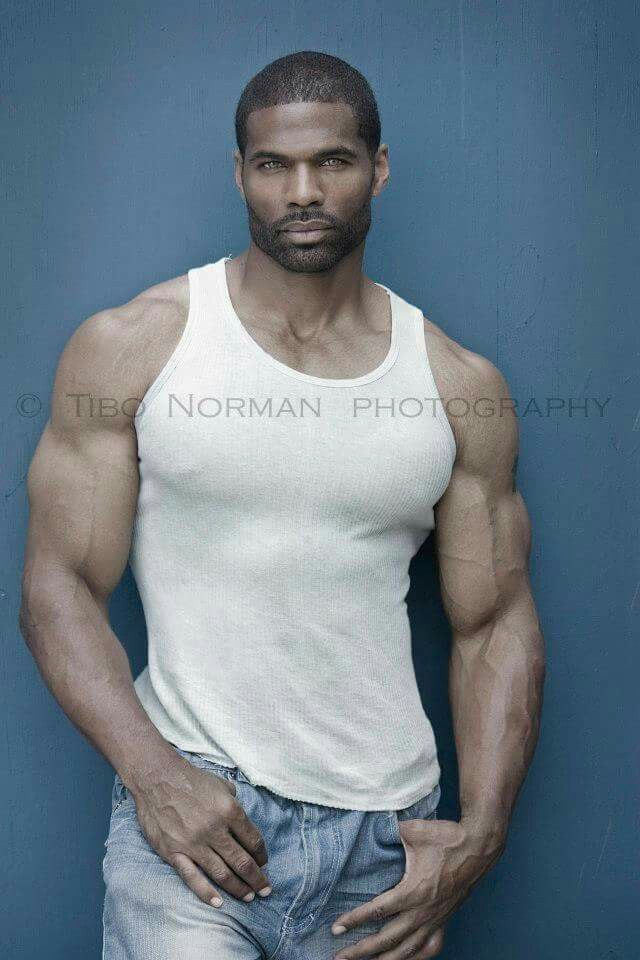
Photo Credit: Tibo Norman Photography

Louis Allen III
Louis Allen III embodies “intellectual masculinity”—a beauty rooted not only in physical features but in cognitive presence, articulation, and cultural depth. His refined facial structure, physique, piercing green-hazel eyes, like a piece of art found in a museum, and composed demeanor project what social psychology identifies as competence-based attractiveness, where intelligence, emotional regulation, and verbal confidence significantly enhance perceived desirability (Fiske et al., 2007). Allen’s appeal operates in the realm of gravitas and mental authority; his beauty feels thoughtful, elevated, and spiritually grounded, representing a form of Black male attractiveness where the mind becomes the primary aesthetic asset.
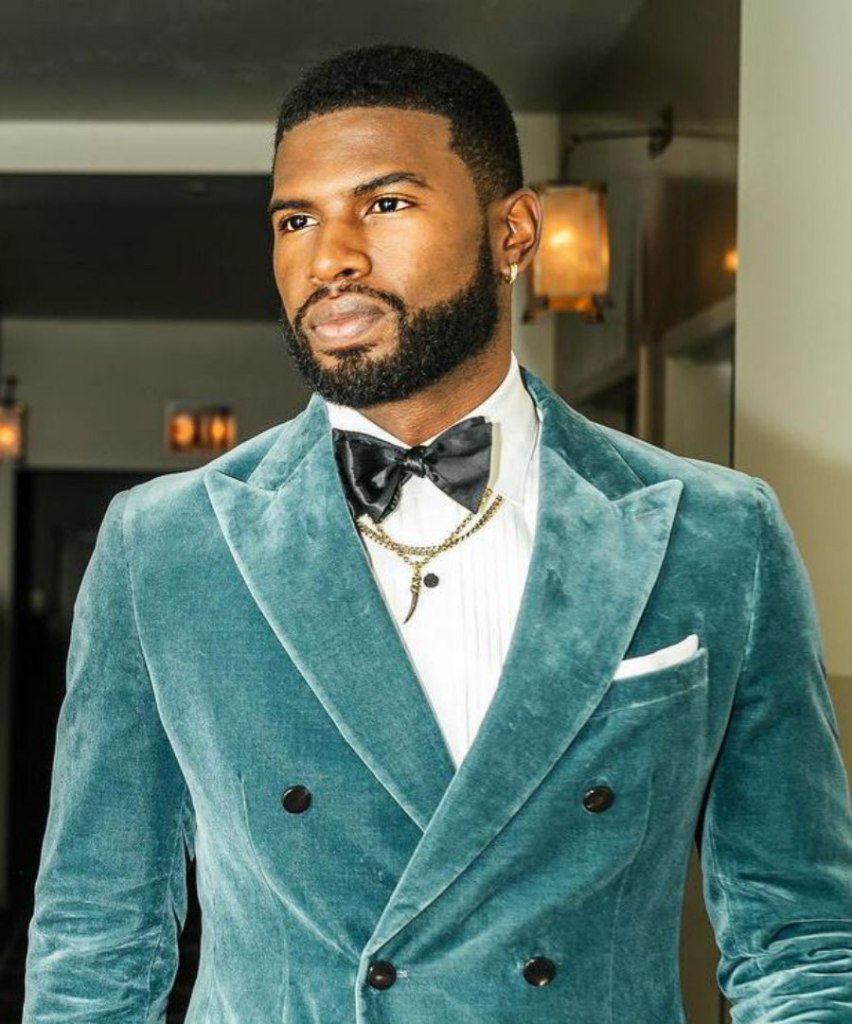
This photograph is the property of its respective owner. No copyright infringement intended.

Broderick Hunter
Broderick Hunter represents “sculptural masculinity”—a form of beauty that feels almost architectural in its precision and physical harmony. His tall, model-good-looks, bewitching mirrored eyes, athletic frame, sharply defined cheekbones, full lips, and symmetrical facial structure align closely with classical standards of male attractiveness rooted in proportion, balance, and visual impact (Rhodes, 2006). Hunter’s appeal is highly aesthetic and cinematic; he embodies the archetype of the living statue, where Black male beauty is experienced as fine art—polished, striking, and immediately captivating, reflecting a modern luxury ideal of masculine form.
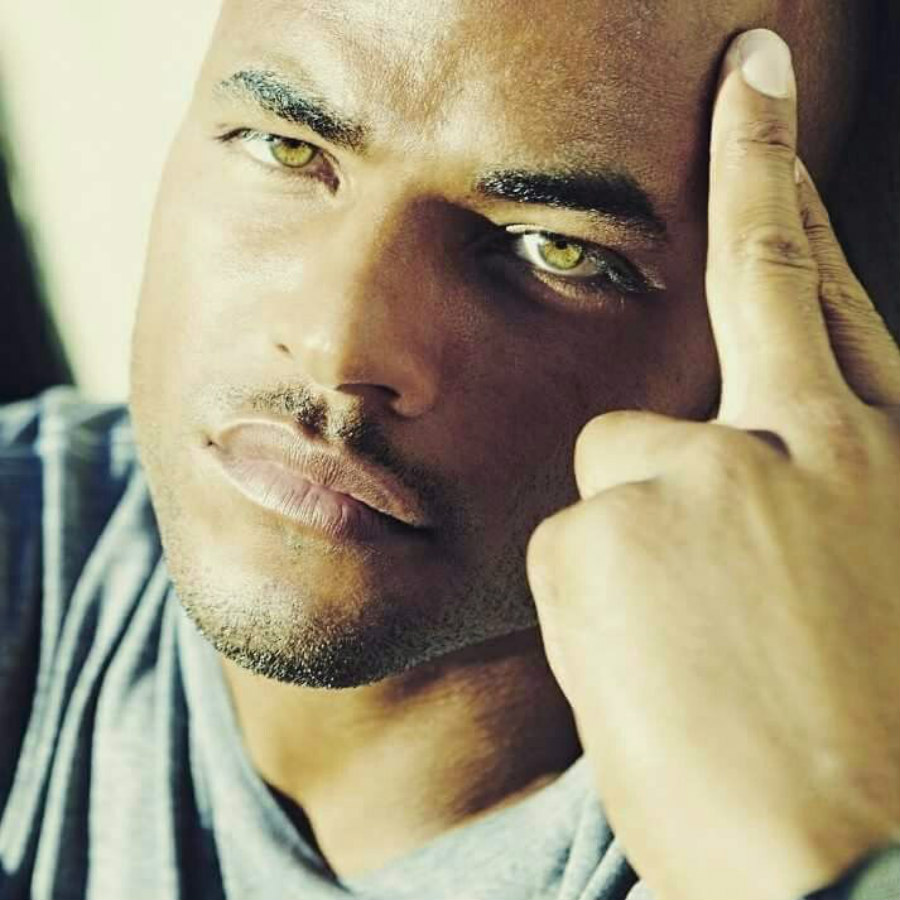
This photograph is the property of its respective owner. No copyright infringement intended.

Redriac Williams
Redriac Williams represents a form of “regal masculinity” rooted in stature, symmetry, and aristocratic bearing. His athletic frame, mesmerizing green-hazel eyes, sculpted features, and composed posture align with what social psychologists describe as status-based attractiveness—beauty associated with leadership, high rank, and social authority (Fiske et al., 2007). Williams’ appeal feels noble and elevated, evoking the image of a modern Black prince whose beauty communicates command, discipline, and quiet confidence.
This photograph is the property of its respective owner. No copyright infringement intended.

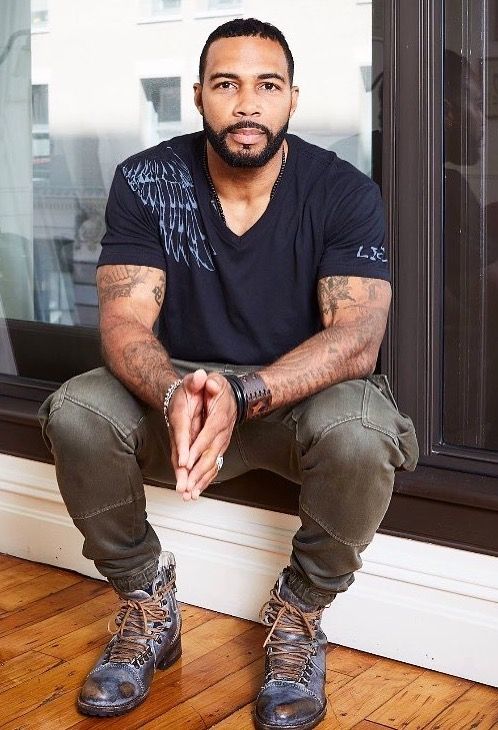
Omari Hardwick
Omari Hardwick represents “warrior-poet masculinity”—a fusion of physical intensity and emotional complexity. His muscular build, pretty eyes with an intense gaze, and textured facial features project what psychology defines as dominance-based attractiveness, while his artistic sensibility and introspective demeanor soften that dominance into depth (Frederick & Haselton, 2007). Hardwick’s beauty feels charged and cinematic; he embodies the archetype of the brooding protector whose appeal lies in both power and inner struggle.

This photograph is the property of its respective owner. No copyright infringement intended.

Kenneth Okolie
Kenneth Okolie embodies “continental masculinity”—a deeply Afrocentric beauty marked by strong bone structure, dark luminous skin, and ancestral presence. His broad facial planes, deep-set eyes, and princely demeanor associate with royalty. Dignified stillness aligns with evolutionary cues of genetic robustness and masculine stability (Rhodes, 2006). Okolie’s attractiveness feels primal and rooted, reflecting a lineage-based aesthetic where Black male beauty is directly tied to heritage, earthiness, and spiritual depth rather than Western grooming standards.
This photograph is the property of its respective owner. No copyright infringement intended.

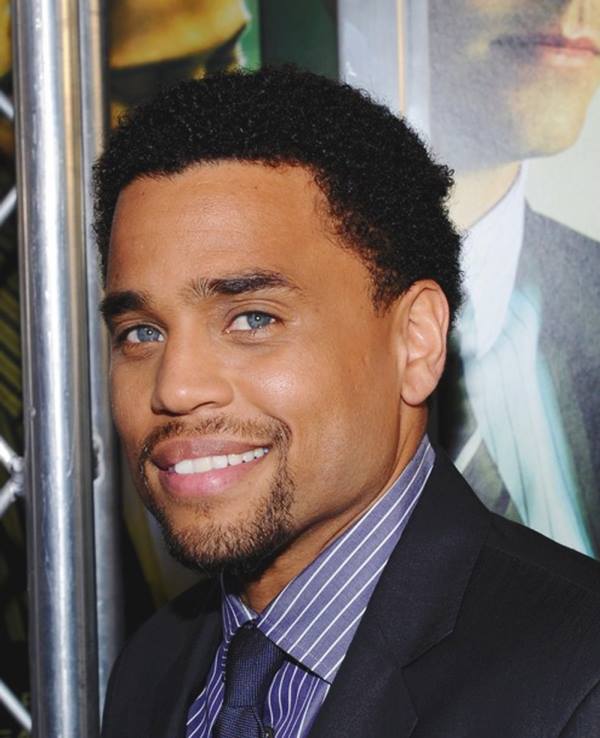
Michael Ealy
Michael Ealy embodies “ethereal masculinity”—a rare form of beauty defined by softness, luminosity, and emotional transparency. His light complexion, piercing blue eyes, gentle facial contours, and expressive gaze activate what psychologists describe as neotenous attractiveness, where youthful features and vulnerability increase perceptions of trust, emotional safety, and romantic desirability (Fiske et al., 2007; Rhodes, 2006). Ealy’s beauty feels tender, positioning him as the archetype of the sensitive romantic—where Black male attractiveness is associated not with dominance, but with intimacy, empathy, and emotional depth.

*Honorary Mention*
This photograph is the property of its respective owner. No copyright infringement intended.

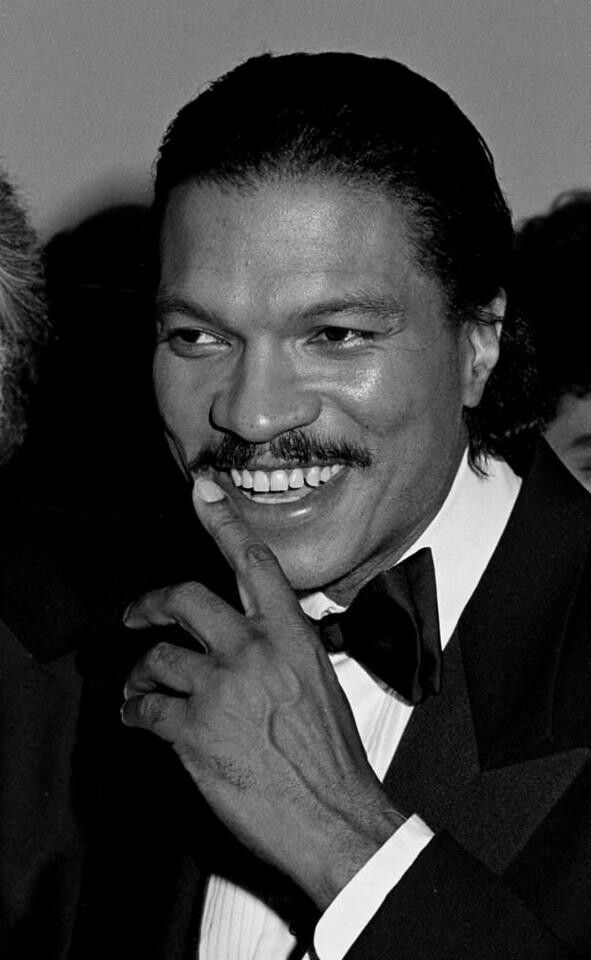
Billy Dee Williams
Billy Dee Williams embodies “legendary gentleman masculinity”—a timeless elegance defined by smooth features, a come-hither smile, relaxed confidence, and effortless charm. His appeal aligns with what sociologists describe as charisma-based attractiveness, where confidence, voice, and social ease outweigh raw physicality (Fiske et al., 2007). Williams’ beauty is not about youth but about aging gracefully—he represents the archetype of the black male celebrity beauty – cool, demure, unique, sophisticated, and romantic icon whose sophistication and grace transcend generations.

References

Gangestad, S. W., & Simpson, J. A. (2000). The evolution of human mating: Trade-offs and strategic pluralism. Behavioral and Brain Sciences, 23(4), 573–587.
Maddox, K. B., & Gray, S. A. (2002). Cognitive representations of Black Americans: Reexploring the role of skin tone. Personality and Social Psychology Bulletin, 28(2), 250–259.
Puts, D. A., et al. (2012). Sexual selection on male vocal fundamental frequency in humans. Proceedings of the Royal Society B, 279(1743), 1–7.
Rhodes, G. (2006). The evolutionary psychology of facial beauty. Annual Review of Psychology, 57, 199–226.
Frederick, D. A., & Haselton, M. G. (2007). Why is muscularity sexy? Tests of the fitness indicator hypothesis. Personality and Social Psychology Bulletin, 33(8), 1167–1183.
Fiske, S. T., Cuddy, A. J. C., & Glick, P. (2007). Universal dimensions of social cognition: Warmth and competence. Trends in Cognitive Sciences, 11(2), 77–83.
Gangestad, S. W., & Simpson, J. A. (2000). The evolution of human mating: Trade-offs and strategic pluralism. Behavioral and Brain Sciences, 23(4), 573–587.
Rhodes, G. (2006). The evolutionary psychology of facial beauty. Annual Review of Psychology, 57, 199–226.
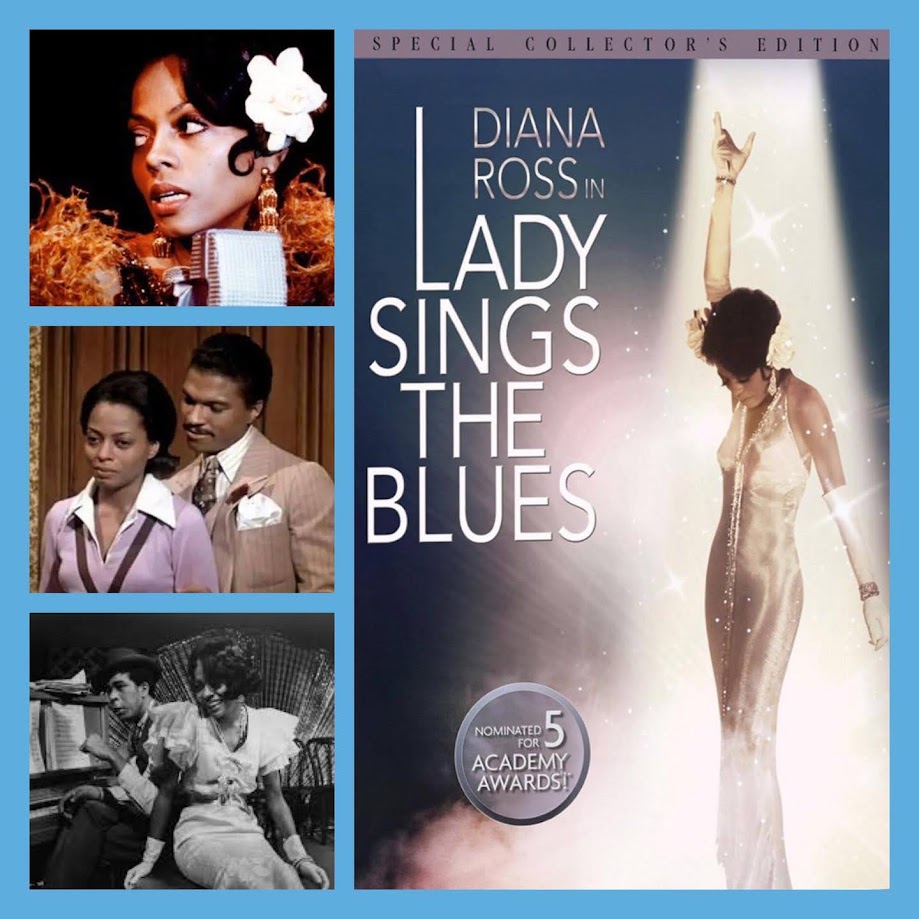
MOVIE REVIEW: Lady sings the Blues (1972)

⭐⭐⭐⭐⭐ 5/5

Lady Sings the Blues: A Five-Star Tribute to Billie Holiday and Black Cinematic Brilliance

In 1972, Lady Sings the Blues captivated audiences with its raw, poignant dramatization of jazz legend Billie Holiday’s tumultuous life. With Diana Ross stepping boldly into the role of Holiday and Billy Dee Williams offering one of his most iconic performances, the film transcended traditional biopics. It gave voice to the complexities of Black womanhood, addiction, racism, and love through the lens of music. Directed by Sidney J. Furie and produced by Motown Productions, the film became an instant classic, earning five Academy Award nominations and launching Ross’s career as a serious actress.


The Film’s Narrative and Cultural Importance

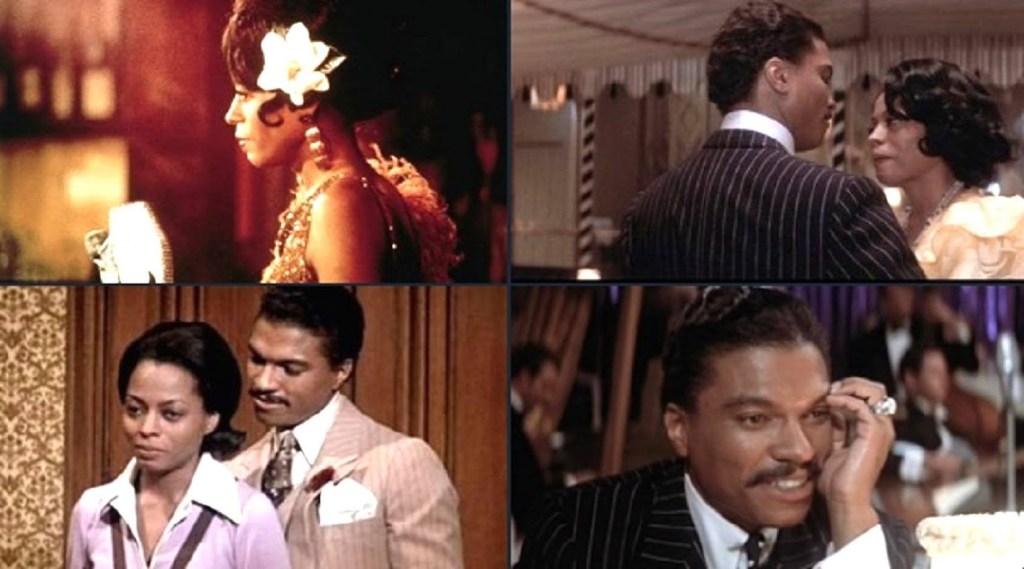
Scenes from the movie – All photographs are the property of their respective owners.

Based loosely on Billie Holiday’s 1956 autobiography, Lady Sings the Blues follows her journey from a troubled childhood in Baltimore to stardom as one of the most influential jazz vocalists of all time. It candidly explores her battles with sexual trauma, substance abuse, and racial injustice. The film doesn’t just document her music career—it illustrates how the weight of being Black and brilliant in Jim Crow America often meant fighting to simply survive.

Audiences were struck not only by the musical numbers but by the painful authenticity in the story. As Ross sang Holiday’s signature pieces like “Strange Fruit” and “God Bless the Child,” the songs took on new meaning in the post-Civil Rights era, speaking directly to a generation still healing from America’s legacy of racial terror.


🎤 Billie Holiday: The Woman Behind the Blues

Billie Holiday, born Eleanora Fagan in 1915, rose from the poverty of Baltimore’s streets to become a jazz icon whose voice remains one of the most distinctive in music history. Orphaned early and sent to work in brothels, her life was marked by trauma. Despite these early hardships, Holiday channeled her pain into poignant songs that defied the sanitized entertainment norms of the time.

In her own words, she once said:

“If I’m going to sing like someone else, then I don’t need to sing at all.”

Holiday’s impact was revolutionary. Her song “Strange Fruit” was one of the first explicit artistic condemnations of American lynching, which made her a target of the FBI and earned her a place in both musical and civil rights history. Her voice, described as smoky and full of soul, was less about technical precision and more about raw emotion. She said,

“I don’t think I’m singing. I feel like I’m playing a horn… I try to improvise like Les Young, like Louis Armstrong, or someone else I admire.”

Holiday died in 1959 under federal arrest in her hospital bed, yet she remains a symbol of resistance, artistry, and tragic beauty.


🌟 Diana Ross: From Supreme Starlet to Dramatic Powerhouse

Diana Ross’s transformation from pop music icon to dramatic actress stunned the industry. Known primarily as the glamorous frontwoman of The Supremes, Ross had never acted professionally before taking on the daunting task of portraying Billie Holiday. Yet her performance earned widespread acclaim.

Ross reflected on the emotional toll the role demanded:

“I had to feel everything she felt. I had to go deep into her darkness to bring out her light.”

Critics praised her haunting renditions of Holiday’s music. Though Ross did not imitate Holiday’s exact vocal style, she captured the essence of her sorrow and resilience. Roger Ebert declared:

“Diana Ross doesn’t play Billie Holiday. She becomes her.”

Ross earned an Academy Award nomination for Best Actress and a Golden Globe win for Most Promising Newcomer. Her role opened the door for future Black actresses to take center stage in complex, leading roles. Ebony magazine wrote,

“Ross didn’t just play Billie—she exorcised her ghost with grace, grit, and unflinching beauty.”


💎 Billy Dee Williams: The Romantic Soul of the Film

The drop dead handsome Billy Dee Williams brought elegance, strength, and warmth to the role of Louis McKay, Billie Holiday’s husband and protector. Though the real-life relationship between Holiday and McKay was marked by volatility, the film portrayed him as a stabilizing presence and symbol of enduring love.

Born in New York City in 1937, Williams was an accomplished painter and stage actor before he rose to fame on screen. His breakthrough came with Brian’s Song (1971), but it was Lady Sings the Blues that made him a romantic icon in Black cinema. Williams once said:

“It was a love story wrapped in sorrow, but also in survival. That’s what moved people.”

His chemistry with Diana Ross was undeniable, helping redefine the image of Black love on screen. Williams later reflected:

“In that moment, we weren’t just acting. We were telling our story—our people’s story.”

His portrayal helped reshape Hollywood’s image of Black men, portraying tenderness, loyalty, and passion with quiet strength.


🌍 Awards, Acclaim & Cultural Reverberations

Lady Sings the Blues received five Academy Award nominations, including Best Actress (Diana Ross), Best Original Score, Best Screenplay, Best Art Direction, and Best Costume Design. It also won the NAACP Image Award and was nominated for a Golden Globe.

Critics and audiences alike were swept away. The New York Times praised the film’s boldness:

“It dares to tell the story of a Black woman’s tragedy and brilliance without apology.”

In Black America, the film became an instant classic. It was one of the first major studio pictures to center a Black woman’s story, inspiring a generation of artists and sparking deeper conversations about racism, addiction, and resilience.


Final Reflection: A Testament to Black Excellence

Lady Sings the Blues is not merely a film—it is a five-star artistic triumph and cultural monument. It honored the life of Billie Holiday not with pity, but with reverence and passion. With Diana Ross’s electrifying debut and Billy Dee Williams’s heartfelt performance, the film transformed pain into poetry and tragedy into triumph.

As Ross herself said:

“Billie’s story broke my heart. I had to tell it not as a diva, but as a woman trying to heal.”


References

Ebert, R. (1972). Lady Sings the Blues movie review. Chicago Sun-Times.
Holiday, B., & Dufty, W. (1956). Lady Sings the Blues. Doubleday.
Motown Productions. (Producer), & Furie, S. J. (Director). (1972). Lady Sings the Blues [Film]. Paramount Pictures.
Ebony Magazine. (1972). Diana Ross: The Triumph of Billie Holiday.
Williams, B. D. (2021). Interview on Lady Sings the Blues. Essence Magazine.

Masculine Perfection Series: Billy Dee Williams

The Most Handsome, Suave, Cool, and Charismatic Black Actor to ever grace the Silver Screen.

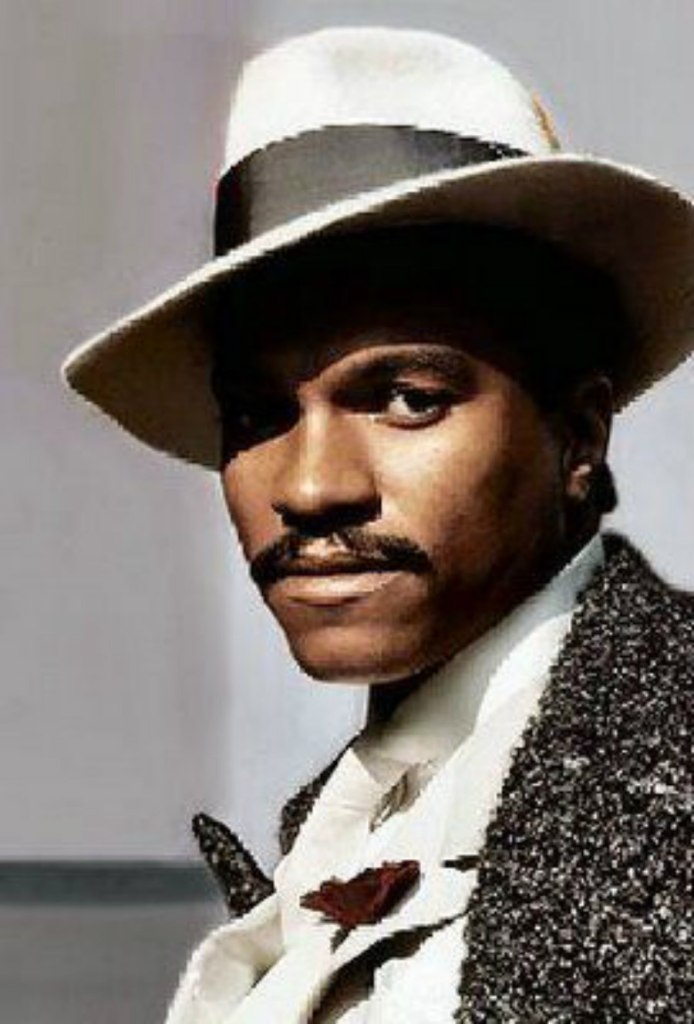
This photograph is the property of its respective owner.

“Suave was redefined the moment he walked into a room. That voice, that smile, that presence—Billy Dee wasn’t just a heartthrob, he was a whole genre of cool.”


Introduction: The Gentleman of Desire

Before the era of social media heartthrobs, abs-driven selfies, and designer drip, there was Billy Dee Williams—an actor whose very presence on screen sent pulses racing and redefined Black masculinity for generations. With his caramel-hued velvety skin, deep-set almond eyes, and that now-legendary “come hither” smile, Billy Dee was more than handsome—he was hypnotic. His voice? A smooth, seductive baritone dipped in brown liquor and jazz smoke, as unforgettable as his on-screen swagger.

With his caramel-toned skin, bedroom eyes, and a voice as smooth as jazz, Billy Dee Williams was more than just a handsome face—he was an icon of sophistication. Possessing a magnetic screen presence, his roles blended elegance and edge, charm and command. Whether donning a finely tailored suit or delivering lines with velvety poise, Williams captivated audiences with a rare combination of classic Hollywood glamour and unapologetic Black excellence. From romantic dramas to intergalactic adventures, he brought style, strength, and seduction to every frame he graced. A trailblazer for generations of Black leading men, Billy Dee made being suave look effortless—and unforgettable.

He was the epitome of elegance—a handsome devil, as fans and critics often called him, whose sensual restraint made desire simmer rather than explode. His style, grace, and natural charm gave the leading men of the 1970s and ’80s a run for their money—and would still outshine many of today’s stars.

These photographs are the property of their respective owners.

Quotes from Admirers

  • “There was Denzel, there was Sidney… but there was only one Billy Dee.” – Quincy Jones
  • “His voice alone could seduce a nation.” – Angela Bassett
  • “He made us believe in love on screen. Real, grown, complicated love.” – Diana Ross

Early Life and Beginnings

William December “Billy Dee” Williams Jr. was born (has a twin sister) on April 6, 1937, in Harlem, New York, to Loretta Anne, an elevator operator at the Schubert Theatre, and William Sr., a caretaker and aspiring musician. With roots in African-American, West Indian, and Native American ancestry, Billy Dee’s rich cultural heritage imbued him with both classic beauty and a regal air.

He graduated from LaGuardia High School of Music & Art and studied at the prestigious National Academy of Fine Arts and Design, originally pursuing a career in visual arts before making a pivot to the stage and screen.


Rise to Stardom and Breakout Roles

Billy Dee’s breakthrough came with the 1971 television movie “Brian’s Song,” in which he portrayed NFL star Gale Sayers alongside James Caan. The role earned him a Primetime Emmy nomination and established him as a serious actor with emotional depth and romantic appeal.

But it was in “Lady Sings the Blues” (1972), opposite Diana Ross, that Billy Dee became a certified sex symbol. Playing the smooth-talking Louis McKay, he delivered the now-iconic line to Ross, “Do you want my arm to fall off?”—a moment that oozed suave seduction. That line—and the way he said it—became cinematic shorthand for Black male romantic allure.


The Aesthetic of Desire: His Iconic Look

Billy Dee’s beauty wasn’t just physical—it was dimensional.

These photographs are the property of their respective owners.
  • Skin: A warm, glowing brown, reminiscent of sunlit caramel, always perfectly lit by the camera.
  • Smile: Disarming, confident, and suggestive—a “come hither” look that made audiences lean in.
  • Voice: Silky, deep, and debonair. That “d’o-demere” voice (as one fan affectionately mispronounced “debonair”) added to his mystique.
  • Style: Whether in a tuxedo, a cape (as Lando Calrissian), or a simple three-piece suit, his fashion sense exuded classic Hollywood elegance with unapologetic Black pride.

Women swooned, men imitated, and Hollywood finally had a Black male romantic lead who didn’t have to be aggressive, comedic, or stereotyped to hold the screen.


Celebrated Roles and Legacy


Billy Dee Williams has appeared in over 90 film and television projects across his career, including iconic roles in “Lady Sings the Blues” (1972) and as Lando Calrissian in the Star Wars franchise.

Some of Billy Dee’s most iconic roles include:

  • Louis McKay in Lady Sings the Blues (1972)
  • Brian’s Song (1971) – A tender, groundbreaking portrayal of interracial friendship
  • Gale Sayers in the TV movie Brian’s Song
  • Lando Calrissian in Star Wars: The Empire Strikes Back (1980) and Return of the Jedi (1983)
  • Berry Gordy’s Mahogany (1975) – Again paired with Diana Ross
  • Nighthawks (1981) with Sylvester Stallone

He is particularly remembered for Lando Calrissian, the cape-wearing, galaxy-hopping smooth-talker who brought charm and charisma to the Star Wars universe—a role he reprised in The Rise of Skywalker (2019), proving his ageless appeal.

His favorite performance? Billy Dee has often said that Brian’s Song and Lady Sings the Blues held deep personal meaning—stories about love, loss, and dignity.


Awards and Recognition

  • NAACP Image Award (multiple wins)
  • Hollywood Walk of Fame Star (1985)
  • Primetime Emmy Nomination for Brian’s Song
  • Honored by Ebony, Jet, and Essence throughout the 1970s and ’80s as one of the “Most Beautiful Black Men in America.”

Ebony Magazine once called him “The Face of Black Sophistication.” Diana Ross described him as “so smooth, he made the screen melt.”


Racism, Respect, and Representation

Billy Dee was a leading Black man in an era that rarely allowed for them. He once shared, “There weren’t many roles where a Black man could be dignified, romantic, and powerful without being stereotyped. I fought for that image.”

He challenged Hollywood’s limited narrative—presenting the Black man as a lover, a hero, and a gentleman.


Love Life, Family, and Legacy

Billy Dee has been married three times, most famously to Teruko Nakagami, a Japanese-American actress and model. They have one daughter, Hanako, and he has a son, Corey Dee Williams, from a previous relationship.

While not publicly known for romantic scandals, he’s long been admired for his respectful relationships, discretion, and dignified image.

Who did he have a crush on? Rumors swirled about his admiration for Lena Horne, whom he called “the epitome of grace and allure.”


Commercials and Endorsements

In the 1980s, Billy Dee became the face of Colt 45 Malt Liquor, delivering the famously smooth tagline:
“It works every time.”

While the ad campaign was commercially successful, it also drew criticism for its alignment with alcohol marketing. Nevertheless, it further cemented his image as the “coolest man alive.”

He also endorsed products for Mennen, Schick razors, and fashion brands who wanted to capture his stylish persona.


Where Is He Now?

Now in his late 80s, Billy Dee Williams remains active in voice acting, public appearances, and conventions. He reprised his Lando role in Star Wars: The Rise of Skywalker (2019) and voiced characters in animated series.

In 2019, he caused a stir by referring to himself as using “he/him and she/her pronouns” to describe his emotional duality—sparking conversations about identity, masculinity, and expression. He later clarified he was referring to his balance of energies, not gender fluidity, but praised the younger generation’s openness.


Conclusion: A Living Monument of Black Elegance

Billy Dee Williams wasn’t just beautiful—he was cinematic alchemy. The type of man who made time pause, who made women blush and men reassess their approach. He showed us that Black men could be more than what the world limited them to. He was a lover, a thinker, a prince of style and sensuality.

As Ebony once put it:
“Billy Dee didn’t just change the screen—he changed the way Black men were seen.”

References

Bassett, A. (2016). Interview with Angela Bassett on Black icons in Hollywood. Essence Magazine.
https://www.essence.com

Ebony Magazine. (1972, October). Hollywood’s smoothest Black leading man: Billy Dee Williams lights up the screen. Ebony, 27(12), 72–76.

IMDb. (n.d.). Billy Dee Williams – Biography. IMDb. Retrieved August 4, 2025, from https://www.imdb.com/name/nm0001850/

Jet Magazine. (1980, April 7). Billy Dee Williams: The man, the myth, the mustache. Jet, 59(15), 20–23.

Jones, Q. (1994). Q: The Autobiography of Quincy Jones. New York: Doubleday.

Ross, D. (1993). Secrets of a diva: Diana Ross on life, love, and legends. Interview by Ebony, reprinted in Classic Soul Interviews. Johnson Publishing.

Smith, J. (2020). The elegance of Black masculinity: Billy Dee Williams and the politics of suave. Journal of Black Cinema and Culture, 12(1), 35–48.

Star Wars Archives. (n.d.). Lando Calrissian: Character Profile and Actor History. Lucasfilm. https://www.starwars.com/databank/lando-calrissian

Vanity Fair. (2019, November 27). Billy Dee Williams discusses gender fluidity, love, and his return to Star Wars. Retrieved from https://www.vanityfair.com

Williams, B. D. (2016). Lights, Camera, Legacy: A Conversation with Billy Dee Williams. NPR Interviews. Retrieved from https://www.npr.org