
With mesmerizing hazel eyes, statuesque elegance, and an empire built on creativity and resilience, Rihanna embodies the modern “It Girl”—a global icon whose beauty, talent, and business acumen have reshaped music, fashion, and philanthropy.
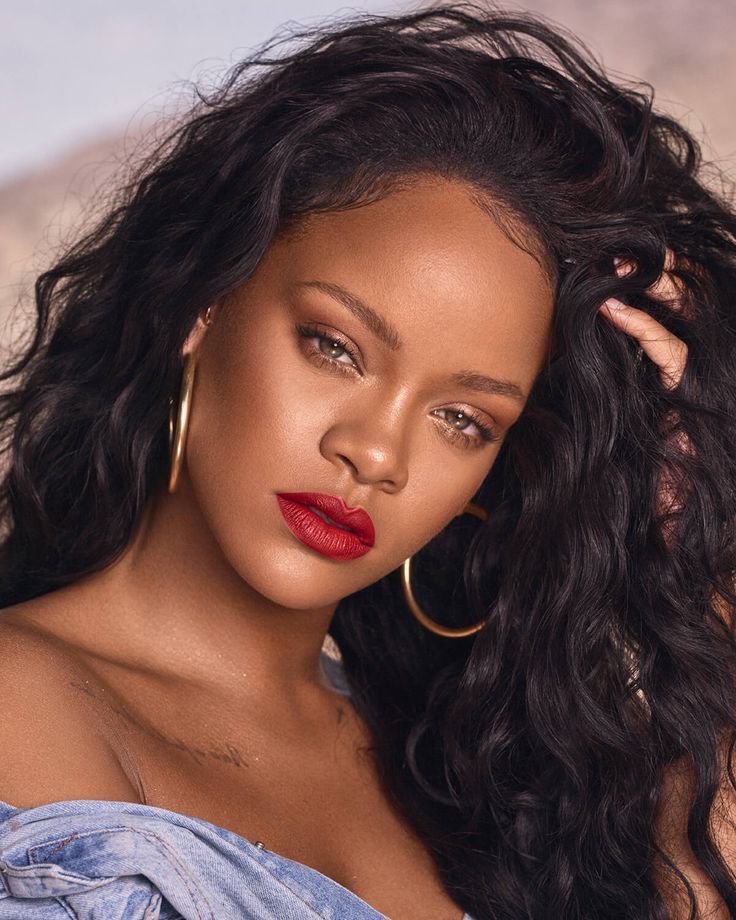
Robyn Rihanna Fenty—known globally as Rihanna—stands as one of the most influential cultural figures of the twenty-first century. Celebrated for her distinctive beauty, entrepreneurial brilliance, and musical innovation, Rihanna has evolved from a teenage pop singer into a billionaire mogul whose impact extends far beyond entertainment. Her captivating hazel eyes, radiant complexion, and statuesque presence have made her one of the most recognizable women in the world, while her ambition and vision have transformed her into a pioneer of modern celebrity entrepreneurship.
Rihanna was born on February 20, 1988, in Saint Michael, Barbados, and raised in the Barbadian capital of Bridgetown. Her father, Ronald Fenty, worked as a warehouse supervisor, while her mother, Monica Braithwaite, was an accountant. Growing up in a modest household, Rihanna’s childhood was shaped by both the vibrant culture of Barbados and the challenges of family struggles. Despite these obstacles, she demonstrated remarkable confidence and talent at a young age, particularly in music and performance.
Rihanna’s life changed dramatically in 2003 when she formed a girl group with two classmates and auditioned for American music producer Evan Rogers, who was visiting Barbados. Impressed by her distinctive voice and magnetic presence, Rogers invited Rihanna to record demo tapes in the United States. These recordings eventually reached rapper and entrepreneur Jay-Z, then president of Def Jam Recordings. After auditioning for Jay-Z, Rihanna was offered a recording contract that launched her career into the global spotlight.
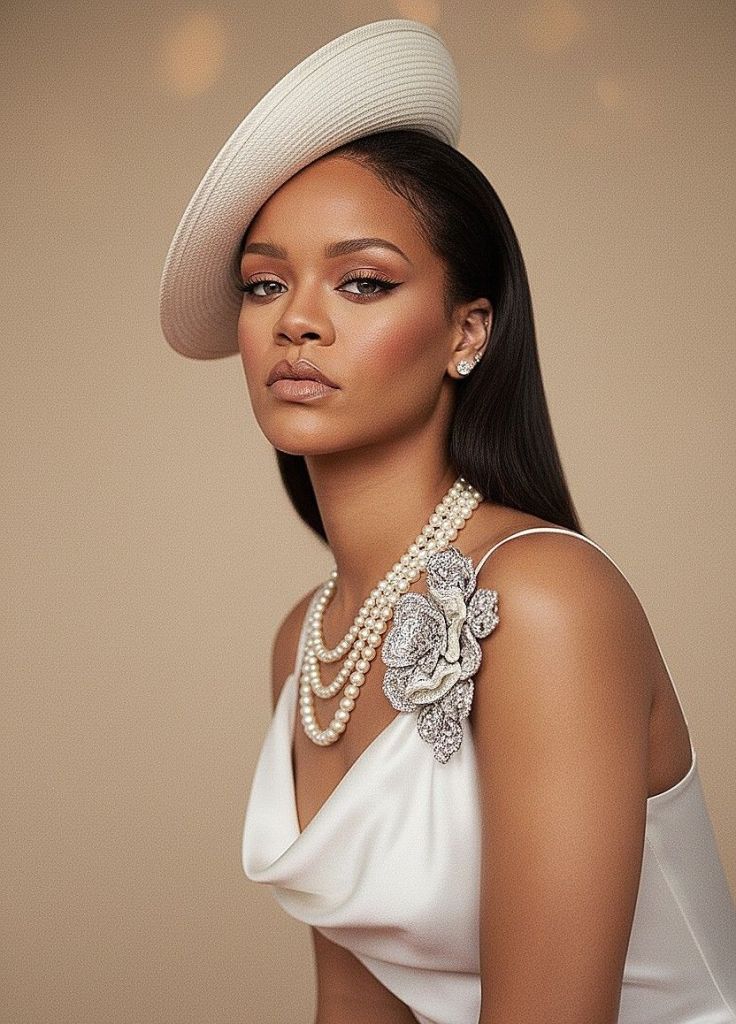
Her debut album, Music of the Sun (2005), introduced Rihanna’s Caribbean-infused pop sound and produced the hit single Pon de Replay. She quickly followed with A Girl Like Me (2006), which included chart-topping hits such as SOS and established her as a rising pop star. However, it was her third studio album, Good Girl Gone Bad (2007), that catapulted her into superstardom. The album featured the global smash hit Umbrella, which earned Rihanna her first Grammy Award and solidified her status as one of the defining artists of her generation.
Throughout the late 2000s and 2010s, Rihanna continued to dominate the music industry with critically acclaimed albums such as Rated R, Loud, Talk That Talk, Unapologetic, and Anti. Her musical versatility allowed her to blend pop, R&B, reggae, dancehall, and electronic influences, creating a sound that resonated across cultures and continents. Over time, Rihanna accumulated more than a dozen number-one singles on the Billboard Hot 100 chart, making her one of the best-selling music artists in history.
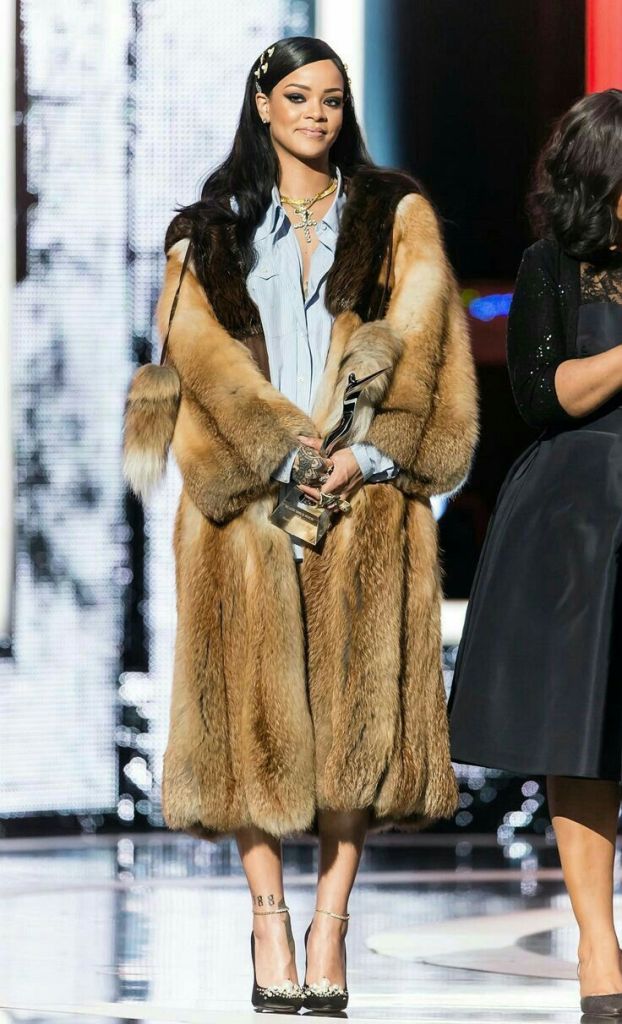
Beyond music, Rihanna revolutionized the beauty industry with the launch of Fenty Beauty in 2017 in partnership with the luxury conglomerate LVMH. The brand was celebrated for its groundbreaking inclusivity, debuting with 40 foundation shades designed to accommodate a wide range of skin tones. This bold move challenged long-standing industry norms and sparked what many analysts called the “Fenty Effect,” prompting other cosmetics companies to expand their shade ranges and embrace diversity in beauty marketing.
Rihanna’s entrepreneurial ambitions did not stop with cosmetics. She later launched Savage X Fenty, a lingerie company celebrated for its inclusive sizing and diverse representation of women. She also created Fenty Skin and other fashion ventures, solidifying her reputation as a business visionary. By 2021, financial analysts estimated Rihanna’s net worth at over $1 billion, making her the wealthiest female musician in the world and one of the few entertainers to achieve billionaire status through business innovation.
Her physical beauty has also played a role in her iconic status. Rihanna’s luminous hazel eyes, symmetrical facial structure, and statuesque figure have made her a muse for fashion designers and photographers alike. She has graced the covers of leading fashion magazines, including Vogue and Harper’s Bazaar, and has become known for her fearless experimentation with style. Whether walking red carpets or appearing in editorial spreads, Rihanna’s presence exudes confidence, individuality, and elegance.
Rihanna’s influence extends deeply into philanthropy. In 2012, she founded the Clara Lionel Foundation, named after her grandparents. The foundation focuses on global education, emergency response, and climate resilience initiatives, particularly in underserved communities. Through scholarships, disaster relief efforts, and global partnerships, Rihanna has demonstrated a commitment to using her wealth and platform to uplift others.
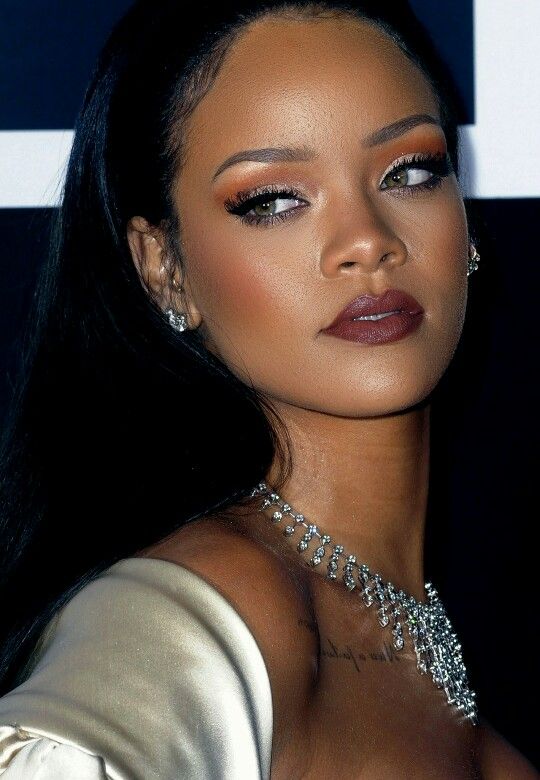
Her humanitarian efforts have been widely recognized. In 2017, she was named Harvard University’s Humanitarian of the Year for her philanthropic contributions and global advocacy. Rihanna has also supported initiatives related to healthcare, disaster recovery, and educational access, particularly in Caribbean nations and developing regions.
In her personal life, Rihanna shares a long-term relationship with rapper and entrepreneur A$AP Rocky. The couple welcomed their first son in 2022 and their second son in 2023, embracing parenthood while maintaining their influential careers in music and fashion. Their partnership has been widely admired as a union of two creative visionaries shaping contemporary culture.
Rihanna’s list of accolades is extensive. Over the course of her career, she has won nine Grammy Awards, numerous American Music Awards, Billboard Music Awards, and MTV Video Music Awards. Her achievements span music, fashion, beauty, and philanthropy—making her one of the most decorated entertainers of the modern era.
Perhaps Rihanna’s greatest legacy lies in how she has reshaped the concept of the “It Girl.” Traditionally associated with fleeting fame or fashionable allure, Rihanna transformed the archetype into something far more powerful. She represents a new generation of celebrity—one that blends artistry, entrepreneurship, activism, and cultural leadership.
From the sunlit streets of Barbados to the boardrooms of global fashion houses, Rihanna’s journey is a testament to ambition, resilience, and self-definition. Her beauty may first capture the world’s attention, but it is her vision, generosity, and fearless independence that truly define her legacy.
In every sense, Rihanna is not merely an “It Girl”—she is a phenomenon whose influence will shape music, fashion, and philanthropy for generations to come.
References
Forbes. (2021). Rihanna is now officially a billionaire thanks to Fenty Beauty.
IFPI. (2022). Global music report: Recording industry revenues and artists.
Billboard. (2023). Rihanna’s chart history and Billboard Hot 100 achievements.
Clara Lionel Foundation. (2023). Mission and philanthropic initiatives.
Britannica, T. Editors of Encyclopaedia. (2024). Rihanna: Barbadian singer, actress, and entrepreneur.
LVMH. (2017). Fenty Beauty brand launch and partnership announcement.
 THE BROWN GIRL DILEMMA