Tag Archives: Beauty

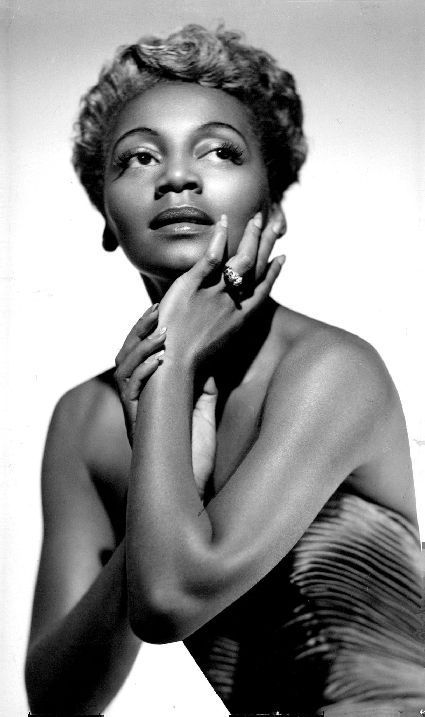
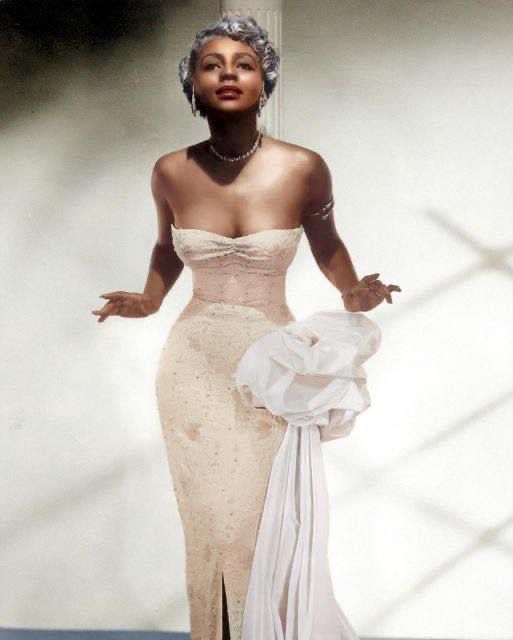
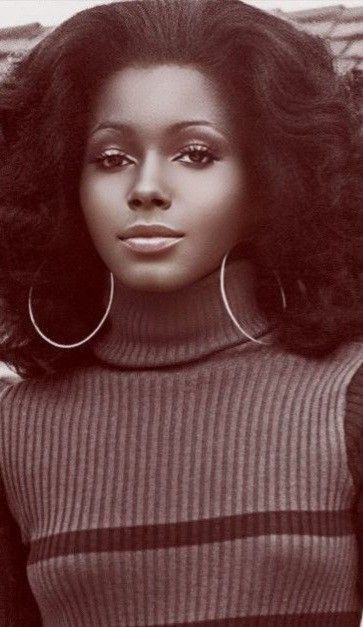
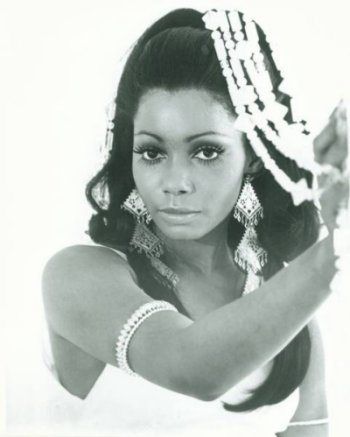
The Ebony Dolls: Joyce Bryant

The Bronze Blonde Bombshell Who Redefined Black Glamour

In the golden age of American nightlife, before the Civil Rights Movement reshaped the nation’s moral compass, one woman stood beneath the spotlight with silver hair gleaming and a voice that silenced entire rooms. Joyce Bryant was not merely a nightclub singer — she was spectacle, defiance, elegance, and contradiction embodied. She was called “The Bronze Blonde Bombshell,” “The Black Marilyn Monroe,” and “The Voice You’ll Always Remember.” Yet beyond the glamour was a woman of discipline, faith, and conviction whose life defied the industry that made her famous.

Born Ione Emily Bryant on October 14, 1927, in Oakland, California, and raised in San Francisco in a strict Seventh-day Adventist household, Bryant’s upbringing was conservative and deeply religious. Her early life did not forecast the sensual icon she would become. At fourteen, she briefly eloped — a youthful rebellion that ended almost as quickly as it began. It would not be the last time she surprised those who tried to define her.

Her entry into entertainment was accidental. In 1946, while visiting Los Angeles, she accepted a dare to sing at a nightclub to earn money for her return home. The club owner paid her $25 and invited her back. That impromptu performance marked the birth of a career that would soon electrify New York’s nightclub circuit.

By the late 1940s and early 1950s, Bryant was headlining major venues, reportedly earning thousands per week — an extraordinary sum for a Black woman in segregated America. Her four-octave vocal range captivated audiences, but it was her appearance that made her unforgettable. She dyed her hair metallic silver — initially using radiator paint — and wore impossibly tight mermaid gowns that required her to be sewn into them before performances. She moved minimally on stage, creating an aura of mystique that intensified her sensual presence.

Her aesthetic was deliberate. In an era when Black women were often denied glamorous representation, Bryant constructed herself as living art. In 1954, Ebony magazine named her one of the five most beautiful Black women in the world, alongside icons such as Lena Horne, Eartha Kitt, and Dorothy Dandridge. That recognition solidified her place within the visual lineage of celebrated Black femininity — what cultural historians often describe metaphorically as “Ebony Dolls”: women whose beauty, poise, and cultural visibility reshaped aesthetic standards.

Bryant’s recordings included songs such as “Love for Sale,” “Runnin’ Wild,” and “Drunk with Love.” Some were banned from radio due to perceived suggestiveness. Yet the controversy only amplified her allure. She was daring but never vulgar; provocative yet controlled. She understood that power in performance was not merely about exposure, but about command.

Her impact extended beyond aesthetics. Bryant broke racial barriers by performing in previously segregated venues, including Miami Beach nightclubs that rarely booked Black entertainers. She received threats from white supremacist groups but continued performing, quietly challenging Jim Crow norms with every booking.

Despite reaching the height of nightclub fame, Bryant walked away from it all in the mid-1950s. Disillusioned with the exploitation and moral compromises demanded by the entertainment industry, she returned to her religious roots. She studied at Oakwood College and devoted herself to faith-based service and activism. She also participated in civil rights fundraising efforts and supported the broader movement for racial justice emerging under leaders such as Martin Luther King Jr..

Unlike many performers who fade into obscurity after leaving the spotlight, Bryant reinvented herself. In the 1960s, she returned as a classically trained vocalist, studying opera and performing with respected companies including the New York City Opera. Her transition from nightclub bombshell to operatic soprano confounded critics who had underestimated her discipline and artistry.

Her film work was limited but historically noted. She appeared in the 1946 crime film Mr. Ace, performing as a nightclub singer. While Hollywood never fully capitalized on her magnetism, her screen presence remains a testament to her versatility.

Personally, Bryant’s life was marked more by independence than domestic publicity. Aside from her teenage elopement, she did not build her legacy around marriage or publicized romantic partnerships. Instead, she cultivated a life of artistic growth, spiritual conviction, and community service.

In later years, renewed interest in her story led to documentaries and retrospectives, reintroducing her to audiences who had never witnessed her reign firsthand. She passed away in Los Angeles in 2022 at the age of 95, leaving behind a legacy that spans glamour, resistance, faith, and reinvention.

Why is Joyce Bryant considered an Ebony Doll? Because she represented an archetype rarely afforded to Black women in mid-20th-century America: high glamour without apology, sensuality without shame, beauty without concession to Eurocentric standards. She crafted her image intentionally and then relinquished it on her own terms. She proved that beauty and righteousness, performance and principle, could coexist within one woman.

Joyce Bryant was not merely a nightclub sensation. She was a cultural architect of Black glamour. She was a pioneer who stood radiant in silver hair beneath hostile skies — and she remains a symbol of elegance forged in resistance.


References

Bryant, J. (n.d.). Official Biography. JoyceBryant.net.

Joyce Bryant. (2024). In Wikipedia.

Ebony. (1954). “The World’s Most Beautiful Black Women.” Ebony Magazine.

Mr. Ace. (1946). Republic Pictures.

Black Women Radicals. (n.d.). Joyce Bryant Biography.

Ebony Magazine. (2022). “Acclaimed Singer Joyce Bryant Passes Away at 95.”

The Economics of Beauty Bias

Physical appearance has long influenced social and economic outcomes, but the intersection of beauty and economics extends beyond superficial preference. Scholars have demonstrated that “beauty bias” affects employment, wages, promotions, and even perceptions of competence. Those who conform more closely to socially sanctioned standards of attractiveness often receive tangible economic advantages, while those who do not face systemic disadvantages. Thus, beauty is not merely aesthetic — it functions as a form of social capital with measurable economic consequences.

Studies in labor economics have consistently identified a “beauty premium,” wherein attractive individuals earn higher wages and experience faster career advancement than their less conventionally attractive peers. This phenomenon transcends gender, though its magnitude is often greater for women due to historical gendered expectations and the commodification of female appearance. Employers’ implicit biases reinforce these disparities, translating societal beauty norms into financial outcomes.

The mechanisms behind beauty bias are multifaceted. Cognitive psychology suggests that physical attractiveness triggers a “halo effect,” where positive traits are inferred from appearance. Attractive individuals are often perceived as more competent, trustworthy, and socially adept. These perceptions influence hiring decisions, client relations, and peer evaluations, creating a feedback loop in which beauty becomes both a signal and a form of economic leverage.

Beauty bias is also intertwined with race and ethnicity. Historical and contemporary standards have privileged Eurocentric features, marginalizing people of color and reinforcing structural inequalities. For Black women, this manifests as compounded discrimination: societal devaluation of darker skin, hair texture, or features intersects with gendered expectations, limiting access to economic opportunities while amplifying pressure to conform to dominant ideals.

The media and advertising industries exacerbate economic disparities tied to appearance. Representation in fashion, television, and corporate imagery often favors specific beauty standards, signaling which appearances are socially desirable and economically valuable. This systemic visibility shapes consumer behavior, career aspirations, and self-perception, further reinforcing the economic advantages of beauty.

In addition to income effects, beauty bias influences access to professional networks, mentorship, and career capital. Attractive individuals are more likely to receive invitations to key social and professional spaces, creating opportunities for skill development, sponsorship, and advancement. Conversely, those who diverge from conventional standards may face subtle exclusion, limiting both tangible and intangible resources that drive career success.

The consequences of beauty bias extend beyond the individual, affecting societal efficiency and equity. Organizations that reward appearance over merit risk underutilize talent, reducing productivity and innovation. Furthermore, beauty-based economic stratification perpetuates social hierarchies, reinforcing inequality across race, class, and gender lines. Addressing this bias is therefore not only a moral imperative but also an economic one.

Policy interventions and organizational strategies can mitigate beauty bias. Blind hiring processes, diversity training, and structured evaluation criteria reduce the influence of appearance in decision-making. Similarly, promoting diverse representations of beauty challenges cultural norms and expands the range of socially and economically valued appearances, reducing systemic inequities.

From a theoretical standpoint, beauty bias illustrates the intersection of sociology, economics, and psychology. It demonstrates how social constructs translate into material outcomes and highlights the embeddedness of cultural values within economic systems. Appearance, in this framework, is both symbolic and instrumental: a social signal with quantifiable consequences.

Ultimately, the economics of beauty bias reveals the pervasive power of appearance in shaping opportunity, wealth, and social mobility. Recognizing and addressing these dynamics is critical for creating equitable systems in which merit, skill, and character — rather than conformity to aesthetic ideals — determine success. Beauty, as a form of economic capital, must be understood not as personal preference but as a structural force with measurable consequences.


References

Hamermesh, D. S., & Biddle, J. E. (1994). Beauty and the labor market. American Economic Review, 84(5), 1174–1194.

Kelley, H. H. (1973). The processes of causal attribution. American Psychological Association.

Langlois, J. H., Kalakanis, L., Rubenstein, A. J., Larson, A., Hallam, M., & Smoot, M. (2000). Maxims or myths of beauty? A meta-analytic and theoretical review. Psychological Bulletin, 126(3), 390–423.

Moss, P., & Tilly, C. (2001). Stories employers tell: Race, skill, and hiring in America. Russell Sage Foundation.

Stavins, R., & Hamermesh, D. (2017). Gender, attractiveness, and labor market outcomes: Cross-country evidence. Journal of Economic Behavior & Organization, 140, 232–252.

Wolf, N. (1991). The beauty myth: How images of beauty are used against women. HarperCollins.

Fiske, S. T., Cuddy, A. J. C., & Glick, P. (2007). Universal dimensions of social cognition: Warmth and competence. Trends in Cognitive Sciences, 11(2), 77–83.

Brown Girls Are Not Invisible — They Are Invaluable

Brown girls have long existed at the intersection of visibility and erasure, seen when convenient yet ignored when their voices disrupt dominant narratives. From classrooms to media, from pulpits to policy, their presence has often been minimized while their labor, creativity, and resilience are consumed. This contradiction has produced a quiet harm, teaching many brown girls that to be valued they must first be validated by systems that were never built with them in mind.

Historically, the devaluation of brown girls is inseparable from the legacy of slavery and colonialism, where Black female bodies were reduced to commodities rather than recognized as bearers of intellect, spirit, and humanity. Enslaved African women were forced into roles that denied their femininity while simultaneously exploiting it, creating a distorted image that still echoes today. These inherited myths continue to shape how brown girls are treated, disciplined, and dismissed in modern society.

Colorism further complicates this reality, establishing a hierarchy within Blackness itself that privileges proximity to Eurocentric features. Brown girls often find themselves navigating a world that praises their culture while policing their skin tone, hair texture, and facial features. Research has shown that darker-skinned women face harsher discipline in schools, reduced romantic desirability in media, and fewer economic opportunities, reinforcing a message of disposability.

In media representation, brown girls are frequently absent or misrepresented. When they do appear, they are often cast in roles defined by struggle, aggression, or hypersexualization rather than joy, innocence, and complexity. This limited imagery narrows the public imagination and subtly instructs brown girls on how society expects them to exist.

Psychologically, invisibility functions as a form of trauma. When young girls do not see themselves affirmed, they internalize silence as survival. Studies in racial identity development show that chronic invalidation can lead to diminished self-esteem, anxiety, and a fractured sense of worth, especially during adolescence.

Yet despite these forces, brown girls have always resisted erasure. From the wisdom of enslaved women who preserved culture through oral tradition to modern scholars, activists, and artists, brown girls have continuously asserted their humanity. Their resistance has often been quiet but enduring, rooted in community, spirituality, and ancestral memory.

Biblically, invisibility has never equaled insignificance. Scripture repeatedly affirms that God sees those whom society overlooks. Hagar, a Black woman in bondage, is the first person in the Bible to name God, calling Him “El Roi,” the God who sees. Her story stands as divine confirmation that marginalized women are not unseen by heaven.

The Psalmist’s declaration that humanity is “fearfully and wonderfully made” directly challenges narratives that diminish brown girls. This scripture is not conditional upon skin tone, social status, or cultural acceptance. It affirms intrinsic worth bestowed by God, not granted by society.

Song of Solomon’s proclamation, “I am black, but comely,” confronts ancient and modern beauty hierarchies. It boldly asserts that Blackness and beauty are not opposites but companions. For brown girls, this verse offers both validation and resistance against internalized shame.

Educational systems have often failed brown girls by misinterpreting their confidence as defiance and their vulnerability as weakness. Studies reveal that Black girls are disciplined at disproportionate rates, criminalizing their childhood and accelerating adultification. This systemic bias communicates that their innocence is less worthy of protection.

Within faith spaces, brown girls are sometimes celebrated for their service but silenced in leadership. Their bodies are policed while their spiritual gifts are overlooked. True liberation within the church requires acknowledging how theology has been weaponized to control rather than affirm Black womanhood.

Despite these barriers, brown girls continue to redefine value on their own terms. Through self-love movements, natural hair reclamation, and intellectual production, they are dismantling imposed hierarchies. This reclamation is not vanity but survival, a refusal to accept inherited lies.

Womanist theology reminds us that the experiences of Black women are not peripheral to God’s story but central to understanding justice, redemption, and love. When brown girls speak their truth, they reveal dimensions of faith that challenge both racism and sexism simultaneously.

Invisibility thrives in silence, but healing begins with naming harm. When brown girls are encouraged to tell their stories, write their narratives, and honor their emotions, they reclaim agency. Storytelling becomes a sacred act of restoration.

Community plays a vital role in affirming value. Intergenerational mentorship, sisterhood, and cultural affirmation counteract isolation. When brown girls are surrounded by those who see them fully, their confidence flourishes.

Economically, recognizing the value of brown girls means investing in their education, creativity, and leadership. Equity is not charity; it is justice. Societies that uplift marginalized girls create stronger, healthier futures for all.

Romantically and relationally, brown girls deserve to be chosen without condition. They are not consolation prizes or aesthetic trends. They are worthy of love that honors their minds, bodies, and spirits without comparison.

The reclaiming of beauty is not about competing with Eurocentric standards but dismantling the need for them altogether. Brown girls are not seeking inclusion; they are asserting authorship over their own image.

Ultimately, invisibility is a lie sustained by systems, not a reflection of truth. Brown girls have always been invaluable, whether acknowledged or not. Their worth predates oppression and outlives it.

To affirm brown girls is to participate in restoration. It is to declare that what was once ignored is now honored, what was dismissed is now celebrated, and what was undervalued is now recognized as essential. Brown girls are not invisible. They are invaluable, divinely seen, and historically significant.

References

Banks, I. (2015). Hair matters: Beauty, power, and Black women’s consciousness. New York, NY: New York University Press.

Collins, P. H. (2000). Black feminist thought: Knowledge, consciousness, and the politics of empowerment (2nd ed.). New York, NY: Routledge.

Craig, M. L. (2002). Ain’t I a beauty queen? Black women, beauty, and the politics of race. Oxford, UK: Oxford University Press.

Davis, A. Y. (1981). Women, race & class. New York, NY: Vintage Books.

Hunter, M. (2007). The persistent problem of colorism: Skin tone, status, and inequality. Sociology Compass, 1(1), 237–254. https://doi.org/10.1111/j.1751-9020.2007.00006.x

Hunter, M. (2011). Buying racial capital: Skin bleaching and cosmetic surgery in a globalized world. The Journal of Pan African Studies, 4(4), 142–164.

hooks, b. (1992). Black looks: Race and representation. Boston, MA: South End Press.

Russell, K., Wilson, M., & Hall, R. (1992). The color complex: The politics of skin color among African Americans. New York, NY: Anchor Books.

Walker, A. (1983). In search of our mothers’ gardens: Womanist prose. San Diego, CA: Harcourt Brace Jovanovich.

Williams, D. S. (1993). Sisters in the wilderness: The challenge of womanist God-talk. Maryknoll, NY: Orbis Books.

Townes, E. M. (2006). Womanist ethics and the cultural production of evil. New York, NY: Palgrave Macmillan.


Biblical References (KJV)

The Holy Bible, King James Version.
Psalm 139:14 – “I will praise thee; for I am fearfully and wonderfully made…”
Genesis 1:27 – “So God created man in his own image…”
Song of Solomon 1:5 – “I am black, but comely…”
Isaiah 43:4 – “Since thou wast precious in my sight, thou hast been honourable…”
1 Samuel 16:7 – “For the LORD seeth not as man seeth…”


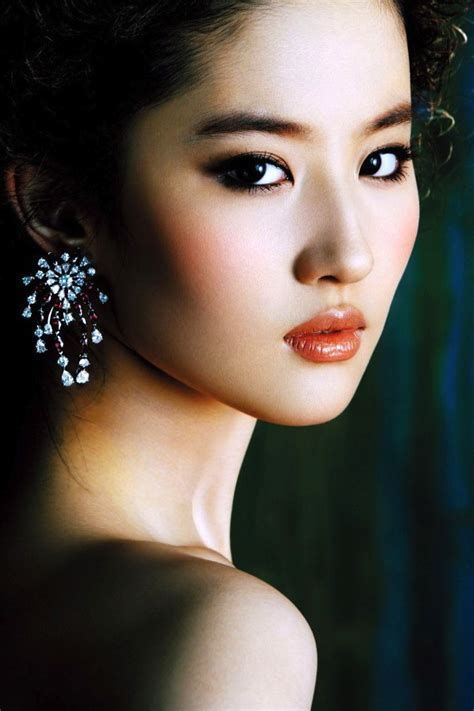
The Asian Dolls: Liu Yifei

Ethereal Beauty, Timeless Radiance.

This photograph is the property of its respective owner. No copyright infringement intended.

Liu Yifei is one of the most beautiful and celebrated actresses in contemporary Chinese cinema and one of the few Chinese-born performers to successfully bridge Eastern and Western film industries. Known affectionately in China as the “Fairy Sister” (神仙姐姐), Liu embodies a delicate yet commanding presence that has made her a modern symbol of classical Asian beauty.

Born An Feng in Wuhan, Hubei, China, on August 25, 1987, she later adopted her stage name Liu Yifei. Her parents divorced when she was young, and she relocated to the United States with her mother at age ten, living in New York. During this period, she obtained U.S. citizenship. Her bicultural upbringing would later position her uniquely within global cinema.

At fifteen, Liu was accepted into the prestigious Beijing Film Academy, becoming one of its youngest students. Her early television roles quickly elevated her status. She gained national recognition for performances in Chinese dramas such as The Story of a Noble Family and Chinese Paladin. However, it was her portrayal of Wang Yuyan in Demi-Gods and Semi-Devils that earned her the nickname “Fairy Sister,” a testament to her ethereal screen presence, porcelain complexion, oval facial harmony, and serene gaze.

Liu transitioned to film with notable roles in historical epics and martial arts dramas, including The Forbidden Kingdom alongside Jackie Chan and Jet Li. Her composure in action sequences, combined with her refined aesthetic, reinforced her image as both graceful and strong. In 2020, she achieved global prominence starring as the lead in Disney’s live-action adaptation of Mulan. This role made her one of the most internationally visible Chinese actresses of her generation and introduced her to mainstream American audiences.

Her beauty is often described as classical and balanced. She possesses luminous skin, soft yet defined facial symmetry, almond-shaped eyes, and an understated elegance that aligns with traditional Chinese aesthetic ideals. Unlike hyper-glamorous archetypes, Liu’s appeal is subtle and refined. Her expressions carry quiet strength, which enhances her cinematic mystique.

In terms of awards, Liu Yifei has received numerous honors in China, including accolades from the Macau International Movie Festival and nominations from prominent Chinese film institutions. She has also appeared on Forbes China Celebrity lists, reflecting her commercial and cultural influence.

This photograph is the property of its respective owner. No copyright infringement intended.

Regarding her personal life, Liu Yifei has largely maintained privacy. She was previously in a relationship with South Korean actor Song Seung-heon, whom she met during the filming of The Third Way of Love. The couple eventually separated. As of recent public information, she is not married and does not have children. Her discretion regarding her private affairs has only deepened her enigmatic appeal.

In China, Liu Yifei is exceptionally famous. She is considered an A-list actress with a strong fan base and significant brand endorsements. Her name carries both commercial and artistic weight. In the United States, her fame increased substantially after Mulan, though her recognition remains more concentrated among audiences familiar with international cinema. Nonetheless, she represents a crucial bridge between Hollywood and the Chinese film industries.

Her impact extends beyond film. Liu symbolizes the globalization of Chinese femininity—rooted in heritage yet adaptable to modern, transnational platforms. She challenges narrow Western perceptions of Asian beauty by presenting depth, discipline, and dignity.

Why is she an “Asian Doll”? The phrase, when used respectfully, reflects admiration for her porcelain complexion, balanced features, expressive yet gentle eyes, and graceful composure. She appears almost sculpted—like fine art—yet she moves with quiet power. However, she is far more than an aesthetic appeal. She is educated, multilingual, internationally experienced, and professionally disciplined.

Liu Yifei represents refinement without excess, fame without scandal, and beauty without aggression. She is ethereal yet grounded. She is delicate yet resilient. She is cinematic poetry in motion.


References

Beijing Film Academy archives.
Forbes China Celebrity List reports.
IMDb. (n.d.). Liu Yifei – Filmography and Biography.
Macau International Movie Festival records.
Wikipedia contributors. (n.d.). Liu Yifei.
Wikipedia contributors. (n.d.). Song Seung-heon.

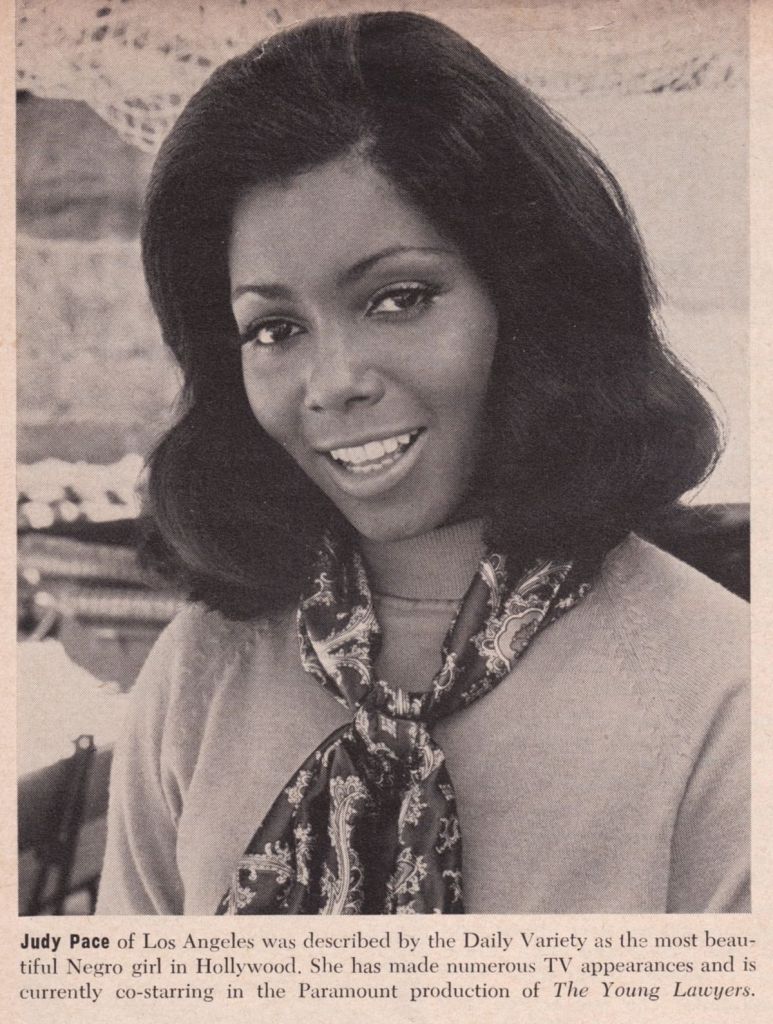
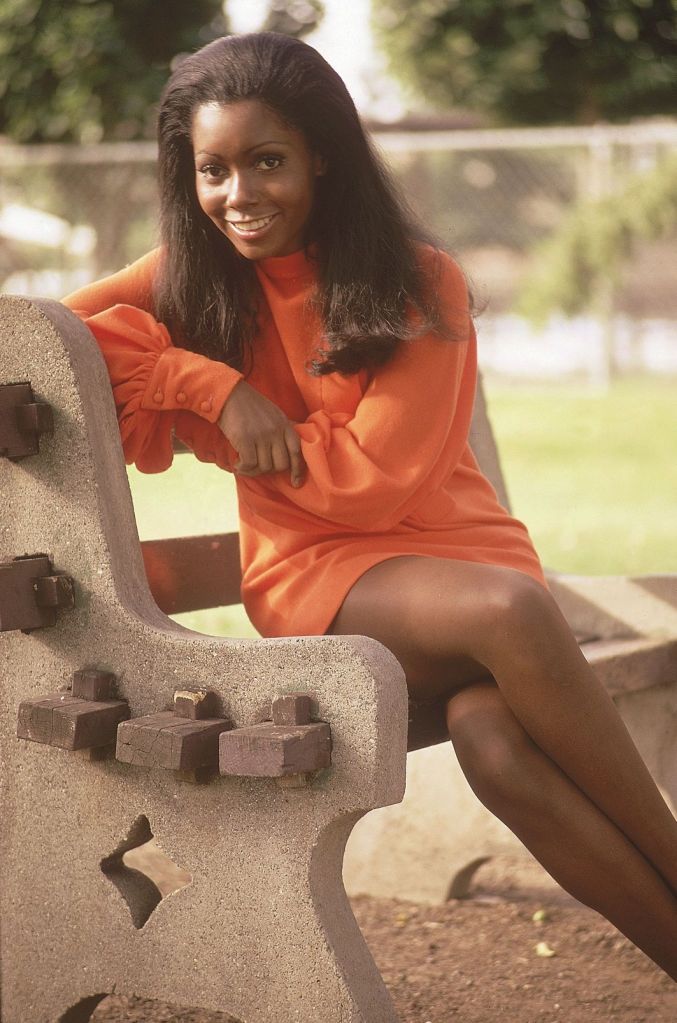
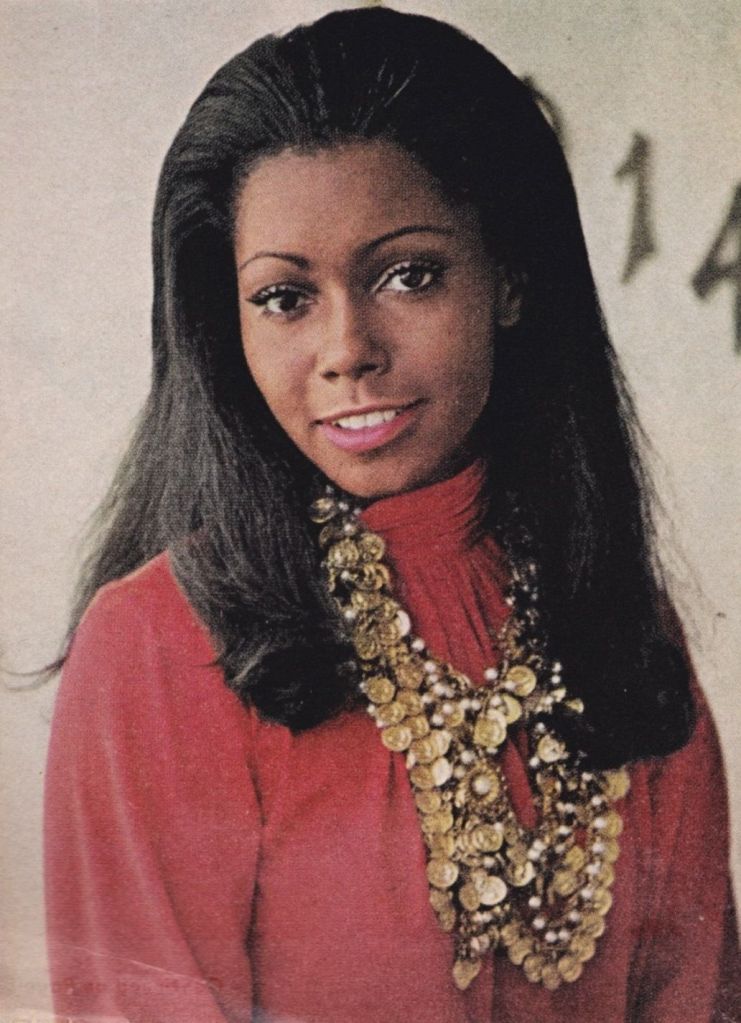
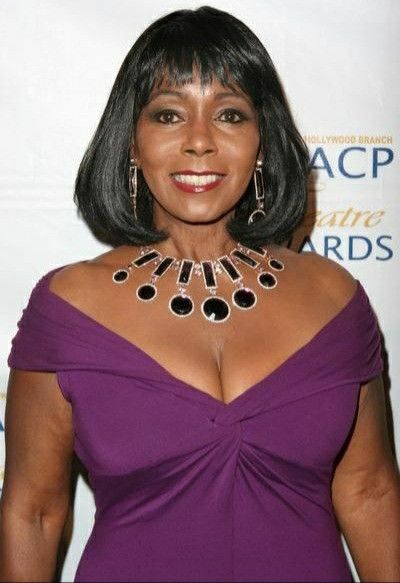
The Ebony Dolls: Judy Pace

The Black Barbie

This photograph is the property of its owner. No copyright infringement intended.

Judy Pace is an American actress and model whose beauty, talent, and groundbreaking presence helped reshape Hollywood’s portrayal of Black women during the 1960s and 1970s. Born Judy Lenteen Pace on June 15, 1942, in Los Angeles, California, she emerged at a time when opportunities for dark-skinned Black actresses were limited, yet she transcended barriers with elegance and strength. She was not simply a performer; she became a symbol of refined Black beauty during an era of cultural transformation.

Raised in Los Angeles, Pace grew up in a creative and supportive household. Her father worked as an airplane mechanic and her mother was a dressmaker. She attended Los Angeles City College, where she studied sociology before transitioning into modeling. Her entry into the entertainment industry came through fashion, and she quickly distinguished herself as the youngest model to participate in the prestigious Ebony Fashion Fair. That platform placed her before national audiences and positioned her as a rising figure in Black fashion and media.

This photograph/article is the property of its respective owner.

Her modeling success opened the door to film. She made her screen debut in 1963 in 13 Frightened Girls, marking the beginning of a steady acting career. However, her true breakthrough came in 1968 when she joined the cast of the television drama Peyton Place, becoming the first Black female villainess in American prime-time television history. This role was culturally significant; it disrupted the narrow stereotypes assigned to Black women and introduced complexity and intrigue to their representation onscreen.

This photograph is the property of its owner. No copyright infringement intended.

Pace continued her television success with a starring role in The Young Lawyers from 1969 to 1971. Her performance earned her the NAACP Image Award for Outstanding Actress in a Drama Series in 1970, affirming both her talent and her cultural impact. Throughout the 1970s, she appeared in numerous popular television shows, including Batman, Bewitched, I Dream of Jeannie, Sanford and Son, and Good Times. Her film credits include Three in the Attic and Cotton Comes to Harlem, further solidifying her versatility across genres.

This photograph is the property of its respective owner.

Beyond her acting, Judy Pace was widely celebrated for her striking appearance. Her dark chocolate complexion, luminous skin, and expressive eyes captivated photographers and audiences alike. During a period when colorism often privileged lighter complexions, she stood unapologetically as a dark-skinned beauty icon. Industry publications described her as one of the most beautiful women to appear on screen. She was affectionately referred to as “The Black Barbie” and “The Black Babydoll,” titles that reflected both admiration and her doll-like elegance.

Her beauty, however, was never detached from intellect or poise. Pace represented a refined femininity that balanced strength with softness. She carried herself with composure and confidence, embodying the spirit of the “Black is Beautiful” movement that was redefining aesthetic standards in America. In this sense, she became more than a glamorous figure; she became a cultural affirmation.

This photograph is the property of its owner. No copyright infringement intended.

In her personal life, she married actor Don Mitchell in 1972. The couple had two daughters, including actress Julia Pace Mitchell. After their divorce in 1984, Pace later married baseball legend Curt Flood in 1986. Flood was a pivotal figure in Major League Baseball’s fight for free agency, and their union linked two pioneering spirits—one in sports justice and the other in entertainment representation. They remained married until Flood’s passing in 1997.

Judy Pace’s lineage reflects African American heritage rooted in Los Angeles, and her life represents the postwar generation of Black Americans who navigated integration, civil rights transformation, and evolving media landscapes. Her career unfolded during a critical historical moment when Black visibility in Hollywood was expanding but still constrained. She stepped into that space with confidence and sophistication.

Why is she a great “Ebony Doll”? Because she embodied grace under pressure. She broke barriers without loud proclamations, simply by being excellent. She proved that dark-skinned Black women could be leading ladies, complex characters, and national beauty icons. She expanded what America saw when it looked at Black womanhood.

This photograph is the property of its respective owner.

Judy Pace is elegant. She is a representation. She is cinematic history. She is the quiet revolution of beauty and talent walking through Hollywood’s doors when they were only slightly open.


References

BlackPast.org. (n.d.). Judy Lenteen Pace (1942– ).
IMDb. (n.d.). Judy Pace – Biography.
NAACP Image Awards archives. (1970). Outstanding Actress in a Drama Series.
Wikipedia contributors. (n.d.). Judy Pace.
Wikipedia contributors. (n.d.). Julia Pace Mitchell.
Wikipedia contributors. (n.d.). Curt Flood.

The Black Male Gaze in this Color Biased Culture.

Why do Most black men prefer light skin.

This photograph is the property of its respective owner. No copyright infringement intended.

Beauty has never been purely personal; it is mediated through social, cultural, and historical forces. One of the most insidious influences is the male gaze, a term coined by Laura Mulvey (1975) to describe the way visual culture positions women as objects of male desire. In contemporary society, this gaze intersects with racial bias, creating a hierarchy in which lighter-skinned women are often perceived as more desirable.

This preference for light skin among men, particularly in African-descended communities, is not incidental but rooted in colonial histories. During slavery and colonization, lighter skin became associated with privilege, proximity to whiteness, and access to social mobility, while darker skin was stigmatized as inferior (Hunter, 2007). These historical hierarchies persist, shaping contemporary attraction and desirability standards.

The media has played a central role in perpetuating these biases. Advertising, television, and film often celebrate lighter-skinned women as the epitome of beauty, while darker-skinned women are underrepresented or stereotyped. This visibility bias reinforces the notion that lighter skin equals social value, intelligence, and romantic desirability (Banks, 2019).

Psychologically, men are not immune to cultural conditioning. Social learning theory suggests that people internalize the norms and preferences prevalent in their society (Bandura, 1977). Consequently, men may be unconsciously influenced by media representations, familial attitudes, and peer reinforcement that favor light-skinned women, even when their personal values suggest otherwise.

Eurocentric beauty ideals—straight hair, narrow noses, and lighter skin—also inform this bias. These standards were historically imposed on colonized populations to assert racial hierarchy and maintain power structures (Painter, 2010). The association of these traits with superiority has trickled down through generations, subtly influencing what men perceive as attractive.

Colorism, the preferential treatment of lighter-skinned individuals within the same racial group, magnifies these effects. Research shows that lighter-skinned women often receive more attention, admiration, and social opportunities than their darker-skinned peers (Hunter, 2011). This preferential treatment extends into romantic attraction, where light skin can be erroneously equated with status, beauty, and compatibility.

The male gaze is also reinforced through social and economic factors. Historically, lighter-skinned women were more likely to receive education, employment, and upward mobility. Men seeking partners with social advantage may unconsciously associate lighter skin with access to resources, subtly biasing their attraction (Jones, 2018).

Psychological studies further reveal that men are drawn to features culturally associated with femininity and delicacy—traits that Eurocentric standards have historically emphasized in light-skinned women. Fuller lips, wider noses, and darker skin, common among darker-skinned women, have been unjustly coded as less “feminine” under these biased frameworks (Frisby, 2004).

Social media exacerbates these preferences. Platforms like Instagram and TikTok algorithmically amplify images conforming to mainstream beauty norms, often favoring lighter skin tones. This constant exposure normalizes light-skinned beauty as aspirational, subtly shaping male desire through repetitive visual reinforcement (Thompson, 2020).

Family and community dynamics also contribute to internalized preferences. Boys growing up in communities where lighter skin is praised and darker skin is stigmatized often adopt these hierarchies as standards of desirability. These learned biases are rarely questioned, becoming a “default” lens through which men view romantic partners.

The male gaze, therefore, is both a cultural and psychological phenomenon. It is not inherently malicious but is shaped by centuries of systemic preference and visual conditioning. Men’s attraction to light-skinned women is frequently a reflection of societal pressures rather than purely personal choice.

Intersectionality complicates this phenomenon. Light-skinned women may still face gender-based oppression, but their skin tone can provide a form of privilege in romantic and social contexts. Darker-skinned women, conversely, navigate compounded biases related to both gender and skin tone, often facing marginalization in attractiveness hierarchies (Hunter, 2007).

Critically, attraction is not static or universal. Many men consciously reject colorist ideals and appreciate beauty across the spectrum. Nevertheless, the persistence of systemic preferences indicates that bias culture exerts a subtle but powerful influence on collective notions of desirability.

Education and awareness are crucial in dismantling these biases. By understanding the historical and cultural roots of colorism and the male gaze, individuals can critically examine their preferences and challenge unconscious assumptions (Banks, 2019). Media literacy programs and representation initiatives can also mitigate the impact of visual conditioning.

Empowerment movements that celebrate darker-skinned women challenge these entrenched standards. Campaigns such as #UnfairAndLovely and #DarkIsBeautiful reframe beauty narratives, highlighting the elegance, strength, and desirability of women across the melanin spectrum (Thompson, 2020).

Men can actively participate in redefining attraction by consciously expanding their notions of beauty. Recognizing that societal conditioning may shape desire allows for more authentic, inclusive, and equitable standards of love and partnership.

The male gaze is intertwined with social validation. Men may be influenced by the admiration or approval of peers when selecting romantic partners, reinforcing a preference for light-skinned women. This social feedback loop perpetuates a biased culture, even among men who intellectually reject colorist standards.

Historical fetishization of light skin also informs contemporary patterns of desire. Colonizers idealized lighter-skinned women and often sexually exploited them, creating long-lasting cultural associations between desirability, access, and skin tone (Painter, 2010). These legacies subtly influence male perceptions of attractiveness today.

It is important to differentiate between attraction and objectification. Valuing light skin without addressing its historical baggage perpetuates superficiality and ignores the richness of cultural diversity. True appreciation of beauty requires acknowledging history while celebrating the full spectrum of features in Black communities.

In conclusion, the preference for light-skinned women among many men is not merely personal but deeply rooted in colonial history, media representation, and social conditioning. The male gaze, compounded by biased culture, has historically valorized Eurocentric features, shaping romantic desire in ways that reinforce systemic hierarchies. Addressing these biases requires conscious reflection, cultural critique, and the celebration of beauty in all its diverse expressions.

References

  • Bandura, A. (1977). Social learning theory. Prentice Hall.
  • Banks, I. (2019). Hair matters: Beauty, power, and Black women’s identity. NYU Press.
  • Frisby, C. M. (2004). Beauty, body image, and the media. Routledge.
  • Hunter, M. L. (2007). The persistent problem of colorism: Skin tone, status, and inequality. Sociology Compass, 1(1), 237–254.
  • Hunter, M. L. (2011). Race, gender, and the politics of skin tone. Routledge.
  • Jones, A. (2018). Colorism and psychological effects in youth. Journal of Black Psychology, 44(2), 123–145.
  • Mulvey, L. (1975). Visual pleasure and narrative cinema. Screen, 16(3), 6–18.
  • Painter, N. I. (2010). The history of White people. W. W. Norton & Company.
  • Thompson, C. (2020). Afrocentric beauty and social media activism. Cultural Studies Review, 26(3), 55–74.

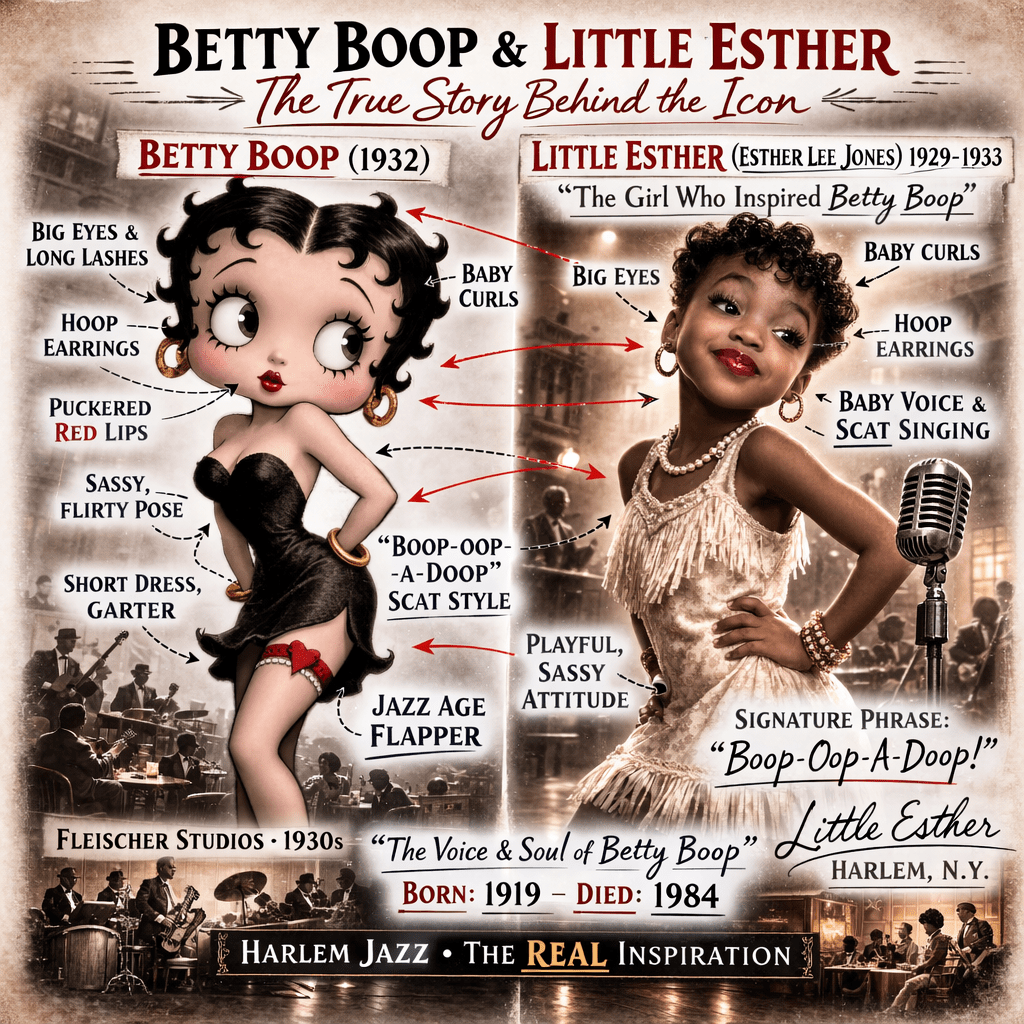
Betty Boop: The Hidden Black Roots Behind an American Icon.

Betty Boop is widely remembered as one of the most recognizable animated characters in American history—flirtatious, wide-eyed, baby-voiced, and emblematic of the Jazz Age. Created during the Great Depression, she became a cultural symbol of femininity, modernity, and rebellion. Yet beneath the animated glamour lies a layered and contested origin story that intersects with race, music, and the appropriation of Black artistry in early American entertainment.

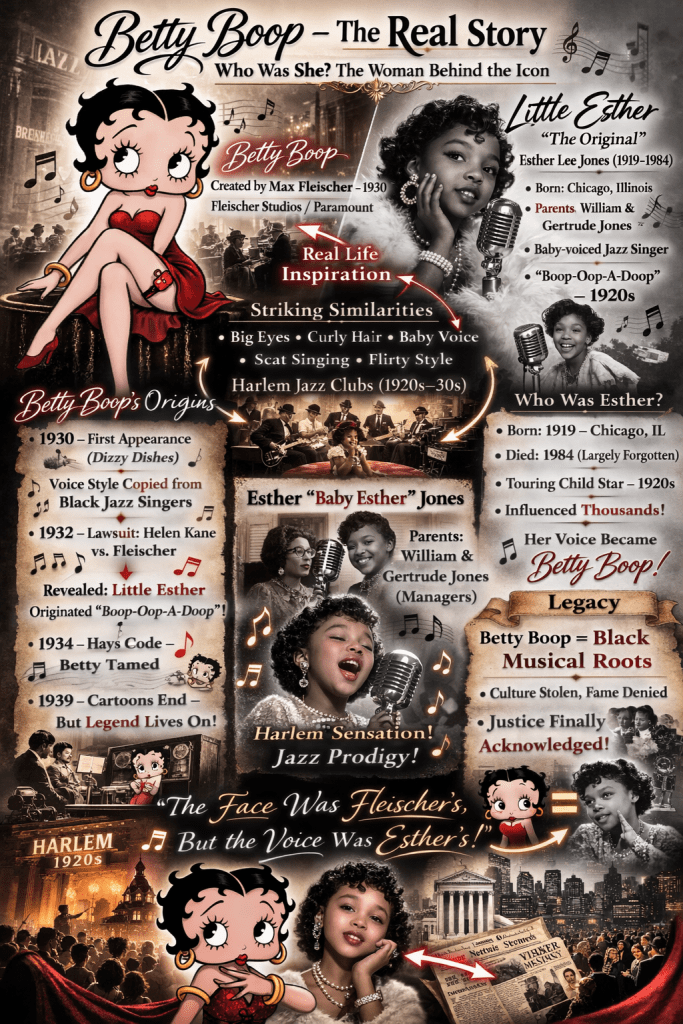
Betty Boop was created by animator Max Fleischer and introduced in 1930 through Fleischer Studios. Her first appearance was in the cartoon Dizzy Dishes, part of the Talkartoons series distributed by Paramount Pictures. Initially, Betty was not even human; she debuted as an anthropomorphic French poodle performing in a nightclub. Over time, her floppy ears were transformed into hoop earrings, and her canine features softened into the human flapper figure audiences recognize today.

The early 1930s were a time when jazz reigned supreme, and animated shorts often borrowed heavily from live musical performances. Fleischer Studios regularly featured jazz musicians and nightclub aesthetics. Betty’s exaggerated baby voice, rhythmic phrasing, and scat-style singing were not accidental inventions but reflections of popular Black musical traditions that had been captivating audiences nationwide.

Central to Betty Boop’s origin story is the Black child performer known as Little Esther Phillips, born Esther Lee Jones in Chicago. Known professionally as “Baby Esther” or “Little Esther,” she rose to fame in the late 1920s. Managed by her parents, William and Gertrude Jones, she performed in Harlem nightclubs and toured nationally. Her act included a distinctive baby-voiced scat style filled with sounds like “Boop-oop-a-doop,” a phrase that would later become Betty Boop’s signature catchphrase.

Esther was a prodigy who captivated audiences in venues across New York City, particularly during the height of the Harlem Renaissance. Her performances were known for their playful vocal improvisations, expressive facial gestures, and rhythmic phrasing. Contemporary reports describe her as electrifying, charming, and musically advanced beyond her years.

In 1932, a lawsuit brought national attention to Esther’s connection to Betty Boop. Helen Kane, a white singer famous for her 1928 hit “I Wanna Be Loved by You,” sued Fleischer Studios for allegedly stealing her “boop-boop-a-doop” style for Betty Boop. Kane claimed the animated character was an unauthorized caricature of her persona.

During the trial, however, evidence was introduced showing that Helen Kane herself had borrowed the vocal style from Little Esther. Film footage was presented of Esther performing her baby-voiced scat years before Kane adopted the style. The court ultimately ruled against Kane, concluding that the baby-voice technique was not original to her and therefore could not be exclusively claimed.

This lawsuit, though unsuccessful for Kane, revealed a broader pattern of racial borrowing in American entertainment. Black performers often originated musical styles that were later popularized by white entertainers who received greater financial rewards and national recognition. Betty Boop’s voice and persona thus sit at the crossroads of Black innovation and white commercial adaptation.

Betty Boop herself evolved rapidly. By 1932, she became the first female animated character to star in her own cartoon series. She embodied the flapper archetype—short dress, garter, high heels, and a coquettish demeanor. In many ways, she reflected the liberated woman of the Roaring Twenties, challenging Victorian modesty with playful sensuality.

However, with the enforcement of the Hays Code in 1934, Betty’s overt sexuality was toned down. Her hemlines were lowered, her garter removed, and her storylines became more domestic. This shift marked not only a moral tightening in Hollywood but also a decline in Betty’s rebellious jazz-era spirit.

Meanwhile, Little Esther’s career faced its own challenges. As she matured, the novelty of her childlike voice faded in the eyes of mainstream promoters. Despite her talent, she did not receive the same long-term commercial success as the animated character inspired by her style. Her later life remains less documented than her early performances, reflecting the historical marginalization of many Black entertainers of that era.

The question “Was Esther Betty Boop?” is complex. Legally, Betty Boop was not officially based on Esther. The court did not credit her as the direct inspiration. Yet culturally and musically, the similarities are striking. Esther’s scat syllables, vocal tone, and rhythmic delivery predated both Helen Kane and Betty Boop’s animated persona.

Betty Boop was often compared to the flapper girls of the Jazz Age—bold, urban, and flirtatious. Yet her voice carried the imprint of Harlem’s jazz clubs. The aesthetics of early animation borrowed liberally from Black musical spaces while rarely acknowledging their origins.

Max Fleischer himself was an innovator in animation, pioneering techniques like rotoscoping. Yet like many creators of his time, he operated within an entertainment industry shaped by racial hierarchies. Whether consciously or not, Fleischer Studios benefited from cultural forms birthed in Black communities.

Betty Boop’s popularity soared throughout the 1930s. She appeared in more than 90 cartoons and became a merchandising phenomenon. Dolls, comic strips, and advertisements cemented her as a household name. She remains one of the most enduring animated icons in American pop culture.

Esther Lee Jones, by contrast, did not enjoy such immortality. Her contributions were largely overshadowed in mainstream history. Only in recent decades have scholars and cultural critics revisited the 1932 lawsuit to reconsider her influence on American animation and popular music.

Betty Boop as a character never “died” in the conventional sense; her cartoon series ended in 1939, but she was revived through syndication and nostalgic merchandising. She remains a symbol of retro Americana, appearing on clothing, collectibles, and themed events worldwide.

Little Esther’s death date is less clearly documented in popular historical sources, which itself reflects how incomplete archival records can be for Black performers of the early twentieth century. Her story survives primarily through court transcripts, jazz histories, and cultural scholarship examining appropriation in entertainment.

The legacy of Betty Boop is therefore dual-layered. On the surface, she represents animation history and the Jazz Age aesthetic. Beneath that surface lies a deeper narrative about artistic borrowing, race, and the erasure of Black innovators from mainstream credit.

Today, conversations about Betty Boop increasingly acknowledge Little Esther’s role in shaping the vocal style that defined the character. Scholars argue that recognizing Esther does not diminish Betty’s cultural impact but rather enriches the historical record by restoring context.

Betty Boop’s story reminds us that American pop culture is often a tapestry woven from multiple communities, even when only one thread receives the spotlight. To ask who Betty Boop really was is to uncover not just an animated flapper, but a reflection of jazz, Harlem nightlife, racial complexity, and the enduring influence of a gifted Black child performer whose voice echoed far beyond the stage.


References

Bogle, D. (2001). Toms, coons, mulattoes, mammies, and bucks: An interpretive history of Blacks in American films. Continuum.

Fleischer, R. (2005). Out of the inkwell: Max Fleischer and the animation revolution. University Press of Kentucky.

Maltin, L. (1987). Of mice and magic: A history of American animated cartoons. Plume.

Watkins, M. (1998). On the real side: Laughing, lying, and signifying—the underground tradition of African American humor that transformed American culture. Simon & Schuster.

Court decision: Kane v. Fleischer, 299 F. 533 (S.D.N.Y. 1934).

Black History: Tignon Law – When Black Beauty Became a Crime.

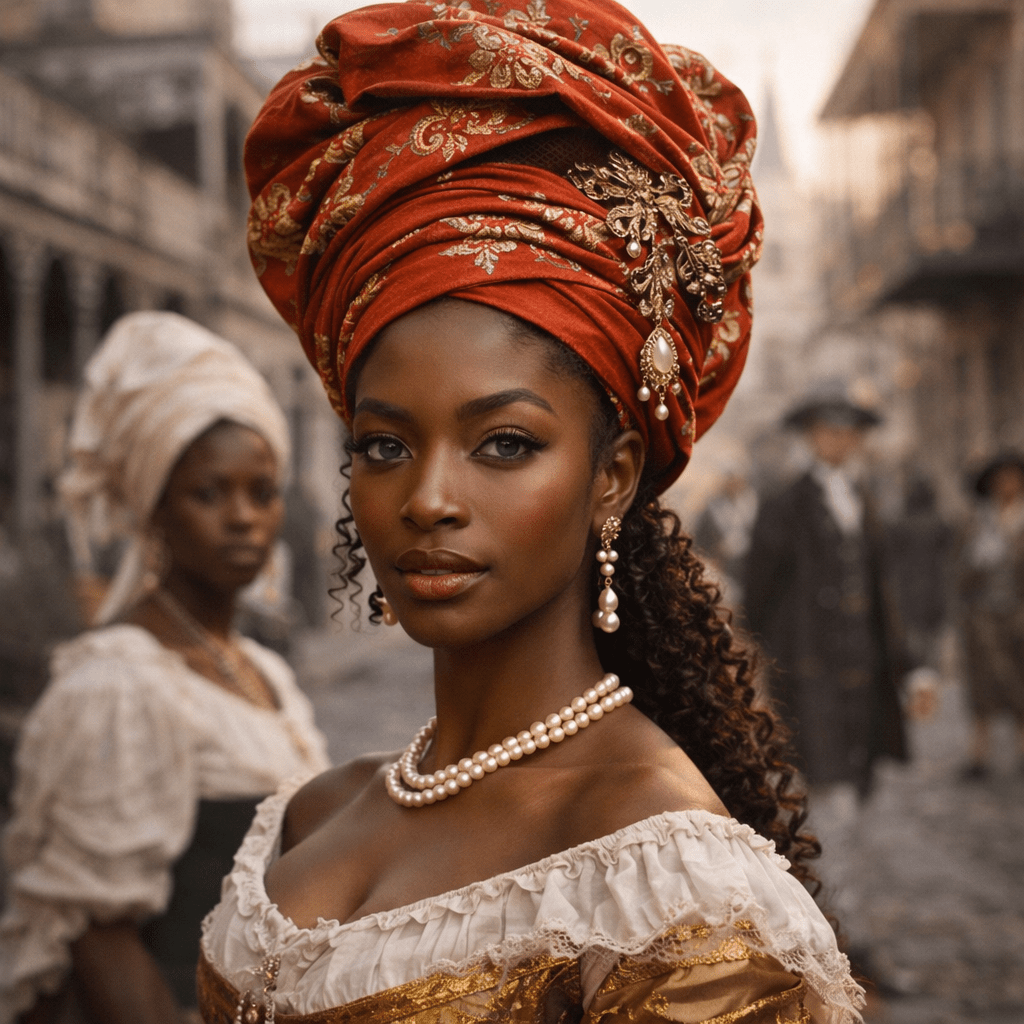
The Tignon Law represents one of the most striking examples of how Black beauty and identity have been policed through legislation. Passed in 1786 in Louisiana, this law required Black women, both free and enslaved, to cover their hair in public with a tignon, a type of headscarf. The law was ostensibly aimed at curbing the allure of Black women, reflecting deep anxieties about race, beauty, and social hierarchy in a colonial society.

The law was enacted during the period of Spanish rule in Louisiana, under the governorship of Esteban Rodríguez Miró. Miró was concerned with the growing social influence of free Black women, particularly the Gens de Couleur Libres, or free women of color, who were achieving economic independence and social prominence. Wealthy and attractive, these women challenged the rigid racial and gender hierarchies of the time.

The Tignon Law was framed as a moral and social regulation. Officials argued that Black women’s natural beauty and fashionable adornments threatened social order and risked attracting attention from white men. By forcing women to cover their hair, the law sought to visibly mark them as subordinate, restricting their ability to express themselves through appearance.

Hair and head wrapping have long been deeply symbolic in African and African diasporic cultures. Hair texture, styles, and adornments signify identity, social status, and cultural heritage. The Tignon Law directly targeted these expressions, attempting to erase visible signs of Black beauty that could empower women socially and economically.

Free Black women in New Orleans were particularly affected. Many were wealthy business owners, property holders, and skilled artisans. Their appearance, including elaborately styled hair and colorful scarves, became symbols of their independence and influence. These displays were seen as threats by a white elite intent on maintaining racial hierarchies.

Despite the law’s oppressive intent, Black women creatively subverted it. They wore tignons in elaborate, colorful, and decorative ways, turning what was intended as a mark of subjugation into a fashion statement. This resistance reflected ingenuity, resilience, and the enduring assertion of beauty and identity under racist constraints.

The law illustrates broader societal anxieties about Black female sexuality and power. White authorities feared that attractive Black women could disrupt social control by challenging assumptions of whiteness as superior and Blackness as subordinate. The Tignon Law is a vivid example of how systemic racism extends beyond economics and politics into the policing of appearance and cultural expression.

The Tignon Law was not only about controlling hair—it was about controlling the body and autonomy of Black women. By regulating visibility and beauty, colonial authorities sought to communicate that Black women could not assert power through self-presentation, wealth, or social influence.

Economic success among free Black women further intensified white anxieties. Many were entrepreneurs, running boarding houses, laundries, or small shops. Their wealth and social presence contradicted prevailing stereotypes of Black women as powerless or submissive, prompting legislative efforts to suppress this visibility.

The law also had implications for enslaved women. While their labor was exploited, enslaved women who displayed beauty or elegance could be accused of seduction or insolence. Hair covering laws reinforced a racialized hierarchy that sought to render all Black women invisible, modest, and socially subordinate.

Head wrapping itself carries a long history in African culture, signaling marital status, social rank, or spiritual devotion. The tignon, while imposed by colonial authorities, was adopted and transformed by Black women into an assertion of cultural pride and defiance.

Racist views underpinning the Tignon Law reflect broader European ideologies that sought to contain Black identity and sexuality. Beauty was racialized as threatening, with Black women punished for attractiveness and personal style in ways that white women were never subjected to.

Despite legal restrictions, Black women used the tignon to communicate status, creativity, and elegance. Some tied elaborate knots, layered multiple scarves, and adorned them with jewels or lace. Their adaptation of the law demonstrates the power of cultural expression to resist oppression.

The Tignon Law also highlights intersections of race, gender, and law. Unlike men, whose economic success might be tolerated or co-opted, Black women’s appearance and autonomy were policed as a threat to social order, revealing gendered dimensions of racial control.

Cultural historians argue that the Tignon Law had unintended consequences. By attempting to suppress Black beauty, it fostered a unique fashion aesthetic that blended African heritage with European influences, influencing Caribbean and American styles for generations.

The law remained in effect throughout the late 18th century, though enforcement was inconsistent. Black women’s ingenuity rendered the law largely symbolic, showing that social power can be expressed through appearance even under legal constraints.

The Tignon Law is a precursor to later codes and social norms that restricted Black women’s hair, such as school bans on natural hairstyles or corporate appearance policies. These contemporary issues echo the same underlying anxieties about Black beauty, professionalism, and visibility.

Understanding the Tignon Law is critical for appreciating the ways Black women have historically resisted aesthetic policing. It highlights their creativity, resilience, and ability to claim beauty as a form of power, even in the face of systemic oppression.

The law also reminds modern audiences that beauty is not superficial—it is political. Black women’s choices regarding hair, adornment, and style have long been sites of resistance, negotiation, and cultural affirmation.

Ultimately, the Tignon Law exemplifies the intersection of race, gender, law, and aesthetics. It serves as a testament to the enduring struggle of Black women to define their identity, assert autonomy, and transform imposed limitations into symbols of pride and cultural resilience.


References

Miller, M. (2017). Wrapped in Pride: African American Women and Head Coverings. University of North Carolina Press.

Foster, T. (2013). The Tignon Law: Policing Black Female Beauty in Colonial Louisiana. Journal of Southern History, 79(2), 287–310.

Reed, A. (2005). The Black Past: New Orleans Free Women of Color and the Tignon Law. African American Review, 39(4), 601–618.

Giddings, P. (1984). When and Where I Enter: The Impact of Black Women on Race and Sex in America. HarperCollins.

Hall, K. (1992). Hair as Power: Cultural Identity and Resistance in African American History. Journal of American History, 79(3), 921–939.

Dominguez, V. (2008). Colonial Laws and Racial Control in Spanish Louisiana. Louisiana Historical Quarterly, 91(1), 45–72.

Scott, R. (2006). Beauty and Subversion: The Politics of Black Female Appearance. Feminist Studies, 32(1), 87–112.

Black History: Ebony, Jet, Negro Digest, Ebony Fashion Fair & Fashion Fair Cosmetics.

Building the Black Standard of Beauty, Intelligence, and Power.

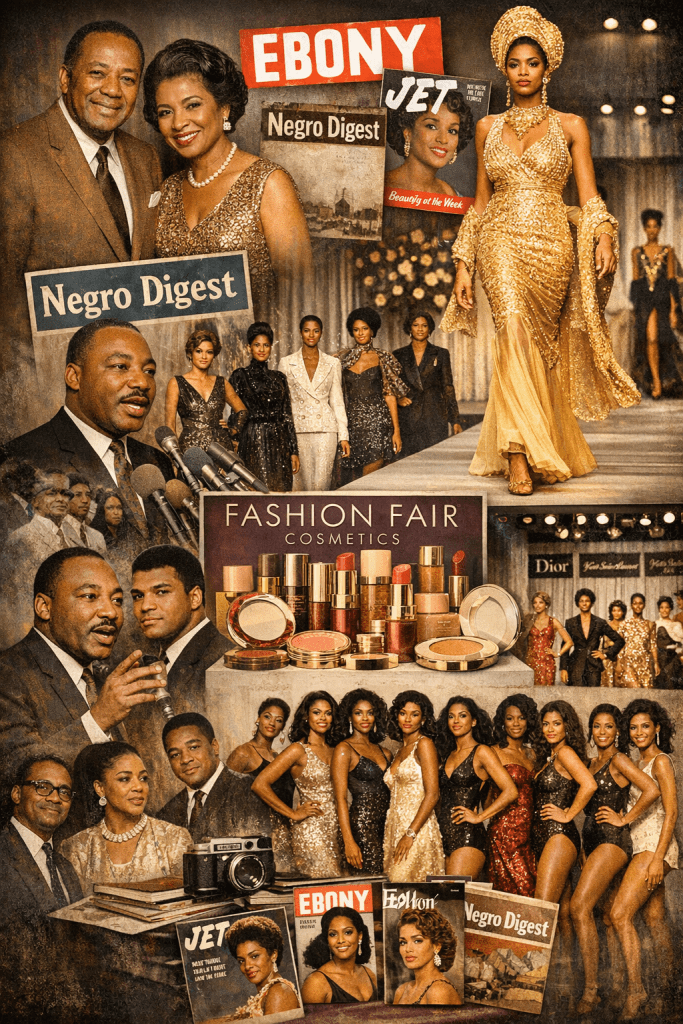
The story of Ebony, Jet, Negro Digest, Ebony Fashion Fair, and Fashion Fair Cosmetics represents one of the most important cultural revolutions in Black history. These institutions did far more than publish magazines or sell beauty products; they created a complete Black world—one in which Black people could finally see themselves reflected with dignity, intelligence, luxury, and divine beauty. At a time when American society systematically erased or distorted Black identity, this media and beauty empire boldly declared that Black people were not inferior, invisible, or marginal, but central to history, culture, and global excellence.

This revolutionary movement was founded by John H. Johnson, one of the most influential Black businessmen and publishers in American history. Born in 1918 in Arkansas and raised in Chicago, Johnson understood that representation was not simply about images, but about psychological power. In 1942, he launched the Johnson Publishing Company, which would grow into the largest Black-owned publishing company in the world. Johnson believed that Black people needed more than civil rights; they needed cultural authority, self-definition, and platforms that affirmed their humanity.

Standing alongside him was his wife, Eunice Johnson, a visionary entrepreneur, fashion editor, and cultural architect. Eunice Johnson was not merely a supportive spouse—she was the creative engine behind the Black beauty and fashion revolution. As the fashion director of Ebony, she reshaped how Black women were represented in style, luxury, and global elegance. Together, the Johnsons did something unprecedented in American history: they created a complete Black cultural mirror, one that allowed Black people to see themselves not through the distorted lens of racism, but through their own truth.

Founded in 1945, Ebony was created as the Black answer to Life magazine. Its mission was simple yet radical—to portray Black people as successful, educated, cultured, and aspirational. Ebony featured Black doctors, lawyers, professors, entrepreneurs, and political leaders. It showcased Black families, marriages, homes, and generational wealth. It highlighted African royalty, global Black leadership, and diasporic excellence. At a time when mainstream media associated Blackness with poverty, crime, and pathology, Ebony unapologetically presented Black affluence, Black intellect, and Black dignity. The magazine created what can be described as a visual theology of Black excellence, teaching Black people that they belonged in luxury, history, and greatness.

In 1951, Johnson expanded this vision with the launch of Jet, known as The Weekly Negro News Digest. Smaller in size but massive in cultural impact, Jet became the visual pulse of Black America. It documented the Civil Rights Movement in real time, including police brutality, racial violence, and social injustice that mainstream media often ignored. It also celebrated everyday Black life—weddings, graduations, church events, and community milestones—proving that Black life was worthy of documentation and historical memory.

One of Jet’s most powerful contributions was its iconic “Beauty of the Week” feature. This single section revolutionized global beauty standards by consistently centering Black women of every complexion, body type, and background. Dark-skinned women, light-skinned women, natural hair, Afro-textured beauty—Jet made visible what the world had erased. Long before diversity became a marketing trend, Jet declared that Black women were not exceptions to beauty, but the standard of beauty itself.

Before Ebony and Jet, Johnson also launched Negro Digest, later renamed Black World. This publication became the intellectual backbone of Black consciousness in America. Negro Digest published Black scholars, historians, theologians, and political thinkers who addressed African history, racism, colonialism, Pan-Africanism, and Black psychology. It served as a philosophical and political platform during the rise of Black Power and global liberation movements. Through Negro Digest, Johnson proved that Black media was not only aesthetic, but deeply intellectual and revolutionary—it nurtured the Black mind.

Across all these platforms, a single unspoken message echoed powerfully: “Look at Black people.” Not as slaves. Not as criminals. Not as stereotypes. But as stylish, educated, intelligent, wealthy, cultured, and global. These publications functioned as psychological counter-propaganda to white supremacy. They repaired centuries of racial misrepresentation by producing positive Black mirrors. They did not simply inform Black audiences; they healed identity and reprogrammed self-perception.

One of the most extraordinary extensions of this cultural revolution was the creation of the Ebony Fashion Fair, founded by Eunice Johnson in 1958. The Ebony Fashion Fair was a traveling luxury fashion show that brought Paris haute couture directly into Black communities across America. For the first time in U.S. history, Black women exclusively modeled designs from elite fashion houses such as Dior, Givenchy, and Yves Saint Laurent. At a time when the fashion industry was segregated and excluded Black models, Eunice Johnson forced global fashion to recognize Black women as symbols of elegance, luxury, and high culture. Ebony Fashion Fair transformed churches, auditoriums, and community centers into international runways, allowing Black audiences to see themselves as part of the global elite.

Out of Ebony Fashion Fair emerged one of the most important Black-owned beauty companies in history: Fashion Fair Cosmetics. Founded in 1973 by Eunice Johnson, Fashion Fair became the largest and most successful Black-owned cosmetics brand in the world. It was created because mainstream cosmetic companies refused to make products for darker skin tones. Fashion Fair developed foundations, powders, and lipsticks specifically for Black undertones and deep complexions. It was sold in major department stores such as Macy’s and became the official makeup brand for Black models and professional fashion shows.

For the first time, Black women could walk into luxury retail spaces and find makeup designed for their skin—not approximations of whiteness, but products made with Black beauty in mind. Fashion Fair Cosmetics sent a revolutionary message: Black women did not need to lighten, hide, or dilute their appearance. They were not a niche market. They were the standard.

Together, Ebony, Jet, Negro Digest, Ebony Fashion Fair, and Fashion Fair Cosmetics created the most powerful Black cultural ecosystem in modern history. This empire produced Black news, Black beauty, Black fashion, Black intellect, Black luxury, and Black self-worth. It set global beauty standards, built Black middle-class identity, preserved Black historical memory, created Black celebrity culture, and rewired Black self-esteem.

Ebony: The Black Answer to Life Magazine

Founded in 1945, Ebony was created to showcase Black people the way white magazines showcased white America—successful, educated, aspirational, and human. Ebony featured:

  • Black doctors, lawyers, professors, and CEOs
  • Black families, marriages, and generational wealth
  • African royalty and global Black leaders
  • Black entertainers, scholars, and activists

At a time when Blackness was associated with poverty and pathology, Ebony portrayed Black affluence, Black intellect, and Black excellence. It created the visual theology of the Black middle and upper class.

The unspoken message was radical:
Black people belong in history, luxury, and greatness.


Jet: The Visual Pulse of Black America

Founded in 1951, Jet became the heartbeat of Black America. Known as The Weekly Negro News Digest, Jet documented Black life in real time:

  • Civil Rights Movement coverage
  • Police brutality and racial injustice
  • Black celebrities and athletes
  • Weddings, graduations, and community milestones

One of Jet’s most revolutionary contributions was “Beauty of the Week.” This single feature redefined global beauty standards by consistently centering Black women of all shades, textures, and body types—long before diversity was fashionable.

Dark-skinned women, light-skinned women, natural hair, Afro-textured beauty—Jet said to the world:
Black women are the beauty standard.


Negro Digest: The Black Intellectual Renaissance

Before Ebony and Jet, Johnson launched Negro Digest, later renamed Black World. This magazine became the intellectual backbone of Black consciousness.

It published:

  • Black scholars and theologians
  • African historians and Pan-African thinkers
  • Writers on racism, colonialism, and psychology
  • Political philosophy and liberation theology

Negro Digest proved that Black media was not just visual—it was philosophical, theological, and revolutionary. It nurtured the Black mind.


“Look at Black People”: Reprogramming the Black Image

Across all Johnson platforms, one message echoed loudly:

Look at Black people.

Not as slaves.
Not as criminals.
Not as stereotypes.

But as:

  • Stylish
  • Intelligent
  • Educated
  • Wealthy
  • Global
  • Elegant

This media empire functioned as counter-propaganda to white supremacy. It repaired the psychological damage of racism by showing Black people who they really were.

These publications didn’t just inform—they healed identity.


Ebony Fashion Fair: Black Models, Global Luxury

One of Eunice Johnson’s greatest achievements was the creation of the Ebony Fashion Fair, a traveling luxury fashion show that brought Paris couture directly into Black communities.

For the first time in American history:

  • Black women modeled Dior, Givenchy, and Yves Saint Laurent
  • Black audiences saw luxury on Black bodies
  • Black beauty entered the global elite fashion world

This was revolutionary. In a segregated fashion industry that excluded Black models, Eunice Johnson forced haute couture to recognize Black women as luxury incarnate.

She didn’t just put Black women in fashion—
She placed Black women at the center of global elegance.


Fashion Fair Cosmetics: The Largest Black-Owned Beauty Brand

Out of Ebony Fashion Fair emerged one of the most important Black-owned companies in beauty history: Fashion Fair Cosmetics.

Founded in 1973 by Eunice Johnson, Fashion Fair became the largest and most successful Black-owned cosmetics brand in the world. It was created because mainstream brands refused to make makeup for darker skin tones.

Fashion Fair:

  • Created foundations for deep complexions
  • Produced lipsticks and powders for Black undertones
  • Sold in major department stores like Macy’s
  • Served professional Black models and everyday women

For the first time, Black women could walk into luxury stores and find makeup designed for their skin—not approximations of whiteness.

Fashion Fair Cosmetics told Black women:

You do not need to lighten, hide, or dilute your beauty.
You are the market. You are the standard.


The Greatest Black Media Empire Ever Created

Together, Ebony, Jet, Negro Digest, Ebony Fashion Fair, and Fashion Fair Cosmetics created a complete Black ecosystem:

  • Black news
  • Black beauty
  • Black fashion
  • Black intellect
  • Black luxury
  • Black self-worth

This empire:

  • Set global Black beauty standards
  • Built Black middle-class identity
  • Preserved Black historical memory
  • Created Black celebrity culture
  • Rewired Black self-esteem

These institutions functioned as:

  • Cultural archives
  • Psychological liberation tools
  • Visual theology of Black excellence

John H. Johnson and Eunice Johnson did not just build magazines and makeup brands.
They reprogrammed Black consciousness.

They taught generations of Black people how to see themselves:
Not through white validation.
Not through colonial distortion.
But through Black truth, Black dignity, and Black divine beauty.

These institutions were not merely businesses; they were cultural liberation tools, psychological healing systems, and visual archives of Black greatness. John H. Johnson and Eunice Johnson did not simply build magazines and makeup brands. They built a Black world within a society that tried to erase Black humanity. They taught generations of Black people how to see themselves—not through white validation, colonial distortion, or racist ideology—but through Black truth, Black dignity, and Black divine beauty.

This was not just media.
This was nation-building.

References

Johnson, J. H. (1989). Succeeding against the odds. Warner Books.

Autobiography of John H. Johnson detailing the founding of Johnson Publishing, Ebony, and Jet, including philosophy of Black representation.

Johnson, E. (2003). Ebony fashion fair: 50 years of style. Johnson Publishing Company.

Primary source on the history, mission, and cultural impact of Ebony Fashion Fair, written by Eunice Johnson herself.

Smith, J. L. (2004). Becoming something: The story of Ebony magazine. Northwestern University Press.

Scholarly history of Ebony’s role in shaping Black middle-class identity and visual culture.

Byrd, R. P., & Gates, H. L. Jr. (2009). The Black intellectual tradition. Harvard University Press.

Context for Negro Digest and Black World as intellectual platforms.

Davis, A. Y. (2016). Freedom is a constant struggle: Ferguson, Palestine, and the foundations of a movement. Haymarket Books.

Used for cultural and political framing of Black media as resistance.

Weems, R. E. (1998). Desegregating the dollar: African American consumerism in the twentieth century. New York University Press.

Key academic text on Black-owned businesses, including Johnson Publishing and Fashion Fair Cosmetics.

Walker, S. (2002). Style and status: Selling beauty to African American women, 1920–1975. University Press of Kentucky.

Scholarly source on Black beauty culture and cosmetics history.

Craig, M. L. (2002). Ain’t I a beauty queen? Black women, beauty, and the politics of race. Oxford University Press.

Supports analysis of Jet’s “Beauty of the Week” and Black beauty standards.

Bennett, J. (2015). Being property once myself: Blackness and the end of man. Harvard University Press.

Theoretical grounding for psychological impact of representation.

Hine, D. C., Hine, W. C., & Harrold, S. (2014). The African American odyssey (6th ed.). Pearson.

General Black history reference supporting media, civil rights, and cultural institutions.

National Museum of African American History and Culture. (n.d.). Ebony and Jet magazines collection. Smithsonian Institution.

Archival institutional source confirming historical importance and preservation.

The Brown Girl Chronicle: Truth, Trials, and Triumphs.

Photo by Marcelo Chagas on Pexels.com

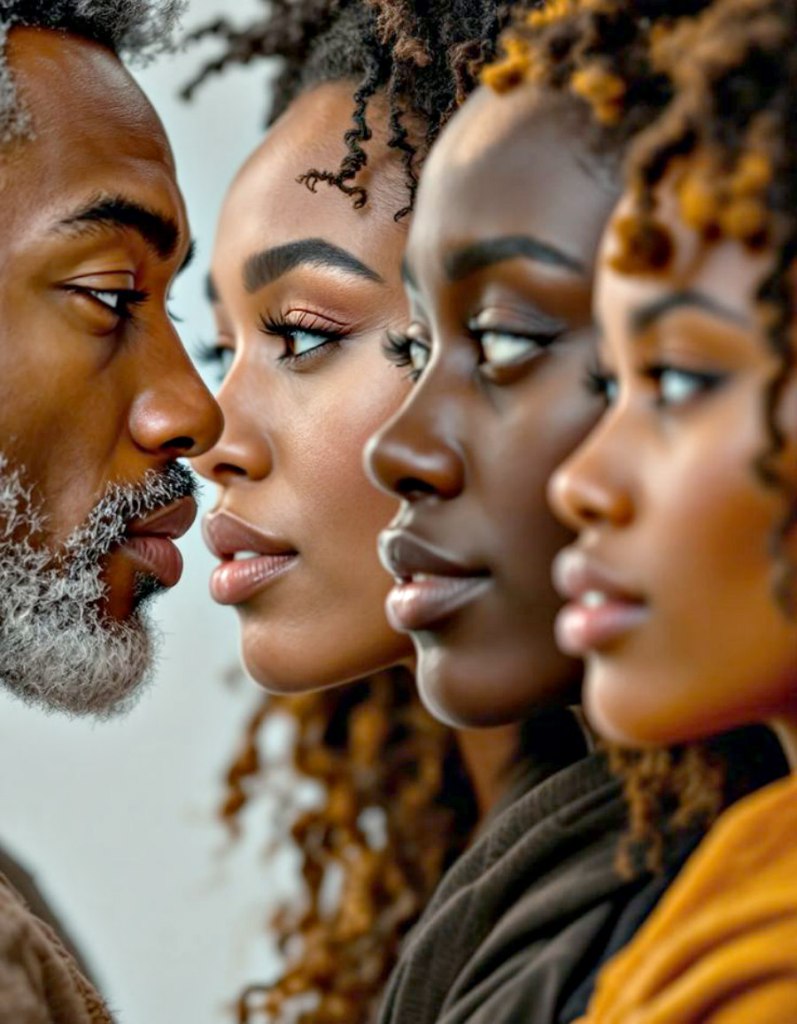
The story of the Brown girl is one of layered resilience—a quiet strength forged in centuries of misunderstanding, marginalization, and misrepresentation. She stands as a symbol of continuity, bearing the weight of her foremothers’ prayers and the echoes of a culture often silenced. Her truth is not simply personal; it is collective, a reflection of generations who fought to be seen in full color in a world that blurred their brilliance into shadows.

For the Brown girl, beauty has always been both a gift and a battlefield. She was told she was too dark to be delicate, too bold to be beautiful, too strong to be loved. Her complexion became an unspoken social script, assigning her a role that rarely mirrored her reality. From childhood, she learned to navigate the politics of shade—how a few tones lighter could mean acceptance, opportunity, or desirability. This unrelenting calculus of complexion carved scars invisible to the eye but deeply etched in her psyche.

Colorism became a cruel whisper passed down through family lines, often masked as advice or preference. “Stay out of the sun,” some would say, or “you’re pretty for a dark girl.” These words, though softly spoken, carried centuries of colonial distortion that equated light with purity and darkness with inferiority. Yet, beneath this imposed hierarchy, the Brown girl began to unlearn. Her awakening was gradual but powerful—she came to realize that her melanin was not a mark of shame but of divine craftsmanship.

Historically, the Brown girl has been the cornerstone of her community yet seldom its celebrated image. In the fields, in the factories, in the fight for civil rights, her labor built nations while her name remained unsung. Her trials were both economic and emotional, shaped by a system that exploited her body, dismissed her intellect, and commodified her image. Despite these wounds, she rose with the quiet defiance of survival—a survival that redefined what it means to be beautiful and whole.

In modern society, the Brown girl’s narrative continues to evolve amid shifting ideals of representation. The rise of social media has given her a stage, yet also a mirror that reflects society’s unfinished biases. The filters and edits of digital beauty reinforce old hierarchies under new guises. But she is fighting back—with every unfiltered photo, every natural curl, every unapologetic post declaring, “I am enough.” Her voice, once dismissed, now echoes across screens and spaces, demanding to be heard on her own terms.

The trials of the Brown girl are deeply intertwined with the psychological legacies of slavery and colonialism. These systems not only exploited her ancestors’ labor but sought to fracture their sense of self. Through generations, trauma was internalized, manifesting as self-doubt and color bias. Yet, within this pain lies the possibility of transformation—a re-rooting of identity grounded in historical truth and ancestral pride. Healing, for her, is not forgetting but remembering differently.

To speak of her truth is to acknowledge the contradictions she lives with: praised for her strength yet denied tenderness, admired for her resilience yet rarely protected. The world expects her to be unbreakable, but inside, she yearns for softness—the kind that affirms she doesn’t have to always be the strong one. Her triumphs are not always loud; sometimes, they are found in the quiet decision to love herself in a world that profits from her insecurities.

In her career, the Brown girl must work twice as hard for half the recognition. Her tone and texture often determine how she is perceived before her talent is even seen. This intersection of racism, colorism, and lookism shapes not just her professional journey but her emotional health. Yet she persists, embodying excellence in spaces not built for her. Each promotion, each degree, each creative expression is an act of reclamation—a rewriting of history in her favor.

Her trials also find expression in love. Romantic rejection often carries the residue of societal bias, where lighter skin is still coded as more desirable. She learns early that beauty is political, and affection is filtered through centuries of conditioning. Still, she does not surrender to bitterness. Her love becomes revolutionary—rooted in self-acceptance, radiating confidence, and defying the colonial gaze that once defined her worth.

Spiritually, the Brown girl’s journey mirrors the biblical archetypes of endurance and faith. Like Hagar in the wilderness, she has been cast aside yet still seen by God. Her melanin is not merely biological—it is theological. It connects her to the dust from which humanity was formed, to the warmth of the African sun, to the divine imprint of creation itself. In embracing her hue, she honors the Creator who called all things “good.”

Culturally, she represents the heart of the diaspora. Her music, her dance, her language, and her laughter carry fragments of Africa’s rhythm and the Americas’ resilience. Every hairstyle, every garment, every prayer whispered in pain or joy becomes a piece of resistance art. Through her cultural expression, she not only survives but teaches the world what beauty born of struggle looks like.

Her triumphs are not defined by fame or validation but by freedom—the freedom to exist without apology. To wear her natural hair at work without judgment. To be chosen in films, books, and art not as the sidekick or the suffering figure, but as the centerpiece. To see little girls who look like her represented on screens and in classrooms, learning early that brown is not a burden but a blessing.

The Brown girl’s chronicle is one of duality: both fragile and formidable, silenced and outspoken, ordinary and extraordinary. She embodies the tension between societal perception and self-realization. Her story disrupts stereotypes and reclaims narratives long distorted by white supremacy and patriarchy. In her voice lies the testimony of countless others who refused to fade.

Her truth is not a monolith. Brown girls come in a spectrum of shades, shapes, and stories. Some grew up in privilege, others in poverty. Some found affirmation early; others are still searching. Yet all share an unspoken understanding—that their color carries history, pain, and possibility. Together, they form a living archive of endurance and evolution.

Her trials have taught her empathy. She sees through the illusions of beauty standards and the fragility of external validation. Her compassion extends even to those who once looked down upon her, for she understands that their prejudice is learned, not innate. In this way, she rises above bitterness, embodying grace even when the world offers none.

Each triumph, no matter how small, is monumental. The Brown girl who walks into a boardroom wearing her afro is reclaiming space. The one who publishes her poetry, paints her truth, or raises her children with love untouched by shame—each is a monument of healing. Her triumphs are living testimonies of survival transfigured into power.

Psychologically, her evolution represents a return to wholeness. She learns to detach her worth from European beauty ideals and anchor it in self-knowledge. She redefines beauty as authenticity, not conformity. Her confidence becomes contagious, inspiring others to do the same. The mirror, once her enemy, becomes her altar of affirmation.

The Brown girl’s chronicle is also a historical record. It speaks to how media, colonialism, and capitalism have commodified color. From bleaching creams to casting biases, her image has been shaped by profit rather than truth. But as she tells her story, she dismantles those systems one confession at a time.

Her truth is sacred. It reminds us that melanin is not a curse to overcome but a covenant to honor. Her existence itself challenges the lie that whiteness is the measure of beauty or worth. By simply being, she redefines the human aesthetic and restores balance to a world distorted by artificial hierarchies.

Her trials teach endurance, but her triumphs teach transcendence. The Brown girl does not just survive oppression—she transforms it into art, advocacy, and an anthem of hope. Her laughter in the face of pain becomes prophecy. Her joy is resistance. Her beauty, reclaimed and radiant, is her final rebellion.

And so, the chronicle continues—written in her own words, in her own time, in her own tone. She speaks not just for herself but for generations of women who bore silence like armor. Her truth, once hidden, now burns with the brilliance of her skin under the sun. Her trials shaped her, but her triumphs define her. She is the Brown girl, and she is finally free.

References

Banks, T. A. (2019). Colorism and the politics of beauty. Journal of Black Studies, 50(3), 243–261.
Hill, M. (2021). The psychology of colorism: Identity, bias, and belonging. American Journal of Cultural Psychology, 12(4), 411–430.
Hunter, M. (2007). The persistent problem of colorism: Skin tone, status, and inequality. Sociology Compass, 1(1), 237–254.
Russell, K., Wilson, M., & Hall, R. (2013). The color complex: The politics of skin color in a new millennium. Anchor Books.
Walker-Barnes, C. (2020). Too heavy a yoke: Black women and the burden of strength. Cascade Books.
West, C. (1993). Race matters. Beacon Press.