
Tag Archives: beauty standard

Pretty Privilege Series: Undoing the Light Trap — Love, Liberation, and Color Truths.

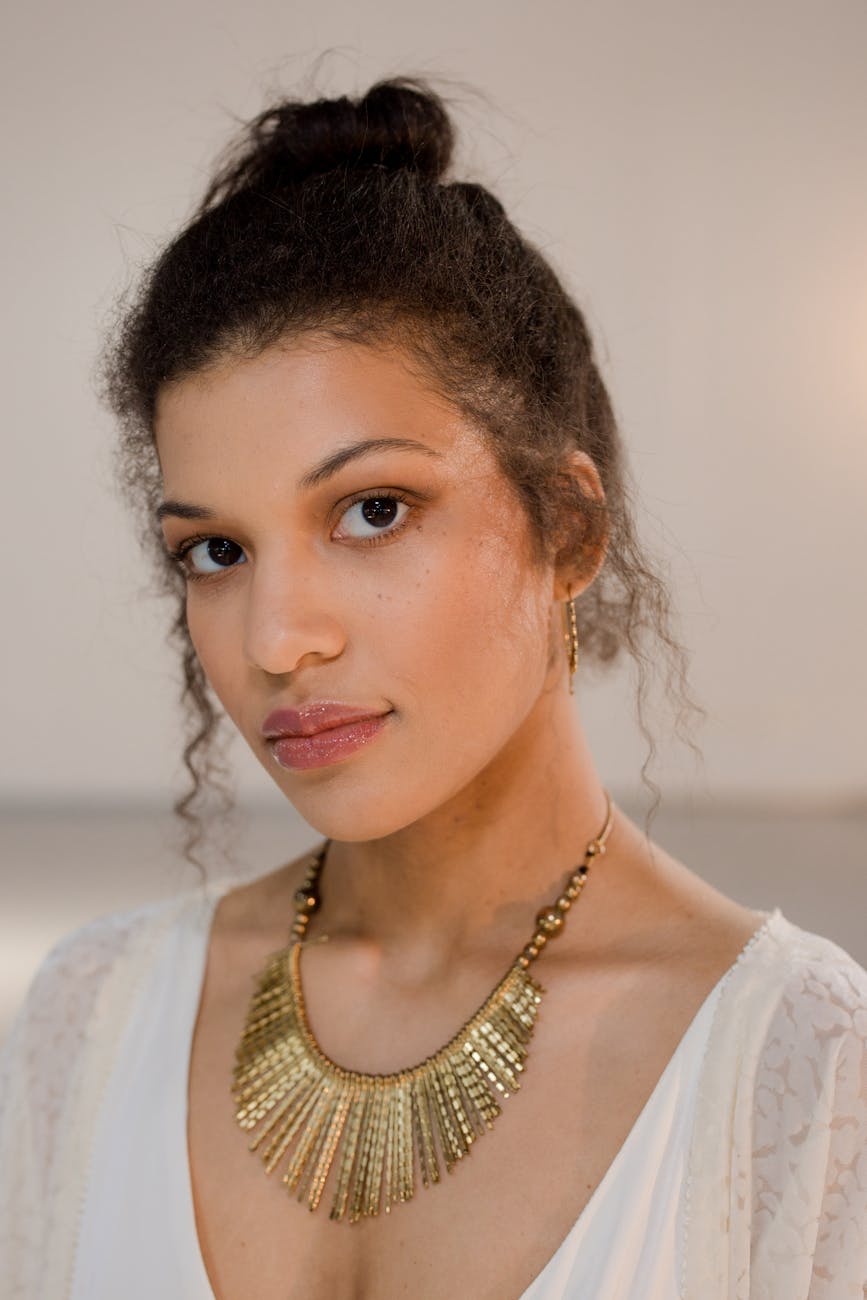
Photo by cottonbro studio on Pexels.com

Pretty privilege is often discussed as an invisible advantage, yet within Black communities it carries a distinct and painful history rooted in colorism, colonial aesthetics, and racial hierarchy. The “light trap” refers to the social conditioning that equates proximity to whiteness—lighter skin, looser hair textures, narrower features—with value, safety, and desirability. This trap has shaped how love is distributed, how protection is granted, and how worth is measured.

Colorism did not emerge organically within Black societies; it was engineered through slavery and colonial rule. European powers imposed racial stratification systems that rewarded lighter-skinned enslaved people with marginal privileges, creating internal divisions that persist generations later. These divisions were not accidental but strategic, designed to fracture unity and reinforce dominance.

Within this system, beauty became currency. Lighter skin functioned as symbolic capital, granting access to social mobility, romantic desirability, and even perceived intelligence. Darker skin, by contrast, was associated with labor, invisibility, and punishment. These associations embedded themselves into collective psychology, passing quietly from parent to child, community to community.

The light trap distorts love by attaching affection to appearance rather than character. Romantic preferences are often framed as “personal taste,” yet taste itself is socially constructed. When lighter skin is consistently preferred, rewarded, and praised, desire becomes less about choice and more about conditioning.

For many dark-skinned women, love is experienced not as abundance but as audition. They are taught—implicitly and explicitly—that they must compensate for their skin tone with perfection, silence, or service. This burden creates emotional fatigue and reinforces the false belief that love must be earned through suffering.

Men are not immune to the light trap. Black men are socialized to equate lighter partners with status, success, and validation, mirroring the values of a society that already devalues Blackness. This dynamic harms men as well, narrowing their emotional range and disconnecting them from authentic attraction rooted in shared struggle and truth.

Media plays a central role in maintaining pretty privilege. Film, television, advertising, and social media overwhelmingly center lighter-skinned Black women as romantic leads, beauty icons, and symbols of femininity. Dark-skinned women, when included, are often relegated to stereotypes or supporting roles that affirm marginality.

These representations do more than entertain; they educate. They teach children who is worthy of love and who must wait. They instruct society on whose pain matters and whose is invisible. Over time, repeated images harden into “common sense,” making bias appear natural rather than manufactured.

Undoing the light trap requires naming it. Silence protects systems of harm. When colorism is dismissed as divisive or exaggerated, the wound deepens. Truth-telling is not betrayal; it is repair. Liberation begins where honesty is allowed to breathe.

Love, in its truest form, is incompatible with hierarchy. It cannot thrive where one shade is exalted and another is endured. A liberated vision of love honors the full spectrum of Black beauty without ranking, comparison, or apology. It sees dark skin not as an obstacle but as inheritance.

Healing also requires confronting internalized bias. Many people carry unconscious preferences shaped by years of exposure to colorist messaging. Acknowledging these biases is not an admission of evil but a commitment to growth. What is learned can be unlearned.

Community accountability is essential. Families, churches, schools, and cultural institutions must reject colorist language and practices. Casual jokes, backhanded compliments, and “good hair” narratives are not harmless; they are ideological tools that reinforce inequality.

The light trap also intersects with economics. Studies show that lighter-skinned individuals often receive higher wages, lighter sentences, and more favorable evaluations. These outcomes reinforce the illusion that lightness equals competence, while darkness signals deficiency.

Spiritual traditions have not been exempt from color bias. Imagery that associates light with goodness and dark with evil has been misused to justify racial hierarchies. Reclaiming spiritual language requires separating metaphor from misapplication and affirming that Blackness is not a curse but a creation.

Liberation demands new narratives. Stories that center dark-skinned women as loved, chosen, protected, and celebrated disrupt generations of conditioning. These narratives do not erase light-skinned experiences but refuse to place them on a pedestal.

Men who choose liberation must interrogate what they have been taught to desire. Love rooted in healing rather than status frees both partners from performance. It allows relationships to be spaces of refuge rather than reenactments of oppression.

For women, undoing the light trap means reclaiming self-definition. Worth is not granted by proximity to lightness or male approval. It is inherent, unmovable, and ancestral. Confidence grounded in truth is an act of resistance.

Collective healing will not be instant. Colorism is deeply woven into social fabric, reinforced by institutions and incentives. Yet every conscious choice, every honest conversation, weakens the trap’s hold.

The goal is not to reverse hierarchy but to abolish it. Liberation is not dark skin replacing light skin at the top; it is the dismantling of the ladder itself. Beauty without hierarchy restores humanity to everyone.

Undoing the light trap is ultimately about love—love that is truthful, expansive, and just. When Black communities choose truth over comfort and liberation over illusion, love becomes less about appearance and more about alignment, dignity, and shared freedom.

References

Adams, T. L., & Fuller, D. B. (2006). The words have changed but the ideology remains the same: Misogynistic lyrics in rap music. Journal of Black Studies, 36(6), 938–957.

Hunter, M. (2007). The persistent problem of colorism: Skin tone, status, and inequality. Sociology Compass, 1(1), 237–254.

Hunter, M. (2011). Buying racial capital: Skin-bleaching and cosmetic surgery in a globalized world. Journal of Pan African Studies, 4(4), 142–164.

Russell, K. Y., Wilson, M., & Hall, R. E. (2013). The color complex: The politics of skin color among African Americans. Anchor Books.

Thompson, V. S., & Keith, V. M. (2001). The blacker the berry: Gender, skin tone, self-esteem, and self-efficacy. Gender & Society, 15(3), 336–357.

Wilder, J. (2010). Revisiting “color names and color notions”: A contemporary examination of the language and attitudes of skin color among young Black women. Journal of Black Studies, 41(1), 184–206.
Plastic Surgery: The Artifical Beauty Standard

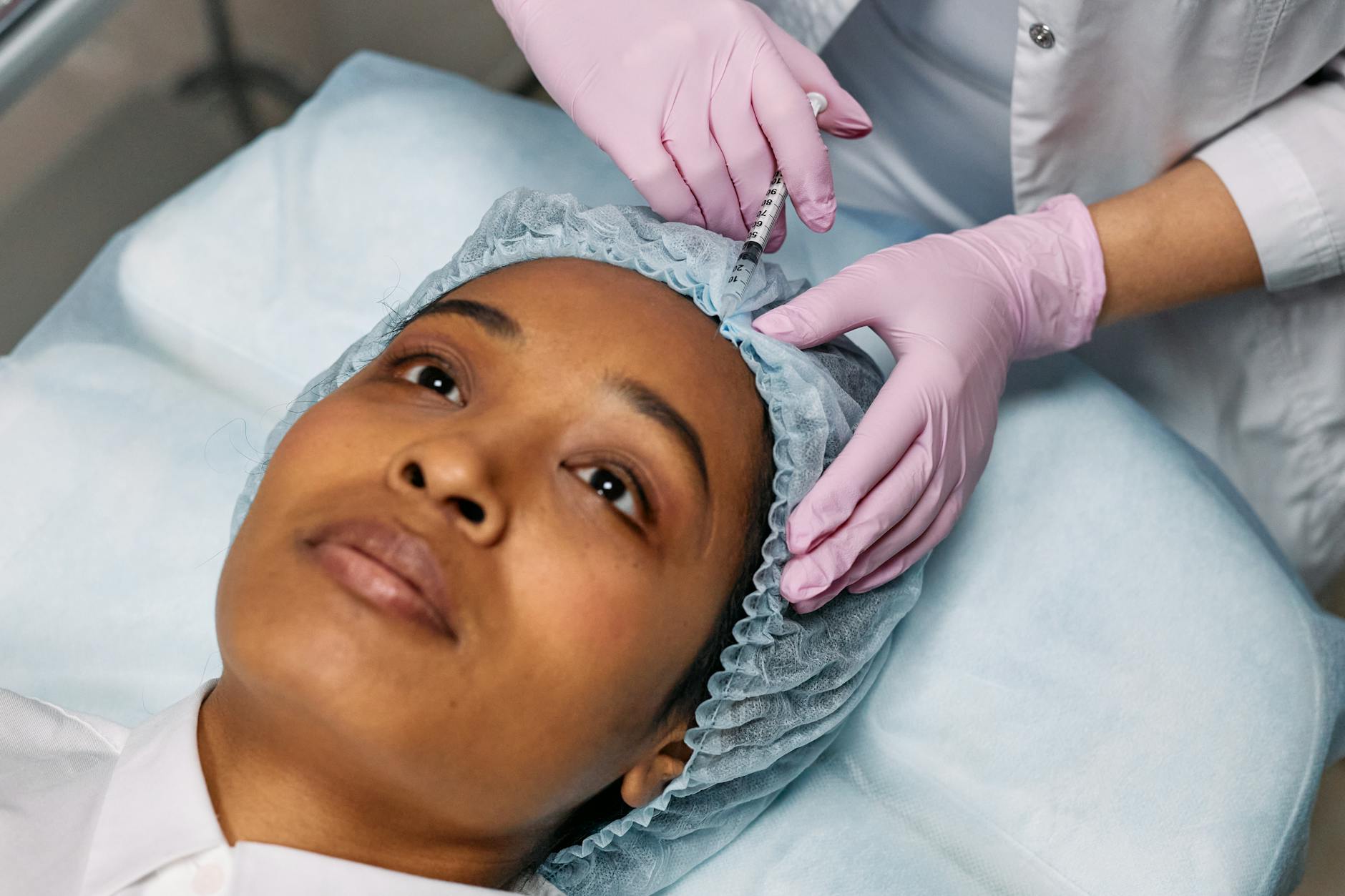
Photo by cottonbro studio on Pexels.com

The pursuit of beauty has existed for centuries, but in modern society, it has taken on new dimensions with the widespread use of plastic surgery. Increasingly, men and women are willing to undergo painful, expensive, and sometimes dangerous procedures to alter their natural appearance. This fixation on artificial beauty reflects deeper issues of self-esteem, cultural pressure, and misplaced value on outward appearance rather than inner character. The Bible warns against such vanity, urging believers to focus on the “hidden man of the heart” (1 Peter 3:3 -4, KJV), where true beauty lies.

The Psychology of Plastic Surgery

From a psychological standpoint, many people who seek plastic surgery struggle with body image dissatisfaction, social comparison, and the pressures of perfectionism. Studies have linked high usage of cosmetic surgery to body dysmorphic disorder (BDD)—a condition where individuals obsess over perceived flaws in their appearance (Sarwer et al., 2007). Social media platforms further intensify this by promoting “filter culture” and unrealistic beauty ideals, leading many to feel inadequate in their natural state. While some individuals pursue cosmetic enhancements for reconstructive purposes after accidents or illness, the majority seek it for vanity-driven reasons tied to self-worth and societal approval.

Popular Procedures and Cultural Influence

The most popular plastic surgery procedures include rhinoplasty (nose reshaping), liposuction, breast augmentation, buttock enhancement (such as the Brazilian Butt Lift), eyelid surgery, and facelifts. In non-surgical categories, Botox and dermal fillers dominate. Celebrities have both normalized and accelerated these trends. Figures such as the Kardashians are often cited by plastic surgeons as the most requested “look” (Devgan, 2021). Other celebrities like Michael Jackson, Lil’ Kim, and Jocelyn Wildenstein became famous for their extensive facial surgeries. Surgeons report that patients often bring photos of celebrities or even AI-generated images of themselves to consultations, asking to be transformed into “idealized” versions of beauty.

Most Popular Plastic Surgery Procedures

According to the 2024 ASPS (American Society of Plastic Surgeons) report:

These trends reflect both enduring body contouring demands and the growing popularity of quick, minimally invasive procedures.


2. Which Celebrity Faces Are Most Requested?

Plastic surgeons report strong demand to emulate the appearance of celebrities, particularly members of the Kardashian-Jenner family, renowned for contoured bodies, full lips, and balanced facial features. However, now, many clients bring filtered selfies, seeking to replicate surgically what filters achieve—a phenomenon referred to as “Snapchat Dysmorphia.” Wikipedia


3. Psychology: Why Do People Get Plastic Surgery?

  • Self-Image & Identity: Many seek boosted confidence or wish to look refreshed rather than drastically altered. Surgeons like Dr. Banek integrate psychological evaluations to understand client motivations. The Times
  • Social Media Influence: The rise of social media and filter culture increases facial and body dissatisfaction. A study from Boston University found a jump in people considering cosmetic surgery—from 64% to 86%—and increased surgeon consultations. New York Post
  • Psychological Traits: Research shows that high levels of perfectionism and external appearance pressure predict increased interest in cosmetic procedures. Allure

Summary Table

TopicInsight
Top Procedures (2024)Liposuction, breast augmentation, abdominoplasty, breast lift, eyelid surgery
Celebrity TrendsKardashian-inspired looks and “filtered selfie” aesthetic requests
Why People Opt InTo improve confidence, influenced by social media, driven by body image issues

The Cost of Artificial Beauty

Plastic surgery is also a multi-billion-dollar industry. In the United States, procedures can range from $5,000 to $15,000 for breast or body operations, and $7,500 or more for facial surgeries (American Society of Plastic Surgeons, 2022). Non-surgical procedures, though less invasive, still cost hundreds to thousands annually due to repeat maintenance. Beyond financial cost, patients often face physical risks such as infection, scarring, nerve damage, or even death from procedures like the Brazilian Butt Lift, which has one of the highest mortality rates among elective surgeries.

Biblical Teachings on Beauty

The Bible warns against excessive focus on outward appearance. Proverbs 31:30 (KJV) reminds us, “Favour is deceitful, and beauty is vain: but a woman that feareth the Lord, she shall be praised.” Similarly, 1 Timothy 2:9 encourages modesty and inner godliness over outward adornment. God created each person “fearfully and wonderfully made” (Psalm 139:14, KJV), and altering His vanity design can reflect ingratitude and misplaced priorities. While the Bible does not specifically mention plastic surgery, it consistently elevates inner character, spiritual fruit, and holiness above physical alterations.

Why People Do It

The reasons people undergo plastic surgery are deeply tied to insecurity, cultural standards, and societal glorification of celebrity beauty. Many believe it will bring happiness, confidence, or romantic fulfillment, but psychological studies reveal that satisfaction often fades, leading to repeated procedures (Honigman et al., 2004). In essence, it becomes a cycle of chasing perfection that never delivers lasting peace. The Bible teaches that true contentment cannot be bought or surgically implanted but is rooted in faith, identity in God, and the love of Christ (Philippians 4:11).

Conclusion

Plastic surgery reflects a culture that idolizes artificial beauty and neglects the spiritual truth that worth is found in God. While reconstructive procedures have legitimate purposes, the obsession with vanity-driven alterations reveals a deeper spiritual and psychological struggle. For believers, the call is clear: resist the false promises of worldly beauty standards and embrace the eternal beauty of a heart aligned with God.


References

  • American Society of Plastic Surgeons. (2022). Plastic Surgery Statistics Report. Retrieved from https://www.plasticsurgery.org
  • Devgan, L. (2021). The Kardashian Effect: How Celebrity Culture Influences Plastic Surgery. Journal of Cosmetic Surgery, 38(5), 112–120.
  • Honigman, R., Phillips, K. A., & Castle, D. J. (2004). A review of psychosocial outcomes for patients seeking cosmetic surgery. Plastic and Reconstructive Surgery, 113(4), 1229–1237.
  • Sarwer, D. B., Cash, T. F., Magee, L., Williams, E. F., Thompson, J. K., Roehrig, M., … & Anderson, D. A. (2007). Female college students and cosmetic surgery: An investigation of experiences, attitudes, and body image. Plastic and Reconstructive Surgery, 120(3), 845–856.
  • The Holy Bible, King James Version.

Healing the Wounds of Colorism: Black Women vs. the Beauty Standard

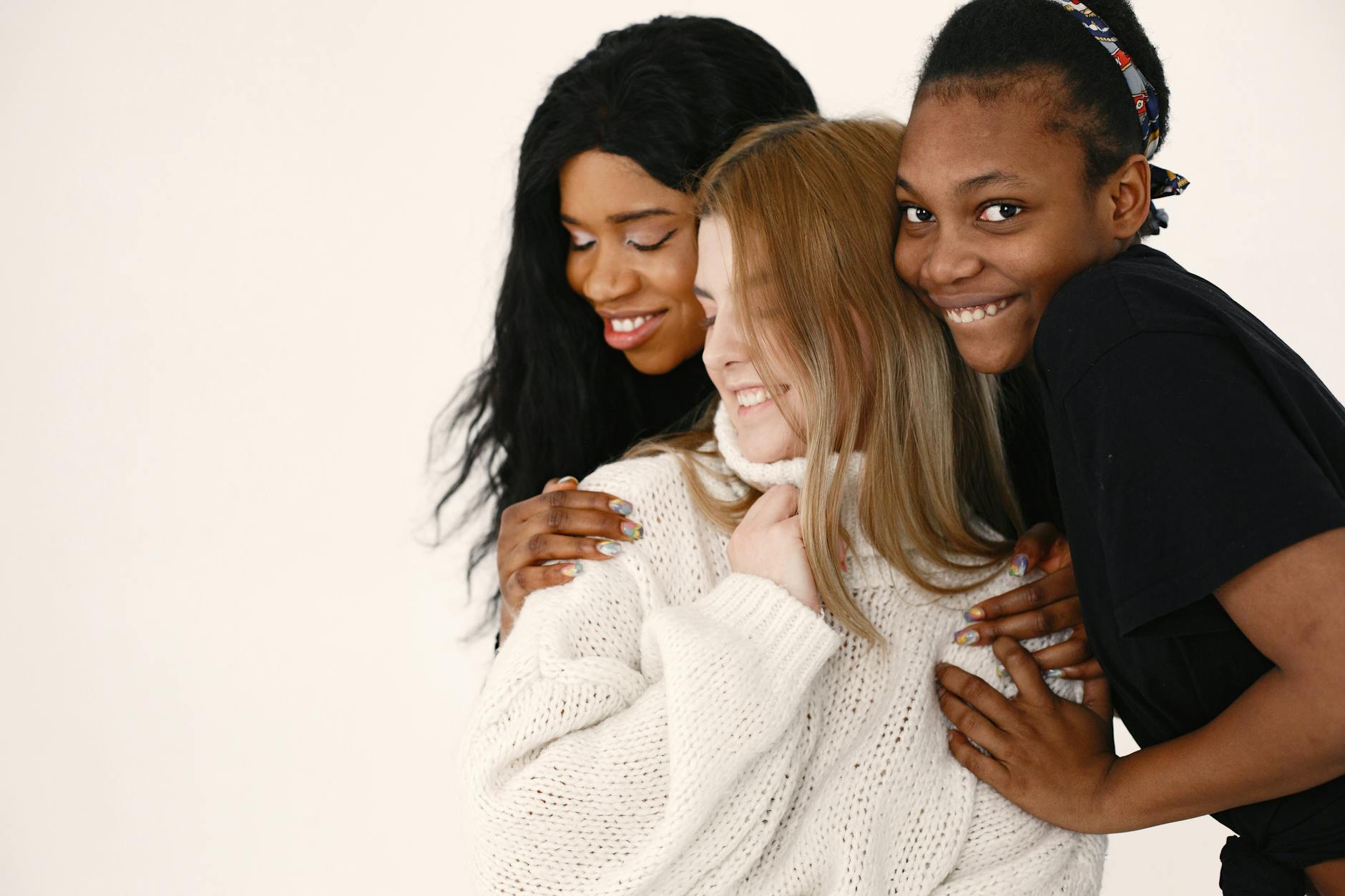
Photo by Gustavo Fring on Pexels.com

Colorism in the Black community cannot be understood without revisiting slavery in the Americas. Enslavers deliberately separated light-skinned and dark-skinned Black people to maintain social hierarchy. Those with lighter skin, often the mixed-race children of enslaved women and white masters, were sometimes placed in domestic work within the “big house,” while darker-skinned enslaved people were relegated to field labor (Hunter, 2007). This hierarchy reinforced the false notion that proximity to whiteness was preferable. This early wound became a generational trauma, setting the stage for how Black women would be divided, compared, and judged long after slavery’s abolition.

The term colorism itself was popularized by Alice Walker in 1983, who defined it as “prejudicial or preferential treatment of same-race people based solely on skin color” (In Search of Our Mothers’ Gardens). While racism placed all Black people at a disadvantage, colorism operated within the community as a painful internalization of Eurocentric ideals. It continues to shape representation in beauty industries, film, and popular culture. At its root, colorism is tied to the current global beauty standard, which overwhelmingly favors fair skin, straight hair, slim facial features, and light eyes — characteristics historically associated with white women (Wilder, 2015).

Dr. Frances Cress Welsing, in The Isis Papers (1991), argued that colorism reflects white supremacy’s psychological strategy of self-preservation. She theorized that whiteness seeks to maintain dominance by promoting its features as superior, while devaluing darker skin and Afrocentric traits. This belief system ensures that Black women, regardless of their natural beauty, are positioned as “other” in the global imagination. Thus, white women have long been upheld as the epitome of beauty in mainstream media — from Marilyn Monroe to modern icons like Scarlett Johansson.

The wounds of colorism for Black women are deep and multilayered. They include internalized shame, family divisions, lowered self-esteem, and unequal treatment in workplaces, schools, and dating markets. The comparison between Black women and the beauty standard can be mapped out clearly:

Black Women’s TraitsEurocentric Beauty Standard
Darker or richly melanated skinFair or light skin
Kinky, coily, or natural hairStraight, silky hair
Full lips and broad nosesThin lips and narrow noses
Curvier body typesSlimmer, less curvaceous figures (though often appropriated later)
Diversity of tones, textures, and featuresHomogenized white ideals

Celebrities across racial lines have commented on this imbalance. For instance, Lupita Nyong’o has spoken openly about her struggles with self-acceptance in a world that glorifies light skin (Nyong’o, 2014). Viola Davis, too, has highlighted how her darker skin limited her Hollywood opportunities. On the other hand, white celebrities such as Adele and even Kim Kardashian have acknowledged the ways Black women’s aesthetics are appropriated without acknowledgment or respect. This dynamic reinforces the reality: Black women are often celebrated when their features are borrowed but devalued when they appear naturally.

While Black women’s phenotypic traits, such as melanin-rich skin, fuller lips, natural hair textures, and curvier body types, have been pathologized, Eurocentric features—light skin, narrow noses, thin lips, and straight hair—have been uplifted as the global beauty standard. Research suggests this dynamic is rooted in the colonial and slaveholding eras, where lighter skin was equated with privilege and proximity to whiteness (Hunter, 2007; Russell, Wilson, & Hall, 2013). The persistence of these standards contributes to psychological distress, self-esteem challenges, and ongoing struggles with identity formation among Black women (Wilder, 2015).

Psychologically, the effects of colorism manifest as internalized racism, body dysmorphia, depression, and self-doubt. Studies in evolutionary psychology suggest that symmetry and certain ratios (e.g., the golden ratio) are universally associated with beauty (Little, Jones, & DeBruine, 2011). However, these scientific standards do not negate cultural bias. Western media elevates one aesthetic as “universal,” ignoring the truth that beauty is also culturally constructed. This erasure pressures Black women to conform or modify themselves — through skin-lightening, straightening hair, or cosmetic surgery — to gain validation in systems not designed for them.

The question remains: how can Black women heal? Healing begins with redefining the standard. Movements like #BlackGirlMagic, natural hair advocacy, and diverse media representation are shifting narratives. The Black community must actively dismantle colorist language, uplift darker-skinned women, and celebrate the full range of Black beauty. Scholars argue that collective affirmation, media literacy, and intergenerational dialogue are keys to undoing centuries of psychological conditioning (Walker, 1983; Wilder, 2015).

Ultimately, the Bible offers a radical counter-narrative to the lies of colorism. Scripture declares: “I will praise thee; for I am fearfully and wonderfully made” (Psalm 139:14, KJV). The Song of Solomon even uplifts dark beauty: “I am black, but comely, O ye daughters of Jerusalem” (Song of Solomon 1:5, KJV). These verses remind Black women that their worth and beauty come not from Eurocentric systems but from the Creator who made them. Healing the wounds of colorism means reclaiming identity, refusing false cages of comparison, and walking boldly in God-given beauty.


References

  • Hunter, M. (2007). The Persistent Problem of Colorism: Skin Tone, Status, and Inequality. Sociology Compass, 1(1), 237-254.
  • Little, A. C., Jones, B. C., & DeBruine, L. M. (2011). Facial attractiveness: Evolutionary based research. Philosophical Transactions of the Royal Society B: Biological Sciences, 366(1571), 1638-1659.
  • Walker, A. (1983). In Search of Our Mothers’ Gardens: Womanist Prose. Harcourt.
  • Wilder, J. (2015). Color Stories: Black Women and Colorism in the 21st Century. Praeger.
  • Welsing, F. C. (1991). The Isis Papers: The Keys to the Colors. C.W. Publishing.
  • Nyong’o, L. (2014). Speech at Essence Black Women in Hollywood Luncheon.