
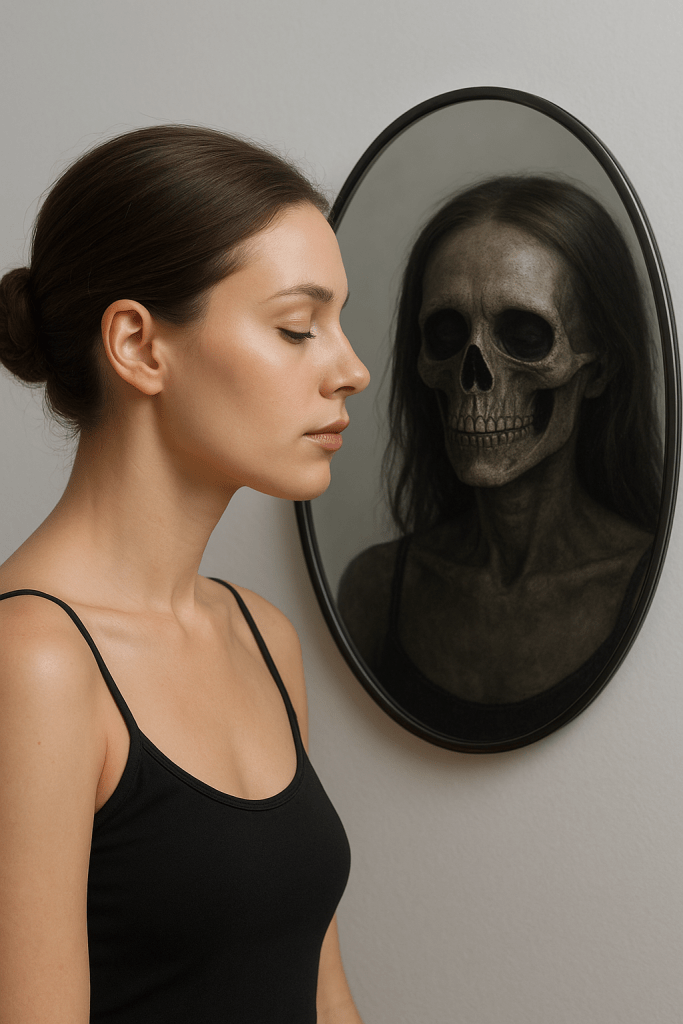
The proverb “Beauty is only skin deep, but ugliness is to the bone” is a powerful commentary on the distinction between outward appearance and inward character. It reflects the timeless truth that physical beauty, though alluring, is temporary, while moral corruption or spiritual ugliness reaches far deeper into the essence of a person’s being. Throughout human history, societies have wrestled with this tension between appearance and virtue, often failing to distinguish between them until consequences reveal the truth beneath the surface.
Physical beauty has always held social and psychological power. In nearly every culture, symmetry, youthfulness, and proportion are associated with attractiveness (Rhodes, 2006). Yet such traits are merely biological signals, not indicators of integrity or wisdom. The tendency to equate beauty with goodness—a phenomenon known as the “halo effect”—creates moral confusion, allowing deceitful individuals to thrive behind pleasant façades (Dion et al., 1972). This blindness has led to personal heartbreak, social injustice, and the rise of superficial value systems.
The Bible provides numerous examples illustrating that inner character outweighs external beauty. In 1 Samuel 16:7 (KJV), the Lord reminds Samuel that “man looketh on the outward appearance, but the Lord looketh on the heart.” This verse directly challenges humanity’s obsession with looks, urging discernment beyond aesthetics. It is a reminder that physical appeal can distract from spiritual deficiency, while inner beauty rooted in humility and righteousness holds eternal worth.
“Ugliness to the bone” does not refer to physical unattractiveness but to moral decay. This kind of ugliness is rooted in pride, cruelty, selfishness, and deceit—qualities that corrode the soul and manifest in one’s actions. Proverbs 6:16–19 lists traits that the Lord hates: arrogance, lying, and sowing discord among brethren. These inner deformities scar the spirit in ways that no cosmetic procedure can conceal.
In contrast, spiritual beauty radiates through kindness, empathy, and love. The Apostle Peter advised women to cultivate “the ornament of a meek and quiet spirit, which is in the sight of God of great price” (1 Peter 3:4, KJV). This principle extends to all believers, teaching that moral excellence beautifies the soul. Inner peace, generosity, and integrity illuminate the countenance more than any physical feature.
Society’s infatuation with surface beauty perpetuates deception. Celebrities and influencers project carefully curated images that often conceal deep insecurity or moral conflict. Naomi Wolf (1991) argued in The Beauty Myth that the pursuit of beauty has become a modern form of slavery, binding individuals—especially women—to impossible ideals. This pursuit masks internal emptiness and moral fatigue, producing a generation that values appearance over authenticity.
Psychological research supports this biblical and philosophical view. Studies reveal that excessive concern with appearance correlates with narcissism and low self-esteem (Campbell & Foster, 2007). Those who rely heavily on external validation often struggle with emotional instability and shallow relationships. This reveals how “skin-deep beauty” can lead to internal suffering, as identity becomes detached from spiritual grounding.
Conversely, people of modest appearance often exhibit profound inner strength and compassion. This paradox demonstrates that suffering and humility refine character in ways that privilege and beauty cannot. The poet Ralph Waldo Emerson once wrote, “Beauty without grace is the hook without the bait.” His metaphor suggests that charm without virtue is a trap, while true grace nourishes the soul.
The entertainment industry provides countless cautionary tales of those destroyed by their own image. Icons once idolized for their beauty—such as Marilyn Monroe or Elvis Presley—faced tragic downfalls, reminding the world that surface glamour cannot substitute for inner peace. Their stories echo Christ’s question in Matthew 16:26 (KJV): “For what is a man profited, if he shall gain the whole world, and lose his own soul?”
Social media has amplified the deception of beauty. Platforms like Instagram and TikTok have normalized digital distortion, where filters and enhancements redefine reality. This new form of idolatry reinforces the proverb’s warning—today’s flawless image may hide profound moral or emotional ugliness. The culture of performance erodes authenticity, leading many to forget who they truly are beneath the mask (Tiggemann & Slater, 2014).
Cultural beauty standards also perpetuate division. In a world that prizes Eurocentric ideals, people of color, especially women, often feel pressured to conform to norms that reject their natural beauty (Hunter, 2007). This internalized oppression damages collective self-worth and perpetuates spiritual “ugliness” in the form of self-hatred and comparison. True beauty begins with self-acceptance rooted in divine design, not societal approval.
Theologically, “ugliness to the bone” represents sin’s corruption of the human heart. Isaiah 1:6 describes Israel’s rebellion as a body covered in wounds “from the sole of the foot even unto the head.” Sin deforms the soul’s moral structure, making one spiritually grotesque despite physical charm. Repentance and renewal through God’s grace restore true beauty—the beauty of holiness (Psalm 29:2, KJV).
The lasting beauty of the righteous transcends death itself. Proverbs 10:7 declares, “The memory of the just is blessed.” This suggests that moral beauty leaves a legacy more enduring than physical form. Historical figures like Harriet Tubman and Martin Luther King Jr. may not have been praised for physical allure, yet their courage and compassion illuminate generations. Their “inner beauty” remains immortal.
Ultimately, beauty and ugliness exist not in the flesh but in the spirit. A beautiful soul can redeem a plain exterior, while a corrupt heart can poison the most exquisite visage. The proverb reminds humanity to look beyond the mirror—to measure worth by virtue, not vanity. When moral excellence becomes the standard of beauty, society reclaims its humanity.
In conclusion, “Beauty is only skin deep, but ugliness is to the bone” remains a timeless warning against superficial judgment. True beauty emanates from character, faith, and integrity. The body fades, but the soul endures. To cultivate inner virtue is to adorn oneself with eternal grace, reflecting the image of the Creator rather than the illusion of the world.
References
Campbell, W. K., & Foster, C. A. (2007). The narcissism epidemic: Living in the age of entitlement. Psychological Inquiry, 18(3), 197–215.
Dion, K., Berscheid, E., & Walster, E. (1972). What is beautiful is good. Journal of Personality and Social Psychology, 24(3), 285–290.
Hunter, M. (2007). The persistent problem of colorism: Skin tone, status, and inequality. Sociology Compass, 1(1), 237–254.
Rhodes, G. (2006). The evolutionary psychology of facial beauty. Annual Review of Psychology, 57, 199–226.
Tiggemann, M., & Slater, A. (2014). NetGirls: The Internet, Facebook, and body image concern in adolescent girls. International Journal of Eating Disorders, 47(6), 630–643.
Wolf, N. (1991). The Beauty Myth: How Images of Beauty Are Used Against Women. HarperCollins.
 THE BROWN GIRL DILEMMA