
Highlighting the societal fixation on physical appearance.
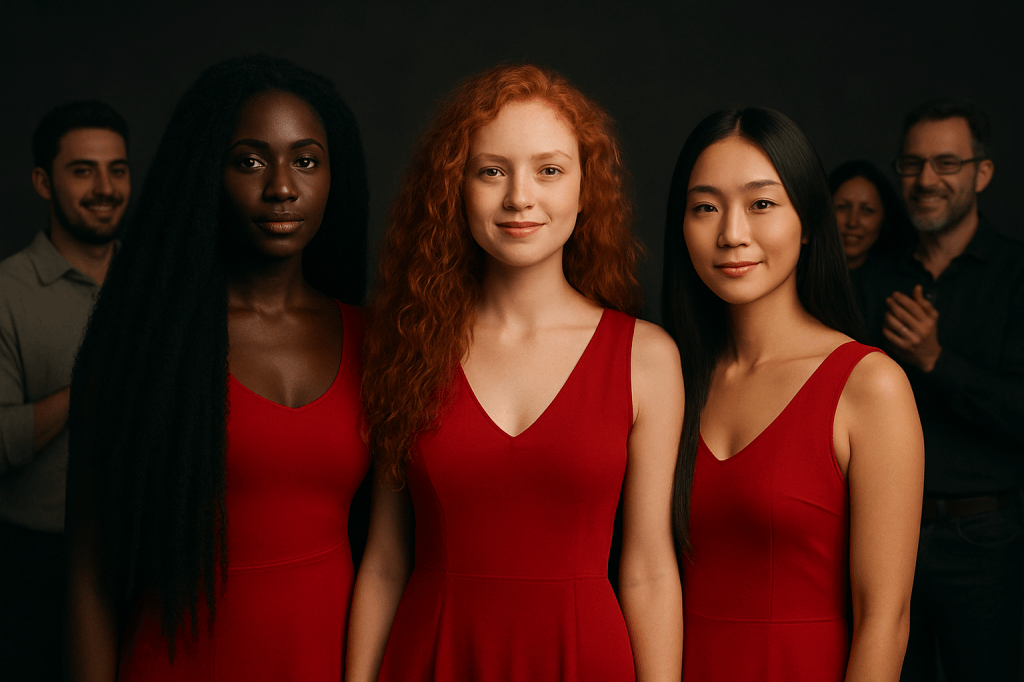
Humanity has spent centuries gazing into mirrors—both literal and metaphorical—seeking affirmation, identity, and value through physical appearance. In every culture, era, and social structure, beauty has been elevated to a pedestal, shaping status, desirability, and self-worth. Yet this fascination, while often disguised as harmless admiration, conceals a deeper social pathology: beauty obsession has become a cultural religion, and the body its altar. Beneath the polished surface lies insecurity, competition, and moral decay.
Modern beauty culture did not emerge in isolation. From ancient Egypt’s kohl-lined eyes to Greek statues idealizing human form, societies historically revered aesthetics. Yet the global commercialization of beauty transformed admiration into addiction. With social media, beauty is no longer occasional reflection—it is constant surveillance. People do not merely look in mirrors; they live in them. Makeup, filters, cosmetic procedures, and body-sculpting industries have risen to multi-billion-dollar empires feeding on human insecurity.
The Bible warns against this vanity, declaring, “Man looketh on the outward appearance, but the LORD looketh on the heart” (1 Samuel 16:7, KJV). God’s standard rebukes humanity’s superficial compass. Inner virtue, not outer polish, reflects true spiritual identity. Yet culture celebrates the opposite: the external image as ultimate currency. Appearances dominate hiring decisions, social opportunities, romantic selection, and even perceptions of intelligence and morality.
Beauty obsession produces invisible wounds. It breeds envy, self-hatred, and a relentless striving that never satisfies. Social comparison theory suggests that individuals evaluate themselves in relation to others (Festinger, 1954). In an age of hyper-curated beauty, comparison has become inescapable. Countless individuals suffer under the pressure of unrealistic, digitally-enhanced standards that no living body can match.
Media platforms function as mirrors multiplied. Influencer culture rewards symmetry, youth, skinniness, lightness, smoothness, and sexualized aesthetics. Those outside its mold are ignored, ridiculed, or pressured to “improve” themselves. Studies show that exposure to idealized beauty imagery increases depression, anxiety, and body dissatisfaction (Perloff, 2014). Beauty is not merely admired—it is demanded.
The obsession is further fueled by capitalism. Beauty sells. Advertisers weaponize insecurity, convincing consumers that with more products, procedures, and perfection, they can earn love, relevance, and success. Beauty becomes a perpetual chase, a treadmill with no finish line. When worth is tied to appearance, identity becomes unstable—fragile as glass, breakable with age, weight change, or a single critical comment.
Scripture cautions against this vanity, “Favour is deceitful, and beauty is vain” (Proverbs 31:30, KJV). Beauty can deceive because it can mask wickedness. History offers countless examples of attractive individuals lacking morals, compassion, or integrity. Yet society often excuses harmful behaviors when accompanied by physical beauty. Humanity confuses presentation with purity.
This obsession erodes spiritual sight. If value rests in physical perfection, one neglects the soul—character, purpose, wisdom, and righteousness. Christ’s appearance, described without worldly appeal (Isaiah 53:2, KJV), demonstrates that divine greatness is not measured by physical aesthetics. Salvation came through substance, not style. Thus, God subverts human vanity through humility.
Beauty culture disproportionately harms women, conditioning them from childhood to equate femininity with attractiveness. Yet men increasingly crumble under muscularity and grooming pressures. Youth, particularly girls, face identity crises shaped by digital perfection, leading to rising rates of body dysmorphia, eating disorders, and cosmetic surgery performed even in adolescence.
Racialized beauty standards further deepen harm. Eurocentric features, lighter skin, straight hair, and certain facial structures are globally elevated as “ideal,” marginalizing melanated and ethnic appearances. Colorism, rooted in colonial beauty hierarchies, links beauty to privilege and proximity to whiteness (Hunter, 2007). Beauty obsession thus intersects with racism, classism, and cultural imperialism.
Aging bodies endure additional marginalization. Youth is worshipped, wrinkles demonized, and experience disregarded. Yet scripture teaches, “The hoary head is a crown of glory” (Proverbs 16:31, KJV). Aging is a sacred testament to survival, wisdom, and grace, not a blemish to erase. Modern culture treats age not as honor, but as decay—erasing the dignity God assigns.
Beauty fixation distorts love. Relationships built on attraction often crumble when appearance changes. True covenantal love, however, sees beyond flesh. Godly love is rooted in integrity, kindness, loyalty, and spirit. To love someone’s face but not their soul is not love—it is aesthetic attachment. Beauty may ignite interest, but only character sustains connection.
The church, too, is challenged not to absorb worldly standards. When beauty, wealth, or charisma determine leadership admiration or marital worth, spiritual discernment suffers. Believers must guard against substituting style for substance. Holiness is not glamorous; righteousness is not filtered.
To confront beauty obsession requires spiritual awakening. Individuals must reclaim identity rooted in divine creation, not worldly validation. “I will praise thee; for I am fearfully and wonderfully made” (Psalm 139:14, KJV). Worth is intrinsic, not conditional. True beauty radiates from spirit—love, humility, integrity, peace, and service.
Education and community transformation are necessary. Teaching media literacy, affirming diverse and natural beauty, and resisting comparison culture empower liberation. Parents, leaders, and creators must model self-acceptance and celebrate character over cosmetics. Healing comes through unlearning lies and embracing truth.
Practically, confronting beauty obsession involves nurturing the soul: prayer, scripture reflection, meaningful purpose, and community rooted in faith. When the soul grows, surface anxieties shrink. Like a tree with strong roots, inner identity withstands outer pressures.
Ultimately, society must redefine beauty not as surface perfection but as spiritual radiance. Beauty becomes meaningful when aligned with righteousness, wisdom, dignity, compassion, and strength. When humanity sees through God’s lens, it transcends the shallow mirror of flesh.
To look beyond the mirror is to return to divine design. We are not bodies with souls—we are souls with bodies. Flesh fades; spirit endures. In eternity, no filter remains—only truth. May our eyes be trained not to idolize bodies but to honor image-bearers of God.
Thus, the challenge is not merely to confront beauty obsession but to ascend above it. Society must reclaim vision that values substance, celebrates divine craftsmanship, and recognizes that real beauty begins where the mirror ends.
References
Festinger, L. (1954). A theory of social comparison processes. Human Relations, 7(2), 117–140.
Hunter, M. (2007). The persistent problem of colorism: Skin tone, status, and inequality. Sociology Compass, 1(1), 237–254.
Perloff, R. (2014). Social media effects on young women’s body image concerns. Sex Roles, 71(11-12), 363–377.
King James Bible
 THE BROWN GIRL DILEMMA