
Tag Archives: beautiful black woman

The Ebony Dolls: Lela Rochon

From Sunshine to silver-screen sophistication, Lela Rochon remains the glow that never fades.
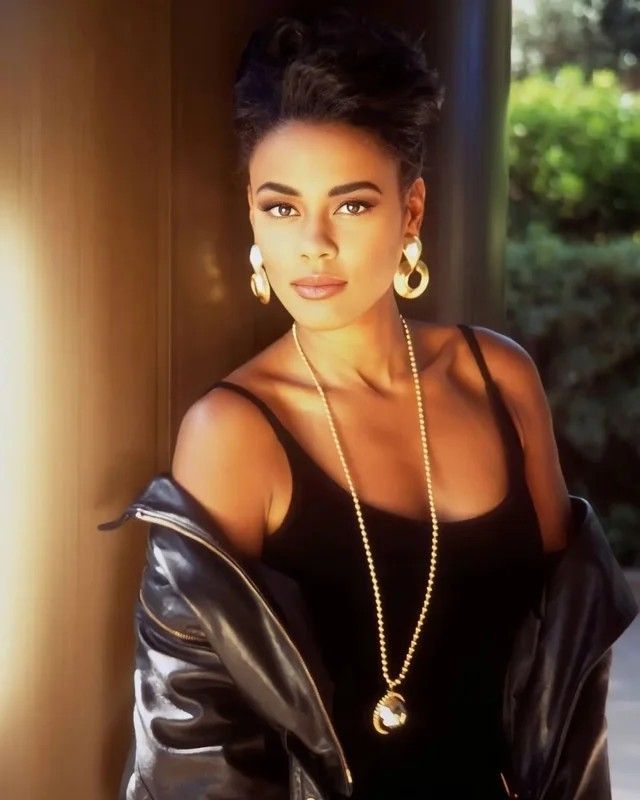
Photo Credit: Barry King

There are women in Hollywood who shine — and then there are women who glow. Lela Rochon has long embodied a radiance that transcends screen presence. With luminous brown skin, softly sculpted cheeks, and a smile that carries both sweetness and strength, Rochon represents a generation of Black actresses whose beauty was undeniable and whose talent demanded recognition. In the canon of cinematic elegance, she belongs unmistakably among The Ebony Dolls — women whose image, grace, and cultural impact reshaped how Black beauty was seen on screen.

Born Lela Rochon Staples on April 17, 1964, in Los Angeles, California, she was raised in a culturally rich household that supported her artistic ambitions. She attended California State University, Dominguez Hills, earning a degree in broadcasting and journalism — a foundation that sharpened her poise and public presence. Before film stardom, Rochon appeared in commercials and music videos during the 1980s, slowly carving out space in an industry that often marginalized darker-skinned actresses.
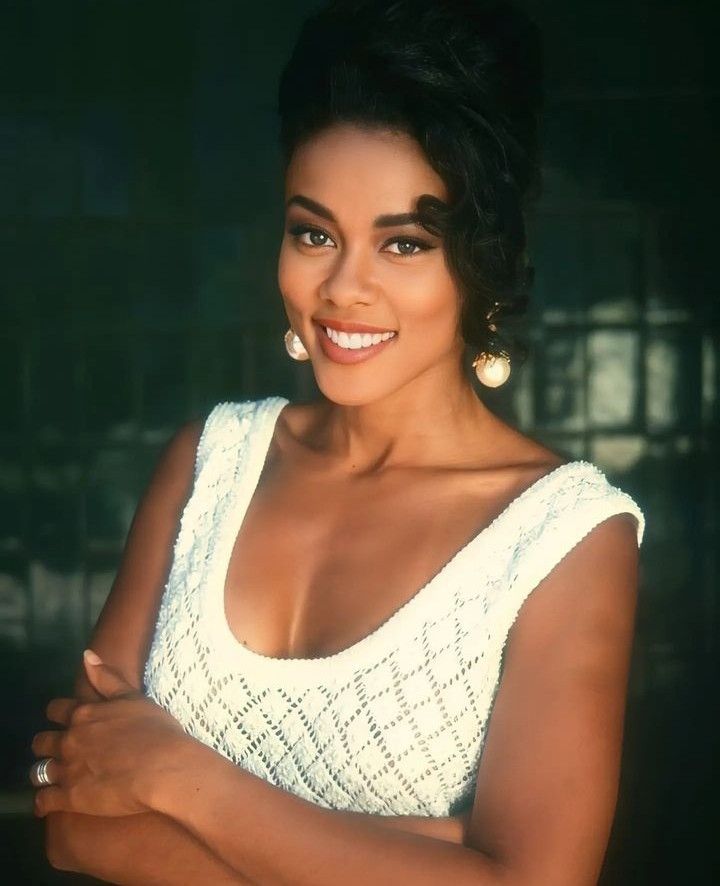
Photo Credit: Barry King

Her early film appearances included roles in Breakin’ 2: Electric Boogaloo (1984) and television guest spots throughout the decade. But it was her comedic turn in Harlem Nights that introduced her to mainstream audiences. Playing the warm-hearted and spirited “Sunshine,” opposite icons like Eddie Murphy and Richard Pryor, Rochon radiated softness and sensual charm. Sunshine was not merely a love interest — she was tenderness in a harsh world, a woman whose vulnerability gave emotional depth to a male-dominated narrative. From that moment, her nickname “Sunshine” became culturally embedded.

The 1990s marked her ascension into leading-lady status. In Waiting to Exhale, directed by Forest Whitaker and adapted from the novel, Rochon portrayed Robin Stokes, an ambitious, sensual, and emotionally complex character. Alongside Whitney Houston, Angela Bassett, and Loretta Devine, she helped redefine Black female friendship on screen. The film became a cultural milestone, presenting professional Black women as layered, desirable, and flawed — yet powerful.
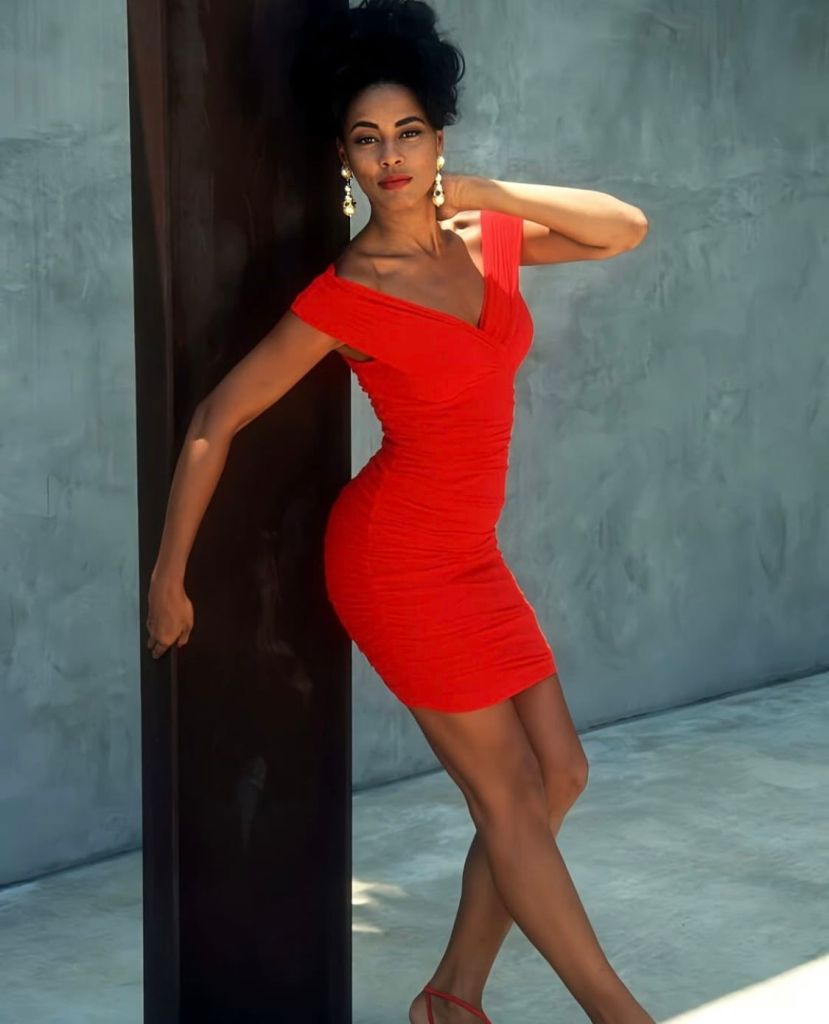
This photograph is the property of its respective owner.

Her performance in Why Do Fools Fall in Love showcased another dimension of her talent. As singer-songwriter Darlene Love, Rochon embodied classic glamour, evoking the golden era of R&B femininity. That same year, she appeared in The Players Club, directed by Ice Cube, portraying a veteran dancer who navigates power, survival, and womanhood in an exploitative industry. Her performance was dignified and nuanced, offering depth where stereotypes often prevailed.

Television became another platform for her enduring presence. Rochon appeared in numerous series over the years, including roles in Family Business and its spinoff Family Business: New Orleans, continuing to demonstrate her versatility and longevity in an evolving industry. These later roles affirmed her staying power — not as a nostalgic figure, but as an active, working actress.
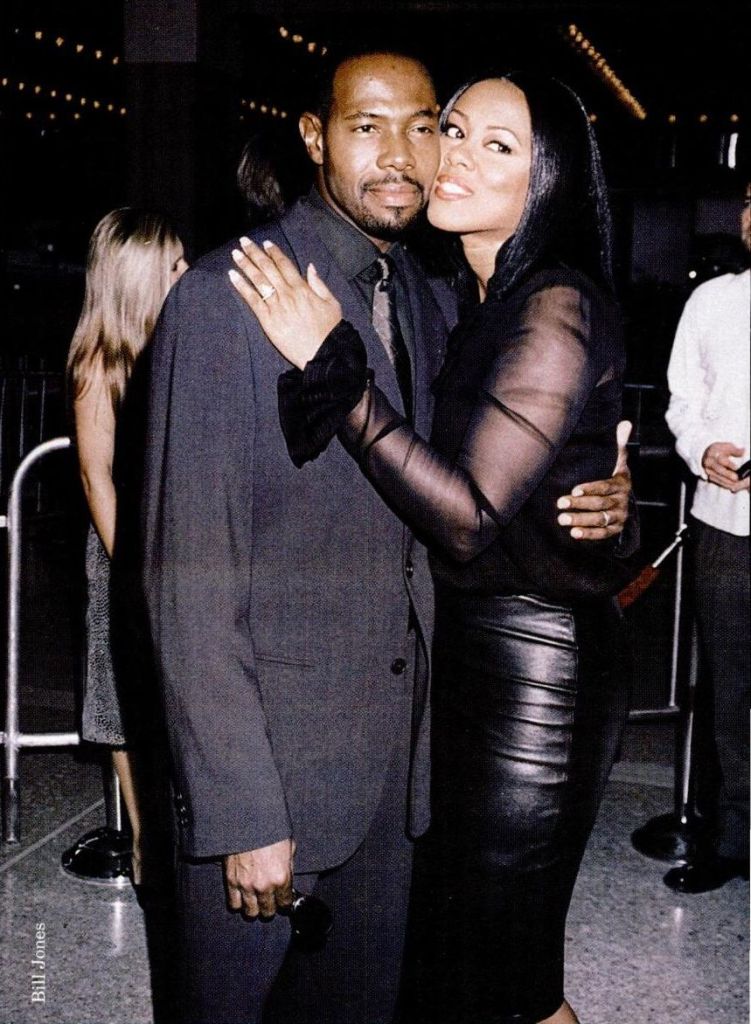
This photograph is the property of its respective owner.

Lela Rochon was first married to dancer and actor Adolfo Quiñones, who was widely known by his stage name Shabba Doo, a pioneering figure in the West Coast break-dancing movement and a star of the film Breakin’. He was a member of the legendary street dance group The Lockers, and his appearance in Breakin’ helped popularize breakdancing in mainstream cinema during the 1980s. The couple married on December 12, 1982. Their marriage lasted approximately five years before the couple divorced in 1987. Later, she married film director Antoine Fuqua in 1999. The couple has two children. Their marriage faced public challenges when media reports surfaced regarding Fuqua’s infidelity. Throughout that ordeal, Rochon maintained dignified silence — embodying resilience rather than spectacle. In an era of oversharing, her discretion communicated strength. She chose privacy over performance, grace over public retaliation.

This composure adds to her legacy as a “strong Black woman,” though that phrase often carries burdens. Rochon’s strength is not loud; it is anchored. It is seen in her career longevity, her maternal devotion, her refusal to be reduced to scandal, and her unwavering elegance amid adversity.

Physically, Rochon represents a standard of Black beauty that defied Hollywood’s narrow casting norms of the late 20th century. Her rich brown complexion, full cheeks, soft eyes, and curvaceous silhouette celebrated natural Black femininity at a time when Eurocentric aesthetics dominated mainstream media. She did not dilute herself for acceptance. She appeared fully embodied — warm, sensual, confident.

Her awards and recognitions include nominations from the NAACP Image Awards and acclaim from Black film critics circles for her ensemble performances. While she may not possess a trophy shelf overflowing with Oscars, her cultural impact transcends hardware. She helped anchor an era of Black romantic cinema that centered women’s desires, friendships, and interior lives.
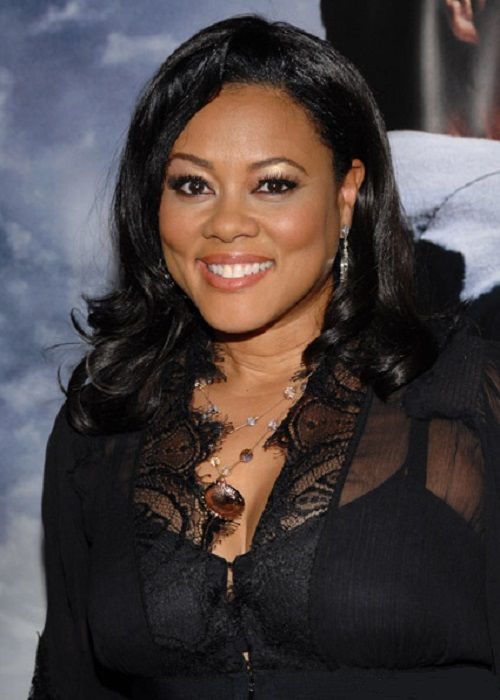
This photograph is the property of its respective owner.

So why is Lela Rochon an Ebony Doll?

Because Ebony Dolls are not merely beautiful women.
They are cinematic symbols.
They are aesthetic milestones.
They are women whose image defined an era of Black glamour.

Rochon belongs in this series because she represents the archetype of the 1990s Black leading lady — soft yet resilient, sensual yet intelligent, vulnerable yet composed. She stands in a lineage of actresses who expanded the range of Black womanhood onscreen, insisting on complexity over caricature.

Sunshine from Harlem Nights.
Robin from Waiting to Exhale.
Darlene Love.
The veteran survivor.
The wife.
The mother.
The woman.

Lela Rochon is not just remembered.
She is revered.

And in the gallery of The Ebony Dolls, her portrait glows warmly — timeless, dignified, and beautifully Black.


References

Aftab, K. (2019). Waiting to Exhale: Revisiting a cultural classic. Film Quarterly Review.

Bogle, D. (2016). Toms, coons, mulattoes, mammies, and bucks: An interpretive history of Blacks in American films (Updated ed.). Bloomsbury Academic.

IMDb. (n.d.). Lela Rochon filmography. Retrieved from https://www.imdb.com

NAACP Image Awards. (n.d.). Nominees and archives. Retrieved from https://naacpimageawards.net

Whitaker, F. (Director). (1995). Waiting to Exhale [Film]. 20th Century Fox.

Murphy, E. (Director). (1989). Harlem Nights [Film]. Paramount Pictures.

Gregory Nava, G. (Director). (1998). Why Do Fools Fall in Love [Film]. Warner Bros.

Cube, I. (Director). (1998). The Players Club [Film]. New Line Cinema.

BET+. (2018–present). Family Business [Television series].

BET+. (2025). Family Business: New Orleans [Television series].
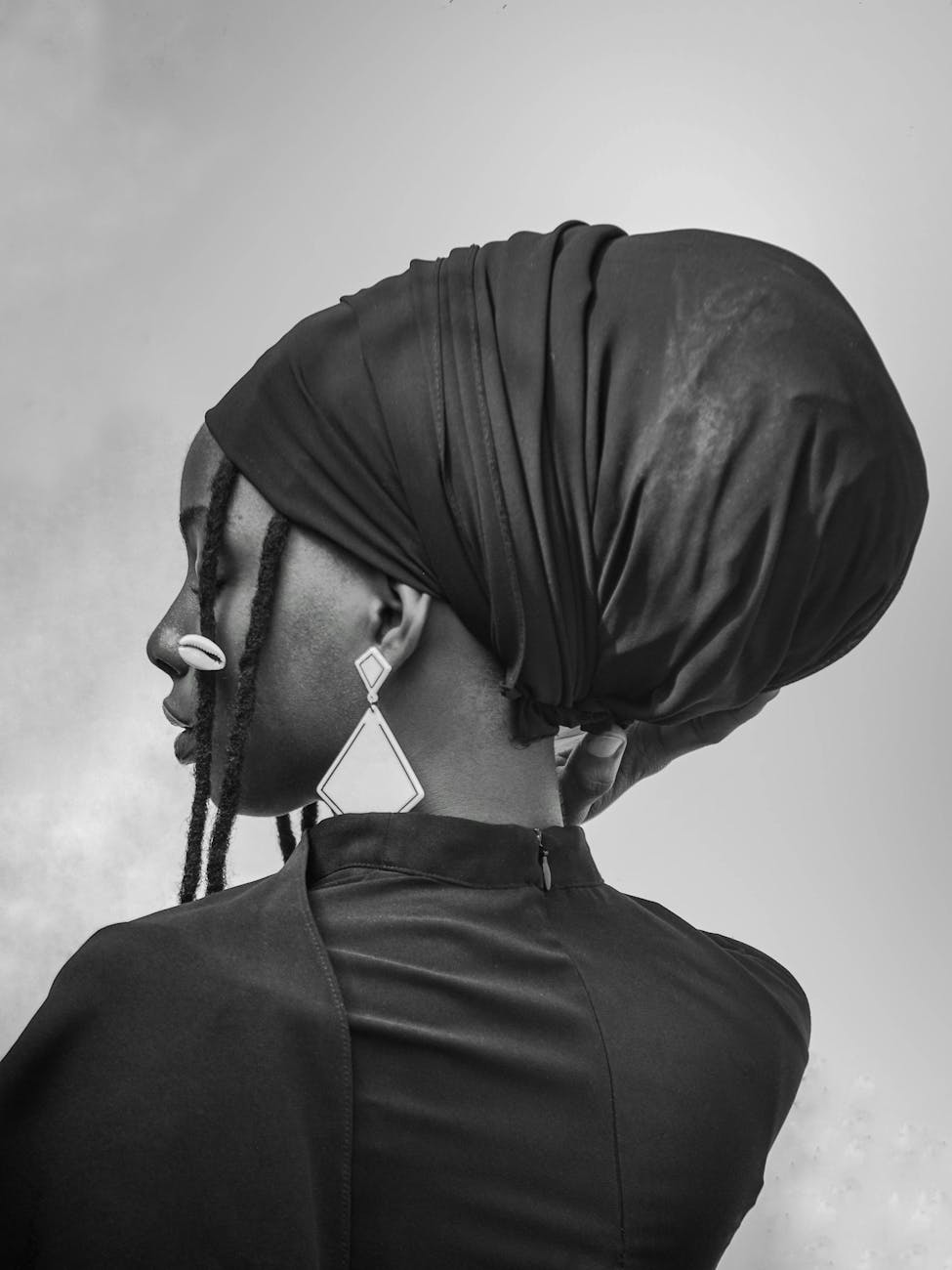
Beyond Beautiful: How Black Women’s Beauty Evolved Over Time.

Photo by Theresa Ude on Pexels.com

Black women’s beauty has long been celebrated, contested, and politicized, shaped by a combination of historical, social, and cultural forces. Across centuries, perceptions of Black female beauty have evolved, reflecting both the resilience of Black women and the oppressive systems attempting to define them. Understanding this evolution requires tracing beauty from African societies to the global stage today.

In many pre-colonial African societies, Black women’s beauty was deeply tied to heritage, spirituality, and social status. In kingdoms such as Mali, Benin, and Nubia, physical adornment signified not only personal aesthetic but also political and cultural identity. Jewelry, intricate hairstyles, body markings, and textiles celebrated individuality and social hierarchy. Fuller body types, darker skin tones, and natural hair textures were symbols of health, fertility, and royal lineage. Beauty was not separated from character, lineage, or social role—it was holistic.

Hairstyles, in particular, were culturally significant. Cornrows, braids, and elaborate hair sculptures communicated age, marital status, social rank, and tribal affiliation. Hair was both an artistic medium and a declaration of identity, signaling pride in lineage and community. African queens and noblewomen often wore elaborate headdresses and ornaments, creating an enduring visual language of beauty that transcended mere appearance.

Skin tone also carried meaning within African cultures. While different regions celebrated a spectrum of complexions, melanin-rich skin was associated with vitality and resilience. Unlike later Eurocentric ideals, darker skin was not stigmatized; rather, it was revered and affirmed as part of cultural identity. Beauty standards were therefore inclusive, reflecting the natural diversity of African women.

The transatlantic slave trade disrupted these cultural ideals. Millions of African women were forcibly transported to the Americas, subjected to brutal labor, and stripped of cultural practices. European colonial powers imposed Eurocentric standards, privileging lighter skin, straighter hair, and narrow facial features. These imposed ideals devalued the physical characteristics of Black women, creating long-lasting psychological and social consequences.

Enslaved women were often fetishized, exploited, and objectified. Their bodies became symbols of labor, reproduction, and sexual control, stripping autonomy and self-worth. These experiences embedded systemic devaluation of Black women’s beauty into both society and the collective consciousness of the diaspora, contributing to internalized oppression.

After emancipation, Black women continued to navigate oppressive beauty standards. In the United States, the rise of minstrel shows and stereotyped imagery reinforced negative perceptions of Black female appearance. Colorism became entrenched, privileging lighter-skinned women over darker-skinned women for employment, social acceptance, and marriage prospects (Hunter, 2007). These internalized hierarchies complicated notions of self-worth and community cohesion.

Despite these challenges, Black women resisted and redefined beauty on their own terms. During the Harlem Renaissance, cultural pride was expressed through fashion, natural hairstyles, and art. Women celebrated African heritage through bold dress, artistic expression, and intellectual engagement. Icons like Josephine Baker used performance and personal style to challenge Eurocentric standards and assert agency over their bodies and image.

Hollywood, historically dominated by Eurocentric beauty ideals, often excluded Black women or relegated them to stereotypical roles. Yet some actresses broke barriers, using visibility to reshape mainstream notions of beauty. Lena Horne, Dorothy Dandridge, and later Halle Berry and Lupita Nyong’o exemplified how Black women could embody elegance, talent, and cultural pride while challenging narrow standards.

The late 20th century saw the emergence of natural hair movements. Women began rejecting chemical straightening in favor of embracing natural textures, braids, twists, and afros. These movements were both aesthetic and political, reclaiming autonomy over appearance and rejecting assimilation to white beauty ideals. Hair became a form of activism, signaling pride in identity and heritage.

Makeup, fashion, and body positivity movements further expanded expressions of Black beauty. Dark-skinned women began asserting visibility in media, challenging biases in magazines, advertisements, and runway shows. Representation of diverse skin tones and body types countered the persistent narrative that Black women must conform to Eurocentric ideals.

Colorism remains a persistent challenge, shaping personal perceptions and social hierarchies within Black communities. Research demonstrates that lighter-skinned women often experience preferential treatment, while darker-skinned women face greater discrimination in employment, media, and social acceptance (Herring et al., 2004). Yet cultural movements continue to celebrate all skin tones, emphasizing the value and beauty of melanin-rich skin.

Contemporary media, including social platforms like Instagram and TikTok, has amplified Black women’s voices and creativity. Influencers, makeup artists, and beauty entrepreneurs have created spaces for celebrating natural hair, traditional attire, and melanin-rich skin. Digital platforms allow women to challenge mainstream narratives, democratizing beauty standards and providing visibility for previously marginalized identities.

Globalization has also elevated African-inspired aesthetics worldwide. Fashion, hairstyles, and jewelry rooted in African culture have influenced international trends, allowing Black women to reclaim cultural ownership of beauty expressions that were once appropriated without acknowledgment.

Black women’s beauty has also been redefined through entrepreneurship. Cosmetic brands like Fenty Beauty, SheaMoisture, and Juvia’s Place have prioritized inclusivity, catering to diverse skin tones and hair textures. These innovations affirm that Black women’s beauty is expansive, multifaceted, and commercially significant.

The intersection of culture, history, and identity has made beauty a site of both struggle and empowerment. Black women’s ability to redefine aesthetics despite oppression demonstrates resilience and creativity. Beauty is not solely physical; it encompasses intelligence, artistry, heritage, and self-expression.

Psychologically, embracing authentic beauty contributes to empowerment and self-worth. Rejecting oppressive standards fosters confidence, encourages community solidarity, and affirms the intrinsic value of Black women. As Audre Lorde famously stated, “I am my best work—an authentic representation of myself” (Lorde, 1984).

The spiritual dimension of beauty has also played a role. In many African cultures and faith traditions, beauty is intertwined with virtue, character, and divine purpose. Spiritual teachings continue to affirm that true beauty is holistic, encompassing body, mind, and soul.

Today, Black women are not only reshaping beauty standards but also influencing global perceptions. From fashion runways to film screens, their visibility challenges narrow conceptions of beauty and celebrates diversity in skin tone, hair texture, and body form. Black women lead movements that redefine what it means to be beautiful on their own terms.

Ultimately, the evolution of Black women’s beauty is a story of resistance, creativity, and reclamation. From African queens to modern influencers, Black women have consistently asserted the value of their features, heritage, and identity. Beauty is a living testimony of resilience and cultural pride.

In conclusion, Black women’s beauty has evolved over time, shaped by history, oppression, resistance, and empowerment. It is both personal and political, aesthetic and cultural, rooted in identity and heritage. Beyond the surface, it tells a story of survival, creativity, and enduring strength—a beauty that transcends time, norms, and societal limitations.


📖 References

  • Hunter, M. (2007). The persistent problem of colorism: Skin tone, status, and inequality. Sociology Compass, 1(1), 237–254.
  • Herring, C., Keith, V., & Horton, C. (2004). Skin deep: How race and complexion matter in the “color-blind” era. Politics & Society, 32(1), 111–146.
  • Lorde, A. (1984). Sister Outsider: Essays and Speeches. Crossing Press.