Tag Archives: beautiful

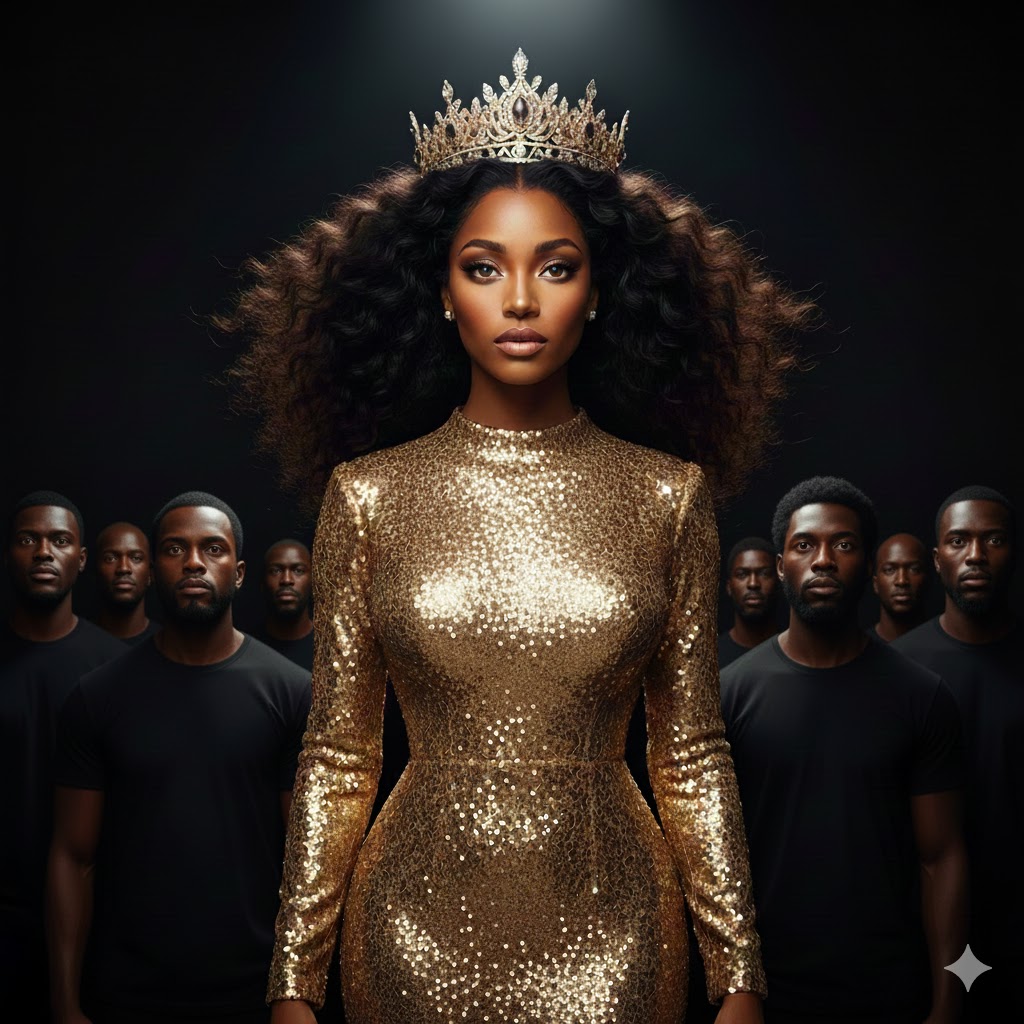
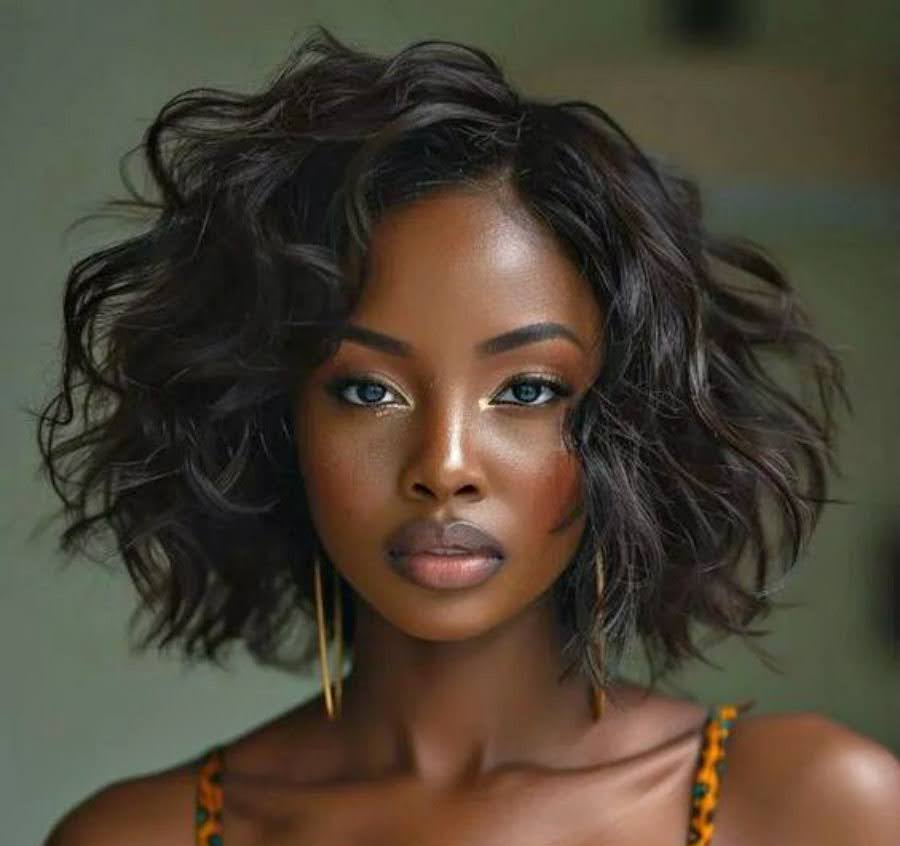
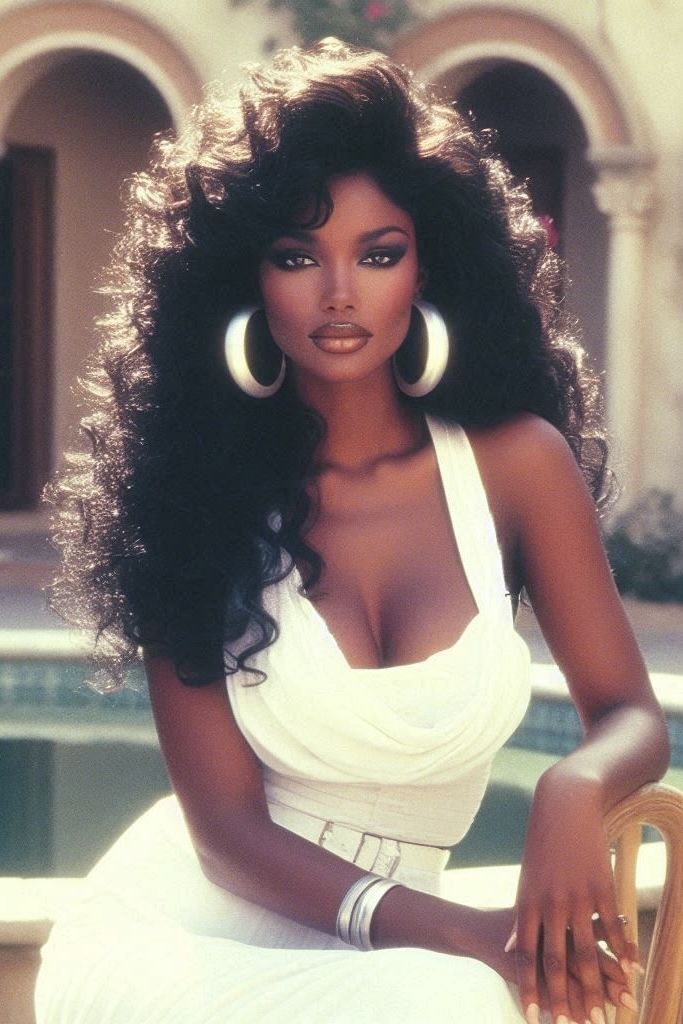
Shades of Power: Celebrating the Beauty of Brown Skin. #Shadesofglory

This photograph is the property of its respective owner.

Brown skin has long been a symbol of resilience, beauty, and cultural heritage. Across the African diaspora, it embodies a spectrum of history, identity, and pride, reflecting both ancestral lineage and lived experiences. From deep mahogany to honey tones, brown skin carries with it a narrative of survival, creativity, and empowerment. Its beauty is not merely aesthetic; it is political, cultural, and psychological—a declaration of self-worth in a world that has often devalued it.

The Science and Psychology of Melanin

Melanin, the pigment responsible for brown skin, offers more than visual appeal. Scientifically, it provides protection against ultraviolet rays, reducing risks of certain skin cancers while preserving youthful skin. Psychologically, research shows that people with higher melanin levels may experience a unique sense of identity formation, pride, and cultural belonging (Hunter, 2007). Yet, this very characteristic has been historically targeted through colorism, slavery, and systemic oppression, positioning brown skin at the intersection of beauty and societal prejudice.

Historical Reverence and Cultural Representation

Globally, brown skin has inspired admiration and reverence. In ancient African civilizations such as Nubia and Mali, darker skin was celebrated as a symbol of divine ancestry and nobility (Diop, 1974). Today, figures like Naomi Campbell, Adut Akech, and Morris Chestnut exemplify the global recognition of melanated beauty, blending talent, poise, and representation. Across art, literature, and media, brown skin has become both a canvas and a statement—asserting the legitimacy of Black excellence and aesthetic power.

Shades and Diversity

Brown skin is not monolithic. The spectrum includes deep espresso, warm caramel, golden bronze, and light almond tones. Each shade reflects complex genetic histories, from Sub-Saharan Africa to the Caribbean and Latin America. This diversity is a reminder of the richness within Black communities and challenges narrow standards of beauty that have historically marginalized darker tones. Embracing these variations strengthens cultural identity and encourages a more inclusive understanding of beauty.

The Biblical Perspective

Scripturally, beauty is celebrated in the context of God’s creation. The Bible emphasizes the intrinsic value of human beings, often referencing the beauty of skin and complexion as part of divine craftsmanship (Song of Solomon 1:5 KJV: “I am black, but comely, O ye daughters of Jerusalem”). Such affirmations counter societal devaluation, reminding communities of the inherent dignity and power embedded in melanin-rich skin.

Colorism and Societal Challenges

Despite its beauty, brown skin faces societal bias and systemic discrimination. Colorism, rooted in colonialism and slavery, perpetuates hierarchies within communities and cultures. Darker shades are often unjustly associated with negative stereotypes, affecting self-esteem, opportunities, and social perception. Addressing these challenges requires education, representation, and the celebration of all shades as inherently valuable.

Empowerment Through Representation

Representation matters. The rise of Black influencers, entrepreneurs, and creatives has shifted narratives around brown skin. By showcasing the diversity of melanated beauty in fashion, media, and leadership, these figures challenge entrenched biases and inspire younger generations. They redefine beauty not as a narrow, Eurocentric standard but as an expansive, inclusive celebration of identity.

The Spectrum of Power: Celebrating the Shades of Brown Skin

Brown skin comes in a stunning variety of hues, each with its own story, beauty, and cultural significance. By exploring these shades, we celebrate both the science of melanin and the lived experiences of those who wear it with pride.

1. Deep Espresso
Deep espresso skin embodies richness and resilience. It often carries historical significance, reflecting ancestry rooted in Sub-Saharan Africa.
Notable Figures: Lupita Nyong’o, Viola Davis, Idris Elba
Why it’s powerful: Deep tones challenge societal biases, offering a bold declaration of beauty that defies Eurocentric standards.

2. Rich Chocolate
Warm and velvety, chocolate tones are both elegant and versatile, often celebrated in media and fashion.
Notable Figures: Naomi Campbell, Morris Chestnut, Gabrielle Union
Why it’s powerful: These shades are often associated with sophistication and strength, embodying a balance of natural beauty and global recognition.

3. Caramel Glow
Caramel skin carries a golden warmth that radiates vibrancy and energy. Its luminous undertones are often highlighted in photography and fashion.
Notable Figures: Beyoncé, Zendaya, Kerry Washington
Why it’s powerful: Caramel skin bridges communities across the diaspora, symbolizing adaptability, visibility, and modern beauty.

4. Honey Bronze
Honey bronze represents a lighter, sun-kissed hue that glows with health and vitality. It reflects diversity within Black communities and mixed heritage.
Notable Figures: Rihanna, Janelle Monáe, Adut Akech
Why it’s powerful: This shade exemplifies versatility and creativity, highlighting the wide spectrum of melanin-rich skin tones.

5. Almond Radiance
Soft almond tones are subtle yet captivating, often perceived as delicate but deeply rooted in cultural pride.
Notable Figures: Tracee Ellis Ross, Lupita Tsimba, Issa Rae
Why it’s powerful: Almond skin celebrates understated beauty and reminds us that every tone deserves recognition and admiration.

Why Celebrating All Shades Matters

Every shade of brown tells a story of ancestry, survival, and empowerment. In a world that often favors lighter skin, showcasing the full spectrum combats colorism and affirms self-worth. It reminds communities that melanin is a crown, not a limitation.

Science and Spirituality

Melanin provides physical protection, while brown skin embodies spiritual and cultural significance. Biblically, dark and brown skin has been celebrated as comely and honorable (Song of Solomon 1:5 KJV). By embracing these hues, people of the diaspora reclaim pride, confidence, and legacy.

Conclusion

“Shades of Power” is more than a celebration—it is a reclamation. Brown skin embodies resilience, legacy, and excellence. Its diverse hues reflect history, science, and culture, affirming that beauty transcends societal limitations. By embracing, representing, and celebrating the richness of brown skin, communities empower themselves and reshape the world’s understanding of aesthetic, cultural, and spiritual worth. From deep espresso to almond radiance, brown skin is more than a shade—it’s a statement. Each tone is a testament to heritage, resilience, and beauty. Celebrating the spectrum empowers individuals, strengthens communities, and reshapes the global narrative about Black excellence and aesthetics..


References

  • Diop, C. A. (1974). The African Origin of Civilization: Myth or Reality. Chicago: Lawrence Hill Books.
  • Hunter, M. (2007). The Persistent Problem of Colorism: Skin Tone, Status, and Inequality. Sociology Compass, 1(1), 237–254.
  • The Holy Bible, King James Version. (1611). Song of Solomon 1:5.
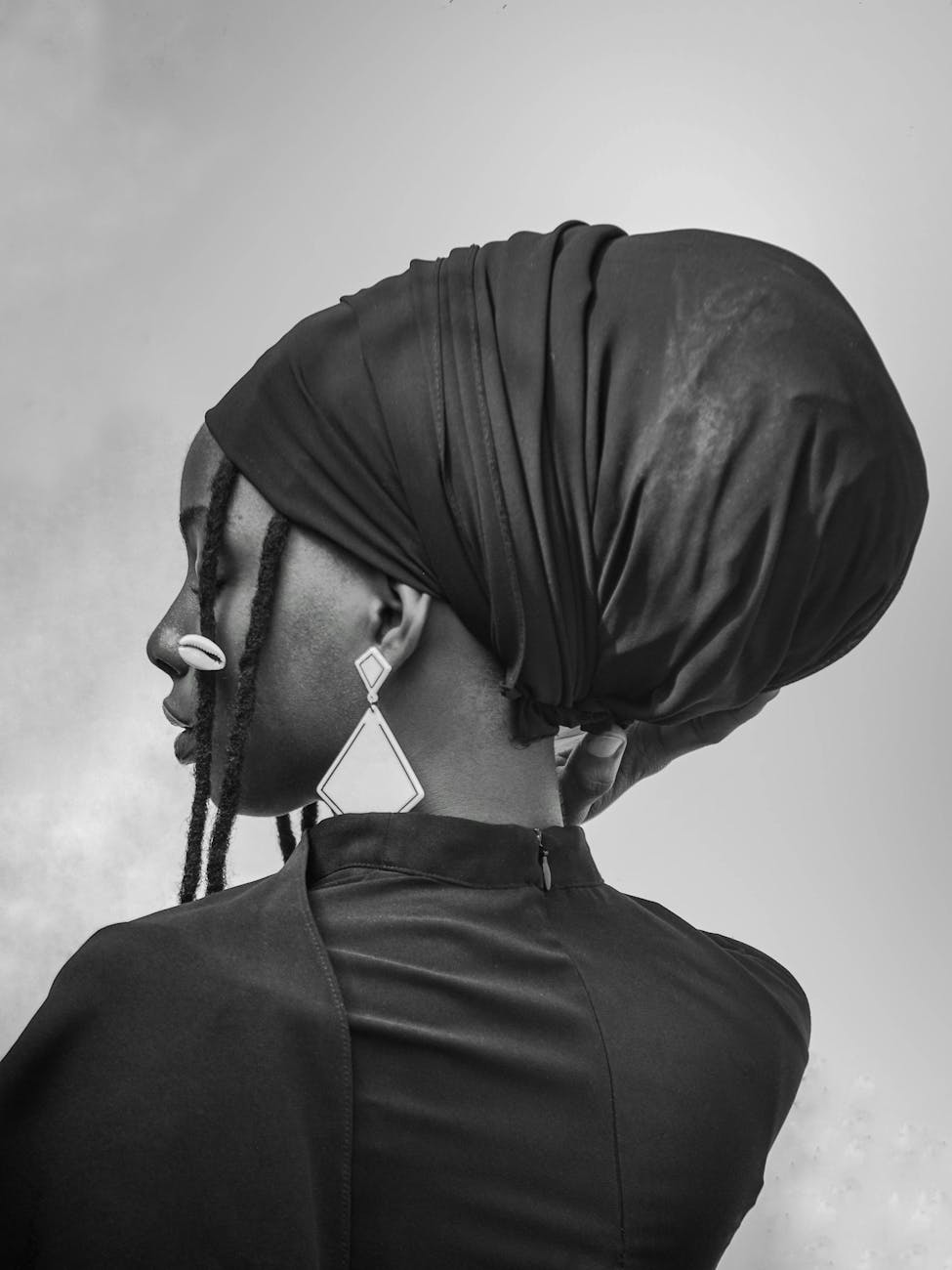
Beyond Beautiful: How Black Women’s Beauty Evolved Over Time.

Photo by Theresa Ude on Pexels.com

Black women’s beauty has long been celebrated, contested, and politicized, shaped by a combination of historical, social, and cultural forces. Across centuries, perceptions of Black female beauty have evolved, reflecting both the resilience of Black women and the oppressive systems attempting to define them. Understanding this evolution requires tracing beauty from African societies to the global stage today.

In many pre-colonial African societies, Black women’s beauty was deeply tied to heritage, spirituality, and social status. In kingdoms such as Mali, Benin, and Nubia, physical adornment signified not only personal aesthetic but also political and cultural identity. Jewelry, intricate hairstyles, body markings, and textiles celebrated individuality and social hierarchy. Fuller body types, darker skin tones, and natural hair textures were symbols of health, fertility, and royal lineage. Beauty was not separated from character, lineage, or social role—it was holistic.

Hairstyles, in particular, were culturally significant. Cornrows, braids, and elaborate hair sculptures communicated age, marital status, social rank, and tribal affiliation. Hair was both an artistic medium and a declaration of identity, signaling pride in lineage and community. African queens and noblewomen often wore elaborate headdresses and ornaments, creating an enduring visual language of beauty that transcended mere appearance.

Skin tone also carried meaning within African cultures. While different regions celebrated a spectrum of complexions, melanin-rich skin was associated with vitality and resilience. Unlike later Eurocentric ideals, darker skin was not stigmatized; rather, it was revered and affirmed as part of cultural identity. Beauty standards were therefore inclusive, reflecting the natural diversity of African women.

The transatlantic slave trade disrupted these cultural ideals. Millions of African women were forcibly transported to the Americas, subjected to brutal labor, and stripped of cultural practices. European colonial powers imposed Eurocentric standards, privileging lighter skin, straighter hair, and narrow facial features. These imposed ideals devalued the physical characteristics of Black women, creating long-lasting psychological and social consequences.

Enslaved women were often fetishized, exploited, and objectified. Their bodies became symbols of labor, reproduction, and sexual control, stripping autonomy and self-worth. These experiences embedded systemic devaluation of Black women’s beauty into both society and the collective consciousness of the diaspora, contributing to internalized oppression.

After emancipation, Black women continued to navigate oppressive beauty standards. In the United States, the rise of minstrel shows and stereotyped imagery reinforced negative perceptions of Black female appearance. Colorism became entrenched, privileging lighter-skinned women over darker-skinned women for employment, social acceptance, and marriage prospects (Hunter, 2007). These internalized hierarchies complicated notions of self-worth and community cohesion.

Despite these challenges, Black women resisted and redefined beauty on their own terms. During the Harlem Renaissance, cultural pride was expressed through fashion, natural hairstyles, and art. Women celebrated African heritage through bold dress, artistic expression, and intellectual engagement. Icons like Josephine Baker used performance and personal style to challenge Eurocentric standards and assert agency over their bodies and image.

Hollywood, historically dominated by Eurocentric beauty ideals, often excluded Black women or relegated them to stereotypical roles. Yet some actresses broke barriers, using visibility to reshape mainstream notions of beauty. Lena Horne, Dorothy Dandridge, and later Halle Berry and Lupita Nyong’o exemplified how Black women could embody elegance, talent, and cultural pride while challenging narrow standards.

The late 20th century saw the emergence of natural hair movements. Women began rejecting chemical straightening in favor of embracing natural textures, braids, twists, and afros. These movements were both aesthetic and political, reclaiming autonomy over appearance and rejecting assimilation to white beauty ideals. Hair became a form of activism, signaling pride in identity and heritage.

Makeup, fashion, and body positivity movements further expanded expressions of Black beauty. Dark-skinned women began asserting visibility in media, challenging biases in magazines, advertisements, and runway shows. Representation of diverse skin tones and body types countered the persistent narrative that Black women must conform to Eurocentric ideals.

Colorism remains a persistent challenge, shaping personal perceptions and social hierarchies within Black communities. Research demonstrates that lighter-skinned women often experience preferential treatment, while darker-skinned women face greater discrimination in employment, media, and social acceptance (Herring et al., 2004). Yet cultural movements continue to celebrate all skin tones, emphasizing the value and beauty of melanin-rich skin.

Contemporary media, including social platforms like Instagram and TikTok, has amplified Black women’s voices and creativity. Influencers, makeup artists, and beauty entrepreneurs have created spaces for celebrating natural hair, traditional attire, and melanin-rich skin. Digital platforms allow women to challenge mainstream narratives, democratizing beauty standards and providing visibility for previously marginalized identities.

Globalization has also elevated African-inspired aesthetics worldwide. Fashion, hairstyles, and jewelry rooted in African culture have influenced international trends, allowing Black women to reclaim cultural ownership of beauty expressions that were once appropriated without acknowledgment.

Black women’s beauty has also been redefined through entrepreneurship. Cosmetic brands like Fenty Beauty, SheaMoisture, and Juvia’s Place have prioritized inclusivity, catering to diverse skin tones and hair textures. These innovations affirm that Black women’s beauty is expansive, multifaceted, and commercially significant.

The intersection of culture, history, and identity has made beauty a site of both struggle and empowerment. Black women’s ability to redefine aesthetics despite oppression demonstrates resilience and creativity. Beauty is not solely physical; it encompasses intelligence, artistry, heritage, and self-expression.

Psychologically, embracing authentic beauty contributes to empowerment and self-worth. Rejecting oppressive standards fosters confidence, encourages community solidarity, and affirms the intrinsic value of Black women. As Audre Lorde famously stated, “I am my best work—an authentic representation of myself” (Lorde, 1984).

The spiritual dimension of beauty has also played a role. In many African cultures and faith traditions, beauty is intertwined with virtue, character, and divine purpose. Spiritual teachings continue to affirm that true beauty is holistic, encompassing body, mind, and soul.

Today, Black women are not only reshaping beauty standards but also influencing global perceptions. From fashion runways to film screens, their visibility challenges narrow conceptions of beauty and celebrates diversity in skin tone, hair texture, and body form. Black women lead movements that redefine what it means to be beautiful on their own terms.

Ultimately, the evolution of Black women’s beauty is a story of resistance, creativity, and reclamation. From African queens to modern influencers, Black women have consistently asserted the value of their features, heritage, and identity. Beauty is a living testimony of resilience and cultural pride.

In conclusion, Black women’s beauty has evolved over time, shaped by history, oppression, resistance, and empowerment. It is both personal and political, aesthetic and cultural, rooted in identity and heritage. Beyond the surface, it tells a story of survival, creativity, and enduring strength—a beauty that transcends time, norms, and societal limitations.


📖 References

  • Hunter, M. (2007). The persistent problem of colorism: Skin tone, status, and inequality. Sociology Compass, 1(1), 237–254.
  • Herring, C., Keith, V., & Horton, C. (2004). Skin deep: How race and complexion matter in the “color-blind” era. Politics & Society, 32(1), 111–146.
  • Lorde, A. (1984). Sister Outsider: Essays and Speeches. Crossing Press.

The Female Files: Beware of Men Who Flatter You #thebrowngirldilemma

Flattery is one of the oldest and most effective tools of manipulation, especially when directed toward women who desire affection, affirmation, or admiration. While kind words are not inherently wrong, excessive praise that lacks substance or truth can become spiritually and emotionally dangerous. Scripture consistently warns that flattering speech is often a gateway to deception.

In the King James Version, the Bible is clear that flattery is not harmless. “A flattering mouth worketh ruin” (Proverbs 26:28, KJV). Flattery is not designed to build you; it is designed to soften you. It disarms discernment and makes the listener more susceptible to influence.

Men who flatter excessively are often not speaking from conviction, but from strategy. Their words are crafted to get something—attention, access, emotional labor, sex, validation, or control. “With their flattering lips and with their double heart do they speak” (Psalm 12:2, KJV). What sounds sweet may be spiritually toxic.

Flattery thrives because it tells you what you want to hear, not what is true. When a woman is hungry for affirmation, flattery feels like nourishment, even when it is empty calories. “For the lips of a strange woman drop as an honeycomb, and her mouth is smoother than oil” (Proverbs 5:3, KJV). The same principle applies in reverse.

Many women enjoy admiration and mistake it for genuine interest. There is a difference between appreciation and flattery. Appreciation observes character, while flattery exaggerates appearance. One builds esteem; the other inflates ego.

A flattering man rarely asks about your values, your faith, your purpose, or your character. His focus remains external. This is dangerous because God never prioritizes outward beauty over inward substance. “Man looketh on the outward appearance, but the LORD looketh on the heart” (1 Samuel 16:7, KJV).

Biblically, a worthy woman is praised for her fear of the Lord, not her face. “Favour is deceitful, and beauty is vain: but a woman that feareth the LORD, she shall be praised” (Proverbs 31:30, KJV). When a man ignores this standard, it reveals what he truly values.

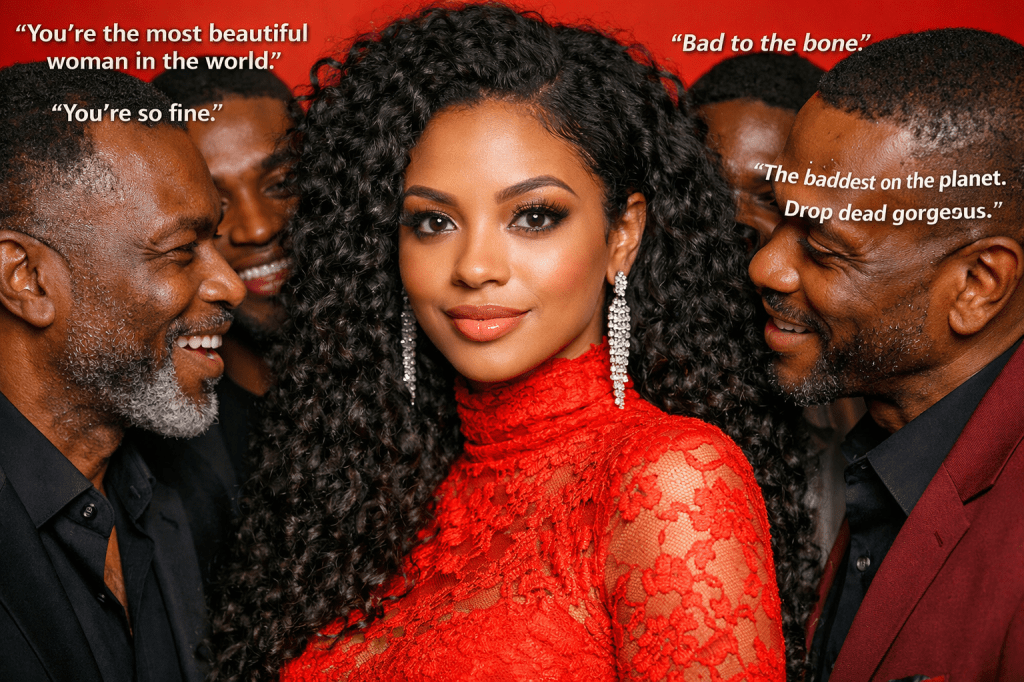
Common flattering phrases reveal shallow intent. Compliments such as “Baby, you so fine,” “You’re the most beautiful woman in the world,” or “You are BAD” focus entirely on physical attraction. These words are not rooted in discernment but desire.

Statements like “I’ll drink your bath water,” “You drop-dead beautiful,” or “You’re the prettiest thing since sliced peaches” are exaggerated, performative, and often recycled. They are designed to provoke emotion, not demonstrate respect.

Notice that none of these compliments address your mind, your integrity, your faith, or your discipline. They do not affirm your character, your wisdom, or your calling. They reduce you to a visual experience rather than a whole person.

Many women “eat this up” because admiration feels validating, especially in a culture that ties female worth to beauty. But validation rooted only in appearance is unstable and short-lived. When beauty fades, so does the attention.

The danger deepens when women forget that flattering men often say the same things to multiple women daily. Scripture warns of this pattern: “They bless with their mouth, but they curse inwardly” (Psalm 62:4, KJV). Flattery is rarely exclusive.

Flattering men are skilled at creating false intimacy quickly. Their words make you feel chosen, special, and elevated. Yet this is often a tactic to bypass boundaries and gain access without commitment.

Flattery also weakens discernment by appealing to pride. Proverbs warns, “He that flattereth his neighbour spreadeth a net for his feet” (Proverbs 29:5, KJV). What feels like admiration may actually be a trap.

A man of substance will not rush to exalt your beauty before knowing your heart. He understands that attraction without discernment leads to misuse. He looks for inward beauty—your fear of God, your humility, your wisdom, and your fruit.

Peter reinforces this principle, teaching that true beauty is internal, not external. “Let it be the hidden man of the heart… even the ornament of a meek and quiet spirit” (1 Peter 3:4, KJV). A godly man is drawn to this kind of beauty.

Flattery often replaces action with words. A man who flatters heavily but invests little reveals his priorities. Talk is cheap, but consistency is costly. True interest is demonstrated, not declared.

Women must learn to test words by time and behavior. “Beloved, believe not every spirit, but try the spirits whether they are of God” (1 John 4:1, KJV). Discernment requires patience.

Prayer is essential in guarding the heart from flattering deception. Asking God for wisdom exposes motives that are hidden beneath smooth speech. “If any of you lack wisdom, let him ask of God” (James 1:5, KJV).

Ultimately, flattery is dangerous because it trains women to value attention over truth. God’s design is higher. He desires women to be chosen for who they are becoming, not merely how they appear.

A woman grounded in God does not depend on flattery for identity. She knows her worth is rooted in the Most High, not in the mouths of men. When you value inward beauty, flattery loses its power—and only sincerity remains.


References (KJV)

The Holy Bible, King James Version.
1 Samuel 16:7
Psalm 12:2; Psalm 62:4
Proverbs 5:3; Proverbs 26:28; Proverbs 29:5; Proverbs 31:30
1 Peter 3:4
James 1:5
1 John 4:1

Beautyism: The Social Hierarchy of Appearance.

Beautyism is a pervasive form of bias in which physical attractiveness becomes a determinant of social, economic, and professional value. Unlike racism or sexism, which are widely recognized, beautyism often operates invisibly, normalized as preference or merit. Yet its consequences are tangible, affecting employment, compensation, social treatment, and interpersonal relationships. Appearance, particularly facial symmetry, skin tone, and adherence to cultural beauty norms, functions as an unspoken gatekeeper of opportunity.

Historically, beautyism has roots in class and colonial systems that equated aesthetic traits with worth. Eurocentric standards of beauty were imposed globally, privileging lighter skin, narrow noses, specific body shapes, and “refined” facial features. This legacy persists in contemporary media, professional expectations, and social judgment, reinforcing hierarchies based on appearance (Hamermesh & Biddle, 1994).

In the workplace, beautyism manifests in hiring, promotions, and wage disparities. Attractive individuals are often perceived as more competent, intelligent, and socially skilled, regardless of actual ability. Research indicates that more physically appealing candidates are statistically more likely to be hired, receive higher salaries, and attain leadership roles (Hosoda, Stone-Romero, & Coats, 2003).

Beautyism intersects with race and colorism, amplifying advantage for those whose features align with dominant aesthetic ideals. Lighter-skinned, Eurocentric features are often rewarded, while darker skin or features associated with non-European ancestry are penalized. This creates a compounded effect where racial bias and beauty bias reinforce each other (Hunter, 2007).

Socially, beautyism shapes relational dynamics. Attractive individuals receive more attention, favor, and trust in interpersonal interactions. Studies on the “halo effect” demonstrate that perceived beauty leads observers to attribute positive personality traits, competence, and moral character to an individual solely based on appearance (Eagly et al., 1991).

Within romantic and social spheres, beautyism dictates desirability and perceived worth. Partners with culturally valued features are more likely to receive attention, admiration, and romantic interest, while those outside these norms are often marginalized, fetishized, or overlooked. This hierarchy reinforces societal inequities and internalized self-judgment.

In families and communities, beautyism can exacerbate favoritism and differential treatment. Children with features perceived as attractive may receive more encouragement, praise, and social capital, while less “beautiful” children may experience neglect or lower expectations. Such disparities impact self-esteem, social development, and life trajectories.

Beautyism also intersects with gender, disproportionately affecting women. Societal pressure for women to maintain attractiveness translates into emotional, financial, and professional labor. Women are judged more harshly by appearance than men, facing scrutiny for aging, body size, skin tone, and facial symmetry.

Media and popular culture are key vehicles for perpetuating beautyism. Films, television, advertisements, and social media frequently elevate a narrow standard of beauty, often white-centered, while marginalizing diverse representation. Repetition trains collective perception, normalizing hierarchy and preference (Frisby, 2004).

Psychologically, beautyism contributes to anxiety, body dysmorphia, and low self-esteem. Internalized societal preference for certain features causes individuals to view themselves and others through biased lenses. This internal policing perpetuates inequality even in private or informal spaces.

Education is not immune to beautyism. Teachers’ perceptions of attractiveness influence grading, disciplinary decisions, and expectations. Attractive students are often seen as more capable or disciplined, while those judged less attractive may face harsher critique or reduced encouragement.

Economically, beautyism translates into measurable disparity. Attractive individuals command higher salaries, receive more bonuses, and have access to greater professional networks. Studies show a wage premium for attractive people across industries, indicating structural reinforcement of appearance-based advantage (Hamermesh, 2011).

Beautyism is also intertwined with social mobility. Individuals who conform to aesthetic norms are more likely to navigate elite spaces, gain mentorship, and access resources unavailable to those outside dominant beauty standards. This creates a cycle where beauty functions as currency.

Biblically, beautyism contradicts the principle that God evaluates by heart rather than outward appearance. Scripture warns, “Man looketh on the outward appearance, but the Lord looketh on the heart” (1 Samuel 16:7, KJV). Favoritism based on looks is therefore morally and spiritually flawed.

Churches and faith communities are not exempt. While congregations may reject racial or economic partiality, appearance-based favoritism often persists subtly through leadership selection, social visibility, and interpersonal validation. Spiritual integrity demands confrontation of this bias.

Overcoming beautyism requires intentional awareness and disruption of these hierarchies. Individuals and institutions must examine unconscious bias, challenge media narratives, and affirm diverse forms of beauty. Recognition of privilege tied to appearance is necessary for systemic and personal reform.

Intervention must also address internalized belief systems. Self-worth must be disentangled from aesthetic validation. Educational programs, counseling, and mentorship that prioritize character, talent, and virtue over looks can mitigate the psychological burden of beautyism.

Collective resistance involves creating inclusive environments where appearance does not dictate access or value. Policy, culture, and leadership structures must actively counteract favoritism based on looks, just as they address racial, gender, and class discrimination.

Ultimately, beautyism is a social construct that both reflects and reinforces inequality. Addressing it is not about denying aesthetics, but refusing hierarchy rooted in appearance. Justice, fairness, and human dignity demand that value be measured by character and action rather than physical conformity to cultural standards.

The dismantling of beautyism is a moral, cultural, and spiritual imperative. When societies cease rewarding superficial conformity, they open space for equitable recognition of talent, intelligence, and virtue, affirming the inherent worth of every individual.


References

The Holy Bible, King James Version. (1611). Various passages.

Hamermesh, D. S., & Biddle, J. E. (1994). Beauty and the labor market. American Economic Review, 84(5), 1174–1194.

Hosoda, M., Stone-Romero, E. F., & Coats, G. (2003). The effects of physical attractiveness on job-related outcomes: A meta-analysis of experimental studies. Personnel Psychology, 56(2), 431–462.

Hunter, M. (2007). The persistent problem of colorism: Skin tone, status, and inequality. Sociology Compass, 1(1), 237–254.

Eagly, A. H., Ashmore, R. D., Makhijani, M. G., & Longo, L. C. (1991). What is beautiful is good, but…: A meta-analytic review of research on the physical attractiveness stereotype. Psychological Bulletin, 110(1), 109–128.

Frisby, C. M. (2004). Does race or gender matter? Effects of media images on self-perception. Journal of Broadcasting & Electronic Media, 48(2), 301–317.

Hamermesh, D. S. (2011). Beauty pays: Why attractive people are more successful. Princeton University Press.

Melanin Magic: Brown Skin is Beautiful

Brown skin tells a story. It speaks of ancestry, resilience, and the divine artistry of creation. Yet for far too long, the beauty of melanin has been questioned, minimized, or ignored. Society often imposes narrow standards of beauty, privileging lighter skin and European features. But the truth remains: brown skin is radiant, powerful, and inherently beautiful. It is a gift, a legacy, and a symbol of identity that should never be hidden or diminished.

The journey toward embracing brown skin begins with recognition. Colorism, lookism, and societal bias have long forced Black and Brown communities to contend with internalized judgments about skin tone. Darker shades were often portrayed as less desirable, while lighter tones were celebrated. These messages are neither natural nor divine—they are the remnants of systemic oppression, colonial influence, and Eurocentric ideals of beauty (Hunter, 2007).

Yet brown skin is a living testament to strength and survival. Across generations, those with melanin-rich skin have endured slavery, colonization, and social marginalization, and yet they have thrived. The very pigment that has been criticized is also a shield, a protective gift, and a marker of identity. Melanin is scientifically proven to protect the skin from UV damage and contributes to overall skin health, but its significance is far more than biological—it is spiritual, cultural, and symbolic (Tharps, 2019).

Beauty cannot be confined to a single shade. The spectrum of brown is wide, ranging from the warmest cocoa to deep mahogany, each unique, each sacred. Every shade carries history, culture, and divine artistry. When brown-skinned women and men claim pride in their natural complexion, they are not simply celebrating appearance—they are affirming identity, lineage, and the image of God in which they were made (Genesis 1:27, KJV).

Embracing melanin is an act of courage. It challenges societal norms that have historically devalued Black and Brown bodies. It refuses to conform to light-skinned ideals of acceptability or desirability. It asserts that beauty is not limited by pigment, but is expansive, multifaceted, and inherently worthy of admiration. The movement toward melanin pride is therefore both personal and revolutionary, redefining standards and reclaiming dignity.

Brown skin is more than aesthetic—it carries cultural and historical significance. It reflects ancestral strength, intelligence, and creativity. From African kingdoms to Indigenous civilizations, from scholars to artists, brown skin has been a marker of excellence and resilience. Each individual with brown skin embodies a continuation of that legacy, a living bridge between past triumphs and future possibilities.

The psychological benefits of embracing melanin cannot be overstated. Self-love begins with self-recognition. Women and men who affirm their brownness often experience greater confidence, higher self-esteem, and a deeper sense of identity. In contrast, rejecting one’s natural skin tone can perpetuate cycles of self-doubt, shame, and internalized oppression (Hunter, 2007).

Celebrating brown skin also intersects with spirituality. Scripture acknowledges the beauty of God’s creation. Psalm 139:14 (KJV) declares, “I will praise thee; for I am fearfully and wonderfully made: marvellous are thy works.” Every shade of brown reflects divine intentionality. To love one’s skin is to honor the Creator, to see oneself as a masterpiece, and to walk boldly in the image of God.

Representation matters. For decades, media, film, and advertising have favored lighter-skinned actors, models, and public figures. This erasure perpetuates the myth that brown skin is less valuable. Yet the rise of influential Brown and Black artists, scholars, and leaders is reshaping perceptions, proving that beauty, talent, and excellence exist across the spectrum of melanin. Visibility validates identity and empowers future generations to embrace their own skin with pride.

Education plays a crucial role in melanin empowerment. Teaching children about the science of melanin, the beauty of their heritage, and the history of their people fosters pride from an early age. Understanding that brown skin is both beautiful and powerful cultivates resilience against societal pressures and internalized bias. Knowledge, after all, is liberation (Tharps, 2019).

Colorism and shadeism are challenges that persist within communities. Yet acknowledging these issues does not diminish the inherent beauty of brown skin—it amplifies the necessity of self-love and cultural pride. When communities celebrate every tone, from light cocoa to deep espresso, they honor the richness and diversity of human experience.

Brown skin is intersectional in its beauty. It is more than skin deep. It embodies culture, intellect, spirituality, and creativity. When a brown-skinned woman or man walks confidently into a room, she or he carries centuries of resilience, wisdom, and divine artistry. That presence alone challenges outdated narratives and sets a standard of authenticity.

Affirmation can be transformative. Phrases like “brown is beautiful,” “melanin magic,” and “love your skin” are not clichés—they are declarations of truth. They remind the world and the individual that beauty is inherent, and that identity should be celebrated, not hidden. Every mirror should reflect pride, not self-doubt.

Fashion, hair, and self-expression are powerful tools for embracing melanin. Natural hairstyles, vibrant clothing, and bold adornments showcase identity and heritage. The creative expression of brown-skinned individuals is both cultural reclamation and personal empowerment, turning visibility into art and confidence into activism.

Community support strengthens the embrace of melanin. When family, friends, and mentors affirm brownness, they reinforce self-worth and pride. Celebration within the community combats societal messages that may seek to devalue or erase. Affirmation, encouragement, and cultural education work hand in hand to nurture self-love.

Brown skin is a source of beauty, not a barrier. It is luminous, expressive, and powerful. In a world that often seeks to measure worth by lightness, claiming pride in melanin is revolutionary. It refuses to apologize for existence, refuses to conform, and insists on recognition, respect, and reverence.

Every shade of brown tells a story—of struggle, triumph, love, and legacy. To embrace that story is to claim one’s identity fully and unapologetically. Melanin is magic because it carries both history and potential, the beauty of ancestry, and the promise of the future.

Ultimately, embracing brown skin is an act of liberation. It is a refusal to internalize societal bias and an affirmation of self-worth. It is pride, beauty, and empowerment woven into the very essence of identity. Brown skin is radiant, sacred, and endlessly beautiful.

Let every mirror reflect this truth: Melanin magic is real, and brown skin is beautiful.


References

  • Hunter, M. (2007). The Persistent Problem of Colorism: Skin Tone, Status, and Inequality. Sociology Compass, 1(1), 237–254.
  • Tharps, L. L. (2019). Same Family, Different Colors: Confronting Colorism in the African American Community. Amistad.
  • hooks, b. (1992). Black Looks: Race and Representation. South End Press.
  • The Holy Bible, King James Version (KJV).