
There’s only one word that describes rich and dark, beautiful and rare. I’m going to call you: Mahogany. — Anthony Perkins (Mahogany, 1975)
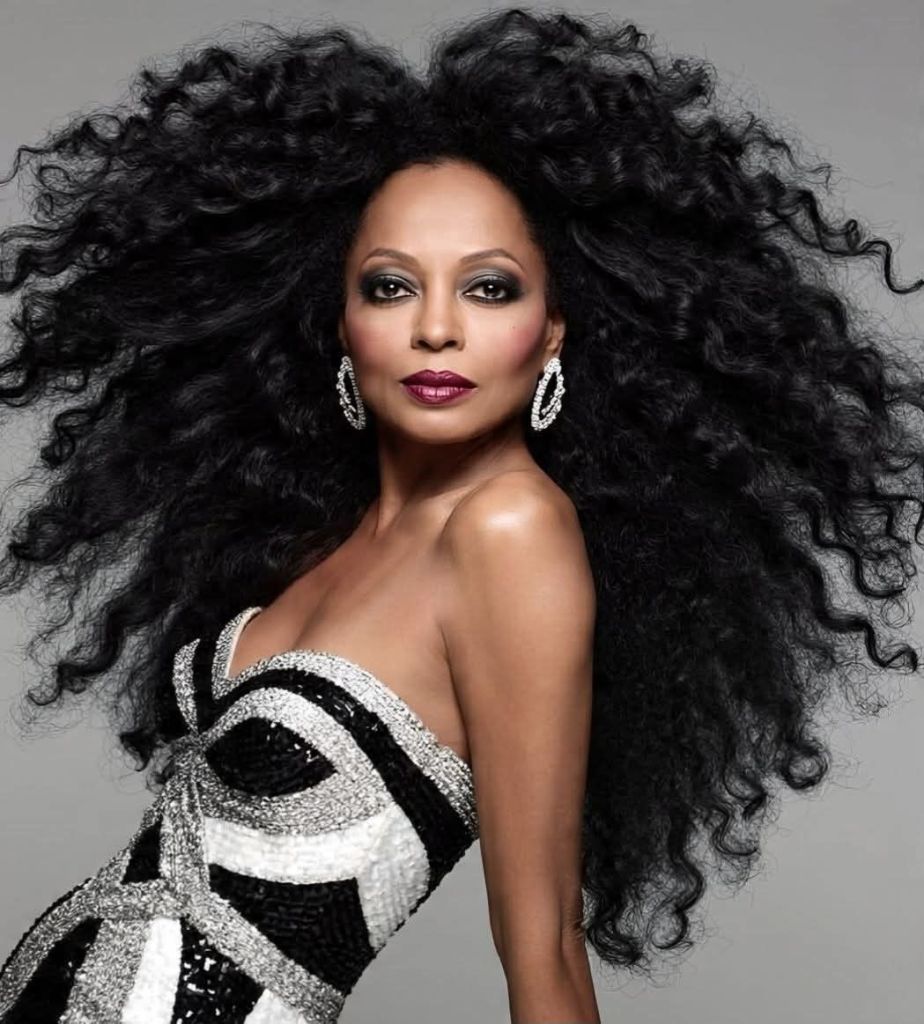
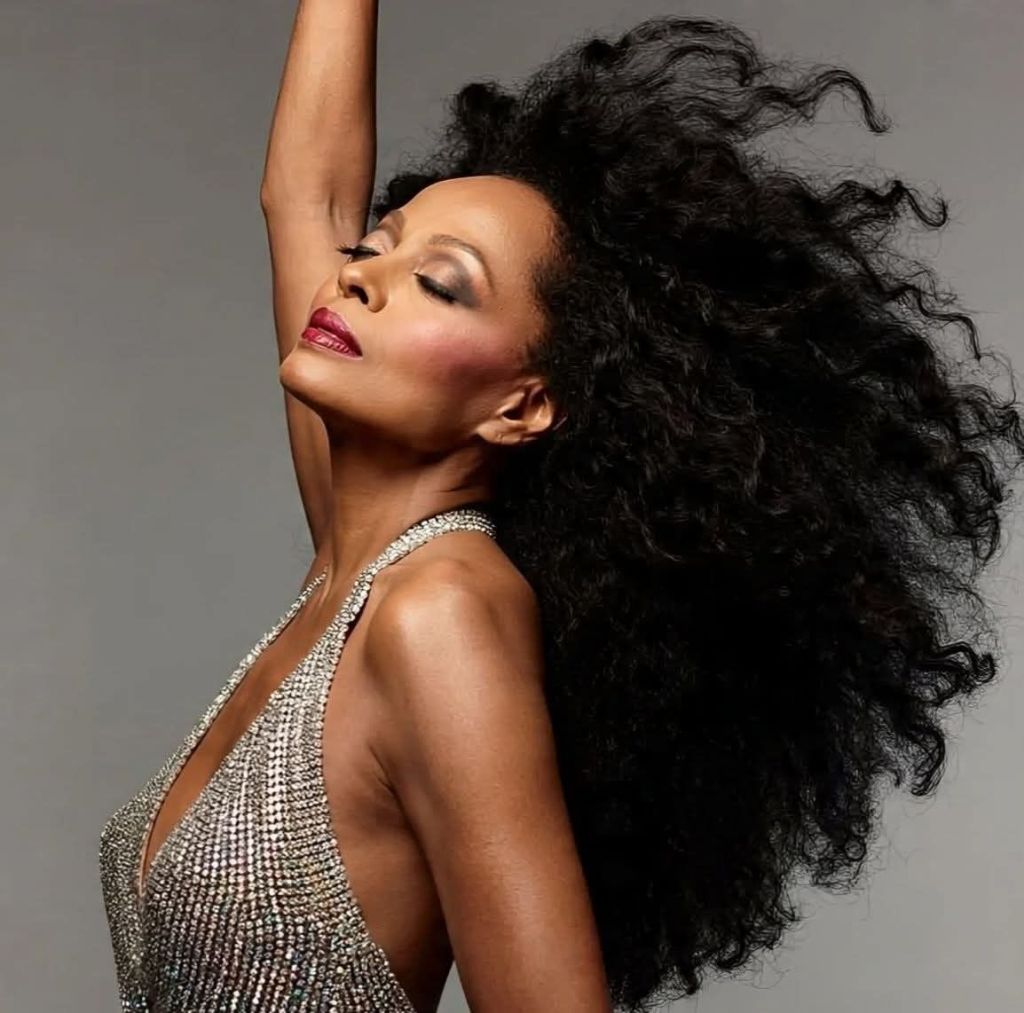
The Doe-Eyed Dollish image of Diana Ross, often referred to as “The Boss,” is a cultural icon whose influence transcends music, film, and fashion. Renowned for her distinctive soprano voice, commanding stage presence, and unmatched elegance, Ross redefined what it meant to be a Black female superstar. From her groundbreaking years as the lead singer of The Supremes to her illustrious solo career, she has captivated audiences worldwide with her charisma, style, and versatility. Beyond her musical achievements, Ross’s big hypnotic eyes, poise, glamour, and enduring influence have made her a symbol of empowerment, sophistication, and timeless artistry.
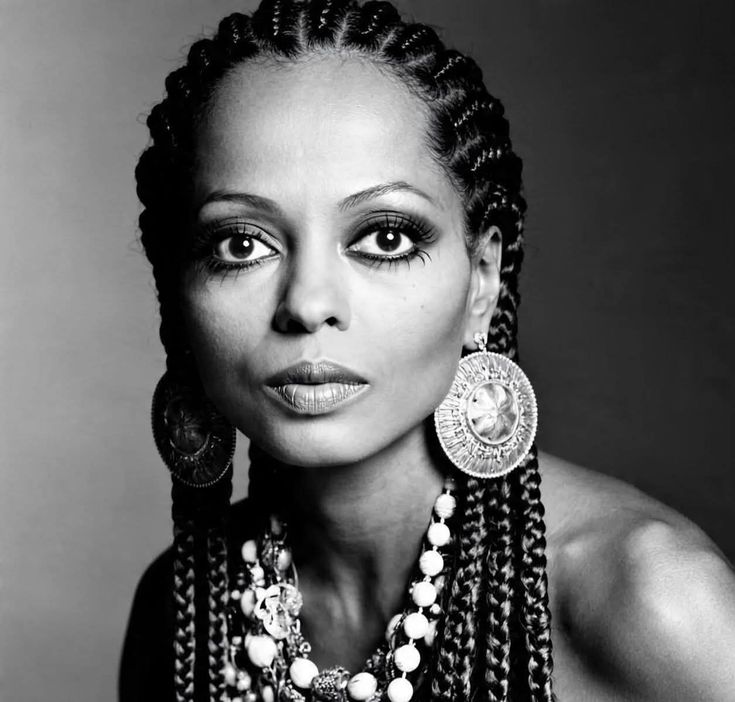
🎤 THE QUEEN OF MOTOWN 🎤
Diana Ross, born Diana Ernestine Ross on March 26, 1944, in Detroit, Michigan, is one of the most iconic singers and entertainers in music history. She rose to fame as the lead singer of The Supremes, Motown’s premier female group, before establishing an extraordinary solo career. Ross’s beauty, charisma, and vocal talent earned her the title “The Queen of Motown,” a distinction she continues to hold decades later.
Ross grew up in a working-class neighborhood in Detroit, the youngest of six children. From an early age, she displayed a love for singing and performing. Her mother, Ernestine, encouraged her talents, helping Diana develop poise and confidence that would later define her stage presence. Ross attended Cass Technical High School, where she honed her musical skills alongside academics.
Diana Ross’s career began in the late 1950s when she joined a girl group originally called The Primettes. The group eventually signed with Berry Gordy’s Motown Records in 1961 and changed their name to The Supremes. Ross’s distinct soprano voice, combined with her elegance and stage presence, quickly distinguished her from other groups of the era.
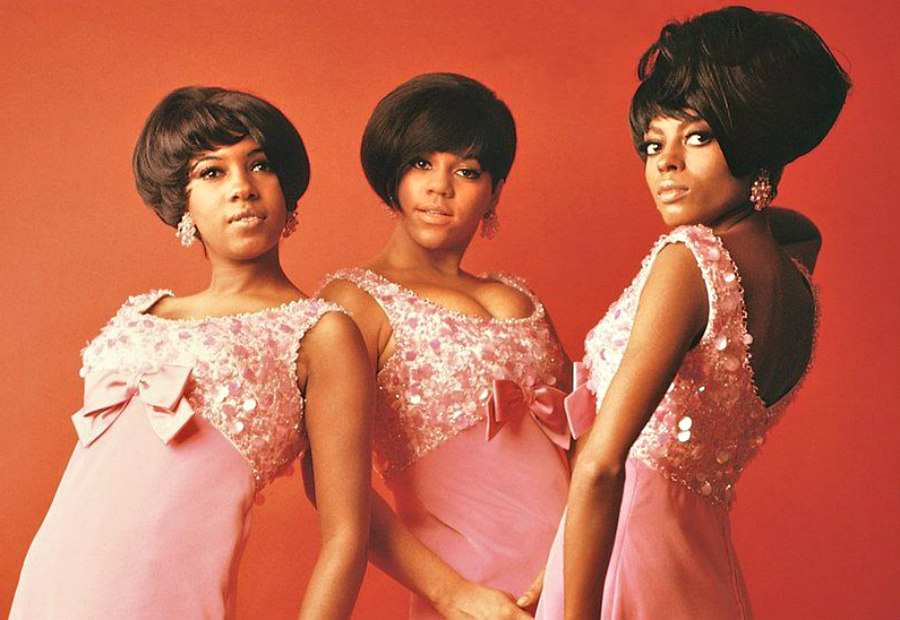
With Ross as lead singer, The Supremes became Motown’s most successful act in the 1960s. Hits such as “Where Did Our Love Go,” “Baby Love,” and “Stop! In the Name of Love” dominated the Billboard charts. Her style — graceful, glamorous, and commanding — helped define the image of a modern Black female superstar, paving the way for countless artists.
In 1970, Diana Ross left The Supremes to pursue a solo career. Her debut album, “Diana Ross”, produced hits like “Ain’t No Mountain High Enough”, showcasing her ability to deliver powerful and emotionally resonant performances as a solo artist. Her voice and presence evolved, demonstrating versatility across pop, R&B, and soul genres.
Ross’s film career is equally remarkable. She starred in “Lady Sings the Blues” (1972), portraying jazz legend Billie Holiday. Her performance earned an Academy Award nomination for Best Actress, solidifying her status as a multi-talented entertainer. Ross followed with “Mahogany” (1975) and “The Wiz” (1978), demonstrating her range in dramatic and musical roles.
Ross has received numerous awards and accolades throughout her career. She won a Grammy Lifetime Achievement Award in 2012, an Emmy Award, and a Golden Globe for her role in “Lady Sings the Blues.” Billboard and Rolling Stone have recognized her influence, ranking her among the greatest singers of all time.
Her influence extended beyond music and film. Ross became a fashion icon, celebrated for her glamorous gowns, striking hairstyles, and elegant stage presence. She set trends for Black women and female performers worldwide, proving that beauty, poise, and talent could coexist at the highest level of entertainment.
Diana Ross welcomed her first child, Rhonda Ross Kendrick, in 1971 with her then-partner Berry Gordy.
The following year, she welcomed Tracee Ellis Ross with her husband, Robert Ellis Silberstein. Three years later, their third daughter, Chudney Ross, was born.
After marrying Arne Naess Jr. in 1986, Ross welcomed two sons, Ross Arne Naess and Evan Ross. Ross also has a son, Rohan Marley, with reggae legend Bob Marley.
Throughout her life, Ross maintained strong relationships with Motown founder Berry Gordy, who was both mentor and former partner. Gordy’s guidance was instrumental in shaping her career, and their professional relationship produced some of Motown’s most memorable hits. Ross’s interactions with fellow stars, including Billy Dee Williams, highlighted her collaborative spirit in the entertainment industry.
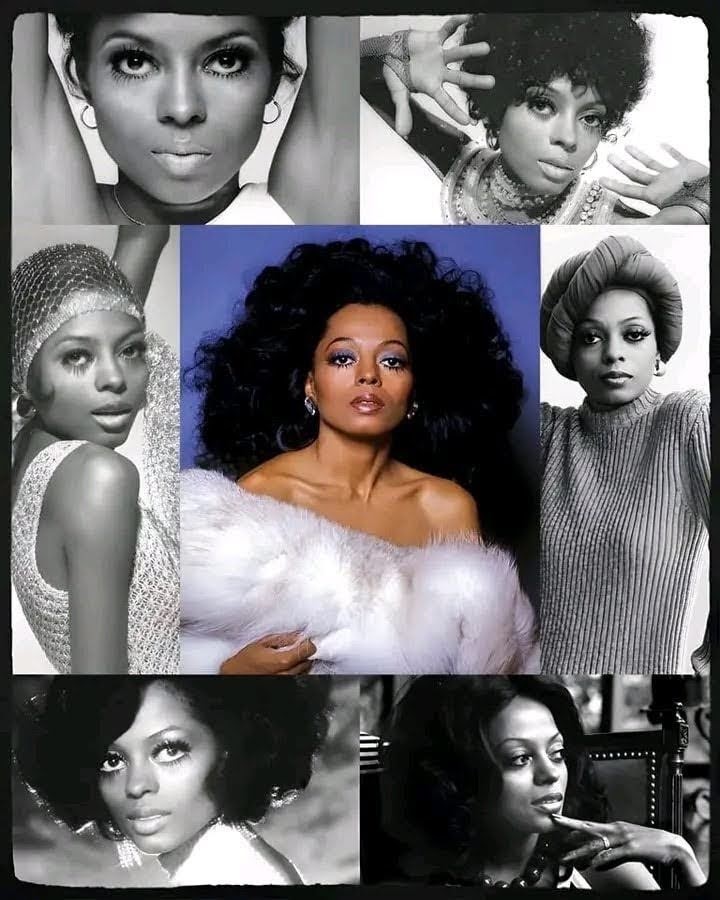
Diana Ross’s hit songs in the 1970s and 1980s include “Touch Me in the Morning,” “Theme from Mahogany,” “Upside Down,” and “I’m Coming Out.” These songs remain cultural staples, reflecting her ability to evolve musically while maintaining her signature sound. Ross also performed at landmark events, including the 1983 Motown 25 special, which celebrated her contributions to music history.
Ross cited numerous influences on her musical development. She admired Billie Holiday, Ella Fitzgerald, and Sarah Vaughan, drawing inspiration from their emotive vocal styles and stagecraft. This foundation allowed Ross to blend jazz, soul, and pop seamlessly in her own performances.
Her relationship with Berry Gordy was pivotal in her early career, providing both creative direction and exposure. Despite the personal complexities, their collaboration produced timeless hits that shaped Motown and set the standard for future musical acts. Ross’s professionalism and artistry ensured that these collaborations remained productive and legendary.
Ross’s impact extended internationally. She performed for presidents, royalty, and global audiences, including her historic performance at the 1983 US Presidential Inauguration. Her music and presence transcended cultural barriers, inspiring fans worldwide and affirming her role as a global icon.
Throughout her career, Ross faced challenges, including scrutiny over her personal life, financial negotiations, and the pressures of fame. Nevertheless, she consistently demonstrated resilience, adapting to changing musical landscapes and remaining relevant across decades.
Ross’s filmography includes notable projects beyond “Lady Sings the Blues” and “Mahogany.” She starred in “The Wiz,” “Out of Darkness,” and several made-for-TV specials. These roles showcased her versatility, merging her musical talents with acting and stagecraft.
Her style and performances influenced countless artists, including Beyoncé, Jennifer Hudson, and Alicia Keys. Ross’s legacy is evident in the way contemporary performers blend music, fashion, and social influence, reflecting her holistic approach to artistry.
Diana Ross’s personal life also reflects her commitment to family and philanthropy. She has supported causes including education, children’s welfare, and health awareness, particularly advocating for Black communities. Her activism complements her artistic legacy, demonstrating a life of purpose beyond entertainment.
Ross has been recognized with lifetime achievement honors, including inductions into the Rock and Roll Hall of Fame, Grammy Hall of Fame, and numerous music industry awards. These accolades affirm her enduring contributions to music, film, and culture.
In conclusion, Diana Ross remains a defining figure in 20th and 21st-century entertainment. Her journey from The Supremes to global superstardom illustrates exceptional talent, strategic vision, and personal resilience. She is not only a musical icon but a cultural symbol of beauty, elegance, and empowerment. Ross’s life and career continue to inspire generations of artists and fans around the world.
References
- Taraborrelli, J. R. (2007). Diana Ross: A Biography. Crown Publishing Group.
- Ritz, D. (2003). Divided Soul: The Life of Marvin Gaye. Da Capo Press.
- Larkin, C. (2011). The Encyclopedia of Popular Music. Omnibus Press.
- The Holy Bible, King James Version.
- Billboard. (2020). Diana Ross Chart History. Retrieved from https://www.billboard.com/music/diana-ross
- Rolling Stone. (2015). Diana Ross: 100 Greatest Singers of All Time.
 THE BROWN GIRL DILEMMA