
Blending KJV Scripture and Psychology
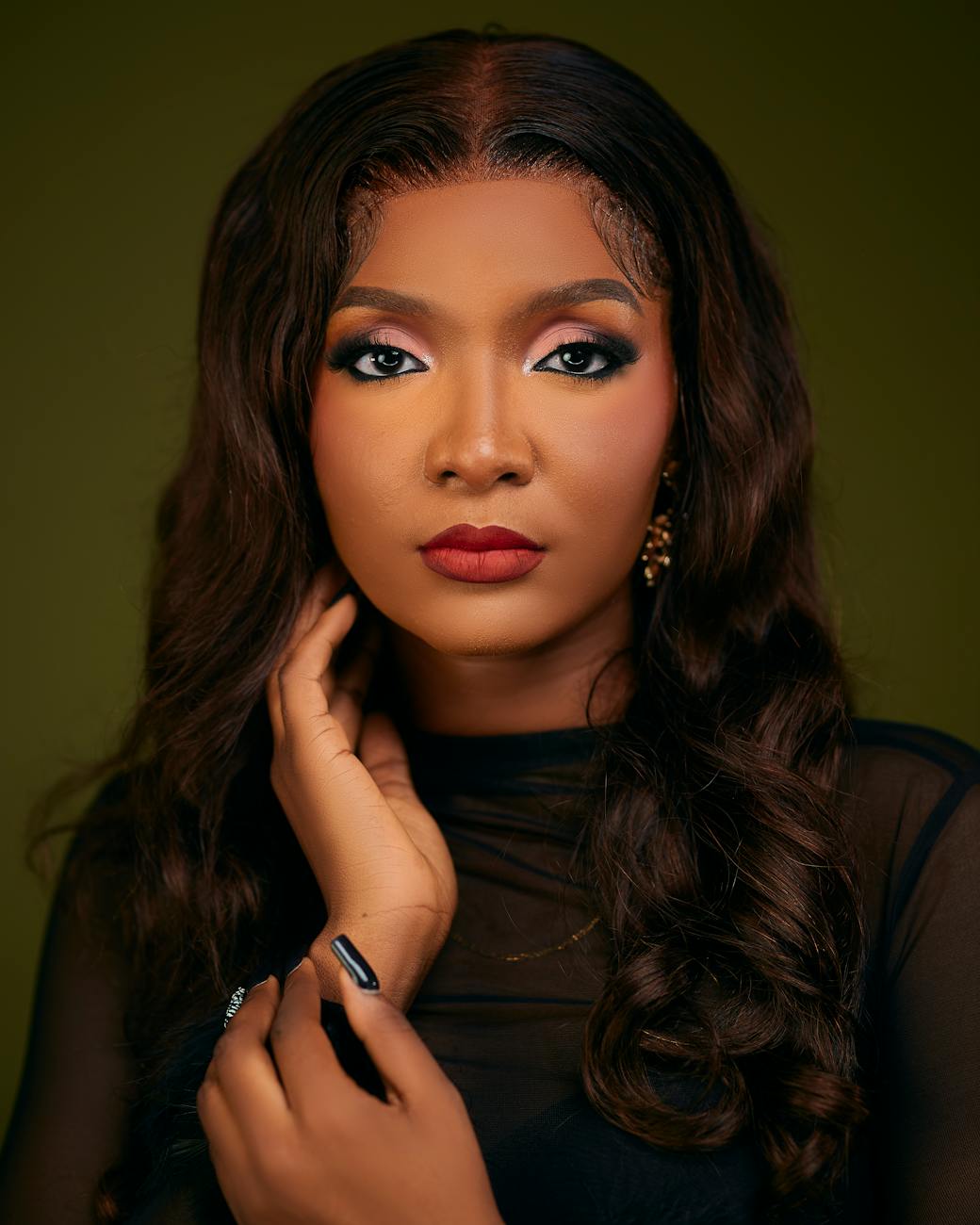
Attractiveness is more than physical beauty—it is the product of character, habits, and the way we present ourselves to others. Both psychology and the Bible reveal that true charm is cultivated inwardly and expressed outwardly. Below are twelve habits that increase attractiveness in meaningful ways.
1. Confidence Without Arrogance
Confidence is magnetic because it signals security and trustworthiness. Psychological studies show that people are drawn to those who display healthy self-assurance (Swann et al., 2007). Yet arrogance repels. The Bible balances this by teaching, “For the LORD shall be thy confidence” (Proverbs 3:26, KJV). True attractiveness is rooted in confidence in God, not in pride.
2. Good Hygiene and Grooming
Attraction is heavily influenced by cleanliness. Psychologists note that proper grooming signals health and responsibility, key factors in partner selection. God Himself emphasized preparation through cleanliness: “Sanctify them today and tomorrow, and let them wash their clothes” (Exodus 19:10, KJV). A clean and well-kept appearance honors God and attracts others.
3. Kindness and Compassion
Kindness makes one unforgettable. Research demonstrates that altruistic people are rated as more attractive and more desirable long-term partners. Scripture commands, “Be ye kind one to another, tenderhearted” (Ephesians 4:32, KJV). A compassionate spirit shines brighter than external beauty, drawing people through genuine care.
4. Active Listening
In a world where many talk but few listen, giving undivided attention is profoundly attractive. Psychology shows that active listening builds intimacy and emotional closeness. The Bible advises, “Let every man be swift to hear, slow to speak” (James 1:19, KJV). Listening communicates respect and makes others feel valued, deepening relationships.
5. Positive Attitude
Negativity drains, but positivity uplifts. Studies reveal that optimism not only improves one’s own mental health but also makes others more likely to want companionship with you. The Apostle Paul reminds us, “Rejoice in the Lord alway: and again I say, Rejoice” (Philippians 4:4, KJV). A joyful spirit radiates attractiveness.
6. Good Posture and Body Language
Nonverbal communication speaks volumes. Psychology shows that confident posture, open gestures, and a relaxed demeanor make one appear approachable and appealing (Mehrabian, 1972). David declared, “I will praise thee; for I am fearfully and wonderfully made” (Psalm 139:14, KJV). Carrying oneself with dignity reflects inner assurance and God-given worth.
7. Ambition and Purpose
People are drawn to those who have goals and direction. Purpose signals maturity, responsibility, and resilience. Psychological studies confirm that ambition is an attractive trait in both men and women. Scripture affirms, “Write the vision, and make it plain” (Habakkuk 2:2, KJV). A life driven by godly purpose inspires others.
8. Sense of Humor
Laughter is a universal connector. Humor reveals intelligence, creativity, and emotional resilience. Studies show people prefer partners who make them laugh, as it eases tension and builds closeness. The Bible states, “A merry heart doeth good like a medicine” (Proverbs 17:22, KJV). A joyful spirit makes one irresistible.
9. Generosity
Giving increases attractiveness because it shows selflessness and abundance of spirit. Psychology observes that generosity signals both kindness and capability, enhancing desirability. Christ Himself declared, “Give, and it shall be given unto you” (Luke 6:38, KJV). Generosity reflects God’s love and makes relationships thrive.
10. Emotional Stability
Few traits are more attractive than peace under pressure. Emotional stability fosters trust and security, while instability repels. Psychology confirms that people seek partners who remain calm in adversity. Paul wrote, “For God hath not given us the spirit of fear; but of power, and of love, and of a sound mind” (2 Timothy 1:7, KJV). Stability brings beauty to relationships.
11. Self-Discipline
Those who exercise control over their desires and actions earn respect and admiration. Psychology links self-discipline to long-term success and relational reliability. The Apostle Paul modeled this: “But I keep under my body, and bring it into subjection” (1 Corinthians 9:27, KJV). Discipline makes one trustworthy and more attractive as a partner.
12. Spiritual Depth
Ultimately, true attractiveness flows from inner spirituality. Psychology acknowledges that shared faith and moral grounding strengthen bonds. Scripture declares, “Favour is deceitful, and beauty is vain: but a woman that feareth the LORD, she shall be praised” (Proverbs 31:30, KJV). Spiritual character sustains relationships long after physical beauty fades.
12 Habits That Make You More Attractive
Blending KJV Scripture and Psychology
- Confidence Without Arrogance
- Psychology: Confidence signals competence and security (Swann et al., 2007).
- Proverbs 3:26 (KJV): “For the LORD shall be thy confidence.”
- Good Hygiene and Grooming
- Psychology: Cleanliness increases perceived attractiveness.
- Exodus 19:10 (KJV): God commanded Israel to “wash their clothes” before meeting Him—purity matters.
- Kindness and Compassion
- Psychology: Altruism makes people more desirable as partners.
- Ephesians 4:32 (KJV): “Be ye kind one to another, tenderhearted.”
- Active Listening
- Psychology: Attentive listening strengthens emotional bonds.
- James 1:19 (KJV): “Let every man be swift to hear, slow to speak.”
- Positive Attitude
- Psychology: Optimism draws others in and reduces stress.
- Philippians 4:4 (KJV): “Rejoice in the Lord alway.”
- Good Posture and Body Language
- Psychology: Open, confident posture increases attractiveness (Mehrabian, 1972).
- Psalm 139:14 (KJV): “I will praise thee; for I am fearfully and wonderfully made.”
- Ambition and Purpose
- Psychology: Drive and goals signal stability and direction.
- Habakkuk 2:2 (KJV): “Write the vision, and make it plain.”
- Sense of Humor
- Psychology: Humor signals intelligence and relatability.
- Proverbs 17:22 (KJV): “A merry heart doeth good like a medicine.”
- Generosity
- Psychology: Giving increases social bonds and attraction.
- Luke 6:38 (KJV): “Give, and it shall be given unto you.”
- Emotional Stability
- Psychology: Calmness makes relationships safe and secure.
- 2 Timothy 1:7 (KJV): “For God hath not given us the spirit of fear; but of power, and of love, and of a sound mind.”
- Self-Discipline
- Psychology: People admire those with self-control and resilience.
- 1 Corinthians 9:27 (KJV): Paul speaks of keeping his body under discipline.
- Spiritual Depth
- Psychology: Faith and moral grounding increase trust and long-term attractiveness.
- Proverbs 31:30 (KJV): “A woman that feareth the LORD, she shall be praised.”
✨ Conclusion
Attractiveness is not a mystery reserved for the outwardly beautiful—it is a set of habits cultivated daily. Psychology shows us that qualities like kindness, confidence, and stability foster lasting appeal. The Bible reminds us that inner beauty, rooted in godliness, outshines temporary charm. When we practice these twelve habits, we not only become more attractive to others but also align ourselves with the character God desires.
References
- The Holy Bible, King James Version.
- Swann, W. B., Jr., Chang-Schneider, C., & McClarty, K. L. (2007). Do people’s self-views matter? Self-concept and self-esteem in interpersonal relationships. Psychological Science, 18(3), 200–206.
- Mehrabian, A. (1972). Nonverbal communication. Aldine-Atherton.
- Rhodes, G. (2006). The evolutionary psychology of facial beauty. Annual Review of Psychology, 57, 199–226.
- Byrne, D. (1971). The Attraction Paradigm. Academic Press.
- Aron, A., Aron, E. N., & Smollan, D. (1997). Inclusion of Other in the Self Scale and the structure of interpersonal closeness. Journal of Personality and Social Psychology, 63(4), 596–612.
- Bowlby, J. (1988). A Secure Base: Parent-child attachment and healthy human development. Basic Books.
- Cialdini, R. B. (2009). Influence: Science and practice (5th ed.). Pearson.
- Peterson, C., & Seligman, M. E. P. (2004). Character strengths and virtues: A handbook and classification. Oxford University Press.
 THE BROWN GIRL DILEMMA