

Tag Archives: atlanta

Girl Talk Series: Down Low (DL) Men

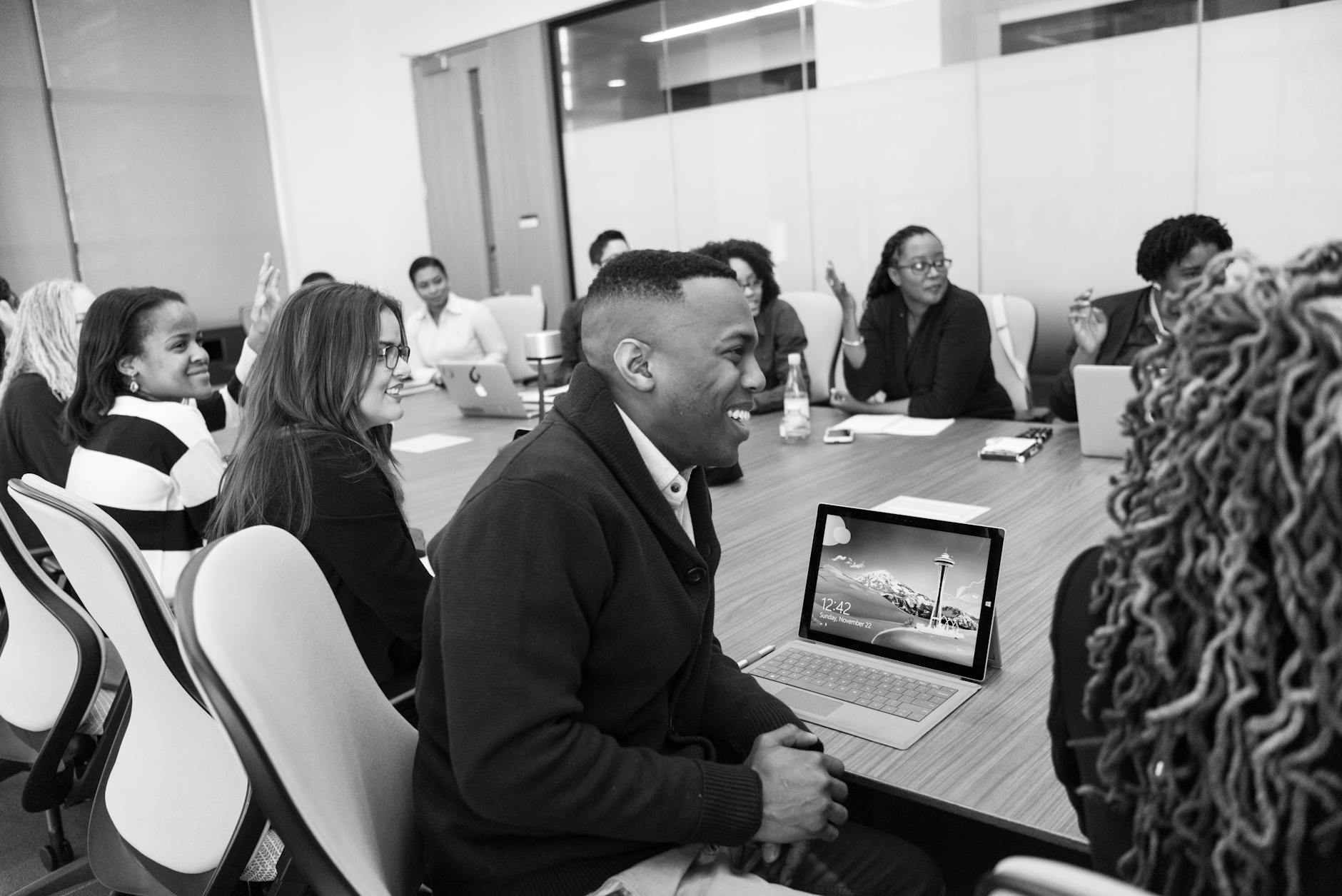
Photo by Joshua Mcknight on Pexels.com

The Hidden World of the Down Low Man

A “Down Low” (DL) man identifies publicly as heterosexual—often marrying women and fathering children—while secretly engaging in same-sex sexual relationships. The term originated in African American communities in the 1990s and gained national attention through media coverage and books such as On the Down Low by J. L. King (2004). This hidden behavior is often fueled by cultural stigma, fear of rejection, or religious condemnation. While homosexuality is openly embraced in some spaces, the DL phenomenon thrives in communities where being openly gay is heavily stigmatized, particularly within Black churches and conservative religious settings.

Homosexuality and the Bible’s Teachings

From a biblical standpoint, the King James Version (KJV) describes homosexual behavior as sin. Leviticus 18:22 (KJV) declares: “Thou shalt not lie with mankind, as with womankind: it is abomination.” Similarly, 1 Corinthians 6:9-10 lists “abusers of themselves with mankind” among those who shall not inherit the kingdom of God. The destruction of Sodom and Gomorrah in Genesis 19 is often cited as a biblical example of divine judgment against sexual immorality, including sodomy. While some modern theologians interpret these passages differently, the traditional biblical stance remains that homosexual acts are contrary to God’s design for sexuality.

The Psychology Behind the DL Lifestyle

Psychologically, the DL lifestyle is often linked to internalized homophobia, fear of social ostracization, and cultural pressures to conform to heterosexual norms. Men who live on the down low may marry women to uphold an image of masculinity, gain social acceptance, or avoid accusations of sin within religious circles (Millett et al., 2005). This deception often leaves wives devastated when the truth emerges. The secrecy is not only about sexual preference but about preserving a constructed identity. Lying becomes a coping mechanism to reconcile personal desires with external expectations.

Case Example: Public Exposure and Impact

One of the most notable cases was that of Ted Haggard, a Colorado megachurch pastor and president of the National Association of Evangelicals, who was exposed in 2006 for engaging in sexual activity with men while preaching against homosexuality. His downfall shocked his congregation and wife, who later admitted to feelings of betrayal and humiliation. Similarly, African American women in Atlanta and other urban hubs have spoken out about discovering their husbands’ secret lives, which often leads to broken marriages, mistrust, and increased risk of sexually transmitted infections (King, 2004). These stories reveal the profound emotional and spiritual harm DL behavior inflicts on unsuspecting spouses.

Spotting a DL Man and Cultural Trends

Women often ask how to recognize a DL man. While no single sign is definitive, psychologists and community leaders cite common red flags: (1) excessive secrecy about friendships or travel, (2) avoidance of intimacy with women while overemphasizing masculinity, and (3) an unusual obsession with maintaining a “straight” image. Culturally, cities like Atlanta have become known for large LGBTQ populations, with the Williams Institute (2020) noting Georgia ranks among the top states for openly gay individuals. California and New York also have some of the largest LGBTQ communities nationwide. The migration to such cities reflects both acceptance and opportunity for individuals seeking freedom from restrictive environments.

🔎 15 Possible Signs of a DL Man

  1. Overemphasis on Masculinity – Constantly proving he’s “manly,” avoiding anything that could be labeled feminine.
  2. Secretive Behavior – Hiding phone calls, text messages, or social media activity; sudden disappearing acts without explanation.
  3. Lack of Sexual Interest in Women – Married but avoids intimacy, makes excuses, or seems emotionally detached in the bedroom.
  4. Unusual Friendships – Very close “male friends” that take priority over his wife or girlfriend, with unexplained trips or overnights.
  5. Overcompensation in Public – Publicly criticizing or mocking gay men to deflect suspicion.
  6. Double Life Online – Use of multiple profiles, dating apps, or anonymous chat rooms.
  7. Frequent Trips to Gay-Friendly Cities – Regular travel to places like Atlanta, New York, or Los Angeles with vague reasons.
  8. Financial Secrets – Money unaccounted for, possibly spent on hotel stays or secret meetups.
  9. Strange Phone Habits – Guarding his phone, changing passwords frequently, or panicking when partner checks his devices.
  10. Unexplained STDs – Woman contracts sexually transmitted infections despite being faithful.
  11. Defensiveness About Sexuality – Overreacts or becomes angry when questioned about sexuality.
  12. Lack of Emotional Intimacy – Keeps emotional distance, struggles to connect deeply in the relationship.
  13. Suspicious Porn Habits – Secret stash or viewing patterns involving gay or bisexual content.
  14. Contradictions in Stories – Inconsistent explanations about where he’s been or who he’s with.
  15. Community Rumors – Word-of-mouth within church, work, or community about questionable behavior.

⚠️ Important Note

Not all men who show one or two of these signs are on the DL—sometimes secrecy, emotional distance, or lack of intimacy stem from other issues (depression, stress, trauma, etc.). The difference lies in consistent patterns of deception and hidden sexuality.

Healing and the Path Forward

For women who discover their husbands are DL men, the process of healing is painful but possible. Support groups, counseling, and faith-based ministries can help restore self-worth. The Bible reminds us in Psalm 34:18 (KJV), “The Lord is nigh unto them that are of a broken heart; and saveth such as be of a contrite spirit.” Forgiveness does not mean reconciliation but freedom from bitterness. Ultimately, the answer lies in honesty, community support, and biblical grounding. Recognizing the signs of deception, confronting the reality, and rebuilding through therapy and prayer are crucial steps to healing and empowerment.


References

  • King, J. L. (2004). On the Down Low: A Journey into the Lives of ‘Straight’ Black Men Who Sleep with Men. Broadway Books.
  • Millett, G., Malebranche, D., Mason, B., & Spikes, P. (2005). Focusing “down low”: Bisexual black men, HIV risk and heterosexual transmission. Journal of the National Medical Association, 97(7), 52-59.
  • The Holy Bible, King James Version (KJV).
  • Williams Institute. (2020). LGBT Demographic Data Interactive. UCLA School of Law.
Entrepreneurship in the Black Community.

The Hustle and the Heart: Blending definitions, data, real voices, practical insights, and broader purpose.


Photo by Christina Morillo on Pexels.com

What Is Entrepreneurship?

At its core, entrepreneurship is the act of identifying and pursuing opportunities beyond the resources currently controlled. Harvard scholar Howard Stevenson defines it as “the pursuit of opportunity beyond resources controlled,” while Stanford frames it as striking out on an original path to create a business, assuming risk, and standing to reap rewards.Investopedia.

The term itself, “entrepreneur,” comes from the French entreprendre, meaning “to undertake.” Early theorists like Jean-Baptiste Say and later scholars such as Schumpeter emphasized entrepreneurs as pivotal agents of innovation, economic dynamism, and creative disruption.Investopedia


How Does It Affect the Black Community?

Entrepreneurship within the Black community carries profound social and economic significance:

  • Economic Contribution: Black-owned businesses contribute significantly—over 5 million Black entrepreneurs represent around 14.5% of all business owners, generating $207 billion in economic impact and providing 1.3 million jobs.Association for Enterprise Opportunity
  • Recent Growth Trends: From 2017 to 2022, employer businesses owned by Black Americans grew by 56.9%, adding more than 70,000 new employer firms.Brookings
  • Ongoing Underrepresentation: Yet, the share of Black-owned employer firms remains low—just 3.3% compared to a 14.4% share of the population.BrookingsPew Research Center
  • Financial Disparities: Black women lead new ventures, but face revenue gaps—average yearly revenue for Black-owned businesses stands significantly lower than their non-minority counterparts ($58k vs. $170k).WifiTalentsMarketing Scoop
  • Barriers to Capital: Nearly half of Black entrepreneurs cite difficulty accessing funding. Only 1% of Black-owned businesses receive bank loans in their first year, compared to 7% for white-owned firms.Expert BeaconMarketing Scoop

Top Black Entrepreneurs Leading the Way

Here are several prominent names making waves:

  • Kathryn Finney – Founder of Genius Guild, a $20 million venture fund for Black entrepreneurs, and The Doonie Fund, supporting Black women founders.Wikipedia
  • Derrius Quarles – Co-founder of BREAUX Capital (fintech for Black men) and Million Dollar Scholar, helping students secure scholarships. He’s been celebrated by outlets including CNN and recognized with awards like Obama’s Points of Light.Wikipedia
  • Eric Collins – Influential UK investor, author, and host of The Money Maker, dedicated to investing in underrepresented entrepreneurs.Wikipedia

Their work underscores the intersection of entrepreneurship, empowerment, and community impact.


The Science of Money: Financial Foundations for Entrepreneurs

An entrepreneurial journey is tied deeply to financial understanding:

  • Bootstrapping & Human Capital: Entrepreneurs often rely on their own time, ideas, and minimal funds—a strategy aligned with the definition of entrepreneurship that includes starting beyond available resources.Investopedia
  • Capital Access Disparities:

These gaps reflect structural inequities that hinder access to capital and growth.


Tips on Becoming an Entrepreneur

  • Consistency & Mindset: As one aspiring Black entrepreneur shared: “Mindset and consistency. Those two dynamics have affected my trajectory… more often than not… imposter syndrome.”Reddit+1
  • Build Skills: Know your competition, audience, and practice time management and clear short-term goals.Reddit
  • Leverage Alternative Capital: Seek credit unions, community development financial institutions (CDFIs), online lenders, or funds focused on underserved entrepreneurs.BrookingsAfricans in America
  • Join Support Ecosystems: Entrepreneurship centers, community networks, and mentorship platforms provide strategic support and guidance.

How Many Black People Become Entrepreneurs Annually?

  • New Employer Firms: Between 2017 and 2022, over 70,000 new Black-owned employer businesses launched.Brookings
  • Existing Scale: In 2022, there were close to 195,000 majority Black-owned firms, a steep rise from 124,000 in 2017.Pew Research Center

These numbers highlight significant growth—though the overall representation remains comparatively modest.


What Does It Take & What Is the Success Rate?

Becoming a successful entrepreneur requires:

  • Resourcefulness in bootstrapping ventures.
  • Financial savvy with money management and capital strategies.
  • Resilience to overcome systemic hurdles and self-doubt.
  • Vision and leadership, especially when scaling to employer-level businesses.

Data on survival shows challenges:

  • Sole proprietorships, which account for 96% of Black-owned businesses, have high failure rates—22% close within a year, compared to 13% for white counterparts.Brookings

Why Is It Important?

Entrepreneurship in Black communities enriches at multiple levels:

  • Empowerment: It’s a pathway to autonomy, wealth creation, and breaking generational cycles.
  • Representation: Entrepreneurs like Finney, Quarles, and Collins serve as role models and expand perceptions of who can lead.
  • Economic Impact: If business ownership matched population share, Black-owned businesses could add $824 billion and 6.3 million jobs nationwide.Brookings
  • Social Innovation: Many Black founders address community needs—whether through financial inclusion, education access, or cultural platforms.

Voices of Experience

A real-life voice of resilience and reflection from Reddit:

“Even when I’m talking about something I know … I still feel inadequate… imposter syndrome.”
“Racism… people don’t see you as skilled enough—they dismiss you.”Reddit+1

These sentiments echo across many aspiring entrepreneurs, underscoring the emotional and systemic battles faced.


Conclusion

Entrepreneurship for Black communities is about more than business—it blends hustle, heart, vision, and transformation. While growth is undeniable, barriers persist. Success requires financial strategy, foundational resilience, access to capital and networks, and the courage to lean into identity and innovation. As more Black entrepreneurs rise, they widen the path for future generations—creating not only economic value, but lasting cultural and systemic shifts.

*********************References**********************

Entrepreneurial Definitions & Theory

  • Investopedia: Defines entrepreneurship as opportunity pursuit beyond controlled resources and traces its etymological roots to French and early theorists like Say and Schumpeter. USAFacts (embedded via related Investopedia sources)

2. Scale, Growth & Economic Impact of Black Entrepreneurship

  • U.S. Census Annual Business Survey / Pew Research Analysis (2022): About 194,585 majority Black-owned firms (≈3% of U.S. companies), marking a leap from 124,000 in 2017; gross revenues rose 66%, from $127.9 billion to $211.8 billion. These businesses employed ~1.6 million people with $61.2 billion in payroll. Pew Research Center
  • USAFacts (2021): Recorded 161,031 Black-owned businesses employing over 1.4 million, generating $206.1 billion. Growth since 2017 outpaced all U.S. businesses. USAFacts
  • Brookings Institute: From 2017–2022, Black-owned employer-businesses grew by 56.9%—adding 70,000 new firms and $212 billion in revenue; Black entrepreneurs lag behind population parity. Brookings
  • Governing.com: Employer firms owned by Black entrepreneurs rose from 2.2% (2017) to 3.3% (2022), albeit still short of the 14.4% Black population share. Governing
  • EPOP fact sheet (2024): ~5 million Black entrepreneurs in the U.S. (14.5% of all business owners); substantial economic impact including $207 billion in revenue and 1.3 million jobs. EPOP

3. Black Women & Capital Barriers

  • Business Insider & LendingTree: In 2022, Black-owned businesses made up 3.3% of all businesses—a 22% year-over-year increase; 39.1% of Black-owned businesses are women-run (well above the general average), but access to capital remains severely limited. LendingTreeInc.com
  • SBA small business data / SBA infographic (2024): 3.5 million Black-owned businesses in U.S., employing over 1.2 million—reflecting annual employment growth over 7%. Office of Advocacy
  • Wikipedia on Black Women Entrepreneurs: Highlights historical exclusion from capital; 75% of Black women founders cite funding access as a barrier, relying heavily on personal savings or credit. Wikipedia

4. Example Black Entrepreneurs

  • Kathryn Finney: Launched Genius Guild, a $20M+ venture fund targeting scalable Black-led businesses; published Build the Damn Thing (Wall Street Journal bestseller). Wikipedia
  • Derrius Quarles: Co-founder of BREAUX Capital, a fintech platform for Black men focusing on collective investing and financial wellness; recognized on Inc.’s 30 Under 30. Wikipedia

5. Broader Context & Initiatives

  • Time / Erin Horne McKinney: Leading entrepreneurship efforts via HBCUs—founding a center at Howard University to support Black founders amid persistent funding gaps. TIME

6. National Trends & Growth Drivers

  • AP News (2023): Small business applications hit record highs—5.5 million new filings, with Black entrepreneurs accounting for about 6% of new business owners, doubling from pre-pandemic rates. AP News
  • Time Magazine: Noted a 19% surge in Black-owned businesses, outpacing national averages, alongside increases in household wealth among Black Americans. TIME
  • Axios (Indianapolis Focus): Marion County (Indy) saw remarkable gains in new Black business applications and revenue—yet capital access remains a challenge. Axios

Summary Table

TopicSource & Key Insight
Scale & GrowthCensus, Pew, USAFacts, Brookings, Governing, EPOP
Women-led BusinessesLendingTree, SBA data, Wikipedia on Black women entrepreneurs
Entrepreneur ExamplesKathryn Finney, Derrius Quarles
Capital & Institutional SupportTime (HBCU initiatives)
Broader TrendsAP News, Time, Axios (local trends)