
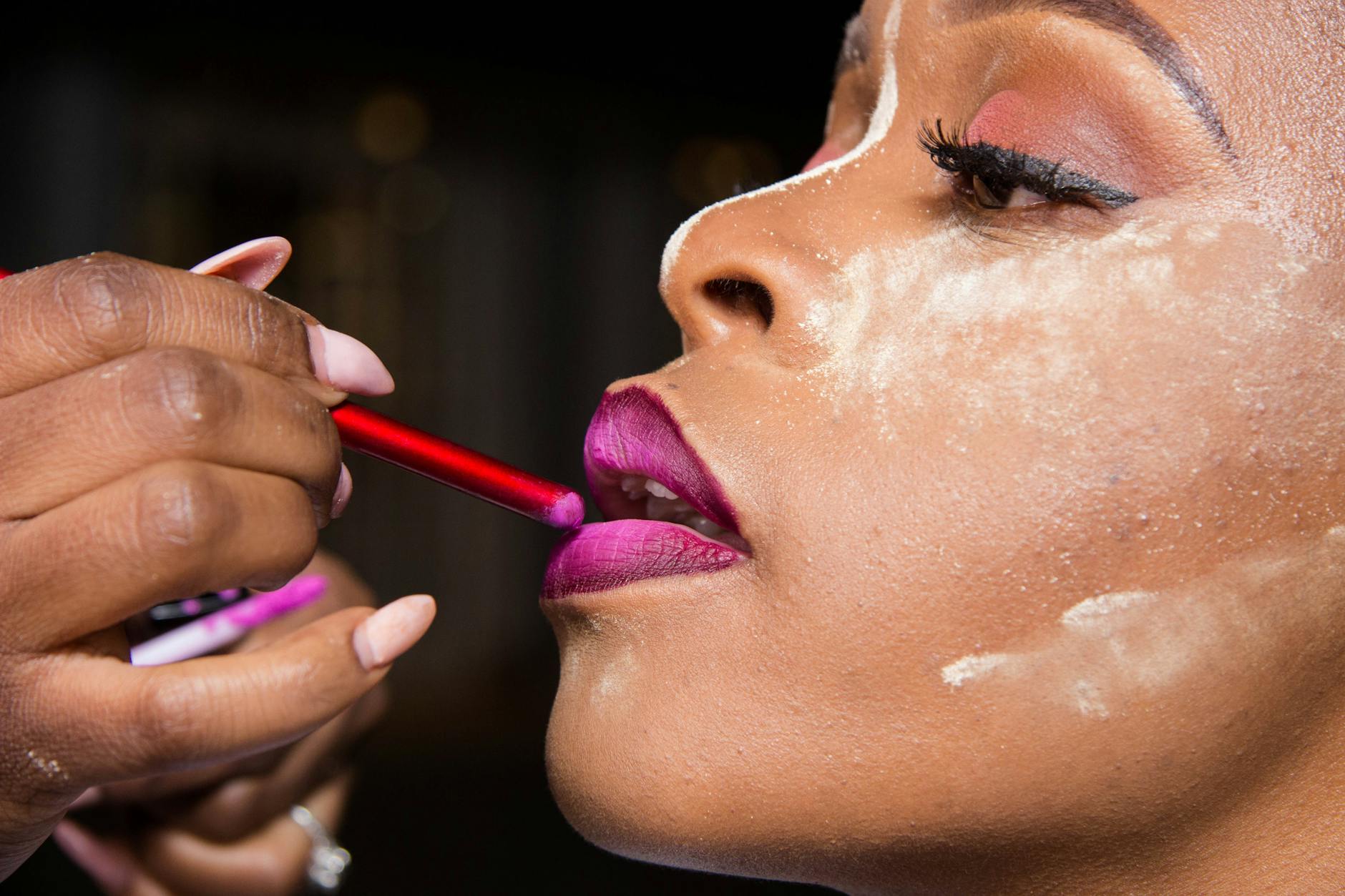
Throughout history, beauty has been closely tied to health, wellness, and natural remedies. Ancient civilizations cultivated rituals that not only enhanced appearance but also preserved vitality. From the milk baths of Cleopatra to the turmeric masks of India, these practices reveal the ingenuity of traditional medicine and the importance of nature in self-care. Many of these secrets have endured for thousands of years, demonstrating that the foundation of beauty often lies in holistic wellness.
🌿 DIY Ancient-Inspired Facial Mask (Best for Glow and Detox)
Ingredients:
- 1 tablespoon raw honey (antibacterial, moisturizing)
- 1 teaspoon turmeric powder (anti-inflammatory, brightening)
- 2 tablespoons plain yogurt (exfoliating, lactic acid)
- A few drops of olive oil (hydration)
Instructions: Mix all ingredients into a paste, apply evenly to face, leave for 15–20 minutes, rinse with lukewarm water.
🌱 Best Herbs and Remedies for Skin Health
- Turmeric – anti-inflammatory, brightens skin.
- Aloe Vera – soothes burns, hydrates.
- Neem – antibacterial, clears acne.
- Rose Water – toner, reduces redness.
- Green Tea – antioxidant, fights aging.
- Chamomile – calms sensitive skin.
- Shea Butter – deep moisturizer, skin barrier repair.
The ancient Egyptians were pioneers in skincare. Cleopatra, the last queen of Egypt, was renowned for bathing in milk infused with honey, a treatment rich in lactic acid, which gently exfoliates and softens the skin (James, 2015). Egyptians also used olive oil for hydration and aloe vera for healing burns and blemishes. In Africa, particularly West Africa, shea butter was prized for moisturizing and protecting the skin against harsh climates, a tradition still widely practiced today (Agyare et al., 2016). Similarly, in ancient China, women used rice water rinses for the skin and hair, enhancing brightness and strengthening hair strands (Zhang, 2013).
Anti-Aging Tips: Herbal, Nutritional, and Skincare Strategies for Youthful Skin
Aging is a natural process, but modern science and traditional herbal wisdom provide tools to slow visible signs of skin aging. Aging skin is characterized by the breakdown of collagen and elastin, loss of hydration, fine lines, wrinkles, hyperpigmentation, and reduced cell turnover. Strategies for maintaining youthful skin involve topical treatments, dietary habits, lifestyle choices, and herbal interventions.
1. Herbal & Natural Anti-Aging Remedies
- Green Tea (Camellia sinensis): Rich in polyphenols, green tea reduces oxidative stress, improves elasticity, and protects against UV damage (Weber et al., 2018).
- Turmeric (Curcuma longa): Contains curcumin, an anti-inflammatory and antioxidant compound that can help prevent collagen degradation and pigmentation (Huang et al., 2019).
- Aloe Vera: Promotes hydration, reduces inflammation, and stimulates collagen production (Choi et al., 2009).
- Rosehip Oil: High in vitamin C and essential fatty acids; supports skin regeneration and reduces fine lines.
- Licorice Root: Brightens skin and reduces hyperpigmentation due to its glabridin content.
- Gotu Kola (Centella asiatica): Stimulates collagen synthesis and enhances skin elasticity.
2. Topical Anti-Aging Skincare
- Retinoids (Retinol, Retin-A/Tretinoin): Stimulate collagen production, increase cell turnover, and reduce fine lines (Mukherjee et al., 2006). Retinol is milder and suitable for over-the-counter use; tretinoin is prescription-strength.
- Antioxidants: Vitamin C, E, and coenzyme Q10 neutralize free radicals, protect skin from environmental damage, and improve firmness (Pullar et al., 2017).
- Hyaluronic Acid: Hydrates and plumps skin, reducing the appearance of fine lines.
- Sunscreen (Broad Spectrum SPF 30+): Daily UV protection is critical to prevent photoaging.
3. Nutrition for Youthful Skin
- Antioxidant-rich foods: Berries, leafy greens, nuts, and seeds combat oxidative stress.
- Healthy fats: Omega-3 fatty acids from salmon, flaxseed, and walnuts maintain skin barrier integrity and hydration.
- Hydration: Adequate water intake ensures proper skin moisture and elasticity.
- Protein: Collagen synthesis depends on amino acids from lean meats, eggs, and legumes.
- Limit sugar and processed foods: Advanced glycation end products (AGEs) from high sugar diets damage collagen and elastin (Vlassara & Uribarri, 2014).
4. Lifestyle and Physical Practices
- Regular facial exercises (“face yoga”): Strengthen facial muscles, improve circulation, and promote firmness.
- Ice facials: Constrict capillaries, reduce puffiness, and stimulate collagen production.
- Stress management: Chronic stress accelerates skin aging; meditation, yoga, and deep breathing help maintain youthfulness.
- Sleep: Adequate sleep enables repair and regeneration of skin cells.
- Avoid smoking and excessive alcohol: Both accelerate collagen breakdown and oxidative damage.
In India, the Ayurvedic tradition developed powerful remedies still used in modern wellness. Turmeric facials, often mixed with yogurt or honey, provided anti-inflammatory and antibacterial benefits, giving the skin a natural glow (Mukherjee et al., 2011). Steam facials infused with herbs were also common, opening pores and detoxifying the skin. Ancient Greeks and Romans emphasized nutrition for beauty, encouraging the consumption of fresh fruits, vegetables, and abundant water, while also practicing olive oil massages to promote circulation and skin elasticity (Liversidge, 2017).
| Culture / Region | Beauty Practice / Secret | Key Ingredients / Tools | Purpose / Benefits |
|---|---|---|---|
| Ancient Egypt | Milk baths | Milk, honey | Gentle exfoliation, softening skin, hydration |
| Olive oil massage | Olive oil | Moisturization, improved circulation | |
| Aloe vera application | Aloe vera | Healing burns, soothing skin | |
| West Africa | Shea butter application | Shea butter | Deep moisturization, skin barrier protection |
| Black soap cleansing | Plant ash, palm oil | Detoxifies, gentle exfoliation | |
| India (Ayurveda) | Turmeric facial mask | Turmeric, yogurt, honey | Brightening, anti-inflammatory, antibacterial |
| Herbal steam facials | Neem, tulsi, chamomile | Opens pores, detoxifies, soothes skin | |
| Ancient China | Rice water rinse | Rice water | Brightens skin, strengthens hair |
| Green tea masks | Green tea, honey | Antioxidant, anti-aging, soothes skin | |
| Greece & Rome | Olive oil massages | Olive oil | Hydration, circulation, elasticity |
| Wine or honey masks | Red wine, honey | Antioxidant, softening skin | |
| Middle East | Rose water toner | Rose water | Soothes irritation, balances pH |
| Sandalwood paste | Sandalwood, milk or water | Cooling, anti-inflammatory | |
| Japan | Geisha skincare ritual | Camellia oil, rice bran | Hydration, brightening, anti-aging |
| Indigenous Americas | Cornmeal scrub | Cornmeal, honey | Exfoliation, skin softening |
| Herbal infusions | Calendula, chamomile | Soothing, healing minor skin issues |
Insights from the Chart:
- Hydration & moisturization were universally emphasized (milk, honey, shea butter, oils).
- Exfoliation & brightening came from natural acids or abrasives (milk, rice water, cornmeal).
- Healing & anti-inflammatory herbs were central in most traditions (turmeric, aloe, neem, chamomile).
- Ritual & consistency mattered; daily or weekly treatments were part of lifestyle, not just cosmetic.
Other global practices further highlight the universality of natural skincare. Japanese geishas employed green tea extracts for their antioxidant properties. Indigenous peoples of the Americas used cornmeal scrubs for exfoliation, while Middle Eastern traditions included rose water to soothe and tone the skin. Across cultures, beauty was intertwined with rituals of self-preservation and respect for the natural environment. These ancient practices underscore the fact that wellness and beauty are inseparable, rooted in mindful living and harmony with nature.
An overview of the skincare routines and beauty secrets of three renowned celebrities: Salma Hayek, Halle Berry, and Lupita Nyong’o. Each of these stars has shared insights into their beauty regimens, highlighting both luxurious and accessible products, as well as natural approaches to skincare.
🌟 Salma Hayek

Salma Hayek emphasizes a flexible skincare routine that adapts to her skin’s needs. She often starts her day with rose water, a practice inspired by her grandmother’s use of aloe vera and papaya in homemade creams. Hayek incorporates high-end products like Augustinus Bader’s Rich Cream and Forest Essentials’ Advanced Eternal Youth Formula Anti-Aging Night Cream into her regimen. She also swears by Patchology Rejuvenating Eye Gels, which she finds both effective and affordable. Her approach combines luxury with simplicity, focusing on hydration and nourishment. ByrdieGood Housekeeping+1Page Six+1
🌟 Halle Berry

Halle Berry maintains a consistent skincare routine that includes cleansing, exfoliating, masking, and moisturizing. She uses products like the Olga Lorencin Lactic Acid Hydrating Serum and the Knesko Gold Repair Collagen Face Mask. Berry also incorporates facial massage tools, such as the Flawless Cleanse Hydro-Vibrating Facial Cleanser, to enhance her skincare regimen. Her routine reflects a commitment to maintaining youthful skin through consistent care and the use of high-quality products. eCosmeticsOlga Lorencin Skincare+3The Sun+3Entertainment Tonight+3PreventionEntertainment Tonight
🌟 Lupita Nyong’o
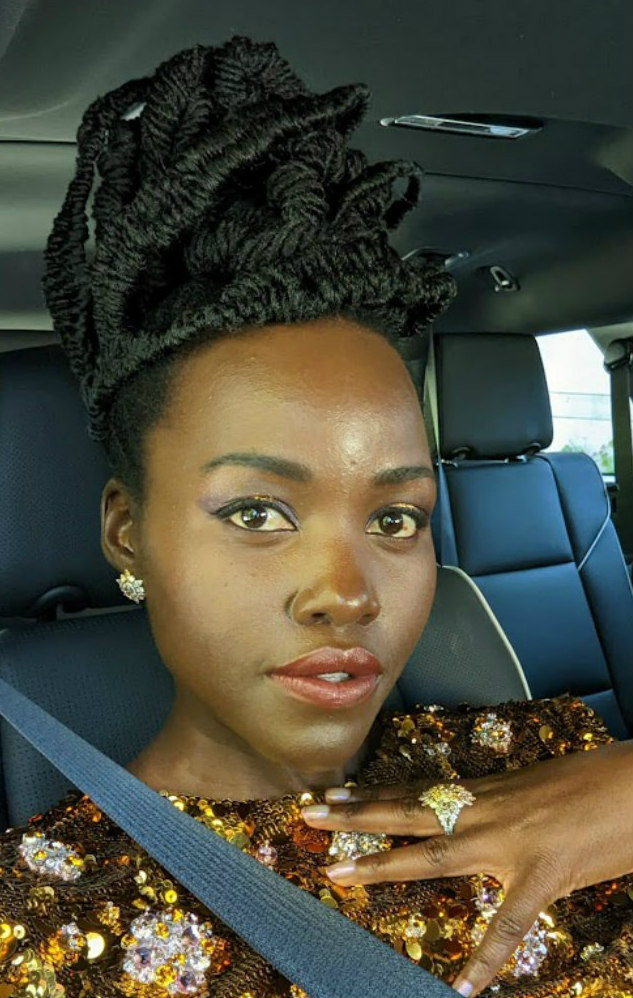
Lupita Nyong’o is renowned for her radiant complexion and commitment to natural beauty. Her skincare routine emphasizes simplicity, hydration, and the use of natural oils. She often incorporates products like Honest Beauty’s Hydrogel Cream, which contains jojoba, squalane, and hyaluronic acid, to achieve a plump, dewy glow. Additionally, she utilizes avocado oil and Hawaiian kukui oil for moisturizing and makeup removal, appreciating their effectiveness and versatility. Allure+3Vanity Fair+3bombshellbybleu.com+3InStyle+1Momtastic+1
Summary:
- Salma Hayek: Combines luxurious products with natural ingredients, focusing on hydration and nourishment.
- Halle Berry: Maintains a consistent skincare routine with high-quality products and tools for youthful skin.
- Lupita Nyong’o: values the healing properties of calendula ointment, which she carries during travels to address skin issues like burns and scars. This natural remedy reflects her preference for clean beauty products.
| Celebrity | Skincare Products / Tools | Natural Ingredients / Remedies | Routine Highlights / Rituals |
|---|---|---|---|
| Lupita Nyong’o | Honest Beauty Hydrogel Cream, calendula ointment | Avocado oil, Hawaiian kukui oil, calendula | Emphasizes hydration, dewy glow; uses natural oils for moisturizing and makeup removal; carries healing ointments while traveling; consistent cleansing, toning, and moisturizing; stress management through meditation & exercise |
| Salma Hayek | Augustinus Bader Rich Cream, Forest Essentials Advanced Eternal Youth Night Cream, Patchology Rejuvenating Eye Gels | Rose water, aloe vera, papaya (inspired by grandmother) | Focuses on hydration and nourishment; combines luxury with simple remedies; under-eye gels for puffiness and rejuvenation; flexible routine based on skin needs |
| Halle Berry | Olga Lorencin Lactic Acid Hydrating Serum, Knesko Gold Repair Collagen Face Mask, Flawless Cleanse Hydro-Vibrating Facial Cleanser | Noted use of masks with natural extracts | Maintains youthful skin through consistent cleansing, exfoliation, masking, and moisturizing; incorporates facial massage tools; committed to high-quality products and structured regimen |
Key Takeaways:
- Hydration is a core focus for all three celebrities—whether through creams, oils, or serums.
- Natural ingredients (like rose water, avocado oil, aloe vera, kukui oil) are incorporated alongside high-end products.
- Consistency and ritual matter: cleansing, moisturizing, masking, and stress management are prioritized.
- Luxury products are often combined with simple, natural remedies for maximum effect.
Each of these celebrities showcases a unique approach to skincare, blending luxury, consistency, and natural ingredients to maintain their radiant complexions.
Layer antioxidants in the morning and retinoids at night for maximal effect.
Combine herbal masks (turmeric, aloe, rosehip) with gentle exfoliation once or twice weekly.
Incorporate adaptogenic herbs like ashwagandha and holy basil to combat stress-related aging.
Modern science has validated many of these traditions. For example, ice facials constrict blood vessels, reduce puffiness, and stimulate circulation, leaving the skin firmer and refreshed. Facial exercises, sometimes called “face yoga,” strengthen underlying muscles, promoting firmness and slowing the appearance of wrinkles. Combined with herbal remedies and nutrient-rich diets, these timeless methods reveal that ancient beauty was less about vanity and more about cultivating balance, resilience, and natural radiance.
📚 References
- Agyare, C., Boakye, Y. D., Bekoe, E. O., Hensel, A., Dapaah, S. O., & Appiah, T. (2016). African medicinal plants with skin healing properties. Journal of Ethnopharmacology, 177, 85–100.
- James, T. G. H. (2015). The British Museum Concise Introduction to Ancient Egypt. Thames & Hudson.
- Liversidge, J. (2017). Everyday Life in the Roman Empire. Routledge.
- Mukherjee, P. K., Maity, N., Nema, N. K., & Sarkar, B. K. (2011). Bioactive compounds from natural resources against skin aging. Phytomedicine, 19(1), 64–73.
- Zhang, X. (2013). Beauty Secrets of Ancient China. Beijing Press.
Choi, S., Chung, M. H., & Lee, H. (2009). Effects of Aloe Vera on skin collagen and hydration. Journal of Ethnopharmacology, 124(1), 104–108.
Huang, W., et al. (2019). Curcumin and skin health: A review. Phytotherapy Research, 33(2), 351–366.
Mukherjee, S., Date, A., Patravale, V., Korting, H. C., Roeder, A., & Weindl, G. (2006). Retinoids in the treatment of skin aging: An overview. Indian Journal of Dermatology, 51(4), 255–261.
Pullar, J., Carr, A., & Vissers, M. (2017). The roles of vitamin C in skin health. Nutrients, 9(8), 866.
Vlassara, H., & Uribarri, J. (2014). Advanced glycation end products (AGEs) and skin aging. Journal of Cosmetic Dermatology, 13(4), 288–292.
Weber, C., et al. (2018). Green tea polyphenols and skin protection. Dermato-Endocrinology, 10(1), e1465713.
- Harper’s Bazaar. (2014). Lupita Nyong’o beauty secrets revealed. Retrieved from https://www.harpersbazaar.com/beauty/makeup/advice/a3246/lupita-nyongo-beauty-secrets-0914/
- Bombshell by Bleu. (n.d.). Lupita Nyong’o: Embracing natural beauty skincare. Retrieved from https://bombshellbybleu.com/p/lupita-nyongo-embracing-natural-beauty-skincare/
- Vanity Fair. (2025). Lupita Nyong’o Oscars 2025 look and beauty secrets. Retrieved from https://www.vanityfair.com/style/story/lupita-nyongo-oscars-2025-look
- InStyle. (2020). Lupita Nyong’o on Honest Beauty Hydrogel Moisturizer. Retrieved from https://www.instyle.com/lupita-nyong-o-honest-beauty-hydrogel-moisturizer-amazon-7562020
- Yahoo Lifestyle. (n.d.). Lupita Nyong’o revealed 14 skincare secrets. Retrieved from https://www.yahoo.com/lifestyle/lupita-nyongo-revealed-14-secret-093001047.html
- Hello Magazine. (2022). Lupita Nyong’o shares beauty secrets including Hume Dry Oil. Retrieved from https://www.hellomagazine.com/healthandbeauty/skincare-and-fragrances/20220729146778/lupita-nyongo-beauty-secret-hume-dry-oil/
- Byrdie. (n.d.). Salma Hayek told me the exact non-invasive neck procedure that stopped her from getting surgery. Retrieved from https://www.byrdie.com/salma-hayek-skincare-interview-11724227
- Good Housekeeping. (2025). Salma Hayek swears by these ‘fantastic’ under-eye patches: ‘They’re not expensive’. Retrieved from https://pagesix.com/2025/05/13/style/salma-hayek-skincare-routine-includes-these-fantastic-eye-masks/
- Page Six. (2025). Salma Hayek skincare routine includes these fantastic eye masks. Retrieved from https://pagesix.com/2025/05/13/style/salma-hayek-skincare-routine-includes-these-fantastic-eye-masks/
ET Online. (n.d.). Halle Berry’s skincare routine is the ultimate at-home facial. Retrieved from https://www.etonline.com/halle-berrys-skincare-routine-is-the-ultimate-at-home-facial-shop-the-stars-favorite-beauty
- Marie Claire. (n.d.). Halle Berry beauty routine. Retrieved from https://www.marieclaire.com/beauty/halle-berry-beauty-routine/
- Prevention. (n.d.). Halle Berry Flawless vibrating facial cleanser brush. Retrieved from https://www.prevention.com/beauty/skin-care/a35422100/halle-berry-flawless-vibrating-facial-cleanser-brush/
 THE BROWN GIRL DILEMMA