
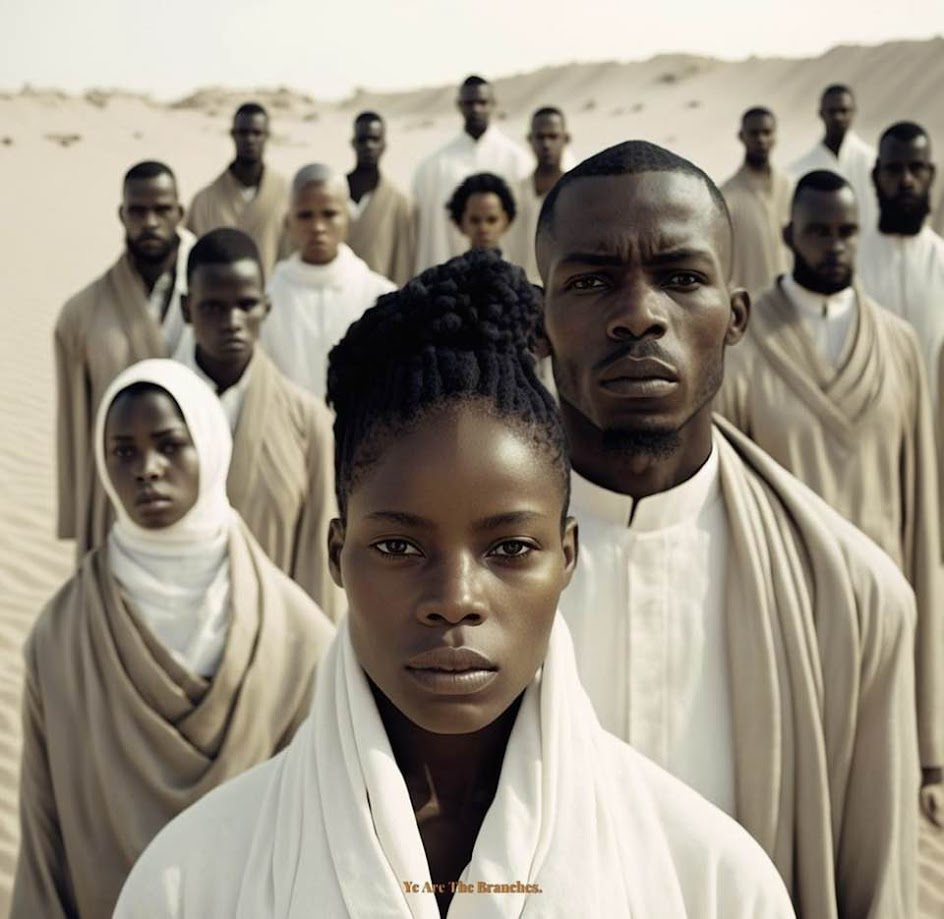
Language serves as a cornerstone of cultural identity, embodying the nuances of history, tradition, and collective memory. For communities displaced from their ancestral lands, reclaiming their native languages becomes a vital act of cultural restoration and resistance. This paper delves into the historical trajectories of language loss and revival within the African and Jewish diasporas, examining the challenges and successes encountered in these endeavors.
Historical Context of Language Displacement
The transatlantic slave trade forcibly removed millions of Africans from their homelands, leading to the suppression and eventual loss of numerous African languages. Similarly, the Jewish diaspora experienced a shift from Hebrew as a spoken language to its role as a liturgical and scholarly medium, particularly after the destruction of the Second Temple in 70 CE. In both cases, the dislocation resulted in a disconnection from linguistic heritage, necessitating deliberate efforts for reclamation.
The Revival of Hebrew: A Model of Linguistic Reclamation
The revival of Hebrew in the late 19th and early 20th centuries stands as a notable example of successful language reclamation. Spearheaded by Eliezer Ben-Yehuda, Hebrew was transformed from a liturgical language into a spoken vernacular. This movement involved the establishment of Hebrew-speaking schools, the publication of Hebrew newspapers, and the creation of a standardized grammar and lexicon. The efforts culminated in Hebrew becoming one of the official languages of the State of Israel in 1948, demonstrating the feasibility of reviving a dormant language through concerted community effort and institutional support.
Language is more than a means of communication; it is a vessel of culture, history, and identity. For communities displaced from their ancestral lands, language becomes a lifeline, connecting them to their heritage and roots. The Hebrew language, once a spoken tongue of the Israelites, underwent a transformation over centuries, evolving from a sacred scriptural language to a living, spoken language in the modern era. This paper explores the journey of Hebrew through the diaspora, its role in preserving Jewish identity, and the contemporary efforts to reclaim and revitalize this ancient language.
The Evolution of Hebrew: From Sacred to Vernacular
Hebrew’s journey from a spoken language to a liturgical one began after the destruction of the Second Temple in 70 CE. As Jews dispersed across the globe, Hebrew remained central to religious practices and scholarly pursuits but ceased to be a vernacular language. Communities adopted local languages—such as Greek, Latin, Arabic, Ladino, and Yiddish—while retaining Hebrew for religious texts and rituals.
Diasporic Hebrew: A Symbol of Identity
Despite its limited use in daily conversation, Hebrew served as a unifying thread for Jewish communities worldwide. It connected disparate groups through shared religious texts and traditions. The study and preservation of Hebrew allowed Jews to maintain a sense of continuity and identity, even in the face of displacement and adversity.
The Revival Movement: Eliezer Ben-Yehuda’s Vision
The late 19th century saw a concerted effort to revive Hebrew as a spoken language, spearheaded by Eliezer Ben-Yehuda. Born in Lithuania in 1858, Ben-Yehuda believed that the revival of Hebrew was essential for the unity and cultural renaissance of the Jewish people. He advocated for Hebrew to be taught in schools, used in newspapers, and spoken in homes. His efforts culminated in the establishment of Hebrew as one of the official languages of the State of Israel in 1948 .
Modern Hebrew: A Lingua Franca
Today, Modern Hebrew is the official language of Israel and is spoken by millions worldwide. It has adapted to contemporary needs, incorporating new vocabulary and expressions. However, this modern iteration of Hebrew is not without its challenges, including debates over linguistic purity and the influence of other languages.
Diasporic Hebrew Today: A Literary and Cultural Movement
In recent years, there has been a resurgence of interest in diasporic Hebrew. Initiatives like the literary journal Mikan Ve’eylakh aim to reclaim Hebrew as a language of the diaspora, focusing on themes and narratives that resonate with Jewish communities outside Israel. This movement seeks to preserve and promote a version of Hebrew that reflects the diverse experiences of Jews worldwide .
Challenges in Reclaiming Diasporic Hebrew
Reclaiming diasporic Hebrew presents several challenges. These include the dominance of English and other local languages in Jewish communities, the lack of resources for Hebrew education outside Israel, and the need to adapt the language to contemporary contexts. Overcoming these obstacles requires concerted efforts from educational institutions, cultural organizations, and community leaders.
The Role of Technology in Language Preservation
Technology plays a crucial role in the preservation and revitalization of Hebrew. Online platforms, digital archives, and language learning apps have made Hebrew more accessible to a global audience. These tools facilitate learning and engagement, allowing individuals to connect with their heritage and participate in the broader conversation about the future of the language.
Hebrew is a written language, not a spoken one, most scholars have stated.
Educational Initiatives and Community Engagement
Educational initiatives are vital in promoting Hebrew language acquisition. Schools, universities, and community centers offer courses and programs designed to teach Hebrew to learners of all ages. Additionally, community engagement through cultural events, literary readings, and online forums fosters a sense of belonging and encourages active participation in the language’s revival.
The Significance of Language in Cultural Identity
Language is intrinsically linked to cultural identity. For the Jewish people, Hebrew is more than a means of communication; it is a symbol of resilience, continuity, and connection to ancestral roots. Reclaiming and preserving Hebrew strengthens cultural identity and ensures that future generations can access the rich tapestry of Jewish history and traditions.
The Intersection of Language and Faith
For many Jews, Hebrew is not only a cultural asset but also a spiritual one. It is the language of the Torah, prayers, and religious rituals. Understanding Hebrew allows individuals to engage more deeply with their faith and participate fully in religious life. Efforts to reclaim Hebrew thus intersect with spiritual practices, enriching both cultural and religious experiences.
Global Perspectives on Hebrew Reclamation
The movement to reclaim Hebrew is not confined to Israel or Jewish communities; it has global implications. In the United States, for example, Hebrew language programs in schools and universities have seen increased enrollment. Similarly, Jewish communities in Europe, Latin America, and Africa are investing in Hebrew education as a means of cultural preservation and identity affirmation.
The Future of Diasporic Hebrew
The future of diasporic Hebrew depends on continued efforts to adapt the language to modern contexts while preserving its historical and cultural significance. This includes developing new educational materials, fostering intergenerational transmission, and encouraging creative expressions in Hebrew through literature, music, and art.
The journey of Hebrew from a sacred scriptural language to a living, spoken tongue is a testament to the resilience and adaptability of the Jewish people. Reclaiming Hebrew as a diasporic language is not merely an academic endeavor; it is a cultural imperative that bridges generations and connects individuals to their heritage. As communities worldwide continue to engage with and revitalize Hebrew, they ensure that this ancient language remains a vibrant part of the Jewish experience.
Afrocentric Initiatives in Language Reclamation
In the African diaspora, various initiatives have emerged to reclaim indigenous languages and assert cultural identity. Afrocentric education programs, such as those promoting the study of African American Vernacular English (AAVE) and African-based languages, aim to validate and preserve linguistic heritage. These programs often face challenges, including societal stigmatization and limited resources, yet they play a crucial role in fostering cultural pride and continuity.
Gullah and Creole Languages: Preserving African Linguistic Legacy
The Gullah language, spoken by African Americans in the coastal regions of the southeastern United States, exemplifies the preservation of African linguistic elements. Gullah incorporates elements from various African languages, reflecting the diverse origins of enslaved Africans. Efforts to revitalize Gullah involve community-based education, cultural festivals, and academic research, aiming to sustain this unique linguistic heritage.
Jewish Diaspora and the Maintenance of Hebrew
Outside of Israel, Jewish communities have undertaken various measures to maintain Hebrew as a living language. These include Hebrew language schools, cultural programs, and online platforms that facilitate language learning and cultural exchange. Such initiatives ensure that Hebrew remains a vital part of Jewish identity, connecting individuals to their ancestral roots and fostering a sense of global community.
Challenges in Language Reclamation
Reclaiming a lost or suppressed language presents numerous challenges. These include the dominance of global languages, intergenerational gaps in language proficiency, and the erosion of traditional linguistic practices. Additionally, there is often a lack of institutional support and resources dedicated to language revitalization efforts. Overcoming these obstacles requires a multifaceted approach, involving education, community engagement, and policy advocacy.
Hebrew: Spoken vs. Written
Historically, Hebrew originated as a spoken language of the ancient Israelites (around 1200 BCE). It was widely spoken until roughly the 2nd century CE, when it ceased to be used as a common everyday tongue after the Jewish dispersal following the Roman destruction of Jerusalem. For centuries afterward, Hebrew survived mainly as a written and liturgical language used in religious texts (such as the Hebrew Bible, Mishnah, and liturgical prayers) and scholarly writings.
In the late 19th and early 20th centuries, however, Hebrew underwent a remarkable revival as a spoken language, spearheaded by Eliezer Ben-Yehuda, who promoted it as the national language of the Jewish people. Today, Hebrew is both a living spoken language (the official language of the State of Israel, spoken by over 9 million people) and a written language used in literature, government, and religious contexts.
Spoken Languages in the African Diaspora
The African diaspora produced a range of creole, pidgin, and vernacular languages that preserved African linguistic roots mixed with European and indigenous languages. These became not just means of communication, but also carriers of identity and cultural survival.
Here are some major diaspora languages still spoken today:
- African American Vernacular English (AAVE) – Evolved from the contact of English with West African languages among enslaved Africans in the U.S.
- Gullah (Sea Islands Creole) – Spoken in coastal South Carolina, Georgia, and Florida; it preserves significant African linguistic features.
- Haitian Creole (Kreyòl Ayisyen) – Derived from French and West African languages; spoken by over 12 million people in Haiti and the diaspora.
- Papiamento – A creole language spoken in Aruba, Bonaire, and Curaçao, blending Spanish, Portuguese, Dutch, and African influences.
- Jamaican Patois (Patwa) – English-based creole with Akan, Igbo, and other African linguistic roots.
- Cape Verdean Creole (Kriolu) – Portuguese-based creole with West African influences, spoken in Cape Verde and diaspora communities.
- Trinidadian and Tobagonian Creole – English-based with African and French influences.
- Sranan Tongo (Suriname Creole) – English- and Dutch-based creole influenced by African languages.
- Palmas Creole & Garifuna – In Central America (Belize, Honduras, Nicaragua, Guatemala), Garifuna blends Arawakan, Carib, and African linguistic elements.
- Portuguese- and Spanish-based creoles – such as Guinea-Bissau Creole and Equatoguinean Pidgin, which influenced diaspora speech patterns.
Conclusion
The reclamation of ancestral languages within the African and Jewish diasporas underscores the resilience and determination of communities to preserve their cultural identities. The journey of Hebrew from a sacred scriptural language to a living, spoken tongue is a testament to the resilience and adaptability of the Jewish people. Reclaiming Hebrew as a diasporic language is not merely an academic endeavor; it is a cultural imperative that bridges generations and connects individuals to their heritage. As communities worldwide continue to engage with and revitalize Hebrew, they ensure that this ancient language remains a vibrant part of the Jewish experience. While challenges persist, the examples of Hebrew revival and Afrocentric language initiatives illustrate the potential for linguistic restoration. By continuing to invest in language reclamation efforts, these communities can ensure that their linguistic heritage endures for future generations.
References
- Fishman, J. A. (1991). Reversing language shift: Theoretical and empirical foundations of assistance to threatened languages. Multilingual Matters.
- Ben-Yehuda, E. (1919). The revival of the Hebrew language. Jewish Publication Society.
- Smith, E. (2009). Language and identity in the African diaspora. Oxford University Press.
- Crystal, D. (2000). Language death. Cambridge University Press.
- Alim, H. S., Rickford, J. R., & Ball, A. F. (2016). Raciolinguistics: How language shapes our ideas about race. Oxford University Press.
Gomez, M. A. (2005). Exchanging our country marks: The transformation of African identities in the colonial and antebellum South. University of North Carolina Press.
Phillipson, R. (1992). Linguistic imperialism. Oxford University Press.
Reviel, N. (2007). Language and nation: The story of Hebrew revival. Journal of Modern Jewish Studies, 6(2), 121–139.
Smith, E. (2019). Diaspora and language: Preserving tongues across generations. Routledge.
- Hebrew Before Ivrit – The Life of a Language in Exile.” Polis Institute. https://www.polisjerusalem.org/hebrew-before-ivrit-the-life-of-a-language-in-exile/
- “Revival of the Hebrew language.” Wikipedia. https://en.wikipedia.org/wiki/Revival_of_the_Hebrew_language
- “Reclaiming a Minor Literature.” Jewish Currents. https://jewishcurrents.org/reclaiming-a-minor-literature
- “The Revival of Hebrew: From Sacred Tongue to Living Language.” Biblical Hebrew. https://biblicalhebrew.org/the-revival-of-hebrew-from-sacred-tongue-to-living-language.aspx
- “The Man and the Miracle that Revived Hebrew: Eliezer Ben-Yehuda.” Messianic Bible. https://www.messianicbible.com/feature/man-miracle-revived-hebrew-eliezer-ben-yehuda/
- “The ‘return’ of a diasporic Hebrew literary culture in Berlin.” Taylor & Francis Online. https://www.tandfonline.com/doi/abs/10.1080/1462169X.2020.1859182
- “Preservation of Hebrew ‘a glorious loop’ that galvanizes the Jewish people.” Jewish Herald-Voice. https://jhvonline.com/preservation-of-hebrew-a-glorious-loop-that-galvanizes-the-jewish-people-p22812-220.htm
- “Hebrew Language in Israel and the Diaspora.” ResearchGate. https://www.researchgate.net/publication/251151243_Hebrew_Language_in_Israel_and_the_Diaspora
- “When utopias become real: The case of Hebrew and Mandarin.” Liverpool University Press. https://www.liverpooluniversitypress.co.uk/journals/article/67424/
- “Why I started learning Hebrew after Oct. 7.” The Forward. https://forward.com/opinion/578274/learning-hebrew-father-war/
- “The Revival of Hebrew and Indigenous Languages.” YouTube. https://www.youtube.com/watch?v=Ph1wRWkAhg0
- “A Language I Come Home To: Yiddish in the Jewish Diaspora.” Smithsonian Folklife. https://folklife.si.edu/magazine/yiddish-language-diaspora
- “Diaspora, Modern Hebrew in.” Brill Reference Works. https://referenceworks.brill.com/view/entries/EHHL/EHLL-COM-000442.xml
- “How to revive an ancient language, according to 19th-century scholars.” Jewish Studies at the University of Washington. https://jewishstudies.washington.edu/israel-hebrew/reviving-hebrew-persian-ancient-languages-eliezer-ben-yehuda-manekji-limji-hataria/
- “How did Israel convince their initial migrant Jewish population to speak Hebrew?” Reddit. https://www.reddit.com/r/history/comments/cagiyi/how_did_israel_convince_their_initial_migrant/
Rickford, J. R. (1999). African American Vernacular English: Features, Evolution, Educational Implications. Blackwell.
Mufwene, S. S. (2001). The Ecology of Language Evolution. Cambridge University Press.
Alleyne, M. (1980). Comparative Afro-American. Karoma Publishers.
Harshav, B. (1993). Language in Time of Revolution. University of California Press.
Sáenz-Badillos, A. (1993). A History of the Hebrew Language. Cambridge University Press.

 THE BROWN GIRL DILEMMA