Tag Archives: actresses

The “It Girl” Series: Viola Davis

In Hollywood and beyond, few women shine as brightly and powerfully as Viola Davis. This extraordinary actress not only captivates audiences with their unparalleled talent, but they also embody the richness and beauty of Black womanhood—her deep, radiant “chocolate” skintone celebrated as a symbol of elegance, strength, and resilience. From commanding the stage to dominating the silver screen, she has carved a path defined by hard work, brilliance, and groundbreaking accomplishments. Viola Davis, often hailed as the “Black Meryl Streep,” has achieved the rare EGOT status in Hollywood.
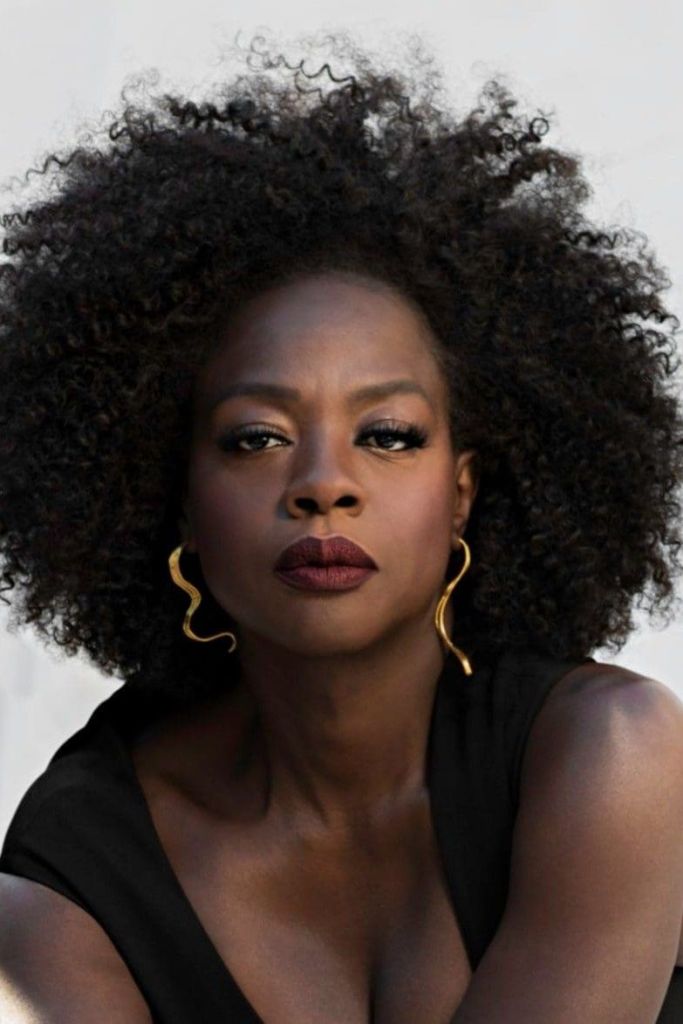
This photograph is the property of its respective owners. No copyright infringement intended.

From poverty in Rhode Island to Hollywood’s highest honors, Viola Davis is a transformative talent whose piercing presence, emotional depth, and unparalleled achievements have made her one of the most acclaimed actors of her generation.

Viola Davis was born on August 11, 1965, in Saint Matthews, South Carolina, and raised in Central Falls, Rhode Island, where her family lived in poverty. Growing up, she often felt unseen by society but nurtured a powerful imaginative spirit and a dream of acting as both escape and purpose. Her early life shaped her relentless work ethic, emotional honesty, and drive to portray complex, truthful stories about Black women and human experience.

Davis’s formal training began with a scholarship to the prestigious Juilliard School, where she honed her craft and prepared for a career that would break barriers in theater, film, and television. Her Broadway debut in August Wilson’s Seven Guitars earned critical praise and her first Tony nomination, setting the stage for a career defined by depth, gravitas, and transformative performances.

Viola Davis’s screen career spans gripping dramas, powerful historical adaptations, and commercial successes. Early attention came from roles in films such as Doubt (2008), earning her first Academy Award nomination, and The Help (2011), for which she received another Oscar nomination. Her range expanded into thrillers (Prisoners), biopics (Get On Up), and blockbusters (Suicide Squad), all while continuing to bring unparalleled intensity and truth to her characters.
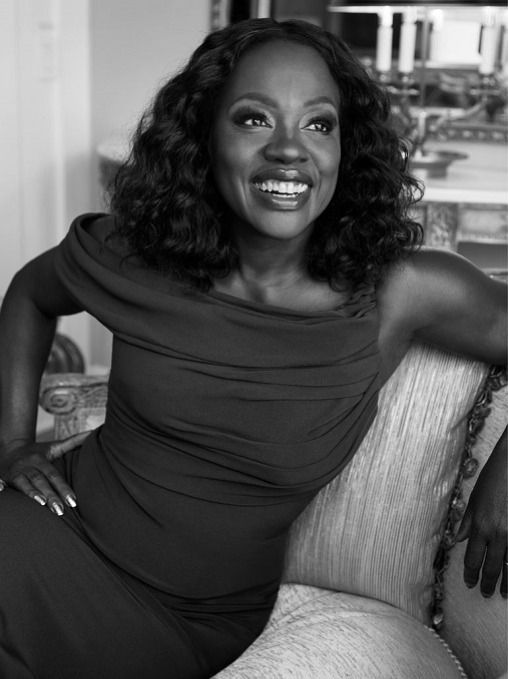
This photograph is the property of its respective owner.

Her iconic television role as Annalise Keating in How to Get Away with Murder (2014–2020) marked a historic milestone: she became the first Black actress to win the Primetime Emmy Award for Outstanding Lead Actress in a Drama Series. That performance, fierce and emotionally layered, influenced a generation of actresses and redefined representation on primetime TV.

In film, Davis reached new heights with Fences (2016), directed by and starring Denzel Washington, earning her the Academy Award for Best Supporting Actress—a performance widely regarded as one of the most courageous and textured portrayals of a struggling Black woman in cinema. In Ma Rainey’s Black Bottom (2020), she delivered another powerful performance as the blues legend Bessie Smith, further cementing her range and emotional depth.

Viola Davis’s list of honors is historic and unparalleled. She has won the four major American entertainment awards—Emmy, Grammy, Oscar, and Tony—earning her EGOT status, one of the rarest distinctions in the industry. In 2023, her Grammy win for the audiobook narration of her memoir Finding Me completed the quartet, making her only the 18th person in history and the third Black woman ever to achieve EGOT. In addition, she has received multiple Screen Actors Guild Awards, Golden Globe, BAFTA, and Critics’ Choice Awards, as well as the Cecil B. DeMille Award (Golden Globe lifetime achievement) in 2025.

Davis is frequently described as one of the most powerful actors of her generation—often likened to a “Black Meryl Streep” for her emotional precision, versatility, and ability to disappear into roles while still projecting fierce authenticity. Her performances are marked by piercing, expressive eyes and a remarkable capacity to reveal inner turmoil, strength, and vulnerability through minimal gesture, a quality that elevates every character she embodies. Critics, peers, and audiences alike note her uncanny ability to deliver performances that are both profoundly human and culturally transformative.
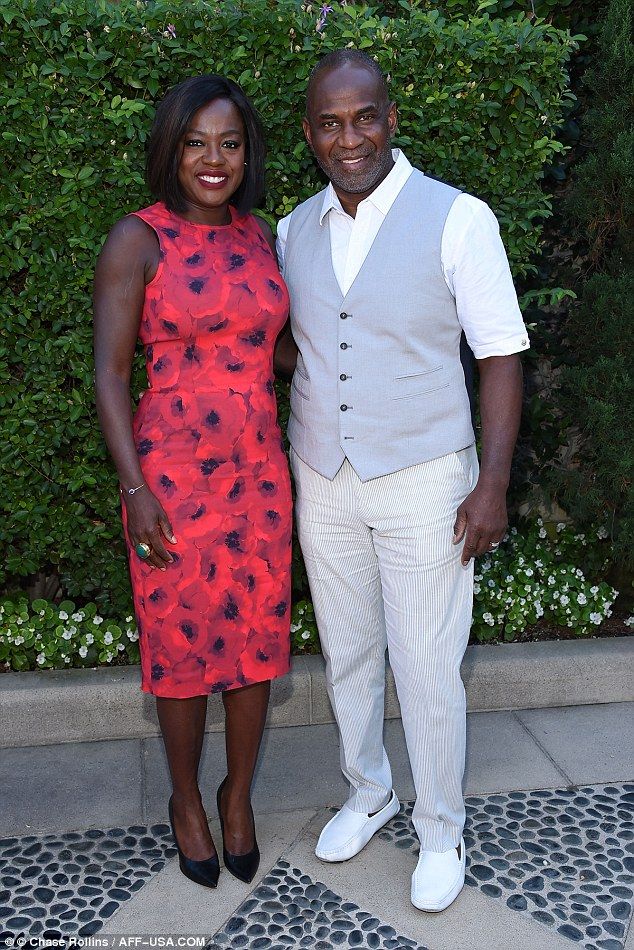
This photograph is the property of its respective owner.

In her personal life, Viola Davis married producer Julius Tennon in 2003, and together they co‑founded JuVee Productions, a company dedicated to elevating underrepresented voices and stories in film, television, and theater. She balances her professional success with family life and philanthropy, using her platform to advocate for equity, representation, and opportunities for diverse artists.

Beyond awards and accolades, Davis’s influence extends into cultural discourse about race, representation, beauty standards, and women’s stories in entertainment. Her ascendancy—from humble beginnings to EGOT winner and global icon—serves as a testament to perseverance, intelligence, and artistic integrity.

References:

  1. Viola Davis | Biography, Movies, Plays, The Help, EGOT, & Facts. (2026). Britannica. https://www.britannica.com/biography/Viola-Davis
  2. EGOT (Viola Davis). (2026). Wikipedia. https://en.wikipedia.org/wiki/EGOT
  3. Viola Davis. (2026). Wikipedia. https://en.wikipedia.org/wiki/Viola_Davis
  4. Viola Davis | National Women’s History Museum. (2026). https://www.womenshistory.org/about-us/our-people/viola-davis
  5. Viola Davis Completes EGOT After Winning a Grammy For Her Audiobook. (2023). Vanity Fair. https://www.vanityfair.com/style/2023/02/viola-davis-egot-grammy-award-win-audiobook-finding-me
  6. Viola Davis achieves EGOT status at the 2023 Grammys. (2023). The Independent. https://www.the-independent.com/arts-entertainment/films/news/viola-davis-egot-grammys-b2276280.html
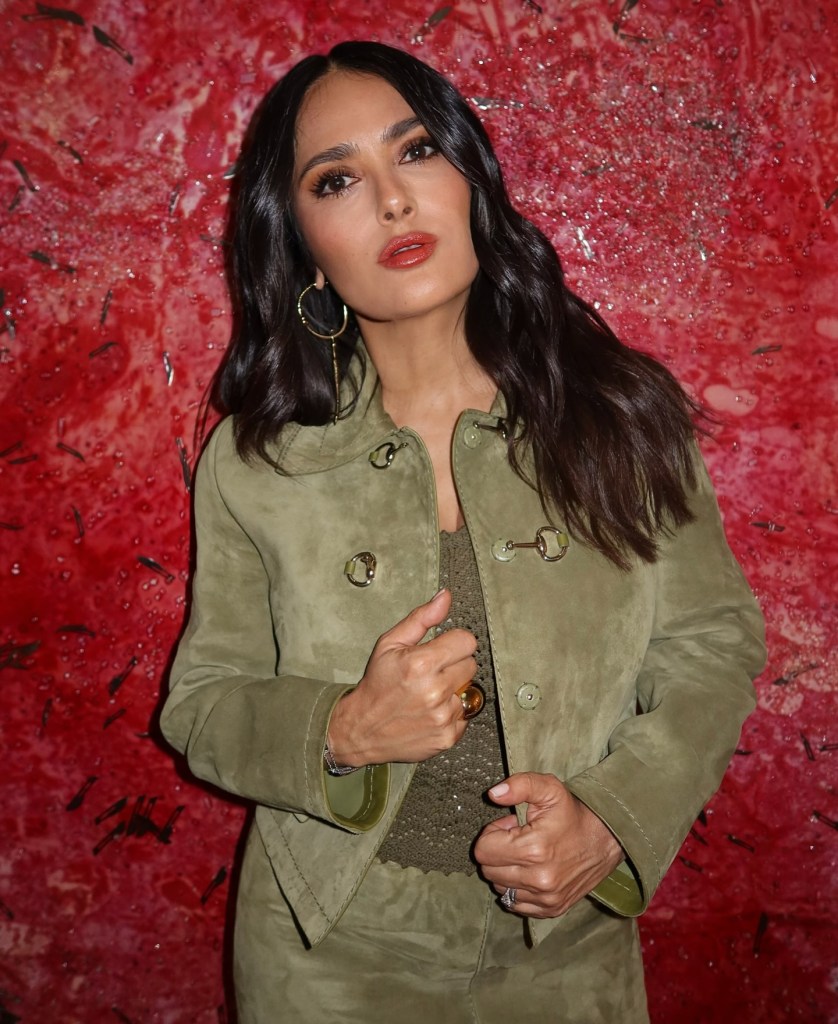
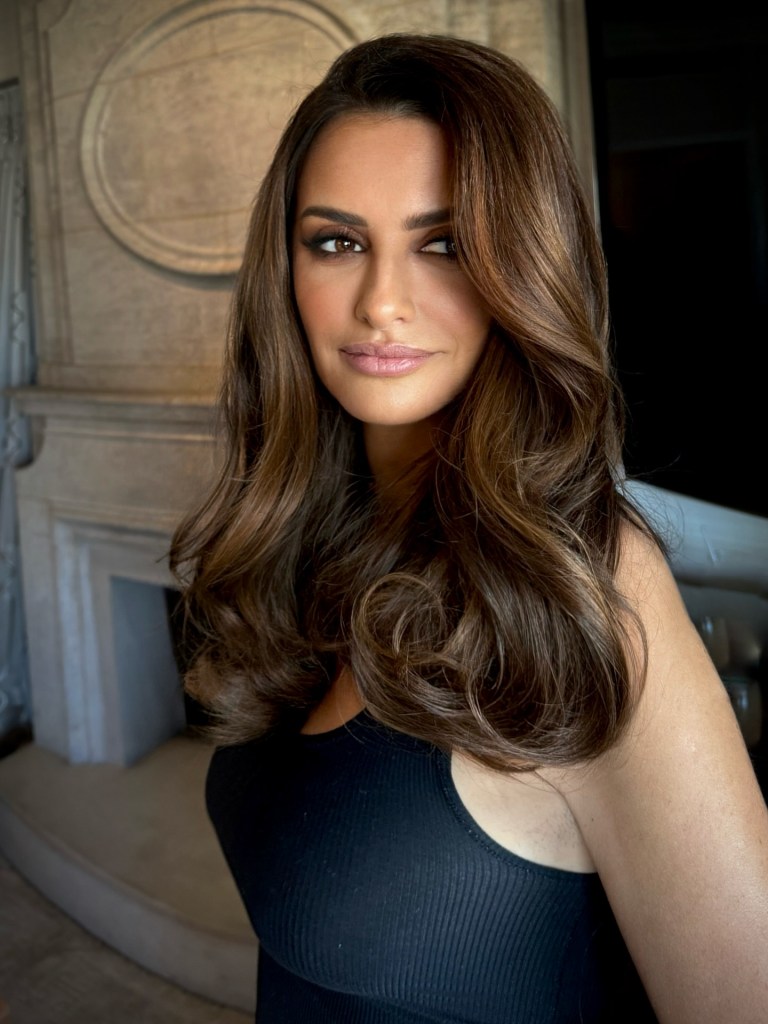
The Latin Dolls: Salma Hayek, Penelope Cruz, and Roselyn Sánchez.

Latin beauty (Spanish) in Hollywood has often been filtered through stereotype, exoticism, or erasure. Yet a small lineage of Spanish-speaking actresses has emerged whose careers, faces, voices, and family lives embody not caricature—but culture, femininity, and dimensional storytelling. When we speak of “Latin Dolls,” we refer not to manufactured plastic representations, but to living women whose features resemble artistry: sculpted faces, expressive eyes, natural warmth, beauty that feels both aspirational and familiar. Salma Hayek is a genetic marvel who has earned her a reputation as a “perfect 10.” Penelope Cruz’s hypnotic eyes carry emotional gravity, and Roselyn Sánchez radiates an approachable glow—effortless skin, super cute face, and the relatable charm of the girl-next-door. Together, these women reflect the spectrum of Hispanic/Latin/Spanish womanhood, and this range is exactly why they stand as powerful representations of the idea of the Latin/Spanish dolls: intricate, timeless, diverse, and real.

Salma Hayek — The Face of Beauty, Luxury, and Hollywood Power

This photograph is the property of its respective owner. No copyright infringement intended.

Where she is from

Salma Hayek was born in Coatzacoalcos, Veracruz, Mexico. She was raised in a prominent and financially stable household—something rare among Latina actresses breaking into mainstream Hollywood during the 1990s.

Race & background

Her heritage is Mexican and Middle Eastern:

  • Her father, Sami Hayek, is Lebanese-Mexican and of Arab descent.
  • Her mother, Diana Jiménez Medina, is Mexican of Spanish ancestry.
    Salma identifies strongly with her Mexican roots while also honoring her Lebanese lineage.

Family, Marriage, & Children

Salma married François-Henri Pinault, a French billionaire businessman and CEO of the luxury group Kering (owner of Gucci, Balenciaga, and others).
They have one daughter, Valentina Paloma Pinault (born 2007).

Career: how it started

  • She began acting in Mexican telenovelas, specifically Teresa (1989), where she gained national fame.
  • She moved to Los Angeles, struggled with English early on, and studied acting under Stella Adler.
  • Director Robert Rodriguez cast her in Desperado (1995), her Hollywood breakout role beside Antonio Banderas.

Notable roles & career expansion

She became a producer and starred in passion-driven projects, most famously:

  • Frida (2002), where she played Mexican artist Frida Kahlo and also produced the film despite industry resistance.

Awards & Accomplishments

  • Academy Award nomination for Best Actress (Frida)
  • Golden Globe, SAG, and BAFTA nominations
  • Daytime Emmy Award win for The Maldonado Miracle (Producer, 2004)
  • Time 100 honoree, activist in Latin representation and women’s rights

Beauty marker referenced

Salma is a perfect ten in terms of overall beauty, often referred to as a genetic marvel.


Penelope Cruz — The Eyes that Changed the Narrative for Spanish Talent

This photograph is the property of its respective owner. No copyright infringement intended.

Where she is from

Penelope was born in Alcobendas, Madrid, Spain.

Race & ethnicity

She is Spanish/Castilian, of European Iberian descent. Her career introduced Spain as a serious force in Hollywood’s cinematic landscape.

Family, Marriage, & Children

  • Married to Spanish actor Javier Bardem (2010–present)
  • Two children:
    • Leonardo Encinas Bardem (born 2011)
    • Luna Encinas Bardem (born 2013)

Career beginnings

  • Studied Classical Ballet for 9 years at Spain’s National Conservatory
  • Acting start through Spanish TV and music videos
  • Starred in Jamón Jamón (1992), launching her film career in Spain

How she entered Hollywood

  • Director Pedro Almodóvar helped shape her career in Spanish cinema
  • Hollywood breakthrough roles:
    • Vanilla Sky (2001) alongside Tom Cruise
    • Blow (2001) with Johnny Depp

Awards & career peak

  • Academy Award win for Best Supporting Actress (Vicky Cristina Barcelona, 2008)
    • First Spanish actress to win an Oscar
  • Multiple awards including:
    • 2 Goya Awards
    • Berlin Film Festival Award
    • César Honorary Award
    • Walk of Fame Star (2011)
    • Venice Film Festival Best Actress Award (2021, Parallel Mothers)

Beauty marker referenced

Penelope is known for her stunning, expressive, almond-shaped eyes, often highlighted in global beauty studies as emotionally and aesthetically striking.


Roselyn Sánchez — The Warm, Natural Beauty of Puerto Rico Gifted the Screen

This photograph is the property of its respective owner. No copyright infringement intended.

Where she is from

Born in San Juan, Puerto Rico.

Race & ethnicity

Afro-Caribbean and Spanish-Caribbean ancestry, identifying as Puerto Rican Latina. She represents the more approachable side of Latina beauty in media—not distant glamour, but familiar warmth.

Family, Marriage, & Children

Married to actor Eric Winter (2008–present).
They have two children:

  • Sebella Rose Winter (born 2012)
  • Dylan Gabriel Winter (born 2017)

Career beginnings

  • Started as a dancer and model
  • Won:
    • Miss Puerto Rico Petite (1993)
    • Miss American Petite (1994)
  • TV debut in Puerto Rico before transitioning to U.S. programming

Hollywood career

Notable roles:

  • Rush Hour 2 (2001) — film debut to wide audiences
  • Without a Trace (2005–2009) — CBS drama series
  • Devious Maids, Fantasy Island reboot, Act of Valor

Awards

  • ALMA Award
  • Imagen Awards
  • Recognized for music as well—released Latin pop albums and scored Billboard chart appearances

Beauty representation referenced

Roselyn is celebrated for naturally glowing skin, girl-next-door charm, and a versatility that blends class, relatability, and polished glamour.


Why They Are a Good Representation of “Spanish Dolls”

These women represent different pillars of Hispanic identity:

ActressDoll Archetype RepresentedWhat She Brings to Representation
Salma HayekCouture, regal, sculpted, luxurious beautyMixed heritage Latina success + producer power
Penelope CruzDramatic, evocative, emotional eye-driven beautyFirst Spanish Oscar winner + range of depth
Roselyn SánchezNatural, warm, approachable everyday beautyAfro-Latina visibility + multi-career talent

Cultural and social representation value

  • They honor Hispanic family life (marriage, motherhood, long-term partnerships)
  • They broke into Hollywood without abandoning their origins
  • They represent beauty types not limited to one “Latina mold.”
  • They brought Spanish language, Spanish cinema prestige, and Latina production influence to global media

Their faces, careers, and identities reflect what makes dolls compelling in the cultural imagination: beauty, narrative possibility, symbolism, and variations of identity. But unlike plastic dolls, they make a human, historical, and inspirational.


References

Hayek, S. (2020). Frida: The production battle and cultural impact. Journal of Latin American Cinema.

Pitt, R. (2018). Race and representation among Latina actresses in Hollywood. Media Psychology Review.

Berg, M. (2017). Beauty, celebrity culture and racial symbolism. Cultural Aesthetics Press.

IMDB Academy Records. (2011). Penelope Cruz career and award documentation.

Torres, L. (2022). Afro-Latina visibility in American television. Hispanic Cultural Studies Quarterly.