Tag Archives: actress

The “It Girl” Series: Jasmine Guy

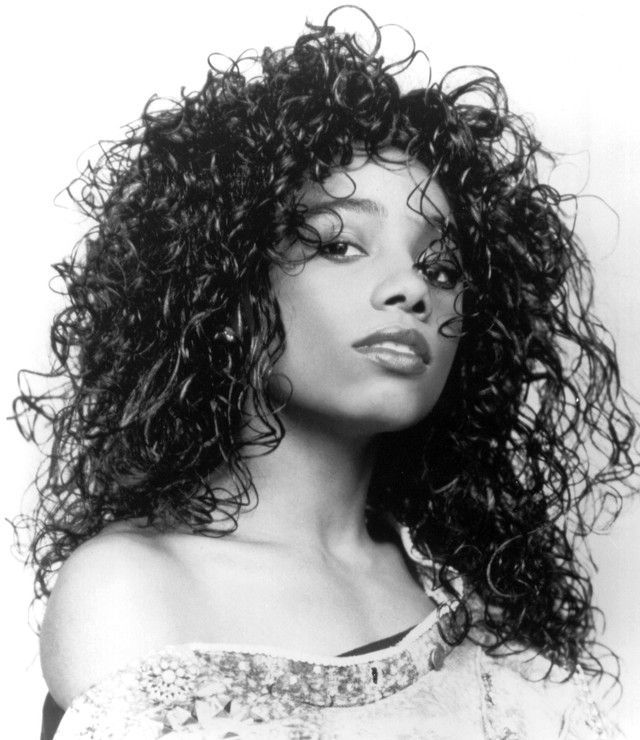
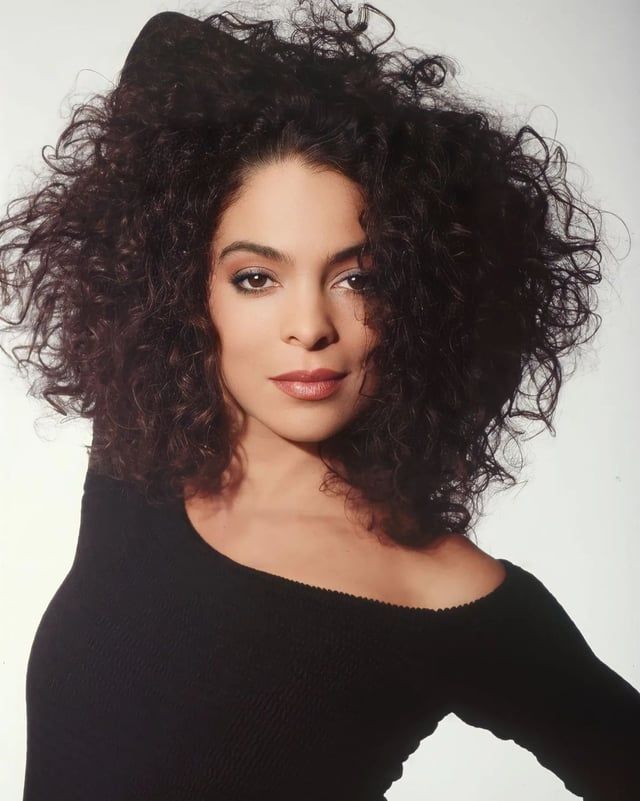
A vision of sophistication with a dancer’s poise and an actress’s emotional depth, Jasmine Guy captivated audiences and helped redefine the image of the modern Black woman on television.
This photograph is the property of its respective owner.

With regal poise, luminous beauty, and a voice that blended Southern charm with artistic sophistication, Jasmine Guy became one of television’s most unforgettable “It Girls,” captivating audiences with intelligence, elegance, and multi-talented artistry.
This photograph is the property of its respective owner.

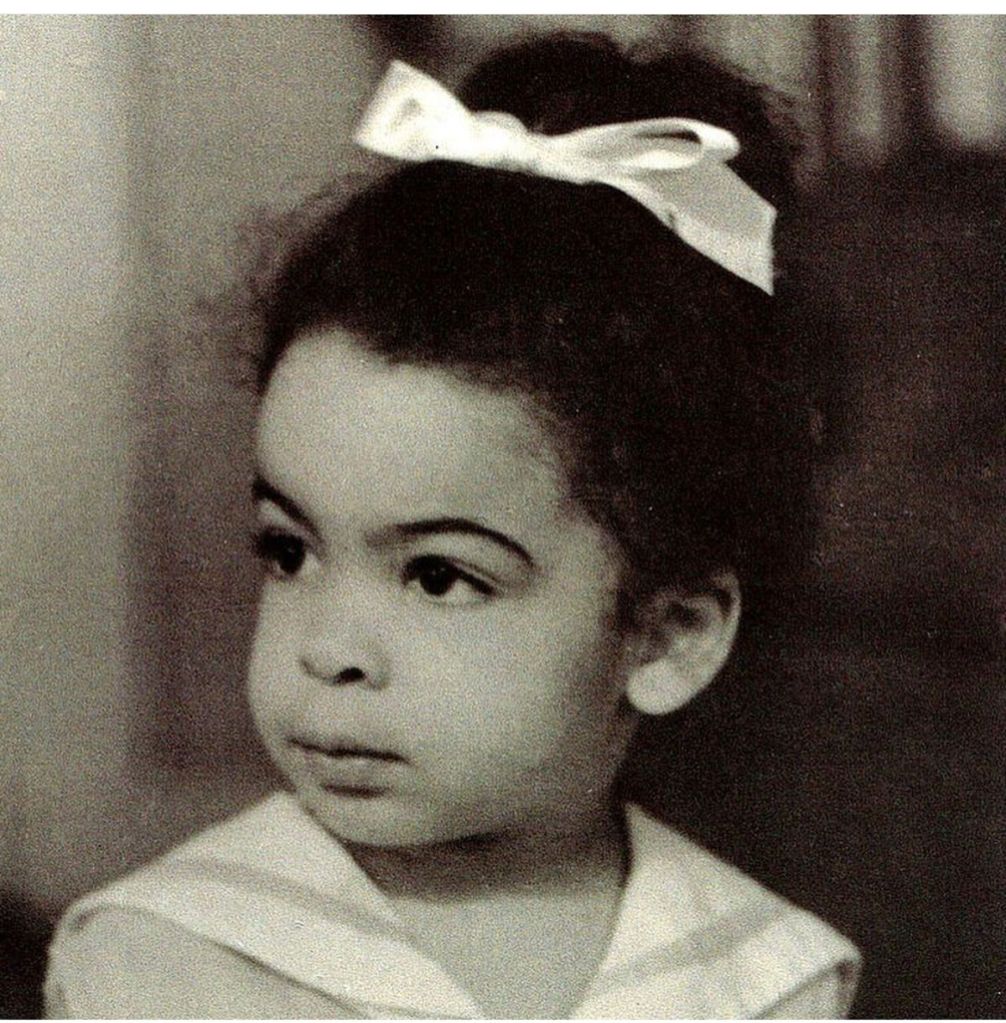
Jasmine Guy was born on March 10, 1962, in Boston, Massachusetts, but she was primarily raised in Atlanta, Georgia. She grew up in a culturally rich and intellectually stimulating household. Her father, William Guy, was an African American Baptist minister and professor of philosophy and religion who served as pastor of the historic Friendship Baptist Church in Atlanta. Her mother, Jaye Rudolph, was a Portuguese-American high school teacher. Growing up in a biracial household exposed Jasmine Guy to diverse cultural influences that shaped her worldview and artistic identity. Raised in the historic Collier Heights neighborhood—one of Atlanta’s first affluent Black communities—Guy was surrounded by educators, professionals, and leaders who emphasized excellence and achievement.

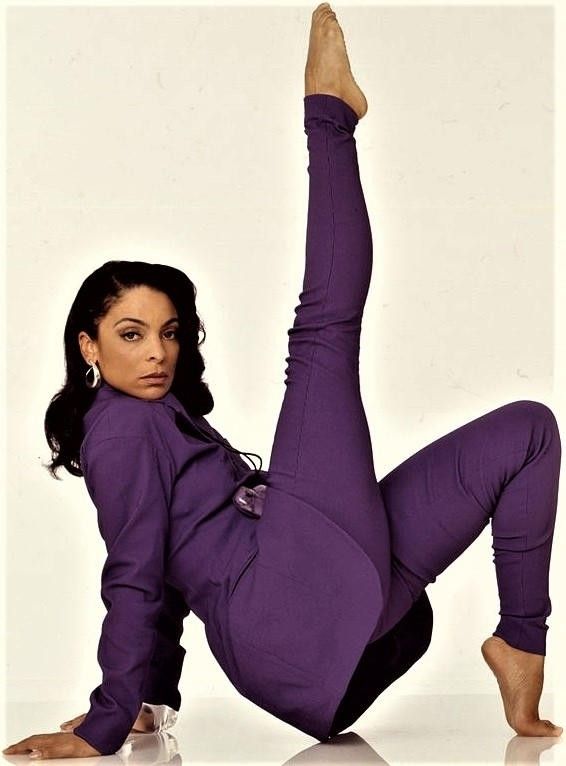
From childhood, Guy displayed remarkable artistic ability. She sang in the church choir where her father preached, developing a love for music and performance at an early age. She later attended Northside Performing Arts High School in Atlanta, where her talents in dance, theater, and singing began to flourish. Determined to pursue a professional career in the arts, she moved to New York City at age seventeen to study dance at the prestigious Alvin Ailey American Dance Theater school. This rigorous training refined her technical abilities and prepared her for a career in entertainment that would span television, film, music, and theater.
This photograph is the property of its respective owner.

Guy’s professional career began in the early 1980s when she appeared as a dancer on the television series Fame in 1982. Though a small role, it marked her official entry into the entertainment industry. She soon began performing in stage productions and appeared in the Broadway musical revival of The Wiz in 1984. Her work in theater helped her develop the triple-threat talent—acting, singing, and dancing—that would define her career.

Her major breakthrough came in 1987 when she was cast as Whitley Gilbert on the NBC sitcom A Different World, a spin-off of The Cosby Show. Whitley Gilbert was a wealthy Southern debutante attending the fictional historically Black Hillman College. The character quickly became one of the most iconic figures on television due to her dramatic personality, distinctive Southern accent, impeccable fashion sense, and complex emotional development. Initially portrayed as a privileged socialite, Whitley evolved into a thoughtful and independent woman over the course of the show’s six seasons from 1987 to 1993. Guy’s performance made the character unforgettable and cemented her place in television history. Her portrayal resonated with audiences, particularly Black viewers, who saw a sophisticated and multidimensional representation of young Black womanhood.

Guy’s work on A Different World brought her significant recognition. She won four NAACP Image Awards for Outstanding Lead Actress in a Comedy Series, reflecting both her acting talent and the cultural impact of the show. The series itself became an influential program that highlighted historically Black colleges and universities, inspiring many young viewers to pursue higher education.
This photograph is the property of its respective owner.

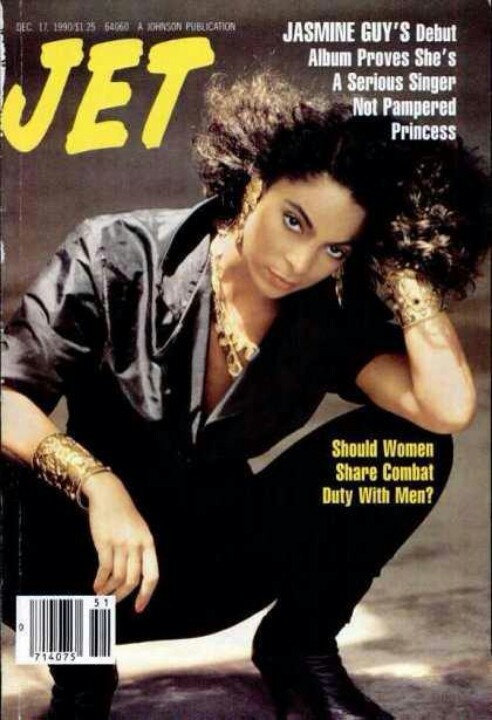
At the height of her television fame, Guy expanded her artistic career into music. In 1990, she released her self-titled debut album Jasmine Guy through Warner Bros. Records. The album blended R&B, pop, and new jack swing, a sound popular during the early 1990s. It produced several singles, including “Try Me,” “Another Like My Lover,” and “Just Want to Hold You.” The song “Another Like My Lover” became her biggest hit, reaching the Top 10 on the Billboard R&B chart. Though she did not pursue a long-term recording career, the album demonstrated her versatility as an entertainer and further enhanced her public image as a multi-talented performer.

Alongside her television success, Guy built a notable film career. One of her earliest film roles was in School Daze (1988), directed by Spike Lee. The film explored issues of colorism and social identity within Black college culture, and Guy’s role as Dina contributed to the movie’s cultural commentary. She later appeared in Harlem Nights (1989), starring alongside Eddie Murphy and Richard Pryor. Her film work also included voice acting in the animated film Cats Don’t Dance (1997).
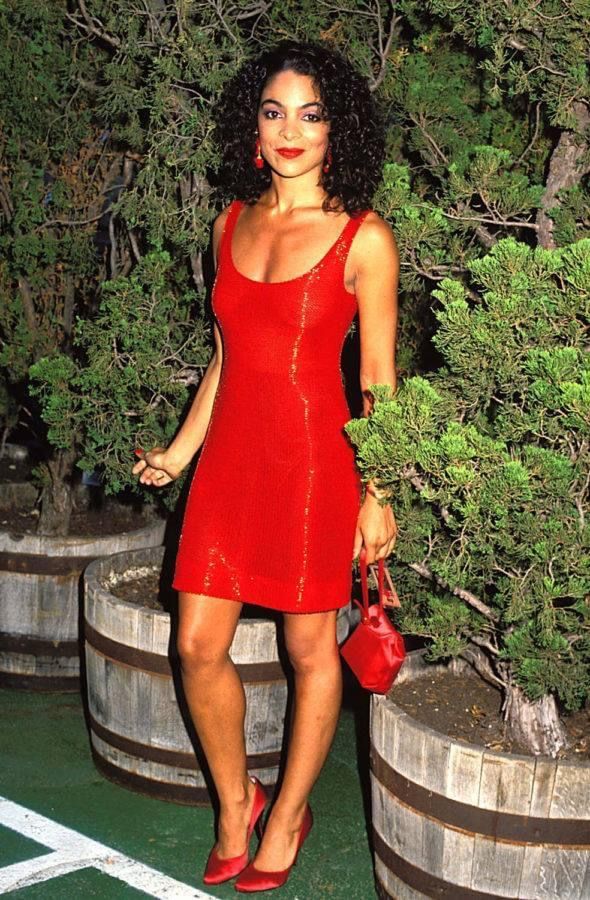
This photograph is the property of its respective owner.

Guy continued appearing in numerous television projects throughout the 1990s and 2000s. Her television credits include guest roles in The Fresh Prince of Bel-Air, Dead Like Me, and the supernatural drama The Vampire Diaries. Her continued presence on television demonstrated her longevity as an actress and her ability to adapt to new genres and audiences. In addition to acting, Guy worked behind the scenes as a director and choreographer, further expanding her influence in the entertainment industry.

Beyond performing, Jasmine Guy is also an accomplished writer. In 2004, she authored the biography Afeni Shakur: Evolution of a Revolutionary, chronicling the life of activist Afeni Shakur, the mother of legendary rapper Tupac Shakur. Guy had been a close friend of Tupac and worked closely with Afeni Shakur to document her experiences as a member of the Black Panther Party and a social activist.

In her personal life, Guy married Terrence Duckett in 1998. The couple welcomed a daughter, Imani Guy Duckett, in 1999. After approximately ten years of marriage, Guy and Duckett divorced in 2008. Following the divorce, she returned to Atlanta, where she continued acting while focusing on raising her daughter and participating in local theater and cultural projects.

Throughout her career, Jasmine Guy has received numerous honors and recognitions. In addition to her NAACP Image Awards, she received critical acclaim for her stage performances and later earned a Daytime Emmy Award in 2023 for her work in the short-form series Chronicles of Jessica Wu. The recognition demonstrated the lasting relevance of her talent decades after her breakthrough role.
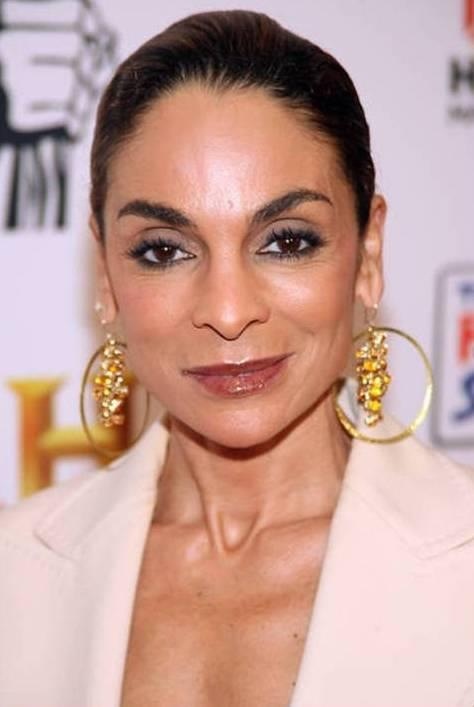
This photograph is the property of its respective owner.

Jasmine Guy became an “It Girl” because she represented the rare combination of beauty, intelligence, artistic versatility, and cultural significance. Her elegant appearance, expressive voice, and commanding presence made her unforgettable, while her portrayal of Whitley Gilbert defined an era of Black television. The character’s memorable lines, emotional depth, and iconic romance with Dwayne Wayne remain among the most beloved moments in sitcom history.

More than just a television star, Jasmine Guy symbolizes the power of multidimensional Black artistry. Actress, singer, dancer, author, and director, she built a career that reflects both creativity and resilience. Her influence continues to resonate with audiences who grew up watching A Different World and with new generations discovering her work. In the legacy of Black entertainment icons, Jasmine Guy stands as a timeless example of the grace, intellect, and talent that define a true “It Girl.”


References

BlackPast.org. (2016). Jasmine Guy.
IMDb. (2024). Jasmine Guy Biography and Filmography.
The Famous People. (2024). Jasmine Guy Biography.
Billboard. (1990). R&B Chart History – Jasmine Guy.
Wikipedia contributors. (2024). Jasmine Guy.
Wikipedia contributors. (2024). Jasmine Guy (album).
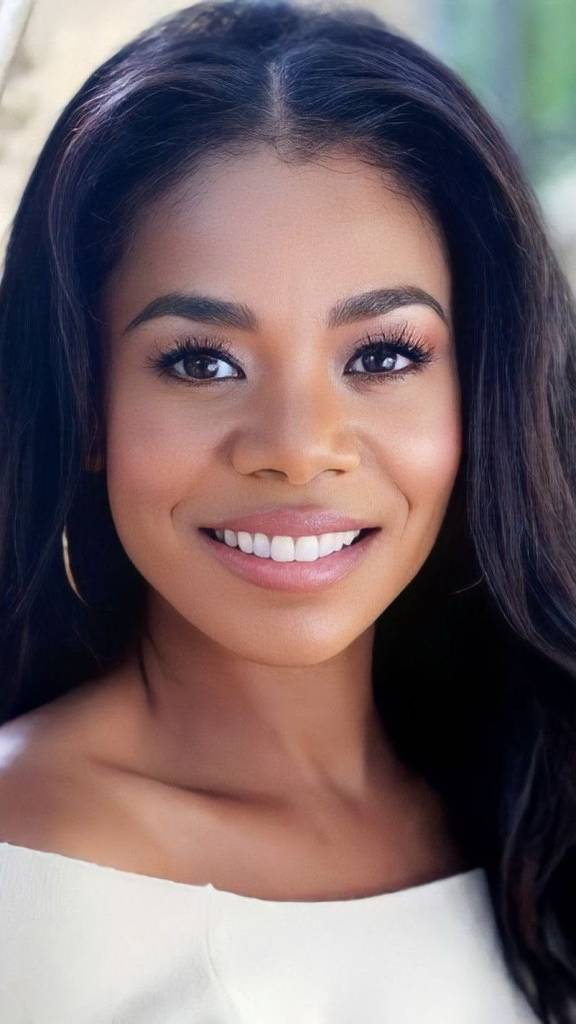
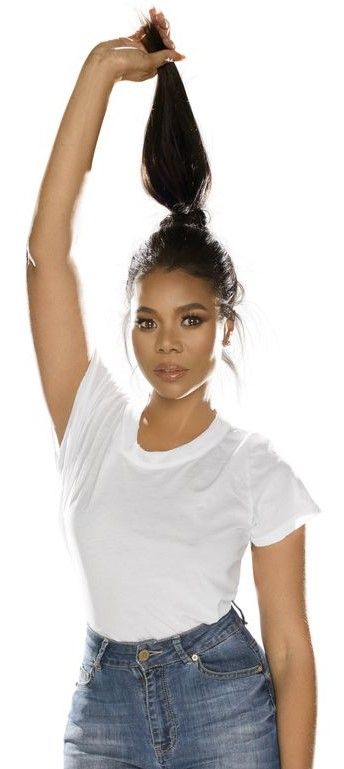
The “It Girl” Series: Regina Hall

The brilliant beauty whose laughter disarms, but whose depth leaves a lasting imprint.

This photograph is the property of its respective owner.

Regina Hall represents a rare Hollywood alchemy: impeccable comedic timing fused with intellectual depth and dramatic restraint. With her luminous smile, expressive eyes, and effortless sophistication, Hall has sustained a career that defies typecasting. She is as comfortable delivering sharp satire as she is portraying layered, emotionally complex women navigating faith, grief, ambition, and desire.

Born December 12, 1970, in Washington, D.C., Hall earned a bachelor’s degree in English from Fordham University and later completed a master’s degree in journalism at New York University. Initially aspiring to a career in journalism, she pivoted toward acting in the late 1990s. Her breakout came with the wildly successful Scary Movie franchise, where she portrayed the unforgettable Brenda Meeks. Across multiple installments, Hall transformed what could have been a one-note comedic character into a cultural staple—bold, animated, and endlessly quotable.

Yet Hall’s trajectory did not remain confined to parody. In The Best Man and its sequel, The Best Man Holiday, she played Candace “Candy” Sparks, a former exotic dancer navigating respectability politics, marriage, and social mobility. Acting alongside Taye Diggs, Nia Long, and Sanaa Lathan, Hall demonstrated emotional nuance beneath comedic sparkle.

Her critical renaissance emerged powerfully with Girls Trip, where she starred opposite Queen Latifah, Jada Pinkett Smith, and Tiffany Haddish. The film grossed over $140 million domestically and became a landmark in contemporary Black female ensemble cinema. Hall’s portrayal of Ryan Pierce—a successful author confronting marital betrayal—allowed her to oscillate between humor and heartbreak, reinforcing her range.

In 2018, Hall delivered one of her most critically acclaimed performances in Support the Girls, earning the New York Film Critics Circle Award for Best Actress. The role marked a departure from broad comedy into understated realism, portraying a working-class manager balancing compassion with exhaustion. That same year, she starred in The Hate U Give, adapted from the novel by Angie Thomas, further solidifying her dramatic credibility.

Hall continued to expand her artistic portfolio with Master, a psychological horror film released by Amazon Prime Video, in which she portrayed a college dean confronting racial tension at an elite institution. The role reflected a maturation of her on-screen presence—measured, restrained, and hauntingly internal.

Throughout her career, Hall has received multiple NAACP Image Awards and nominations, along with critical accolades recognizing her versatility. Beyond awards, however, her cultural impact lies in redefining what comedic actresses can become. She has navigated the transition from satire to sophistication without losing her spark.

Regina Hall is an “It Girl” of endurance. She is neither confined to an archetype nor defined by an era. She stands as proof that laughter and intelligence are not mutually exclusive—and that longevity in Hollywood requires both reinvention and restraint.


References

IMDb. (n.d.). Regina Hall. Retrieved from https://www.imdb.com

Scary Movie franchise data retrieved from:
Box Office Mojo. (n.d.). Scary Movie.

Girls Trip box office information retrieved from:
Box Office Mojo. (n.d.). Girls Trip.

Support the Girls award recognition retrieved from:
New York Film Critics Circle. (2018). Awards listing.

Master distribution information retrieved from:
Amazon Prime Video press materials (2022).

Guerrero, E. (1993). Framing Blackness: The African American image in film. Temple University Press.

Mask, M. (2009). Divas on screen: Black women in American film. University of Illinois Press.

The “It Girl” Series: Meagan Good

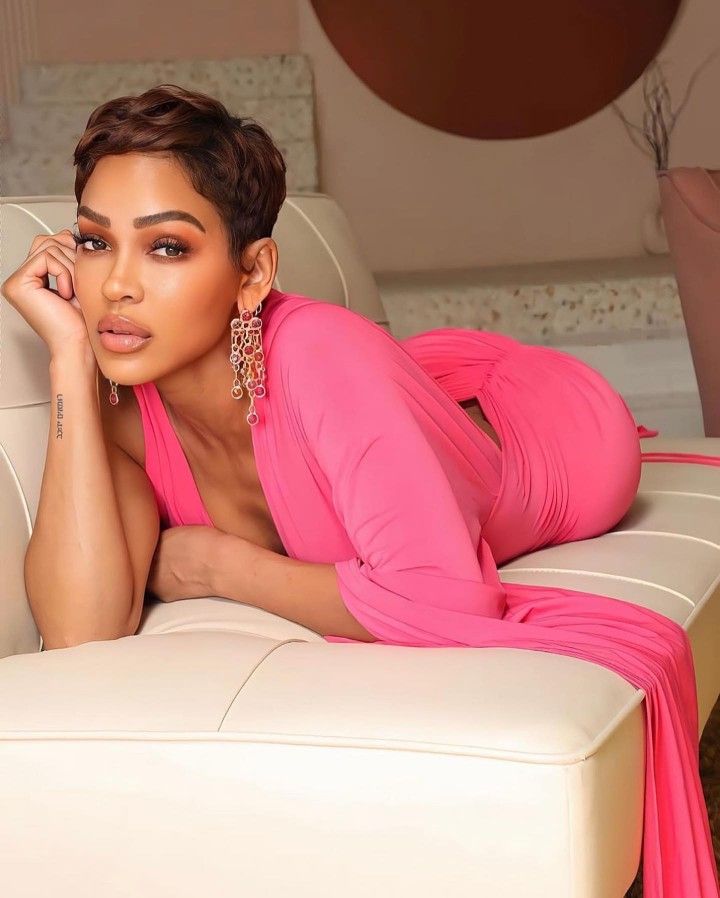
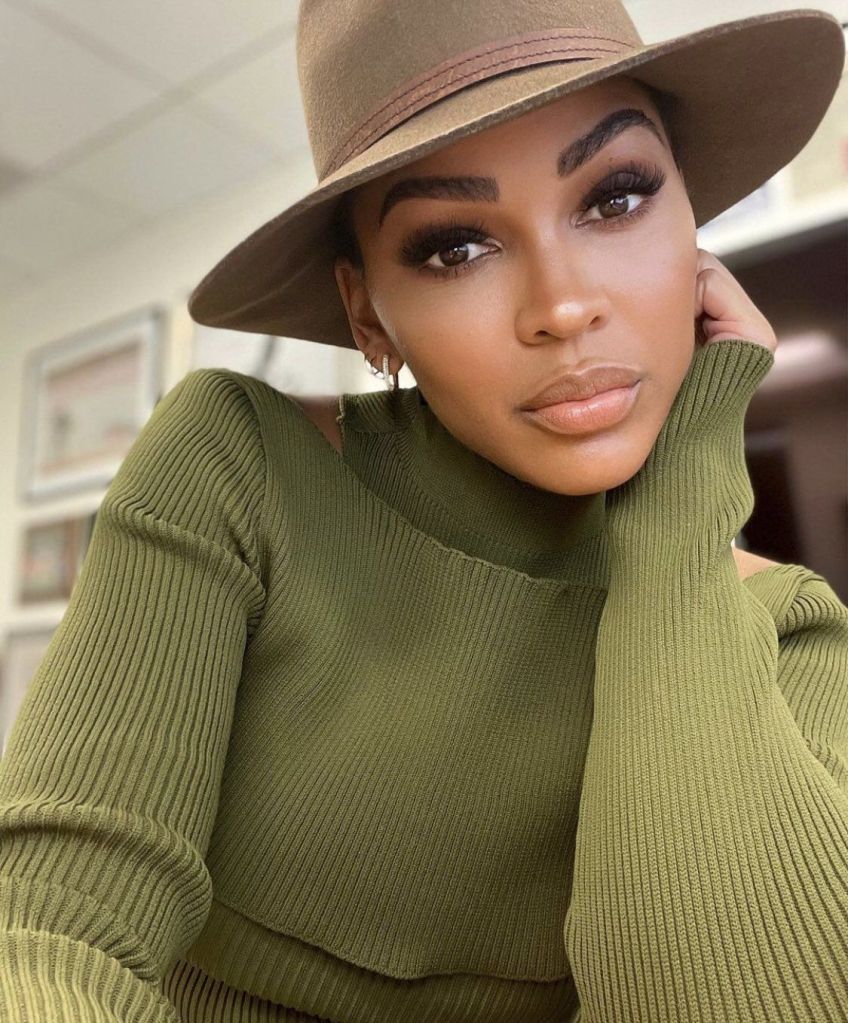
With luminous eyes and fearless range, Meagan Good is the It Girl who grew up before our eyes — and never stopped evolving.

This photograph is the property of its respective owner.

Meagan Good has been a visible presence in Hollywood for more than three decades — a rare feat for a woman who began as a child actor and matured into a leading lady without losing cultural relevance. From precocious talent to romantic lead, from cult-classic ingénue to executive producer, Good’s career reflects longevity, reinvention, and enduring fascination within the Black community.


Early Life & Hollywood Beginnings

Born August 8, 1981, in Panorama City, California, Meagan Monique Good began acting at the age of four, appearing in commercials before transitioning into television. Raised in a supportive household with a mother who served as a manager, Good navigated child stardom with unusual stability.

Her early television credits included appearances on Doogie Howser, M.D., Amen, and Moesha. However, her breakthrough came with the critically acclaimed Southern Gothic drama Eve’s Bayou, directed by Kasi Lemmons. As Cisely Batiste, Good delivered a haunting, emotionally layered performance that showcased maturity beyond her teenage years. The film has since become a staple in Black cinema studies, frequently cited for its exploration of memory, colorism, and generational trauma.


Transition to Leading Lady

The early 2000s positioned Good as one of Hollywood’s emerging Black ingénues. She appeared in films such as Deliver Us from Eva (2003) and later in Stomp the Yard, where she played April Palmer, the poised love interest opposite Columbus Short. The film was commercially successful and cemented her place in mainstream Black romantic drama.

She also appeared in genre films like The Unborn (2009) and action projects such as Think Like a Man (2012), expanding her audience beyond primarily Black cinema. This crossover ability — balancing culturally rooted films with broader commercial projects — contributed to her sustained popularity.


This photograph is the property of its respective owner.

Exotic Beauty & Public Perception

Within the Black community, Meagan Good is often described as possessing “exotic beauty” — a term historically layered with complexity. Of African American and Puerto Rican descent, her light brown complexion, almond-shaped eyes, and soft yet striking features have frequently positioned her within conversations about Hollywood colorism and desirability politics.

Yet Good has spoken openly about embracing her natural identity without conforming to industry pressures. Her beauty is often paired with vulnerability and spiritual openness — qualities that resonate strongly with Black female audiences who have watched her mature publicly.

Critics and fans alike often describe her as:

  • Magnetic
  • Sultry yet soft-spoken
  • Spiritually grounded
  • Emotionally transparent

Her image balances sensual confidence with girl-next-door relatability — a rare duality that has sustained her “It Girl” appeal.


Marriage, Faith & Public Evolution

In 2012, Good married producer and pastor DeVon Franklin. Their marriage was highly visible within Christian and Black entertainment circles, symbolizing a union of faith and Hollywood ambition. They co-authored, held public discussions about their relationship, and were often regarded as a modern faith-based power couple.

However, in 2021, the couple announced their divorce. Good addressed the separation with grace, emphasizing personal growth rather than scandal. The public response within the Black community was mixed — some mourned the symbolic loss, while others applauded her transparency and resilience.

In 2023, she married actor Jonathan Majors in a private ceremony. Their relationship drew media attention due to the Majors’ legal controversies, again placing Good under intense public scrutiny. Through it all, she has maintained composure, choosing loyalty and privacy over public commentary.

As of 2026, Good does not have biological children but has expressed openness to motherhood and family expansion.


Awards & Recognition

While not an Academy Award recipient, Good has received several nominations and wins, including:

  • NAACP Image Award nominations
  • Teen Choice Award recognition
  • YoungStar Award (early career)

Her influence, however, extends beyond trophies. She represents a generation of Black actresses who sustained careers through transitional industry eras — from the 1990s Black cinema resurgence to modern streaming dominance.


Recent & Latest Projects

Good has remained active in both film and television. She starred in the Amazon Prime series Harlem (2021–2025), portraying Camille Parks, an ambitious anthropology professor navigating love and career in New York City. The show became culturally resonant for its portrayal of modern Black female friendship and professional life.

She also appeared in Shazam! Fury of the Gods, expanding her presence within blockbuster franchises.

Additionally, she has ventured into producing, signaling a strategic shift toward creative control — a hallmark of actresses who intend to build a legacy, not just visibility.


This photograph is the property of its respective owner.

Why She Is an “It Girl”

Meagan Good is an It Girl because audiences have grown up with her. She is not a fleeting trend — she is a familiar presence woven into multiple eras of Black popular culture.

She represents:

  • Early Black millennial stardom
  • Romantic drama nostalgia
  • Spiritual transparency
  • Beauty conversations within the Black community
  • Longevity without disappearance

Her popularity persists because she feels accessible. Fans see her as talented but human — glamorous but spiritually searching.

In a Hollywood ecosystem that often discards young actresses once novelty fades, Meagan Good reinvented herself repeatedly. She matured publicly, navigated marriage and divorce under scrutiny, and maintained consistent employment in an industry notorious for instability.

Her It Girl status is not based solely on fashion or virality. It rests on endurance.

She is the girl from Eve’s Bayou.
The love interest from Stomp the Yard.
The professor in Harlem.
The woman who kept evolving.

And in the gallery of It Girls, Meagan Good stands as proof that beauty may open doors — but resilience keeps them open.


References

Franklin, D., & Good, M. (2016). The wait: A powerful practice for finding the love of your life and the life you love. Howard Books.

IMDb. (n.d.). Meagan Good filmography. Retrieved from https://www.imdb.com

Lemmons, K. (Director). (1997). Eve’s Bayou [Film]. Trimark Pictures.

Sylvain White, S. (Director). (2007). Stomp the Yard [Film]. Screen Gems.

F. Gary Gray, F. G. (Director). (2003). Deliver Us from Eva [Film]. Focus Features.

Sandberg, D. F. (Director). (2023). Shazam! Fury of the Gods [Film]. Warner Bros.

Amazon Prime Video. (2021–2025). Harlem [Television series].

NAACP Image Awards. (n.d.). Nominee archives. Retrieved from https://naacpimageawards.net

The Ebony Dolls: Dorothy Dandridge

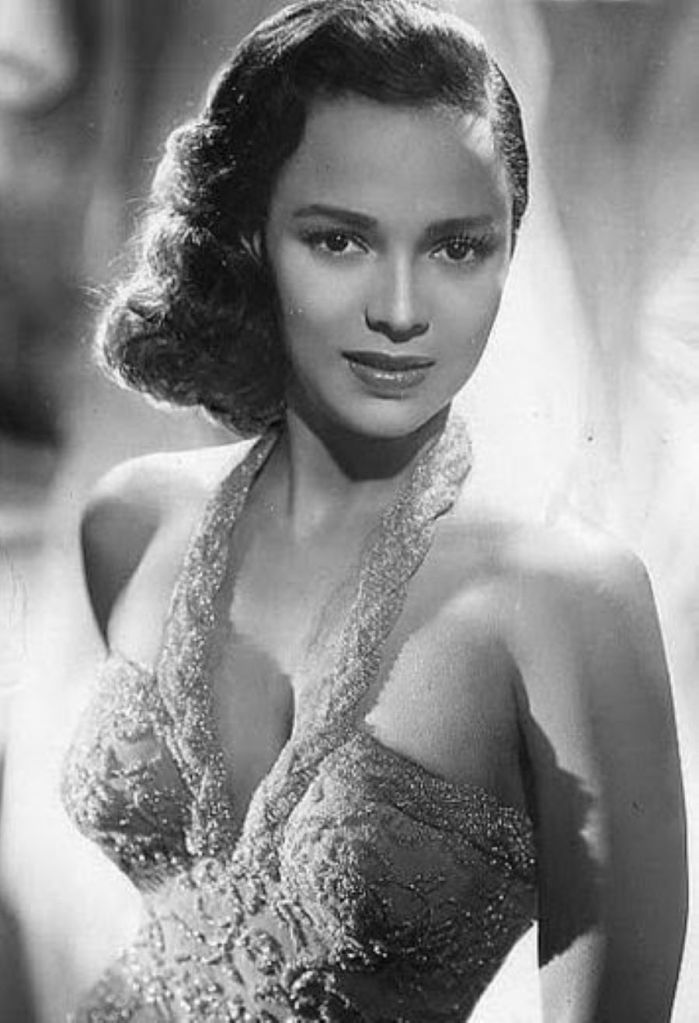
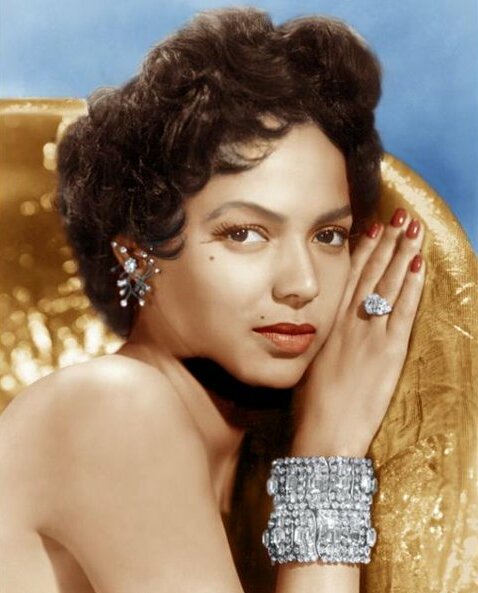
Otherworldly black muse of Cinema

This photograph is the property of its respective owner.

Dorothy Jean Dandridge remains one of the most luminous figures in the history of American cinema—a woman of breathtaking beauty, extraordinary talent, and profound courage who broke barriers for generations of Black actresses. Born on November 9, 1922, in Cleveland, Ohio, she emerged from humble beginnings to become the first African American woman nominated for an Academy Award for Best Actress. Her life was both a triumph and a tragedy, defined by grace, resilience, and the painful realities of racism and colorism in Hollywood’s golden age. With her flawless caramel complexion, delicate features, full lips, and almond-shaped eyes, she became the archetype of cinematic beauty—the original “Black Marilyn Monroe,” yet far deeper and more soulful.

Dorothy’s early life was marked by struggle and instability. Her parents separated before her birth, and she and her sister Vivian were raised by their mother, Ruby Dandridge, a stage performer who recognized her daughters’ natural talent. Ruby was determined that her children would escape poverty through performance. She created an act called “The Wonder Children,” in which Dorothy and Vivian sang and danced in churches throughout the South during the Great Depression. It was a tough childhood filled with long hours and racial discrimination, but it gave Dorothy a foundation in showmanship that would shape her later stardom.

As she grew older, Dorothy’s passion for performance evolved into a desire to act. Her beauty caught the attention of filmmakers, but Hollywood was not ready to embrace a Black actress in leading roles. Her earliest film appearances were minor, often uncredited, and she was typecast as a maid, chorus girl, or “exotic” background beauty. Despite the limited opportunities, her undeniable screen presence shone through. She soon realized that she would need to fight harder than most to be seen not just as a singer or a dancer, but as a serious actress.

This photograph is the property of its respective owner.

In the 1940s, Dorothy performed with the musical trio “The Dandridge Sisters,” alongside her sister Vivian and their friend Etta Jones. The group performed at the Cotton Club and other prestigious venues, dazzling audiences with their harmonies and elegance. These performances brought Dorothy into the orbit of Hollywood elites and introduced her to industry power players. Yet even as her popularity grew, she was often subjected to the cruelty of racism—barred from staying in the very hotels she performed in and forced to use side entrances to glamorous clubs that showcased her talent.

Her breakthrough came in 1954 when she starred as the seductive and complex Carmen Jones in Otto Preminger’s adaptation of Bizet’s opera Carmen. Her portrayal of Carmen was electrifying—sensual, intelligent, and layered with vulnerability. It was a defining performance that earned her an Academy Award nomination for Best Actress, making her the first Black woman in history to receive such an honor. Her role in Carmen Jones shattered Hollywood’s color barrier and proved that Black women could carry major motion pictures with the same magnetism and skill as their white counterparts.

Dorothy’s beauty was both her blessing and her curse. She was often described as “too beautiful for a Black actress” by studio executives who struggled to fit her into the narrow roles Hollywood reserved for women of color. Colorism played a cruel role in her career—she was considered light enough to be “acceptable” to white audiences but still Black enough to face discrimination from the industry. Directors and producers often fetishized her appearance, exoticizing her rather than recognizing her as a woman of depth and intellect.

This photograph is the property of its respective owner.

Her personal life reflected the same turbulence she faced professionally. Dorothy married dancer Harold Nicholas of the famed Nicholas Brothers in 1942. The marriage produced one child, Harolyn Suzanne Nicholas, who was born with brain damage and required lifelong care. The emotional and financial strain of caring for her daughter deeply affected Dorothy, contributing to the collapse of her marriage. She later had a relationship with director Otto Preminger, who cast her in Carmen Jones and later Porgy and Bess (1959), but their affair was marred by the racial politics of the time and his refusal to publicly acknowledge their relationship.

Her portrayal in Porgy and Bess alongside Sidney Poitier and Sammy Davis Jr. was another milestone in her career, though it was overshadowed by behind-the-scenes tension and the studio’s handling of the film. Despite the challenges, her performance once again displayed her remarkable ability to infuse complex emotion into her roles. She was not merely acting—she was expressing the frustrations, desires, and dreams of an entire generation of Black women who longed to be seen and respected.

Dorothy’s journey in Hollywood was marked by systemic racism and sexism. She was denied the roles her talent deserved, often replaced by white actresses in films she had been promised. She was invited to glamorous parties but forbidden to swim in hotel pools. Hollywood, while dazzled by her beauty, refused to offer her the humanity it extended to her white peers. She became a tragic symbol of a racist system that could idolize a Black woman’s image while destroying her spirit.

Behind the glamour, Dorothy struggled with loneliness and depression. Her finances suffered due to poor management, and her once-promising career began to fade in the 1960s. Yet even as her circumstances worsened, she continued to fight for her dignity and her art. She performed in nightclubs and continued to act in smaller roles, holding onto her dream that Hollywood would one day recognize her true worth.

Dorothy Dandridge’s untimely death in 1965 at the age of 42 shocked the world. Officially ruled an accidental overdose of antidepressants, many believed her death was a result of exhaustion and despair. She was buried in Los Angeles’ Forest Lawn Cemetery, leaving behind a legacy that was only fully appreciated decades later.

This photograph is the property of its respective owner.

Her influence, however, endured. In 1999, Halle Berry portrayed Dorothy Dandridge in the HBO film Introducing Dorothy Dandridge, a performance that earned Berry both an Emmy and a Golden Globe Award. Halle Berry credited Dorothy as a personal inspiration, saying that her own success as the first Black woman to win an Oscar for Best Actress in 2002 was possible because Dorothy had walked that difficult path first. In many ways, Halle’s triumph was the completion of Dorothy’s interrupted dream.

Dorothy Dandridge contributed to the world not just through her artistry but through her courage. She challenged Hollywood’s racist boundaries, bringing dignity, sensuality, and sophistication to roles previously denied to Black women. She paved the way for actresses like Diahann Carroll, Cicely Tyson, Halle Berry, and countless others who followed in her footsteps.

She also redefined Black beauty on the global stage, making her one of the epitomes of the Ebony Dolls series. Her elegance, grace, and poise influenced fashion, music, and film aesthetics, introducing a new archetype of the Black leading lady—refined, sensual, and complex. Her beauty was not just physical; it was spiritual and artistic, a reflection of her intelligence and emotional depth.

In her lifetime, Dorothy received numerous accolades, including a historic Academy Award nomination, a Golden Globe nomination, and multiple posthumous honors recognizing her contributions to cinema. In 1962, she was awarded a Hollywood Walk of Fame star, ensuring her name would remain immortalized among the legends of film.

Today, Dorothy Dandridge is remembered as more than an actress—she is a symbol of perseverance, artistry, and grace under oppression. Her story is one of triumph over systemic injustice, of beauty and brilliance in a world that often sought to dim her light.

This photograph is the property of its respective owner.

Through her voice, her movement, and her gaze, Dorothy gave dignity to desire, humanity to glamour, and truth to the illusion of Hollywood. She opened doors that others would one day walk through freely. Her beauty was never merely skin deep—it was the radiance of a soul that refused to be silenced.

Dorothy Dandridge’s legacy remains a beacon for artists and dreamers worldwide. She proved that even in a world built to deny her light, she could still shine—and in doing so, she illuminated the path for every Black woman who dared to dream after her.

References

  • Donald Bogle. (2006). Dorothy Dandridge: A Biography. Amistad Press.
  • Berry, H. (Producer). (1999). Introducing Dorothy Dandridge [Film]. HBO Films.
  • Encyclopedia Britannica. (2024). Dorothy Dandridge. Retrieved from https://www.britannica.com
  • IMDB. (2024). Dorothy Dandridge Biography. Retrieved from https://www.imdb.com
  • Bogle, D. (2017). Toms, Coons, Mulattoes, Mammies, and Bucks: An Interpretive History of Blacks in American Films. Bloomsbury Publishing.

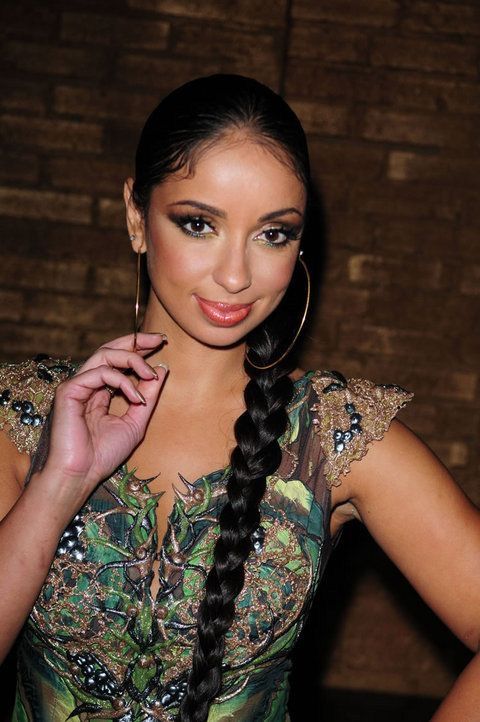
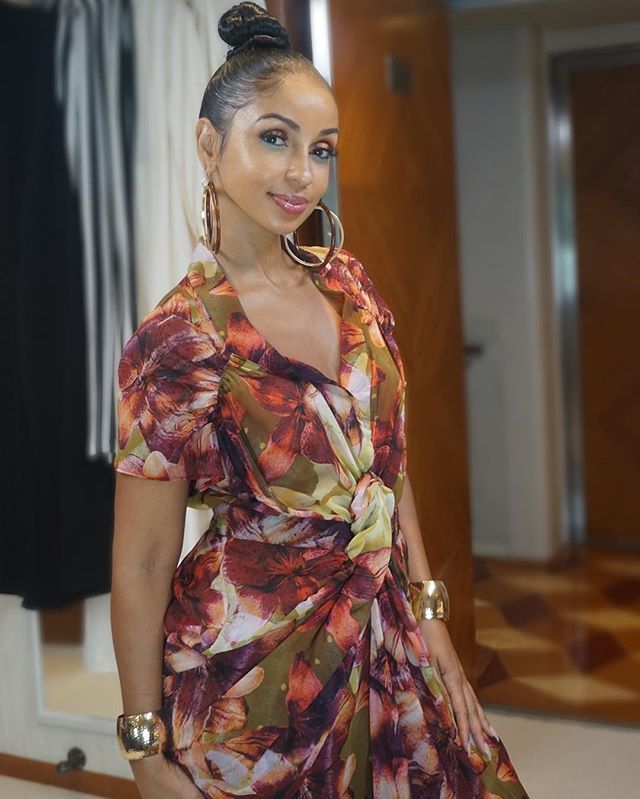
The “It Girl” Series: Mýa Harrison

With big doe eyes and a whisper-soft voice that shaped a generation, Mýa is the It Girl of R&B grace, a dancing phenomenon, discipline, and quiet longevity.

This photograph is the property of its respective owner.

Mýa — born Mýa Marie Harrison on October 10, 1979, in Washington, D.C. — emerged in the late 1990s as one of R&B’s most poised and technically refined young stars. Known for her ballet-trained posture, honey-toned vocals, and signature big doe eyes, Mýa carved out a lane that blended elegance with urban rhythm.

She was never the loudest voice in the room — but she was often the most polished.


Early Life & Musical Foundations

Raised in a musically inclined household (her father was a professional musician), Mýa studied ballet, jazz, and tap from a young age. Her formal dance training shaped her stage discipline and visual precision. By her mid-teens, she had secured a recording contract with Interscope Records.

Her self-titled debut album, Mýa, introduced her as a soft-spoken yet rhythmically assertive vocalist. The album featured the hit single “It’s All About Me” and established her as part of the late-90s R&B wave that included Brandy, Aaliyah, and Monica.

Her wide, expressive doe eyes became part of her public signature — conveying vulnerability, flirtation, and innocence simultaneously. In an era of highly stylized pop femininity, Mýa’s look felt both delicate and disciplined.


This photograph is the property of its respective owner.

Breakthrough & Cultural Impact

Mýa’s global breakout came with her collaboration on Lady Marmalade alongside Christina Aguilera, Lil’ Kim, and Pink for the film Moulin Rouge!. The song became a No. 1 Billboard hit and won a Grammy Award for Best Pop Collaboration with Vocals.

This moment cemented Mýa as internationally recognized — not merely an R&B singer, but a crossover performer capable of holding her own among powerhouse vocalists.

Her second album, Fear of Flying, featured the bold and playful single “Case of the Ex,” showcasing a more confident and rhythm-driven persona. The album went platinum, solidifying her commercial viability.


Film & Television Career

Like many It Girls of her era, Mýa expanded into film. She starred in Love & Basketball, a now-classic Black romantic drama, playing Kyra Kersey — the confident, competitive ex-girlfriend. The film has become canon in Black cinema discourse, and her performance added to her “cool girl” mystique.

She later appeared in Chicago as Mona, a role that showcased her dance training and theatrical poise. The film won the Academy Award for Best Picture, adding prestige to her résumé.

In 2009, she competed on Dancing with the Stars, finishing as runner-up and reintroducing herself to a new generation as a technically superior dancer.


Independent Artist & Businesswoman

After navigating major-label challenges, Mýa made a pivotal decision: independence.

In 2008, she launched her own label, Planet 9, becoming one of the first R&B artists of her era to move fully independent. She released multiple projects independently, maintaining creative control and ownership of her masters — a move that earned her quiet respect within the music industry.

Her 2016 album Smoove Jones received a Grammy nomination for Best R&B Album — proof that her artistry remained relevant nearly two decades after her debut.

This independence reframed her It Girl status. She was no longer just a face of a generation — she was a business model for artistic autonomy.


This photograph is the property of its respective owner.

Beauty, Persona & Public Perception

Within the Black community, Mýa is often remembered as:

  • Soft-spoken but self-assured
  • Elegant and unproblematic
  • Classically beautiful with “big doe eyes”
  • Disciplined and scandal-free

Her beauty is often described as ethereal — large almond-shaped eyes, symmetrical features, warm caramel complexion, and dancer’s posture. Unlike some contemporaries whose branding leaned heavily into overt sexuality, Mýa balanced sensual choreography with controlled mystique.

She is perceived as one of the “good girls” of 90s R&B — talented, poised, and largely free of public controversy. That consistency contributes to her enduring respect.


Marriage, Family & Privacy

In 2020, reports surfaced that Mýa had married in a private ceremony abroad, though she has maintained significant privacy about her personal life. She does not have publicly confirmed children.

Her discretion stands in contrast to the hyper-visibility of modern celebrity culture. She rarely engages in scandal cycles and maintains a carefully curated public image.


Awards & Recognition

  • Grammy Award (2002) – Best Pop Collaboration with Vocals (“Lady Marmalade”)
  • Billboard Music Awards recognition
  • MTV Video Music Award nominations
  • Soul Train Music Award nominations
  • Grammy nomination (2017) – Best R&B Album (Smoove Jones)

While she may not dominate headlines daily, her accolades reflect sustained industry respect.


This photograph is the property of its respective owner.

Why She Is an “It Girl”

Mýa is an It Girl because she defined a moment — and then preserved her dignity beyond it.

She represents:

  • The late-90s R&B golden era
  • Technical dance excellence
  • Big doe-eyed softness paired with discipline
  • Independent female ownership in music
  • Longevity without chaos

She was never tabloid-driven. She was craft-driven.

In a generation of louder personas, Mýa’s power has always been subtle — the tilt of her head, the control of her choreography, the emotional nuance in her voice.

Her It Girl status rests not on spectacle, but on polish.

And decades later, those big doe eyes still carry the same quiet confidence that first captivated audiences.


References

Billboard. (2001–2024). Chart history: Mýa.

Grammy Awards. (2002; 2017). Grammy winners and nominees database.

IMDb. (n.d.). Mýa Harrison filmography. Retrieved from https://www.imdb.com

Interscope Records. (1998). Mýa [Album].

Interscope Records. (2000). Fear of Flying [Album].

Luhrmann, B. (Director). (2001). Moulin Rouge! [Film].

Marshall, R. (Director). (2002). Chicago [Film].

Prince-Bythewood, G. (Director). (2000). Love & Basketball [Film].

ABC. (2009). Dancing with the Stars [Television series].

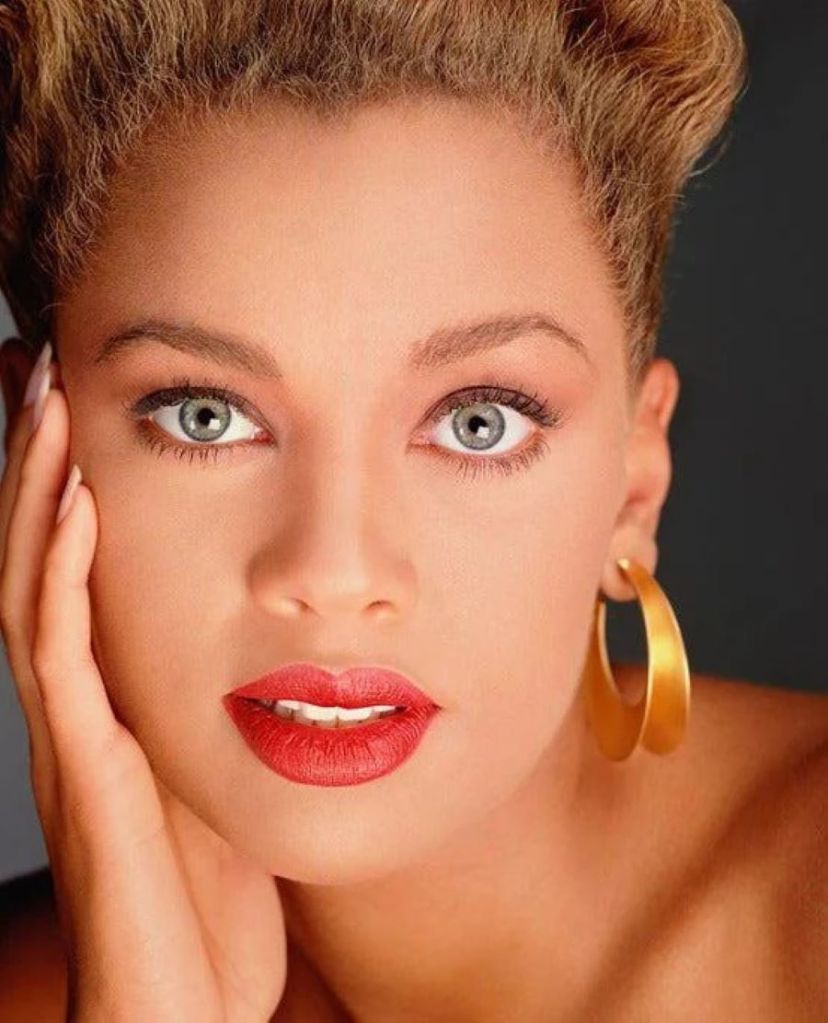
The Ebony Dolls: Vanessa Williams

And there she is, Miss America…..

This photograph is the property of its respective owner. No copyright infringement intended.

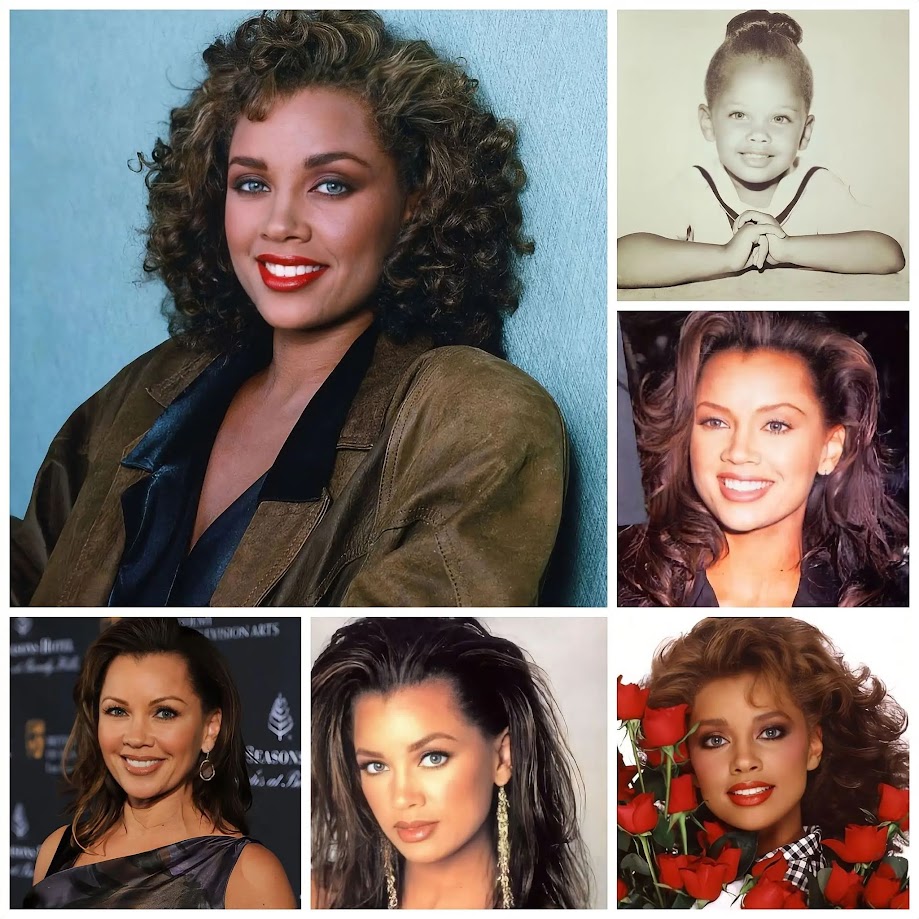
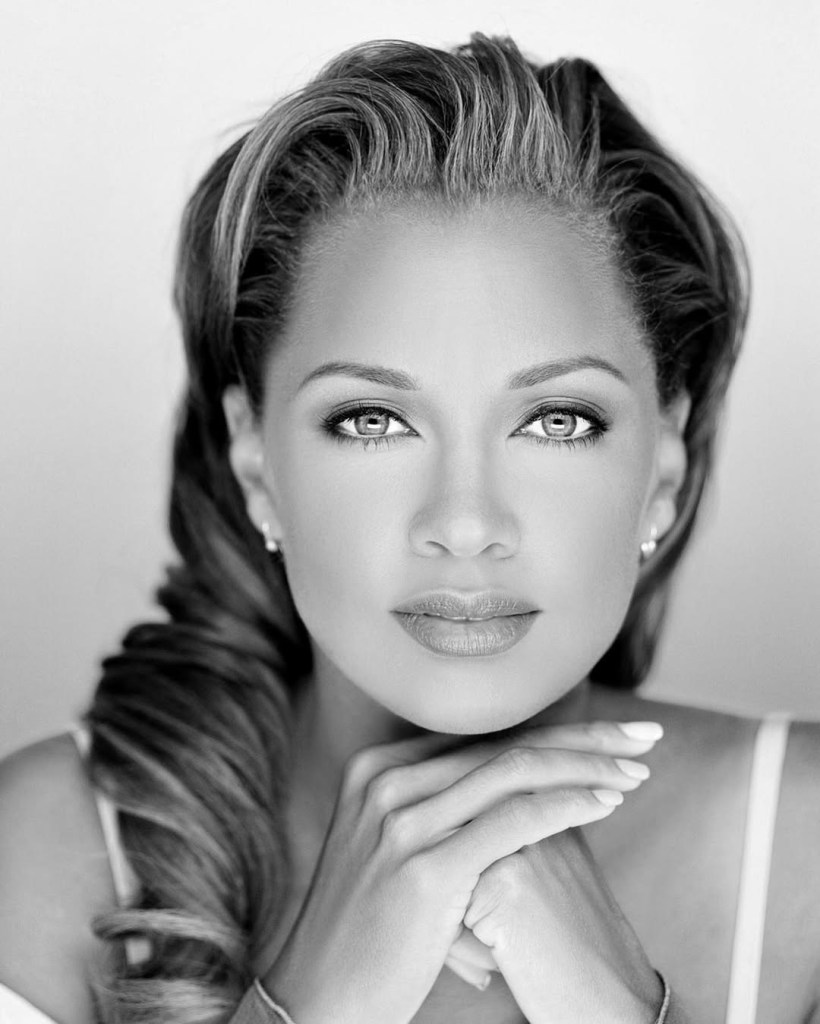
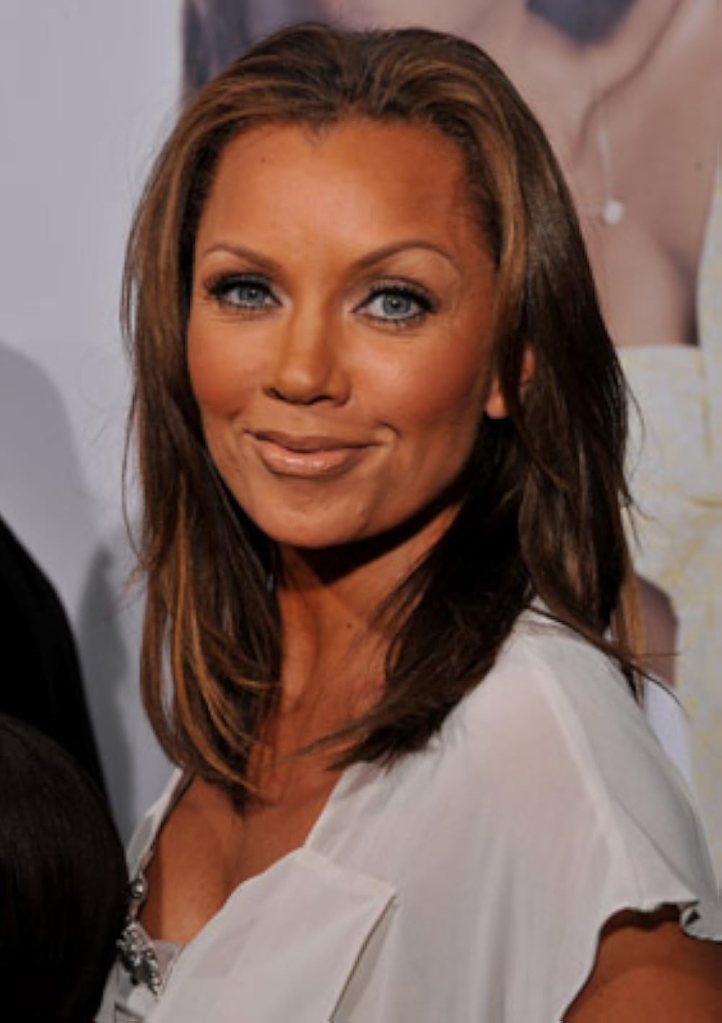
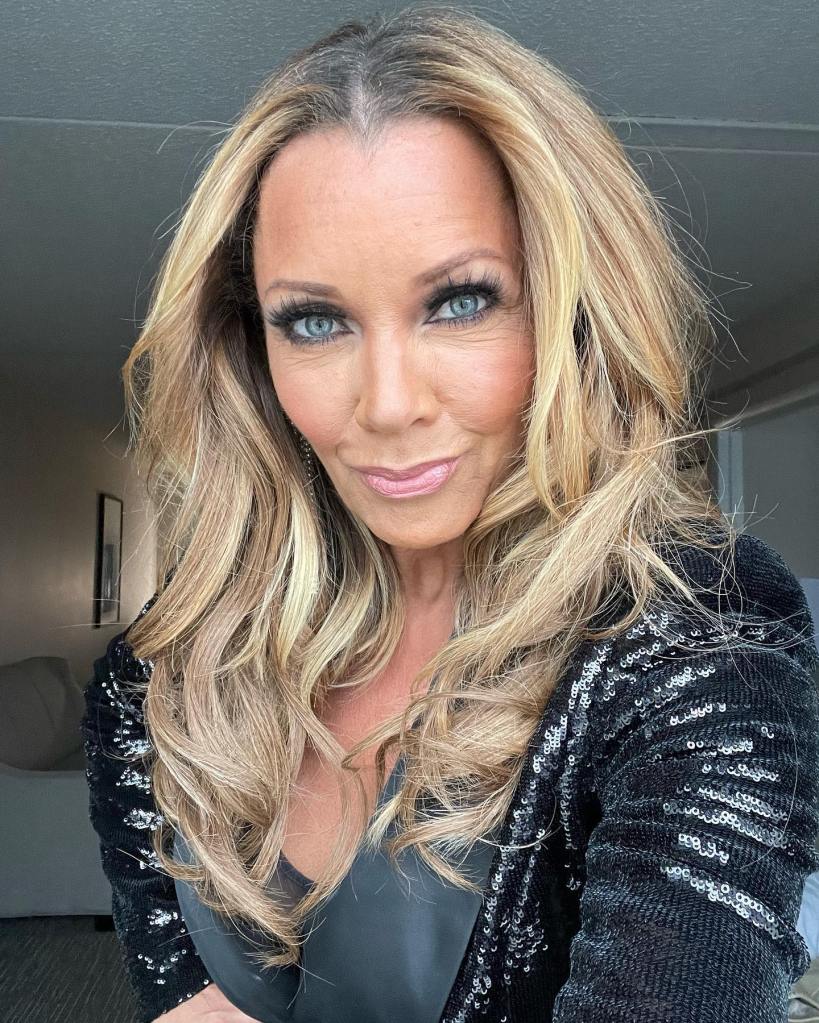
Vanessa Lynn Williams is a timeless symbol of beauty, talent, and perseverance—a woman whose radiant presence has defined multiple generations of entertainment. Born on March 18, 1963, in Tarrytown, New York, her arrival into the world was met with prophetic pride. Her parents, Helen and Milton Williams, both devoted music teachers, joyfully announced her birth in the local paper with the words, “Here she is: Miss America.” That simple line, written long before the world knew her name, became a divine foreshadowing of destiny fulfilled. With her French vanilla skin tone with luminous golden undertones, and striking big blue eyes. Her mixed African American and European heritage gave her a distinctive look that both challenged and expanded Hollywood’s perception of Black womanhood.

Raised in a home filled with music and discipline, Vanessa’s artistic journey began early. Her parents ensured that her childhood was rich with musical training and cultural exposure. She studied piano, violin, and French horn before she could drive, and later developed a powerful singing voice that would become one of her trademarks. Education was equally important—she attended Syracuse University as a musical theater major, where she developed into a true triple threat: a gifted singer, actress, and dancer capable of captivating audiences across any medium.

This photograph is the property of its respective owner. No copyright infringement intended

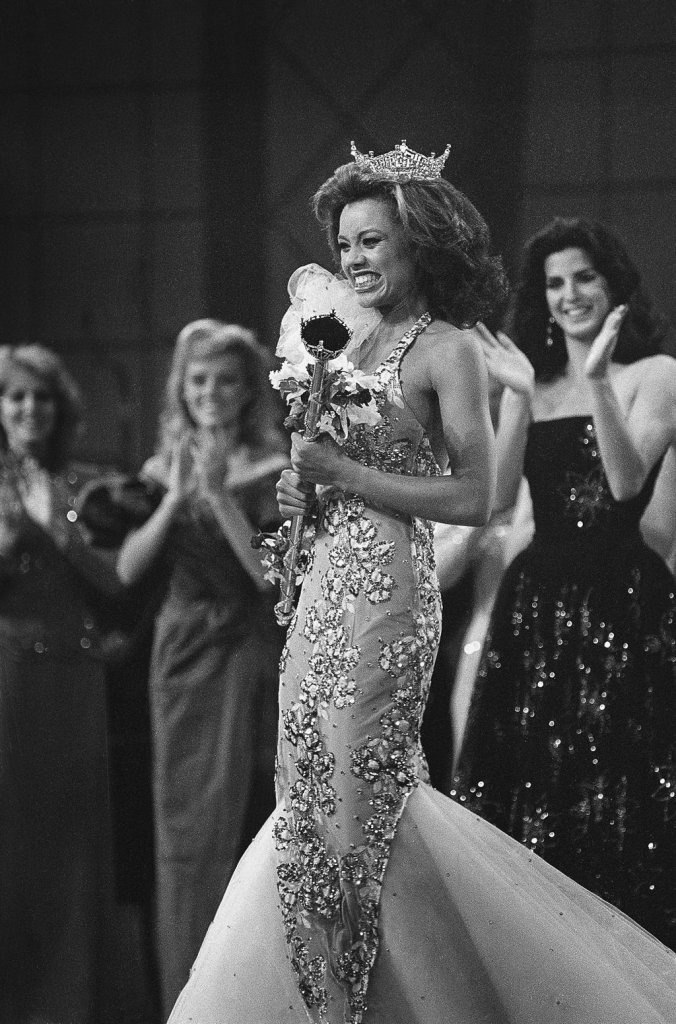
In 1983, Vanessa Williams made history as the first Black woman crowned Miss America. Her victory was not merely a pageant win—it was a moment that redefined American beauty and challenged the racial boundaries of a longstanding institution. Her reign, however, was cut short after unauthorized nude photographs were published without her consent, forcing her resignation. This controversy, though painful and racially charged, could not extinguish her spirit. Vanessa’s poise, dignity, and strength throughout that ordeal transformed her into a symbol of resilience and grace under pressure. Decades later, the Miss America Organization formally apologized to her in 2015, acknowledging the injustice she endured and the class with which she carried herself.

The foundation of that strength came from her parents, Helen and Milton, whose unwavering love kept her grounded in faith and artistry. They reminded her that her value transcended public opinion. Vanessa took their words to heart and began the work of rebuilding—not as a fallen pageant queen, but as an emerging artist ready to command the world stage. That decision would lead to one of the most remarkable comebacks in entertainment history.

This photograph is the property of its respective owner. No copyright infringement intended.

Her debut album, “The Right Stuff” (1988), proved that her talent was undeniable. The project earned three Grammy nominations and produced several hit singles, including “Dreamin’.” Her follow-up album, “The Comfort Zone” (1991), became a defining moment in her career, producing the timeless ballad “Save the Best for Last.” The song topped charts worldwide and earned her additional Grammy nominations, solidifying her status as a major recording artist. With her sultry vocals and sophistication, Vanessa redefined what it meant to be a Black pop star—bridging the worlds of R&B, soul, and adult contemporary music with elegance and ease.

This photograph is the property of its respective owner. No copyright infringement intended

Hollywood soon called, and Vanessa answered. She transitioned seamlessly into acting, displaying remarkable range across genres. She starred in films like Eraser (1996) alongside Arnold Schwarzenegger, Soul Food (1997), and Dance with Me (1998), where her dancing ability shone brightly. Her performance in Soul Food earned her an NAACP Image Award, and her presence onscreen was magnetic—powerful yet soft, modern yet timeless. On television, she rose to prominence as the glamorous and cunning Wilhelmina Slater in the hit series Ugly Betty (2006–2010). Her performance earned three Primetime Emmy Award nominations, a Golden Globe nomination, and widespread critical acclaim. She later joined Desperate Housewives, further showcasing her comedic timing and sophistication.

Vanessa’s Broadway career proved that her artistry was boundless. She starred in Kiss of the Spider Woman, Into the Woods, After Midnight, and City of Angels, earning Tony Award nominations for her work. Her return to the stage in The Devil Wears Prada: The Musical once again demonstrated her enduring ability to captivate audiences through song, movement, and storytelling. She had become the epitome of a triple threat, mastering every artistic form with effortless grace.

As a light-skinned Black woman, Vanessa’s journey in Hollywood was complex. Her beauty—often described as “exotic” by industry standards—was both celebrated and scrutinized. She spoke candidly about navigating colorism, understanding that her fair skin and blue eyes opened certain doors while others remained closed to her darker-skinned peers. Rather than shy away from this truth, Vanessa used her platform to advocate for diversity in representation, pushing for more authentic portrayals of Black women in all shades of beauty. Her career stands as a testament to breaking barriers while remaining authentic to one’s identity.

This photograph is the property of its respective owner. No copyright infringement intended.

Vanessa’s personal life reflects both joy and heartbreak, strength and evolution. She has been married three times. Her first marriage to publicist Ramon Hervey II produced three children—Melanie, Jillian, and Devin Hervey—all of whom have pursued creative careers of their own. Her second marriage to NBA player Rick Fox brought her fourth child, Sasha Gabriella Fox. Her third marriage to businessman Jim Skrip, whom she met while on vacation in Egypt, began in 2015. Their union was a symbol of love found later in life and celebrated across the media. However, after years together, Vanessa and Jim quietly divorced, parting ways respectfully while maintaining mutual admiration.

Despite her public ups and downs, Vanessa’s devotion to her family remains unwavering. Her children often speak about her resilience, humor, and guidance. She is a proud mother and a woman who has always balanced fame with faith and motherhood with artistry.

Throughout her career, Vanessa Williams has earned numerous accolades, including multiple Grammy, Emmy, Tony, and NAACP Image Award nominations. She received a Star on the Hollywood Walk of Fame in 2007 and continues to perform internationally, enchanting audiences with her voice and grace. Her autobiography, You Have No Idea (2012), co-written with her mother Helen, offers an intimate glimpse into her personal and professional journey—filled with lessons on forgiveness, courage, and identity.

Her mixed heritage—African American, English, Welsh, Irish, Finnish, and possibly Native American—represents the complex tapestry of American lineage. Yet through all her success, Vanessa has always identified proudly as a Black woman. Her poise, intelligence, and authenticity have allowed her to redefine what it means to be beautiful, talented, and powerful in an industry that too often limits Black women’s narratives.

This photograph is the property of its respective owner. No copyright infringement intended

Fashion, too, has always been a part of Vanessa’s story. From the stage to the red carpet, her timeless glamour, impeccable taste, and radiant confidence have made her a muse for designers and photographers alike. Her “French vanilla” glow and magnetic aura became synonymous with elegance itself.

Today, Vanessa Williams stands as one of the most accomplished entertainers of her time—a woman whose life embodies the power of reinvention and the strength of faith. From Miss America to singer, from actress to Broadway star, she has turned every obstacle into an opportunity. Her story is not just one of beauty and fame but of integrity, perseverance, and artistry at the highest level.

Vanessa remains a guiding light for generations of women navigating faith, fame, and femininity. Her legacy continues to remind the world that true beauty shines brightest when it reflects strength, authenticity, and divine grace.

References

  • Williams, V., & Williams, H. (2012). You Have No Idea: A Famous Daughter, Her No-Nonsense Mother, and How They Survived Pageants, Hollywood, Love, Loss (and Each Other). Gotham Books.
  • Miss America Organization. (2015). Vanessa Williams receives official apology. Retrieved from https://missamerica.org
  • IMDb. (2024). Vanessa Williams biography. Retrieved from https://www.imdb.com
  • Rolling Stone. (1992). Vanessa Williams: The Comfort Zone Review.
  • Essence Magazine. (2021). Vanessa Williams: Grace, Glamour, and the Power of Reinvention.
  • People Magazine. (2024). Vanessa Williams and Jim Skrip quietly divorce after nearly a decade of marriage.

The Ebony Dolls: Karyn White

The soulful powerhouse whose beauty, grace, and unforgettable voice turned songs like “Superwoman” into lasting anthems.

This photograph is the property of its respective owner.

The late 1980s and early 1990s produced a generation of R&B singers whose voices and striking beauty became cultural touchstones, and among them stands the unforgettable Karyn White. Known for her rich vocals, stunning brown beauty, elegant presence, and timeless hits, White became one of the defining female voices of contemporary R&B. With her stunning brown complexion, sculpted facial features, and confident stage presence, she represents the essence of what many admirers celebrate as an “Ebony Doll”—a woman whose beauty, poise, and talent radiate sophistication and strength.

Karyn Layvonne White was born on October 14, 1965, in Los Angeles. She grew up in a musically inclined family where artistic expression was encouraged from an early age. Her father was a trumpet player, while her mother directed a church choir. As a child, White frequently sang in church, an experience that helped develop both her vocal control and emotional expression. Like many legendary R&B singers, the church became her earliest training ground and laid the foundation for her professional career.

Before achieving fame as a solo artist, White worked diligently behind the scenes within the music industry. She began her professional career as a background vocalist and songwriter, gaining valuable experience that helped her understand the mechanics of the recording business. One of her earliest notable appearances was performing vocals on the 1986 single “Facts of Love” by jazz keyboardist Jeff Lorber. The song became a modest hit and introduced her distinctive voice to a broader audience.

This photograph is the property of its respective owner.

Her big break came when she signed with Warner Bros. Records and released her debut album Karyn White in 1988. The album was produced by renowned music producers Babyface and L.A. Reid. Their production helped craft a polished R&B sound that blended soulful melodies with the emerging energy of contemporary pop and dance music.

The album became a major success and included several hit singles that defined White’s early career. Songs like The Way You Love Me and Secret Rendezvous climbed the charts and established her as a rising star in the industry. However, it was her emotional anthem Superwoman that truly cemented her legacy. The song resonated with women across the country and became an empowering statement about emotional strength and vulnerability in relationships.

White continued her success with the 1991 album Ritual of Love. The album showcased her evolving artistry and vocal maturity. Its lead single, Romantic, became a massive hit and reached No. 1 on the Billboard Hot 100, marking the peak of her commercial success. The song’s upbeat groove and infectious energy demonstrated White’s versatility as both a soulful balladeer and a dance-floor favorite.

This photograph is the property of its respective owner.

Part of what made Karyn White stand out was her distinctive voice. Her vocal tone carried both sweetness and strength, allowing her to deliver romantic ballads and assertive anthems with equal authenticity. The clarity of her voice, combined with her emotional phrasing, created a sound that listeners could immediately recognize.

White’s inspirations were rooted in the great vocalists who preceded her. Artists such as Whitney Houston and Chaka Khan influenced the style and vocal confidence that shaped her artistry. These powerful women demonstrated that an R&B singer could command both emotional depth and mainstream success.

In her personal life, White married legendary music producer Terry Lewis in 1992. Lewis was one half of the iconic production duo Jimmy Jam and Terry Lewis, whose work helped define the sound of modern R&B. During their marriage, White and Lewis welcomed a daughter named Ashley Nicole. Although the couple eventually divorced in 1999, their partnership represented an important chapter in White’s life and career.

This photograph is the property of its respective owner.

Following the height of her fame, White stepped away from the music industry for a period to focus on family and personal growth. During this time, she pursued business ventures and eventually developed a career in interior design and real estate. Her return to music years later demonstrated both resilience and a deep love for the art form that first brought her recognition.

Karyn White’s impact on R&B remains significant. Her music helped shape the transition from classic soul to the polished contemporary R&B sound of the late twentieth century. Songs like “Superwoman” continue to resonate with listeners decades after their release, and her influence can be heard in many of the female vocalists who followed.

Beyond music, White embodies a timeless representation of beauty and elegance. Her luminous brown skin, symmetrical features, and graceful style helped define the visual aesthetic of late-1980s R&B culture. Yet what truly elevates her legacy is the combination of beauty and substance—her voice carried stories of love, vulnerability, and empowerment that still connect with audiences today.

For these reasons, Karyn White stands proudly within the celebration of Ebony Dolls—women whose presence in music, film, and culture reflects both artistic excellence and the enduring beauty of Black womanhood.


References

Facts of Love. (n.d.). Wikipedia. https://en.wikipedia.org/wiki/Facts_of_Love

Karyn White. (n.d.). Wikipedia. https://en.wikipedia.org/wiki/Karyn_White

Musician Guide. (n.d.). Karyn White biography. https://www.musicianguide.com/biographies/1608000857/Karyn-White.html

Romantic (song). (n.d.). Wikipedia. https://en.wikipedia.org/wiki/Romantic_(song)

Superwoman (Karyn White song). (n.d.). Wikipedia. https://en.wikipedia.org/wiki/Superwoman_(Karyn_White_song)