Tag Archives: actress

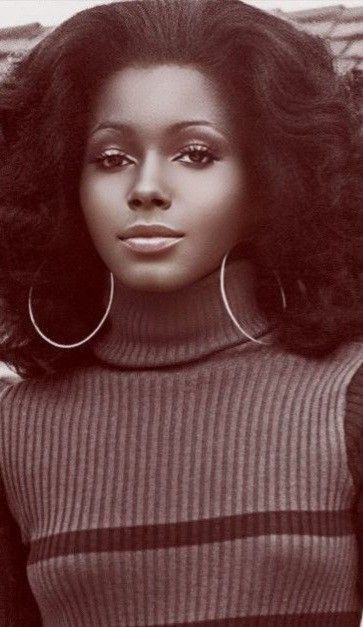
The Ebony Dolls: Judy Pace

The Black Barbie

This photograph is the property of its owner. No copyright infringement intended.

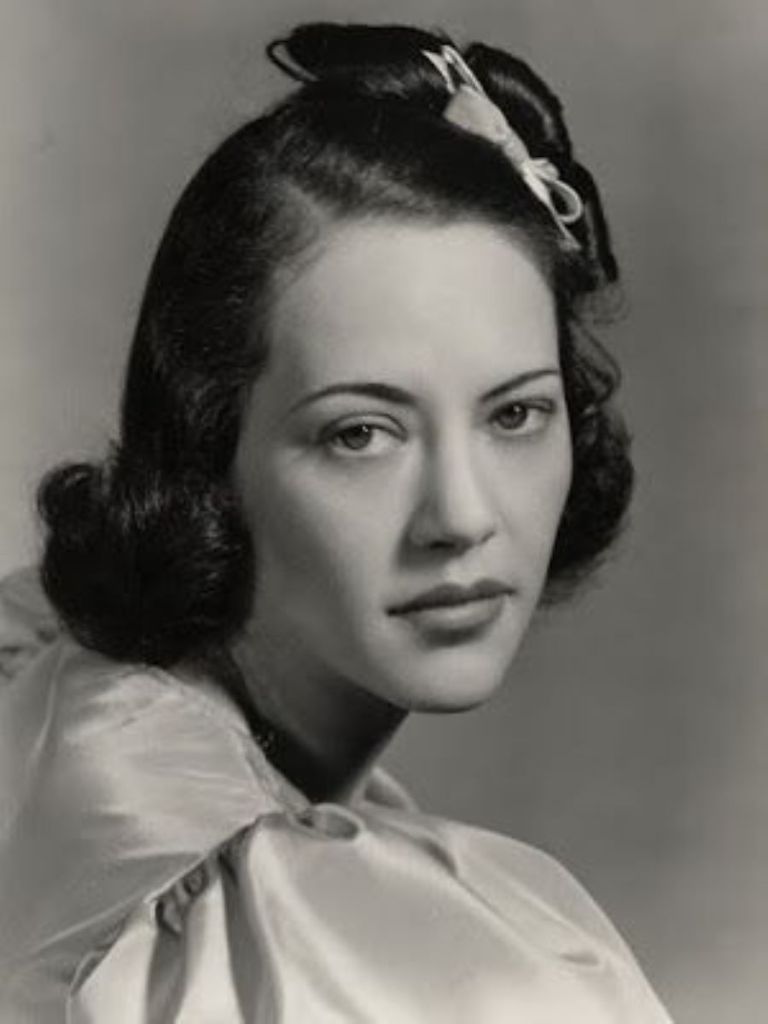
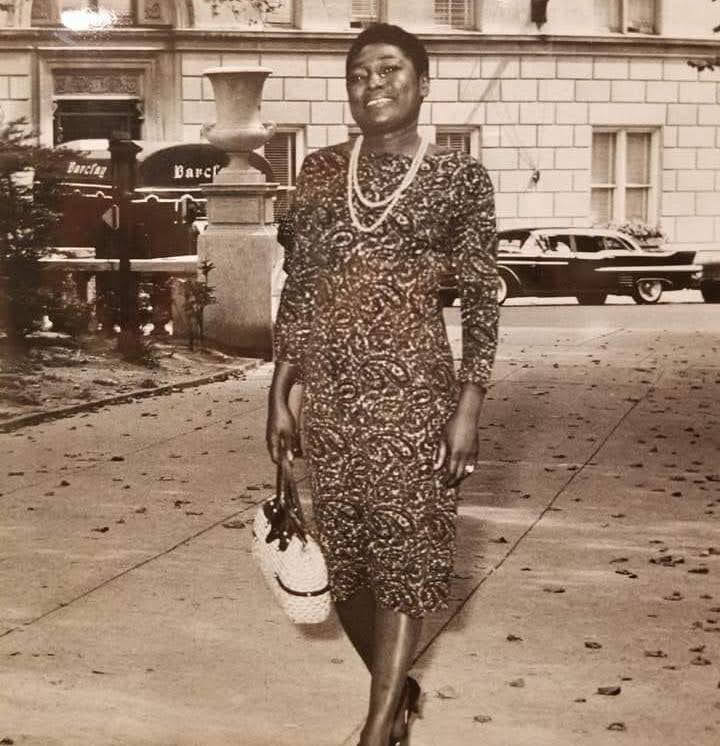
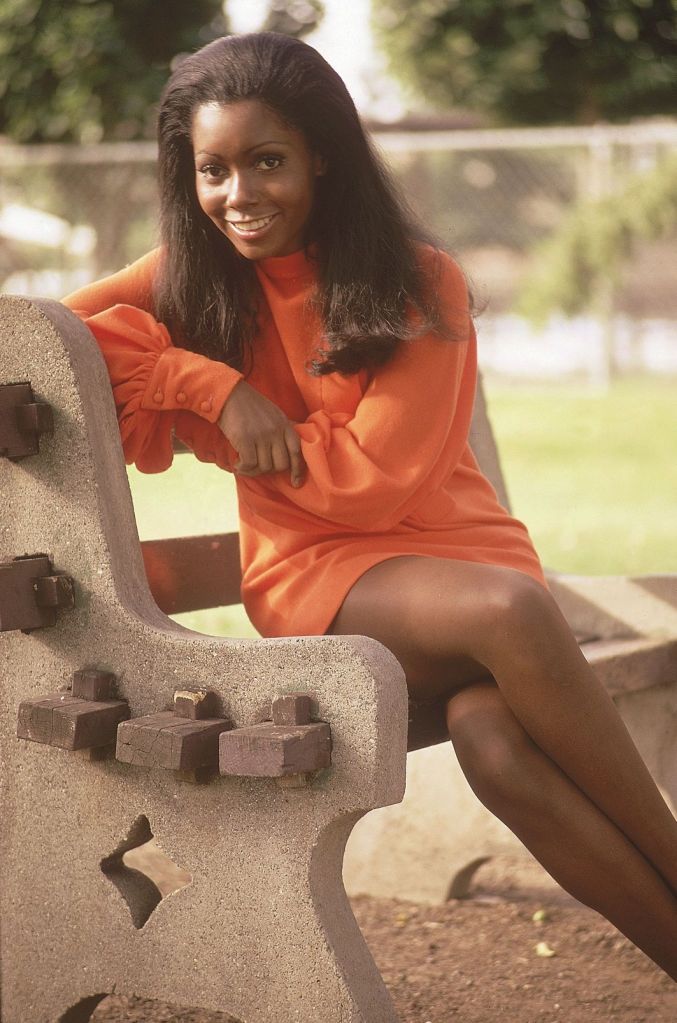
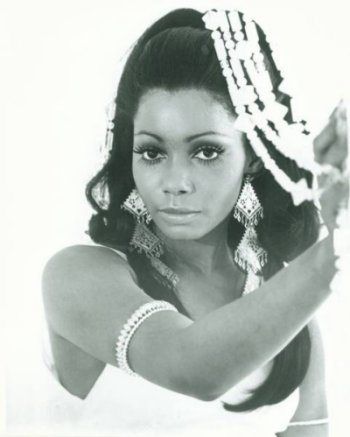
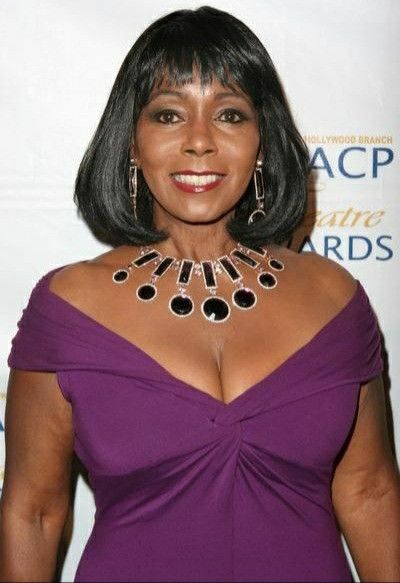
Judy Pace is an American actress and model whose beauty, talent, and groundbreaking presence helped reshape Hollywood’s portrayal of Black women during the 1960s and 1970s. Born Judy Lenteen Pace on June 15, 1942, in Los Angeles, California, she emerged at a time when opportunities for dark-skinned Black actresses were limited, yet she transcended barriers with elegance and strength. She was not simply a performer; she became a symbol of refined Black beauty during an era of cultural transformation.

Raised in Los Angeles, Pace grew up in a creative and supportive household. Her father worked as an airplane mechanic and her mother was a dressmaker. She attended Los Angeles City College, where she studied sociology before transitioning into modeling. Her entry into the entertainment industry came through fashion, and she quickly distinguished herself as the youngest model to participate in the prestigious Ebony Fashion Fair. That platform placed her before national audiences and positioned her as a rising figure in Black fashion and media.
This photograph/article is the property of its respective owner.

Her modeling success opened the door to film. She made her screen debut in 1963 in 13 Frightened Girls, marking the beginning of a steady acting career. However, her true breakthrough came in 1968 when she joined the cast of the television drama Peyton Place, becoming the first Black female villainess in American prime-time television history. This role was culturally significant; it disrupted the narrow stereotypes assigned to Black women and introduced complexity and intrigue to their representation onscreen.
This photograph is the property of its owner. No copyright infringement intended.

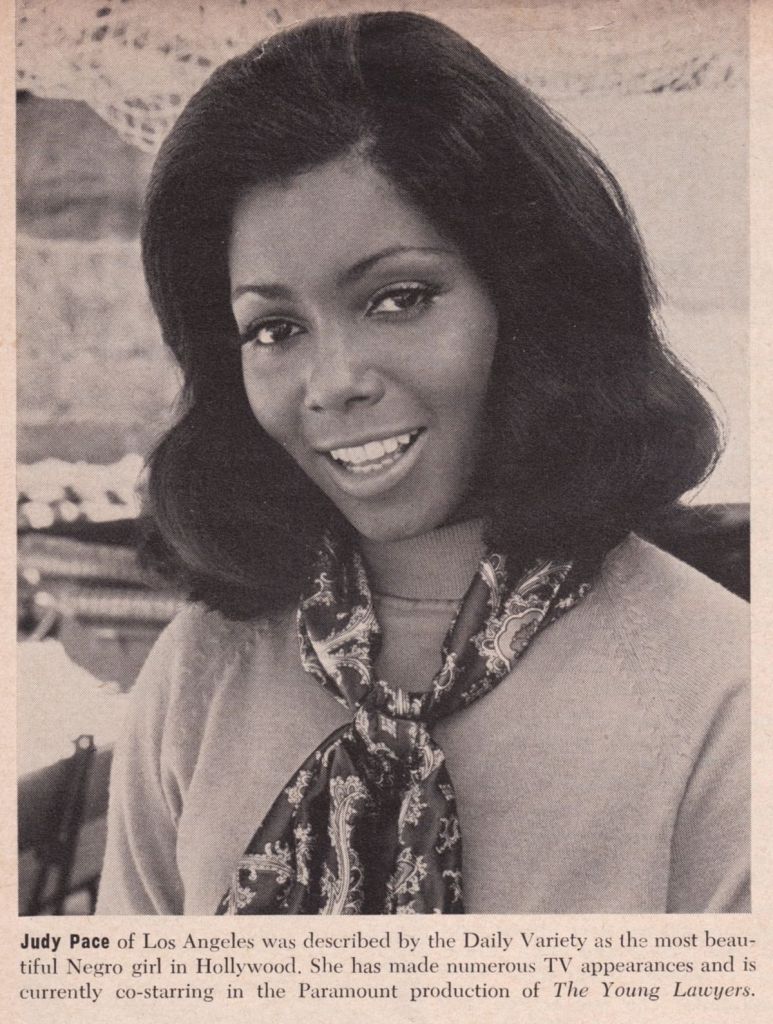
Pace continued her television success with a starring role in The Young Lawyers from 1969 to 1971. Her performance earned her the NAACP Image Award for Outstanding Actress in a Drama Series in 1970, affirming both her talent and her cultural impact. Throughout the 1970s, she appeared in numerous popular television shows, including Batman, Bewitched, I Dream of Jeannie, Sanford and Son, and Good Times. Her film credits include Three in the Attic and Cotton Comes to Harlem, further solidifying her versatility across genres.
This photograph is the property of its respective owner.

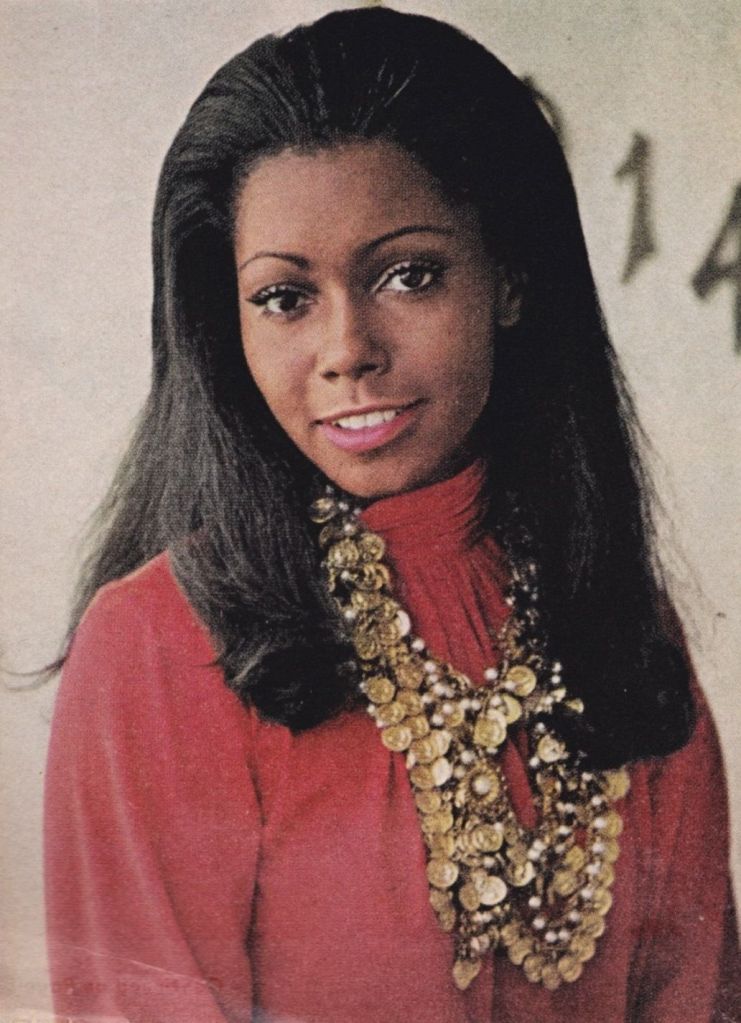
Beyond her acting, Judy Pace was widely celebrated for her striking appearance. Her dark chocolate complexion, luminous skin, and expressive eyes captivated photographers and audiences alike. During a period when colorism often privileged lighter complexions, she stood unapologetically as a dark-skinned beauty icon. Industry publications described her as one of the most beautiful women to appear on screen. She was affectionately referred to as “The Black Barbie” and “The Black Babydoll,” titles that reflected both admiration and her doll-like elegance.

Her beauty, however, was never detached from intellect or poise. Pace represented a refined femininity that balanced strength with softness. She carried herself with composure and confidence, embodying the spirit of the “Black is Beautiful” movement that was redefining aesthetic standards in America. In this sense, she became more than a glamorous figure; she became a cultural affirmation.
This photograph is the property of its owner. No copyright infringement intended.

In her personal life, she married actor Don Mitchell in 1972. The couple had two daughters, including actress Julia Pace Mitchell. After their divorce in 1984, Pace later married baseball legend Curt Flood in 1986. Flood was a pivotal figure in Major League Baseball’s fight for free agency, and their union linked two pioneering spirits—one in sports justice and the other in entertainment representation. They remained married until Flood’s passing in 1997.

Judy Pace’s lineage reflects African American heritage rooted in Los Angeles, and her life represents the postwar generation of Black Americans who navigated integration, civil rights transformation, and evolving media landscapes. Her career unfolded during a critical historical moment when Black visibility in Hollywood was expanding but still constrained. She stepped into that space with confidence and sophistication.

Why is she a great “Ebony Doll”? Because she embodied grace under pressure. She broke barriers without loud proclamations, simply by being excellent. She proved that dark-skinned Black women could be leading ladies, complex characters, and national beauty icons. She expanded what America saw when it looked at Black womanhood.
This photograph is the property of its respective owner.

Judy Pace is elegant. She is a representation. She is cinematic history. She is the quiet revolution of beauty and talent walking through Hollywood’s doors when they were only slightly open.


References

BlackPast.org. (n.d.). Judy Lenteen Pace (1942– ).
IMDb. (n.d.). Judy Pace – Biography.
NAACP Image Awards archives. (1970). Outstanding Actress in a Drama Series.
Wikipedia contributors. (n.d.). Judy Pace.
Wikipedia contributors. (n.d.). Julia Pace Mitchell.
Wikipedia contributors. (n.d.). Curt Flood.
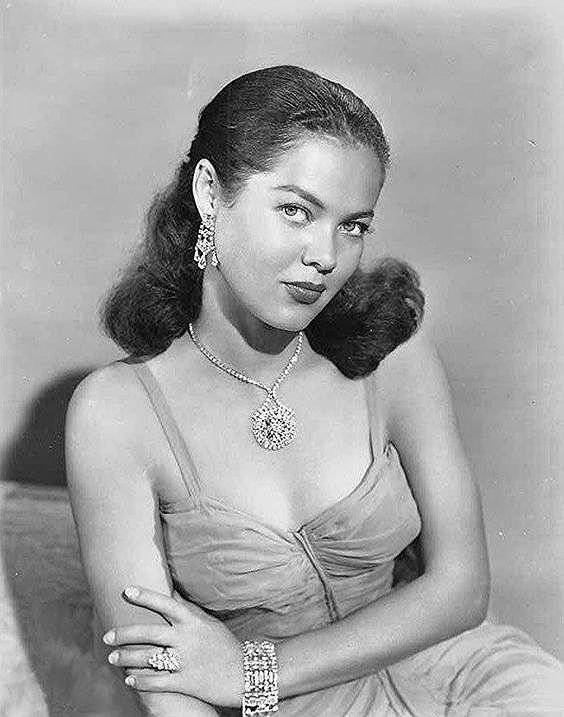
Passing Series: Dona Drake

This photograph is the property of its respective owner. No copyright infringement intended.

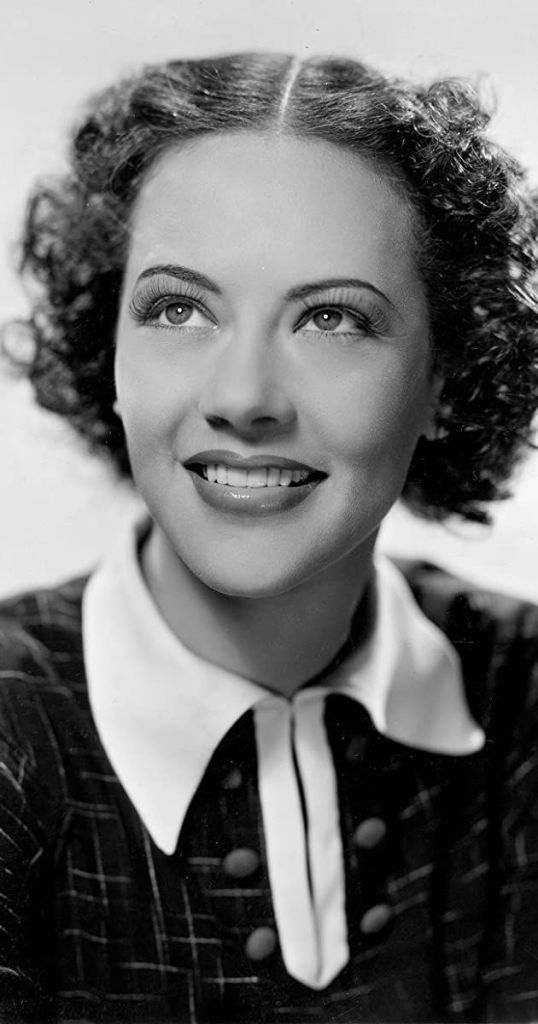
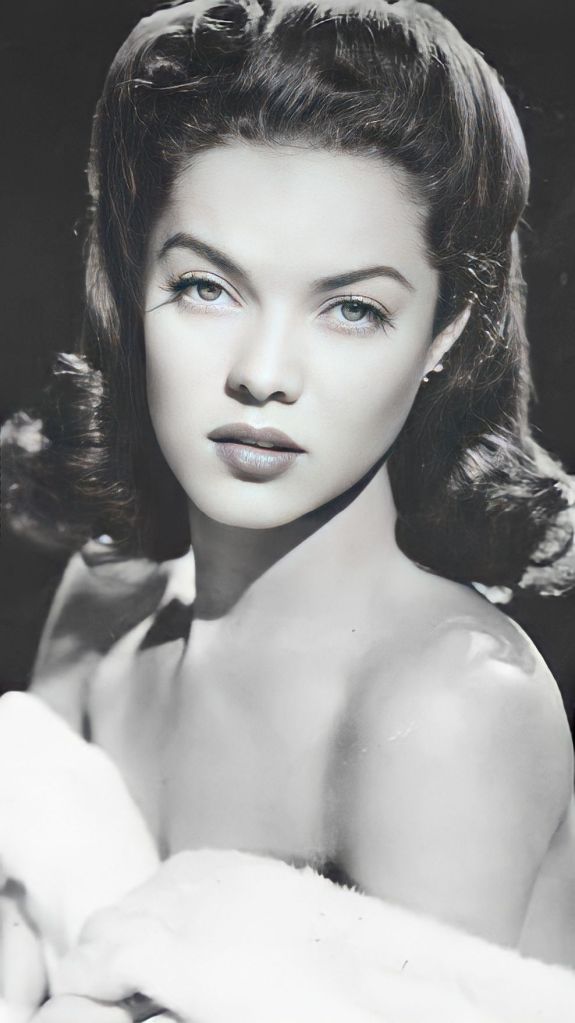
Dona Drake occupies a complex and often painful place in Hollywood history as a woman of color who was forced to “pass” as white and Latina to survive within a racially segregated film industry. Born Eunice Westmoreland in the early twentieth century, Drake’s career reveals the psychological and structural pressures placed on racially ambiguous performers in an era when Black identity was treated as a professional death sentence. Her story is not merely one of personal reinvention, but of institutional coercion, cultural erasure, and racial deception demanded by Hollywood itself.

Drake was born in 1914 to African American parents, despite later studio narratives claiming she was of Spanish or Latin descent. Her father, Amos Westmoreland, was a Black vaudeville performer, and her mother was also African American. This factual lineage directly contradicts the racial mythology constructed around her public persona, illustrating how studios deliberately rewrote her identity to make her palatable to white audiences.

In the 1930s and 1940s, Hollywood operated under a rigid racial caste system shaped by Jim Crow ideology, the Production Code, and deeply entrenched white supremacy. Black actresses were almost exclusively limited to roles as maids, mammies, or comic relief, for a light-skinned woman like Drake, passing offered a pathway into lead roles, romance, and upward mobility that would otherwise be inaccessible.

Drake first entered Hollywood under the name “Dona Drake” in the early 1940s, a carefully crafted identity that obscured her African American origins. Studios promoted her as “Mexican,” “Spanish,” or “Latin American,” depending on the role, allowing her to be cast in exoticized but non-Black parts. This racial ambiguity functioned as a form of commercial camouflage, enabling her to navigate a racist system while concealing her true heritage.

Her most notable film appearances during this period included roles in Road to Morocco (1942) and The Falcon in San Francisco (1945), where she was marketed as a glamorous “foreign” woman rather than a Black American. These roles would have been impossible had her racial background been publicly known, revealing how Hollywood’s casting practices were fundamentally racialized and exclusionary.

Drake’s passing was not merely professional but psychological. To maintain her career, she had to continuously deny her family, ancestry, and community. This form of racial performance required constant vigilance, as discovery could mean immediate blacklisting. Passing thus became a survival strategy rooted in fear rather than freedom.

This photograph is the property of its respective owner. No copyright infringement intended.

In 1941, Drake also performed under the name “Rita Rio” during her singing and nightclub career, another identity layer that distanced her from Blackness and aligned her with Latin exoticism. These shifting names reflect how racial identity in Hollywood was not self-defined but corporate-controlled, reshaped to fit market demands.

Hollywood actively taught Drake how to lie about herself. Studio publicists constructed false biographies, altered her speech patterns, and discouraged any association with Black spaces or people. This training in racial deception was not unique to Drake but part of a broader system in which light-skinned performers were coached to “perform whiteness” as a professional skill.

The reason Drake wanted to be perceived as white or non-Black was rooted in the brutal reality of racial economics. Black actresses earned less, had fewer roles, and were denied romantic narratives. Passing offered access to dignity, complexity, and visibility in a world that refused to humanize Black women on screen.

However, Drake’s success was fragile. As racial scrutiny increased and Hollywood’s gossip culture intensified, questions about her background followed her throughout her career. The constant pressure of concealment reportedly took an emotional toll, contributing to personal struggles and career instability later in life.

Drake’s downfall reflects the psychological cost of racial erasure. Passing requires not only external performance but internal fragmentation, where one must suppress authentic identity to maintain social survival. Scholars often describe this as a form of racial dissociation or identity splitting.

Her story also exposes the hypocrisy of Hollywood’s racial politics. While studios claimed to celebrate diversity through “ethnic” characters, they simultaneously excluded real Black identity, preferring racial fantasy over racial truth. Drake’s Latin persona was acceptable precisely because it was not Black.

From a sociological perspective, Drake represents what W.E.B. Du Bois called “double consciousness,” the internal conflict of seeing oneself through the eyes of a society that devalues your true identity. Her life illustrates how racial passing is not individual deception but structural coercion embedded in white supremacy.

Drake never publicly reclaimed her Black identity during her lifetime, which reflects how deeply the fear of racial exposure had been internalized. Even in death, her racial background remained contested, showing how thoroughly her original identity had been overwritten by Hollywood myth.

Dona Drake’s legacy forces us to confront uncomfortable truths about representation, race, and survival. She was not simply pretending to be white; she was responding rationally to a system that punished Blackness and rewarded proximity to whiteness. Her life stands as a historical case study in racial capitalism and identity trauma.

Ultimately, Drake’s passing reveals that Hollywood did not merely reflect racism; it engineered it. By forcing performers like her to erase themselves, the industry taught generations that Black identity was something to escape rather than embrace. Her story is not about individual shame, but about institutional violence against Black existence itself.


References

Bogle, D. (2016). Toms, coons, mulattoes, mammies, and bucks: An interpretive history of Blacks in American films (5th ed.). Bloomsbury.

Du Bois, W. E. B. (2007). The souls of Black folk. Oxford University Press. (Original work published 1903)

Gaines, J. M. (2017). Fire and desire: Mixed-race movies in the silent era. University of Chicago Press.

Hoberman, J. (2018). Hollywood and the color line. Film Quarterly, 71(3), 12–19.

Smith, S. (2019). Passing and performance: Racial ambiguity in classical Hollywood. Journal of American Culture, 42(2), 145–158.

Passing Series: Fredi Washington

This photograph is the property of its respective owner. No copyright infringement intended.

Fredi Washington stands as one of the most powerful and tragic figures in early Hollywood history, not because she passed as white, but because she refused to. In an industry that rewarded racial ambiguity and punished Black identity, Washington embodied the moral and psychological conflict of being light-skinned in a violently racist society. Her career reveals how passing was not merely a personal choice, but a structural demand imposed by white supremacy and enforced through economic survival.

Born Fredericka Carolyn Washington in 1903, Washington was an African American woman of mixed ancestry whose appearance allowed her to easily pass as white. However, unlike many of her contemporaries, she openly identified as Black throughout her life. This decision came at a tremendous cost, as Hollywood consistently denied the leading roles that she would have easily secured had she chosen to conceal her racial identity.

Washington rose to prominence through her iconic role as Peola Johnson in Imitation of Life (1934), a film that centered directly on the psychological trauma of racial passing. Ironically, the very role that made her famous also trapped her, as she was forever associated with a character who rejected Blackness to survive. The role mirrored the real-life dilemma Washington faced in her own career.

The studio system strongly pressured Washington to pass. Executives encouraged her to claim Spanish, Hawaiian, or “exotic” heritage, similar to what they had done with other racially ambiguous actresses. She was told explicitly that identifying as Black would make her “unmarketable,” especially for romantic roles opposite white male leads.

Washington refused. She rejected studio attempts to rebrand her and insisted on racial honesty, even as she watched opportunities disappear. In doing so, she became one of the earliest examples of conscious racial resistance in Hollywood, choosing integrity over access, and truth over fame.

Her refusal to pass effectively ended her film career. While she possessed the beauty, talent, and screen presence of a major star, she was relegated to theater, modeling, and race films. Hollywood’s message was clear: Black identity, even when invisible, was still unacceptable.

This photograph is the property of its respective owner. No copyright infringement intended.

Unlike many performers who internalized white standards, Washington developed a strong racial consciousness. She openly criticized Hollywood’s racism and later became a co-founder of the Negro Actors Guild, an organization created to fight discriminatory casting practices and protect Black performers from exploitation.

Washington’s story highlights the psychological violence of racial capitalism. Passing offered financial security, safety, and visibility, while racial honesty meant poverty, exclusion, and marginalization. The system rewarded proximity to whiteness and punished Black authenticity.

Her experience also exposes a deeper contradiction: Hollywood wanted Black bodies but not Black identity. Washington’s face was desirable, but her race was not. This split reveals how racism operates not only through exclusion, but through selective consumption and erasure.

Washington’s life demonstrates what W.E.B. Du Bois described as double consciousness, the internal struggle of existing in a world that constantly demands you deny yourself to be accepted. For Washington, the conflict was not internal, but external—she knew who she was, and society rejected her for it.

While many light-skinned performers passed in silence, Washington turned her suffering into activism. She used her voice to advocate for dignity, representation, and systemic change, long before civil rights became mainstream discourse in American culture.

Her later years were marked by relative obscurity, not because of lack of talent, but because she refused to participate in racial deception. In a different industry, she would have been one of the greatest leading ladies of her generation.

Washington’s legacy forces us to reconsider the narrative of passing. While many were forced into it, she revealed the alternative path: racial truth, even when it costs everything. Her life becomes a moral counterpoint to Hollywood’s culture of assimilation.

She represents the unseen casualties of racism—those whose careers never happened, whose talents were buried, and whose dreams were denied because they refused to lie about their existence.

Ultimately, Fredi Washington did not pass as white, but she exposed the system that demanded it. Her story is not one of failure, but of resistance, a reminder that sometimes the most radical act in a racist world is simply telling the truth about who you are.


References

Bogle, D. (2016). Toms, coons, mulattoes, mammies, and bucks: An interpretive history of Blacks in American films (5th ed.). Bloomsbury.

Du Bois, W. E. B. (2007). The souls of Black folk. Oxford University Press. (Original work published 1903)

Gaines, J. M. (2017). Fire and desire: Mixed-race movies in the silent era. University of Chicago Press.

Hoberman, J. (2018). Hollywood and the color line. Film Quarterly, 71(3), 12–19.

Smith, S. (2019). Passing and performance: Racial ambiguity in classical Hollywood. Journal of American Culture, 42(2), 145–158.

Celebrity Spotlight: Esther Rolle

“The Lord will make a way somehow.”
(A recurring expression of faith often attributed to Good Times -Florida Evans’ character.)

This photograph is the property of its respective owner. No copyright infringement intended.

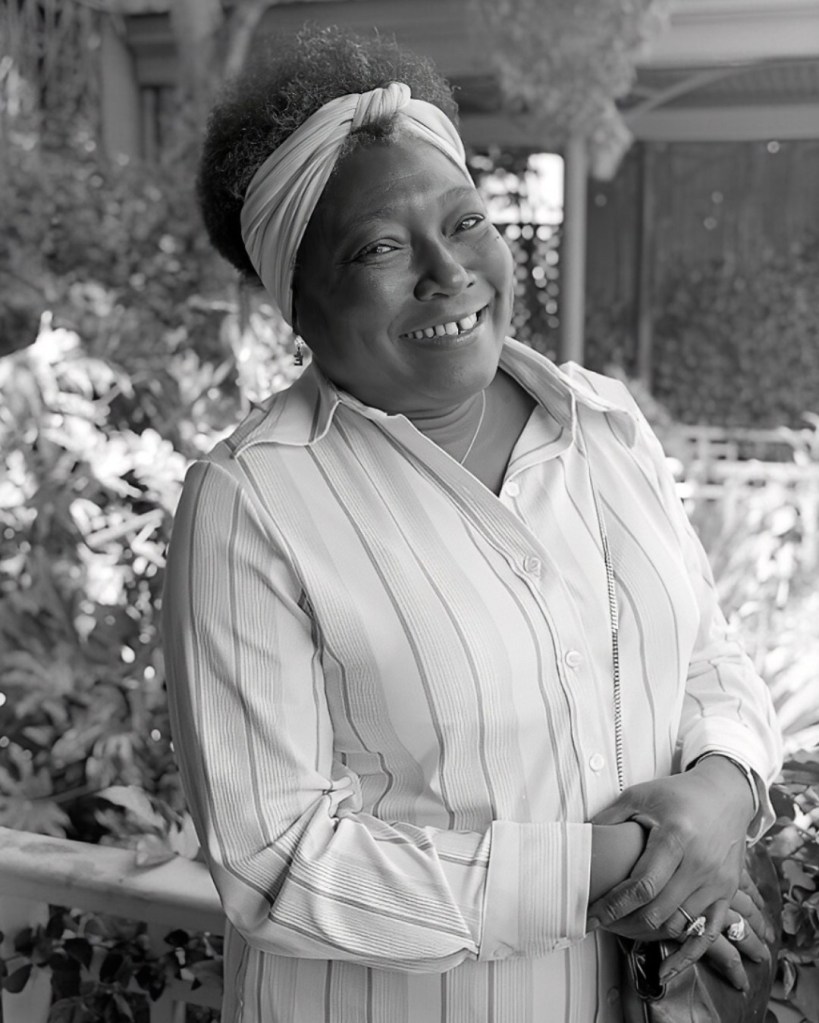
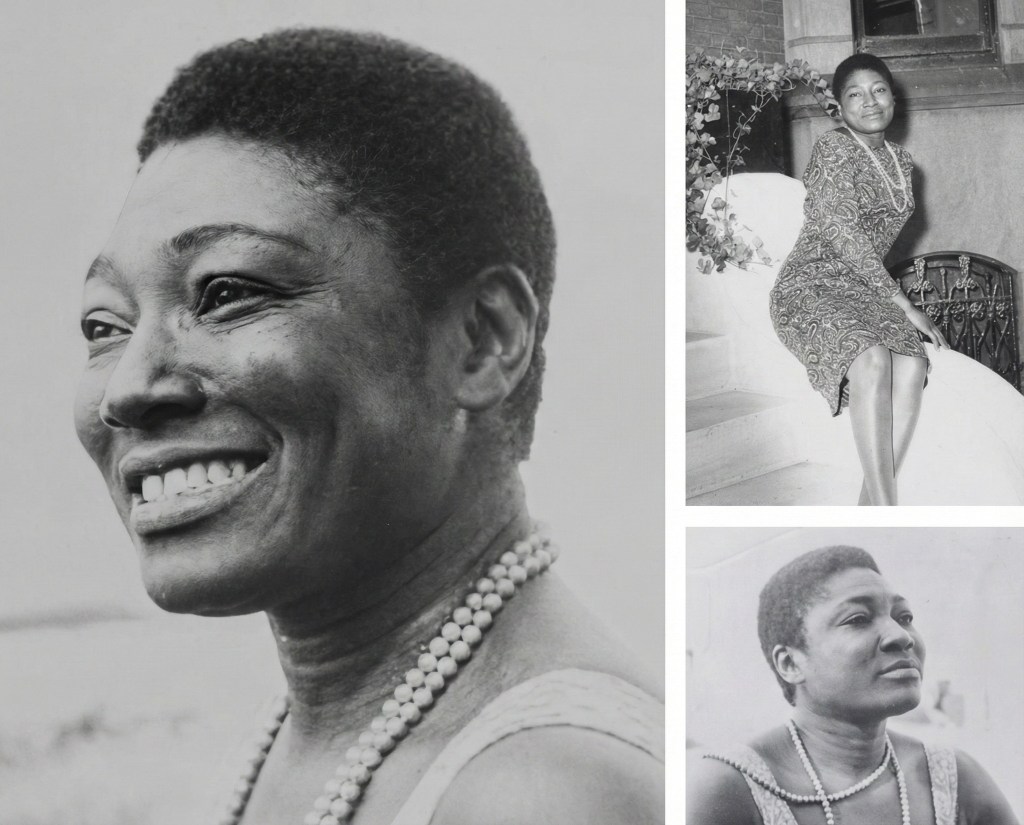
Esther Rolle was one of the most respected and principled actresses in American television history, celebrated for her powerful portrayal of Black womanhood, dignity, and cultural authenticity. Born Esther Elizabeth Rolle on November 8, 1920, in Pompano Beach, Florida, she was the daughter of Bahamian immigrants and the tenth of eighteen children. Her upbringing in a large, disciplined, Caribbean household deeply shaped her worldview, instilling in her a strong sense of moral responsibility, cultural pride, and commitment to excellence.

Rolle moved to New York City in the 1940s, where she pursued formal education in the arts. She studied drama at Hunter College and later at The New School for Social Research, becoming immersed in theater and Black intellectual circles during the Harlem Renaissance’s later cultural wave. Her early career was rooted in stage acting, particularly in socially conscious and politically engaged theater that addressed the realities of Black life in America.

Before achieving television fame, Esther Rolle was heavily involved in the Negro Ensemble Company, a groundbreaking Black theater organization dedicated to producing serious dramatic works by and about African Americans. She also appeared in numerous stage productions, including The Blacks, Blues for Mister Charlie, and The Moon Besieged, which solidified her reputation as a serious dramatic actress rather than a stereotypical performer.

This photograph is the property of its respective owner. No copyright infringement intended.

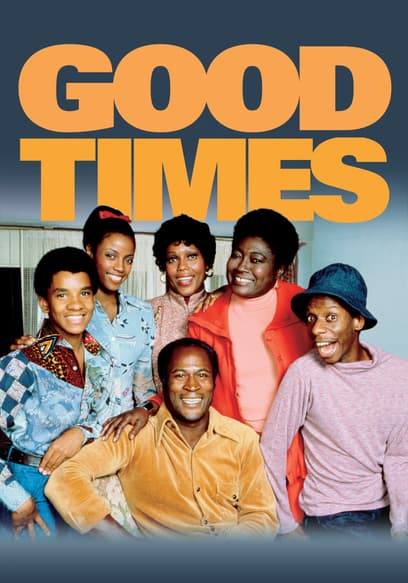
Rolle’s breakthrough into mainstream television came through her role as Florida Evans, a character she originally played on the sitcom Maude (1972–1974). Florida was the maid for Maude Findlay, portrayed by Bea Arthur, and quickly became one of the most beloved characters on the show due to Rolle’s warmth, realism, and emotional depth. Her performance was so compelling that producers developed a spin-off series centered entirely on her character and family.

“Damn, damn, damn!”

This line became her signature catchphrase on the show and is one of the most iconic phrases in American television history. Florida would often say it in moments of frustration, disbelief, or righteous anger—usually when dealing with J.J.’s foolishness or the family’s struggles.

But culturally and historically, “Damn, damn, damn!” is the phrase that made Esther Rolle a household name and entered pop culture permanently.

This spin-off became the iconic sitcom Good Times (1974–1979), making Esther Rolle the first Black woman to star as the lead mother in a network television sitcom. As Florida Evans, Rolle portrayed a strong, loving, God-fearing Black mother raising her family in the Chicago housing projects. The show addressed serious issues such as poverty, racism, unemployment, and systemic inequality—topics rarely explored honestly on television at the time.

This photograph is the property of its respective owner. No copyright infringement intended.

Rolle was deeply committed to positive Black representation and frequently challenged the show’s producers when she felt the characters were becoming too stereotypical or degrading. She famously objected to the direction of the character J.J., believing his exaggerated behavior undermined the dignity of Black men. At one point, she temporarily left the show due to these concerns, demonstrating her integrity and refusal to compromise her values for fame.

Esther Rolle’s activism extended beyond the screen. She was a vocal advocate for civil rights, Black empowerment, and cultural responsibility in media. She believed television had a moral duty to portray Black families with complexity, intelligence, and respect, rather than as caricatures for entertainment. Her philosophy made her one of the earliest figures to challenge systemic racism within Hollywood from an insider position.

In addition to television, Rolle built an extensive filmography. Her notable film roles include Cleopatra Jones (1973), The Bingo Long Traveling All-Stars & Motor Kings (1976), Rosewood (1997), and Driving Miss Daisy (1989), where she played Idella, the domestic worker whose subtle performance added emotional gravity to the film. She also starred in Down in the Delta (1998), directed by Maya Angelou, in one of her final and most celebrated roles.

Esther Rolle was also highly active in voice acting and children’s programming, most notably as the voice of Shug Avery in The Color Purple animated series and as Nana in The Proud Family. Her voice, like her presence, carried authority, wisdom, and maternal warmth, making her an intergenerational cultural icon.

Despite her public visibility, Rolle maintained a relatively private personal life. She was married once, briefly, to Oscar Robinson, but had no children of her own. Nevertheless, she became a symbolic mother figure to millions of Black Americans, especially women who saw themselves reflected in her strength, resilience, and grace.

This photograph is the property of its respective owner. No copyright infringement intended.

Esther Rolle received numerous awards and honors throughout her career. She won a Primetime Emmy Award in 1979 for her role in the television film Summer of My German Soldier. She was also nominated for multiple Emmy and NAACP Image Awards and received honorary doctorates for her contributions to arts and culture.

Her cultural impact cannot be overstated. Esther Rolle redefined what it meant to be a Black woman on television. At a time when Black female characters were often limited to servants or comic relief, Rolle brought depth, spirituality, intelligence, and moral authority to every role she played. She insisted that Black women be shown as thinkers, leaders, and nurturers of their communities.

Rolle’s power was not rooted in celebrity, but in principle. She wielded influence through moral clarity, intellectual rigor, and cultural responsibility. She refused roles that demeaned Black people and challenged producers, networks, and writers to elevate their storytelling. In this sense, her power was both political and spiritual.

She viewed acting as a form of ministry and social responsibility, once stating that she felt accountable not just to audiences, but to history itself. Her work was never about ego or fame; it was about legacy, truth, and representation.

Esther Rolle passed away on November 17, 1998, at the age of 78, after complications from diabetes. Her death marked the end of an era, but her influence continues to shape Black television, film, and cultural consciousness.

Today, Esther Rolle is remembered as more than an actress. She is remembered as a cultural guardian, a matriarch of Black media, and a woman who used her platform to fight for dignity, truth, and justice. Her legacy lives on in every strong Black female character who is allowed to be complex, intelligent, and fully human.


References

Bogle, D. (2016). Primetime blues: African Americans on network television. Farrar, Straus and Giroux.

Coleman, R. (1999). Esther Rolle obituary. The New York Times.

Gates, H. L., Jr. (2014). The Black church and the African American experience. Oxford University Press.

Rolle, E. (1993). Interview in Ebony Magazine. Johnson Publishing.

Smith, J. (2003). Black women and television representation. Journal of African American Studies, 7(2), 45–62.

NAACP. (1998). Esther Rolle lifetime achievement recognition.

IMDb. (2024). Esther Rolle filmography.

Encyclopedia Britannica. (2023). Esther Rolle biography.

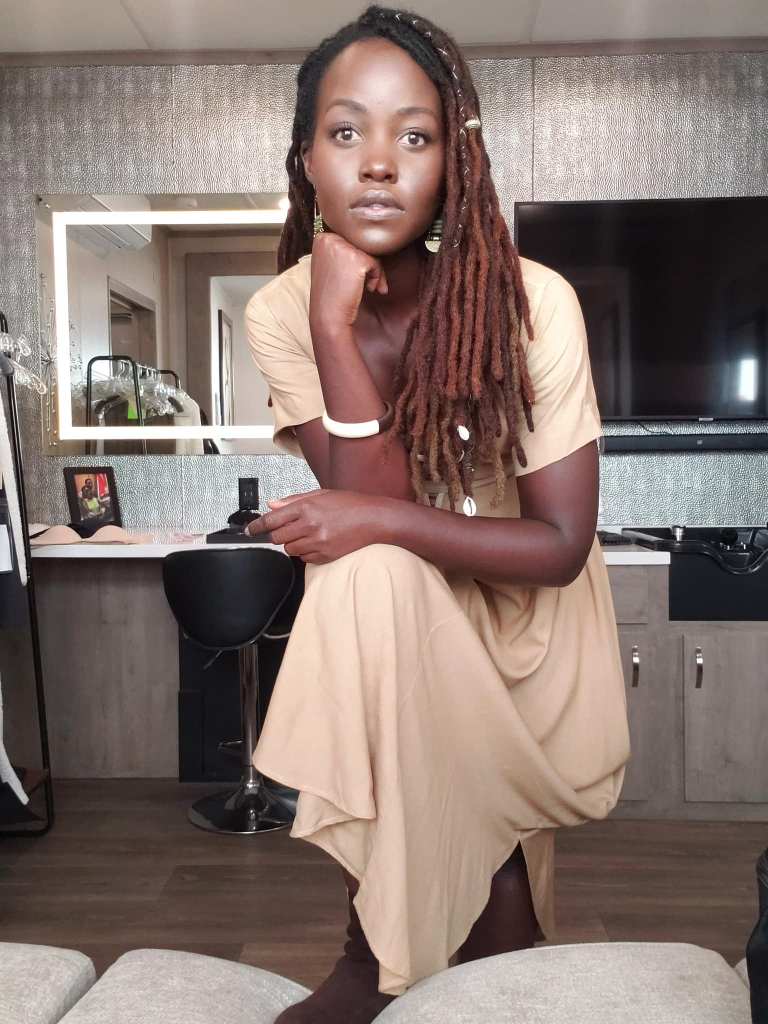
The Ebony Dolls: Lupita Nyong’o

The Ebony Doll, who redefined Beauty, is a melanated masterpiece and one of the most beautiful women on the planet.

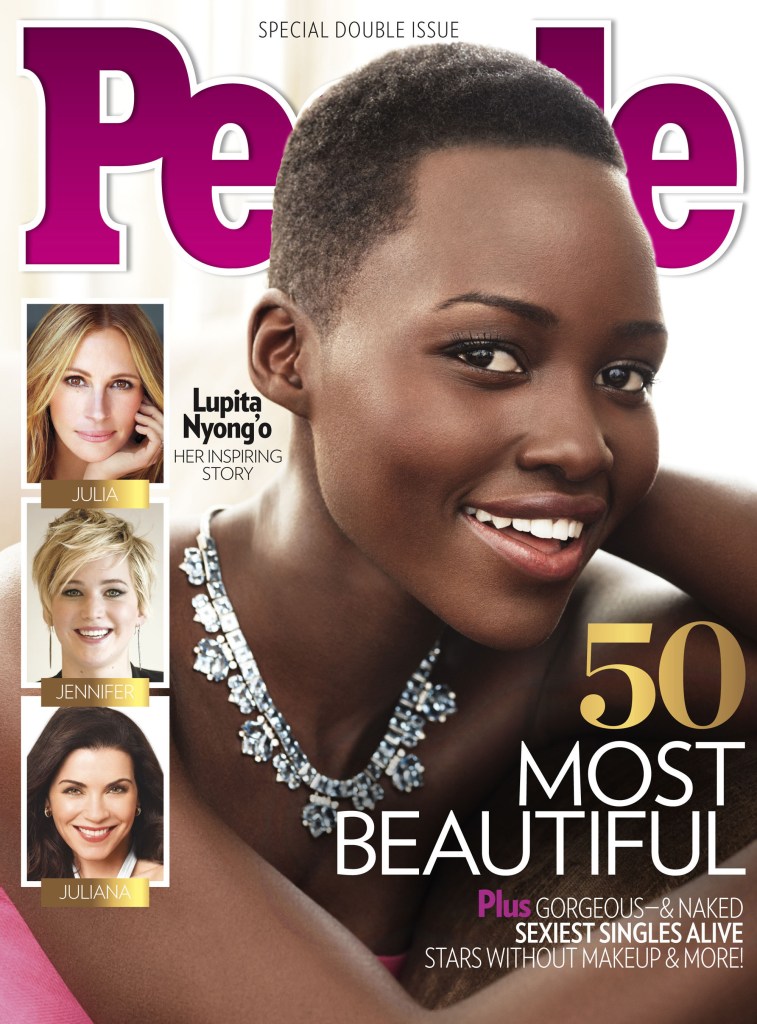
Creator: People | Credit: AP

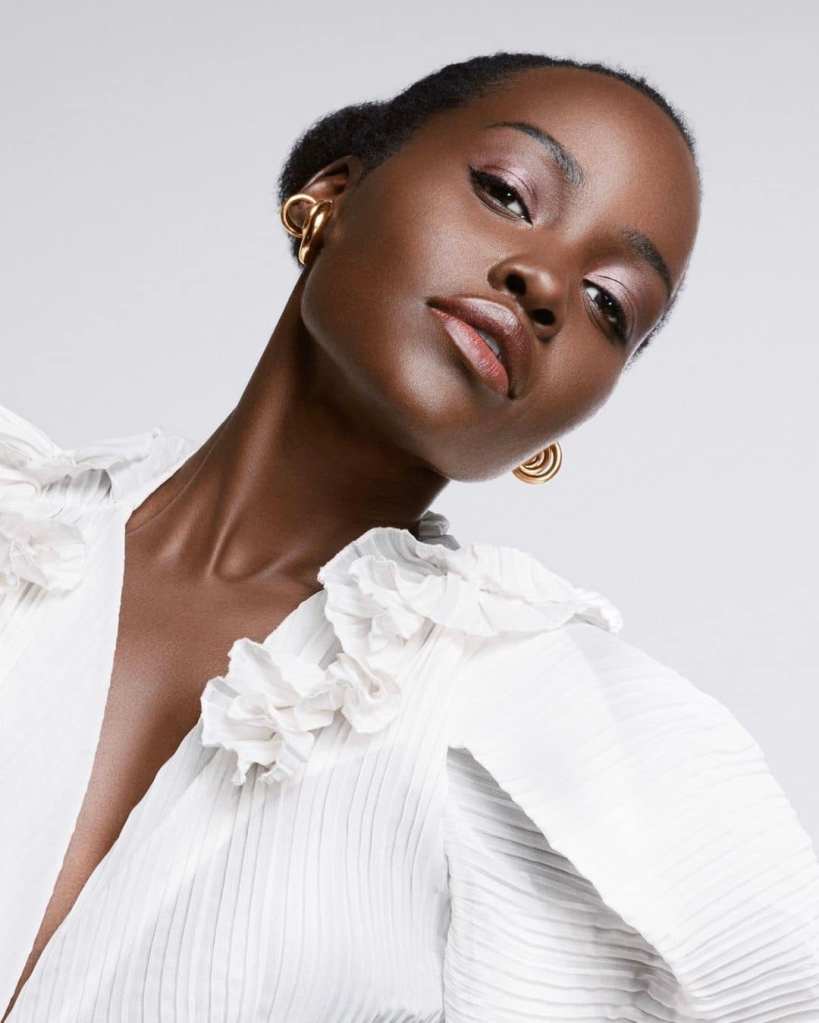
In a world where beauty standards have long been defined by Eurocentric ideals, the majestic beauty of Lupita Nyong’o emerged as a stunning and revolutionary figure who redefined global perceptions of beauty. With her rich, radiant chocolate skin, statuesque features, and undeniable elegance, Nyong’o stands as a powerful symbol of melanin excellence. Her presence in Hollywood and global fashion has not only elevated the aesthetic appreciation of darker-skinned women but has also created a cultural shift that challenges outdated and oppressive beauty norms. Ranked a near-perfect 10 by science (www.theperfecthumanface.com), Nyong’o is more than just beautiful—she is an embodiment of grace, intellect, and ancestral glory.

Born on March 1, 1983, in Mexico City to Kenyan parents and raised in Nairobi, Kenya, Lupita is a proud representative of the Luo ethnic group. She is the daughter of Peter Anyang’ Nyong’o, a renowned Kenyan politician and university professor. Her upbringing was immersed in culture, intellect, and activism, and this foundation would later shape her perspective as an artist. Lupita holds a Master of Fine Arts in Acting from the prestigious Yale School of Drama, where she honed her craft with a deep sense of discipline and passion.

Lancome Paris

Lupita’s career soared when she delivered a powerful performance as Patsey in the 2013 historical drama 12 Years a Slave, directed by Steve McQueen. Her role, marked by depth and raw emotion, earned her the Academy Award for Best Supporting Actress—making her the first Kenyan and the sixth Black woman in history to receive this honor. Following her Oscar win, Nyong’o became an international sensation, starring in critically acclaimed films such as Black Panther, Us, and Queen of Katwe. Her roles consistently highlight the strength, vulnerability, and complexity of Black characters, making her a champion of representation in Hollywood.

What sets Lupita apart is not merely her acting talent but her ability to embody the fullness of Black womanhood with poise and dignity. In 2014, she was named “The Most Beautiful Woman in the World” by People Magazine—a title that shattered the long-standing exclusivity of beauty in mainstream media. Her image adorned billboards and magazine covers, and her dark skin tone became a canvas of celebration rather than concealment. She proudly embraced her African heritage, stating, “My complexion is beautiful. I am enough as I am.” Her statement, though simple, resonated deeply with Black women and girls around the world who rarely saw themselves reflected in global beauty narratives.

Nyong’o has become a symbol of Black beauty, winning numerous awards, including the NAACP Image Award, the BET Award, and recognition from Essence, Time, and Elle magazines. She also made history as the first Black woman to serve as a global ambassador for Lancôme, a role that challenged the cosmetics industry to acknowledge and cater to diverse skin tones. Through her advocacy and image, Lupita has redefined what the universal standard of beauty looks like, asserting that beauty is not confined to one hue, texture, or origin.

This photograph is the property of its respective owner. No copyright infringement intended.

Black men across the globe have publicly celebrated Lupita’s beauty. Quotes from admirers online include, “Lupita Nyong’o is the kind of beauty that makes you pause, reflect, and thank God for melanin,” and “She doesn’t just walk into a room—she redefines it.” Her beauty is not only admired but revered, not merely for its aesthetic quality but for what it symbolizes: resilience, royalty, and cultural pride.

Lupita attributes her luminous skin and inner glow to natural African remedies such as shea butter, natural oils, and a minimalist skincare routine. However, her true beauty secret lies in her self-love and spiritual grounding. Her confidence, intellect, and humility illuminate her public persona and make her beauty multi-dimensional. In many interviews, she emphasizes emotional wellness and authenticity as central to her beauty and wellness philosophy.

Her beauty and presence go beyond physical attributes. She has become an important cultural icon, speaking out about colorism, self-image, and representation. Her book Sulwe, a children’s story about a young girl who learns to embrace her dark skin, has become a beloved text for families seeking to teach their children about self-love and racial pride. Through her creative work, public statements, and carefully chosen roles, Lupita has consistently elevated the narrative surrounding Black identity.

In conclusion, Lupita Nyong’o is not just a celebrated actress—she is a cultural force. As the Black Beauty of the Week, she represents a shift in global consciousness around race, beauty, and Black femininity. Her impact goes beyond red carpets and photo shoots; she is a living testament to the majesty of Blackness. With a nearly perfect beauty score of 9.98, she is proof that melanin is not only magical—it is divine. She inspires Black women to be seen, heard, and celebrated in their fullness. Lupita Nyong’o is, and always will be, a masterclass in elegance, excellence, and unapologetic Black beauty.


References

McQueen, S. (Director). (2013). 12 Years a Slave [Film]. Fox Searchlight Pictures.
People Magazine. (2014). World’s Most Beautiful Woman: Lupita Nyong’o.
Essence Magazine. (2020). Black Women in Hollywood Honoree: Lupita Nyong’o.
Time Magazine. (2014). 100 Most Influential People: Lupita Nyong’o.
Lancôme. (2014). Lupita Nyong’o Named Global Ambassador.
Nyong’o, L. (2014). Black Women in Hollywood Speech. Essence Network.

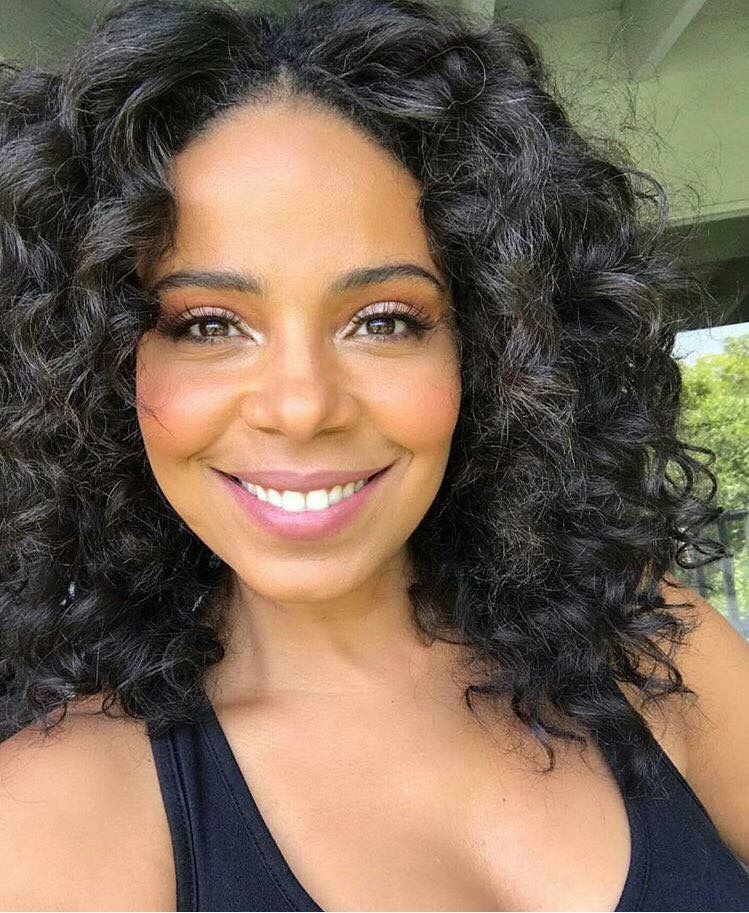
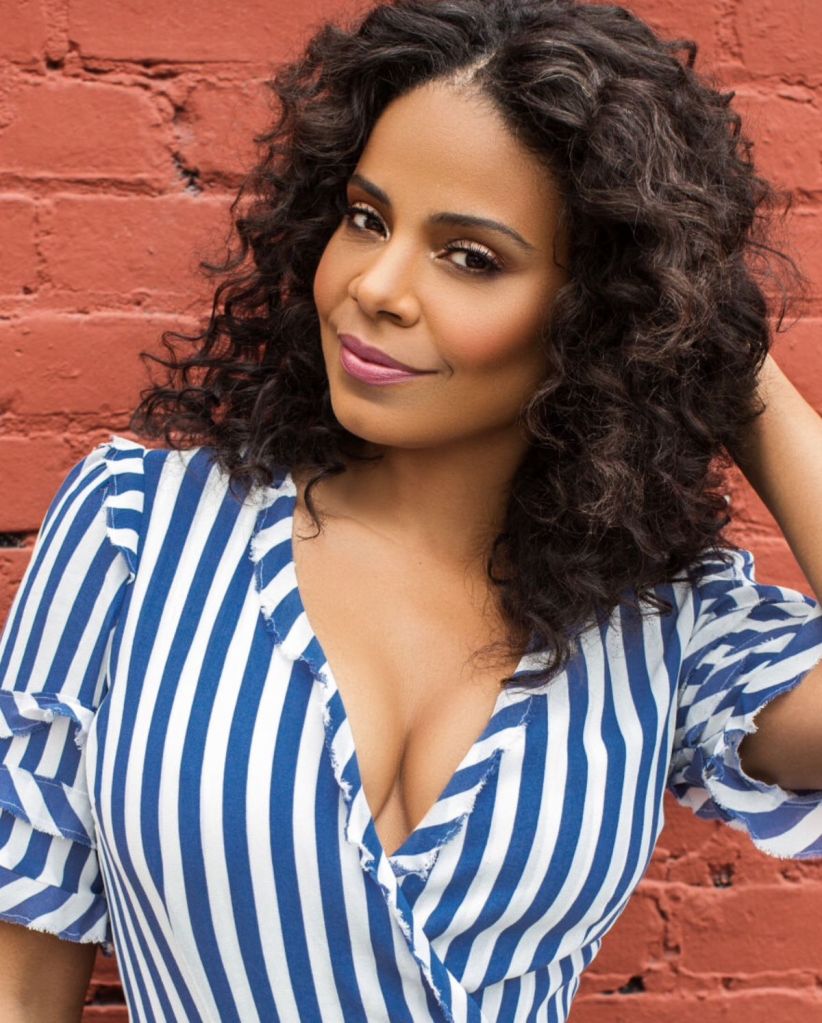
The “It Girl” Series: Sanaa Lathan

With piercing eyes and quiet fire, she made vulnerability look powerful and love look unforgettable.

This photograph is the property of its respective owner.

Sanaa Lathan embodies the rare fusion of classical training, romantic allure, and intellectual poise. With her luminous brown skin, serene gaze, and unmistakable voice, she emerged in the late 1990s and early 2000s as one of Black Hollywood’s most desired leading ladies. Yet beyond beauty, Lathan brought gravitas—balancing sophistication in a way that redefined the modern Black romantic heroine.

Born September 19, 1971, in New York City to actress Eleanor McCoy and director Stan Lathan, Sanaa was raised in a creative household steeped in the arts. She earned a bachelor’s degree in English from the University of California, Berkeley, and later received a master’s degree in drama from Yale University. Her classical training distinguished her from many contemporaries, grounding her performances in theatrical discipline and emotional range.

This photograph is the property of its respective owner.

Lathan’s breakout film role came in Love & Basketball, where she starred opposite Omar Epps. As Monica Wright, an ambitious athlete balancing love and professional aspiration, Lathan delivered a performance that has since become iconic in Black cinema. The film cemented her as the face of millennial Black romance—complex, career-driven, emotionally vulnerable, and fiercely independent. Her portrayal earned her a NAACP Image Award and lasting cultural reverence.

She continued her ascent with roles in Brown Sugar alongside Taye Diggs and The Best Man and its sequel, The Best Man Holiday, acting alongside ensemble greats including Nia Long and Morris Chestnut. In these films, Lathan mastered the art of romantic tension—portraying women who were both soft and strong, principled yet passionate.

This photograph is the property of its respective owner.

Breaking beyond romance, Lathan showcased versatility in genre films such as Alien vs. Predator, leading a major sci-fi franchise installment—an uncommon achievement for Black actresses at the time. On stage, she earned a Tony Award nomination for her work in A Raisin in the Sun, demonstrating her enduring commitment to theatrical excellence.

In recent years, Lathan expanded her creative influence by stepping behind the camera. In 2022, she made her directorial debut with On the Come Up, based on the novel by Angie Thomas and released by Paramount+. The project reflected her dedication to telling nuanced coming-of-age stories centered on young Black voices, signaling her evolution from muse to mentor.

Though often private about her personal life, Lathan has navigated public scrutiny—particularly surrounding rumors and media narratives—with composure and dignity. Her career longevity speaks to intentional role selection, artistic credibility, and strategic reinvention. She is neither a tabloid fixture nor a fleeting trend; she is an enduring presence.

Sanaa Lathan is an “It Girl” not because she chased attention, but because the camera gravitates toward her. She defined a generation’s romantic imagination while quietly building a body of work grounded in craft. In an industry obsessed with spectacle, Lathan remains refined—proof that elegance, education, and emotional intelligence are their own form of star power.

References

IMDb. (n.d.). Sanaa Lathan. Retrieved from https://www.imdb.com

Broadway League. (n.d.). Sanaa Lathan – Broadway credits and Tony Award nomination. Retrieved from https://www.ibdb.com

Love & Basketball production and award details retrieved from:
Box Office Mojo. (n.d.). Love & Basketball.

Brown Sugar and The Best Man franchise information retrieved from:
American Film Institute. (n.d.). Catalog entries.

On the Come Up release and directorial information retrieved from:
Paramount+ press materials (2022).

Guerrero, E. (1993). Framing Blackness: The African American image in film. Temple University Press.

Mask, M. (2009). Divas on screen: Black women in American film. University of Illinois Press.

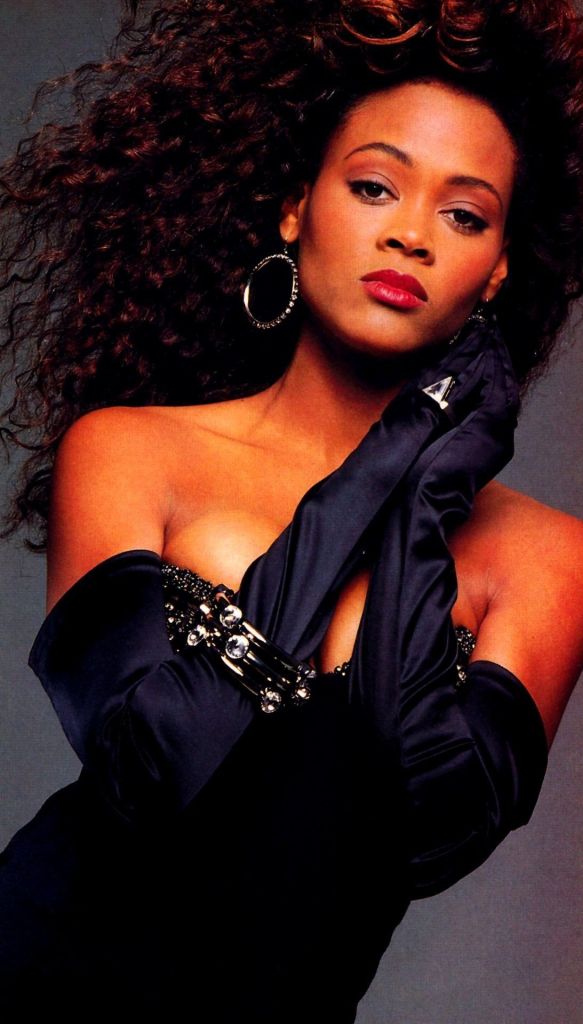
The “It Girl” Series: Robin Givens

With luminous skin, sculpted cheekbones, and an unmistakable blend of elegance and intellect, Robin Givens emerged in the late twentieth century as one of Hollywood’s most captivating actresses—an “It Girl” whose beauty, confidence, and talent commanded attention both on screen and in popular culture.

This photograph is the property of its respective owner.

Robin Givens was born on November 27, 1964, in New York City, to Ruth Roper Givens and Reuben Givens. Her parents divorced when she was young, and she was raised primarily by her mother alongside her sister, Stephanie, in the suburban communities of Mount Vernon and New Rochelle, New York. Ruth Roper Givens, a nurse and educator, strongly encouraged academic achievement and artistic exploration in her daughters. From an early age, Robin demonstrated intellectual curiosity and creative ability, balancing academic excellence with a growing interest in performance. Her mother enrolled her in acting classes at the American Academy of Dramatic Arts when she was only ten years old, planting the seeds for a future career in entertainment.

This photograph is the property of its respective owner.

Givens’s beauty was immediately noticeable even in her youth. She possessed a petite, refined frame, radiant complexion, and sharply defined cheekbones that photographers and casting directors found striking. During her teenage years, she began working as a model, appearing in popular fashion and youth magazines such as Seventeen and Mademoiselle. Modeling introduced her to the entertainment industry and helped her develop the poised public persona that would later become central to her career. Her look embodied a distinctive mixture of sophistication and youthful charm, making her a natural fit for the fashion and television worlds of the 1980s.

Despite her growing presence in entertainment, Givens was also an exceptionally serious student. Demonstrating remarkable academic ability, she enrolled at Sarah Lawrence College at only fifteen years old, one of the youngest students in the institution’s history. At Sarah Lawrence, she pursued pre-medical studies while continuing to audition for acting roles. She graduated in 1984 at the age of nineteen, an accomplishment that reflected both her intellectual discipline and ambition. For a period, she expressed interest in becoming a doctor and even spoke publicly about attending Harvard Medical School; however, records later confirmed that she did not enroll in the program. Nevertheless, her education at Sarah Lawrence distinguished her among many young actresses in Hollywood.

Givens’s entrance into television came through small guest appearances on several popular shows during the mid-1980s. One of her early roles was a guest spot on The Cosby Show, where the legendary comedian Bill Cosby reportedly encouraged her to pursue acting professionally. That encouragement proved significant, as it helped solidify her decision to fully commit to an acting career rather than medical school. Shortly afterward, she began receiving additional television roles, gradually establishing herself within the industry.

Her breakthrough arrived in 1986 when she was cast in the ABC sitcom Head of the Class. On the show, she portrayed Darlene Merriman, an intelligent and confident student attending a program for gifted high schoolers. The series ran from 1986 to 1991, and Givens appeared throughout its entire run. Her character’s sharp wit, stylish demeanor, and self-assured personality resonated with audiences, making her one of the most recognizable young actresses on television at the time. The role also demonstrated her natural comedic timing and helped establish her reputation as both glamorous and intellectually sophisticated.

While television made her famous, Givens soon expanded into film. One of her most memorable roles came in the 1991 crime drama A Rage in Harlem, in which she portrayed the seductive and mysterious Imabelle opposite Forest Whitaker. Her performance displayed a different dimension of her talent, blending beauty with dramatic intensity. The following year, she appeared in the romantic comedy Boomerang alongside Eddie Murphy, a film that became a cultural touchstone of early 1990s Black Hollywood. Even in supporting roles, Givens’s screen presence stood out, reinforcing her reputation as a striking and charismatic performer.

During the early 1990s, she also appeared in films such as Blankman and continued working in television movies and series. Beyond screen acting, Givens demonstrated versatility as a stage performer. In 2006, she appeared on Broadway in the musical Chicago, portraying the iconic character Roxie Hart. Theater critics praised her for successfully transitioning from television and film to live performance, further proving her range as an actress.

This photograph is the property of its respective owner.

Although acting remained her primary profession, Givens maintained connections to the fashion world throughout her career. Her early modeling work for magazines such as Seventeen and Mademoiselle introduced her to a wide audience, and her elegant appearance made her a frequent subject of fashion editorials and publicity photography. In 1994, she posed for Playboy, an experience she later described as a personal decision to reclaim her narrative after years of intense tabloid scrutiny. Her beauty and public presence were widely recognized when Empire magazine ranked her among its “100 Sexiest Stars in Film History” in 1995.

Givens’s personal life often attracted as much attention as her professional work. In 1987, she met the world-famous heavyweight boxing champion, Mike Tyson. The pair married on February 7, 1988, creating one of the most widely publicized celebrity unions of the era. Unfortunately, the relationship deteriorated quickly and became the subject of intense media coverage. Givens later described experiences of domestic abuse during the marriage, and the couple divorced on February 14, 1989, after only a year together. The highly public nature of the relationship placed Givens at the center of media controversy, shaping public perception of her for years afterward.

Later in her life, she married tennis instructor Svetozar Marinković in 1997, although the marriage ended in divorce the following year. Givens is the mother of two sons, Michael “Buddy” Givens and William Givens Jensen. She has spoken openly about the importance of motherhood and how raising her children helped ground her amid the pressures of Hollywood.

Over the years, various rumors circulated regarding her dating life, including stories connecting her romantically with Brad Pitt. While pop culture gossip occasionally referenced an alleged relationship, reliable biographical sources do not confirm a documented romantic partnership between the two actors. As with many high-profile celebrities, speculation about her personal life often exceeded verified information.

Although she has not accumulated a large number of major acting awards, Givens has received recognition within the entertainment industry. In 1991, she was honored with the ShoWest Female Star of Tomorrow Award, acknowledging her rising prominence in film. She also received a Black Reel Award nomination for Best Supporting Actress in 2004, highlighting her continued contributions to film and television. Beyond awards, her influence is reflected in the longevity of her career and her visibility across multiple decades of entertainment.

This photograph is the property of its respective owner.

Robin Givens is often described as an “It Girl” because she embodied a rare combination of attributes that captured the public imagination. She possessed striking physical beauty, intellectual credibility, and fearless confidence, qualities that distinguished her from many contemporaries. At a time when Black actresses were often confined to limited roles, she projected sophistication, ambition, and glamour on mainstream television. Her visibility on Head of the Class, her appearances in prominent films, and her highly publicized personal life made her one of the most talked-about women in Hollywood during the late 1980s and early 1990s.

Even decades later, Givens remains a recognizable cultural figure. She has continued acting in television series, directing projects, and mentoring younger performers entering the entertainment industry. Her resilience—navigating fame, controversy, and reinvention—has allowed her career to endure long after many of her contemporaries faded from public view. In this sense, her legacy as an “It Girl” extends beyond beauty or celebrity gossip; it reflects the enduring presence of a woman who combined elegance, intelligence, and determination to leave a lasting mark on American popular culture.


References

Biography.com. (2023). Robin Givens biography.
Empire Magazine. (1995). The 100 Sexiest Stars in Film History.
IMDb. (2024). Robin Givens filmography and biography.
NNDB. (2024). Robin Givens profile.
Rotten Tomatoes. (2024). Robin Givens – actor biography.
Wikipedia contributors. (2024). Robin Givens. Wikipedia.

The “It Girl” Series: Jennifer Freeman

The sitcom sweetheart who grew into grace, resilience, and grown-woman reinvention.

This photograph is the property of its respective owner.

Jennifer Freeman represents a distinctive era of early 2000s Black television—where youthful beauty, comedic timing, and cultural relatability converged. With her soft features, almond-shaped eyes, and girl-next-door charm, Freeman quickly became one of the most recognizable young faces on prime-time Black sitcom television. Yet her story, like many child-to-adult stars, reflects both the glow of early fame and the complexities of personal growth under public scrutiny.

Born October 20, 1985, in Los Angeles, California, Freeman began acting at a young age, appearing in television series such as 7th Heaven and Even Stevens before landing her breakout role. Her defining career moment came in 2001 when she was cast as Claire Kyle on My Wife and Kids, starring opposite Damon Wayans and Tisha Campbell. As the stylish and often mischievous teenage daughter in the Kyle household, Freeman embodied the modern Black teen navigating family, identity, and humor. Her performance blended sass with innocence, making her a fan favorite and helping solidify the show’s place in early-2000s sitcom history.

After My Wife and Kids, Freeman transitioned into film and independent projects, including roles in You Got Served and Johnson Family Vacation. Though her mainstream visibility fluctuated, she remained active in television movies and urban cinema, gradually reintroducing herself to audiences as an adult actress.

This photograph is the property of its respective owner.

In 2022, Freeman joined the cast of The Black Hamptons, a drama series created by Carl Weber and streamed on BET+. The series explores generational wealth, class tension, and power struggles within an affluent Black coastal community. Freeman’s involvement marked a significant return to ensemble television, aligning her with contemporary narratives centered on Black prosperity and elite social circles. The show situates her within a more mature, dramatic space, contrasting sharply with her teenage sitcom origins.

Freeman’s personal life has also intersected with her public narrative. In 2009, she married former NBA player Earl Watson. The marriage ended in 2010 amid publicized allegations of domestic conflict, leading to a highly scrutinized divorce. Freeman later spoke about the emotional challenges of the relationship and her spiritual journey toward healing and self-restoration. The experience reframed her public image—from youthful sitcom star to a woman navigating trauma, faith, and personal rebuilding. Her openness about growth and accountability contributed to a broader cultural conversation about domestic relationships and emotional resilience.

While Freeman has not amassed a large collection of mainstream awards, her cultural recognition stems from generational impact. My Wife and Kids remains syndicated and streamed, continuously introducing her to new audiences. Within Black pop culture, she is often remembered as one of the quintessential “It Girls” of the early 2000s—an era when Black family sitcoms were central to network programming.

Jennifer Freeman’s legacy rests in evolution. She transitioned from teen star to adult actress, from public marital controversy to spiritual transparency, from sitcom daughter to dramatic ensemble player. Her story reflects not simply fame, but endurance—an arc familiar to many women in Hollywood who must reinvent themselves while the world watches.


References

BET+. (2022). The Black Hamptons series information.

IMDb. (n.d.). Jennifer Freeman filmography. Retrieved from https://www.imdb.com

People Magazine. (2010). Coverage of Jennifer Freeman and Earl Watson divorce.

Wayans, D. (Producer). (2001–2005). My Wife and Kids [TV series]. ABC.

The “It Girl” Series: Kim Fields

From Tootie to Television Royalty

This photograph is the property of its respective owner.

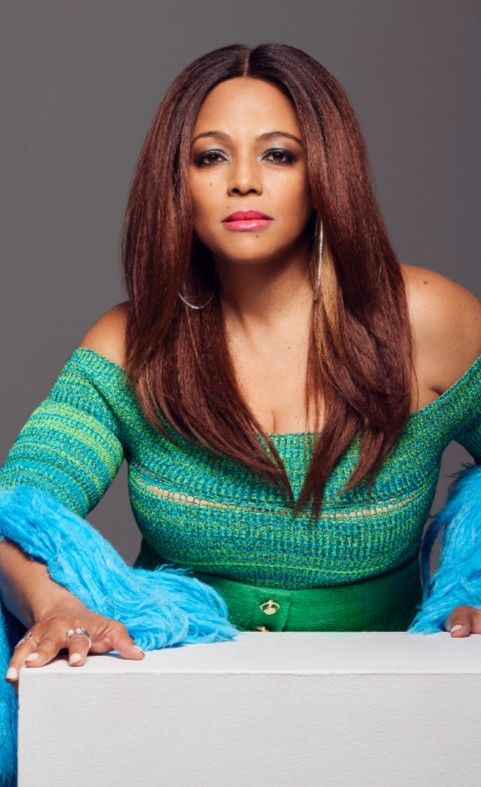
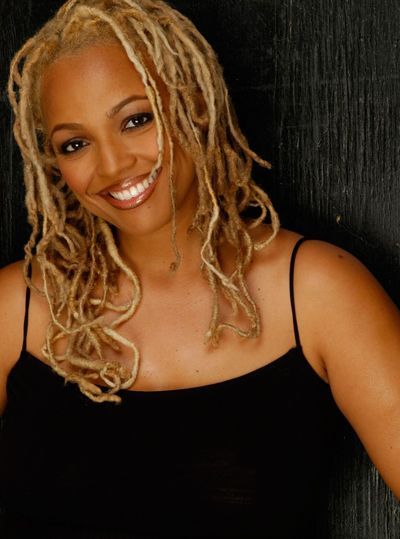
Few actresses in American television have grown up before the public with as much grace, talent, and longevity as Kim Fields. Known for her radiant smile, expressive eyes, and confident presence, Fields became a beloved figure in popular culture during the late twentieth century. Her statuesque beauty, warm personality, and sharp comedic timing made her one of television’s most recognizable young stars. Over the decades, she has successfully transitioned from child star to accomplished actress, director, producer, and author. Through her perseverance and professionalism, Kim Fields has earned her place among the women who embody the timeless cultural allure of an “It Girl.”

Kim Victoria Fields was born on May 12, 1969, in New York City. She was born into an entertainment family, as her mother, Chip Fields, was an accomplished actress and singer who appeared in numerous television shows and stage productions. Growing up in a creative environment exposed Fields to acting at a very early age. Her mother’s guidance and experience helped her navigate the demanding world of television while maintaining a strong sense of identity and discipline.

Fields spent much of her childhood in California, where the entertainment industry offered abundant opportunities for young performers. Even as a child, she demonstrated natural charisma and confidence before the camera. Her bright personality and expressive features made her a standout during auditions, and she quickly began appearing in commercials and small television roles.

This photograph is the property of its respective owner.

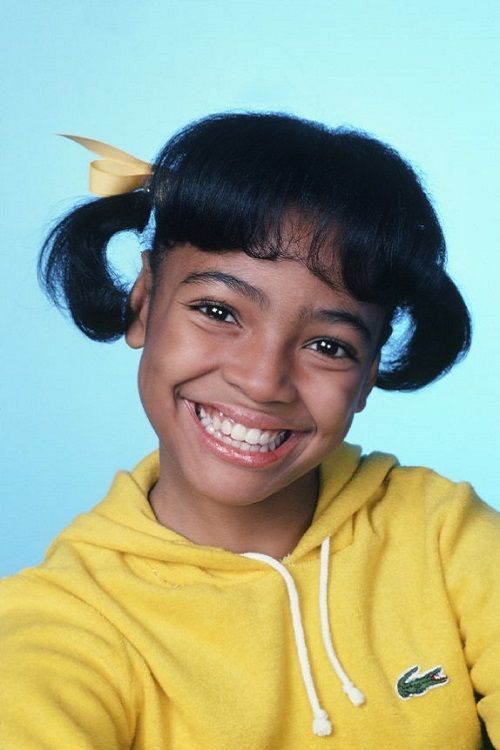
Her breakthrough came when she was cast as Dorothy “Tootie” Ramsey on the hit sitcom The Facts of Life. Debuting in 1979, the series followed a group of girls attending a boarding school and navigating adolescence together. Tootie, known for her roller skates and witty observations, quickly became one of the show’s most beloved characters. Fields’ youthful charm and comedic delivery endeared her to audiences across the United States.

During the show’s nine-season run, Fields matured both personally and professionally. Viewers watched her grow from a playful child into a confident young woman. This rare opportunity allowed audiences to witness a genuine coming-of-age journey on television, strengthening her connection with fans and solidifying her place in pop culture history.

Beyond acting, Fields also pursued music during the 1980s. She released several pop and R&B songs, including the single “He Loves Me He Loves Me Not,” which showcased her singing ability. Although music did not become the central focus of her career, it demonstrated her versatility and artistic curiosity.

After The Facts of Life concluded in 1988, Fields continued her education and expanded her career goals. She attended Pepperdine University, where she studied communications and film. Her academic pursuits reflected a desire to understand the entertainment industry from multiple perspectives, including directing and producing.

In the early 1990s, Fields returned to television with another memorable role on the hit sitcom Living Single. She portrayed Regine Hunter, a fashionable, witty, and glamorous socialite living in Brooklyn. The role allowed Fields to showcase a more mature comedic style and impeccable timing. Regine’s sharp humor and stylish personality made her one of the show’s most iconic characters.

This photograph is the property of its respective owner.

Living Single became an important cultural milestone in television history. The series portrayed successful Black professionals navigating friendship, romance, and careers in New York City. Fields’ performance contributed to the show’s enduring popularity and cultural significance.

The Upshaws is a popular family sitcom that premiered on Netflix in 2021. The series follows the working-class Upshaw family in Indianapolis as they navigate everyday struggles, relationships, and personal growth with humor and heart. Kim Fields plays Regina Upshaw, the intelligent, strong-willed wife who works as a nurse and often serves as the moral and emotional center of the household. The show blends classic sitcom comedy with realistic themes about marriage, parenting, financial challenges, and resilience, making it both relatable and culturally meaningful for modern audiences.

While continuing to act, Fields also developed a successful career behind the camera. She became a respected television director, working on episodes of popular sitcoms such as Kenan & Kel and Tyler Perry’s House of Payne. Her transition into directing demonstrated both leadership and creative insight, allowing her to shape stories from a new perspective.

Fields’ directing work also reflected her dedication to mentoring younger performers. Having grown up in the industry herself, she understood the challenges faced by young actors and often provided guidance and encouragement on set.

Her career continued to evolve as she appeared in numerous television films and reality programs. Fields competed on the popular dance competition series Dancing with the Stars, where audiences were reminded of her vibrant personality and determination. Her participation revealed a playful and adventurous side that fans appreciated.

In addition to her entertainment career, Fields is also an author. Her memoir, Blessed Life: My Surprising Journey of Joy, Tears, and Tales from Harlem to Hollywood, offers a personal reflection on her experiences in the entertainment industry and her faith. The book explores the lessons she learned while growing up in the spotlight.

This photograph is the property of its respective owner.

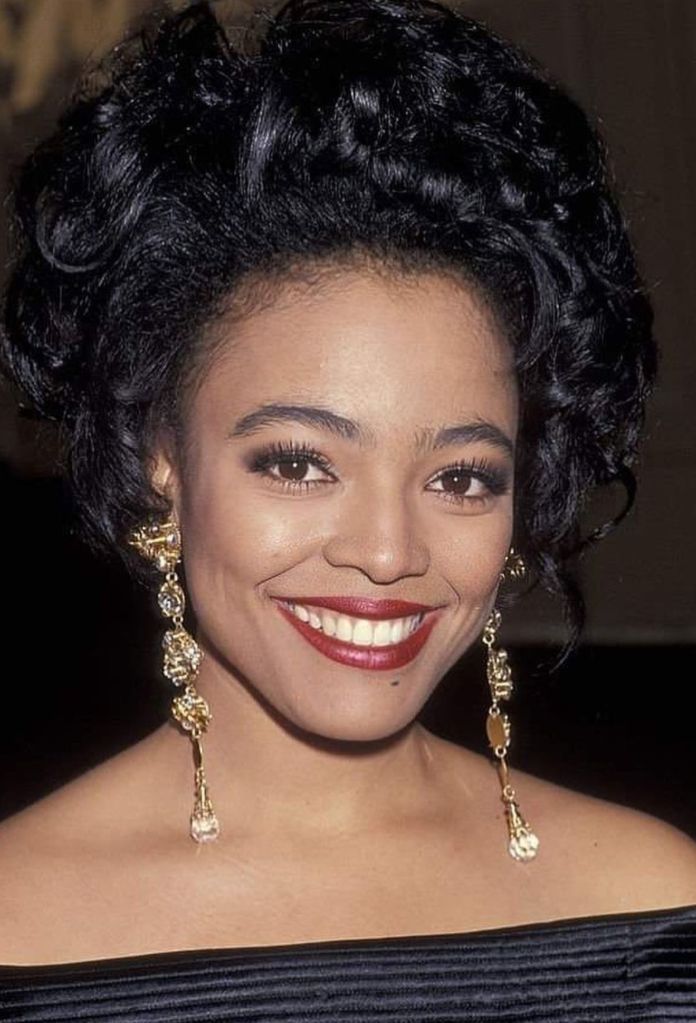
Fields’ beauty has always been characterized by elegance and authenticity. With warm brown eyes, glowing skin, and a poised demeanor, she embodies a natural charm that transcends fashion trends. Her style combines classic sophistication with a welcoming, approachable presence.

Throughout her life, Fields has also emphasized the importance of faith, family, and personal integrity. She has spoken openly about the value of maintaining spiritual grounding while navigating the pressures of Hollywood. This balance has contributed to her reputation as both a talented performer and a respected individual.

Today, Kim Fields continues to act, direct, and produce television projects while participating in speaking engagements and community initiatives. Her experience and wisdom have made her a mentor for younger performers entering the industry.

What makes Kim Fields an “It Girl” is not merely her early fame but her enduring relevance. She successfully reinvented herself across multiple decades, transitioning from child star to accomplished creative professional without losing the warmth and authenticity that audiences admire.

Her legacy also reflects the importance of representation in television history. Through roles like Tootie Ramsey and Regine Hunter, Fields helped shape the portrayal of intelligent, complex Black women on screen.

Longevity in entertainment is rare, especially for child actors. Yet Fields managed to sustain her career with grace, intelligence, and strategic reinvention. Her journey demonstrates resilience, adaptability, and unwavering dedication to her craft.

This photograph is the property of its respective owner.

For many viewers, Kim Fields represents a comforting familiarity—a performer who has accompanied them through different stages of life. Her presence evokes nostalgia while continuing to inspire new audiences.

Ultimately, Kim Fields stands as a testament to perseverance and talent. From a young girl skating through the halls of Eastland School to a respected director and actress, she has consistently demonstrated professionalism and grace.

In every sense, Kim Fields remains an “It Girl”—a woman whose charm, beauty, intelligence, and cultural impact continue to resonate across generations.


References

Britannica. (2026). Kim Fields. Encyclopaedia Britannica.

Fields, K. (2017). Blessed Life: My Surprising Journey of Joy, Tears, and Tales from Harlem to Hollywood. Howard Books.

IMDb. (2026). Kim Fields Filmography. IMDb Database.

Smith, S. (2018). Black Women in Television: A Cultural History. New York University Press.

The Ebony Dolls: Jayne Kennedy Overton

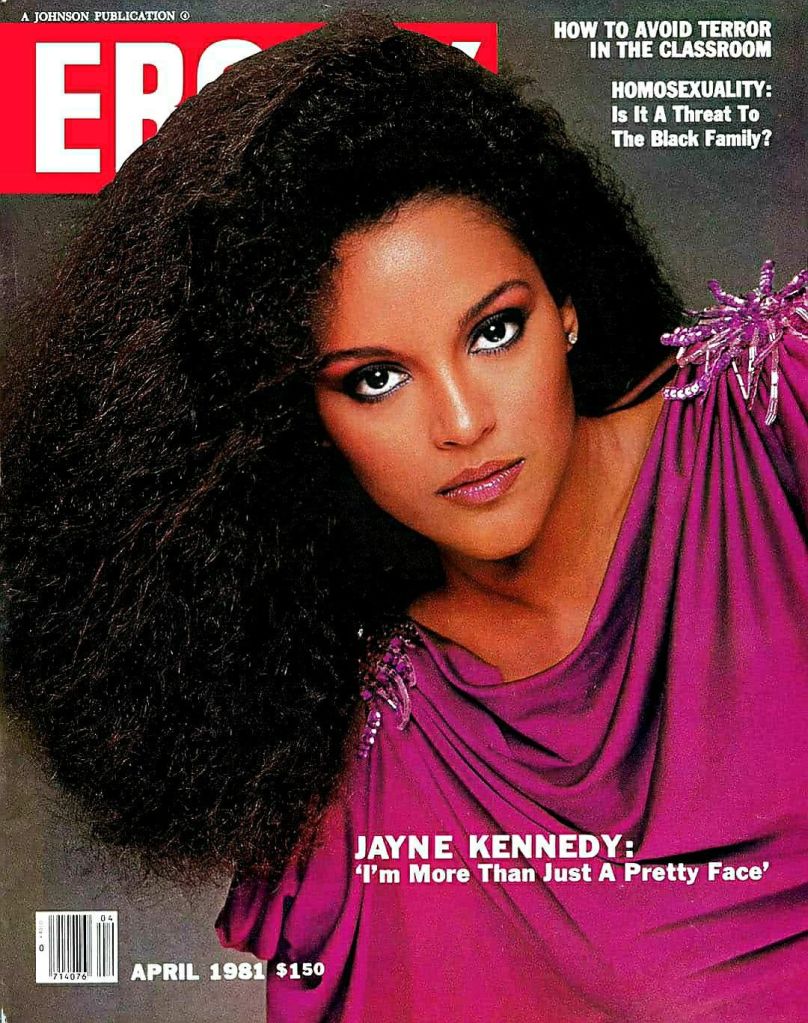
A Vision in Bronze: The Iconic Beauty of Jayne

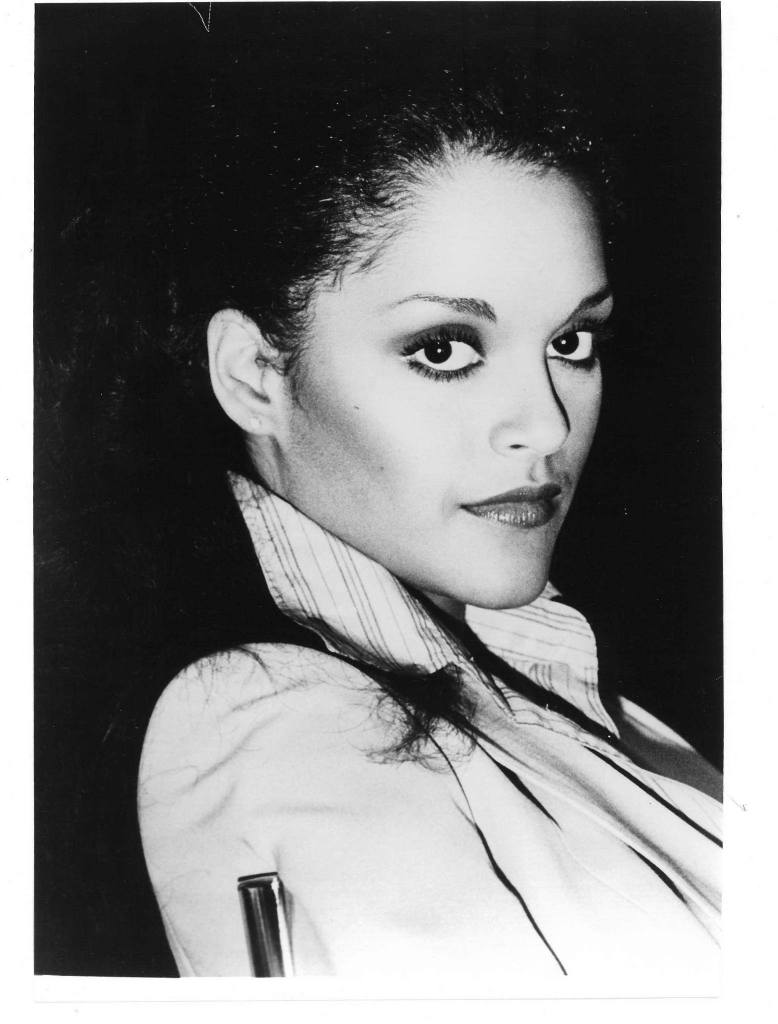
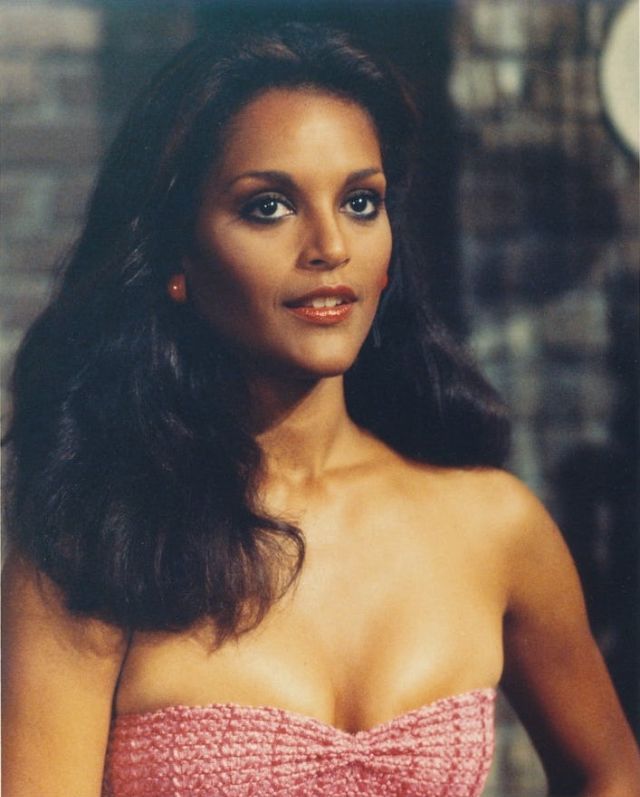
In an era when Hollywood rarely celebrated Black beauty, Jayne Kennedy emerged like a vision— radiant, regal, and revolutionary. With her luminous bronze complexion, captivating smile, and eyes that reflected both warmth and wisdom, she redefined what glamour could look like in America. Jayne wasn’t merely beautiful; she was a lovely vision in motion—graceful as a dancer, poised as royalty, and powerful as a pioneer. As one of the first Black women to host a national sports broadcast, model and secured endorsement deals. Appearing on magazine covers and starring in film and television, she shattered barriers with elegance and determination. Her beauty carried more than aesthetic appeal—it carried purpose, destiny, and representation.

This photograph is the property of its respective owner.

Kennedy’s career was a masterclass in versatility. From Miss Ohio USA to The NFL Today, and from her acting roles in Body and Soul and The Muthers to her fitness empire that inspired a generation, she embodied excellence with integrity. Yet beyond the spotlight, Jayne’s faith, family devotion, and philanthropic spirit reflected an inner beauty as dazzling as her outer glow. She became a symbol of beauty and empowerment for Black women who saw themselves finally reflected in grace, style, and strength. Decades later, her influence still reverberates—proof that true beauty never fades; it evolves, enlightens, and endures.

Photo by  LaMonte McLemore

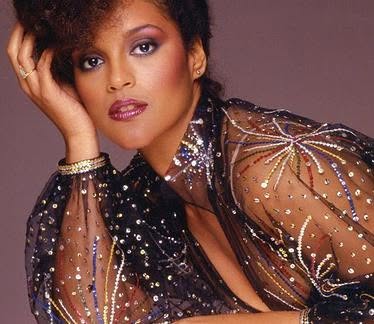
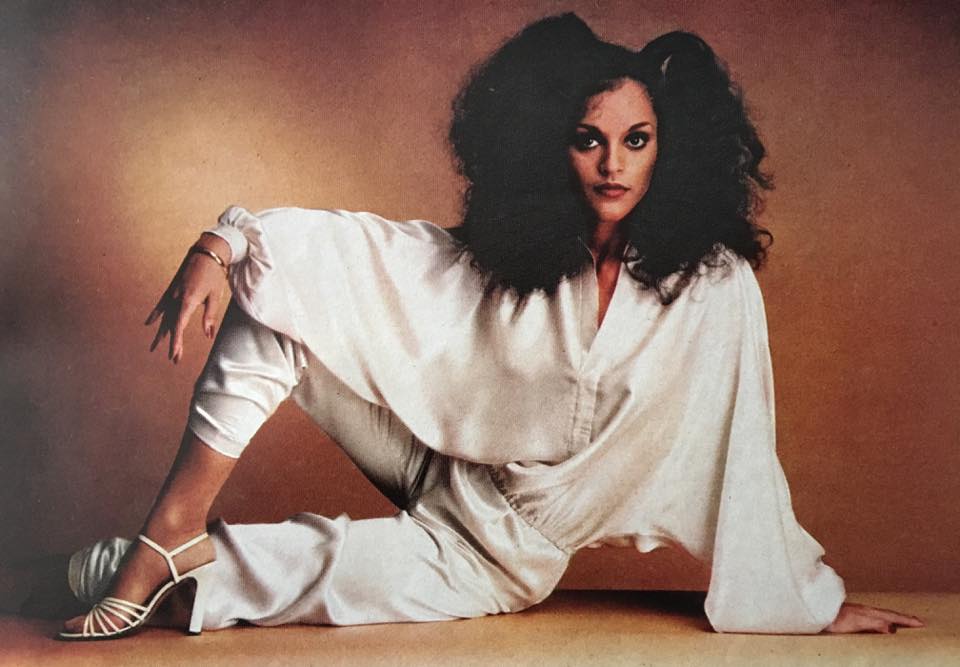
Jayne Kennedy Overton epitomized the ideal of Black beauty during the 1970s and 1980s. With her rich caramel skin, flawless facial symmetry, and long, silky hair, she became the poster child for the most beautiful Black woman of her era. Her striking appearance made her the envy of many women and the object of desire for countless men. Alongside Billy Dee Williams, she was among the most desired figures of her time, captivating audiences with her elegance and grace.

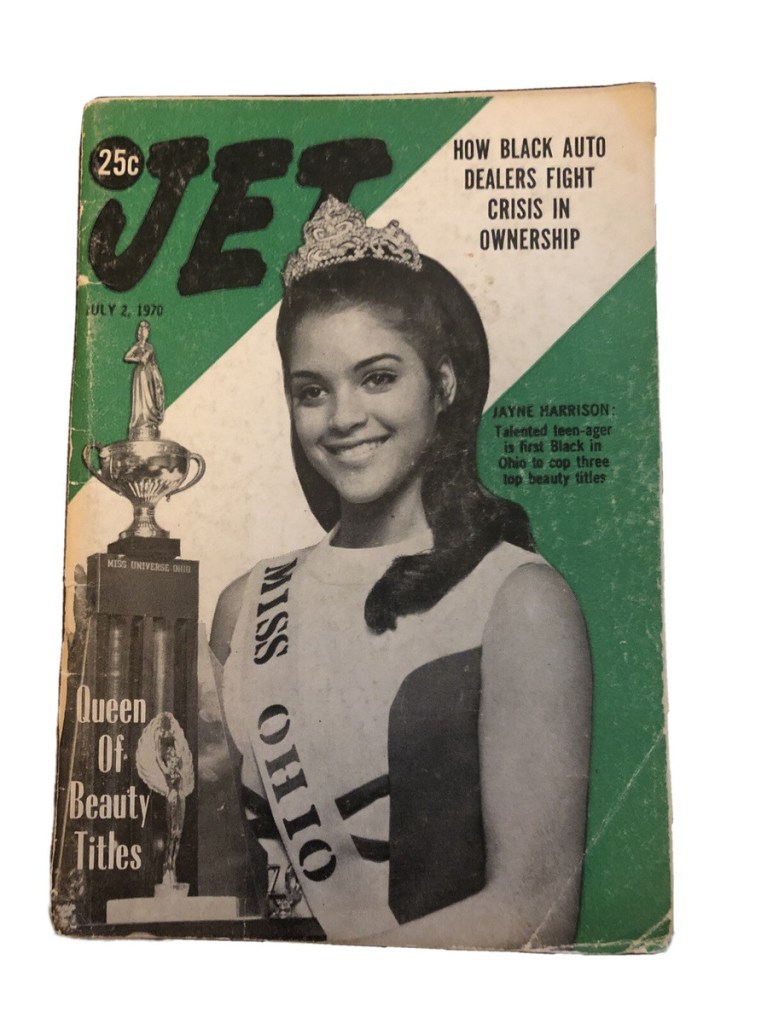
Born Jayne Harrison on October 27, 1951, in Washington, D.C., she was one of six children raised by Herbert and Virginia Harrison. Her parents instilled in her the values of ambition, humility, and resilience. In high school, she excelled academically and socially, serving as vice president of her sophomore class and president of her junior class. Her beauty and poise led her to be crowned Miss Ohio USA in 1970, making her the first African American woman to hold the title. She went on to compete in the Miss USA pageant, finishing in the top ten.

Her pageant success opened doors to a flourishing career in entertainment. She began as a dancer on “Rowan & Martin’s Laugh-In” and later joined “The Dean Martin Show” as a singer and dancer. Throughout the 1970s, she appeared in various television shows, including “The Six Million Dollar Man,” “Sanford and Son,” and “Starsky & Hutch.” Her film credits include “Group Marriage” (1973), “Let’s Do It Again” (1975), and “Body and Soul” (1981), for which she won the NAACP Image Award for Outstanding Actress in a Motion Picture.

In the late 1970s, Kennedy made history by becoming the first African American woman to host “The NFL Today” on CBS, breaking significant racial barriers in sports broadcasting. She later hosted “Greatest Sports Legends,” interviewing luminaries like Kareem Abdul-Jabbar and Johnny Unitas. Her presence in the sports world was groundbreaking, paving the way for future generations of Black women in media.

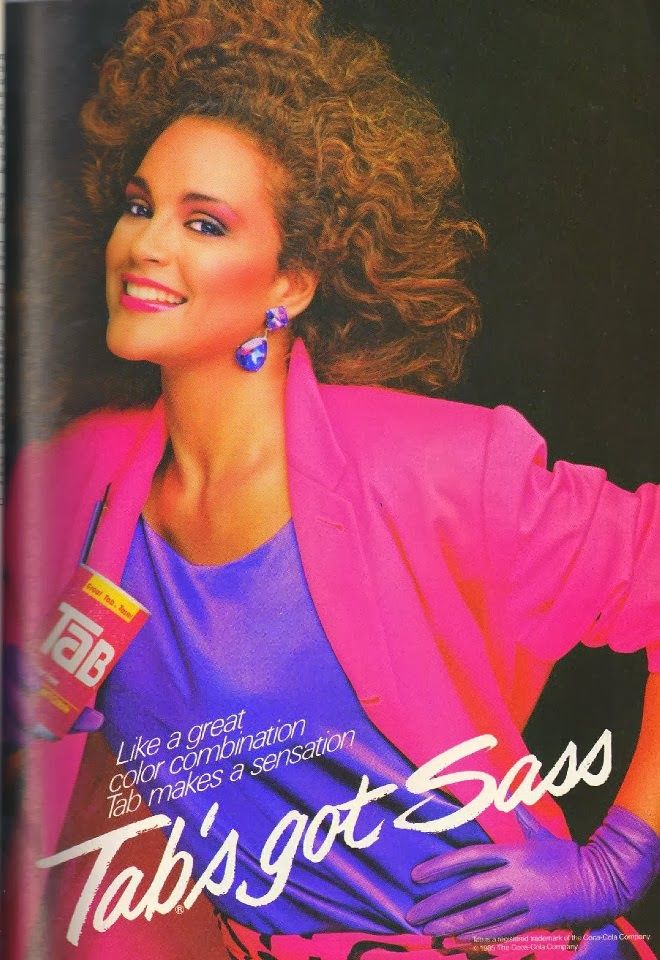
Beyond acting and broadcasting, Kennedy ventured into fitness with the release of her own exercise video, “Love Your Body,” in 1983. The video emphasized self-love and body positivity, encouraging viewers to appreciate their bodies and maintain physical health. She also became the face of Coca-Cola’s Tab soda and Jovan Musk perfume, further solidifying her status as a cultural icon.

Kennedy’s personal life was marked by both challenges and triumphs. She married actor Leon Isaac Kennedy in 1971, and the couple had a tumultuous relationship that ended in divorce in 1982. In 1985, she married actor Bill Overton in a small ceremony in Bermuda. Together, they have four children: daughters Savannah Re, Kopper Joi, and Zaire Ollyea, and Overton’s daughter from a previous relationship, Cheyenne. Despite facing health challenges, including a battle with endometriosis, Kennedy has remained a devoted mother and wife, balancing her family life with her professional endeavors.

Photo by  LaMonte McLemore

Throughout her career, Kennedy faced the complexities of being a Black woman in Hollywood, often encountering limited roles and opportunities. However, she used her platform to advocate for diversity and representation in media. She has been involved in various charitable causes, including co-hosting “The Lou Rawls Parade of Stars” in 1986, which raised $10 million for The United Negro College Fund, and serving as a keynote speaker at the Evanston Martin Luther King celebration in 1987.

This photograph is the property of its respective owner.

Kennedy’s beauty was not only physical but also radiated from her confidence, intelligence, and compassion. She once stated, “One of the most significant is to be acknowledged as a woman of elegance, femininity, and grace. None of which has anything to do with the way you look.” This perspective underscores her belief that true beauty encompasses more than just appearance.

Her legacy continues to inspire, and she remains a beloved figure in the entertainment industry. In recent years, she has been active in various projects and continues to engage with her audience through social media platforms. Her enduring influence serves as a testament to her talent, resilience, and the timeless allure that captivated a generation.

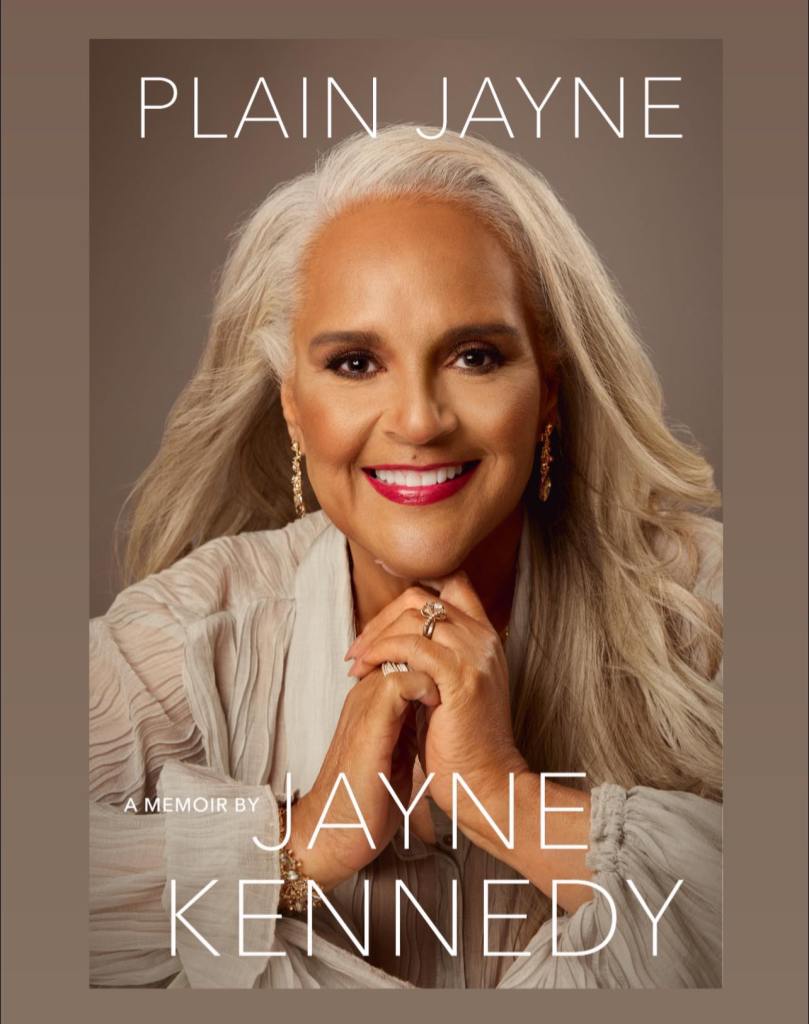
In recent years, Jayne Kennedy released her inspiring memoir, Plain Jayne, a reflective journey through her extraordinary life. The book chronicles her humble beginnings in Ohio, her rise through the world of beauty pageants—including her crowning as Miss Ohio USA—and her groundbreaking transition into entertainment and sports broadcasting. Through candid storytelling, Kennedy reveals the determination, faith, and resilience that shaped her into the trailblazing icon she is today.

To purchase her book, hit the link: https://amzn.to/4oWRMHL

Jayne Kennedy’s story is not merely one of fame—it is a symphony of faith, elegance, and endurance. From the quiet streets of Ohio to the dazzling lights of Hollywood, she moved with the poise of a queen and the heart of a servant, turning obstacles into stepping stones and criticism into conviction. Her beauty opened doors, but her character kept them open for others. Plain Jayne is more than a memoir—it is a mirror reflecting the strength, dignity, and divine grace of a woman who refused to be defined by limitations. Today, Jayne Kennedy’s light still shimmers across generations, reminding us that true beauty is eternal—it is the glow of purpose, courage, and the unyielding belief that you were born to shine.

References: