Tag Archives: actor

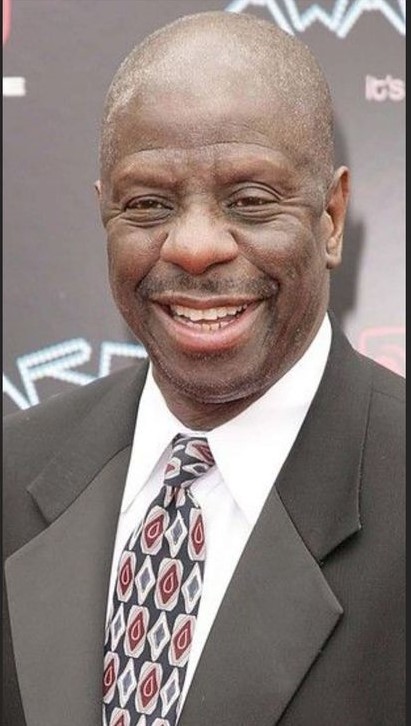
Celebrity Spotlight: Jimmy Walker

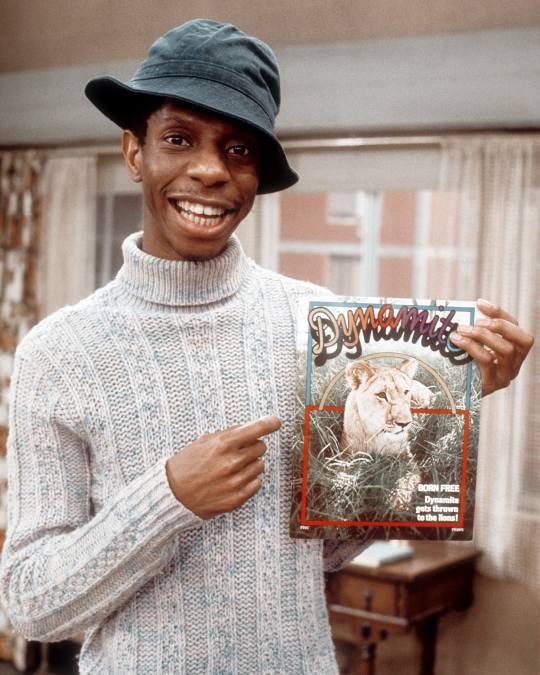
This photograph is the property of its respective owner.

“Dy-no-mite!”

That single word made Jimmy Walker one of the most recognizable faces and voices in American television history. Jimmy Walker, born James Carter Walker Jr. on June 25, 1947, in Brooklyn, New York, rose from humble beginnings to become a pop culture icon through his unforgettable role as J.J. Evans on the groundbreaking sitcom Good Times. His exaggerated energy, comedic timing, and charismatic delivery transformed him into one of the most famous Black comedians of the 1970s.

Walker was raised in the Bronx by a single mother who worked as a housekeeper. Growing up in a working-class environment deeply influenced his comedic style, which often blended humor with observations about urban life, poverty, and social struggle. He attended The Bronx High School of Science and later City College of New York, where he began developing his interest in performance and comedy.

Before television fame, Jimmy Walker built his career through stand-up comedy, performing in small clubs and on college campuses. His big break came when he joined the cast of Rowan & Martin’s Laugh-In as a writer and performer in the late 1960s, one of the most influential comedy shows of the era. This exposure introduced him to national audiences and established him as a rising comedic talent.

Walker’s defining role came in 1974 when he was cast as James “J.J.” Evans Jr. on Good Times. The show, a spin-off from Maude, followed a Black family living in a Chicago housing project and was one of the first sitcoms to address poverty, racism, unemployment, and systemic inequality from a Black perspective. J.J., the eldest son, was portrayed as a fast-talking, aspiring artist with an infectious personality and a tendency toward exaggerated humor.
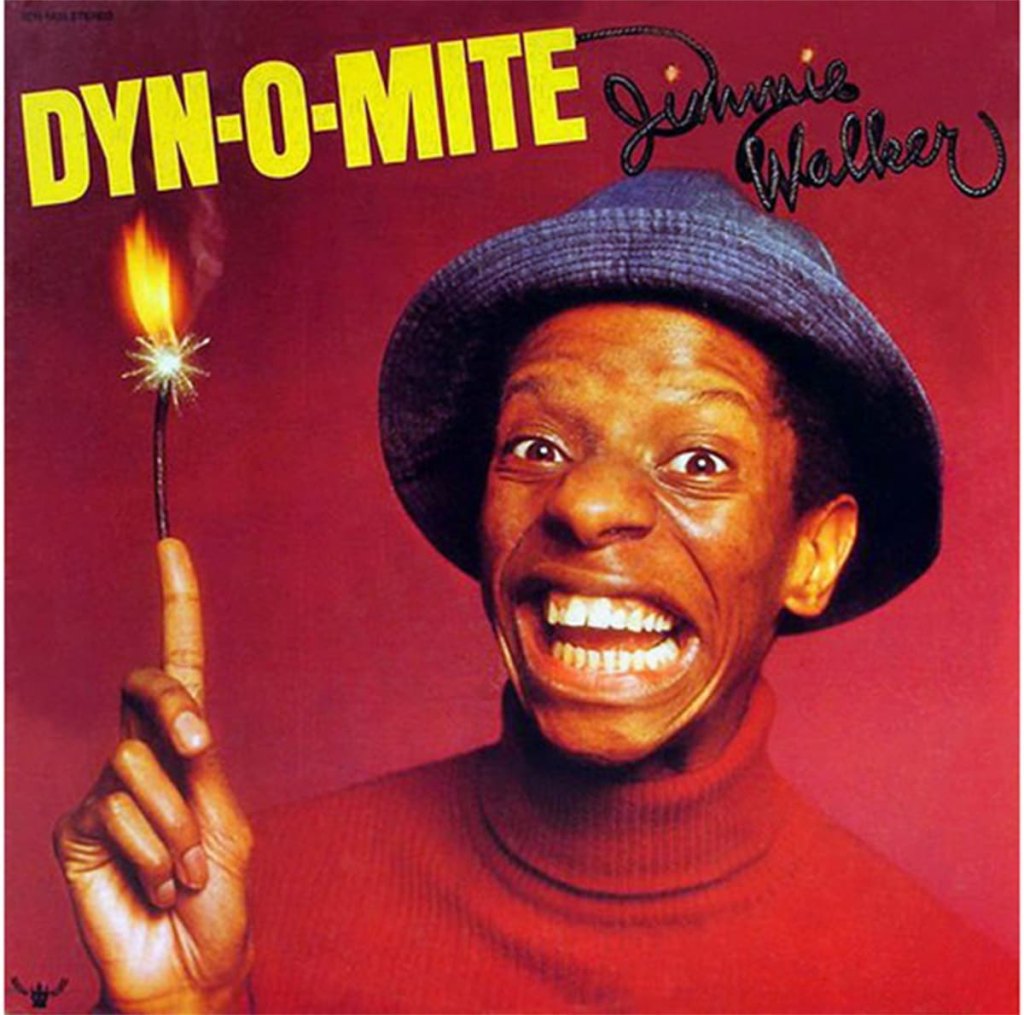
This photograph is the property of its respective owner.

Jimmy Walker’s portrayal of J.J. became both legendary and controversial. His character’s over-the-top behavior, wide-eyed expressions, and loud catchphrases made him the breakout star of the show. While audiences loved J.J., some critics and co-stars, including Esther Rolle and John Amos, felt the character drifted into stereotype and comic excess. Walker, however, defended the role, stating that J.J. represented real people he grew up with and that laughter itself was a form of survival in difficult conditions.

“Dy-no-mite!” became one of the most famous catchphrases in television history, rivaling phrases like “Whatchu talkin’ ’bout, Willis?” and “Kiss my grits.” The phrase entered American slang and was used in commercials, cartoons, films, and everyday speech throughout the 1970s and beyond. Walker became a walking brand, instantly recognizable by voice alone.

Despite being the comedic centerpiece, Walker’s role had deeper layers. J.J. was not just a clown; he was a young Black man trying to escape poverty through art, ambition, and creativity. His dreams of becoming a professional artist symbolized the broader struggle of Black youth seeking opportunity within limited social structures.
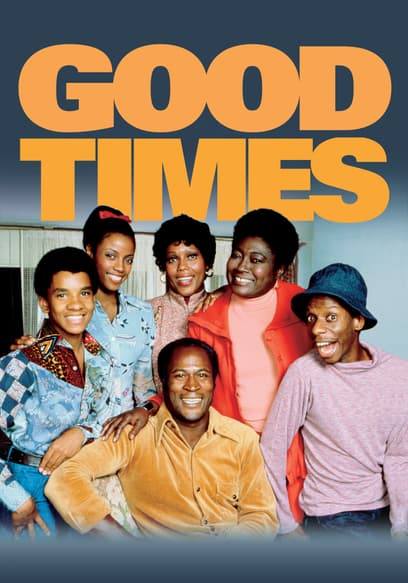
This photograph is the property of its respective owner.

After Good Times ended in 1979, Jimmy Walker continued acting across television and film. His filmography includes roles in Let’s Do It Again (1975), Airplane! (1980), The Concorde… Airport ’79, Tapeheads (1988), and appearances in cult classics like Repo Man. On television, he appeared in The Love Boat, Fantasy Island, The Tonight Show, Everybody Hates Chris, and Scrubs.

Walker also sustained a long career in stand-up comedy, touring nationally for decades and becoming a staple in comedy clubs, casinos, and Black entertainment circuits. Unlike many sitcom stars, he never abandoned live performance, seeing stand-up as his true artistic foundation.

In terms of personal life, Jimmy Walker has never been married and has no children. He has spoken openly about choosing independence and focusing on his career, lifestyle, and personal freedom. This made him somewhat unique among celebrities of his generation, as he maintained a largely private life outside the spotlight.

Walker’s fame extended beyond television into pop culture symbolism. He appeared in commercials, music videos, cartoons, and even political satire. His persona became shorthand for 1970s Black comedy, referenced in shows like Family Guy, In Living Color, The Simpsons, and Chappelle’s Show.

While Jimmy Walker did not receive major industry awards like Emmys, his cultural achievements are arguably greater. He received the NAACP Image Award recognition, multiple lifetime achievement honors from comedy organizations, and remains consistently listed among the most influential Black TV characters of all time.

Jimmy Walker’s impact lies in his role in expanding Black visibility in mainstream comedy. At a time when few Black actors had leading roles, Walker was one of the most famous faces on American television, crossing racial, class, and generational boundaries through humor.

His career also represents the tension between entertainment and representation. While some critics argue J.J. reinforced stereotypes, others recognize that Walker’s performance reflected authentic urban humor and gave voice to a segment of Black youth rarely seen on television.
This photograph is the property of its respective owner.

Walker himself has stated that his goal was never to be political but to be memorable, relatable, and funny. In that sense, his success is undeniable. He created one of the most iconic characters in TV history and shaped the comedic language of an entire era.

Today, Jimmy Walker is remembered not just for J.J., but for what he represented: the arrival of Black comedy into mainstream pop culture at full volume. His voice, style, and energy helped open doors for future comedians like Eddie Murphy, Chris Rock, Martin Lawrence, and Kevin Hart.

Jimmy Walker’s legacy is the legacy of laughter in the face of adversity. Through J.J. Evans, he turned poverty into punchlines, struggle into performance, and television into a cultural mirror for Black America in the 1970s. Few entertainers can claim to have created a phrase that still echoes across generations—but “Dy-no-mite!” remains eternal.


References

Bogle, D. (2016). Primetime blues: African Americans on network television. Farrar, Straus and Giroux.

Walker, J. J. (2012). Dyn-o-mite!: Good times, bad times, our times—A memoir. Chicago Review Press.

Smith, J. (2003). Black sitcoms and the politics of representation. Journal of African American Studies, 7(2), 33–49.

IMDb. (2024). Jimmy Walker filmography.

Encyclopedia Britannica. (2023). Jimmy Walker biography.

NAACP. (1999). Black television legacy awards.

Gray, H. (2005). Watching race: Television and the struggle for Blackness. University of Minnesota Press.
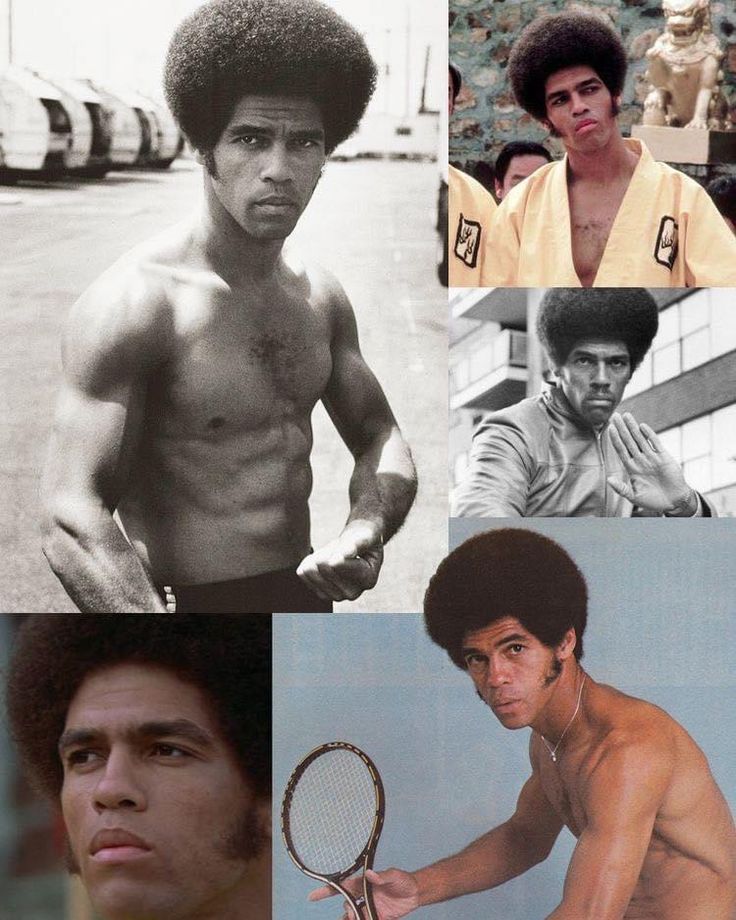
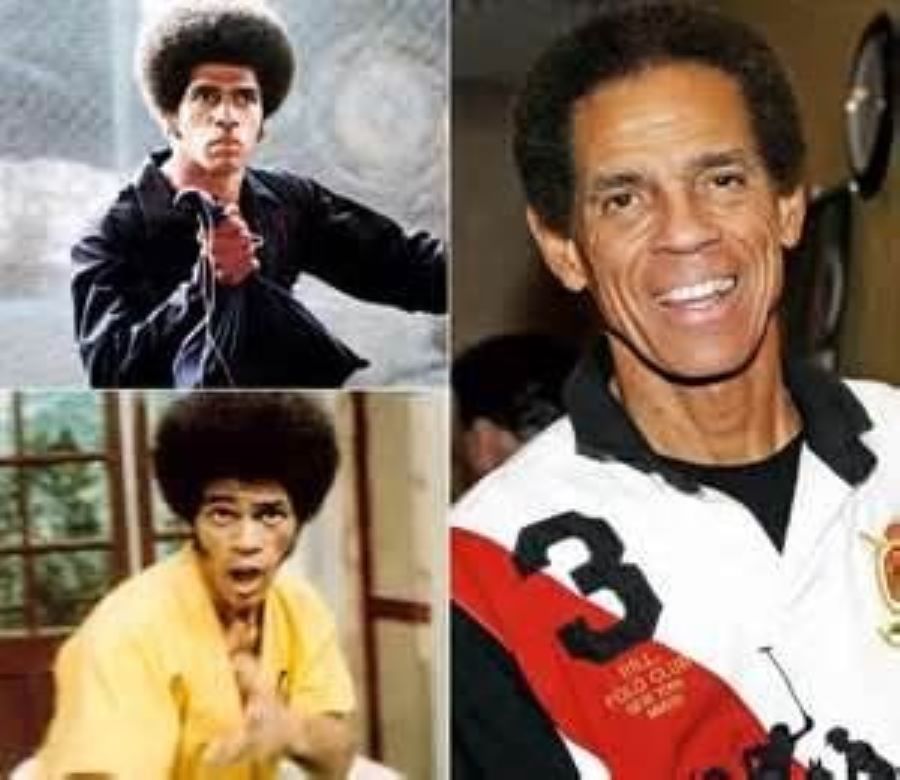
Celebrity Spotlight: Jim Kelly – The Dragon of the Black Belt and the Martial Arts King of Cinema.

These photographs are the property of their respective owners. No copyright infringement intended.

Jim Kelly stands as one of the most iconic martial artists and action stars in film history, a figure who reshaped the image of Black masculinity in global cinema. At a time when Black men were rarely portrayed as disciplined heroes, intellectual fighters, or spiritual warriors, Kelly emerged as a symbol of strength, confidence, and cultural pride. His presence on screen fused martial arts philosophy with Black Power aesthetics, creating a legacy that transcended entertainment.

Born in 1946 in Paris, Kentucky, Kelly grew up during the height of segregation and racial inequality in the United States. As a young man, he was drawn to physical fitness, sports, and self-discipline as a means of empowerment. Martial arts became not just a hobby, but a personal philosophy rooted in control, focus, and self-mastery.

Kelly began his martial arts journey in karate, training rigorously in the late 1960s. He studied under respected instructors and quickly demonstrated exceptional talent and athleticism. His dedication to training placed him among the elite practitioners of his era, at a time when very few Black Americans were visible in competitive martial arts spaces.

He ultimately achieved the rank of black belt in Shorin-Ryu karate, a traditional Okinawan style known for speed, precision, and fluid striking techniques. This was not a ceremonial rank but one earned through serious training, competition, and mastery. Kelly was widely respected in martial arts circles as a legitimate and highly skilled fighter.

Before entering Hollywood, Kelly became a professional karate champion. He won multiple national karate tournaments and was considered one of the top competitors in the United States. His reputation as a real martial artist, not just a movie performer, distinguished him from many action stars who relied primarily on choreography.

Kelly’s big breakthrough came when he was discovered by Warner Bros and cast in the film Enter the Dragon in 1973. This film, starring Bruce Lee, became one of the most influential martial arts movies in history. Kelly’s role as Williams introduced audiences to a new archetype: the Black martial artist who was disciplined, rebellious, and spiritually grounded.

His relationship with Bruce Lee was one of deep mutual respect. Lee admired Kelly’s athletic ability and on-screen charisma, while Kelly viewed Lee as both a mentor and philosophical influence. Together, they helped globalize martial arts culture and popularize Eastern philosophy within Western and Black communities.

In Enter the Dragon, Kelly’s character symbolized Black resistance and self-awareness. He rejected corrupt systems, challenged authority, and embodied a revolutionary spirit that resonated with Black audiences worldwide. His afro, confidence, and unapologetic masculinity made him a cultural icon of the 1970s.

After Bruce Lee’s death, Kelly became the leading Black martial arts star in the world. He starred in several kung fu and action films, including Black Belt Jones, Three the Hard Way, Hot Potato, and Golden Needles. These films positioned him as the central hero, not a sidekick or stereotype.

Black Belt Jones was especially significant, as it was one of the first martial arts films to center a Black protagonist. Kelly played a karate instructor protecting his community from gangsters and corrupt forces. The film blended Blaxploitation themes with authentic martial arts, creating a genre-defining classic.

Unlike many actors, Kelly insisted on realism in fight scenes. His movements were not exaggerated or theatrical but grounded in real technique. This authenticity made his performances influential among future martial artists and action stars.

Beyond film, Kelly was deeply committed to health, wellness, and holistic living. He later became a motivational speaker and health advocate, promoting vegetarianism, fitness, and mental discipline. Martial arts, for him, was inseparable from spiritual and physical health.

Kelly also worked as a tennis instructor and sports entrepreneur, showing that his talents extended far beyond cinema. He believed in lifelong physical excellence and viewed the body as a sacred instrument requiring discipline and respect.

These photographs are the property of their respective owners. No copyright infringement intended.

In his personal life, Kelly was married and had children, though he kept his family life largely private. He was known by friends and peers as humble, disciplined, and deeply philosophical, living by the values he portrayed on screen.

Tragically, Kelly died in 2013 after battling cancer. His death was mourned across martial arts communities, film circles, and Black cultural spaces. Yet his influence remains alive through generations of fighters, actors, and fans.

Kelly’s legacy is not just cinematic but symbolic. He represented a Black man who mastered both mind and body, who rejected criminal stereotypes and replaced them with warrior ethics and intellectual power.

He opened doors for Black representation in action cinema long before stars like Wesley Snipes, Michael Jai White, and Idris Elba. Without Jim Kelly, the image of the Black martial arts hero might never have existed.

Culturally, Kelly fused Afrocentric pride with Eastern philosophy, creating a new global identity for Black masculinity rooted in discipline, honor, and spiritual strength.

His image continues to circulate in hip-hop, fashion, fitness culture, and martial arts philosophy. He remains one of the few figures who embodied both revolutionary aesthetics and authentic warrior training.

Ultimately, Jim Kelly was not just an actor or a fighter. He was a symbol of Black excellence in motion, a living bridge between African American empowerment and martial arts philosophy, and a king whose legacy still trains minds and bodies across the world.


References

Bolelli, D. (2008). On the warrior’s path: Philosophy, fighting, and martial arts mythology. Blue Snake Books.

Bowman, P. (2010). Theorizing Bruce Lee: Film-fantasy-fighting-philosophy. Rodopi.

Hunt, L. H. (1998). Kung fu cult masters: From Bruce Lee to Crouching Tiger. Film Quarterly, 51(4), 10–17.

Miller, D. (2014). Jim Kelly: The original Black martial arts superstar. Black Film Review, 6(2), 22–29.

Teo, S. (2009). Chinese martial arts cinema: The wuxia tradition. Edinburgh University Press.

Jim Kelly

Masculine Perfection Series: Idris Elba

The Crown Jewel of British African Cool

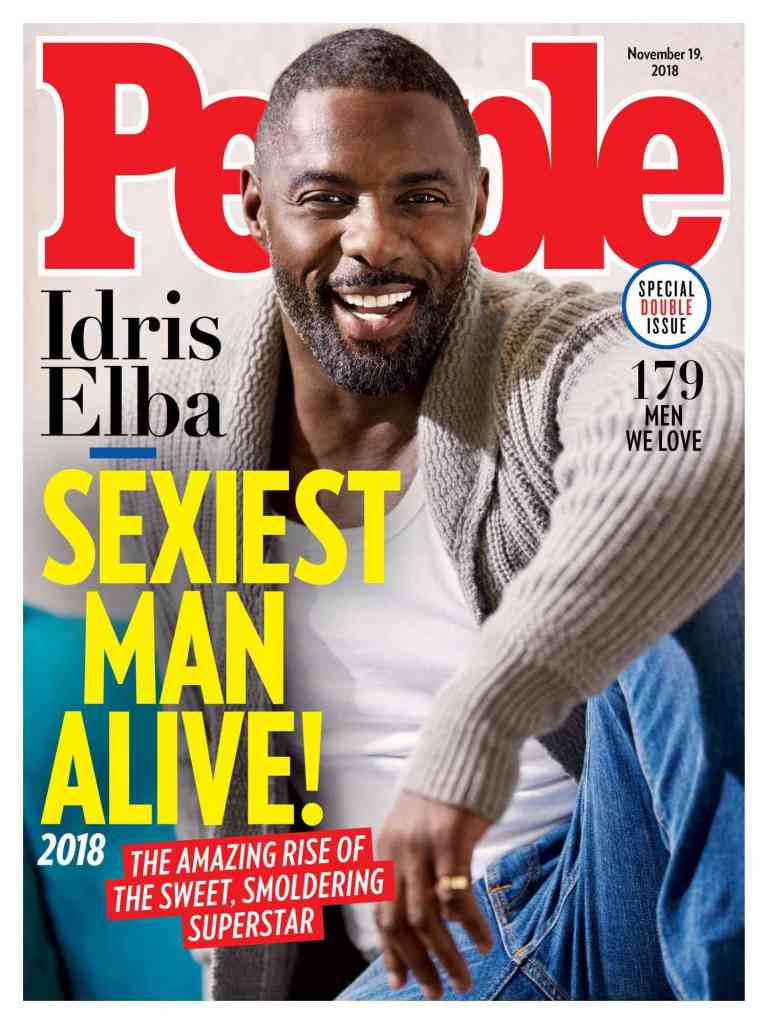
Photo Credit: People AP

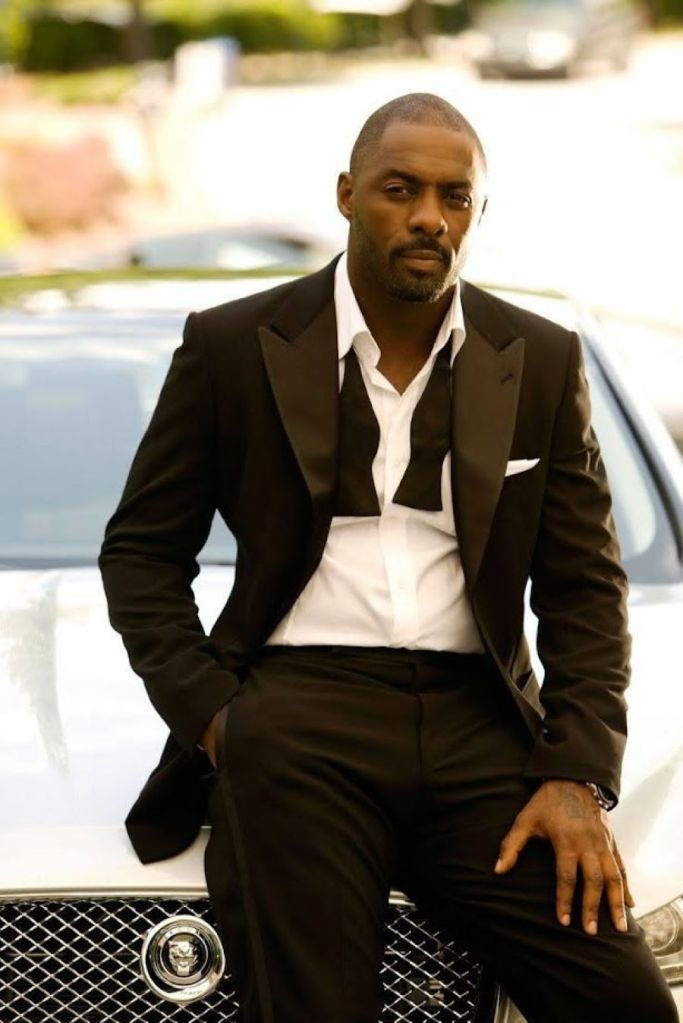
Idris Elba is the epitome of modern masculinity, one of the finest men on earth who is often referred to as “tall, dark, and handsome” with a depth of talent and presence that makes hearts race across continents. With a chiseled jawline, soulful eyes, and a baritone British accent that exudes quiet power, Elba’s face ranked among the top scores on ThePerfectHumanFace.com, affirming what many have already believed: he is masculine perfection personified. But behind the looks lies a powerhouse of acting prowess, a multifaceted artist who has reshaped how Black men are portrayed on screen—dignified, dynamic, and deeply human.

Born Idrissa Akuna Elba on September 6, 1972, in London, England, to a Sierra Leonean father and a Ghanaian mother, Elba proudly carries his African heritage while representing the finest of British talent. He grew up in Hackney, East London, and began acting in his early twenties, gaining his first big break on the British TV series Bramwell. He would later gain international recognition for his iconic portrayal of Russell “Stringer” Bell on HBO’s The Wire, a role that fused intellect with danger and redefined what a Black gangster could look like on television.

Idris Elba is also a devoted family man. He has been married to model and activist Sabrina Dhowre Elba since 2019, and he is a proud father to two children. Outside of acting, he has launched a men’s skincare and wellness line called S’Able Labs, focused on inclusion, health, and self-care, co-founded with his wife. The brand reflects his belief in holistic well-being, emphasizing inner confidence alongside outer grooming.

Elba’s acting résumé is robust and decorated. He’s received Golden Globe nominations, an NAACP Image Award, a Screen Actors Guild Award, and was even appointed an Officer of the Order of the British Empire (OBE) by Queen Elizabeth II in 2016 for his services to drama. From Mandela: Long Walk to Freedom to Beasts of No Nation, and Luther to The Harder They Fall, Elba’s range has no boundaries. His favorite role, as he once shared in interviews, is John Luther—the brilliant but troubled detective he portrayed with grit and grace in the BBC series Luther.

In 2018, People Magazine named him the “Sexiest Man Alive,” a title that made global headlines. Elba accepted the honor with humility and humor, tweeting, “Who’d have thought it! Thank you People magazine. I’m honored & thankful.” Yet the title meant more than vanity—it was a rare acknowledgment of a Black man as the universal standard of male desirability. “Representation matters,” Elba has said. “To see yourself reflected as beautiful or powerful—that’s life-changing.”

Elba has been vocal about racism in Hollywood and the challenges of being a Black actor. He has criticized the lack of diversity and inclusion in the British and American entertainment industries, once stating, “Change is coming, but it’s too slow. We’re not asking for handouts—we’re asking for opportunity.” His rumored potential casting as James Bond sparked both excitement and racial backlash, highlighting the ongoing resistance to Black leads in legacy roles. Elba responded with elegance, emphasizing that representation is about inspiration, not provocation.

Standing 6’2″ tall, Elba’s presence is physically commanding and emotionally magnetic. Black women have long expressed admiration for him, not just for his looks but for his aura. Comments such as, “He’s the perfect blend of rugged and refined,” and “Idris Elba could read a phone book and still sound like Shakespeare,” are common across social media. One fan gushed, “Idris is like fine wine—smooth, complex, and only gets better with time.”

Elba’s love and respect for Black women are evident both in his interviews and in the way he uplifts his wife. In one interview he shared, “Black women have held me down since day one. My mother, my daughter, my wife—they are the definition of strength and beauty.” These sentiments further elevate his appeal, as he acknowledges and honors the role of Black women in shaping his journey.

In terms of industry differences, Elba has often compared acting in the UK and the US. He noted that in Britain, classism affects casting just as much as race, whereas in America, race is more overtly central to opportunity. “In the UK, I wasn’t black enough. In America, I was black and British, so I was exotic,” he once reflected. Regardless of geography, Elba has proven that excellence transcends borders.

In conclusion, Idris Elba is more than a pretty face—he is a symbol of global Black excellence. He represents dignity, strength, style, and substance. As both an actor and advocate, he challenges outdated narratives and forges new paths for Black men in media. Whether he’s commanding the screen or speaking truth to power, Elba remains a towering figure—physically, artistically, and culturally. He is, without question, a modern legend.


Quotes

  • “Black women have held me down since day one. My mother, my daughter, my wife—they are the definition of strength and beauty.” — Idris Elba
  • “Representation matters. To see yourself reflected as beautiful or powerful—that’s life-changing.” — Idris Elba
  • “Idris Elba is like fine wine—smooth, complex, and only gets better with time.” — Anonymous fan

References

People Magazine. (2018). Sexiest Man Alive: Idris Elba.
BBC News. (2016). Idris Elba receives OBE from Queen Elizabeth II.
The Guardian. (2020). Idris Elba on diversity in Hollywood and James Bond rumors.
Essence Magazine. (2021). Idris and Sabrina Elba Launch S’Able Labs: Skincare for All.
Vogue. (2022). Idris Elba and the Redefinition of Masculinity.

Masculine Perfection Series: Billy Dee Williams

The Most Handsome, Suave, Cool, and Charismatic Black Actor to ever grace the Silver Screen.

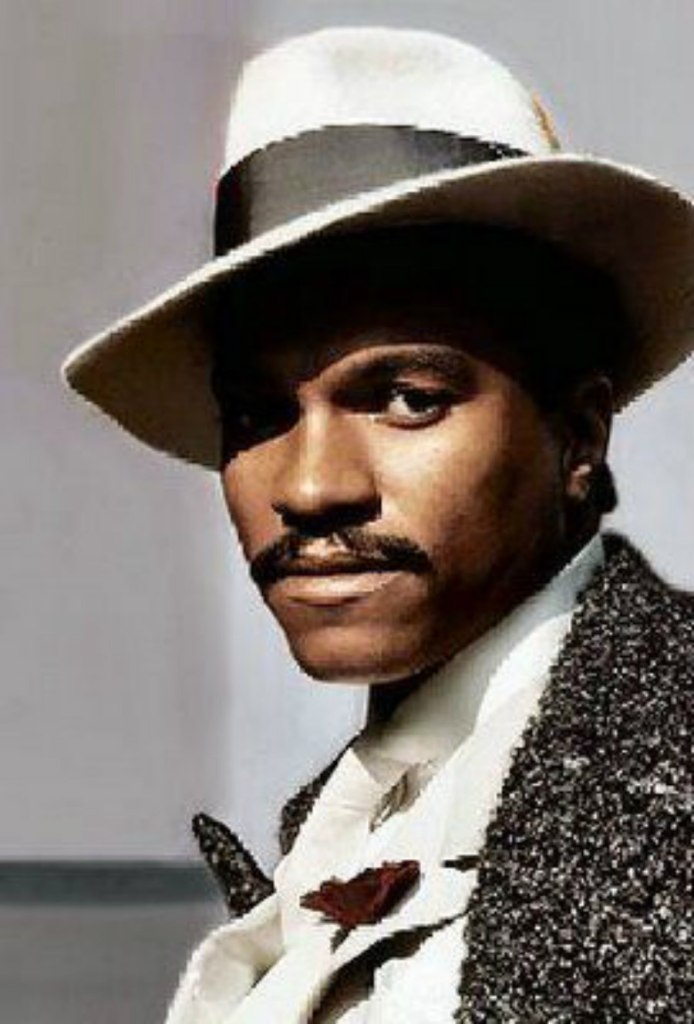
This photograph is the property of its respective owner.

“Suave was redefined the moment he walked into a room. That voice, that smile, that presence—Billy Dee wasn’t just a heartthrob, he was a whole genre of cool.”


Introduction: The Gentleman of Desire

Before the era of social media heartthrobs, abs-driven selfies, and designer drip, there was Billy Dee Williams—an actor whose very presence on screen sent pulses racing and redefined Black masculinity for generations. With his caramel-hued velvety skin, deep-set almond eyes, and that now-legendary “come hither” smile, Billy Dee was more than handsome—he was hypnotic. His voice? A smooth, seductive baritone dipped in brown liquor and jazz smoke, as unforgettable as his on-screen swagger.

With his caramel-toned skin, bedroom eyes, and a voice as smooth as jazz, Billy Dee Williams was more than just a handsome face—he was an icon of sophistication. Possessing a magnetic screen presence, his roles blended elegance and edge, charm and command. Whether donning a finely tailored suit or delivering lines with velvety poise, Williams captivated audiences with a rare combination of classic Hollywood glamour and unapologetic Black excellence. From romantic dramas to intergalactic adventures, he brought style, strength, and seduction to every frame he graced. A trailblazer for generations of Black leading men, Billy Dee made being suave look effortless—and unforgettable.

He was the epitome of elegance—a handsome devil, as fans and critics often called him, whose sensual restraint made desire simmer rather than explode. His style, grace, and natural charm gave the leading men of the 1970s and ’80s a run for their money—and would still outshine many of today’s stars.

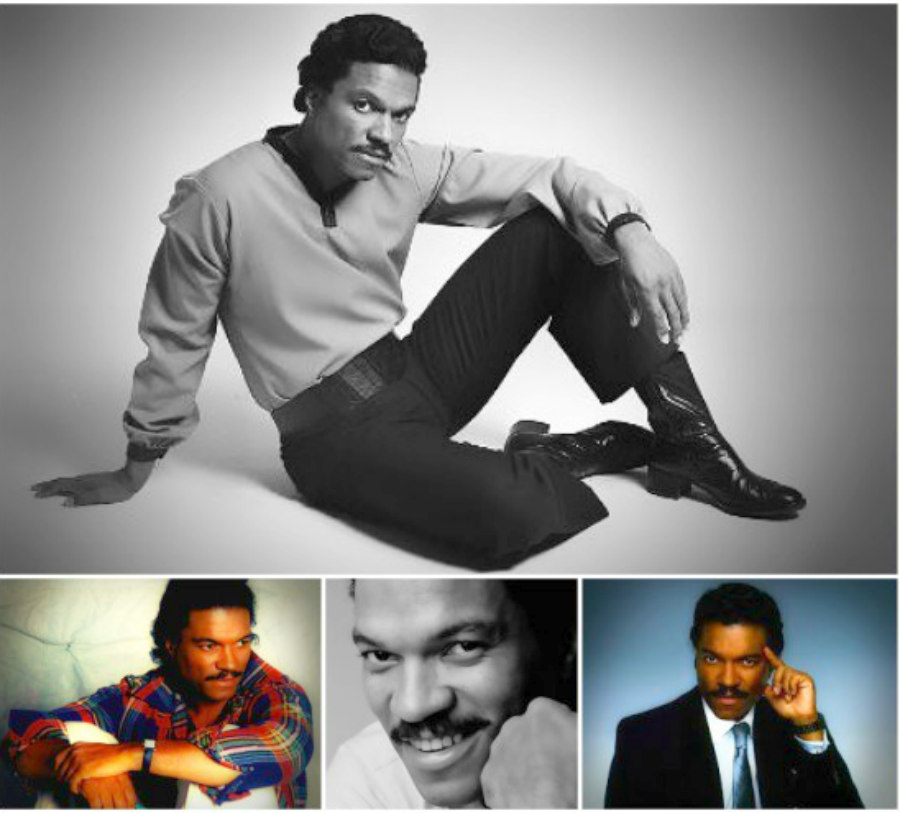
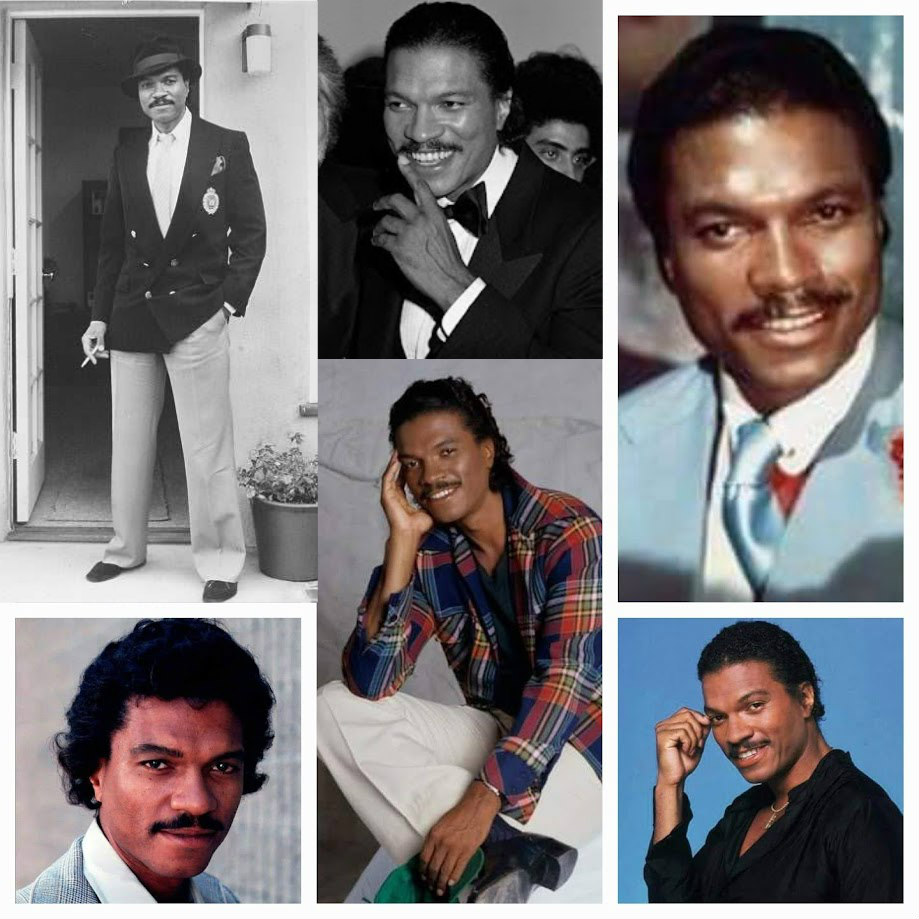
These photographs are the property of their respective owners.

Quotes from Admirers

  • “There was Denzel, there was Sidney… but there was only one Billy Dee.” – Quincy Jones
  • “His voice alone could seduce a nation.” – Angela Bassett
  • “He made us believe in love on screen. Real, grown, complicated love.” – Diana Ross

Early Life and Beginnings

William December “Billy Dee” Williams Jr. was born (has a twin sister) on April 6, 1937, in Harlem, New York, to Loretta Anne, an elevator operator at the Schubert Theatre, and William Sr., a caretaker and aspiring musician. With roots in African-American, West Indian, and Native American ancestry, Billy Dee’s rich cultural heritage imbued him with both classic beauty and a regal air.

He graduated from LaGuardia High School of Music & Art and studied at the prestigious National Academy of Fine Arts and Design, originally pursuing a career in visual arts before making a pivot to the stage and screen.


Rise to Stardom and Breakout Roles

Billy Dee’s breakthrough came with the 1971 television movie “Brian’s Song,” in which he portrayed NFL star Gale Sayers alongside James Caan. The role earned him a Primetime Emmy nomination and established him as a serious actor with emotional depth and romantic appeal.

But it was in “Lady Sings the Blues” (1972), opposite Diana Ross, that Billy Dee became a certified sex symbol. Playing the smooth-talking Louis McKay, he delivered the now-iconic line to Ross, “Do you want my arm to fall off?”—a moment that oozed suave seduction. That line—and the way he said it—became cinematic shorthand for Black male romantic allure.


The Aesthetic of Desire: His Iconic Look

Billy Dee’s beauty wasn’t just physical—it was dimensional.

These photographs are the property of their respective owners.
  • Skin: A warm, glowing brown, reminiscent of sunlit caramel, always perfectly lit by the camera.
  • Smile: Disarming, confident, and suggestive—a “come hither” look that made audiences lean in.
  • Voice: Silky, deep, and debonair. That “d’o-demere” voice (as one fan affectionately mispronounced “debonair”) added to his mystique.
  • Style: Whether in a tuxedo, a cape (as Lando Calrissian), or a simple three-piece suit, his fashion sense exuded classic Hollywood elegance with unapologetic Black pride.

Women swooned, men imitated, and Hollywood finally had a Black male romantic lead who didn’t have to be aggressive, comedic, or stereotyped to hold the screen.


Celebrated Roles and Legacy


Billy Dee Williams has appeared in over 90 film and television projects across his career, including iconic roles in “Lady Sings the Blues” (1972) and as Lando Calrissian in the Star Wars franchise.

Some of Billy Dee’s most iconic roles include:

  • Louis McKay in Lady Sings the Blues (1972)
  • Brian’s Song (1971) – A tender, groundbreaking portrayal of interracial friendship
  • Gale Sayers in the TV movie Brian’s Song
  • Lando Calrissian in Star Wars: The Empire Strikes Back (1980) and Return of the Jedi (1983)
  • Berry Gordy’s Mahogany (1975) – Again paired with Diana Ross
  • Nighthawks (1981) with Sylvester Stallone

He is particularly remembered for Lando Calrissian, the cape-wearing, galaxy-hopping smooth-talker who brought charm and charisma to the Star Wars universe—a role he reprised in The Rise of Skywalker (2019), proving his ageless appeal.

His favorite performance? Billy Dee has often said that Brian’s Song and Lady Sings the Blues held deep personal meaning—stories about love, loss, and dignity.


Awards and Recognition

  • NAACP Image Award (multiple wins)
  • Hollywood Walk of Fame Star (1985)
  • Primetime Emmy Nomination for Brian’s Song
  • Honored by Ebony, Jet, and Essence throughout the 1970s and ’80s as one of the “Most Beautiful Black Men in America.”

Ebony Magazine once called him “The Face of Black Sophistication.” Diana Ross described him as “so smooth, he made the screen melt.”


Racism, Respect, and Representation

Billy Dee was a leading Black man in an era that rarely allowed for them. He once shared, “There weren’t many roles where a Black man could be dignified, romantic, and powerful without being stereotyped. I fought for that image.”

He challenged Hollywood’s limited narrative—presenting the Black man as a lover, a hero, and a gentleman.


Love Life, Family, and Legacy

Billy Dee has been married three times, most famously to Teruko Nakagami, a Japanese-American actress and model. They have one daughter, Hanako, and he has a son, Corey Dee Williams, from a previous relationship.

While not publicly known for romantic scandals, he’s long been admired for his respectful relationships, discretion, and dignified image.

Who did he have a crush on? Rumors swirled about his admiration for Lena Horne, whom he called “the epitome of grace and allure.”


Commercials and Endorsements

In the 1980s, Billy Dee became the face of Colt 45 Malt Liquor, delivering the famously smooth tagline:
“It works every time.”

While the ad campaign was commercially successful, it also drew criticism for its alignment with alcohol marketing. Nevertheless, it further cemented his image as the “coolest man alive.”

He also endorsed products for Mennen, Schick razors, and fashion brands who wanted to capture his stylish persona.


Where Is He Now?

Now in his late 80s, Billy Dee Williams remains active in voice acting, public appearances, and conventions. He reprised his Lando role in Star Wars: The Rise of Skywalker (2019) and voiced characters in animated series.

In 2019, he caused a stir by referring to himself as using “he/him and she/her pronouns” to describe his emotional duality—sparking conversations about identity, masculinity, and expression. He later clarified he was referring to his balance of energies, not gender fluidity, but praised the younger generation’s openness.


Conclusion: A Living Monument of Black Elegance

Billy Dee Williams wasn’t just beautiful—he was cinematic alchemy. The type of man who made time pause, who made women blush and men reassess their approach. He showed us that Black men could be more than what the world limited them to. He was a lover, a thinker, a prince of style and sensuality.

As Ebony once put it:
“Billy Dee didn’t just change the screen—he changed the way Black men were seen.”

References

Bassett, A. (2016). Interview with Angela Bassett on Black icons in Hollywood. Essence Magazine.
https://www.essence.com

Ebony Magazine. (1972, October). Hollywood’s smoothest Black leading man: Billy Dee Williams lights up the screen. Ebony, 27(12), 72–76.

IMDb. (n.d.). Billy Dee Williams – Biography. IMDb. Retrieved August 4, 2025, from https://www.imdb.com/name/nm0001850/

Jet Magazine. (1980, April 7). Billy Dee Williams: The man, the myth, the mustache. Jet, 59(15), 20–23.

Jones, Q. (1994). Q: The Autobiography of Quincy Jones. New York: Doubleday.

Ross, D. (1993). Secrets of a diva: Diana Ross on life, love, and legends. Interview by Ebony, reprinted in Classic Soul Interviews. Johnson Publishing.

Smith, J. (2020). The elegance of Black masculinity: Billy Dee Williams and the politics of suave. Journal of Black Cinema and Culture, 12(1), 35–48.

Star Wars Archives. (n.d.). Lando Calrissian: Character Profile and Actor History. Lucasfilm. https://www.starwars.com/databank/lando-calrissian

Vanity Fair. (2019, November 27). Billy Dee Williams discusses gender fluidity, love, and his return to Star Wars. Retrieved from https://www.vanityfair.com

Williams, B. D. (2016). Lights, Camera, Legacy: A Conversation with Billy Dee Williams. NPR Interviews. Retrieved from https://www.npr.org