

Tag Archives: 1611 King James Bible with Apocrypha

Bible Study Series: Closer Walk with God

A closer walk with God is the lifelong pursuit of intimacy, obedience, and spiritual maturity. It is not defined merely by religious attendance or verbal confession but by consistent communion and transformation of the heart. Scripture reveals that relationship with God is both covenantal and experiential—rooted in faith yet expressed through daily living. To walk closely with God requires intentionality, humility, and surrender.

From the beginning, Scripture portrays God as desiring fellowship with humanity. In Genesis 3:8 (KJV), God walked in the garden in the cool of the day, illustrating relational proximity. Though sin disrupted that communion, the biblical narrative reveals God’s redemptive plan to restore intimate fellowship. A closer walk with God, therefore, begins with reconciliation through faith and continues through sanctification.

Faith is the foundation of spiritual closeness. Hebrews 11:6 (KJV) declares, “But without faith it is impossible to please him: for he that cometh to God must believe that he is, and that he is a rewarder of them that diligently seek him.” Faith requires trust beyond circumstances, anchoring the believer in confidence that God is both present and responsive.

Prayer is central to cultivating intimacy with God. 1 Thessalonians 5:17 (KJV) instructs believers to “Pray without ceasing.” Continuous prayer does not imply constant verbalization but rather a posture of awareness and dependence. Prayer fosters alignment, gratitude, confession, and intercession, deepening relational connection.

Equally essential is meditation on Scripture. Psalm 1:2 (KJV) describes the blessed individual whose “delight is in the law of the Lord; and in his law doth he meditate day and night.” Engaging Scripture daily renews the mind, clarifies values, and strengthens discernment. It is through the Word that believers learn God’s character, promises, and expectations.

Obedience reflects genuine closeness. John 14:15 (KJV) records Christ’s words: “If ye love me, keep my commandments.” Obedience is not legalism but evidence of devotion. A closer walk with God is demonstrated through ethical decisions, compassion toward others, and integrity in private and public life.

Repentance also sustains intimacy. 1 John 1:9 (KJV) assures believers, “If we confess our sins, he is faithful and just to forgive us our sins, and to cleanse us from all unrighteousness.” Confession restores fellowship when missteps occur. It reflects humility and acknowledgment of human imperfection.

Humility itself is foundational. James 4:8 (KJV) urges, “Draw nigh to God, and he will draw nigh to you.” Drawing near requires submission and the relinquishing of pride. God responds to those who approach Him with reverence and sincerity.

Worship strengthens spiritual connection. Psalm 95:6 (KJV) invites believers to “O come, let us worship and bow down: let us kneel before the Lord our maker.” Worship shifts focus from self to God, magnifying His sovereignty and goodness. It nurtures gratitude and awe, essential components of closeness.

Trust in adversity deepens faith. Proverbs 3:5–6 (KJV) instructs, “Trust in the Lord with all thine heart; and lean not unto thine own understanding. In all thy ways acknowledge him, and he shall direct thy paths.” Trusting God amid uncertainty fosters reliance on divine wisdom rather than human reasoning.

Patience is another dimension of a closer walk. Psalm 27:14 (KJV) counsels believers to “Wait on the Lord.” Waiting refines character and strengthens perseverance. Spiritual growth often unfolds gradually, requiring endurance and hope.

Community plays a role in spiritual maturity. Hebrews 10:25 (KJV) emphasizes not forsaking assembling together. Fellowship with other believers provides encouragement, accountability, and shared worship, reinforcing individual growth.

Love is the supreme evidence of intimacy with God. 1 John 4:8 (KJV) states, “He that loveth not knoweth not God; for God is love.” A closer walk manifests in compassion, forgiveness, and service to others, reflecting God’s character.

The Holy Spirit empowers this journey. Galatians 5:22–23 (KJV) lists the fruit of the Spirit: “love, joy, peace, longsuffering, gentleness, goodness, faith, meekness, temperance.” These qualities signify spiritual maturity and indicate divine influence in daily life.

Discipline and spiritual habits contribute to growth. Paul writes in 1 Corinthians 9:27 (KJV), “But I keep under my body, and bring it into subjection.” Spiritual disciplines such as fasting, study, and prayer cultivate self-control and attentiveness to God’s voice.

Forgiveness fosters freedom and relational harmony. Ephesians 4:32 (KJV) encourages believers to be “kind one to another, tenderhearted, forgiving one another.” Harboring resentment hinders closeness, while forgiveness aligns the heart with divine mercy.

Gratitude strengthens awareness of God’s presence. 1 Thessalonians 5:18 (KJV) instructs believers to give thanks in all circumstances. Gratitude reshapes perspective, focusing attention on divine provision rather than perceived lack.

Bible Study Companion Guide: Closer Walk with God

Week 1: Drawing Near Through Prayer and Faith

Focus Scriptures: Hebrews 11:6; Philippians 4:6–7; James 4:8
Reflection Questions:

  1. What does it mean to “diligently seek” God in your daily life?
  2. How do you currently handle moments when God seems silent?
  3. In what areas do you struggle to maintain faith and trust?

Journaling Prompts:

  • Write about a time when you felt closest to God. What circumstances allowed that closeness?
  • Identify areas in your life where faith could grow. How can you intentionally seek God there this week?

Action Steps:

  • Commit to at least 10 minutes of uninterrupted prayer daily.
  • Practice gratitude by listing three blessings each day.
  • Journal any impressions, scripture verses, or thoughts that arise during prayer.

Week 2: The Word as Your Guide

Focus Scriptures: Psalm 1:2; Romans 12:2; Colossians 3:16
Reflection Questions:

  1. How do you currently engage with God’s Word? Is it routine or sporadic?
  2. What scriptures have brought peace or clarity in past struggles?
  3. How does meditating on God’s Word affect your decisions?

Journaling Prompts:

  • Choose one verse to memorize and meditate on daily. Record how it influences your thoughts or choices.
  • Write about an area of life where God’s Word challenges you to grow.

Action Steps:

  • Dedicate a set time each day for Bible reading.
  • Reflect on the passages and write 1–2 insights per day.
  • Apply one insight from scripture in a practical way (e.g., patience, kindness, self-control).

Week 3: Obedience, Humility, and Love

Focus Scriptures: John 14:15; 1 John 4:8; Micah 6:8
Reflection Questions:

  1. How do you define obedience in your life?
  2. Are there areas where pride prevents you from drawing closer to God?
  3. How is your love for others an extension of your love for God?

Journaling Prompts:

  • List one way you can show obedience to God this week in your actions or choices.
  • Reflect on someone you find difficult to love or forgive. How can God guide your heart toward compassion?

Action Steps:

  • Practice humility in conversations—listen more than speak.
  • Show intentional acts of love, kindness, or service to at least one person daily.
  • Write a short prayer asking God to help you grow in obedience and love.

Week 4: Perseverance, Peace, and Spiritual Maturity

Focus Scriptures: Galatians 6:9; Psalm 27:14; Proverbs 3:5–6
Reflection Questions:

  1. How do you maintain spiritual peace during trials or uncertainty?
  2. Where have you experienced spiritual growth through perseverance?
  3. What areas require patience and trust in God’s timing?

Journaling Prompts:

  • Write about a challenge you are currently facing. How can patience and faith change your response?
  • Record moments where God’s peace guided your decisions.

Action Steps:

  • Identify one stressful situation and consciously follow God’s peace before acting.
  • Continue daily prayer, scripture reading, and journaling to reinforce spiritual habits.
  • Reflect weekly on growth in character, confidence, and closeness with God.

Additional Tips for Your Bible Study

  • Use a prayer journal to track daily communion with God and insights from scripture.
  • Pair reflection with small group discussions to gain perspective and encouragement.
  • Incorporate worship and praise into your daily routine to strengthen spiritual connection.
  • Evaluate progress each week and adjust practices as needed to maintain intentional spiritual growth.

Service embodies devotion. Micah 6:8 (KJV) summarizes God’s requirement: “to do justly, and to love mercy, and to walk humbly with thy God.” Serving others with integrity and compassion reflects a genuine commitment to God’s purposes.

Spiritual perseverance ensures continuity. Galatians 6:9 (KJV) reminds believers not to grow weary in well doing. Consistent effort, even when enthusiasm wanes, sustains spiritual vitality and deepens reliance on God.

Ultimately, a closer walk with God is both relational and transformative. It involves faith, obedience, humility, worship, community, love, and perseverance. As believers draw near, they experience the fulfillment of James 4:8: God draws near in return. This reciprocal relationship shapes identity, character, and purpose, guiding the believer toward spiritual maturity and eternal hope.


References

Bible. (1769/2017). King James Version. (Original work published 1611).

Scriptural references: Genesis 3:8; Psalm 1:2; 27:14; 95:6; Proverbs 3:5–6; Micah 6:8; John 14:15; Romans 12:2; 1 Corinthians 9:27; Galatians 5:22–23; 6:9; Hebrews 10:25; 11:6; James 4:8; 1 John 1:9; 4:8; 1 Thessalonians 5:17–18; Ephesians 4:32.
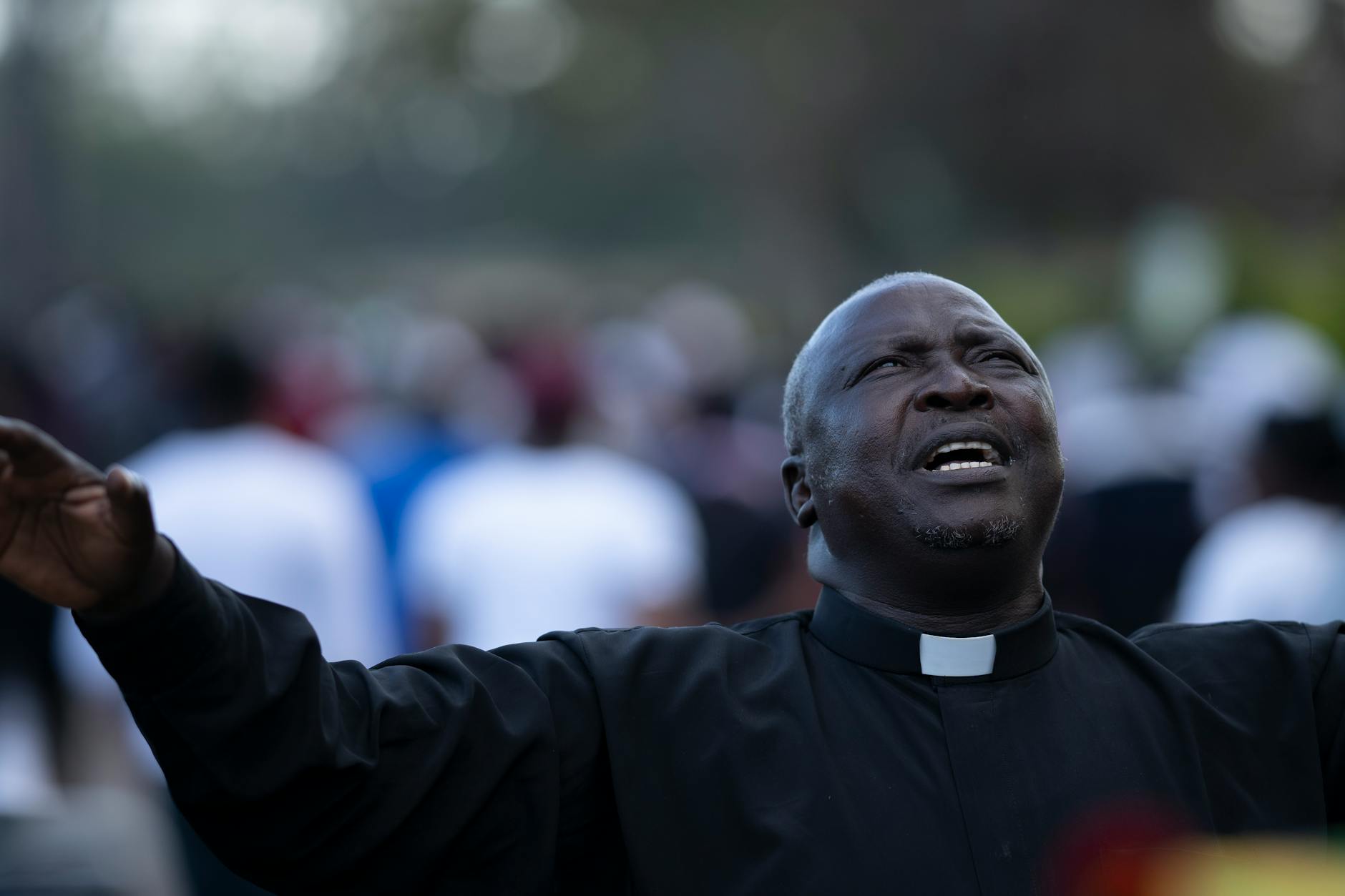
Dilemma: Spiritual Dissonance

Photo by Kureng Workx on Pexels.com

Spiritual dissonance is one of the most profound inner conflicts a believer can endure. It arises when the faith one has been taught begins to feel at odds with the reality one experiences. For many, this creates a soul-deep tension: the church proclaims one truth, life reveals another; the preacher preaches patience, but the system requires resistance; the scripture declares freedom, yet oppression remains constant. In this way, spiritual dissonance becomes not only a personal struggle but a communal and historical phenomenon.


The Psychological Roots of Spiritual Dissonance
Psychologist Leon Festinger (1957) defined cognitive dissonance as the discomfort people feel when holding conflicting beliefs, values, or attitudes. Applied to the spiritual realm, this discomfort becomes spiritual dissonance—when doctrine, religious community, or cultural interpretation does not align with the believer’s lived reality. A person may believe in a just God, but daily encounters with injustice create a psychological rift that requires resolution.

Historical Foundations in Black Faith
For African-descended people, spiritual dissonance has been a constant companion since slavery. Enslaved Africans were forced to adopt a distorted Christianity that justified bondage, yet in secret they reinterpreted scripture to emphasize liberation. The enslavers preached, “Servants, obey your masters” (Ephesians 6:5, KJV), while the oppressed clung to Exodus: “Let my people go.” This duality produced dissonance but also resilience, birthing a liberating faith that survived even the harshest conditions.

The Golden Example of Exodus
The children of Israel serve as a biblical mirror to the African American experience. Just as the Israelites cried out in Egypt, Black people in America have cried out against centuries of bondage and systemic oppression. The Israelites’ struggle to reconcile God’s promises with their suffering reflects the same dissonance that African Americans wrestle with today. Faith says deliverance will come; history reveals delay.

The Prophets and the Pain of Contradiction
Biblical prophets like Jeremiah and Habakkuk embodied spiritual dissonance. Jeremiah lamented, “Why doth the way of the wicked prosper?” (Jeremiah 12:1, KJV). Habakkuk cried, “O Lord, how long shall I cry, and thou wilt not hear!” (Habakkuk 1:2, KJV). These questions echo in the modern believer’s heart when faced with systemic racism, poverty, or violence. Spiritual dissonance is therefore not new; it is embedded in the history of faith itself.

Faith Weaponized vs. Faith Liberating
One of the deepest sources of spiritual dissonance is the weaponization of religion. Faith has been used to justify colonization, slavery, and segregation, even while also being the source of songs of hope, civil rights movements, and liberation theology. The contradiction between faith as oppression and faith as liberation forces the believer to sift truth from distortion, separating God’s voice from man’s manipulation.

Spiritual Dissonance in Daily Survival
The dissonance does not remain abstract—it impacts daily life. A Black man told to “trust God” while he cannot find work due to systemic discrimination experiences a tearing within his spirit. A young woman taught that beauty is “purity” struggles when society devalues her dark skin. A mother praying for her son’s safety confronts the contradiction of believing in divine protection while watching police violence claim lives.

The Emotional Toll
The weight of unresolved spiritual dissonance can lead to guilt, depression, and feelings of abandonment. Believers may question their worthiness, assuming that their doubts signify a lack of faith. Others suppress their questions out of fear of rejection by their community. Yet silence often deepens the wound, creating a cycle of internal unrest that can persist for years.

Strategies of Suppression
To cope, many believers adopt strategies of suppression. Some avoid asking hard questions, clinging to rituals for comfort rather than transformation. Others compartmentalize—acting pious in public but wrestling with doubt in private. While these strategies may provide temporary relief, they rarely resolve the root tension, leaving spiritual dissonance unresolved.

The Potential for Growth
Yet within dissonance lies the seed of transformation. Just as a dissonant chord in music eventually resolves to harmony, spiritual dissonance can push believers toward deeper truth. By wrestling with contradictions, individuals often emerge with a stronger, more authentic faith. Jacob, who wrestled with the angel, declared, “I will not let thee go, except thou bless me” (Genesis 32:26, KJV). Likewise, the believer who wrestles with spiritual contradictions may emerge with a renewed identity and a more resilient faith.

Modern Expressions of Resolution
Today, many resolve spiritual dissonance by reinterpreting scripture through the lens of justice and liberation. Black liberation theology, articulated by James H. Cone (1970), reframed Christianity not as a tool of oppression but as a gospel of freedom for the oppressed. Others turn to community-based worship spaces that reflect inclusivity, cultural pride, and healing. These modern expressions demonstrate that resolution is not abandonment but reclamation.

The Role of Community in Healing
Spiritual dissonance often isolates, but healing requires community. Testimonies, shared struggles, and collective worship can remind believers that their doubts are not unique. When communities allow room for honest questions, they create space for reconciliation rather than repression. The Black church at its best embodies this model, serving as both a site of lament and a source of empowerment.

Spiritual Dissonance and Cultural Identity
At its core, spiritual dissonance is also tied to identity. A faith that denies one’s cultural reality becomes unlivable. For African Americans, reclaiming African heritage alongside Christian belief is one way to bridge the gap. By recognizing that spiritual identity includes culture, history, and ancestry, believers create a holistic faith that reflects both God’s image and their lived experience.

The Cross as a Symbol of Dissonance
Perhaps the greatest biblical image of spiritual dissonance is the cross. Jesus himself cried, “My God, my God, why hast thou forsaken me?” (Matthew 27:46, KJV). The Son of God experienced abandonment at the very moment of sacrifice. Yet, from that dissonance emerged resurrection and new life. In this way, spiritual dissonance does not negate faith; it refines it.

Conclusion
Spiritual dissonance is not a sign of weak faith but a mark of honest faith. It reflects the courage to question, wrestle, and seek alignment between belief and reality. For African-descended people, it has been both burden and blessing, shaping a theology of liberation in the face of oppression. As Paul reminds us, “work out your own salvation with fear and trembling” (Philippians 2:12, KJV). It is in the trembling, in the questioning, in the dissonance, that faith becomes authentic and transformative.

Trials, Tribulations, and the Journey Back to God

The Bible reminds us that life is not without suffering. Trials and tribulations are not accidents, nor are they meaningless. Instead, they are the fire through which faith is refined. Jesus Himself warned His disciples: “In the world ye shall have tribulation: but be of good cheer; I have overcome the world” (John 16:33, KJV). These words anchor us in the truth that adversity is not a sign of abandonment but a tool for shaping the believer’s soul.

The Testing of Faith
Every trial tests the depth of our faith. James 1:2–3 tells us to “count it all joy when ye fall into divers temptations; Knowing this, that the trying of your faith worketh patience.” Trials expose what lies within us—the hidden doubts, fears, and even sinful attachments we cling to. Without tests, we might never recognize how deeply we depend on God’s mercy and strength.

The Pain of Sin
Sin itself creates wounds that often become trials in our lives. Scripture says, “the wages of sin is death” (Romans 6:23), not just physical death, but also separation from God, broken relationships, guilt, and shame. Our sins hurt us because they distort our identity, cloud our judgment, and invite consequences that linger long after the act itself. Yet even in that pain, God’s discipline is redemptive: “For whom the Lord loveth he chasteneth” (Hebrews 12:6). He allows us to feel the sting of sin not to destroy us, but to drive us back into His presence.

Why God Allows Tribulations
Trials are permitted because they produce spiritual maturity. Just as gold is purified through fire, believers are refined through hardship. Job’s life illustrates this truth. Though stripped of wealth, children, and health, Job declared, “When he hath tried me, I shall come forth as gold” (Job 23:10). Suffering, when endured with faith, cleanses us of pride, deepens our humility, and makes us vessels more prepared for God’s purpose.

Getting Closer to God in Hardship
The path back to God begins with repentance. Acts 3:19 instructs us: “Repent ye therefore, and be converted, that your sins may be blotted out, when the times of refreshing shall come from the presence of the Lord.” Repentance is not merely regret—it is a turning of the heart and the will, away from sin and toward obedience.

Second, we must seek God through prayer and scripture. In moments of trial, David cried out, “Create in me a clean heart, O God; and renew a right spirit within me” (Psalm 51:10). Scripture study and prayer reorient us when the world feels unsteady.

Third, believers must embrace obedience and discipline. Jesus said, “If ye love me, keep my commandments” (John 14:15). Obedience turns faith from words into action. It is through aligning our lives with God’s Word that we draw near to Him.

The Promise of Restoration
Though trials are painful, God promises restoration. Peter assures us: “But the God of all grace, who hath called us unto his eternal glory by Christ Jesus, after that ye have suffered a while, make you perfect, stablish, strengthen, settle you” (1 Peter 5:10). The suffering is temporary, but the growth and closeness to God it produces are eternal.


In Summary:

  • We will face trials and tribulations—they are tests of faith.
  • Our sins hurt us, but God allows conviction so that we turn back to Him.
  • Repentance, prayer, scripture, and obedience are the steps that bring us closer to God.
  • The end result of trials is not destruction, but restoration and strength in Him.

📚 References

  • Cone, J. H. (1970). A Black Theology of Liberation. Orbis Books.
  • Festinger, L. (1957). A Theory of Cognitive Dissonance. Stanford University Press.
  • Lincoln, C. E., & Mamiya, L. H. (1990). The Black Church in the African American Experience. Duke University Press.
  • Williams, D. S. (1993). Sisters in the Wilderness: The Challenge of Womanist God-Talk. Orbis Books.
  • King James Bible