The journey of the Black woman is a complex tapestry woven with strands of resilience, faith, pain, and perseverance. Her voice, often muted by systemic oppression, resonates with both the echoes of ancestral struggle and the melody of survival. Despite her indispensable role in the shaping of societies, the Black woman remains caught between visibility and invisibility, celebrated yet silenced, desired yet devalued. This essay examines the layered dilemmas Black women face, focusing on silencing and gaslighting, mental health taboos, and generational trauma, while drawing upon psychology and the King James Bible (KJV) for insight and pathways toward healing.
Black women occupy a paradoxical position in society: they are both invisible and indispensable. Their labor has historically undergirded economies, families, and communities, yet their voices, bodies, and contributions are often dismissed or appropriated. This dilemma—rooted in slavery and perpetuated through systemic inequities—has created a cycle of resilience and exhaustion. Black women are expected to give endlessly while being denied the recognition and care they deserve. As scholar bell hooks (1981) argued, the exploitation of Black women’s labor is foundational to both racism and patriarchy, rendering them crucial yet overlooked participants in social progress.
The Price of Being Heard: Silencing and Gaslighting of Black Women’s Voices
One of the most profound challenges Black women face is the silencing of their voices. Whether in corporate boardrooms, political arenas, or healthcare settings, Black women are often dismissed, interrupted, or told their concerns are exaggerated. The tragic case of Serena Williams—who was ignored by medical staff during childbirth complications—illustrates how even wealthy, high-profile Black women experience silencing. Psychologically, this dismissal results in gaslighting: being made to question one’s reality or truth. Biblically, silencing echoes the injustice condemned in Proverbs 31:8 (KJV): “Open thy mouth for the dumb in the cause of all such as are appointed to destruction.” Scripture affirms that truth-telling is both a moral responsibility and a sacred act, underscoring the need to honor Black women’s testimonies.
Psychology of Silencing
From a psychological standpoint, constant silencing creates cognitive dissonance and internalized self-doubt. Research shows that being unheard increases anxiety and depressive symptoms, while persistent microaggressions erode self-esteem (Sue, 2010). For Black women, the compounded effect of race and gender means their silence is not merely personal but systemic. Overcoming this requires validating their voices, establishing platforms where they are centered, and teaching communities to listen with humility rather than defensiveness.
Solutions for Amplification
To counteract silencing, Black women must be given space in leadership, policy, and media representation. Mentorship programs, advocacy networks, and deliberate inclusion in decision-making structures can elevate voices long ignored. Churches and communities must also challenge patriarchal norms that discourage women from speaking openly. The Apostle Paul’s reminder in Galatians 3:28 (KJV)—“There is neither Jew nor Greek, there is neither bond nor free, there is neither male nor female: for ye are all one in Christ Jesus”—calls for dismantling hierarchies that devalue women’s contributions.
Black Women and Mental Health: Breaking the Taboo of Therapy and Healing
Mental health remains a taboo subject within many Black communities. Generational teachings to “pray it away” or “stay strong” have discouraged women from seeking professional help. The stigma is compounded by historical medical racism, such as the exploitation of Black bodies in the Tuskegee experiments. Psychologically, suppression of emotional struggles manifests as anxiety, depression, and even somatic illnesses like hypertension. Woods-Giscombé (2010) notes that the “Superwoman Schema” forces Black women to conceal vulnerability, worsening mental health outcomes.
Biblical and Psychological Perspective on Healing
The Bible affirms the importance of rest, restoration, and vulnerability. Matthew 11:28 (KJV) declares: “Come unto me, all ye that labour and are heavy laden, and I will give you rest.” This scripture reminds Black women that God does not demand unending strength but invites them into divine rest. Psychologically, therapy provides tools to unpack trauma, process grief, and build resilience. When paired with faith, therapy becomes not a contradiction to spirituality but a complement to healing.
Breaking the Stigma: Examples and Solutions
Examples of progress include the growing movement of Black female therapists, such as Dr. Joy Harden Bradford, founder of Therapy for Black Girls, which normalizes counseling within the community. Support groups, church-based wellness ministries, and culturally competent therapists are helping women dismantle stigma. Overcoming silence around mental health requires both education and representation—seeing women who look like them embrace therapy validates its importance.
Daughters of the Diaspora: Carrying Generational Trauma and Triumph
Black women also bear the dual inheritance of generational trauma and triumph. The legacies of slavery, colonization, and Jim Crow laws passed down unresolved pain—manifesting in patterns of fear, hypervigilance, and mistrust (DeGruy, 2005). At the same time, the triumph of survival, creativity, and spiritual faith continues to shape diasporic identity. For instance, the resilience of mothers and grandmothers who held families together amid oppression reflects triumph woven into trauma. This paradox forms the heart of diasporic womanhood: carrying both burden and brilliance.
Psychology of Intergenerational Trauma
Intergenerational trauma is supported by epigenetic research showing that stress can alter genetic expressions, passing heightened vulnerability to descendants (Yehuda & Lehrner, 2018). For Black women, inherited trauma manifests in hyper-responsibility, guardedness, and sometimes mistrust in relationships. Yet resilience is also passed down, enabling survival and cultural creativity. Psychologists argue that acknowledging both trauma and triumph is critical for holistic healing.
Biblical Understanding of Generational Struggles
The Bible acknowledges generational consequences: “Visiting the iniquity of the fathers upon the children unto the third and fourth generation” (Exodus 20:5, KJV). Yet it also emphasizes redemption: “But the mercy of the Lord is from everlasting to everlasting upon them that fear him” (Psalm 103:17, KJV). For Black women, this means generational pain is real but not final. Faith and intentional healing practices can break cycles of suffering.
Practical Solutions for Diasporic Healing
Healing generational trauma requires storytelling, therapy, and cultural reclamation. Practices such as oral history projects, mother-daughter healing circles, and reconnecting with African heritage provide pathways to empowerment. Community spaces that celebrate Black culture, music, and spirituality affirm the triumph that accompanies trauma. For example, the Gullah traditions in South Carolina preserve ancestral memory, providing cultural pride and connection.
Invisible Yet Indispensable: The Labor of Black Women
Throughout history, Black women have been the backbone of families, churches, and economies. From enslaved women sustaining households to domestic workers of the 20th century, their labor has often been invisible yet essential. Even today, Black women disproportionately fill caregiving roles—nurses, teachers, social workers—while also leading grassroots activism. Their indispensability, however, is rarely matched with recognition or protection. Ecclesiastes 3:13 (KJV) reminds us: “Every man should eat and drink, and enjoy the good of all his labour, it is the gift of God.” This affirms the dignity of labor that must be extended to Black women.
The Psychology of Overwork and Recognition
Psychologically, the invisibility of labor leads to burnout, resentment, and internalized feelings of worthlessness. When contributions are undervalued, women experience the psychological toll of invisibility—feeling unseen despite being overextended. Overcoming this requires systemic recognition of Black women’s work, pay equity, and shared household responsibilities. Within communities, honoring Black women means affirming their contributions without exploiting their endurance.
Toward Healing and Liberation
In overcoming these dilemmas, Black women must reclaim vulnerability, embrace therapy, and center their voices. Society must amplify rather than silence, honor rather than exploit, and protect rather than disregard. As Paul writes in 2 Corinthians 12:9 (KJV): “My grace is sufficient for thee: for my strength is made perfect in weakness.” This verse reframes weakness not as failure but as the gateway to divine empowerment. Solutions lie in a holistic embrace of faith, psychology, and cultural resilience—recognizing that Black women’s survival is not enough; their flourishing is essential for the healing of communities.
References
bell hooks. (1981). Ain’t I a woman? Black women and feminism. South End Press.
DeGruy, J. (2005). Post Traumatic Slave Syndrome: America’s legacy of enduring injury and healing. Uptone Press.
Sue, D. W. (2010). Microaggressions in everyday life: Race, gender, and sexual orientation. Wiley.
Woods-Giscombé, C. L. (2010). Superwoman schema: African American women’s views on stress, strength, and health. Qualitative Health Research, 20(5), 668–683.
Yehuda, R., & Lehrner, A. (2018). Intergenerational transmission of trauma effects: Putative role of epigenetic mechanisms. World Psychiatry, 17(3), 243–257.
The Search for a Good Man: Black Women, Marriage, and the Complexities of Modern Love
💍💍💍
“Whoso findeth a wife findeth a good thing, and obtaineth favour of the Lord.” —Proverbs 18:22 (KJV)
Marriage remains a central social and spiritual institution in human society. For Black women, however, marriage patterns in the United States reveal complex dynamics. According to U.S. Census Bureau data, approximately 26% of Black women are married, compared to 46% of White women (U.S. Census Bureau, 2022). Inversely, about never-married Black women outnumber never-married Black men (47% vs. 36%) (Pew Research Center, 2019). These disparities have spurred scholarly inquiry into why marriage rates among Black women are significantly lower. Biblically, Proverbs 18:22 declares, “Whoso findeth a wife findeth a good thing, and obtaineth favour of the Lord” (KJV), framing marriage as a man’s pursuit of divine favor. Psychologically and socially, the challenge lies in distinguishing between men of character and those who embody destructive traits, and in navigating a dating culture that complicates authentic connections.
The Typologies of Men in Contemporary Relationships
Women searching for suitable partners must navigate a landscape of varied male typologies. The cheater or adulterer undermines covenantal trust, directly contradicting the biblical prohibition: “Thou shalt not commit adultery” (Exodus 20:14, KJV). The fornicator embodies sexual impulsivity without commitment, ignoring Paul’s admonition to “flee fornication” (1 Corinthians 6:18, KJV). The narcissist, often described in psychological literature as possessing inflated self-importance and lack of empathy (American Psychiatric Association, 2013), emotionally manipulates women who seek validation. By contrast, the provider offers material stability but may lack emotional or spiritual leadership. The rare godly man mirrors Ephesians 5:25: “Husbands, love your wives, even as Christ also loved the church, and gave himself for it” (KJV). This typology underscores the biblical model of selfless love and spiritual leadership.
Why Women Struggle to Find a Good Man
The difficulty of finding a good man is rooted in intersecting cultural, psychological, and spiritual factors. First, structural issues such as mass incarceration and economic disparities disproportionately limit the pool of available Black men (Alexander, 2010). Psychologically, many men wrestle with commitment avoidance, stemming from fear of responsibility or unresolved childhood trauma (Levine & Heller, 2010). Spiritually, the erosion of biblical morality normalizes fornication, adultery, and dishonor toward women. Women, in turn, may compromise standards out of loneliness, desperation, or low self-esteem, exposing themselves to unhealthy relationships. Proverbs 31:10 raises the question, “Who can find a virtuous woman? for her price is far above rubies” (KJV)—a reminder that the search for virtue applies to both genders.
The Dangers of Dating Apps and Digital Courtship
The rise of dating apps has introduced new challenges to relational stability. Psychologists describe these platforms as “paradox of choice environments,” where endless swiping fosters superficial attraction and decision fatigue (Finkel et al., 2012). Statistically, while 30% of U.S. adults report using dating apps, only 12% of app users enter long-term marriages or partnerships (Pew Research Center, 2020). For Black women, these platforms often exacerbate racial biases, as studies indicate they are rated less favorably in dating algorithms compared to other racial groups (Robnett & Feliciano, 2011). Biblically, this environment mirrors the warning in 2 Timothy 3:6–7 about being “led away with divers lusts.” Digital dating frequently emphasizes lust-driven choice over spiritual discernment, making it a “cesspool” of temporary encounters rather than covenantal unions.
What is a Good Man?
From a biblical perspective, a “good man” embodies righteousness, faith, and stability. Psalm 37:23 declares, “The steps of a good man are ordered by the Lord” (KJV), implying spiritual alignment and divine guidance. In psychological terms, a good man demonstrates emotional intelligence, empathy, responsibility, and consistent character (Goleman, 1995). He is capable of both providing for and nurturing his partner, balancing strength with gentleness. In marital context, a good husband aligns with Ephesians 5:28: “So ought men to love their wives as their own bodies. He that loveth his wife loveth himself” (KJV). Thus, the definition of a good man transcends financial provision—it requires integrity, emotional maturity, and godliness.
Why Some Black Women Remain Unmarried
Despite their achievements, many Black women struggle to marry due to structural and personal barriers. Sociologists note that Black women are the most educated group of women in the United States, yet higher educational attainment narrows their pool of potential Black male partners (U.S. Department of Education, 2021). Additionally, many women are caught in cycles of unhealthy attachment—dating married men or narcissists—leading to psychological harm. Research shows that women involved in affairs with married men often suffer depression, shame, and prolonged low self-esteem due to secrecy and lack of commitment (Glass & Wright, 1992). Spiritually, such entanglements are destructive: Hebrews 13:4 warns that “whoremongers and adulterers God will judge” (KJV).
Where and How Women Can Position Themselves to Be Found
Proverbs 18:22 underscores that marriage is not about women chasing men but about men, under God’s guidance, finding wives. This principle challenges modern culture where women often pursue men directly. Instead, women should position themselves by cultivating virtue, wisdom, and godliness, much like Ruth did in the fields where Boaz noticed her (Ruth 2). Psychology supports this: individuals with secure attachment styles are more likely to form healthy, lasting marriages (Mikulincer & Shaver, 2016). Thus, women must develop spiritual grounding, self-respect, and patience, trusting that the right man will pursue them in alignment with God’s order.
Hope and Solutions
Though modern dating culture presents obstacles, hope remains. A return to biblical principles of courtship, virtue, and male spiritual leadership provides a framework for healthy marriages. Women can protect themselves by setting boundaries, avoiding desperation, and seeking partners in godly environments—such as churches, community service, and faith-based networks—rather than solely through dating apps. The solution lies not in lowering standards but in elevating expectations to align with God’s design for marriage. In doing so, women increase the likelihood of encountering men who embody godliness, responsibility, and true love. Ultimately, the promise of Jeremiah 29:11 reassures, “For I know the thoughts that I think toward you, saith the Lord, thoughts of peace, and not of evil, to give you an expected end” (KJV).
References
Alexander, M. (2010). The new Jim Crow: Mass incarceration in the age of colorblindness. New Press.
American Psychiatric Association. (2013). Diagnostic and statistical manual of mental disorders (5th ed.). APA.
Finkel, E. J., Eastwick, P. W., Karney, B. R., Reis, H. T., & Sprecher, S. (2012). Online dating: A critical analysis from the perspective of psychological science. Psychological Science in the Public Interest, 13(1), 3–66.
Glass, S. P., & Wright, T. L. (1992). Justifications for extramarital relationships: The association between attitudes, behaviors, and gender. Journal of Sex Research, 29(3), 361–387.
Goleman, D. (1995). Emotional intelligence. Bantam Books.
Levine, A., & Heller, R. (2010). Attached: The new science of adult attachment and how it can help you find—and keep—love. TarcherPerigee.
Mikulincer, M., & Shaver, P. R. (2016). Attachment in adulthood: Structure, dynamics, and change. Guilford Press.
Pew Research Center. (2019). Marriage and cohabitation in the U.S.
Pew Research Center. (2020). The virtues and downsides of online dating.
Robnett, B., & Feliciano, C. (2011). Patterns of racial-ethnic exclusion by gender on online dating sites. Social Forces, 89(3), 807–828.
U.S. Census Bureau. (2022). Current Population Survey, Annual Social and Economic Supplement.
U.S. Department of Education. (2021). Condition of Education.
Few betrayals cut as deeply as the experience of helping a man rise—emotionally, financially, or spiritually—only for him to walk away when stability is achieved. For many women, this feels not only like the loss of a relationship but also a negation of their sacrifices. This phenomenon has been widely observed, from everyday relationships to celebrity breakups. It is both a psychological and spiritual matter, rooted in human nature’s complexities and moral failings. The KJV Bible reminds us in Jeremiah 17:9, “The heart is deceitful above all things, and desperately wicked: who can know it?”
The Psychology Behind It
Psychologically, men who leave the women who supported them often operate from entitlement, avoidance of accountability, or narcissism. Narcissistic Personality Disorder (American Psychiatric Association, 2013) is marked by a lack of empathy, an inflated sense of self-importance, and exploitation of others without guilt. In some cases, the man may see the woman as a stepping stone rather than a lifelong partner. Once he attains his desired position in life, he may pursue someone who fits a different image of his “ideal” self, driven by status or ego. Relationship research also shows that people sometimes “trade up” based on perceived social, physical, or financial gain (Klohnen & Luo, 2003).
What the Bible Says
Scripture warns against exploiting kindness for selfish gain. Proverbs 17:13 states, “Whoso rewardeth evil for good, evil shall not depart from his house.” The Bible also advises discernment, teaching in Matthew 7:6, “Give not that which is holy unto the dogs, neither cast ye your pearls before swine.” A man of godly character will value loyalty and reciprocity, whereas an unfaithful or self-serving man will take blessings without gratitude. In biblical terms, a man who leaves a faithful, supportive woman without cause is acting in unrighteousness.
Ten Things a Woman Should Never Do for a Man
To guard against exploitation, a woman should be mindful of her boundaries. Ten things she should avoid doing include:
Sacrificing her faith for his comfort.
Funding his lifestyle without accountability.
Abandoning her career or education for him prematurely.
Ignoring red flags in his behavior.
Co-signing loans or legal agreements irresponsibly.
Overextending emotional labor without reciprocity.
Moving in without commitment or covenant.
Isolating from friends and family for him.
Compromising moral standards to please him.
Placing his dreams above her God-given purpose.
Why People Move On: A Celebrity Example
Celebrity relationships often magnify this pattern. One example is singer Jennifer Hudson’s breakup with David Otunga. While details are private, public narratives suggested that dynamics shifted once fame, status, and financial stability were at play. In less publicized cases, men may leave because they associate their earlier struggles with the woman who helped them, and subconsciously desire a “fresh start” with someone new. This is less about the woman’s worth and more about the man’s inability to reconcile his past with his present self-image.
What a Woman Should Do After It Happens
When this happens, the first step is to resist taking it personally. His departure speaks more about his character than your value. The Bible offers comfort in Psalm 34:18: “The Lord is nigh unto them that are of a broken heart; and saveth such as be of a contrite spirit.” Psychologically, healing involves self-care, seeking support from trusted friends or counselors, and reframing the experience as a lesson rather than a life sentence. Reinvest energy into personal growth, passions, and faith rather than chasing closure from someone unwilling to provide it.
Conclusion: Moving Forward in Wisdom
Ultimately, a man who leaves the woman who helped him rise is revealing his lack of maturity, gratitude, or spiritual grounding. This behavior often stems from unresolved insecurities, narcissistic tendencies, or selfish ambition. The KJV Bible encourages discernment, wisdom, and guarding one’s heart (Proverbs 4:23). Women who understand the psychology behind such actions can avoid misplaced guilt and instead recognize their own resilience. The goal is not to harden one’s heart, but to grow wiser, setting boundaries that protect both dignity and emotional well-being.
References
American Psychiatric Association. (2013). Diagnostic and statistical manual of mental disorders (5th ed.). Arlington, VA: American Psychiatric Publishing.
Klohnen, E. C., & Luo, S. (2003). Interpersonal attraction and personality: What is attractive—self-similarity, ideal similarity, complementarity or attachment security? Journal of Personality and Social Psychology, 85(4), 709–722.
“Black brother, strong brother, there is no one above ya” — Angie Stone, Brotha (2001)
Emotional expression refers to the outward communication of one’s internal emotional state—through words, facial expressions, tone, and body language. For Black men, this expression is often constrained by cultural, historical, and societal expectations that demand strength at the expense of vulnerability. Stoicism, in its original philosophical sense, teaches emotional restraint and rational control. However, in the context of Black masculinity, it has often been twisted into an unhealthy suppression of feelings, rooted in survival strategies dating back to slavery and reinforced by modern racism. As Ecclesiastes 3:4 (KJV) reminds us, there is “a time to weep, and a time to laugh; a time to mourn, and a time to dance.” Yet for too many Black men, the “time to weep” is denied in public life.
Historically, the stoic posture of Black men in America can be traced to the plantation era, where emotional displays could be perceived as weakness and invite punishment or exploitation. During slavery, the ability to mask fear, pain, or grief became a survival mechanism—what psychologists today would call emotional numbing. Frederick Douglass (1845) wrote of witnessing the brutal whipping of his aunt and the necessity of learning to conceal his own terror in order to endure. This learned restraint did not vanish with emancipation. The Jim Crow era reinforced the necessity of composure; Black men’s very survival often depended on their ability to appear non-threatening and emotionally controlled in the face of racial aggression.
From a psychological perspective, stoicism in Black men today reflects both resilience and risk. The American Psychological Association (2019) notes that emotional suppression can lead to increased rates of depression, anxiety, cardiovascular disease, and substance abuse. Black men, compared to Black men in African or Caribbean nations, often navigate a uniquely racialized landscape in the United States—where systemic oppression is compounded by media stereotypes portraying them as hyper-aggressive or emotionally detached. In contrast, while colorism and colonial influence exist globally, Black men in countries like Ghana, Nigeria, or Jamaica may face less daily exposure to white-dominated cultural narratives that frame their masculinity as threatening.
Upbringing plays a crucial role in shaping emotional expression. Many Black boys in America are socialized from a young age to “man up,” “stop crying,” or “be strong,” messages passed down from fathers and grandfathers who themselves were taught that vulnerability invites danger. This intergenerational transmission of stoicism—similar to generational trauma—has deep roots in both historical necessity and the internalization of white supremacist standards of manhood. In psychology, this is known as emotional socialization, and it explains why many Black men may default to guardedness even in safe, intimate spaces. Proverbs 17:22 (KJV) teaches, “A merry heart doeth good like a medicine: but a broken spirit drieth the bones.” Yet for too many, the broken spirit is left untreated because society demands they remain stoic.
Breaking the chains of stoicism requires both cultural and systemic shifts. Black men must be empowered to see emotional expression not as a threat to their masculinity but as an essential part of their humanity. Community-based mental health programs, representation of emotionally vulnerable Black men in media, and faith-based teachings that affirm God’s concern for the whole person—mind, body, and soul—are vital. Historically, movements like the Harlem Renaissance and the speeches of leaders like Martin Luther King Jr. modeled emotional depth without weakness. In reclaiming the full range of emotional expression, Black men honor both their ancestral resilience and their right to live fully, without the burden of a mask.
References
American Psychological Association. (2019). APA guidelines for psychological practice with boys and men. https://www.apa.org
Douglass, F. (1845). Narrative of the Life of Frederick Douglass, an American Slave. Anti-Slavery Office.
Psychonegrosis (from: psyche = mind, negro = Black identity, -osis = condition) is a coined term describing a psychological and spiritual condition affecting some individuals of African descent. It is characterized by deep-seated identity distortion, internalized oppression, and a disoriented sense of cultural loyalty. This condition is a byproduct of prolonged racial trauma, beginning with slavery and colonialism, and sustained by systemic racism and Eurocentric social conditioning.
Psychonegrosis is a cultural-psychological disorder marked by disruptions in identity, values, and behavior among people of African descent who have internalized ideologies imposed by dominant foreign cultures. It manifests in:
Distorted self-perception
Idealization of non-Black cultures, especially Anglo-European norms (xenophilia)
Rejection or devaluation of one’s own heritage
Conflicted loyalties between their identity and the imposed dominant culture
Behavioral and emotional dissonance, including escapism, self-hate, and contradictory thinking
This disorder varies in severity and expression, often presenting as:
Adoption of non-African religious systems without cultural grounding
Self-deprecation or anti-Black rhetoric
Hyper-identification with Eurocentric aesthetics, ideologies, and moral frameworks
Sexual and social preferences rooted in racial self-denial
Dependence on or excessive regard for validation from non-Black institutions or communities
Historical Origins
The roots of psychonegrosis trace back to chattel slavery, colonial indoctrination, and the forced erasure of African identity.
📖 Willie Lynch Letter (alleged, 1712) — While debated for its authenticity, it outlines a system of psychological conditioning that encouraged division and dependency among enslaved Africans to ensure long-term control.
📖 Frantz Fanon, Black Skin, White Masks (1952): Fanon described the internal conflict experienced by colonized people who unconsciously adopt the worldview of their oppressors, leading to a fractured identity.
📖 W.E.B. Du Bois’ concept of “Double Consciousness” (1903): Describes the struggle of African Americans who see themselves through both their own cultural lens and the eyes of a racist society, creating internal conflict and social paralysis.
Enslaved Africans were not only forced to work, but also subjected to psychological warfare: taught to hate their features, languages, religions, and each other. This multi-generational trauma was not healed but passed down—unconsciously replicated through institutions, media, and educational systems designed to uphold white superiority and devalue Black identity.
Modern Manifestations
Today, psychonegrosis continues to show up in subtle and overt ways:
Deprecating one’s own racial group while celebrating others
Spiritual disconnection, especially when abandoning ancestral traditions for alienating religious ideologies
Sexual preferences shaped by racialized self-hate or colonized beauty standards
Cognitive dissonance—praising Black excellence while participating in systems or ideas that dismantle it
Dependency on white-led institutions for validation, success, or rescue
Liberal tokenism that seeks inclusion over liberation, appeasement over transformation
Cultural Implications and Healing
The effects of psychonegrosis are not limited to individuals—they ripple through communities. When left unaddressed, this condition perpetuates cycles of invisibility, inferiority, and inaction.
🔹 Steps Toward Healing Include:
Reclamation of identity – Studying and embracing African history, traditions, and spirituality
Critical consciousness – Recognizing and rejecting Eurocentric programming
Therapy and cultural counseling – Especially trauma-informed care for historical wounds
Collective upliftment – Building institutions, families, and communities centered in Black values
Spiritual restoration – Reconnecting with ancestral roots, divine purpose, and communal healing
📖 Hosea 4:6 (KJV):“My people are destroyed for lack of knowledge.”
Conclusion
Psychonegrosis is not a clinical diagnosis, but rather a cultural critique and symbolic framework for understanding the deep psychological scars left by colonization and racism. Recognizing it is the first step to liberating the mind. It calls on people of African descent to redefine beauty, reclaim their history, and reconnect with their divine identity.
📖 Romans 12:2 (KJV):“Be not conformed to this world: but be ye transformed by the renewing of your mind.”
Further Reading & References
Du Bois, W.E.B. (1903). The Souls of Black Folk
Fanon, Frantz (1952). Black Skin, White Masks
Akbar, Na’im (1984). Chains and Images of Psychological Slavery
Woodson, Carter G. (1933). The Mis-Education of the Negro
Ani, Marimba (1994). Yurugu: An African-Centered Critique of European Cultural Thought and Behavior
Myers, Linda James (1993). Understanding an Afrocentric Worldview
“A man once told me, after seeing me at the opera, ‘The moment you entered the room, I was paralyzed by your presence—your extraordinary beauty captivated me so completely, it was as if time stopped. The delicate way your dress embraced your hourglass form, the elegance of your silhouette, and the radiance in your big bedroom eyes made it impossible to look away. I silently vowed, in that moment, to honor your very footstep.’”
This experience is more than poetic admiration; it is a powerful display of what lust can awaken in the human mind and heart. The emotional and physical reaction of the man may seem romantic, but it is also a spiritual battleground—a war between appreciation and temptation, desire and self-control.
Sexual Sin: A Sacred Design Twisted
Sex was designed by the Most High as a holy covenant act within marriage, a physical and spiritual union between husband and wife. It is more than pleasure—it is worship, connection, and a symbol of divine intimacy.
📖 Hebrews 13:4 (KJV): “Marriage is honourable in all, and the bed undefiled: but whoremongers and adulterers God will judge.”
When misused, this sacred act becomes spiritually unlawful. All sex outside of marriage—whether fornication, adultery, or pornography—is considered sin and invites spiritual bondage.
The Origin and Nature of Sexual Sin
Sexual sin entered the world through the fall of Adam and Eve. Before sin, there was nakedness without shame (Genesis 2:25). Afterward, shame, secrecy, and lust corrupted the purity of sexual connection.
📖 1 Corinthians 6:18 (KJV): “Flee fornication. Every sin that a man doeth is without the body; but he that committeth fornication sinneth against his own body.”
What Is Fornication and Lust?
Fornication (Greek: porneia) is any sexual activity outside of marriage (1 Corinthians 6:9).
Lust is a desire that goes beyond admiration; it is coveting with the intent to possess, even if only in the mind.
📖 Matthew 5:28 (KJV): “But I say unto you, That whosoever looketh on a woman to lust after her hath committed adultery with her already in his heart.”
Men, Attraction, and the Brain
When a man sees a physically attractive woman, dopamine is released in the brain—a chemical associated with reward and pleasure. This activates areas tied to sexual arousal and fantasy. Without spiritual discipline, these desires can evolve from admiration into sinful lust and even addiction.
📖 Proverbs 6:25: “Lust not after her beauty in thine heart; neither let her take thee with her eyelids.”
Are Women More Prone to Sexual Sin or Addiction?
Sexual sin affects both men and women, but often in different ways:
🔹 Men are more visually stimulated, often falling into pornography, lust, or physical encounters.
🔹 Women, though traditionally thought more emotionally driven, are increasingly exposed to emotional and physical sexual temptations, especially through media, novels, and online platforms.
According to psychological studies:
Women today are almost equally vulnerable to pornography and sexual compulsions.
Many women report struggles with masturbation, fantasy, and emotional infidelity.
📖 Romans 3:23 (KJV): “For all have sinned, and come short of the glory of God.”
No gender is exempt from temptation. Sin is an equal-opportunity enslaver.
What Is Porn Addiction and Masturbation Spiritually?
🔹 Porn Addiction
Trains the brain to crave unrealistic sexual images
Leads to desensitization, broken relationships, and spiritual numbness
📖 Ephesians 5:12: “For it is a shame even to speak of those things which are done of them in secret.”
🔹 Masturbation
Involves lust and fantasy, often leading to guilt and isolation
Spiritually opens a door to demonic influence when fueled by unclean imagery
📖 1 Corinthians 10:8: “Neither let us commit fornication, as some of them committed, and fell in one day three and twenty thousand.”
🧠 Psychologically, this behavior releases high levels of dopamine, creating a cycle of dependency.
Lust: A Gateway to the Spirit Realm
Lust is more than a fleeting emotion. It is a spiritual doorway—a one-way invitation into your soul.
Lust does not remain in the mind. It is a spiritual transaction. When you lust, you give permission for spirits of lust, addiction, and perversion to enter your life. These unclean spirits enslave the mind and body, leading to shame, brokenness, and spiritual death.
📖 James 1:14–15: “Every man is tempted, when he is drawn away of his own lust… then when lust hath conceived, it bringeth forth sin.”
Sex Within Marriage: Divine Worship
Sex in marriage is not only a physical act—it is a form of worship, a spiritual celebration of covenant love. The Most High intended sex to build intimacy, unity, and joy between husband and wife. Outside of marriage, that same act becomes a tool for destruction.
📖 Genesis 2:24: “Therefore shall a man leave his father and his mother, and shall cleave unto his wife: and they shall be one flesh.”
Common Sexual Sins in Scripture
Fornication (1 Corinthians 6:18)
Adultery (Exodus 20:14)
Homosexual acts (Leviticus 18:22)
Incest (Leviticus 18)
Bestiality (Leviticus 18:23)
Lust (Matthew 5:28)
Prostitution (Proverbs 6:26)
Pornography/Fantasy (Implied in Matthew 5:28)
How to Overcome Sexual Lust
🔹 Biblical Methods
Flee temptation (2 Timothy 2:22)
Renew your mind daily (Romans 12:2)
Pray and fast (Matthew 17:21)
Confess and repent (1 John 1:9)
Walk in the Spirit (Galatians 5:16)
🔹 Mental and Practical Methods
Avoid triggers (movies, social media, music)
Seek accountability partners or counselors
Replace temptation with purpose (exercise, service, worship)
Use CBT (Cognitive Behavioral Therapy) to reframe destructive patterns
Conclusion: Choose Holiness Over Compromise
Sexual sin is a powerful force—but it is not more powerful than God’s grace. While the enemy uses lust to destroy, God offers purity, redemption, and strength.
📖 1 Thessalonians 4:3–5 (KJV): “For this is the will of God, even your sanctification, that ye should abstain from fornication… not in the lust of concupiscence, even as the Gentiles which know not God.”
You are not alone in this fight. Through Christ, you can walk in freedom, holiness, and peace—restoring the sacredness of your body and mind as a vessel of the Most High.
References:
The Holy Bible, King James Version (KJV)
Struthers, W. (2009). Wired for Intimacy: How Pornography Hijacks the Male Brain
Laaser, M. (2004). Healing the Wounds of Sexual Addiction
Patrick Carnes (2011). Out of the Shadows: Understanding Sexual Addiction
American Psychological Association (2020): “Sexual Behavior and the Brain”
The journey of the brown girl is a complex tapestry woven with strands of resilience, faith, pain, and perseverance. Her voice, often muted by systemic oppression, resonates with both the echoes of ancestral struggle and the melody of survival. Despite her indispensable role in the shaping of societies, the brown girl remains caught between visibility and invisibility, celebrated yet silenced, desired yet devalued.
This photograph is the property of its owner. No copyright infringement intended.
The Black woman stands at a unique intersection of race, gender, and historical complexity. She is a daughter of Africa, molded by centuries of cultural richness, yet shaped by the traumas of colonization, slavery, and systemic oppression. To define the Black woman is not merely to categorize her by phenotype or ethnicity but to acknowledge the multifaceted strength, resilience, and spiritual depth she embodies. Her existence is both a testimony of survival and a manifestation of divine creation.
She walks with shadows on her skin, Her crown denied, her truth made thin. Yet in her soul, a flame still burns, Toward God Most High, her spirit turns.
The Essence of the Black Woman
The Black woman is not a passive bystander in the human story. She is a survivor and a leader among women. She is not simply the product of oppression but the embodiment of legacy, faith, and hope. While the world has too often rendered her invisible, she has never ceased to shine. Her scars are not signs of weakness but marks of endurance. Her voice is not one of anger but of righteous truth. Her presence is not an afterthought—it is essential. To be a Black woman is to carry the weight of many worlds and still walk upright. It is to be defined not by trauma, but by triumph. It is to rise, again and again, from the ashes of injustice with wisdom in her mind, fire in her bones, and purpose in her soul.
The Origins and Legacy of the Black Woman
The roots of the Black woman run deep in the soil of the African continent, often referred to as the cradle of civilization. Long before the Middle Passage or the ravages of imperialism, she was revered as queen, healer, warrior, and nurturer. Ancient civilizations such as Kemet (Egypt) and Kush (Nubia) bear witness to her influence and power. Historical figures such as Makeda, the Queen of Sheba, and Yaa Asantewaa, the Ashanti warrior queen, represent the authority and intellect Black women wielded long before colonial narratives sought to reduce their value. In the diaspora, figures such as Harriet Tubman, Sojourner Truth, and Ida B. Wells continued this legacy of resistance, intellect, and spiritual resilience.
This sacred lineage was disrupted but not erased by slavery and systemic racism. She is CHOSEN. Even in bondage, the Black woman bore nations, preserved culture, and nurtured resistance. Her story is not merely one of suffering, but of transformation and transcendence.
The “Brown Girl Dilemma” speaks to the intersectional struggles of Black women who carry the weight of history, family, and society upon their shoulders while striving to reclaim their identity as daughters of the Most High God. The Bible reminds us that sin separates humanity from the Creator: “But your iniquities have separated between you and your God, and your sins have hid his face from you” (Isaiah 59:2, KJV). As descendants of a chosen people, many in the African diaspora bear the consequences of forgetting God’s commandments (Deuteronomy 28). Restoration begins with repentance, obedience, and returning to the covenant, for it is only through God that wholeness can be achieved.
The impact of slavery continues to shape the psyche of Black people. Enslavement fractured families, introduced color hierarchies, and instilled a legacy of trauma. Colorism emerged as a tool of division, where lighter-skinned Blacks were often given preferential treatment, a strategy designed to destroy unity. Today, this manifests in distrust, competition, and a failure to unite as one nation. Scholars such as Du Bois (1903/1994) wrote of the “double consciousness” of Black existence, a struggle between identity and imposed inferiority. The legacy of slavery has not disappeared—it has merely transformed into systemic racism, prison pipelines, and discriminatory policies.
The order of the family is equally troubled. In biblical teaching, the husband is called to love his wife as Christ loved the church (Ephesians 5:25, KJV). Yet many Black women experience broken relationships marked by absentee fathers, irresponsible partners, and men driven by lust rather than godly responsibility. Economic strain, social pressures, and the allure of interracial dating often leave Black women questioning their value. While there are faithful, loving men within the community, they can feel like rare jewels—“needles in a haystack.” Too many women are burdened with carrying the weight of provision, discipline, and emotional labor alone.
Beyond family matters, the “isms” weigh heavily. Racism remains pervasive, sexism undermines Black women in workplaces and institutions, colorism pits them against one another, and lookism—judging worth based on appearance—diminishes them further. Each of these forces multiplies the challenge of survival and success. Crenshaw’s (1989) concept of intersectionality reveals how Black women experience multiple, overlapping oppressions, often making their struggles invisible in mainstream feminist or racial justice discourse.
Economically, Black women continue to face disparities. According to the U.S. Department of Labor (2024), Black women earn approximately 63 cents for every dollar earned by white men, with long-term implications for generational wealth. Joblessness and underemployment remain pressing issues, with Black unemployment rates historically double those of whites (Bureau of Labor Statistics, 2023). This economic imbalance is not only unjust but also psychologically damaging, reinforcing feelings of inadequacy and systemic exclusion.
Health disparities further compound these challenges. Black women have the highest rates of hypertension, diabetes, heart disease, and certain cancers compared to other demographics (CDC, 2024). Additionally, sexually transmitted diseases, including HIV, disproportionately affect Black communities. Poor diet access, limited healthcare, and stress-related illnesses tie into broader socioeconomic inequalities. Scripture reminds us, however, that our bodies are temples of God (1 Corinthians 6:19–20, KJV), urging the community toward better stewardship of health.
The universal standard of beauty has been a dagger against the esteem of Black women. Rooted in Eurocentric ideals, it positions whiteness as the pinnacle of desirability. In 2011, a Psychology Today article notoriously argued that Black women were “less attractive” than other races, sparking outrage and revealing deep-seated prejudices. Lighter-skinned women often find more social acceptance, yet the hierarchy continues to marginalize darker-skinned women. Many Black male celebrities have also publicly disparaged Black women, praising non-Black women instead, furthering the internalization of these hierarchies. This demonstrates how colonized definitions of beauty perpetuate cycles of self-hatred and exclusion.
Kevin Samuels (Image Consultant / YouTube Personality)
Samuels frequently made disparaging remarks toward Black women. In one widely circulated clip, he referred to single women over 35 as “leftovers.” He also claimed:
“When you’re talking about Black women, they are on the opposite end of the spectrum in all ranks.” GQ
Tariq Nasheed (Media Commentary / FBA Proponent)
Nasheed popularized the term “bed wench” as a derogatory label for Black women who date interracially—a term rooted in slavery-era contempt, and used to shame successful Black women who allegedly challenge Black patriarchy. Wikipedia
Tommy Sotomayor (Internet Commentator / Men’s Rights Activist)
Sotomayor has blamed the struggles of young Black men on single Black mothers, suggesting that Black women’s family structures are at the root of broader societal issues. Wikipedia
Chester Himes (Author, mid-20th century)
In his work In Black and White, Himes portrayed Black women with disturbing stereotypes and violence. For example: “It is presumed only right and justifiable for a black man to beat his own black women when they need it.” The New Yorker
Anecdotal Examples from Social Discourse (Reddit)
One user shared a heartbreaking example of a musician’s demeaning comments: “…yelling how ugly black darkskinned women are, the only beautiful women on this planet are biracials and Ethiopians… black girls look like men…” Reddit
Another user captures the broader sentiment of colorism and rejection: “I seen that rap battle … one of the darkskin men boasted about having a lightskin daughter … called the other man’s darkskin 6-year-old daughter black and ugly and a whore.” Reddit
Summary of Key Negative Narratives
Source (Public Figure / Setting)
Essence of Negative Commentary
Kevin Samuels
Demeaning Black women—calling them “leftovers” and ranking them low on desirability.
Tariq Nasheed
Labels Black women who date outside the race with demeaning historical slurs.
Tommy Sotomayor
Blames Black women (single mothers) for societal and familial issues standing in the way of Black men.
Chester Himes (Literary)
Portrays Black women through violent, oppressive stereotypes in his fiction.
Reddit Anecdotes
Reflect real lived experiences: colorism-driven insults, preference for lighter skin, degrading comparisons.
Stereotypes compound these struggles. Black women are often mislabeled as “angry,” “hypersexual,” or “unfeminine,” fallacies that obscure their complexity. Patricia Hill Collins (2000) refers to these as “controlling images,” cultural myths that justify oppression. The truth, however, is that Black women embody resilience, creativity, and leadership. Yet the psychological toll of disproving these stereotypes daily is exhausting, creating stress known as “weathering” (Geronimus, 1992), which accelerates health decline.
Violence against Black women remains an alarming crisis. According to the Institute for Women’s Policy Research (2023), over 40% of Black women will experience intimate partner violence in their lifetime. Police brutality disproportionately harms Black women as well, from Sandra Bland to Breonna Taylor, their lives cut short by systemic violence. Beyond physical harm, psychological warfare—through negative media portrayals, exclusion, and microaggressions—erodes mental well-being. The psalmist cries: “How long shall they utter and speak hard things? and all the workers of iniquity boast themselves?” (Psalm 94:4, KJV).
The solution lies in unity and spiritual renewal. Frances Cress Welsing once wrote, “If we do not understand white supremacy—what it is and how it works—everything else that we think we understand will only confuse us” (1991, p. 2). Michelle Obama reminds us: “The measure of any society is how it treats its women and girls.” And Toni Morrison emphasized, “The function of freedom is to free someone else.” These voices remind us that the liberation of Black women is inseparable from the liberation of the community as a whole.
🌹 The Brown Girl Dilemma vs. The Brown Boy Dilemma 💪
Theme
Brown Girl Dilemma
Brown Boy Dilemma
Spiritual Identity
Men are emasculated, denied authority, criminalized and treated as threats.
Same disconnection; loss of spiritual leadership; struggles with manhood outside biblical order.
Slavery’s Legacy
Disconnected from God through sin and oppression, struggles with worth and obedience to His commandments.
Single mothers bear heavy loads, absentee fathers; imbalance in relationships.
Family Structure
Single mothers bear heavy loads, absentee fathers, imbalance in relationships.
Fatherlessness creates cycles; incarceration removes men from homes; lack of role models.
Racism & Systemic Oppression
Sexism + racism (double bind); overlooked in justice movements.
Criminalized early; school-to-prison pipeline; hyper-policed and surveilled.
Colorism
Lighter-skinned women often favored in beauty standards; darker-skinned women devalued.
Light-skinned men sometimes perceived as more “acceptable”; dark-skinned men stereotyped as dangerous.
Beauty Standards / Masculinity
Eurocentric beauty ideals label Black women “ugly” or “less attractive.”
Stereotypes of hypermasculinity, aggression, and oversexualization.
Economic Struggles
Wage gap: Black women earn ~63¢ per white man’s $1; underrepresentation in leadership roles.
Collective solidarity (ending division between men and women).
The Modern-Day Challenges of the Black Woman
Despite her historical strength, the Black woman today continues to face multilayered adversities stemming from structural and interpersonal forces. These challenges are best understood through the framework of intersectionality—a concept coined by legal scholar Kimberlé Crenshaw—which highlights how race, gender, and other identities intersect to create compounded discrimination.
Racism continues to manifest in disproportionate rates of police brutality, workplace discrimination, and underrepresentation in positions of power. Simultaneously, sexism subjects Black women to patriarchal structures that marginalize their voices and capabilities. Complicating this further is colorism, a preference for lighter skin within and beyond the Black community, often privileging those with Eurocentric features and contributing to a dangerous belief in the superiority of light-skinned individuals.
Misogynoir, the unique discrimination against Black women that blends racism and sexism, further entrenches stereotypes such as the “angry Black woman,” the hypersexualized “jezebel,” or the self-sacrificing “mammy.” These tropes are not just offensive—they are psychologically and socially damaging, limiting the perceptions others have of Black women and the ones they have of themselves.
Moreover, Black women face systemic economic inequalities. Despite being among the most educated demographics in the U.S., Black women continue to earn less than both white men and white women. They also lead in numerous health disparities, including heart disease, maternal mortality, and untreated mental health conditions—often exacerbated by inadequate access to quality care and generational trauma.
✅ Proposed Solutions for Black Women
Domain
Strategy
Psychological
Healing from colorism, building self-worth, therapy to counter trauma
Community
Support sisterhood, mentorship, natural beauty affirmation
Spiritual
Biblical grounding—acknowledge that all are made in God’s image (Psalm 139:14)
Healthcare
Advocate for culturally competent care, regular screenings, trusted providers
Education
Empower conversations about sexuality, STIs, and negotiation in relationships
To rise above, healing is cultural, psychological, and spiritual: affirming identity, rejecting imposed standards, seeking justice, and fostering empowered, faith-rooted sisterhood.
Overcoming Adversity: Pathways to Liberation
To overcome these deeply rooted challenges, Black women must embark on both personal and collective journeys of empowerment. First and foremost, it is critical for the Black woman to reclaim her worth and identity, understanding that her value is not defined by societal standards, media representation, or Eurocentric beauty ideals. Psalm 139:14 declares that she is “fearfully and wonderfully made”—a divine truth that must be internalized.
Knowledge of one’s history is equally vital. By studying the contributions of foremothers and reconnecting with African ancestry, the Black woman gains a powerful sense of self and purpose. Historical literacy combats invisibility and fosters pride.
Community and sisterhood play an essential role in healing. Instead of perpetuating the internalized divisions—whether through colorism, competition, or jealousy—Black women must uplift one another. Unity is not a luxury; it is a necessity for collective survival and flourishing.
Therapy, spiritual practices, and culturally informed healing can address generational trauma and the psychological damage wrought by centuries of oppression. By confronting pain through both professional counseling and ancestral traditions, the Black woman can begin to mend what has been broken.
Economic empowerment and education remain foundational tools for liberation. Black women have historically led movements, founded schools, and built businesses. Entrepreneurship and financial literacy offer pathways to independence and influence.
Faith and spiritual guidance also remain integral. The Black woman has often leaned on her spiritual roots—whether through Christ for hope and endurance. Returning to God and seeking wise counsel strengthens her inner resolve and aligns her with divine purpose.
Unity within the Black community must transcend negativity, envy, and division. The Bible commands: “Behold, how good and how pleasant it is for brethren to dwell together in unity!” (Psalm 133:1, KJV). By rejecting divisive ideologies and embracing love, Black men and women can rebuild trust and solidarity. Restoring families, promoting education, supporting businesses, and encouraging health are acts of resistance against oppression.
Psychologically, healing requires therapy, collective affirmation, and dismantling internalized racism. From a biblical perspective, repentance, forgiveness, and love remain central. “Above all things have fervent charity among yourselves: for charity shall cover the multitude of sins” (1 Peter 4:8, KJV). The brown girl must be reminded that her worth is not defined by a hostile world but by the image of God she carries.
Overcoming the “Brown Girl Dilemma” begins with truth-telling: about history, about pain, and about hope. Black women must be encouraged to pursue spiritual renewal, to demand justice, and to embrace their beauty unapologetically. Communities must uplift one another instead of tearing each other down.
The dilemma remains real, but the path of deliverance is clear. Rooted in God’s commandments, strengthened through unity, and fortified with love, the brown girl will no longer be a dilemma but a divine solution—a vessel of resilience, creativity, and healing for generations to come.
📚 References
Bureau of Labor Statistics. (2023). Employment status of the civilian population by race, sex, and age.
Centers for Disease Control and Prevention. (2024). Health disparities by race and ethnicity.
Collins, P. H. (2000). Black feminist thought: Knowledge, consciousness, and the politics of empowerment. Routledge.
Crenshaw, K. (1989). Demarginalizing the intersection of race and sex. University of Chicago Legal Forum, 1989(1), 139–167.
Du Bois, W. E. B. (1994). The souls of Black folk. Dover. (Original work published 1903).
Geronimus, A. T. (1992). The weathering hypothesis and the health of African-American women and infants. Ethnicity & Disease, 2(3), 207–221.
Welsing, F. C. (1991). The Isis papers: The keys to the colors. Third World Press.
U.S. Department of Labor. (2024). Gender and racial wage gaps.
Crenshaw, K. (1989). Demarginalizing the Intersection of Race and Sex: A Black Feminist Critique of Antidiscrimination Doctrine. University of Chicago Legal Forum. Reprinted in “Mapping the Margins” (1991) Encyclopedia Britannica.
Institute for Women’s Policy Research. (2025, July 7). Black women stand to lose over $1 million to the wage gapIWPR+1National Women’s Law Center+1.
Centers for Disease Control and Prevention. (2024, April). Working Together to Reduce Black Maternal MortalityPRB+7CDC+7people.com+7.
Hoyert, D. L. (2023). Health E‑Stat 100: Maternal Mortality Rates in the United States, 2023CDC.
News reports on maternal mortality (2025). AP News; AxiosAxios.
Britannica Editors. (2025). Intersectionality entry, Encyclopaedia Britannica Encyclopedia Britannica.
Would you like this version formatted as a PDF or adapted into a workshop outline or sermon script
The Ten Commandments – A Detailed Biblical Study Guide
(Exodus 20:1–17, KJV)
1. “Thou shalt have no other gods before me.”(Exodus 20:3)
Original Hebrew Meaning: The Hebrew phrase “לֹא־יִהְיֶה לְךָ אֱלֹהִים אֲחֵרִים עַל־פָּנָיַ” (Lo yiheye lekha elohim acherim al panay) literally means, “You shall not have other gods before My face.” It implies exclusive loyalty and devotion, rejecting all forms of polytheism and spiritual competition.
Modern Application: God must be first in every area—relationships, ambitions, finances, and decisions. Worship is not just religious ritual but placing trust, love, and obedience in Him above all.
Common Modern Violations:
Prioritizing career, money, fame, or relationships over God.
Seeking identity in culture, politics, or personal achievements before God’s truth.
Following spiritual movements (New Age, occult) instead of God’s Word.
2. “Thou shalt not make unto thee any graven image…”(Exodus 20:4–5)
Original Hebrew Meaning: The Hebrew term for “graven image” is pesel (פֶסֶל), meaning a carved, sculpted, or manufactured idol. God forbids making physical representations for worship because no image can capture His essence (Deuteronomy 4:15–16).
Modern Application: Worship God as Spirit (John 4:24), not through objects, symbols, or traditions. Avoid giving human-made things the reverence only God deserves.
Common Modern Violations:
Treating religious statues, crosses, or paintings as magical.
Idolizing technology, possessions, or even a church leader.
Allowing objects to take emotional/spiritual priority over God’s truth.
3. “Thou shalt not take the name of the LORD thy God in vain.”(Exodus 20:7)
Original Hebrew Meaning: The Hebrew phrase “לֹא תִשָּׂא אֶת־שֵׁם־יְהוָה אֱלֹהֶיךָ לַשָּׁוְא” means “You shall not lift up/carry the name of Yahweh your God for emptiness/falseness.” It includes speech, oaths, and actions that dishonor His name.
Modern Application: Speak of God with respect, integrity, and truth. Represent His character accurately in word and deed.
Common Modern Violations:
Using God’s name as a curse or casual exclamation.
Swearing false oaths “in God’s name.”
Claiming to follow God while living in open hypocrisy.
4. “Remember the sabbath day, to keep it holy.”(Exodus 20:8–11)
Original Hebrew Meaning: “Sabbath” comes from shabbat (שַׁבָּת), meaning “rest” or “cease.” God’s command was to set apart the seventh day as sacred—resting from work and dedicating it to Him.
Modern Application: Set aside time each week for worship, spiritual renewal, and rest. Trust God’s provision instead of working endlessly.
Common Modern Violations:
Neglecting worship to pursue business or entertainment.
Treating God’s day as just another workday.
Using rest days selfishly with no focus on God.
5. “Honour thy father and thy mother…”(Exodus 20:12)
Original Hebrew Meaning: The Hebrew word kabed (כַּבֵּד) means “to give weight to” or “treat as important.” This is about valuing parents with respect, obedience, and care.
Modern Application: Speak respectfully, listen to godly guidance, and care for parents in their needs. This commandment includes showing honor to all God-ordained authority structures.
Common Modern Violations:
Speaking rudely to parents.
Ignoring parents in old age.
Rejecting authority simply out of pride.
6. “Thou shalt not kill.”(Exodus 20:13)
Original Hebrew Meaning: The word ratsach (רָצַח) refers specifically to murder—the unlawful taking of innocent life, not self-defense or war in certain biblical contexts.
Modern Application: Value and protect human life from hatred, violence, and destruction. Jesus expanded this to include anger and contempt (Matthew 5:21–22).
Common Modern Violations:
Murder and violence.
Harboring hatred and bitterness.
Devaluing human life through neglect or abuse.
7. “Thou shalt not commit adultery.”(Exodus 20:14)
Original Hebrew Meaning: The word na’aph (נָאַף) means breaking a marriage covenant by sexual relations with someone other than your spouse.
Modern Application: Remain faithful in thought, word, and action. Protect purity before and within marriage.
Common Modern Violations:
Physical or emotional affairs.
Pornography and lustful fantasies.
Flirting with others while committed.
8. “Thou shalt not steal.”(Exodus 20:15)
Original Hebrew Meaning: The term ganav (גָּנַב) means taking something without right or permission, whether tangible or intangible.
Modern Application: Respect others’ property, ideas, and time. Work honestly and give fairly.
Common Modern Violations:
Shoplifting, fraud, identity theft.
Taking credit for someone’s work.
Wasting an employer’s time while on the clock.
9. “Thou shalt not bear false witness against thy neighbour.”(Exodus 20:16)
Original Hebrew Meaning: The Hebrew ed shaker (עֵד שָׁקֶר) means “false testimony” in legal contexts, but applies to all lying that harms others.
Modern Application: Speak truthfully and protect others’ reputations. Avoid twisting facts or spreading unverified claims.
Common Modern Violations:
Gossip and slander.
False accusations.
Misrepresenting someone to gain an advantage.
10. “Thou shalt not covet…”(Exodus 20:17)
Original Hebrew Meaning: The Hebrew chamad (חָמַד) means an intense, selfish desire for something belonging to another, driven by discontent.
Modern Application: Be content with what God has given, trusting Him for needs and desires. Celebrate others’ blessings without envy.
Common Modern Violations:
Envying someone’s house, spouse, success, or lifestyle.
Comparing yourself constantly on social media.
Obsessing over “keeping up” with others materially.
Introduction: Love God, Love Others
In Luke 10:27, Jesus says:
“Thou shalt love the Lord thy God with all thy heart, and with all thy soul, and with all thy strength, and with all thy mind; and thy neighbour as thyself.”
This verse captures the spirit of the Ten Commandments.
The first four commandments teach us how to honor and love God.
The last six commandments teach us how to respect and love others.
Now, let’s explore each commandment:
🌟 The First Four: How to Love and Honor God
1. “Thou shalt have no other gods before me.” (Exodus 20:3)
Meaning: God must come first—no idols, false religions, or distractions should take His place.
How to keep it: Place God above everything—money, fame, relationships, or self. Worship Him alone.
2. “Thou shalt not make unto thee any graven image…” (Exodus 20:4-6)
Meaning: Don’t worship idols or physical representations of God.
How to keep it: Worship God in spirit and truth—not through statues or rituals, but with reverence and obedience.
3. “Thou shalt not take the name of the Lord thy God in vain…” (Exodus 20:7)
Meaning: God’s name is holy—don’t misuse it with profanity, false promises, or disrespect.
How to keep it: Speak God’s name with reverence. Represent Him with integrity.
4. “Remember the sabbath day, to keep it holy.” (Exodus 20:8-11)
Meaning: Set aside one day a week to rest and focus on God.
How to keep it: Dedicate time each week for worship, rest, and reflection—avoiding unnecessary work or worldly distractions.
❤️ The Last Six: How to Love and Treat Others
5. “Honor thy father and thy mother…” (Exodus 20:12)
Meaning: Respect and obey your parents and elders.
How to keep it: Show gratitude, care, and honor to your parents, even when it’s difficult.
6. “Thou shalt not kill.” (Exodus 20:13)
Meaning: Respect life—physically and emotionally.
How to keep it: Avoid hate, violence, or bitterness. Value human life and practice peace.
7. “Thou shalt not commit adultery.” (Exodus 20:14)
Meaning: Be faithful in marriage and keep your body and thoughts pure.
How to keep it: Honor your spouse, avoid lust, and stay committed in love and truth.
8. “Thou shalt not steal.” (Exodus 20:15)
Meaning: Don’t take what isn’t yours.
How to keep it: Be honest and content. Work hard and respect the property of others.
9. “Thou shalt not bear false witness…” (Exodus 20:16)
Meaning: Don’t lie or slander others.
How to keep it: Speak truthfully. Avoid gossip and protect others’ reputations.
10. “Thou shalt not covet…” (Exodus 20:17)
Meaning: Don’t be envious of others’ possessions, relationships, or status.
How to keep it: Practice gratitude and contentment. Trust that God provides what you need.
💬 Summary:
Commandments
What They Teach
How to Keep Them
1–4
Love and worship God above all
Prioritize God, worship in truth, honor His name, set time aside for Him
5–10
Treat others with love, respect, and honesty
Respect parents, protect life, honor marriage, be honest, content, and kind
💡 Living Out the Commandments Today
To truly keep the Ten Commandments, we must:
Seek a heart transformation—not just outward obedience.
Let love be the motive—just as Jesus taught.
Walk in faith—relying on the Holy Spirit for guidance.
📜 The Ten Commandments Explained with Examples and Scriptures
Exodus Chapter 20 (KJV) Divided into Loving God (Commandments 1–4) and Loving Others (Commandments 5–10) Reference to Luke 10:27 – “Love the Lord thy God… and thy neighbour as thyself.”
✝️ The First Four: Commandments About Loving and Honoring God
1. “Thou shalt have no other gods before me.”
📖 Exodus 20:3
Meaning: The Most High God of Israel demands exclusive worship—no other deities, spirits, or beliefs should rival Him.
Modern Examples:
Putting careers, money, celebrities, or self before God.
Trusting in horoscopes, astrology, or ancestors instead of God.
How to Keep It:
Worship the one true God (YHWH), pray only to Him, and follow His commandments.
2. “Thou shalt not make unto thee any graven image…”
📖 Exodus 20:4–6
Meaning: Do not create or worship idols—physical objects meant to represent God or other deities.
Modern Examples:
Statues of Jesus, Mary, saints, or angels used in worship.
Crosses, images of “white Jesus,” or “sacred” objects believed to carry divine power.
Religious icons in churches or homes that are bowed to, kissed, or prayed to.
How to Keep It:
Worship God in spirit and truth (John 4:24).
Avoid using or venerating religious images as tools of worship.
3. “Thou shalt not take the name of the LORD thy God in vain…”
📖 Exodus 20:7
Meaning: Don’t misuse or disrespect God’s holy name (YHWH).
Modern Examples:
Saying “Oh my God!” casually or in anger.
Swearing falsely “I swear to God…” or cursing using God’s name.
Using His name in jokes, lies, or profanity.
How to Keep It:
Speak His name with reverence.
Represent Him truthfully in word and action.
4. “Remember the sabbath day, to keep it holy.”
📖 Exodus 20:8–11
Meaning: The Sabbath is the seventh day—Saturday, not Sunday. It is a sacred day of rest and worship.
Biblical Sabbath:
Begins Friday at sunset and ends Saturday at sunset (Genesis 1:5, Leviticus 23:32).
Jesus kept the Sabbath (Luke 4:16), and so did the apostles (Acts 17:2).
Modern Misunderstanding:
Sunday worship originated from Roman tradition (Constantine, 321 AD), not Scripture.
How to Keep It:
Avoid work, business, and distractions.
Rest, study Scripture, pray, gather with believers (if possible), and honor God.
❤️ The Last Six: Commandments About Loving Others
5. “Honor thy father and thy mother…”
📖 Exodus 20:12
Meaning: Respect your parents and elders; obey them and care for them.
Modern Examples:
Ignoring or yelling at parents.
Neglecting them in old age.
Disrespecting their wisdom or guidance.
How to Keep It:
Speak kindly, listen, care for them, and uphold their dignity.
6. “Thou shalt not kill.”
📖 Exodus 20:13
Meaning: Do not unlawfully take human life.
Expanded Meaning (Matthew 5:21–22):
Jesus said hating or being angry without cause is murder in the heart.
Modern Examples:
Abortion, gang violence, domestic abuse.
Character assassination or driving someone to emotional harm.
How to Keep It:
Promote peace, forgiveness, and reconciliation.
Value life and protect it.
7. “Thou shalt not commit adultery.”
📖 Exodus 20:14
Meaning: Remain faithful in marriage. Adultery includes physical and emotional betrayal.
Jesus Expands (Matthew 5:27–28):
“Whosoever looketh on a woman to lust after her hath committed adultery with her already in his heart.”
Modern Examples:
Cheating on a spouse.
Watching pornography or lusting after someone else.
Flirting with someone while in a committed relationship.
How to Keep It:
Be faithful emotionally and physically.
Stay pure in thought, action, and intention.
8. “Thou shalt not steal.”
📖 Exodus 20:15
Meaning: Do not take what isn’t yours.
Modern Examples:
Shoplifting, tax fraud, embezzlement.
Downloading pirated content.
Taking credit for someone else’s work.
How to Keep It:
Work honestly.
Be generous and respectful of others’ property.
9. “Thou shalt not bear false witness…”
📖 Exodus 20:16
Meaning: Do not lie, especially to harm someone else.
Modern Examples:
Spreading rumors or gossip.
Lying on job applications or in court.
Twisting facts to manipulate or protect yourself.
How to Keep It:
Always speak the truth, even when it’s hard.
Build others up, not tear them down with lies.
10. “Thou shalt not covet…”
📖 Exodus 20:17
Meaning: Don’t envy what others have—homes, spouses, jobs, cars, etc.
Modern Examples:
Scrolling social media and feeling bitter or jealous.
Desiring someone else’s partner, life, or success.
Obsessing over what others have instead of being grateful.
How to Keep It:
Practice contentment (Philippians 4:11).
Thank God for what you have and pray for others to be blessed.
🧭 Summary Table
Commandment
Focus
Modern Example
Scripture
1
Worship God alone
Making money or fame your idol
Exodus 20:3
2
No graven images
Statues used in worship
Exodus 20:4–6
3
Honor God’s name
Using His name in vain
Exodus 20:7
4
Keep Sabbath holy
Saturday, not Sunday worship
Exodus 20:8–11
5
Honor parents
Neglecting elders
Exodus 20:12
6
Do not kill
Hate, abortion, violence
Exodus 20:13
7
No adultery
Cheating, lust, porn
Exodus 20:14
8
Don’t steal
Fraud, theft, pirated media
Exodus 20:15
9
Don’t lie
Gossip, perjury
Exodus 20:16
10
Don’t covet
Jealousy, envy
Exodus 20:17
📖 Final Thoughts
The Ten Commandments are not just ancient laws—they are eternal principles for righteous living. They show us how to:
Honor God (first 4)
Love others (last 6)
Live holy and free from sin (Romans 7:12)
Jesus fulfilled the law (Matthew 5:17), but didn’t abolish it. He made it deeper—showing it applies not only to actions but to the heart.
Despite widespread awareness of the toxic ingredients—especially mercury and hydroquinone—in many skin whitening creams, millions continue to use these products globally. This practice raises the question: What is the real obsession with light skin? To answer this, one must revisit history, colonial influence, media representation, and socioeconomic power structures that have long equated whiteness with beauty, status, and success.
A Historical and Colonial Inheritance
The global preference for lighter skin is not innate, but rather deeply rooted in colonialism and Eurocentric ideals. During the European colonization of Africa, Asia, and the Americas, white Europeans imposed their language, culture, and beauty standards on the colonized populations. Skin color became a social marker of class and power: the lighter one’s skin, the closer they were perceived to be to the colonizer—and thus, to power.
During the Renaissance period in Europe, white skin was also considered a marker of nobility and purity. Aristocratic women often powdered their skin to appear pale, using lead-based cosmetics that were toxic but symbolized high status and delicacy. These ideals were immortalized through art, literature, and sculpture, and later exported globally through colonization.
📖 Fanon, Frantz (1952). Black Skin, White Masks – Discusses the psychological effects of colonialism on Black identity, especially the internalized desire to emulate the colonizer’s physical traits.
Media and Modern-Day Messaging
In the 20th and 21st centuries, this historical legacy was amplified by global media, advertising, and entertainment. From magazine covers and beauty campaigns to social media influencers and K-pop stars, light-skinned models and celebrities dominate the beauty landscape. This repetitive imagery reinforces the idea that “fair is beautiful,” leaving darker-skinned individuals feeling invisible or unattractive.
📖 Hunter, M. (2007). “The Persistent Problem of Colorism: Skin Tone, Status, and Inequality.” Sociology Compass – Explains how lighter skin is often associated with higher economic and social mobility in non-white communities.
Skin Lightening: Practices and Products
Skin whitening, lightening, or bleaching refers to the use of chemical substances—such as mercury, hydroquinone, corticosteroids, and glutathione—to reduce melanin production and achieve a lighter skin tone. These products are often sold as creams, pills, injections, and even IV drips in some countries.
⚠️ Health Effects:
Kidney damage and neurological disorders from mercury exposure
Skin thinning, acne, and permanent discoloration from corticosteroids
Ochronosis (bluish-black skin patches) from long-term hydroquinone use
Increased risk of skin cancer due to the removal of natural melanin protection
📖 World Health Organization (WHO, 2011): “Mercury in Skin Lightening Products” – Describes the toxic effects and global regulations related to mercury use in cosmetics.
Global Prevalence and Economic Scale
Skin lightening is most prevalent in parts of:
Africa – Countries like Nigeria, Ghana, South Africa, and Kenya report high usage.
Asia – India, Pakistan, the Philippines, Thailand, South Korea, and China have massive markets for skin whitening.
The Caribbean and Latin America – Where lighter skin is often tied to colonial legacies and social mobility.
Middle East – Light skin is frequently idealized in beauty culture.
According to a report by Global Industry Analysts Inc., the global skin lightening market was valued at USD $8.6 billion in 2020, and is projected to reach over $12.3 billion by 2027.
📖 Statista (2022): “Skin Whitening Products Market Value Worldwide” 📖 WHO, 2019: Up to 77% of Nigerian women use skin lightening products, one of the highest rates globally.
The Psychology Behind Skin Lightening: Internalized Colorism
Skin bleaching is not merely a cosmetic choice; it reflects a deep-seated psychological and social dilemma. The practice is fueled by internalized racism and colorism, where individuals believe lighter skin increases their chances of being perceived as beautiful, professional, or worthy.
📖 Apiah, K. A. (1992). In My Father’s House: Africa in the Philosophy of Culture – Discusses identity struggles among Africans and the influence of European ideals.
📖 Jones, T. (2000). “Shades of Brown: The Law of Skin Color.” Duke Law Journal – Explores how colorism affects legal and social outcomes.
Conclusion: A Call for Change
The global obsession with light skin is a socially constructed preference that traces back to colonial domination, cultural imperialism, and modern capitalism. It is sustained by global beauty industries and media that glorify whiteness while marginalizing darker tones.
Combating this phenomenon requires:
Media reform that embraces diversity in all shades
Education about the dangers of skin bleaching
Cultural movements that redefine beauty standards from within communities
Policy enforcement to ban harmful chemicals in cosmetics
It is time to unlearn inherited biases and recognize the beauty, dignity, and health risks tied to this often-destructive pursuit of light skin.
References
Fanon, F. (1952). Black Skin, White Masks. Grove Press.
Hunter, M. (2007). “The Persistent Problem of Colorism.” Sociology Compass, 1(1), 237-254.
World Health Organization (2011). “Mercury in Skin Lightening Products.” WHO.int
Statista (2022). “Market value of skin whitening products worldwide.”
Global Industry Analysts Inc. (2021). “Global Skin Lighteners Market Report.”
Jones, T. (2000). “Shades of Brown.” Duke Law Journal.
Apiah, K. A. (1992). In My Father’s House: Africa in the Philosophy of Culture.
The Global Obsession with Light Skin: A The Global Obsession with Light Skin: A Legacy of Colonialism, Media, and Market Forces
Despite widespread awareness of the toxic ingredients—especially mercury and hydroquinone—in many skin whitening creams, millions continue to use these products globally. This practice raises the question: What is the real obsession with light skin? To answer this, one must revisit history, colonial influence, media representation, and socioeconomic power structures that have long equated whiteness with beauty, status, and success.
A Historical and Colonial Inheritance
The global preference for lighter skin is not innate, but rather deeply rooted in colonialism and Eurocentric ideals. During the European colonization of Africa, Asia, and the Americas, white Europeans imposed their language, culture, and beauty standards on the colonized populations. Skin color became a social marker of class and power: the lighter one’s skin, the closer they were perceived to be to the colonizer—and thus, to power.
During the Renaissance period in Europe, white skin was also considered a marker of nobility and purity. Aristocratic women often powdered their skin to appear pale, using lead-based cosmetics that were toxic but symbolized high status and delicacy. These ideals were immortalized through art, literature, and sculpture, and later exported globally through colonization.
📖 Fanon, Frantz (1952). Black Skin, White Masks – Discusses the psychological effects of colonialism on Black identity, especially the internalized desire to emulate the colonizer’s physical traits.
Media and Modern-Day Messaging
In the 20th and 21st centuries, this historical legacy was amplified by global media, advertising, and entertainment. From magazine covers and beauty campaigns to social media influencers and K-pop stars, light-skinned models and celebrities dominate the beauty landscape. This repetitive imagery reinforces the idea that “fair is beautiful,” leaving darker-skinned individuals feeling invisible or unattractive.
📖 Hunter, M. (2007). “The Persistent Problem of Colorism: Skin Tone, Status, and Inequality.” Sociology Compass – Explains how lighter skin is often associated with higher economic and social mobility in non-white communities.
Skin Lightening: Practices and Products
Skin whitening, lightening, or bleaching refers to the use of chemical substances—such as mercury, hydroquinone, corticosteroids, and glutathione—to reduce melanin production and achieve a lighter skin tone. These products are often sold as creams, pills, injections, and even IV drips in some countries.
⚠️ Health Effects:
Kidney damage and neurological disorders from mercury exposure
Skin thinning, acne, and permanent discoloration from corticosteroids
Ochronosis (bluish-black skin patches) from long-term hydroquinone use
Increased risk of skin cancer due to the removal of natural melanin protection
📖 World Health Organization (WHO, 2011): “Mercury in Skin Lightening Products” – Describes the toxic effects and global regulations related to mercury use in cosmetics.
Global Prevalence and Economic Scale
Skin lightening is most prevalent in parts of:
Africa – Countries like Nigeria, Ghana, South Africa, and Kenya report high usage.
Asia – India, Pakistan, the Philippines, Thailand, South Korea, and China have massive markets for skin whitening.
The Caribbean and Latin America – Where lighter skin is often tied to colonial legacies and social mobility.
Middle East – Light skin is frequently idealized in beauty culture.
According to a report by Global Industry Analysts Inc., the global skin lightening market was valued at USD $8.6 billion in 2020, and is projected to reach over $12.3 billion by 2027.
📖 Statista (2022): “Skin Whitening Products Market Value Worldwide” 📖 WHO, 2019: Up to 77% of Nigerian women use skin lightening products, one of the highest rates globally.
The Psychology Behind Skin Lightening: Internalized Colorism
Skin bleaching is not merely a cosmetic choice; it reflects a deep-seated psychological and social dilemma. The practice is fueled by internalized racism and colorism, where individuals believe lighter skin increases their chances of being perceived as beautiful, professional, or worthy.
📖 Apiah, K. A. (1992). In My Father’s House: Africa in the Philosophy of Culture – Discusses identity struggles among Africans and the influence of European ideals.
📖 Jones, T. (2000). “Shades of Brown: The Law of Skin Color.” Duke Law Journal – Explores how colorism affects legal and social outcomes.
Conclusion: A Call for Change
The global obsession with light skin is a socially constructed preference that traces back to colonial domination, cultural imperialism, and modern capitalism. It is sustained by global beauty industries and media that glorify whiteness while marginalizing darker tones.
Combating this phenomenon requires:
Media reform that embraces diversity in all shades
Education about the dangers of skin bleaching
Cultural movements that redefine beauty standards from within communities
Policy enforcement to ban harmful chemicals in cosmetics
It is time to unlearn inherited biases and recognize the beauty, dignity, and health risks tied to this often-destructive pursuit of light skin.
References
Apiah, K. A. (1992). In My Father’s House: Africa in the Philosophy of Culture.
Fanon, F. (1952). Black Skin, White Masks. Grove Press.
Hunter, M. (2007). “The Persistent Problem of Colorism.” Sociology Compass, 1(1), 237-254.
World Health Organization (2011). “Mercury in Skin Lightening Products.” WHO.int
Statista (2022). “Market value of skin whitening products worldwide.”
Global Industry Analysts Inc. (2021). “Global Skin Lighteners Market Report.”
Jones, T. (2000). “Shades of Brown.” Duke Law Journal.
Despite widespread awareness of the toxic ingredients—especially mercury and hydroquinone—in many skin whitening creams, millions continue to use these products globally. This practice raises the question: What is the real obsession with light skin? To answer this, one must revisit history, colonial influence, media representation, and socioeconomic power structures that have long equated whiteness with beauty, status, and success.
A Historical and Colonial Inheritance
The global preference for lighter skin is not innate, but rather deeply rooted in colonialism and Eurocentric ideals. During the European colonization of Africa, Asia, and the Americas, white Europeans imposed their language, culture, and beauty standards on the colonized populations. Skin color became a social marker of class and power: the lighter one’s skin, the closer they were perceived to be to the colonizer—and thus, to power.
During the Renaissance period in Europe, white skin was also considered a marker of nobility and purity. Aristocratic women often powdered their skin to appear pale, using lead-based cosmetics that were toxic but symbolized high status and delicacy. These ideals were immortalized through art, literature, and sculpture, and later exported globally through colonization.
📖 Fanon, Frantz (1952). Black Skin, White Masks – Discusses the psychological effects of colonialism on Black identity, especially the internalized desire to emulate the colonizer’s physical traits.
Media and Modern-Day Messaging
In the 20th and 21st centuries, this historical legacy was amplified by global media, advertising, and entertainment. From magazine covers and beauty campaigns to social media influencers and K-pop stars, light-skinned models and celebrities dominate the beauty landscape. This repetitive imagery reinforces the idea that “fair is beautiful,” leaving darker-skinned individuals feeling invisible or unattractive.
📖 Hunter, M. (2007). “The Persistent Problem of Colorism: Skin Tone, Status, and Inequality.” Sociology Compass – Explains how lighter skin is often associated with higher economic and social mobility in non-white communities.
Skin Lightening: Practices and Products
Skin whitening, lightening, or bleaching refers to the use of chemical substances—such as mercury, hydroquinone, corticosteroids, and glutathione—to reduce melanin production and achieve a lighter skin tone. These products are often sold as creams, pills, injections, and even IV drips in some countries.
⚠️ Health Effects:
Kidney damage and neurological disorders from mercury exposure
Skin thinning, acne, and permanent discoloration from corticosteroids
Ochronosis (bluish-black skin patches) from long-term hydroquinone use
Increased risk of skin cancer due to the removal of natural melanin protection
📖 World Health Organization (WHO, 2011): “Mercury in Skin Lightening Products” – Describes the toxic effects and global regulations related to mercury use in cosmetics.
Global Prevalence and Economic Scale
Skin lightening is most prevalent in parts of:
Africa – Countries like Nigeria, Ghana, South Africa, and Kenya report high usage.
Asia – India, Pakistan, the Philippines, Thailand, South Korea, and China have massive markets for skin whitening.
The Caribbean and Latin America – Where lighter skin is often tied to colonial legacies and social mobility.
Middle East – Light skin is frequently idealized in beauty culture.
According to a report by Global Industry Analysts Inc., the global skin lightening market was valued at USD $8.6 billion in 2020, and is projected to reach over $12.3 billion by 2027.
📖 Statista (2022): “Skin Whitening Products Market Value Worldwide” 📖 WHO, 2019: Up to 77% of Nigerian women use skin lightening products, one of the highest rates globally.
The Psychology Behind Skin Lightening: Internalized Colorism
Skin bleaching is not merely a cosmetic choice; it reflects a deep-seated psychological and social dilemma. The practice is fueled by internalized racism and colorism, where individuals believe lighter skin increases their chances of being perceived as beautiful, professional, or worthy.
📖 Apiah, K. A. (1992). In My Father’s House: Africa in the Philosophy of Culture – Discusses identity struggles among Africans and the influence of European ideals.
📖 Jones, T. (2000). “Shades of Brown: The Law of Skin Color.” Duke Law Journal – Explores how colorism affects legal and social outcomes.
Conclusion: A Call for Change
The global obsession with light skin is a socially constructed preference that traces back to colonial domination, cultural imperialism, and modern capitalism. It is sustained by global beauty industries and media that glorify whiteness while marginalizing darker tones.
Combating this phenomenon requires:
Media reform that embraces diversity in all shades
Education about the dangers of skin bleaching
Cultural movements that redefine beauty standards from within communities
Policy enforcement to ban harmful chemicals in cosmetics
It is time to unlearn inherited biases and recognize the beauty, dignity, and health risks tied to this often-destructive pursuit of light skin.
References
Fanon, F. (1952). Black Skin, White Masks. Grove Press.
Hunter, M. (2007). “The Persistent Problem of Colorism.” Sociology Compass, 1(1), 237-254.
World Health Organization (2011). “Mercury in Skin Lightening Products.” WHO.int
Statista (2022). “Market value of skin whitening products worldwide.”
Global Industry Analysts Inc. (2021). “Global Skin Lighteners Market Report.”
Jones, T. (2000). “Shades of Brown.” Duke Law Journal.
Apiah, K. A. (1992). In My Father’s House: Africa in the Philosophy of Culture.
The 12 tribes of Israel are the descendants of the 12 sons of Jacob, whose name was changed to Israel (Genesis 32:28). These sons became the patriarchs of the tribes:
Reuben
Simeon
Levi
Judah
Dan
Naphtali
Gad
Asher
Issachar
Zebulun
Joseph (divided into Ephraim and Manasseh)
Benjamin
Although Levi was set apart as the priestly tribe, Joseph’s portion was split between his two sons, Ephraim and Manasseh, making up the full 12.
📖 Genesis 49 gives prophetic insight into the future of each tribe.
2. Are the 12 Tribes of Israel Black?
There is strong historical and scriptural support for the belief among many that the original Israelites were people of color, particularly of Afro-Asiatic descent.
Lamentations 5:10 (KJV):“Our skin was black like an oven because of the terrible famine.”
Jeremiah 14:2 (KJV):“Judah mourneth… they are black unto the ground.”
Songs of Solomon 1:5 (KJV):“I am black, but comely, O ye daughters of Jerusalem…”
Many scholars and Hebrew Israelite groups argue that the modern-day African diaspora (descendants of slaves scattered during the transatlantic slave trade) may be part of the lost tribes of Israel (Deuteronomy 28).
📖 2 Esdras 13:40–46 (Apocrypha): Describes how the northern tribes were carried away and migrated to a new land—often believed to be the Americas.
3. What Are the Ten Commandments?
The Ten Commandments were given by God to Moses on Mount Sinai. They form the foundation of biblical law and morality:
📖 Exodus 20:1–17 (KJV) and Deuteronomy 5:6–21
Thou shalt have no other gods before me.
Thou shalt not make unto thee any graven image.
Thou shalt not take the name of the Lord thy God in vain.
Remember the sabbath day, to keep it holy.
Honour thy father and thy mother.
Thou shalt not kill.
Thou shalt not commit adultery.
Thou shalt not steal.
Thou shalt not bear false witness.
Thou shalt not covet.
Applying the Ten Commandments to Life:
These commandments teach us to:
Worship God alone
Keep our speech and actions holy
Respect others’ lives, marriages, and property
Uphold truth, justice, and contentment
Keep the Sabbath day (Saturday) as a day of rest
4. What Is Sin?
📖 1 John 3:4 (KJV):“Whosoever committeth sin transgresseth also the law: for sin is the transgression of the law.”
Sin is breaking God’s commandments. It separates us from God and leads to spiritual death.
📖 Romans 6:23 (KJV):“For the wages of sin is death; but the gift of God is eternal life through Jesus Christ our Lord.”
5. How Do We Resist Sin?
Through the Word of God: 📖 Psalms 119:11:“Thy word have I hid in mine heart, that I might not sin against thee.”
Through Prayer and Fasting: 📖 Matthew 17:21:“Howbeit this kind goeth not out but by prayer and fasting.”
By Following the Spirit, Not the Flesh: 📖 Galatians 5:16:“Walk in the Spirit, and ye shall not fulfil the lust of the flesh.”
6. What Color Is Jesus?
The Bible gives a physical description of Christ that challenges the common Western image:
📖 Revelation 1:14–15 (KJV): “His head and his hairs were white like wool, as white as snow; and his eyes were as a flame of fire; And his feet like unto fine brass, as if they burned in a furnace.”
Wooly hair (texture often associated with people of African descent)
Burned brass feet (dark skin tone)
📖 Daniel 10:5–6 also gives a similar description.
7. Who Is the Devil?
The devil, also known as Satan, is the adversary of God and mankind. He tempts, accuses, and seeks to destroy the righteous.
📖 1 Peter 5:8 (KJV): “Be sober, be vigilant; because your adversary the devil, as a roaring lion, walketh about, seeking whom he may devour.”
📖 Revelation 12:9 (KJV): “And the great dragon was cast out, that old serpent, called the Devil, and Satan, which deceiveth the whole world…”
The devil often uses temptation, deception, and sin to separate people from God.
8. When Did the Country Name “Israel” Change?
The land was historically known as Canaan, then Israel, later Judah (southern kingdom), and over time came under various empires (Babylonian, Roman, Ottoman). After 70 A.D., Jerusalem was destroyed by the Romans, and the Israelites were scattered (the diaspora).
In 1948, the modern State of Israel was established in Palestine, fulfilling political prophecy and sparking much debate about who the true Israelites are.
📖 Luke 21:24:“Jerusalem shall be trodden down of the Gentiles, until the times of the Gentiles be fulfilled.”
9. Who Are the Chosen People?
📖 Deuteronomy 7:6 (KJV): “For thou art an holy people unto the LORD thy God… a special people unto himself, above all people that are upon the face of the earth.”
📖 2 Esdras 6:54–56 (Apocrypha): “And after these, Adam also… of him come we all, and the people also whom thou hast chosen… but we thy people, whom thou hast called thy firstborn, thy only begotten, and thy fervent lover, are given into their hands.”
The Israelites—specifically the 12 tribes—are considered God’s chosen people, with a covenant to keep His laws.
Final Thoughts
Understanding the identity of the 12 Tribes, the nature of sin, the commandments, and Christ’s true image helps believers return to biblical truth and resist modern deception. God calls His people to righteousness, not just in identity, but in obedience.
📖 Ecclesiastes 12:13 (KJV):“Let us hear the conclusion of the whole matter: Fear God, and keep his commandments: for this is the whole duty of man.”
References (KJV & Apocrypha)
Genesis 32, 49
Exodus 20
Deuteronomy 5, 7, 28
Psalms 119
Isaiah 1:3
Jeremiah 14:2
Daniel 10
Matthew 17
Revelation 1, 12
1 John 3
2 Esdras 6, 13 (Apocrypha)
Ecclesiasticus/Sirach (Apocrypha)
Where faith, history, and truth illuminate the Black experience.

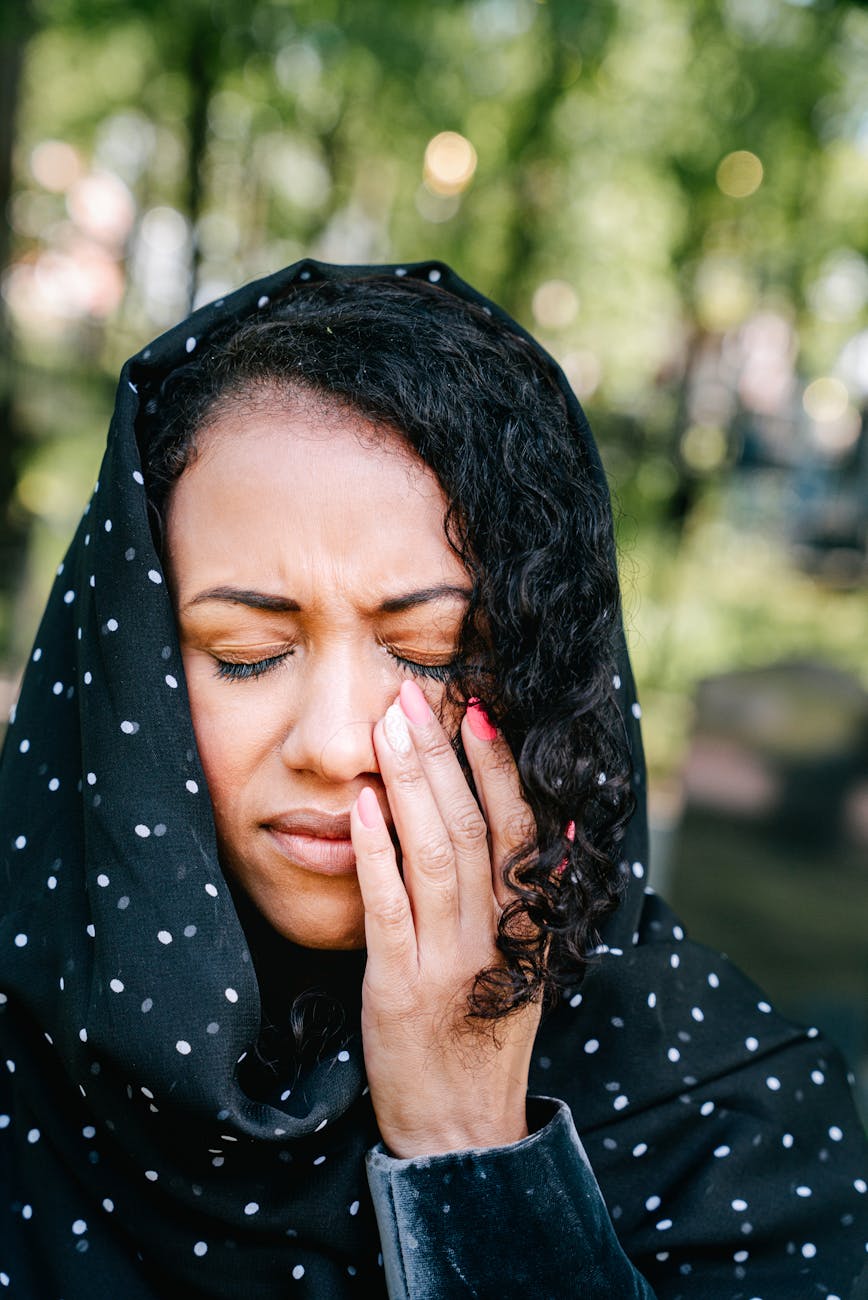


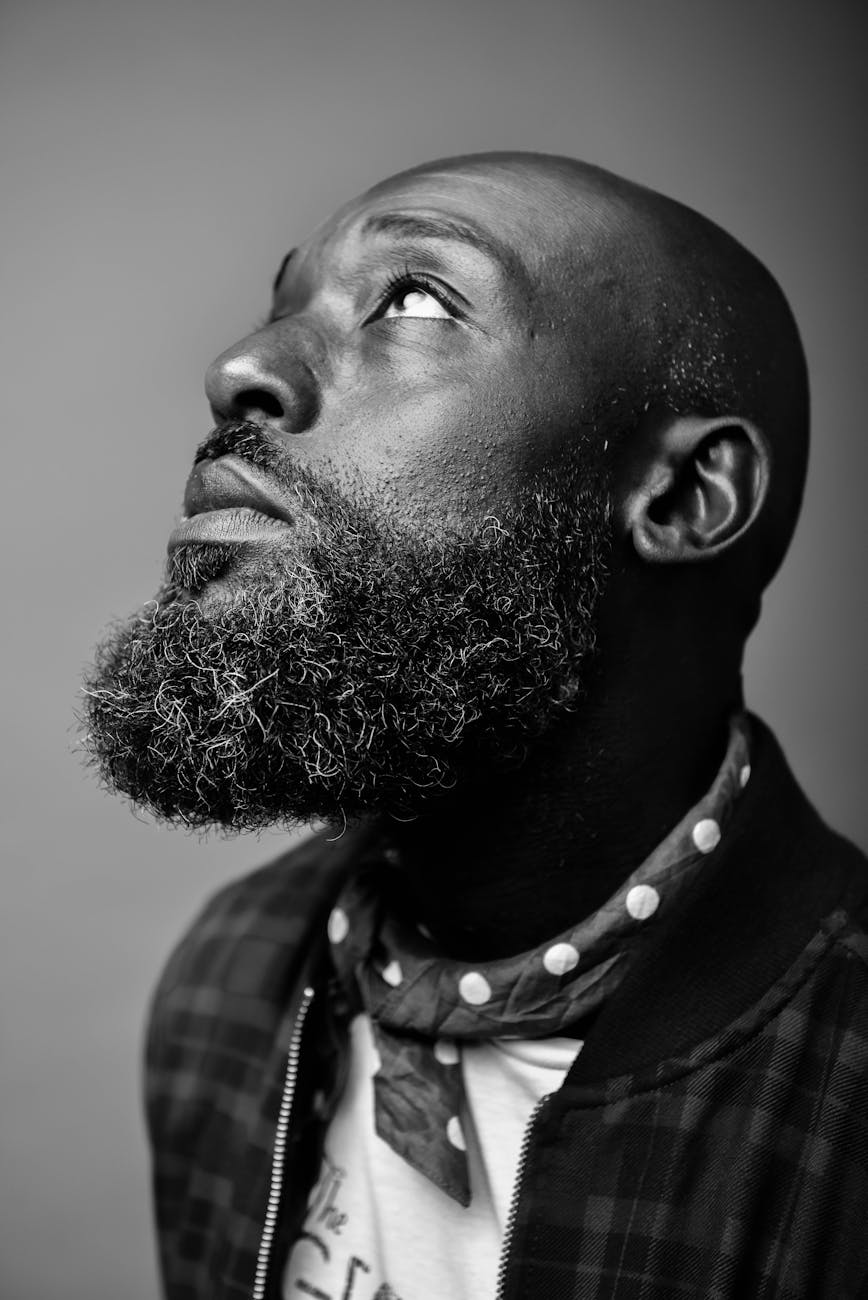
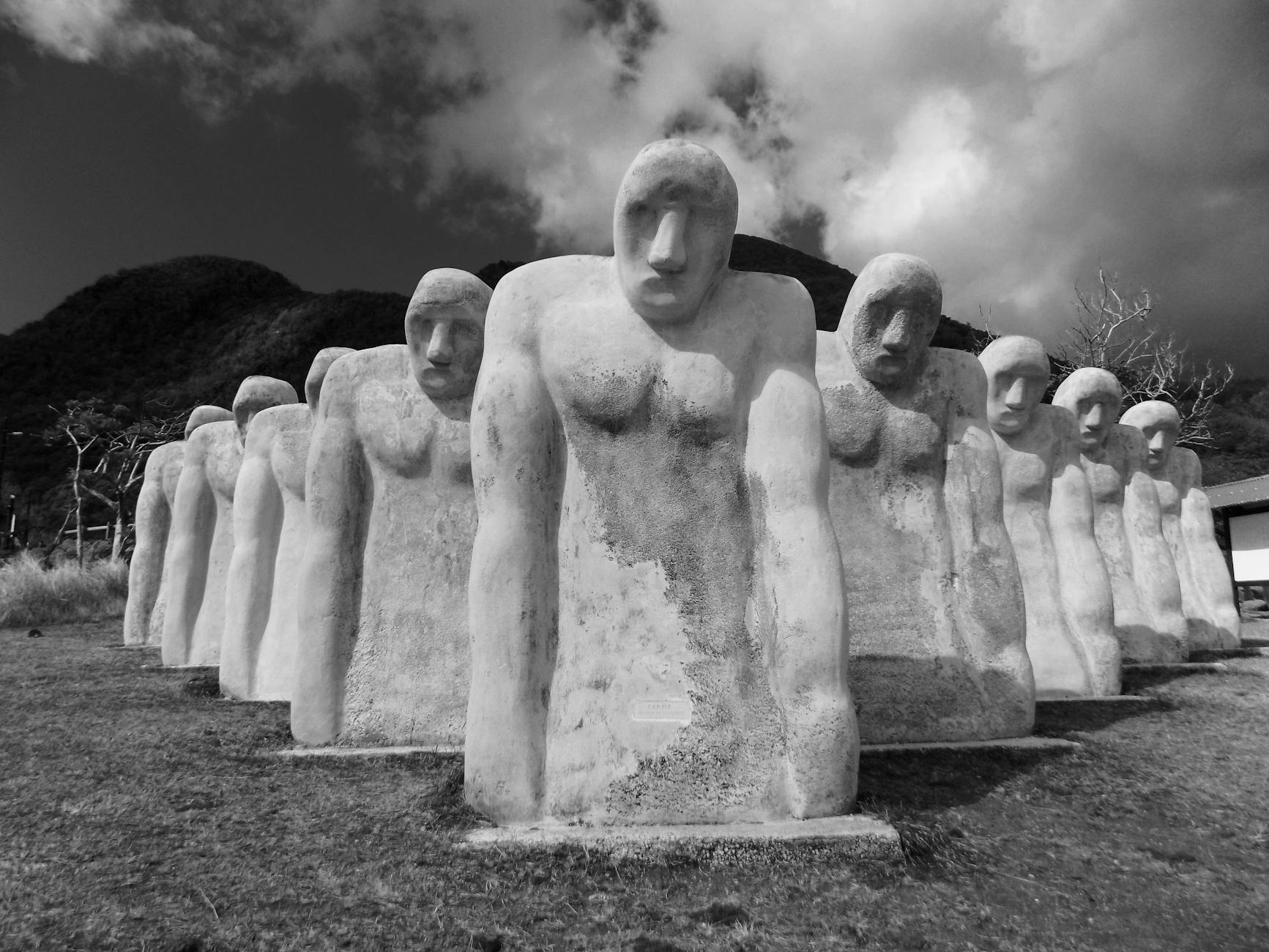


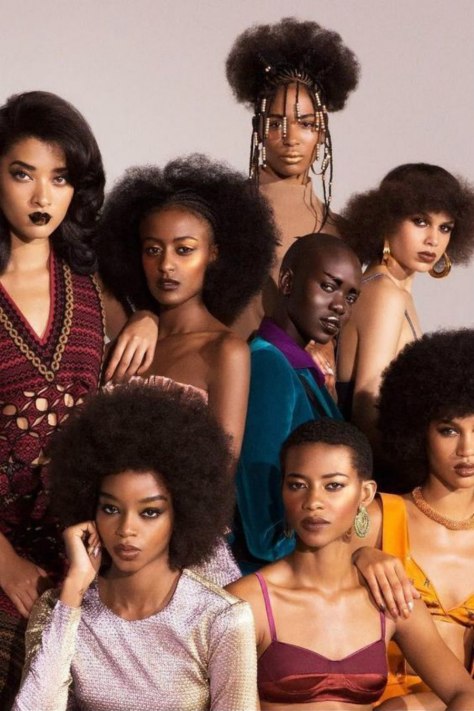


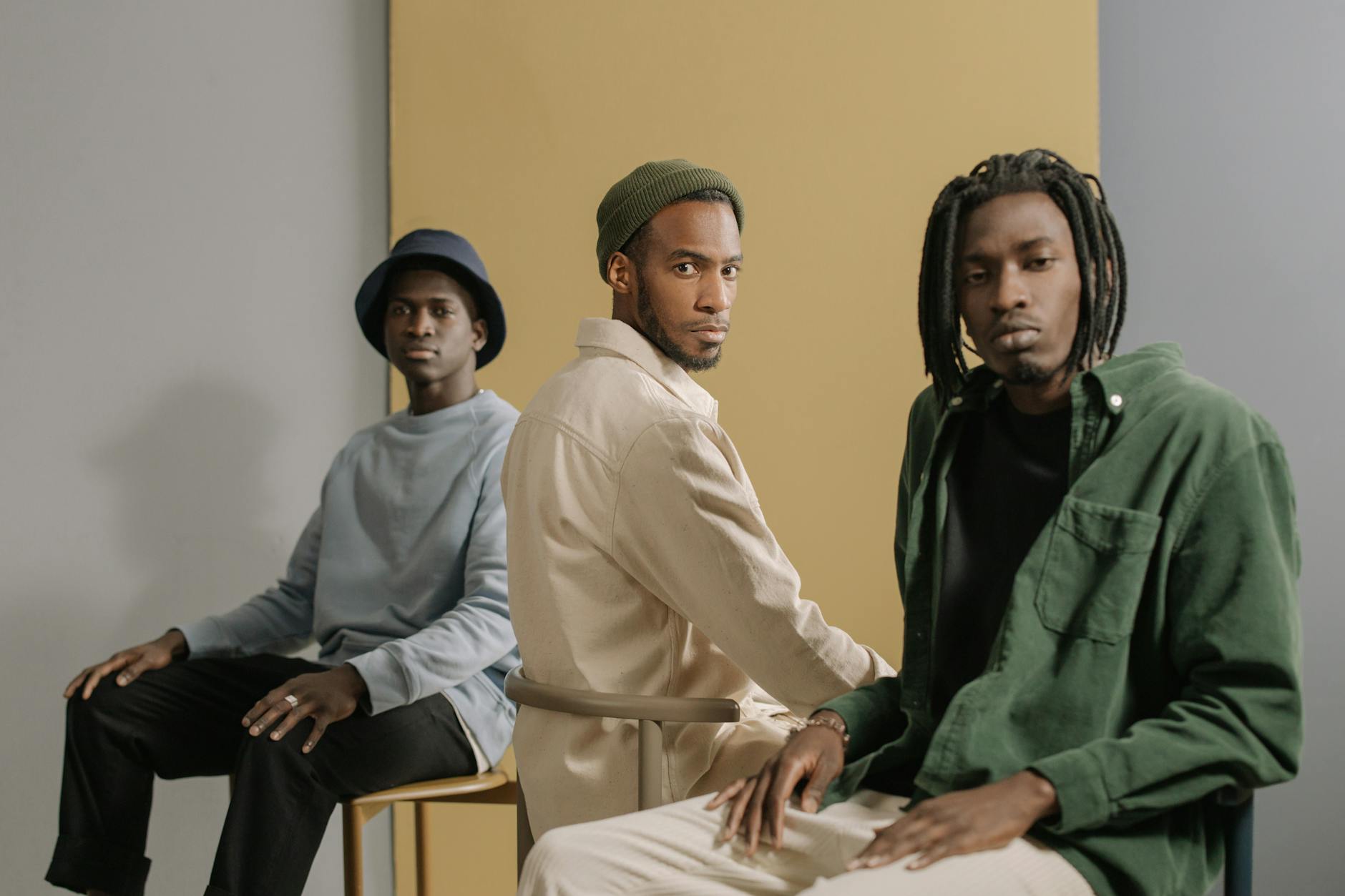
 THE BROWN GIRL DILEMMA