
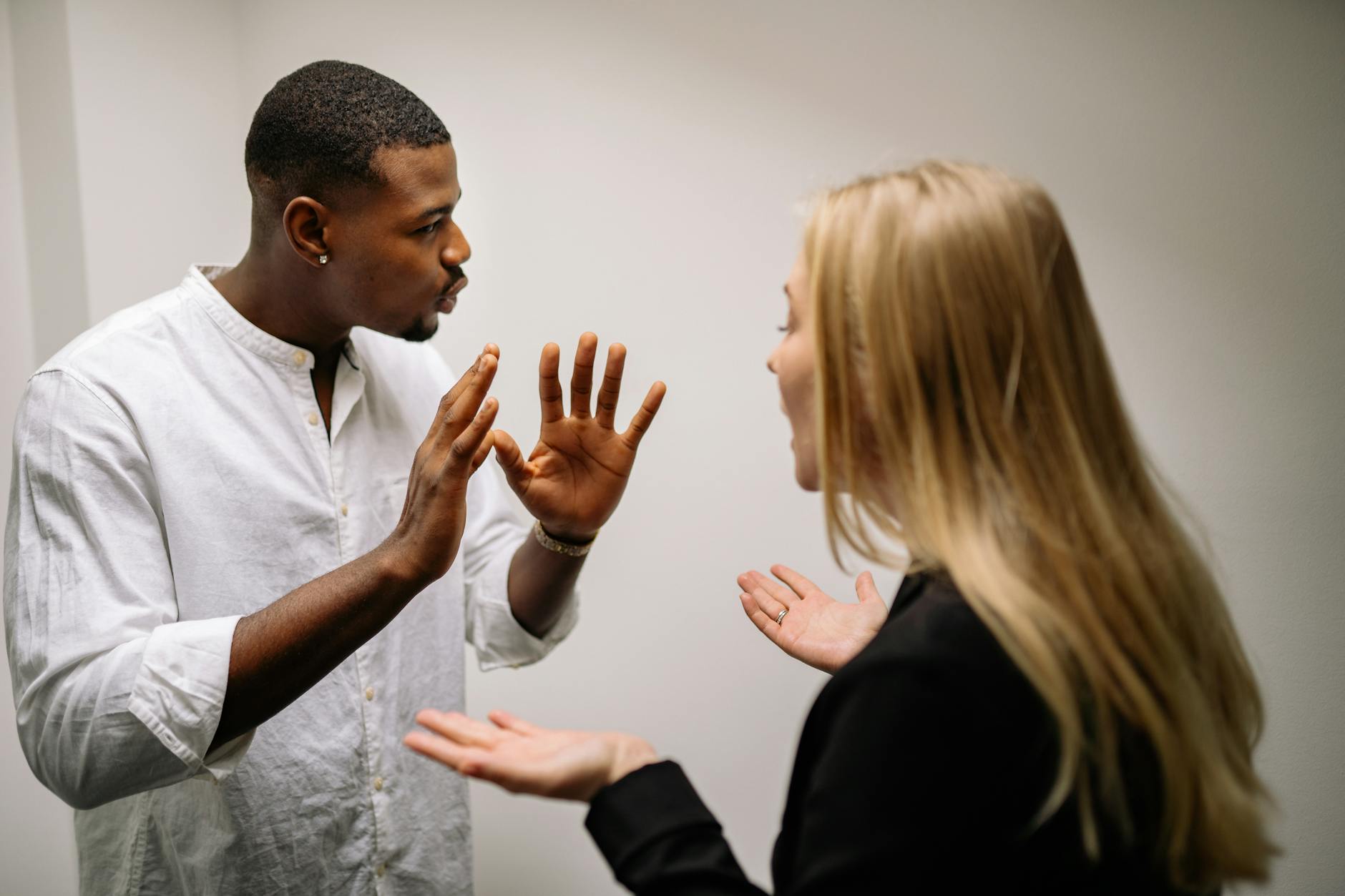
Machismo, a deeply ingrained cultural phenomenon, has long shaped the identities and behaviors of men within patriarchal societies. Rooted in colonial, religious, and socio-political systems, machismo perpetuates ideals of dominance, aggression, and control as hallmarks of masculinity. Yet, as modern societies increasingly embrace gender equity and emotional intelligence, men are being challenged to reexamine these inherited scripts. Unlearning machismo is not merely an act of rebellion—it is an act of liberation and restoration, both for men and for the communities affected by patriarchal harm.
At its core, machismo promotes a distorted view of power. It teaches men that control over others equates to strength, and that vulnerability is a form of weakness. This mindset has historically justified violence—both physical and emotional—as a means of asserting dominance. Such power, however, is built on fear and fragility. When a man’s self-worth depends on dominance, his humanity becomes compromised. The process of unlearning this ideology requires redefining what it means to be powerful without harming others.
The origins of machismo can be traced back to colonial interactions where European patriarchal systems fused with indigenous and African traditions, forming a hybrid model of masculinity centered on hierarchy. Scholars such as Connell (2005) have noted that “hegemonic masculinity” sustains social inequality by legitimizing male dominance over women and other men perceived as weaker. This dynamic fosters cycles of violence that extend beyond gender, influencing political, economic, and familial relationships.
In many cultures, boys are taught from a young age that emotional suppression equals maturity. Tears, tenderness, and empathy are often labeled “feminine,” creating an internal war within the psyche of men. The denial of emotional expression becomes a breeding ground for rage and resentment. bell hooks (2004) emphasized that this emotional strangulation robs men of their full humanity, turning them into “wounded warriors” who mistake silence for strength.
The unlearning process begins with acknowledging that vulnerability and power can coexist. Men who practice introspection—who can confront their pain and insecurities—discover that true authority comes not from control but from compassion. The biblical text in Proverbs 16:32 declares, “He that is slow to anger is better than the mighty; and he that ruleth his spirit than he that taketh a city” (KJV). This ancient wisdom captures the essence of emotional mastery as the highest form of power.
Cultural and media representations have long glorified violent masculinity. Films, music, and even sports often reward aggression and dominance as markers of male worth. Yet, contemporary artists and activists are rewriting this narrative by portraying gentleness as revolutionary. The emergence of men’s healing circles, mental health advocacy, and fatherhood programs are evidence of a shifting paradigm. These movements invite men to redefine power as the ability to nurture rather than destroy.
In family dynamics, unlearning machismo transforms generational legacies. Fathers who model emotional intelligence teach their sons that real men can apologize, express love, and seek peace. This redefinition of manhood reshapes relationships with women as well—moving away from ownership and toward partnership. Such transformation heals the intergenerational wounds of dominance and silence.
Faith traditions also offer tools for this redefinition. In Christianity, Christ himself exemplified strength through humility, leadership through service, and love through sacrifice. His model of manhood stands in direct opposition to machismo. Similarly, other spiritual traditions teach that mastery over self is the truest form of power. Reconnecting with these principles can help men find balance between assertiveness and compassion.
Psychologically, the unlearning of machismo involves confronting internalized shame. Many men equate failure with emasculation, fearing judgment if they deviate from traditional roles. Therapy, community dialogue, and accountability spaces become vital in dismantling these patterns. Healing begins when men give themselves permission to be fully human—strong, yet soft; courageous, yet kind.
Sociologically, the persistence of machismo is tied to systemic inequality. Patriarchal power structures depend on men’s adherence to dominance for their survival. To dismantle these systems, men must engage in collective accountability—challenging sexism in workplaces, families, and communities. Unlearning machismo is not an individual endeavor but a societal necessity.
Intersectionality complicates the experience of machismo. For Black and Brown men, the performance of hypermasculinity often becomes a shield against racial emasculation. Society portrays them as threats yet denies their vulnerability. Thus, the unlearning process must consider racialized trauma. As Dr. Kevin Cokley (2015) notes, reclaiming emotional wholeness in men of color requires both resistance to racism and rejection of patriarchal conditioning.
Education plays a transformative role. When boys learn empathy and cooperation early in life, they are less likely to resort to violence as adults. Curriculums that integrate emotional literacy, social justice, and gender equality cultivate balanced identities. These educational reforms not only prevent harm but nurture healthier generations.
The media’s participation in this transformation is essential. Representation matters—not only in showing diverse masculinities but also in dismantling stereotypes of male stoicism and aggression. Men who publicly model tenderness—whether through art, fatherhood, or activism—expand the cultural imagination of what manhood can be.
Unlearning machismo also redefines relationships between men themselves. Brotherhood shifts from competition to camaraderie, from dominance to mutual support. Healthy male friendships grounded in honesty and emotional openness counteract isolation and toxic independence. Community healing requires these forms of male solidarity.
In romantic relationships, abandoning machismo opens space for mutual respect and partnership. Instead of control, love becomes a shared act of growth. Studies show that emotionally intelligent men experience greater relationship satisfaction and stability (Gottman, 2011). Emotional maturity, therefore, becomes an asset rather than a liability.
Economically, machismo has shaped labor and leadership models that prize control over collaboration. Workplaces that reward empathy, inclusivity, and collective intelligence are not only more equitable but also more productive. The redefinition of power thus benefits both individuals and institutions.
Redefining power without violence means learning to wield influence through integrity rather than intimidation. Leadership rooted in compassion inspires rather than coerces. History remembers not the loudest or most forceful, but those whose power uplifted others.
The process of unlearning machismo requires patience and humility. It demands that men confront generational pain and unlearn centuries of cultural conditioning. Yet, the reward is immense: freedom from the prison of performative masculinity and the birth of a balanced, peaceful identity.
Ultimately, the new definition of power is not about domination but transformation. It is the courage to lead with love, to heal with honesty, and to build communities rooted in justice and care. The redefined man is no less powerful—he is more complete.
Unlearning machismo is a revolutionary act of love. It liberates both men and those around them. When power is redefined as service, and masculinity is measured by peace rather than pride, humanity takes one step closer to wholeness.
References
Connell, R. W. (2005). Masculinities (2nd ed.). University of California Press.
Cokley, K. (2015). The myth of Black anti-intellectualism: A true psychology of African American students. Praeger.
Gottman, J. (2011). The science of trust: Emotional attunement for couples. W.W. Norton & Company.
hooks, b. (2004). The will to change: Men, masculinity, and love. Washington Square Press.
Kimmel, M. (2017). Angry white men: American masculinity at the end of an era. Nation Books.
Proverbs 16:32 (King James Bible). (n.d.). King James Bible Online. https://www.kingjamesbibleonline.org
Ward, J. (2015). Not gay: Sex between straight white men. NYU Press.
Zimbardo, P. G., & Coulombe, N. D. (2015). Man interrupted: Why young men are struggling and what we can do about it. Conari Press.
 THE BROWN GIRL DILEMMA