
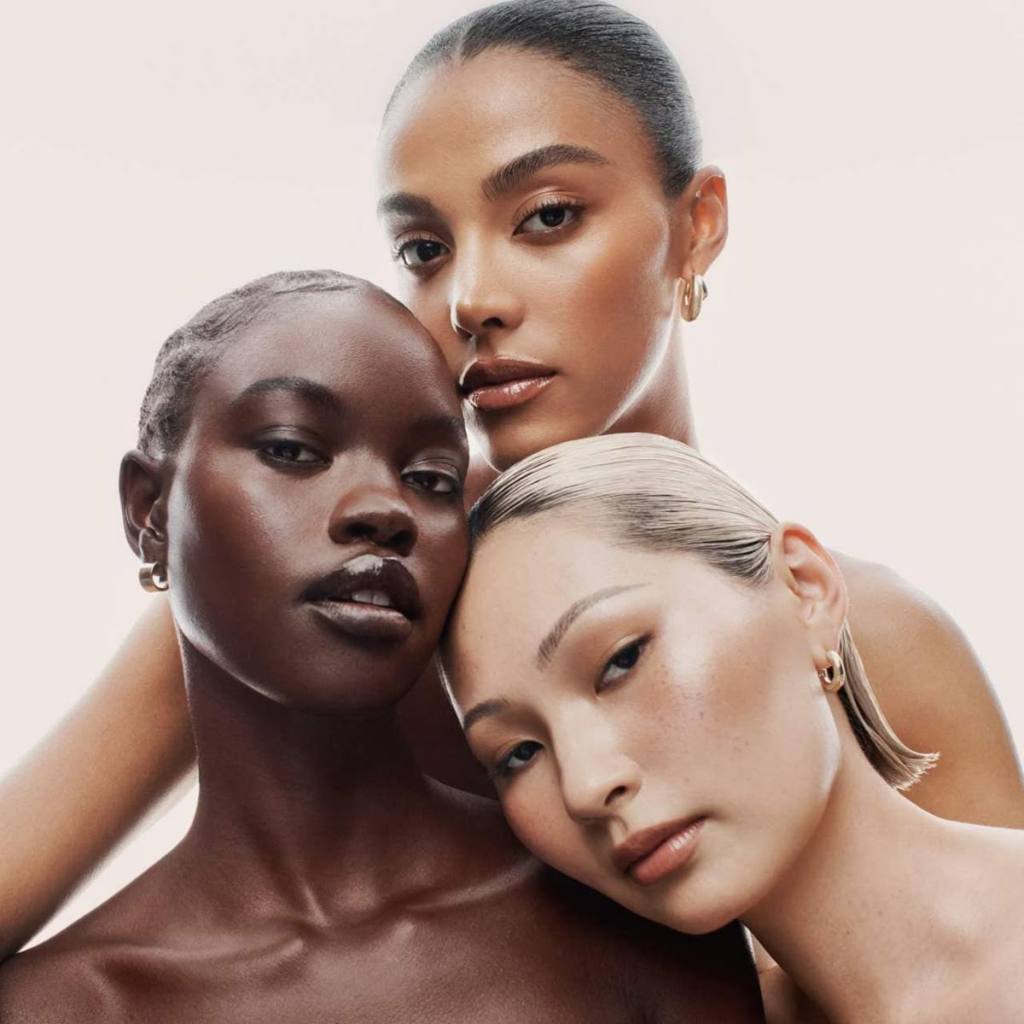
The perceptions of Black women around the world are diverse and complex, shaped by history, culture, media, and personal experiences. While generalizations are never universal, patterns emerge in how Black women are viewed globally. Here’s a nuanced overview:
Beauty and Physical Features
Globally, Black women are often admired for their distinctive beauty—dark skin, natural hair textures, curvaceous figures, and bold features. In many African and Caribbean countries, this beauty is celebrated as a connection to heritage and identity.
However, Eurocentric beauty standards prevalent in Western media often marginalize these traits, promoting lighter skin, straighter hair, and thinner bodies as the “ideal.” This has led to colorism both within and outside Black communities, where lighter-skinned women may be more widely accepted or idealized in certain societies (Hunter, 2007; Rooks, 2021).
Strength and Resilience
Across cultures, Black women are frequently recognized for their resilience. Historical struggles with slavery, colonialism, systemic racism, and sexism have cultivated an image of Black women as strong, resourceful, and independent. Many women worldwide see Black women as role models of endurance and courage, though this sometimes becomes a stereotype that overlooks vulnerability and emotional needs (Collins, 2000).
Intelligence and Leadership
Black women are increasingly acknowledged for their brilliance, creativity, and leadership. From scholars, politicians, and entrepreneurs to artists and activists, women globally recognize Black women as innovators and change-makers. Still, racial and gender biases sometimes undermine or overlook their accomplishments, particularly in predominantly white or male-dominated spaces.
Cultural Influence
Black women have immense influence in music, fashion, and popular culture worldwide. From Beyoncé and Lupita Nyong’o to Rihanna and Naomi Campbell, women globally admire Black women’s style, artistry, and confidence. In many regions, this cultural impact elevates Black women as trendsetters and symbols of empowerment.
Stereotypes and Misconceptions
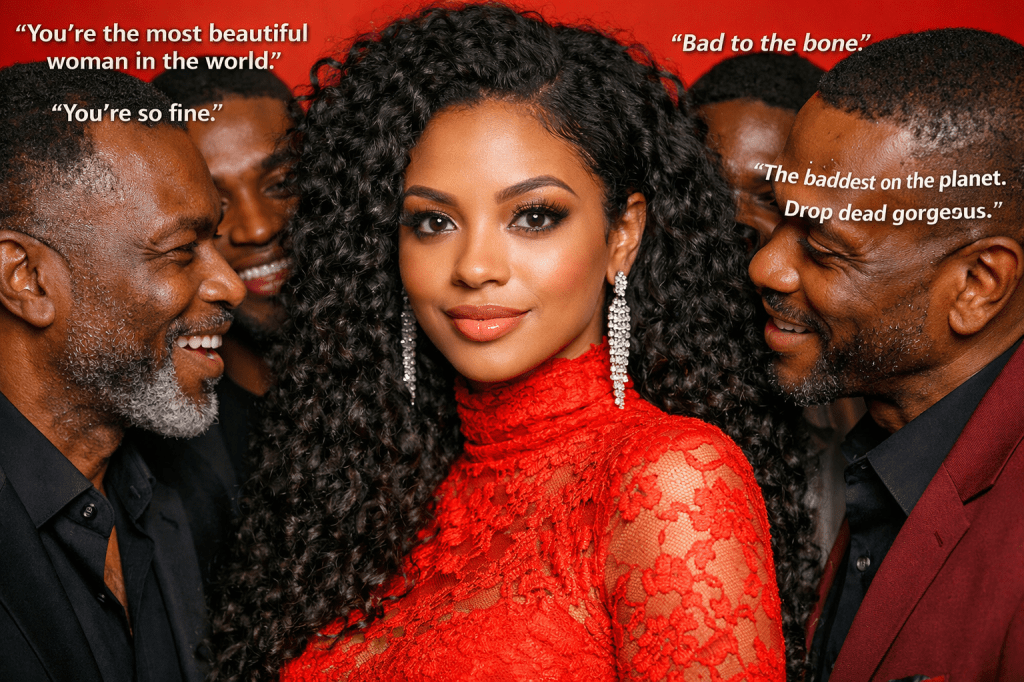
Unfortunately, global perceptions are not always positive. Common stereotypes persist: the “angry Black woman,” the hypersexualized Black woman, or the overly strong and independent figure who needs no support. Such narratives are perpetuated by media, literature, and historical bias, often overshadowing the nuanced realities of Black women’s experiences (West, 1995).
Intersection of Race and Gender
Women around the world understand that Black women navigate both racism and sexism, making their experiences unique. In multicultural settings, Black women are often lauded for their strength, yet simultaneously face discrimination that challenges their professional, social, and personal lives.
Admiration and Solidarity
Many women, especially women of color, express admiration for Black women’s courage, beauty, and achievements. There is a growing movement of global solidarity, celebrating Black womanhood through media, literature, and social campaigns like #BlackGirlMagic, which highlights the brilliance, resilience, and creativity of Black women.
Global Voices on Black Womanhood
Africa
- Perception: Black women are celebrated for their beauty, heritage, and cultural pride. Natural hair, traditional attire, and skin tone are often embraced as symbols of identity.
- Quote: “In my community, a woman’s strength and ability to hold family and society together is admired. Her beauty is in her resilience and her wisdom.” – Nigerian woman, Lagos.
- Observation: African societies often value community-oriented leadership and motherhood, with Black women seen as pillars of family and social structure.
Caribbean
- Perception: Black women are recognized for confidence, style, and creative expression. Their bodies, music, and fashion sense are celebrated globally.
- Quote: “Black women here are queens. We have rhythm, grace, and strength in everything we do.” – Jamaican woman, Kingston.
- Observation: Caribbean women often emphasize self-expression through dance, music, and art, reinforcing the global influence of Black culture.
United States
- Perception: Black women are admired for resilience and achievements in education, politics, and culture. Yet, stereotypes like the “angry Black woman” or hypersexualization persist.
- Quote: “We are often seen as strong, but people forget we need support too. Our strength doesn’t make us invincible.” – African American woman, Atlanta.
- Observation: Movements like #BlackGirlMagic and campaigns celebrating Black women’s accomplishments highlight empowerment and counter negative stereotypes.
Europe
- Perception: Black women are increasingly recognized for beauty and cultural contribution, but they often face systemic racism and exoticization.
- Quote: “People admire our fashion and skin tone, but sometimes it feels like they only see us as different, not equal.” – British woman of African descent, London.
- Observation: European societies tend to appreciate aesthetic traits but often struggle with fully valuing Black women’s intellect, leadership, and humanity.
Latin America
- Perception: Black women’s beauty is celebrated in some regions, but colorism is highly prevalent, favoring lighter skin and European features.
- Quote: “Our dark skin is beautiful, but society still values lighter women more. It’s a constant struggle for recognition.” – Afro-Brazilian woman, Salvador.
- Observation: While Afro-Latin culture embraces African roots, historical legacies of colonialism and slavery influence societal perceptions and opportunities for dark-skinned women.
Asia
- Perception: Black women are admired for fashion, confidence, and cultural uniqueness but are often exoticized or misunderstood.
- Quote: “They think we are mysterious or strong, but they rarely understand the depth of our experiences.” – Black woman in Japan.
- Observation: Media representation of Black women is limited, leading to fascination with physical traits rather than acknowledgment of intellect or character.
Global Trends
- Admiration: Across the world, Black women are increasingly celebrated for beauty, creativity, resilience, and leadership.
- Challenges: Persistent stereotypes, colorism, exoticization, and structural inequalities remain.
- Empowerment Movements: #BlackGirlMagic, Afrofuturism, natural hair movements, and global social campaigns amplify Black women’s voices, accomplishments, and culture.
Summary Insight:
Women globally recognize Black women as strong, beautiful, and influential, yet societal biases affect perception and opportunities. Celebrations of culture, resilience, and achievement are growing, empowering Black women to reclaim narratives and redefine global beauty, leadership, and identity standards.
References
Collins, P. H. (2000). Black feminist thought: Knowledge, consciousness, and the politics of empowerment (2nd ed.). New York, NY: Routledge.
Hunter, M. L. (2007). The persistent problem of colorism: Skin tone, status, and inequality. Sociology Compass, 1(1), 237–254. https://doi.org/10.1111/j.1751-9020.2007.00006.x
Rooks, N. (2021). Hair politics: Beauty, culture, and Black identity. New York, NY: Beacon Press.
West, C. M. (1995). Mammy, Sapphire, and Jezebel: Historical images of Black women and their implications for psychotherapy. Psychotherapy: Theory, Research, Practice, Training, 32(3), 458–466. https://doi.org/10.1037/0033-3204.32.3.458
 THE BROWN GIRL DILEMMA