The brilliant beauty whose laughter disarms, but whose depth leaves a lasting imprint.
This photograph is the property of its respective owner.
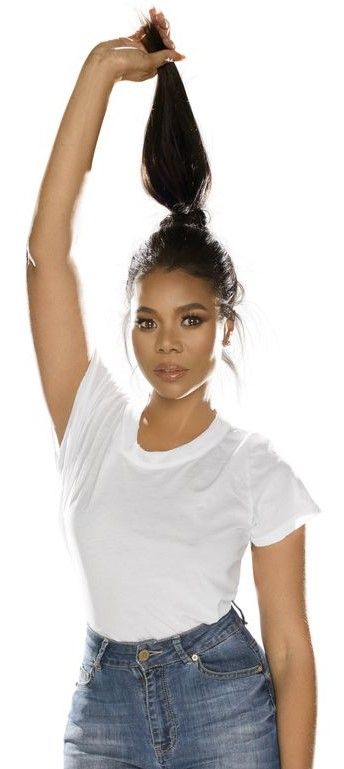
Regina Hall represents a rare Hollywood alchemy: impeccable comedic timing fused with intellectual depth and dramatic restraint. With her luminous smile, expressive eyes, and effortless sophistication, Hall has sustained a career that defies typecasting. She is as comfortable delivering sharp satire as she is portraying layered, emotionally complex women navigating faith, grief, ambition, and desire.
Born December 12, 1970, in Washington, D.C., Hall earned a bachelor’s degree in English from Fordham University and later completed a master’s degree in journalism at New York University. Initially aspiring to a career in journalism, she pivoted toward acting in the late 1990s. Her breakout came with the wildly successful Scary Movie franchise, where she portrayed the unforgettable Brenda Meeks. Across multiple installments, Hall transformed what could have been a one-note comedic character into a cultural staple—bold, animated, and endlessly quotable.
Yet Hall’s trajectory did not remain confined to parody. In The Best Man and its sequel, The Best Man Holiday, she played Candace “Candy” Sparks, a former exotic dancer navigating respectability politics, marriage, and social mobility. Acting alongside Taye Diggs, Nia Long, and Sanaa Lathan, Hall demonstrated emotional nuance beneath comedic sparkle.
Her critical renaissance emerged powerfully with Girls Trip, where she starred opposite Queen Latifah, Jada Pinkett Smith, and Tiffany Haddish. The film grossed over $140 million domestically and became a landmark in contemporary Black female ensemble cinema. Hall’s portrayal of Ryan Pierce—a successful author confronting marital betrayal—allowed her to oscillate between humor and heartbreak, reinforcing her range.
In 2018, Hall delivered one of her most critically acclaimed performances in Support the Girls, earning the New York Film Critics Circle Award for Best Actress. The role marked a departure from broad comedy into understated realism, portraying a working-class manager balancing compassion with exhaustion. That same year, she starred in The Hate U Give, adapted from the novel by Angie Thomas, further solidifying her dramatic credibility.
Hall continued to expand her artistic portfolio with Master, a psychological horror film released by Amazon Prime Video, in which she portrayed a college dean confronting racial tension at an elite institution. The role reflected a maturation of her on-screen presence—measured, restrained, and hauntingly internal.
Throughout her career, Hall has received multiple NAACP Image Awards and nominations, along with critical accolades recognizing her versatility. Beyond awards, however, her cultural impact lies in redefining what comedic actresses can become. She has navigated the transition from satire to sophistication without losing her spark.
Regina Hall is an “It Girl” of endurance. She is neither confined to an archetype nor defined by an era. She stands as proof that laughter and intelligence are not mutually exclusive—and that longevity in Hollywood requires both reinvention and restraint.
Two Stars, One Sisterhood: The Friendship That Defined a Generation of Television
This photograph is the property of its respective owner.
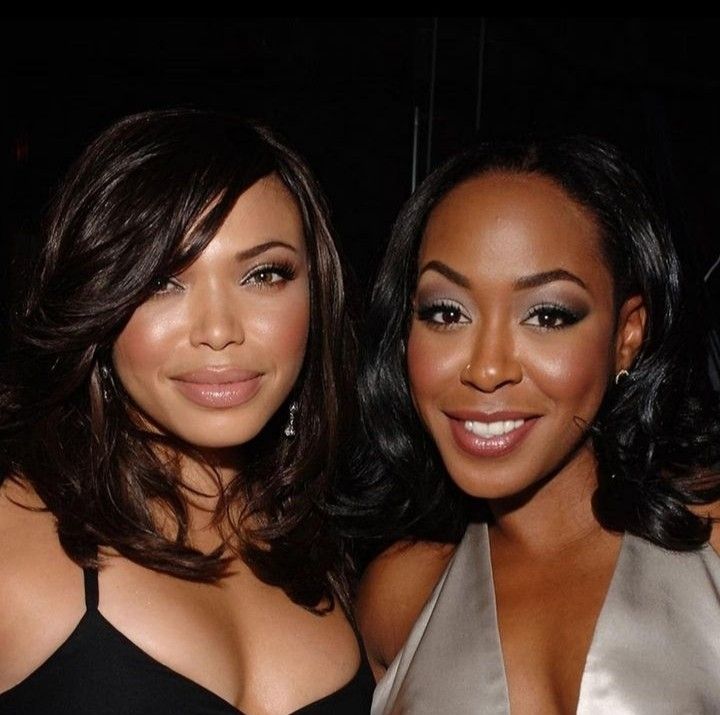
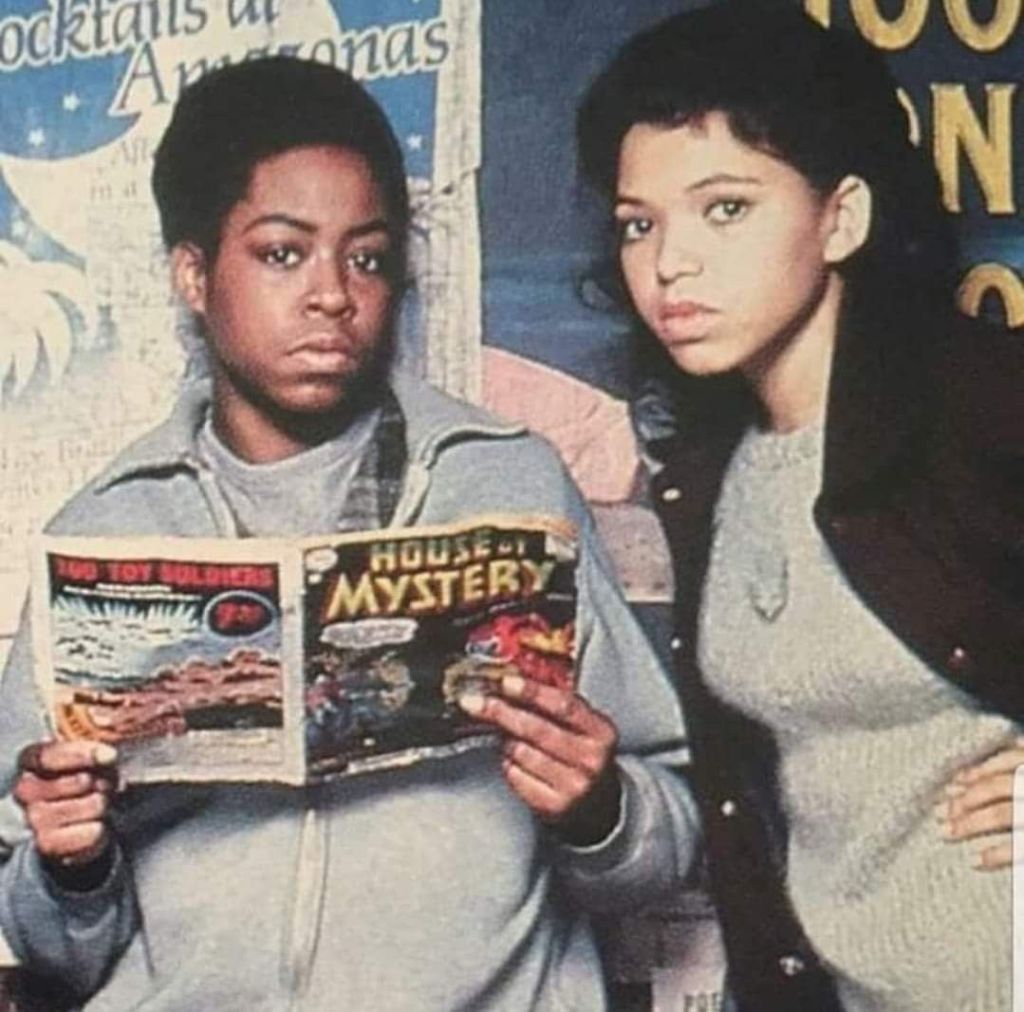
In the history of Black television, few friendships have been as beloved and enduring as that of Tisha Campbell and Tichina Arnold. Both women emerged as dynamic actresses whose beauty, talent, and comedic brilliance helped shape some of the most iconic sitcoms in American television. Individually, they built impressive careers, but together, they created a cultural legacy rooted in authentic friendship, humor, and sisterhood. Their chemistry on screen and their bond off screen represent a rare example of loyalty in an industry often defined by competition.
Tisha Campbell: From House Party to Hollywood It Girl
This photograph is the property of its respective owner.
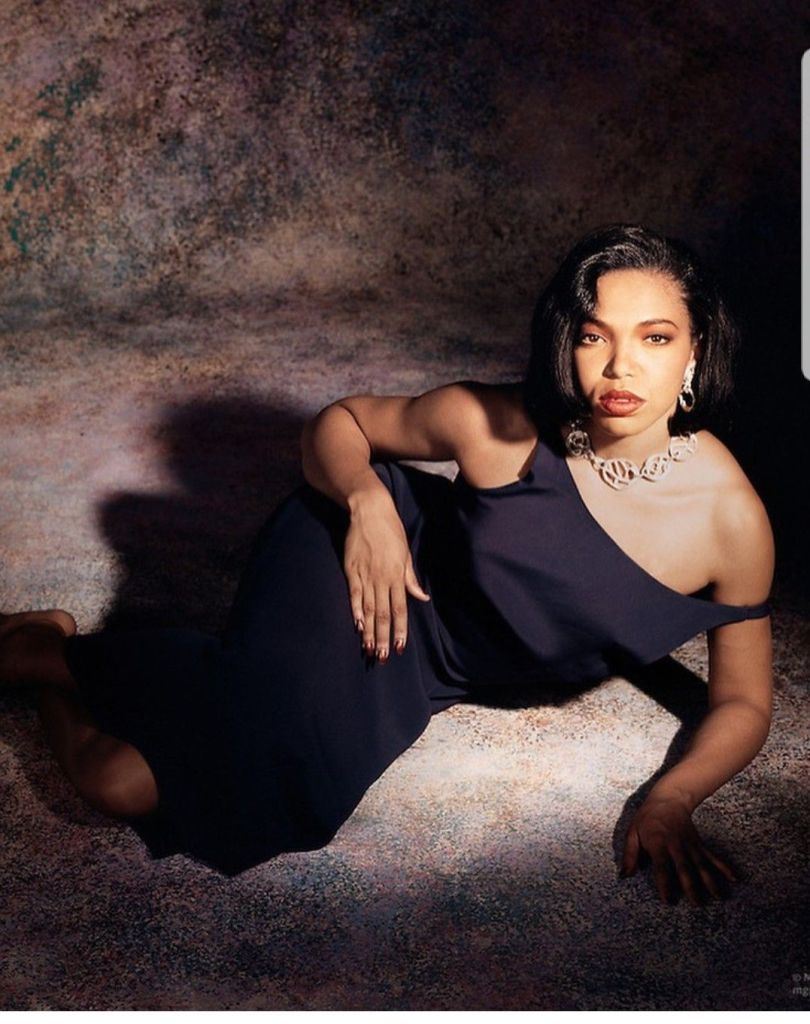
Tisha Michelle Campbell was born on October 13, 1968, in Oklahoma City, Oklahoma, and raised in Newark, New Jersey. Growing up in a family deeply involved in music and entertainment, Campbell developed her artistic talents at a young age. Her mother worked as a vocal coach and talent manager, exposing Campbell to the performing arts early in life.
Campbell’s beauty has long been admired for its vibrant energy and elegance. With expressive brown eyes, radiant skin, and a charismatic smile, she carries a presence that blends confidence with warmth. Her lively personality and natural comedic timing made her stand out even as a young performer.
Her early career began with appearances on children’s television and musical programs. Campbell gained early attention when she appeared on the television show Kids Incorporated, where her singing and acting abilities captured audiences. The show introduced her to a generation of viewers and revealed her versatility as both a vocalist and performer.
Her breakout film role came in the 1990 cult classic House Party, where she portrayed Sidney, a confident young woman navigating romance and friendship. The film became a cultural milestone in Black cinema and established Campbell as a rising star in Hollywood.
Campbell’s greatest television success came with the groundbreaking sitcom Martin. Playing Gina Waters, the intelligent and stylish girlfriend of Martin Payne, Campbell became one of the most recognizable faces on television during the 1990s. Her chemistry with the cast and her sophisticated comedic style made Gina a beloved character.
Beyond acting, Campbell has also maintained a music career, releasing R&B recordings that highlight her powerful voice and emotional range. Her artistic abilities extend across multiple disciplines, reinforcing her reputation as a multi-talented performer.
Over the years, she has continued acting in television series, films, and stage productions. Her performances demonstrate a balance of humor, vulnerability, and strength that resonates with audiences across generations.
Tichina Arnold: The Comedic Queen with Timeless Style and Talent
This photograph is the property of its respective owner.
Tichina Rolanda Arnold was born on June 28, 1969, in Queens, New York. Raised in a creative environment that encouraged artistic expression, Arnold discovered her passion for performing while still in elementary school. She attended the prestigious Fiorello H. LaGuardia High School of Music & Art and Performing Arts, where she honed her acting and musical talents.
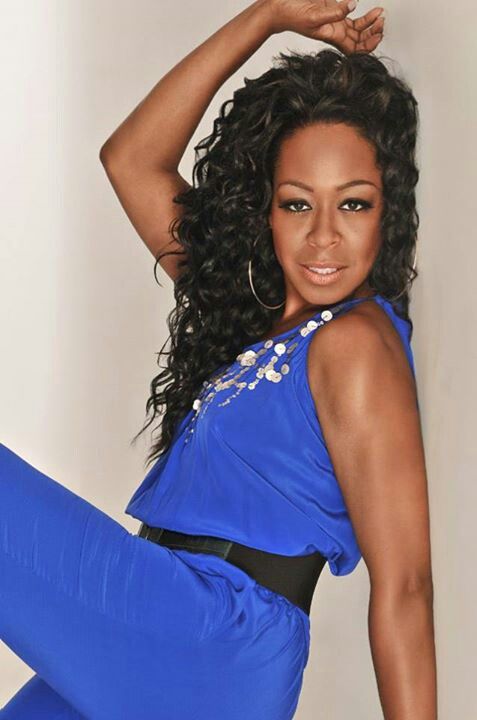
Arnold has distinctive beauty, with radiant skin, striking features, and expressive eyes that enhance her comedic performances. Her bold personality and unmistakable voice have made her one of television’s most memorable comedic actresses.
Her early career included stage and film roles, including Little Shop of Horrors. However, her defining role came when she was cast in the hit sitcom Martin.
On the show, Arnold portrayed Pamela “Pam” James, the sharp-tongued and hilarious best friend of Gina. Pam’s fearless wit and confident attitude made her one of the show’s standout characters. Arnold’s comedic timing turned Pam into a fan favorite whose catchphrases and reactions became part of pop culture.
Arnold later achieved another major television success on the long-running sitcom Everybody Hates Chris, where she played Rochelle, the strict yet loving mother of the show’s protagonist. Her energetic performance earned widespread praise and introduced her talents to a new generation of viewers.
More recently, Arnold has continued her television success in the sitcom The Neighborhood, where she portrays Tina Butler. The show highlights Arnold’s ability to blend humor with heartfelt moments, proving that her comedic brilliance remains as strong as ever.
A Friendship That Transcends Hollywood
This photograph is the property of its respective owner.
What truly distinguishes Campbell and Arnold in entertainment history is their genuine friendship. The two actresses met as young performers and developed a bond that has lasted for decades. Their natural chemistry was evident when they appeared together on Martin, where their characters Gina and Pam portrayed best friends navigating relationships, careers, and life in Detroit.
Their on-screen dynamic felt authentic because it reflected their real-life relationship. Off camera, Campbell and Arnold supported one another through personal challenges, career changes, and the pressures of fame. Their loyalty to each other stands as a powerful example of sisterhood within the entertainment industry.
Years later, the duo reunited on the television sitcom The Neighborhood, once again sharing the screen and reminding audiences why their partnership remains so beloved. The reunion felt less like nostalgia and more like a continuation of a story that fans had followed for decades.
Together, Campbell and Arnold represent an important chapter in Black television history. They helped create characters who were intelligent, humorous, stylish, and relatable. Their performances contributed to a cultural shift in how Black women were portrayed on mainstream television.
Both women embody the qualities of an “It Girl”: confidence, talent, resilience, and timeless beauty. Yet what makes them even more special is that their success was never built on rivalry. Instead, it was strengthened by friendship.
In an industry often defined by competition and fleeting fame, the enduring bond between Tisha Campbell and Tichina Arnold is remarkable. Their careers demonstrate that collaboration, loyalty, and mutual respect can create something far more powerful than individual stardom.
Together they represent more than two talented actresses—they symbolize sisterhood, laughter, and a legacy of excellence that continues to inspire audiences around the world.
With luminous eyes and fearless range, Meagan Good is the It Girl who grew up before our eyes — and never stopped evolving.
This photograph is the property of its respective owner.
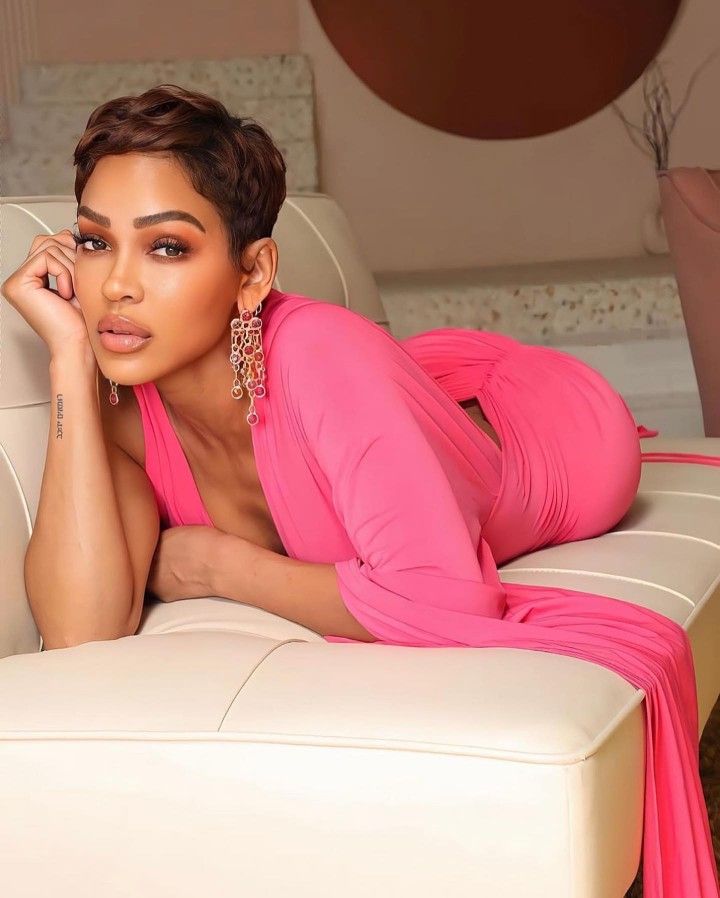
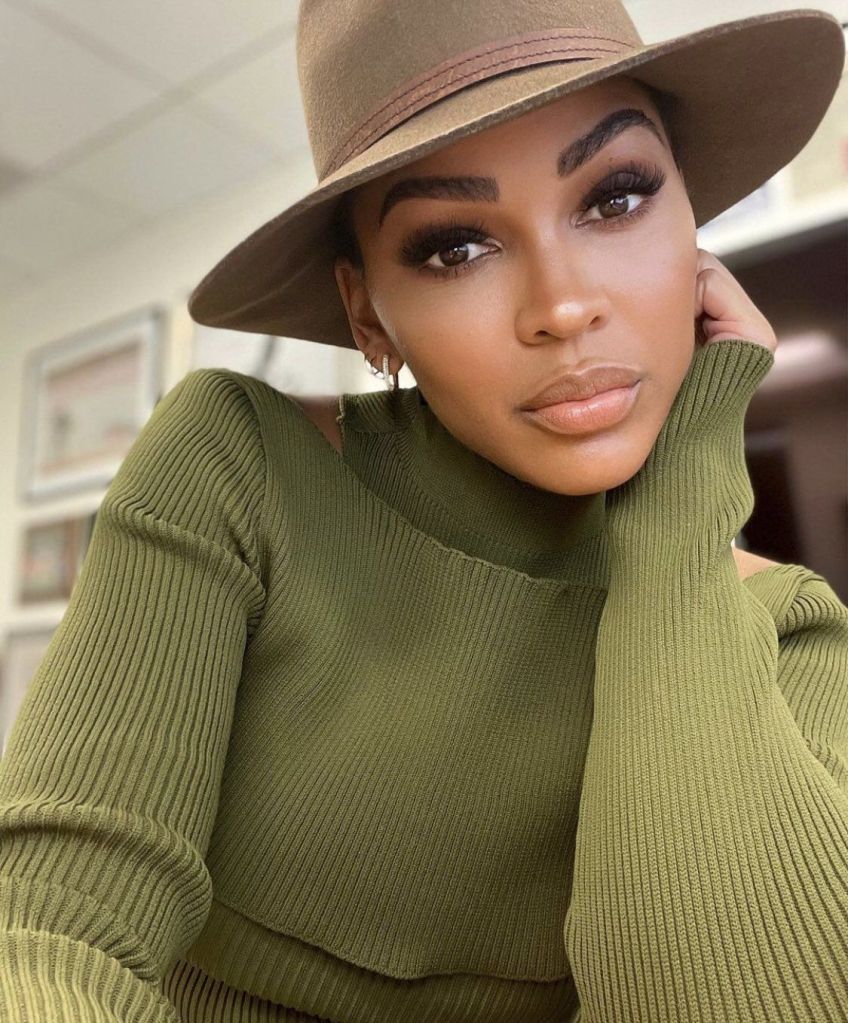
Meagan Good has been a visible presence in Hollywood for more than three decades — a rare feat for a woman who began as a child actor and matured into a leading lady without losing cultural relevance. From precocious talent to romantic lead, from cult-classic ingénue to executive producer, Good’s career reflects longevity, reinvention, and enduring fascination within the Black community.
Early Life & Hollywood Beginnings
Born August 8, 1981, in Panorama City, California, Meagan Monique Good began acting at the age of four, appearing in commercials before transitioning into television. Raised in a supportive household with a mother who served as a manager, Good navigated child stardom with unusual stability.
Her early television credits included appearances on Doogie Howser, M.D., Amen, and Moesha. However, her breakthrough came with the critically acclaimed Southern Gothic drama Eve’s Bayou, directed by Kasi Lemmons. As Cisely Batiste, Good delivered a haunting, emotionally layered performance that showcased maturity beyond her teenage years. The film has since become a staple in Black cinema studies, frequently cited for its exploration of memory, colorism, and generational trauma.
Transition to Leading Lady
The early 2000s positioned Good as one of Hollywood’s emerging Black ingénues. She appeared in films such as Deliver Us from Eva (2003) and later in Stomp the Yard, where she played April Palmer, the poised love interest opposite Columbus Short. The film was commercially successful and cemented her place in mainstream Black romantic drama.
She also appeared in genre films like The Unborn (2009) and action projects such as Think Like a Man (2012), expanding her audience beyond primarily Black cinema. This crossover ability — balancing culturally rooted films with broader commercial projects — contributed to her sustained popularity.
This photograph is the property of its respective owner.
Exotic Beauty & Public Perception
Within the Black community, Meagan Good is often described as possessing “exotic beauty” — a term historically layered with complexity. Of African American and Puerto Rican descent, her light brown complexion, almond-shaped eyes, and soft yet striking features have frequently positioned her within conversations about Hollywood colorism and desirability politics.
Yet Good has spoken openly about embracing her natural identity without conforming to industry pressures. Her beauty is often paired with vulnerability and spiritual openness — qualities that resonate strongly with Black female audiences who have watched her mature publicly.
Critics and fans alike often describe her as:
Magnetic
Sultry yet soft-spoken
Spiritually grounded
Emotionally transparent
Her image balances sensual confidence with girl-next-door relatability — a rare duality that has sustained her “It Girl” appeal.
Marriage, Faith & Public Evolution
In 2012, Good married producer and pastor DeVon Franklin. Their marriage was highly visible within Christian and Black entertainment circles, symbolizing a union of faith and Hollywood ambition. They co-authored, held public discussions about their relationship, and were often regarded as a modern faith-based power couple.
However, in 2021, the couple announced their divorce. Good addressed the separation with grace, emphasizing personal growth rather than scandal. The public response within the Black community was mixed — some mourned the symbolic loss, while others applauded her transparency and resilience.
In 2023, she married actor Jonathan Majors in a private ceremony. Their relationship drew media attention due to the Majors’ legal controversies, again placing Good under intense public scrutiny. Through it all, she has maintained composure, choosing loyalty and privacy over public commentary.
As of 2026, Good does not have biological children but has expressed openness to motherhood and family expansion.
Awards & Recognition
While not an Academy Award recipient, Good has received several nominations and wins, including:
NAACP Image Award nominations
Teen Choice Award recognition
YoungStar Award (early career)
Her influence, however, extends beyond trophies. She represents a generation of Black actresses who sustained careers through transitional industry eras — from the 1990s Black cinema resurgence to modern streaming dominance.
Recent & Latest Projects
Good has remained active in both film and television. She starred in the Amazon Prime series Harlem (2021–2025), portraying Camille Parks, an ambitious anthropology professor navigating love and career in New York City. The show became culturally resonant for its portrayal of modern Black female friendship and professional life.
She also appeared in Shazam! Fury of the Gods, expanding her presence within blockbuster franchises.
Additionally, she has ventured into producing, signaling a strategic shift toward creative control — a hallmark of actresses who intend to build a legacy, not just visibility.
This photograph is the property of its respective owner.
Why She Is an “It Girl”
Meagan Good is an It Girl because audiences have grown up with her. She is not a fleeting trend — she is a familiar presence woven into multiple eras of Black popular culture.
She represents:
Early Black millennial stardom
Romantic drama nostalgia
Spiritual transparency
Beauty conversations within the Black community
Longevity without disappearance
Her popularity persists because she feels accessible. Fans see her as talented but human — glamorous but spiritually searching.
In a Hollywood ecosystem that often discards young actresses once novelty fades, Meagan Good reinvented herself repeatedly. She matured publicly, navigated marriage and divorce under scrutiny, and maintained consistent employment in an industry notorious for instability.
Her It Girl status is not based solely on fashion or virality. It rests on endurance.
She is the girl from Eve’s Bayou. The love interest from Stomp the Yard. The professor in Harlem. The woman who kept evolving.
And in the gallery of It Girls, Meagan Good stands as proof that beauty may open doors — but resilience keeps them open.
References
Franklin, D., & Good, M. (2016). The wait: A powerful practice for finding the love of your life and the life you love. Howard Books.
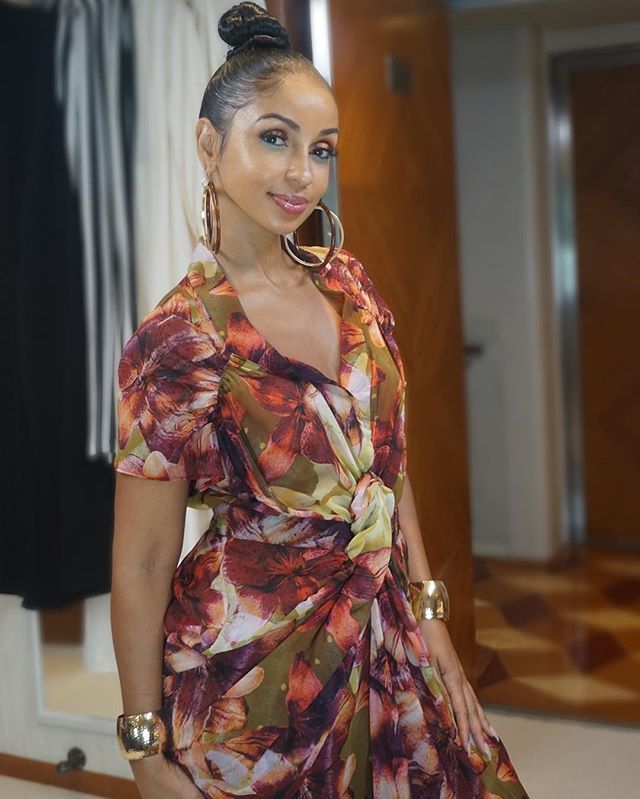
With big doe eyes and a whisper-soft voice that shaped a generation, Mýa is the It Girl of R&B grace, a dancing phenomenon, discipline, and quiet longevity.
This photograph is the property of its respective owner.
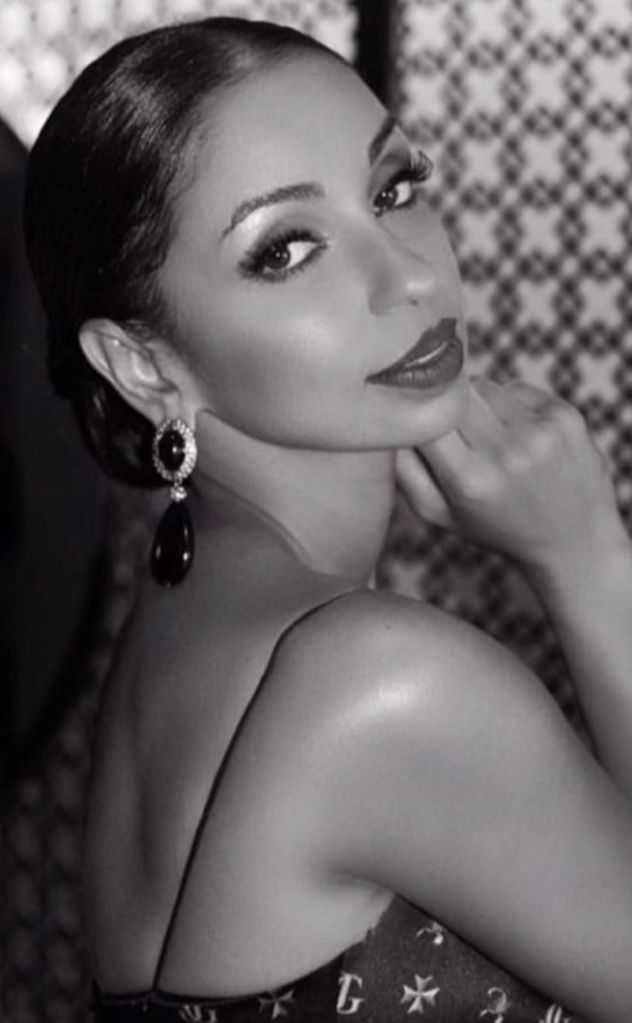
Mýa — born Mýa Marie Harrison on October 10, 1979, in Washington, D.C. — emerged in the late 1990s as one of R&B’s most poised and technically refined young stars. Known for her ballet-trained posture, honey-toned vocals, and signature big doe eyes, Mýa carved out a lane that blended elegance with urban rhythm.
She was never the loudest voice in the room — but she was often the most polished.
Early Life & Musical Foundations
Raised in a musically inclined household (her father was a professional musician), Mýa studied ballet, jazz, and tap from a young age. Her formal dance training shaped her stage discipline and visual precision. By her mid-teens, she had secured a recording contract with Interscope Records.
Her self-titled debut album, Mýa, introduced her as a soft-spoken yet rhythmically assertive vocalist. The album featured the hit single “It’s All About Me” and established her as part of the late-90s R&B wave that included Brandy, Aaliyah, and Monica.
Her wide, expressive doe eyes became part of her public signature — conveying vulnerability, flirtation, and innocence simultaneously. In an era of highly stylized pop femininity, Mýa’s look felt both delicate and disciplined.
This photograph is the property of its respective owner.
Breakthrough & Cultural Impact
Mýa’s global breakout came with her collaboration on Lady Marmalade alongside Christina Aguilera, Lil’ Kim, and Pink for the film Moulin Rouge!. The song became a No. 1 Billboard hit and won a Grammy Award for Best Pop Collaboration with Vocals.
This moment cemented Mýa as internationally recognized — not merely an R&B singer, but a crossover performer capable of holding her own among powerhouse vocalists.
Her second album, Fear of Flying, featured the bold and playful single “Case of the Ex,” showcasing a more confident and rhythm-driven persona. The album went platinum, solidifying her commercial viability.
Film & Television Career
Like many It Girls of her era, Mýa expanded into film. She starred in Love & Basketball, a now-classic Black romantic drama, playing Kyra Kersey — the confident, competitive ex-girlfriend. The film has become canon in Black cinema discourse, and her performance added to her “cool girl” mystique.
She later appeared in Chicago as Mona, a role that showcased her dance training and theatrical poise. The film won the Academy Award for Best Picture, adding prestige to her résumé.
In 2009, she competed on Dancing with the Stars, finishing as runner-up and reintroducing herself to a new generation as a technically superior dancer.
Independent Artist & Businesswoman
After navigating major-label challenges, Mýa made a pivotal decision: independence.
In 2008, she launched her own label, Planet 9, becoming one of the first R&B artists of her era to move fully independent. She released multiple projects independently, maintaining creative control and ownership of her masters — a move that earned her quiet respect within the music industry.
Her 2016 album Smoove Jones received a Grammy nomination for Best R&B Album — proof that her artistry remained relevant nearly two decades after her debut.
This independence reframed her It Girl status. She was no longer just a face of a generation — she was a business model for artistic autonomy.
This photograph is the property of its respective owner.
Beauty, Persona & Public Perception
Within the Black community, Mýa is often remembered as:
Soft-spoken but self-assured
Elegant and unproblematic
Classically beautiful with “big doe eyes”
Disciplined and scandal-free
Her beauty is often described as ethereal — large almond-shaped eyes, symmetrical features, warm caramel complexion, and dancer’s posture. Unlike some contemporaries whose branding leaned heavily into overt sexuality, Mýa balanced sensual choreography with controlled mystique.
She is perceived as one of the “good girls” of 90s R&B — talented, poised, and largely free of public controversy. That consistency contributes to her enduring respect.
Marriage, Family & Privacy
In 2020, reports surfaced that Mýa had married in a private ceremony abroad, though she has maintained significant privacy about her personal life. She does not have publicly confirmed children.
Her discretion stands in contrast to the hyper-visibility of modern celebrity culture. She rarely engages in scandal cycles and maintains a carefully curated public image.
Awards & Recognition
Grammy Award (2002) – Best Pop Collaboration with Vocals (“Lady Marmalade”)
Billboard Music Awards recognition
MTV Video Music Award nominations
Soul Train Music Award nominations
Grammy nomination (2017) – Best R&B Album (Smoove Jones)
While she may not dominate headlines daily, her accolades reflect sustained industry respect.
This photograph is the property of its respective owner.
Why She Is an “It Girl”
Mýa is an It Girl because she defined a moment — and then preserved her dignity beyond it.
She represents:
The late-90s R&B golden era
Technical dance excellence
Big doe-eyed softness paired with discipline
Independent female ownership in music
Longevity without chaos
She was never tabloid-driven. She was craft-driven.
In a generation of louder personas, Mýa’s power has always been subtle — the tilt of her head, the control of her choreography, the emotional nuance in her voice.
Her It Girl status rests not on spectacle, but on polish.
And decades later, those big doe eyes still carry the same quiet confidence that first captivated audiences.
References
Billboard. (2001–2024). Chart history: Mýa.
Grammy Awards. (2002; 2017). Grammy winners and nominees database.
This photograph is the property of its respective owner.
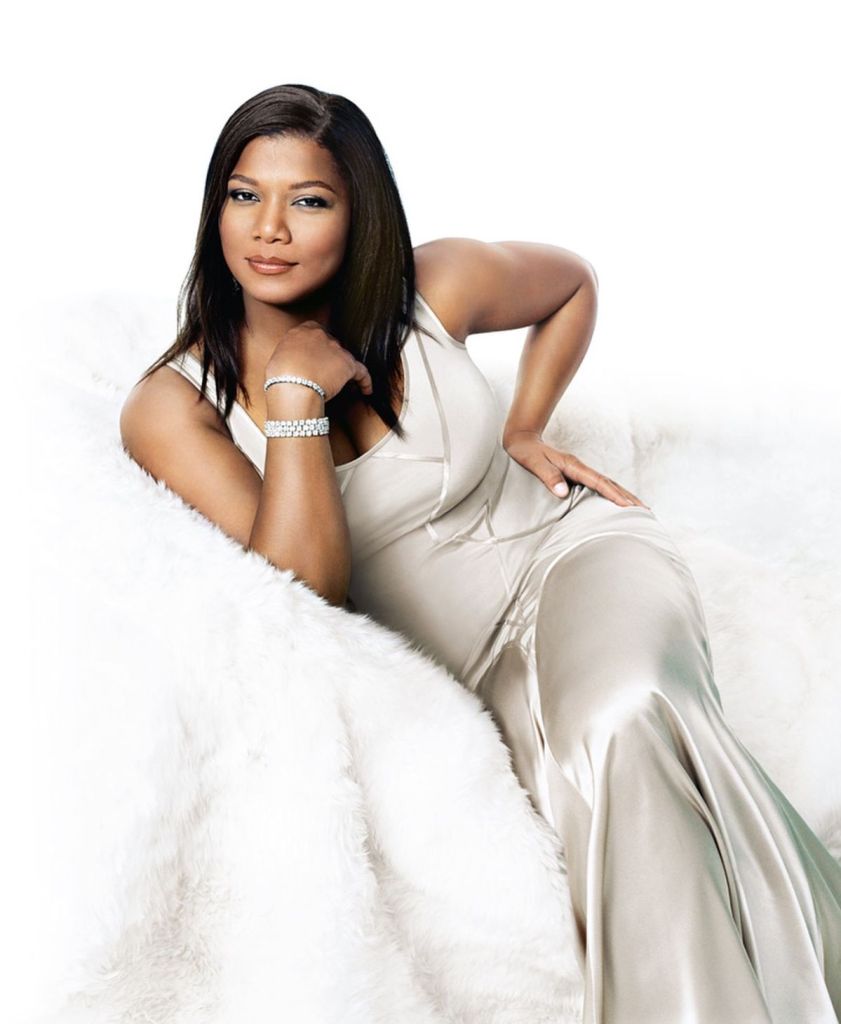
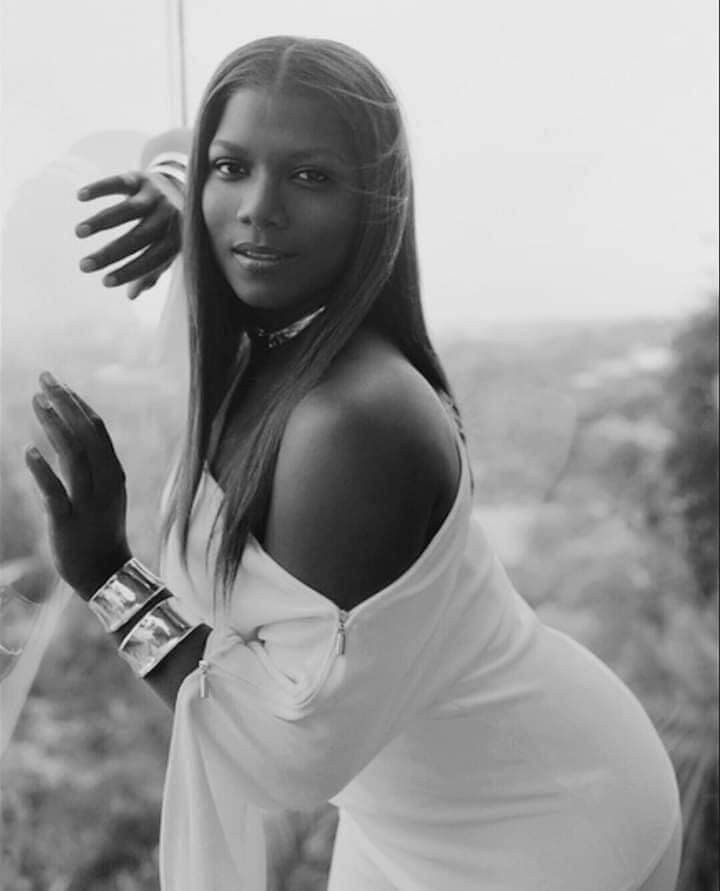
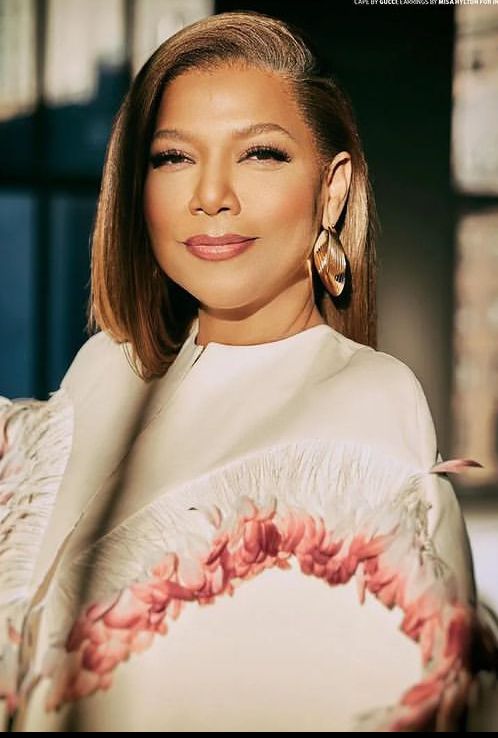
In the world of entertainment, certain women transcend generations and cultural boundaries to become enduring symbols of beauty, talent, and influence. Queen Latifah is one of those rare figures. Known for her statuesque elegance, radiant skin, commanding voice, and intellectual presence, she represents a powerful image of confidence and grace. Over the course of more than three decades, she has excelled as a rapper, actress, producer, businesswoman, and fashion figure, earning respect across multiple industries. Her multifaceted career and timeless presence make her a quintessential “It Girl,” a woman whose style, talent, and influence define cultural moments.
Born Dana Elaine Owens on March 18, 1970, in Newark, New Jersey, Queen Latifah was raised in a working-class family that emphasized discipline and education. Her mother, Rita Owens, was a schoolteacher who instilled strong values and intellectual curiosity, while her father, Lancelot Owens, worked as a police officer. Growing up in Newark during a transformative era in American culture exposed Latifah to the vibrant rhythms of urban life, gospel music, and the emerging sounds of hip-hop. These early influences would shape the foundation of her creative voice.
Queen Latifah has long been admired for her striking physical presence. Standing nearly six feet tall, she carries herself with a regal posture that commands attention in any room. Her smooth, luminous complexion and confident smile helped redefine beauty standards in an entertainment industry that historically marginalized fuller-figured Black women. Rather than conforming to narrow expectations, Latifah embraced her natural beauty, projecting confidence and dignity that resonated with audiences around the world.
As a teenager, Latifah discovered her passion for music and performance. She began beatboxing and rapping in local groups while attending high school in East Orange, New Jersey. Her early musical experiences included performing with an all-female rap collective called Ladies Fresh. At a time when female voices were rare in hip-hop, she developed a style that blended lyrical strength with social awareness and rhythmic innovation.
Her stage name carries both cultural meaning and personal symbolism. The name “Latifah,” which translates loosely from Arabic as “delicate” or “kind,” was given to her by a cousin when she was a child. When she entered the music industry, she added the title “Queen” to express dignity, respect, and empowerment for women. The name became a declaration of identity, reflecting both self-respect and a broader message about the worth and strength of women.
This photograph is the property of its respective owner.
Queen Latifah’s breakthrough came in 1989 when she released her debut album All Hail the Queen. The album was groundbreaking not only for its musical style but also for its themes of empowerment and cultural pride. It blended hip-hop beats with jazz and reggae influences while delivering messages that encouraged respect for women and community awareness. The record quickly established Latifah as one of the most important female voices in hip-hop history.
Her music often addressed social issues affecting women. One of her most famous songs, “U.N.I.T.Y.,” became an anthem against harassment and violence toward women. The song’s bold lyrics challenged misogyny in hip-hop culture and broader society, earning her a Grammy Award for Best Rap Solo Performance. Through her music, Latifah demonstrated that hip-hop could be both entertaining and socially conscious.
While her rap career flourished, Queen Latifah also expanded into entrepreneurship. She co-founded Flavor Unit Entertainment, a production and management company that helped guide the careers of multiple artists and entertainment projects. Through this venture, she demonstrated remarkable business acumen and creative leadership, building opportunities not only for herself but for other performers as well.
Her transition into acting began during the 1990s, when she appeared in television and film roles that showcased her natural charisma. One of her most beloved early performances was in the sitcom Living Single, where she portrayed Khadijah James, a confident magazine editor navigating friendship and career in New York City. The series became a cultural touchstone, portraying successful Black women in professional settings with humor and authenticity.
Queen Latifah’s acting career soon expanded into major motion pictures. She delivered memorable performances in films such as Set It Off, The Bone Collector, Brown Sugar, and Bringing Down the House. Her versatility allowed her to move seamlessly between drama and comedy, establishing her as one of Hollywood’s most respected actresses.
A defining moment in her acting career came with her role as Mama Morton in the musical film Chicago. Her commanding performance earned her an Academy Award nomination for Best Supporting Actress. The role demonstrated her powerful singing ability and theatrical presence, further proving that she could excel in virtually any artistic medium.
This photograph is the property of its respective owner.
Latifah continued to star in a wide range of films, including Hairspray, Last Holiday, and The Secret Life of Bees. Each performance reflected her ability to embody strong and complex female characters. Audiences connected with her authenticity, warmth, and humor, qualities that made her a beloved figure in entertainment.
Beyond acting and music, Queen Latifah has also influenced the beauty and fashion industries. She became a spokesperson for the cosmetics brand CoverGirl and launched the “Queen Collection,” a makeup line designed specifically for women of color. The collection celebrated diverse skin tones and helped expand representation in mainstream beauty marketing.
Her contributions to entertainment have been recognized with numerous awards and honors. Queen Latifah has received a Grammy Award, a Golden Globe, Screen Actors Guild Awards, and multiple nominations for prestigious honors, including the Academy Awards and Emmy Awards. She also received a star on the Hollywood Walk of Fame, marking her lasting impact on American popular culture.
Throughout her career, Latifah has also been a voice for empowerment and social responsibility. She has spoken openly about issues affecting women, body positivity, and representation in media. Her ability to balance artistic success with cultural advocacy has strengthened her legacy as more than just an entertainer.
In recent years, Queen Latifah has continued to evolve creatively. She currently stars in the television series The Equalizer, portraying a resourceful woman who uses her intelligence and skills to protect vulnerable people. The role highlights her strength, wisdom, and maturity as a performer.
Outside of acting, she remains active as a producer and entrepreneur through her production company. Her leadership behind the camera has helped create opportunities for diverse stories and voices in film and television.
This photograph is the property of its respective owner.
What makes Queen Latifah an “It Girl” is not simply her fame but her presence. She embodies elegance, intelligence, talent, and resilience. Her beauty radiates confidence rather than conformity, and her success spans multiple creative disciplines.
Her career also represents longevity in an industry known for fleeting trends. While many artists rise and fade quickly, Latifah has remained relevant for more than three decades by constantly evolving and expanding her talents.
She represents a powerful model of Black womanhood—one that celebrates intelligence, strength, compassion, and dignity. For many admirers, she symbolizes a modern form of royalty rooted in character rather than status.
Ultimately, Queen Latifah’s journey from a young girl in Newark to an international icon reflects perseverance and vision. She used her voice and intellect to break barriers in music, film, and business.
In every sense of the phrase, Queen Latifah remains an “It Girl”—a timeless symbol of elegance, influence, and cultural power.





 THE BROWN GIRL DILEMMA