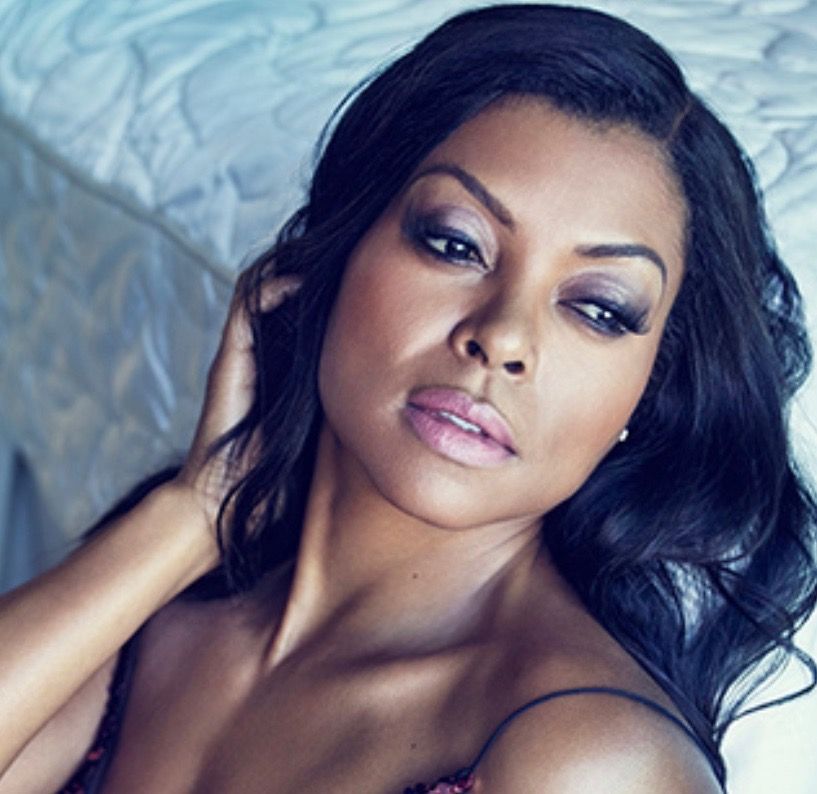
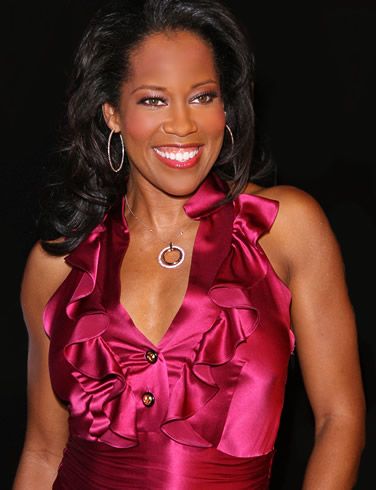
A magnetic presence with expressive eyes and a face that tells stories—Taraji P. Henson embodies charisma, beauty, and the undeniable allure of the screen.
This photograph is the property of its respective owners
Taraji P. Henson was born on September 11, 1970, in Washington, D.C., and raised in a close-knit family that encouraged her artistic ambitions. She developed a passion for acting early on, which led her to Howard University, where she earned a Bachelor of Fine Arts degree. Henson began her career with small television roles, including appearances on Smart Guy and Ally McBeal, but her breakout came with the film Baby Boy (2001), in which she portrayed Yvette, a character both complex and compelling. This role showcased her range as an actress and her ability to convey depth, emotion, and resilience.
Over the years, Henson has become a fixture in Hollywood, celebrated for her versatility and fearless approach to acting. She gained widespread acclaim for her portrayal of Cookie Lyon in the hit series Empire (2015–2020), earning a Golden Globe Award for Best Actress. This role highlighted not only her talent but also her ability to dominate the screen with presence, emotion, and authenticity. Henson has also been an outspoken advocate for gender equity and fair pay in the entertainment industry, reinforcing her reputation as a strong, independent voice in Hollywood.
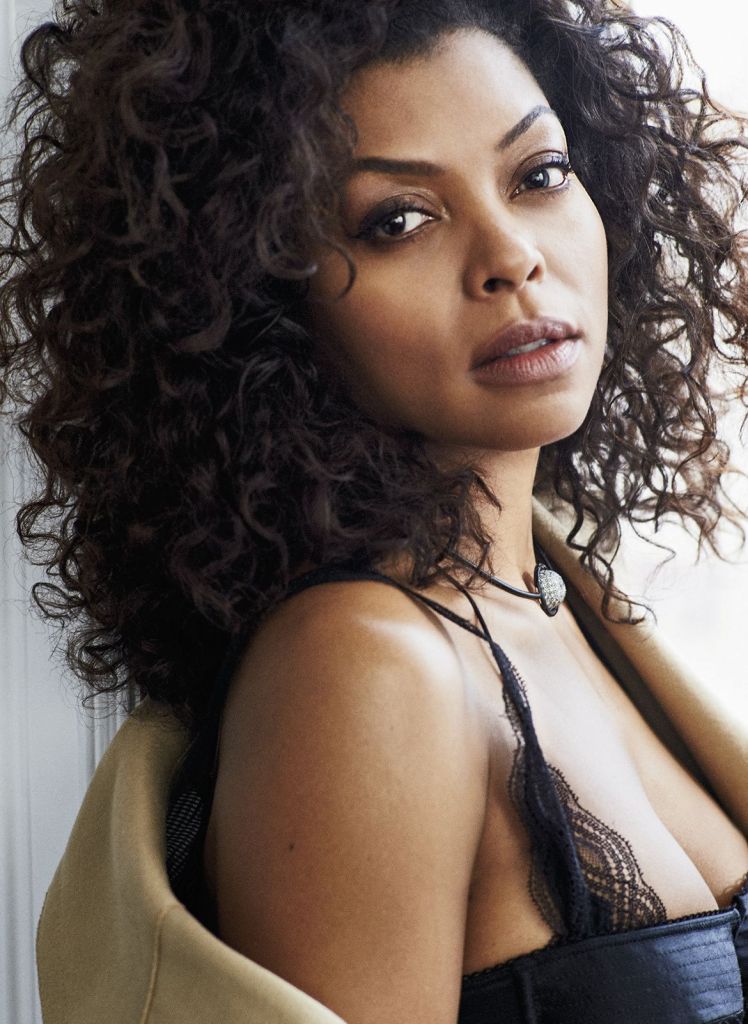
Her filmography spans a wide range of genres, showcasing her remarkable versatility. She appeared in The Curious Case of Benjamin Button (2008), Hustle & Flow (2005), Proud Mary (2018), and Good Deeds (2012) alongside Idris Elba, as well as Hidden Figures (2016) and Hustle (2022). From historical dramas to action thrillers, Henson consistently delivers nuanced, compelling performances. In addition to live-action roles, she has lent her voice to animated projects and participated in brand endorsements, solidifying her influence beyond the screen. Henson’s expressive face, radiant skin, and commanding presence allow her to communicate power, vulnerability, and charisma without uttering a single word—a hallmark of an “It Girl.”
This photograph is the property of its respective owners
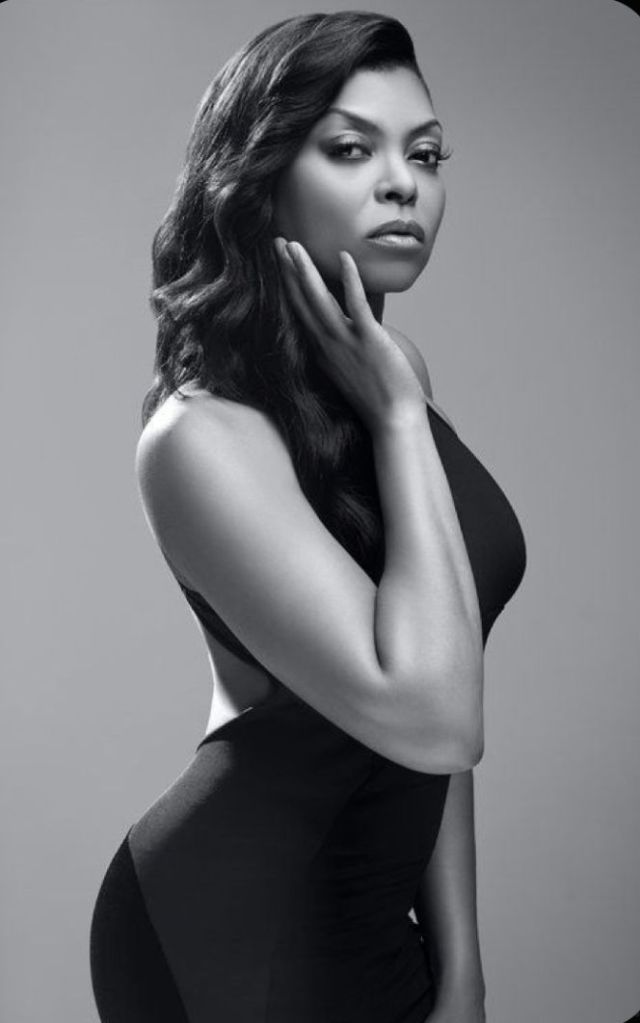
In her personal life, Henson has been married once and is the mother of a son, Marcel. She has shared her experiences navigating motherhood, fame, and career with honesty and grace, offering inspiration to many. On set, she has cultivated deep professional relationships and often speaks highly of her co-stars, reflecting her collaborative spirit. Her beauty is distinctive, transcending traditional Hollywood standards, with features that are celebrated for their expressiveness, symmetry, and strength.
This photograph is the property of its respective owners
What makes Taraji P. Henson an undeniable “It Girl” is the way she commands attention both on and off screen. Her expressive eyes and emotive facial expressions allow her to convey complex emotions effortlessly, captivating audiences with every glance. She combines raw talent with a fearless authenticity, embracing roles that challenge norms and showcase her versatility. Beyond acting, her confident presence, bold fashion choices, and outspoken advocacy for women’s rights and fair pay amplify her cultural influence, making her a role model as well as a star. Taraji’s allure is not just in her beauty—it is in her charisma, intelligence, and unapologetic individuality, qualities that make her both relatable and aspirational, securing her place as one of Hollywood’s most magnetic figures.
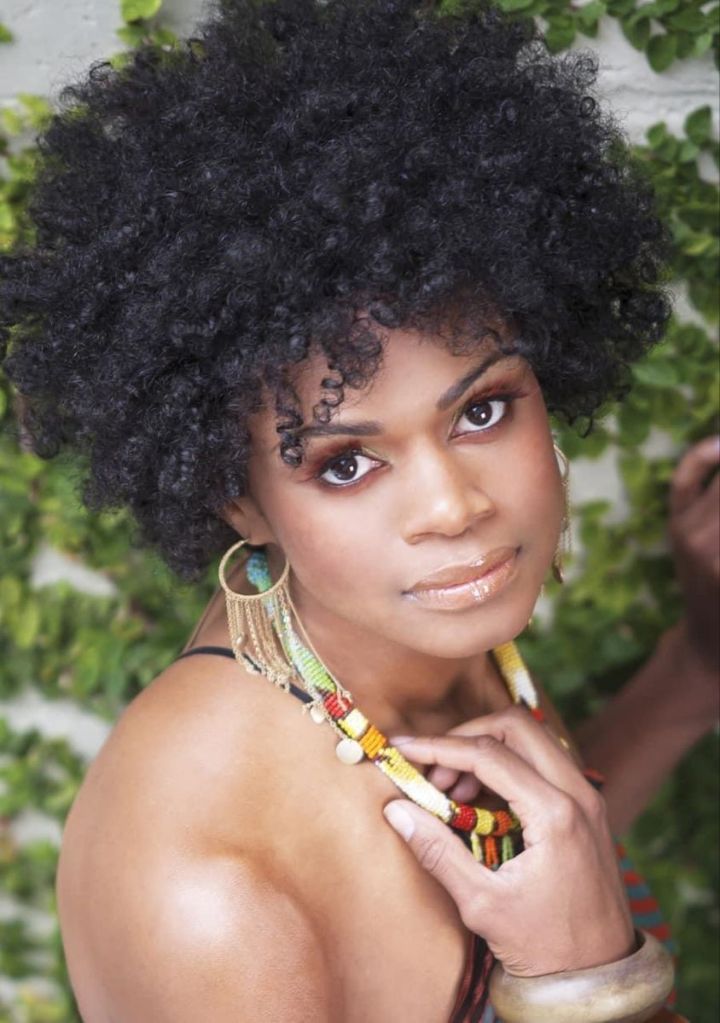
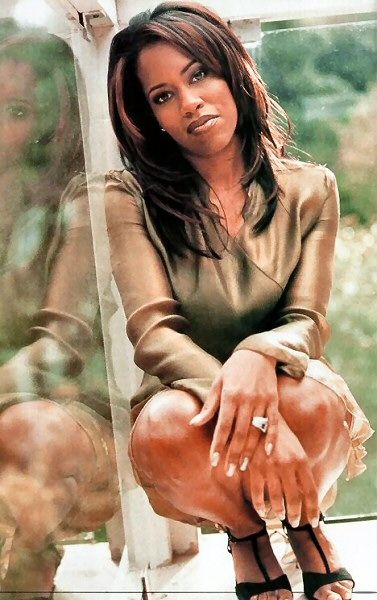
Piercing, expressive eyes and a commanding screen presence—Kimberly Elise blends beauty with depth, talent, and the rare quiet power of a young Cicely Tyson.
This photograph is the property of its respective owner.
Kimberly Elise Trammel was born on April 17, 1967, in Minneapolis, Minnesota, and raised with a deep love for performance and storytelling. She earned a B.A. in Communications from the University of Minnesota before pursuing her acting career in Los Angeles. Elise’s natural talent, intense presence, and distinctively expressive eyes quickly set her apart in dramatic roles. She made her feature‑film debut in the crime action classic Set It Off (1996), portraying Tisean “T.T.” Williams with emotional intensity and strength.
Elise’s career is marked by nuanced, layered performances in films that explore struggle, resilience, and redemption. She appeared in Beloved (1998), John Q (2002), The Manchurian Candidate (2004), Diary of a Mad Black Woman (2005), Woman Thou Art Loosed (2004), Pride (2007), The Great Debaters (2007), For Colored Girls (2010), Dope (2015), Almost Christmas (2016), Death Wish (2018), and Ad Astra (2019).
Her collaborations with Denzel Washington—John Q, The Manchurian Candidate, and The Great Debaters—are particularly notable. Elise has described working with Washington as a professional joy, emphasizing that he is intensely focused, generous in his preparation, and deeply committed to family and craft—qualities she shares as a performer. Elise’s repeated casting opposite him and the respect evident in industry discussions reflect a mutual professional regard and creative rapport.
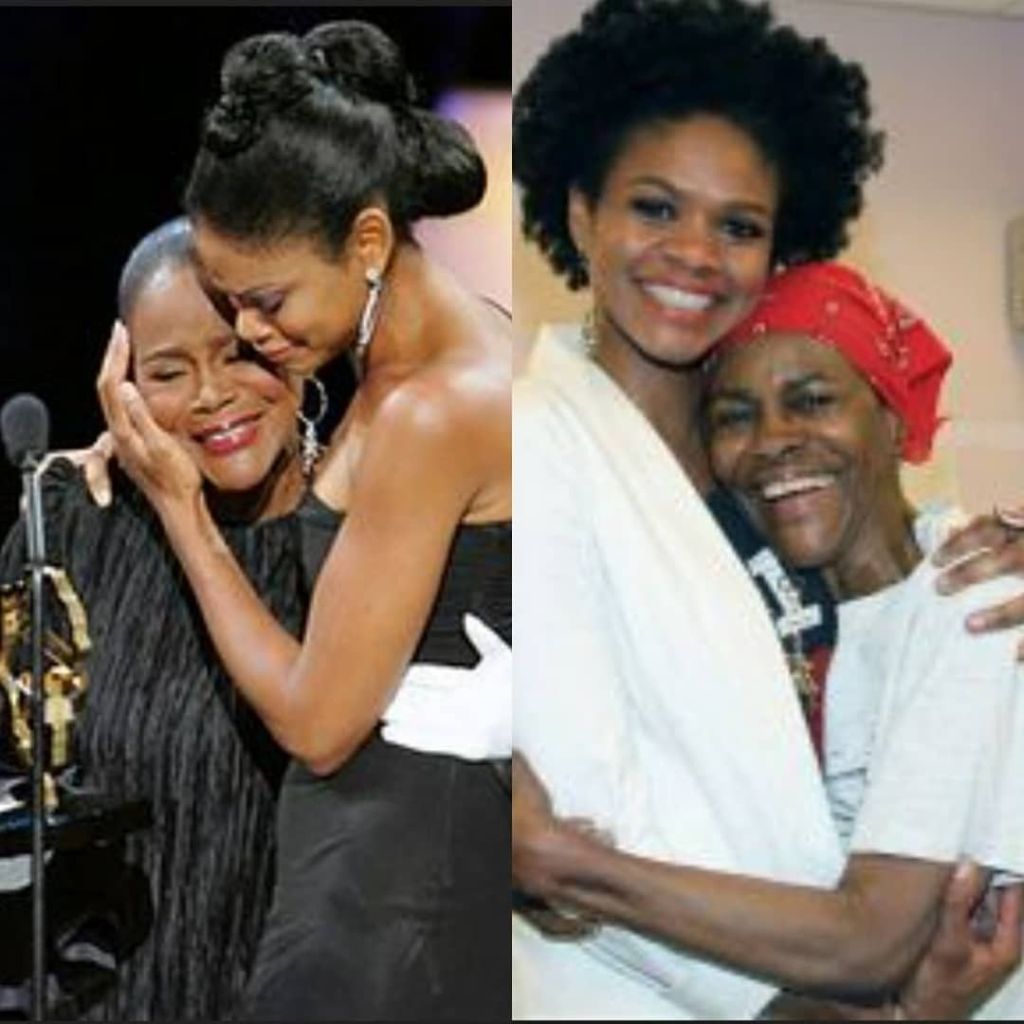
These photographs are the property of their respective owners.
Elise’s expressive, piercing eyes are a hallmark of her acting style: they convey internal life, pain, strength, and transformation without a single line of dialogue. Her presence has drawn comparisons to a young Cicely Tyson, not only for her physical resemblance but for the depth and dignity she brings to every role.
In her personal life, Kimberly Elise was first married to Maurice Oldham (April 21, 1989 – September 29, 2005), with whom she has two daughters, AjaBleu Oldham and Butterfly Rose Oldham. She later married George E. McCrary on August 23, 2023.
Elise’s work has earned critical recognition and industry honors. Early in her career, she won Best Supporting Actress at the 19th Annual CableACE Awards for The Ditchdigger’s Daughters (1997). She also received Independent Spirit Award and NAACP Image Award nominations for Woman Thou Art Loosed (2004), won NAACP Image Awards for Diary of a Mad Black Woman and other projects, and has been celebrated for her powerful contributions to film and television that center Black women’s stories.
Kimberly Elise embodies the qualities of an “It Girl” through a blend of confidence, emotional intelligence, and acting prowess. Her beauty is not superficial but expressive and commanding, rooted in her ability to convey truth through subtle gestures and deep emotional resonance. Whether portraying everyday struggles or extraordinary resilience, Elise’s work resonates with authenticity, intelligence, and grace—making her one of Hollywood’s most compelling and enduring talents.
The 90s bombshell who turned blockbuster beauty into enduring Black Hollywood power.
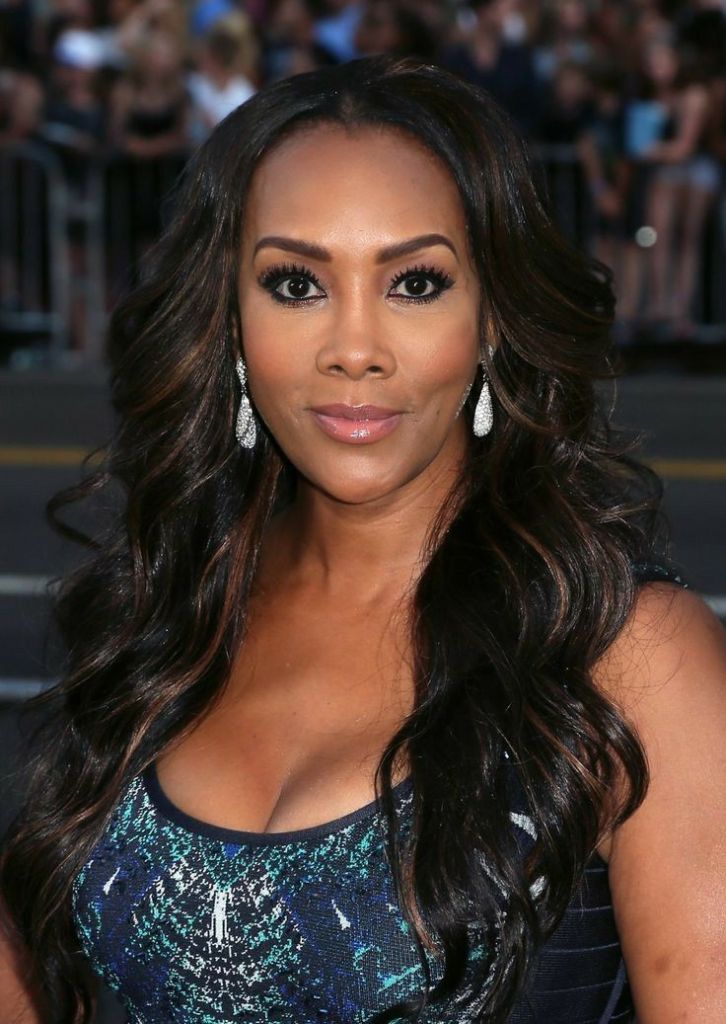
This photograph is the property of its respective owner.
In the pantheon of Black Hollywood glamour, few women have embodied resilience, sensuality, and business acumen quite like Vivica A. Fox. With her radiant smile, honey-brown complexion, and unmistakable screen presence, Fox emerged in the 1990s as one of the definitive “It Girls” of her era. She was not merely beautiful—she was bankable. At a time when Hollywood often limited roles for Black actresses, Fox carved out a space where glamour met grit, and vulnerability met strength.
Born July 30, 1964, in South Bend, Indiana, and raised in Indianapolis, Fox earned a degree in social sciences from Golden West College before pursuing acting. Her early career included soap operas such as Days of Our Lives and Generations, where she honed the discipline and stamina required in the entertainment industry. These formative years shaped her work ethic and prepared her for the breakout that would redefine her trajectory.
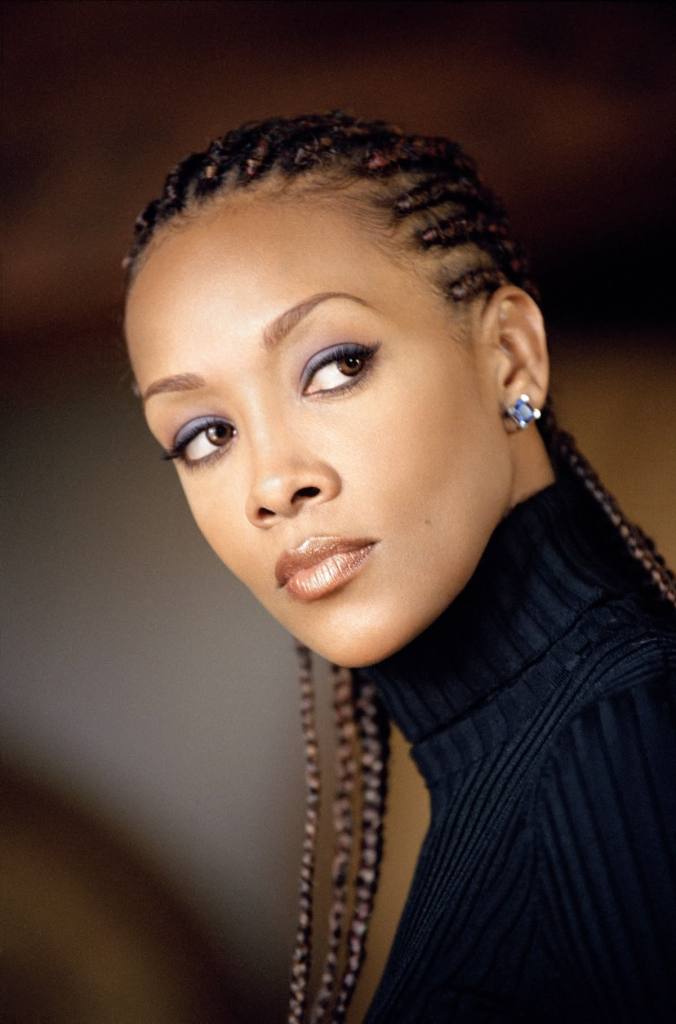
This photograph is the property of its respective owner.
Fox’s ascension to mainstream fame arrived with her role as Jasmine Dubrow in Independence Day (1996). Acting alongside Will Smith, she portrayed a devoted girlfriend and single mother navigating apocalyptic chaos. The film grossed over $800 million worldwide, cementing Fox as a recognizable face in blockbuster cinema. That same year, she starred opposite Jada Pinkett Smith and Queen Latifah in Set It Off, a cultural landmark that remains one of the most significant portrayals of Black female antiheroes in American film history. Her performance as Frankie Sutton—loyal, fierce, and tragically vulnerable—demonstrated dramatic range and emotional depth.
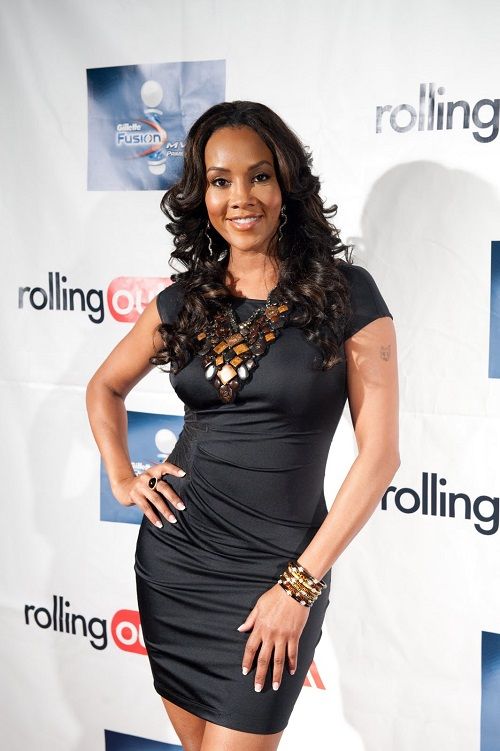
This photograph is the property of its respective owner.
Throughout the late 1990s and early 2000s, Fox became synonymous with box office consistency and romantic allure. She starred in Soul Food, a film adaptation of the television series’ precursor, highlighting Black family dynamics, and appeared in Why Do Fools Fall in Love, portraying Elizabeth Waters opposite Halle Berry. Fox also displayed comedic brilliance in Booty Call and dramatic intensity in Kill Bill: Vol. 1, directed by Quentin Tarantino. As Vernita Green (Copperhead), she embodied physical power and maternal complexity, proving she could dominate action cinema alongside global stars.
In the 2010s, Vivica A. Fox strategically expanded her brand through a prolific partnership with Lifetime, becoming one of the network’s most recognizable leading ladies and executive producers. She headlined and produced multiple entries in the popular thriller franchise commonly known as “The Wrong” series—including titles such as The Wrong Roommate and The Wrong Fiancé—which centered on suspense-driven narratives involving deception, obsession, and betrayal. In 2020, Fox solidified her relationship with Lifetime and its parent company, A+E Networks, by signing a first-look development and producing deal. The agreement positioned her to both star in and executive produce original films for the network, effectively transitioning her from on-screen talent to creative architect. This deal underscored her business acumen, granting her expanded influence over storytelling while ensuring sustained visibility in a competitive industry.
Beyond acting, Fox evolved into a producer and entrepreneur, founding Foxy Brown Productions. She later became a staple of television, starring in and producing projects for networks such as Lifetime, often portraying sophisticated, high-powered women. Her longevity in the industry reflects not only talent but adaptability—an essential attribute for Black actresses navigating Hollywood’s shifting landscape.
Culturally, Fox’s beauty represented the quintessential “All-American” glamour filtered through a distinctly Black aesthetic. Her softly arched brows, almond-shaped eyes, and luminous skin tone positioned her within mainstream beauty discourse at a time when representation was limited. Yet her appeal transcended aesthetics. She carried herself with confidence, humor, and unapologetic femininity, influencing a generation of actresses and audiences alike.
Vivica A. Fox is an “It Girl” not because of fleeting popularity, but because of sustained visibility, cultural impact, and professional endurance. She represents the archetype of the 1990s Black Hollywood starlet who matured into a mogul—gracefully, strategically, and unapologetically. In a world that often sidelines women as they age, Fox has maintained relevance, embodying elegance and resilience.
Her legacy is one of survival and success. She is not simply remembered for her roles; she is remembered for her presence—bold, beautiful, and enduring.
References
Bogle, D. (2016). Toms, Coons, Mulattoes, Mammies, and Bucks: An interpretive history of Blacks in American films (Updated ed.). Bloomsbury Academic.
Guerrero, E. (1993). Framing Blackness: The African American image in film. Temple University Press.
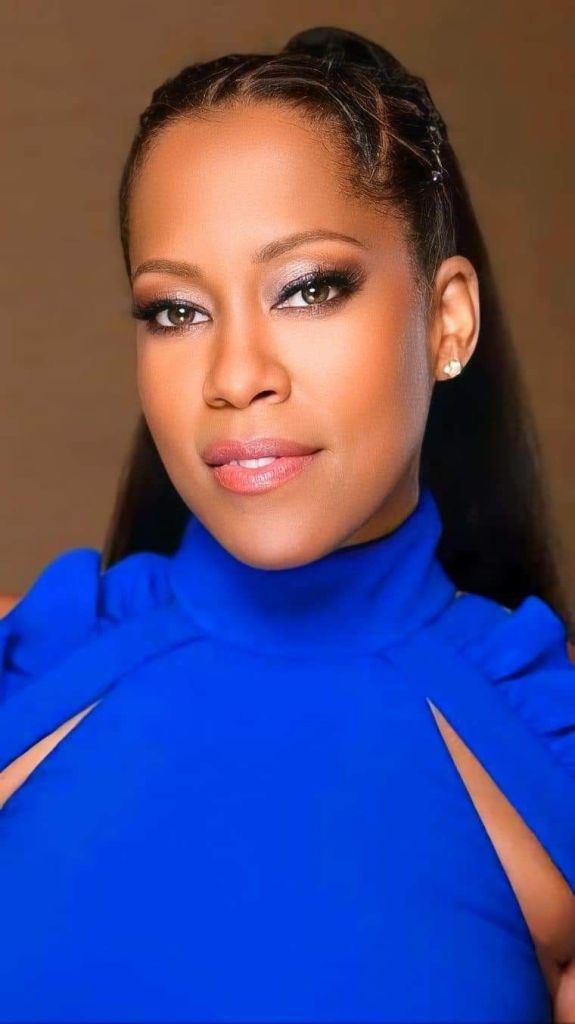
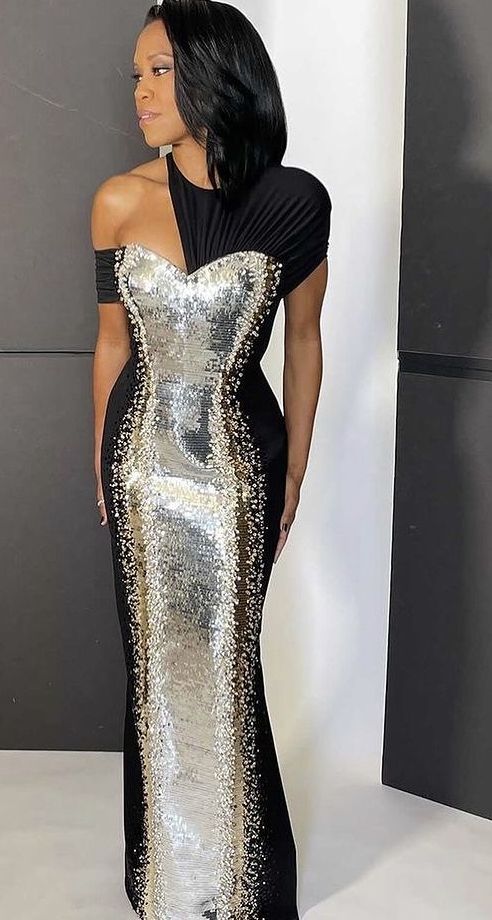
With hazel eyes that see truth and talent that commands history, Regina King doesn’t follow eras — she defines them.
This photograph is the property of its respective owner.
There are actresses, there are auteurs, and then there is Regina King — a woman whose career arc reflects brilliance, endurance, evolution, and cultural gravitas. Regina King is not merely an “It Girl” because of a trend or visibility. She is an It Girl because she embodies excellence — consistently, intelligently, and unapologetically.
From child star to Academy Award winner to Emmy-winning television powerhouse and acclaimed director, King represents the rare Hollywood figure whose relevance deepens with time.
Early Life & How She Got Started
Born January 15, 1971, in Los Angeles, California, Regina King grew up in View Park–Windsor Hills, a historically Black middle-class enclave. After her parents divorced, King was raised primarily by her mother, Gloria, and encouraged to pursue both education and performance.
Her professional career began in 1985 when she was cast as Brenda Jenkins on the NBC sitcom 227. As the witty, sharp-tongued teenage daughter of Mary Jenkins (played by Marla Gibbs), King displayed natural comedic timing and emotional intelligence beyond her years. “227” ran for five seasons and established her as a household name in Black America.
Unlike many child actors, King did not disappear. She transitioned deliberately into film, starring in culturally defining projects such as Boyz n the Hood (1991), Poetic Justice (1993), and Friday (1995). Each role expanded her range — from socially conscious drama to romantic intensity to comedic realism.
This photograph is the property of its respective owner.
Becoming a Hollywood Force
By the 2000s, Regina King was no longer simply a former child star — she was a powerhouse performer. Her television performances in Southland and American Crime earned her critical acclaim and multiple Emmy Awards. In fact, she has won four Primetime Emmy Awards, making her one of the most decorated Black actresses in television history.
Her career-defining film role came in If Beale Street Could Talk, directed by Barry Jenkins. Her portrayal of Sharon Rivers — a fierce, protective mother — earned her the Academy Award for Best Supporting Actress in 2019. In her Oscar acceptance speech, King declared:
“I’m an example of what it looks like when support and love is poured into someone.”
That statement encapsulates her ethos: grounded, grateful, powerful.
She later directed the critically acclaimed film One Night in Miami…, becoming the first Black woman to direct a film selected for the Venice Film Festival in 2020. The film dramatized a fictionalized meeting between Malcolm X, Muhammad Ali, Jim Brown, and Sam Cooke — positioning King not only as an actress but as a cultural curator of Black history.
Portraying Shirley Chisholm
In 2024, King portrayed pioneering congresswoman Shirley Chisholm in the Netflix film Shirley. Chisholm, the first Black woman elected to Congress and the first Black candidate for a major party’s presidential nomination, required gravitas, discipline, and historical sensitivity. King brought both power and tenderness to the role, further solidifying her reputation for portraying strong, intelligent Black women rooted in political and emotional complexity.
Her Family, Marriage & Personal Loss
Regina King married record executive Ian Alexander Sr. in 1997. They divorced in 2007. Together, they had one son, Ian Alexander Jr.
In January 2022, Ian Alexander Jr. died by suicide at age 26. The tragedy stunned Hollywood and the public. King released a statement describing her son as “a bright light who cared so deeply about the happiness of others.”
Her strength in the aftermath was quiet but profound. She requested privacy while expressing gratitude for the outpouring of love. In interviews before his death, she had often described motherhood as her greatest joy. Afterward, she has spoken about grief as something that does not disappear but transforms.
Her resilience has deepened public admiration. She embodies a particular kind of Black maternal dignity — one that does not collapse under public pain but refuses spectacle. All the best to her.
This photograph is the property of its respective owner.
Beauty, Presence & Hollywood Appeal
Regina King’s beauty is understated yet magnetic. Her warm hazel eyes — often highlighted by minimal, elegant styling — convey intelligence and emotional awareness. Casting directors frequently praise her for her ability to “listen on camera,” a rare acting skill that makes her performances feel lived-in rather than performed.
Critics often describe her as:
Disciplined
Emotionally precise
Thoughtful
Commanding without arrogance
Viola Davis once publicly praised King’s range and fearlessness, and many directors note her preparation and leadership on set. Her appeal in Hollywood stems from three rare combinations:
Talent across mediums (film, television, directing)
Professional longevity without scandal-driven notoriety
Intellectual depth paired with cultural authenticity
She is popular not because she is loud, but because she is consistently excellent.
This photograph is the property of its respective owner.
Why She Is an “It Girl”
The term “It Girl” is often associated with trendiness, youth, or fleeting fame. Regina King redefines it.
She is an It Girl because:
She began as a teenage sitcom star and evolved into an Oscar-winning actress.
She commands respect in both acting and directing.
She carries herself with moral and intellectual clarity.
She uplifts Black history through her work.
She balances glamour with groundedness.
She represents aspirational Black womanhood — educated, accomplished, emotionally complex, and culturally conscious.
Her favorites often include roles that explore justice, motherhood, and Black identity — themes aligned with her public values. She has stated in interviews that she chooses projects that matter socially, not merely financially.
Popularity & Cultural Position
Regina King is popular because she bridges generations:
Millennials remember her from Friday.
Gen X remembers her from 227.
Gen Z knows her from Watchmen.
Cinephiles respect her Oscar win.
Scholars respect her directorial contributions.
Few artists manage that breadth.
In a Hollywood system that often sidelines Black women after a certain age, King has grown more powerful, not less visible. She is the embodiment of sustained relevance.
Regina King is not simply an actress. She is a cultural institution.
And in the It Girl Series, she stands as proof that brilliance, when cultivated with discipline and dignity, never fades — it evolves.
References
Academy of Motion Picture Arts and Sciences. (2019). 91st Academy Awards winners list.
Emmys. (n.d.). Regina King – Award history. Television Academy.
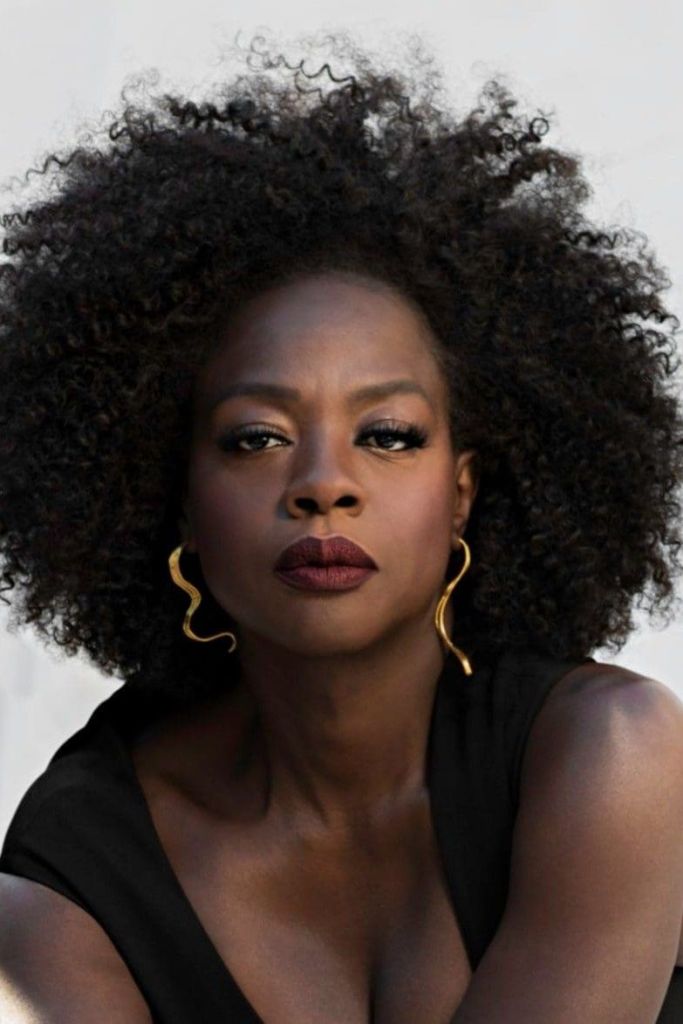
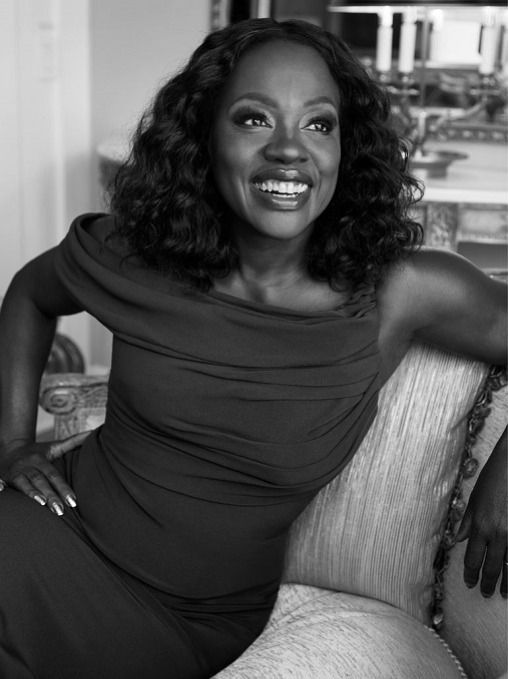
In Hollywood and beyond, few women shine as brightly and powerfully as Viola Davis. This extraordinary actress not only captivates audiences with their unparalleled talent, but they also embody the richness and beauty of Black womanhood—her deep, radiant “chocolate” skintone celebrated as a symbol of elegance, strength, and resilience. From commanding the stage to dominating the silver screen, she has carved a path defined by hard work, brilliance, and groundbreaking accomplishments. Viola Davis, often hailed as the “Black Meryl Streep,” has achieved the rare EGOT status in Hollywood.
This photograph is the property of its respective owners. No copyright infringement intended.
From poverty in Rhode Island to Hollywood’s highest honors, Viola Davis is a transformative talent whose piercing presence, emotional depth, and unparalleled achievements have made her one of the most acclaimed actors of her generation.
Viola Davis was born on August 11, 1965, in Saint Matthews, South Carolina, and raised in Central Falls, Rhode Island, where her family lived in poverty. Growing up, she often felt unseen by society but nurtured a powerful imaginative spirit and a dream of acting as both escape and purpose. Her early life shaped her relentless work ethic, emotional honesty, and drive to portray complex, truthful stories about Black women and human experience.
Davis’s formal training began with a scholarship to the prestigious Juilliard School, where she honed her craft and prepared for a career that would break barriers in theater, film, and television. Her Broadway debut in August Wilson’s Seven Guitars earned critical praise and her first Tony nomination, setting the stage for a career defined by depth, gravitas, and transformative performances.
Viola Davis’s screen career spans gripping dramas, powerful historical adaptations, and commercial successes. Early attention came from roles in films such as Doubt (2008), earning her first Academy Award nomination, and The Help (2011), for which she received another Oscar nomination. Her range expanded into thrillers (Prisoners), biopics (Get On Up), and blockbusters (Suicide Squad), all while continuing to bring unparalleled intensity and truth to her characters.
This photograph is the property of its respective owner.
Her iconic television role as Annalise Keating in How to Get Away with Murder (2014–2020) marked a historic milestone: she became the first Black actress to win the Primetime Emmy Award for Outstanding Lead Actress in a Drama Series. That performance, fierce and emotionally layered, influenced a generation of actresses and redefined representation on primetime TV.
In film, Davis reached new heights with Fences (2016), directed by and starring Denzel Washington, earning her the Academy Award for Best Supporting Actress—a performance widely regarded as one of the most courageous and textured portrayals of a struggling Black woman in cinema. In Ma Rainey’s Black Bottom (2020), she delivered another powerful performance as the blues legend Bessie Smith, further cementing her range and emotional depth.
Viola Davis’s list of honors is historic and unparalleled. She has won the four major American entertainment awards—Emmy, Grammy, Oscar, and Tony—earning her EGOT status, one of the rarest distinctions in the industry. In 2023, her Grammy win for the audiobook narration of her memoir Finding Me completed the quartet, making her only the 18th person in history and the third Black woman ever to achieve EGOT. In addition, she has received multiple Screen Actors Guild Awards, Golden Globe, BAFTA, and Critics’ Choice Awards, as well as the Cecil B. DeMille Award (Golden Globe lifetime achievement) in 2025.
Davis is frequently described as one of the most powerful actors of her generation—often likened to a “Black Meryl Streep” for her emotional precision, versatility, and ability to disappear into roles while still projecting fierce authenticity. Her performances are marked by piercing, expressive eyes and a remarkable capacity to reveal inner turmoil, strength, and vulnerability through minimal gesture, a quality that elevates every character she embodies. Critics, peers, and audiences alike note her uncanny ability to deliver performances that are both profoundly human and culturally transformative.
This photograph is the property of its respective owner.
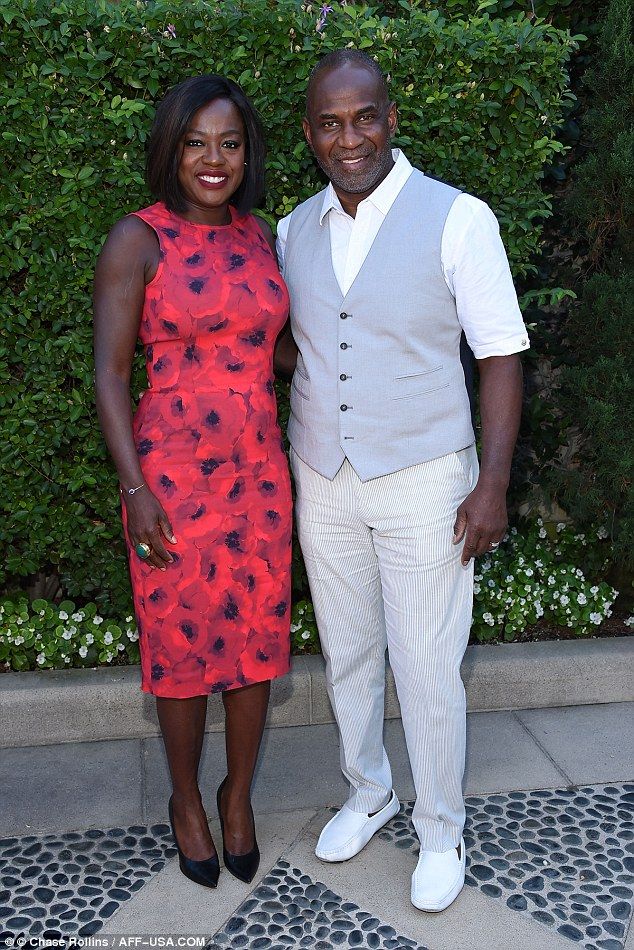
In her personal life, Viola Davis married producer Julius Tennon in 2003, and together they co‑founded JuVee Productions, a company dedicated to elevating underrepresented voices and stories in film, television, and theater. She balances her professional success with family life and philanthropy, using her platform to advocate for equity, representation, and opportunities for diverse artists.
Beyond awards and accolades, Davis’s influence extends into cultural discourse about race, representation, beauty standards, and women’s stories in entertainment. Her ascendancy—from humble beginnings to EGOT winner and global icon—serves as a testament to perseverance, intelligence, and artistic integrity.
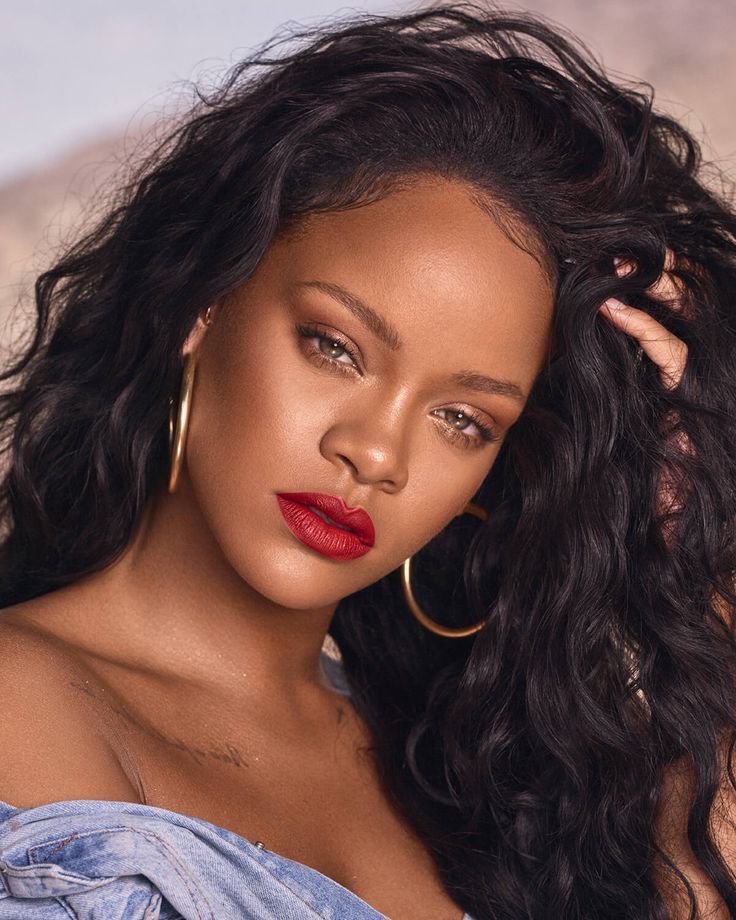
With mesmerizing hazel eyes, statuesque elegance, and an empire built on creativity and resilience, Rihanna embodies the modern “It Girl”—a global icon whose beauty, talent, and business acumen have reshaped music, fashion, and philanthropy.
This photograph is the property of its respective owner.
Robyn Rihanna Fenty—known globally as Rihanna—stands as one of the most influential cultural figures of the twenty-first century. Celebrated for her distinctive beauty, entrepreneurial brilliance, and musical innovation, Rihanna has evolved from a teenage pop singer into a billionaire mogul whose impact extends far beyond entertainment. Her captivating hazel eyes, radiant complexion, and statuesque presence have made her one of the most recognizable women in the world, while her ambition and vision have transformed her into a pioneer of modern celebrity entrepreneurship.
Rihanna was born on February 20, 1988, in Saint Michael, Barbados, and raised in the Barbadian capital of Bridgetown. Her father, Ronald Fenty, worked as a warehouse supervisor, while her mother, Monica Braithwaite, was an accountant. Growing up in a modest household, Rihanna’s childhood was shaped by both the vibrant culture of Barbados and the challenges of family struggles. Despite these obstacles, she demonstrated remarkable confidence and talent at a young age, particularly in music and performance.
Rihanna’s life changed dramatically in 2003 when she formed a girl group with two classmates and auditioned for American music producer Evan Rogers, who was visiting Barbados. Impressed by her distinctive voice and magnetic presence, Rogers invited Rihanna to record demo tapes in the United States. These recordings eventually reached rapper and entrepreneur Jay-Z, then president of Def Jam Recordings. After auditioning for Jay-Z, Rihanna was offered a recording contract that launched her career into the global spotlight.
This photograph is the property of its respective owner.
Her debut album, Music of the Sun (2005), introduced Rihanna’s Caribbean-infused pop sound and produced the hit single Pon de Replay. She quickly followed with A Girl Like Me (2006), which included chart-topping hits such as SOS and established her as a rising pop star. However, it was her third studio album, Good Girl Gone Bad (2007), that catapulted her into superstardom. The album featured the global smash hit Umbrella, which earned Rihanna her first Grammy Award and solidified her status as one of the defining artists of her generation.
Throughout the late 2000s and 2010s, Rihanna continued to dominate the music industry with critically acclaimed albums such as Rated R, Loud, Talk That Talk, Unapologetic, and Anti. Her musical versatility allowed her to blend pop, R&B, reggae, dancehall, and electronic influences, creating a sound that resonated across cultures and continents. Over time, Rihanna accumulated more than a dozen number-one singles on the Billboard Hot 100 chart, making her one of the best-selling music artists in history.
This photograph is the property of its respective owner.
Beyond music, Rihanna revolutionized the beauty industry with the launch of Fenty Beauty in 2017 in partnership with the luxury conglomerate LVMH. The brand was celebrated for its groundbreaking inclusivity, debuting with 40 foundation shades designed to accommodate a wide range of skin tones. This bold move challenged long-standing industry norms and sparked what many analysts called the “Fenty Effect,” prompting other cosmetics companies to expand their shade ranges and embrace diversity in beauty marketing.
Rihanna’s entrepreneurial ambitions did not stop with cosmetics. She later launched Savage X Fenty, a lingerie company celebrated for its inclusive sizing and diverse representation of women. She also created Fenty Skin and other fashion ventures, solidifying her reputation as a business visionary. By 2021, financial analysts estimated Rihanna’s net worth at over $1 billion, making her the wealthiest female musician in the world and one of the few entertainers to achieve billionaire status through business innovation.
Her physical beauty has also played a role in her iconic status. Rihanna’s luminous hazel eyes, symmetrical facial structure, and statuesque figure have made her a muse for fashion designers and photographers alike. She has graced the covers of leading fashion magazines, including Vogue and Harper’s Bazaar, and has become known for her fearless experimentation with style. Whether walking red carpets or appearing in editorial spreads, Rihanna’s presence exudes confidence, individuality, and elegance.
Rihanna’s influence extends deeply into philanthropy. In 2012, she founded the Clara Lionel Foundation, named after her grandparents. The foundation focuses on global education, emergency response, and climate resilience initiatives, particularly in underserved communities. Through scholarships, disaster relief efforts, and global partnerships, Rihanna has demonstrated a commitment to using her wealth and platform to uplift others.
This photograph is the property of its respective owner.
Her humanitarian efforts have been widely recognized. In 2017, she was named Harvard University’s Humanitarian of the Year for her philanthropic contributions and global advocacy. Rihanna has also supported initiatives related to healthcare, disaster recovery, and educational access, particularly in Caribbean nations and developing regions.
In her personal life, Rihanna shares a long-term relationship with rapper and entrepreneur A$AP Rocky. The couple welcomed their first son in 2022 and their second son in 2023, embracing parenthood while maintaining their influential careers in music and fashion. Their partnership has been widely admired as a union of two creative visionaries shaping contemporary culture.
Rihanna’s list of accolades is extensive. Over the course of her career, she has won nine Grammy Awards, numerous American Music Awards, Billboard Music Awards, and MTV Video Music Awards. Her achievements span music, fashion, beauty, and philanthropy—making her one of the most decorated entertainers of the modern era.
Perhaps Rihanna’s greatest legacy lies in how she has reshaped the concept of the “It Girl.” Traditionally associated with fleeting fame or fashionable allure, Rihanna transformed the archetype into something far more powerful. She represents a new generation of celebrity—one that blends artistry, entrepreneurship, activism, and cultural leadership.
From the sunlit streets of Barbados to the boardrooms of global fashion houses, Rihanna’s journey is a testament to ambition, resilience, and self-definition. Her beauty may first capture the world’s attention, but it is her vision, generosity, and fearless independence that truly define her legacy.
In every sense, Rihanna is not merely an “It Girl”—she is a phenomenon whose influence will shape music, fashion, and philanthropy for generations to come.
References
Forbes. (2021). Rihanna is now officially a billionaire thanks to Fenty Beauty.
IFPI. (2022). Global music report: Recording industry revenues and artists.
Billboard. (2023). Rihanna’s chart history and Billboard Hot 100 achievements.
Clara Lionel Foundation. (2023). Mission and philanthropic initiatives.
Britannica, T. Editors of Encyclopaedia. (2024). Rihanna: Barbadian singer, actress, and entrepreneur.
LVMH. (2017). Fenty Beauty brand launch and partnership announcement.
With piercing eyes and quiet fire, she made vulnerability look powerful and love look unforgettable.
This photograph is the property of its respective owner.
Sanaa Lathan embodies the rare fusion of classical training, romantic allure, and intellectual poise. With her luminous brown skin, serene gaze, and unmistakable voice, she emerged in the late 1990s and early 2000s as one of Black Hollywood’s most desired leading ladies. Yet beyond beauty, Lathan brought gravitas—balancing sophistication in a way that redefined the modern Black romantic heroine.
Born September 19, 1971, in New York City to actress Eleanor McCoy and director Stan Lathan, Sanaa was raised in a creative household steeped in the arts. She earned a bachelor’s degree in English from the University of California, Berkeley, and later received a master’s degree in drama from Yale University. Her classical training distinguished her from many contemporaries, grounding her performances in theatrical discipline and emotional range.
This photograph is the property of its respective owner.
Lathan’s breakout film role came in Love & Basketball, where she starred opposite Omar Epps. As Monica Wright, an ambitious athlete balancing love and professional aspiration, Lathan delivered a performance that has since become iconic in Black cinema. The film cemented her as the face of millennial Black romance—complex, career-driven, emotionally vulnerable, and fiercely independent. Her portrayal earned her a NAACP Image Award and lasting cultural reverence.
She continued her ascent with roles in Brown Sugar alongside Taye Diggs and The Best Man and its sequel, The Best Man Holiday, acting alongside ensemble greats including Nia Long and Morris Chestnut. In these films, Lathan mastered the art of romantic tension—portraying women who were both soft and strong, principled yet passionate.
This photograph is the property of its respective owner.
Breaking beyond romance, Lathan showcased versatility in genre films such as Alien vs. Predator, leading a major sci-fi franchise installment—an uncommon achievement for Black actresses at the time. On stage, she earned a Tony Award nomination for her work in A Raisin in the Sun, demonstrating her enduring commitment to theatrical excellence.
In recent years, Lathan expanded her creative influence by stepping behind the camera. In 2022, she made her directorial debut with On the Come Up, based on the novel by Angie Thomas and released by Paramount+. The project reflected her dedication to telling nuanced coming-of-age stories centered on young Black voices, signaling her evolution from muse to mentor.
Though often private about her personal life, Lathan has navigated public scrutiny—particularly surrounding rumors and media narratives—with composure and dignity. Her career longevity speaks to intentional role selection, artistic credibility, and strategic reinvention. She is neither a tabloid fixture nor a fleeting trend; she is an enduring presence.
Sanaa Lathan is an “It Girl” not because she chased attention, but because the camera gravitates toward her. She defined a generation’s romantic imagination while quietly building a body of work grounded in craft. In an industry obsessed with spectacle, Lathan remains refined—proof that elegance, education, and emotional intelligence are their own form of star power.
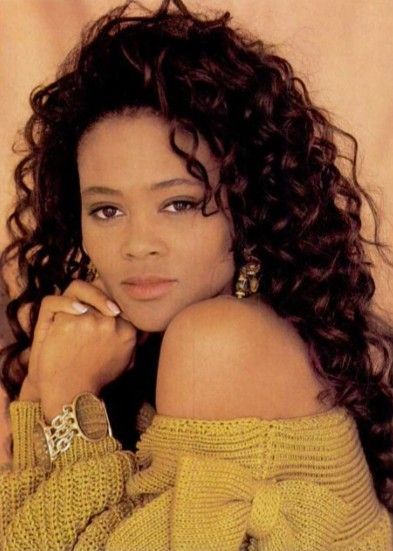
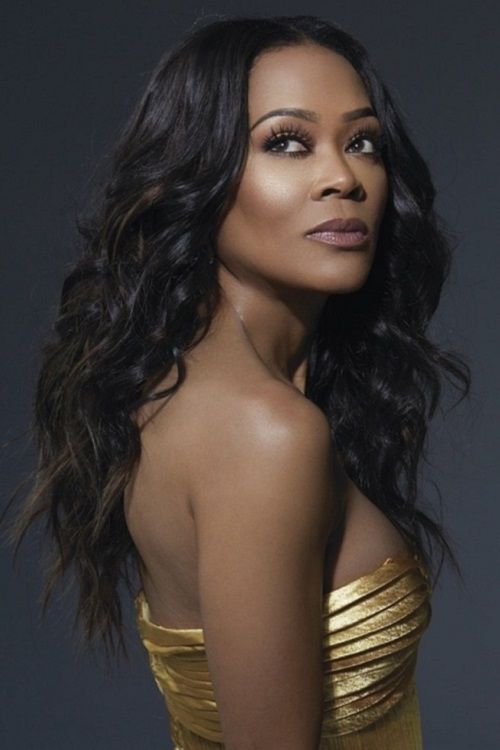
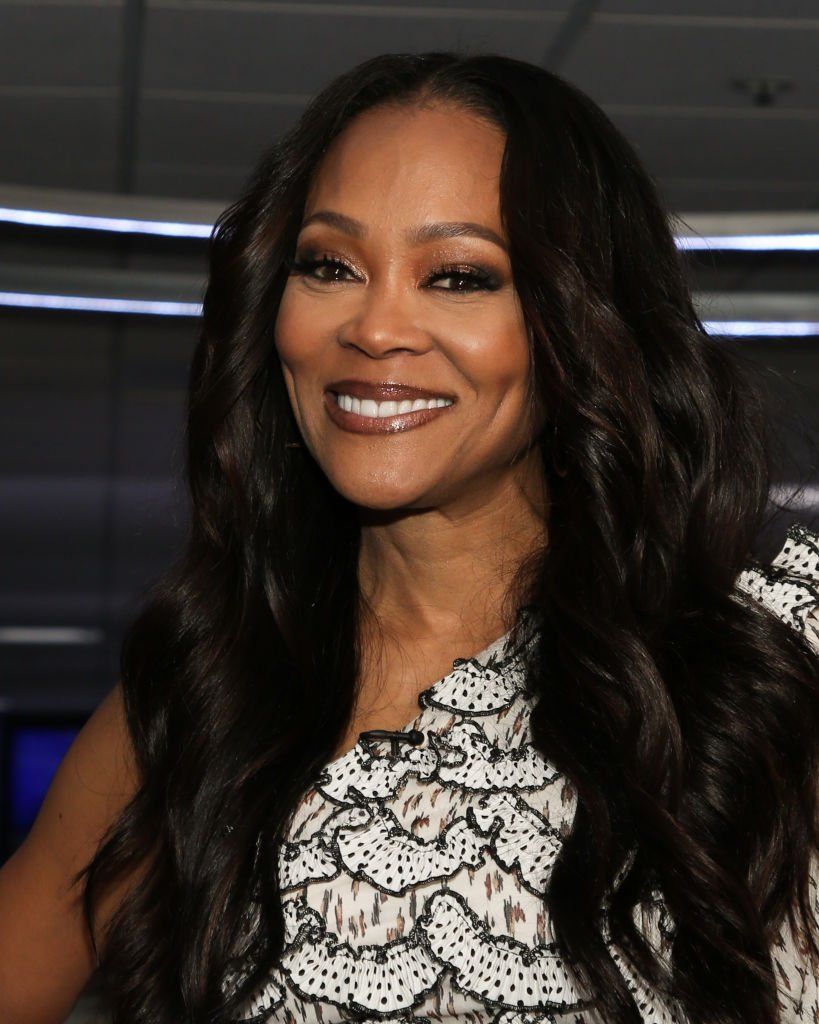
With luminous skin, sculpted cheekbones, and an unmistakable blend of elegance and intellect, Robin Givens emerged in the late twentieth century as one of Hollywood’s most captivating actresses—an “It Girl” whose beauty, confidence, and talent commanded attention both on screen and in popular culture.
This photograph is the property of its respective owner.
Robin Givens was born on November 27, 1964, in New York City, to Ruth Roper Givens and Reuben Givens. Her parents divorced when she was young, and she was raised primarily by her mother alongside her sister, Stephanie, in the suburban communities of Mount Vernon and New Rochelle, New York. Ruth Roper Givens, a nurse and educator, strongly encouraged academic achievement and artistic exploration in her daughters. From an early age, Robin demonstrated intellectual curiosity and creative ability, balancing academic excellence with a growing interest in performance. Her mother enrolled her in acting classes at the American Academy of Dramatic Arts when she was only ten years old, planting the seeds for a future career in entertainment.
This photograph is the property of its respective owner.
Givens’s beauty was immediately noticeable even in her youth. She possessed a petite, refined frame, radiant complexion, and sharply defined cheekbones that photographers and casting directors found striking. During her teenage years, she began working as a model, appearing in popular fashion and youth magazines such as Seventeen and Mademoiselle. Modeling introduced her to the entertainment industry and helped her develop the poised public persona that would later become central to her career. Her look embodied a distinctive mixture of sophistication and youthful charm, making her a natural fit for the fashion and television worlds of the 1980s.
Despite her growing presence in entertainment, Givens was also an exceptionally serious student. Demonstrating remarkable academic ability, she enrolled at Sarah Lawrence College at only fifteen years old, one of the youngest students in the institution’s history. At Sarah Lawrence, she pursued pre-medical studies while continuing to audition for acting roles. She graduated in 1984 at the age of nineteen, an accomplishment that reflected both her intellectual discipline and ambition. For a period, she expressed interest in becoming a doctor and even spoke publicly about attending Harvard Medical School; however, records later confirmed that she did not enroll in the program. Nevertheless, her education at Sarah Lawrence distinguished her among many young actresses in Hollywood.
Givens’s entrance into television came through small guest appearances on several popular shows during the mid-1980s. One of her early roles was a guest spot on The Cosby Show, where the legendary comedian Bill Cosby reportedly encouraged her to pursue acting professionally. That encouragement proved significant, as it helped solidify her decision to fully commit to an acting career rather than medical school. Shortly afterward, she began receiving additional television roles, gradually establishing herself within the industry.
Her breakthrough arrived in 1986 when she was cast in the ABC sitcom Head of the Class. On the show, she portrayed Darlene Merriman, an intelligent and confident student attending a program for gifted high schoolers. The series ran from 1986 to 1991, and Givens appeared throughout its entire run. Her character’s sharp wit, stylish demeanor, and self-assured personality resonated with audiences, making her one of the most recognizable young actresses on television at the time. The role also demonstrated her natural comedic timing and helped establish her reputation as both glamorous and intellectually sophisticated.
While television made her famous, Givens soon expanded into film. One of her most memorable roles came in the 1991 crime drama A Rage in Harlem, in which she portrayed the seductive and mysterious Imabelle opposite Forest Whitaker. Her performance displayed a different dimension of her talent, blending beauty with dramatic intensity. The following year, she appeared in the romantic comedy Boomerang alongside Eddie Murphy, a film that became a cultural touchstone of early 1990s Black Hollywood. Even in supporting roles, Givens’s screen presence stood out, reinforcing her reputation as a striking and charismatic performer.
During the early 1990s, she also appeared in films such as Blankman and continued working in television movies and series. Beyond screen acting, Givens demonstrated versatility as a stage performer. In 2006, she appeared on Broadway in the musical Chicago, portraying the iconic character Roxie Hart. Theater critics praised her for successfully transitioning from television and film to live performance, further proving her range as an actress.
This photograph is the property of its respective owner.
Although acting remained her primary profession, Givens maintained connections to the fashion world throughout her career. Her early modeling work for magazines such as Seventeen and Mademoiselle introduced her to a wide audience, and her elegant appearance made her a frequent subject of fashion editorials and publicity photography. In 1994, she posed for Playboy, an experience she later described as a personal decision to reclaim her narrative after years of intense tabloid scrutiny. Her beauty and public presence were widely recognized when Empire magazine ranked her among its “100 Sexiest Stars in Film History” in 1995.
Givens’s personal life often attracted as much attention as her professional work. In 1987, she met the world-famous heavyweight boxing champion, Mike Tyson. The pair married on February 7, 1988, creating one of the most widely publicized celebrity unions of the era. Unfortunately, the relationship deteriorated quickly and became the subject of intense media coverage. Givens later described experiences of domestic abuse during the marriage, and the couple divorced on February 14, 1989, after only a year together. The highly public nature of the relationship placed Givens at the center of media controversy, shaping public perception of her for years afterward.
Later in her life, she married tennis instructor Svetozar Marinković in 1997, although the marriage ended in divorce the following year. Givens is the mother of two sons, Michael “Buddy” Givens and William Givens Jensen. She has spoken openly about the importance of motherhood and how raising her children helped ground her amid the pressures of Hollywood.
Over the years, various rumors circulated regarding her dating life, including stories connecting her romantically with Brad Pitt. While pop culture gossip occasionally referenced an alleged relationship, reliable biographical sources do not confirm a documented romantic partnership between the two actors. As with many high-profile celebrities, speculation about her personal life often exceeded verified information.
Although she has not accumulated a large number of major acting awards, Givens has received recognition within the entertainment industry. In 1991, she was honored with the ShoWest Female Star of Tomorrow Award, acknowledging her rising prominence in film. She also received a Black Reel Award nomination for Best Supporting Actress in 2004, highlighting her continued contributions to film and television. Beyond awards, her influence is reflected in the longevity of her career and her visibility across multiple decades of entertainment.
This photograph is the property of its respective owner.
Robin Givens is often described as an “It Girl” because she embodied a rare combination of attributes that captured the public imagination. She possessed striking physical beauty, intellectual credibility, and fearless confidence, qualities that distinguished her from many contemporaries. At a time when Black actresses were often confined to limited roles, she projected sophistication, ambition, and glamour on mainstream television. Her visibility on Head of the Class, her appearances in prominent films, and her highly publicized personal life made her one of the most talked-about women in Hollywood during the late 1980s and early 1990s.
Even decades later, Givens remains a recognizable cultural figure. She has continued acting in television series, directing projects, and mentoring younger performers entering the entertainment industry. Her resilience—navigating fame, controversy, and reinvention—has allowed her career to endure long after many of her contemporaries faded from public view. In this sense, her legacy as an “It Girl” extends beyond beauty or celebrity gossip; it reflects the enduring presence of a woman who combined elegance, intelligence, and determination to leave a lasting mark on American popular culture.
References
Biography.com. (2023). Robin Givens biography. Empire Magazine. (1995). The 100 Sexiest Stars in Film History. IMDb. (2024). Robin Givens filmography and biography. NNDB. (2024). Robin Givens profile. Rotten Tomatoes. (2024). Robin Givens – actor biography. Wikipedia contributors. (2024). Robin Givens. Wikipedia.
This photograph is the property of its respective owner.
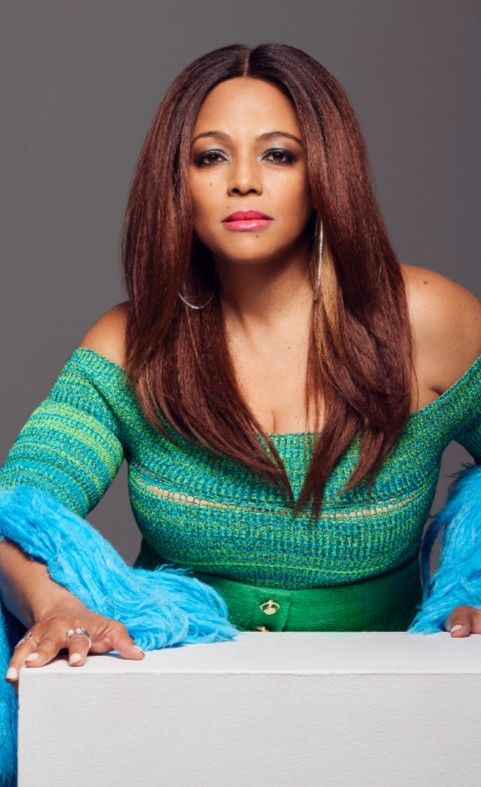
Few actresses in American television have grown up before the public with as much grace, talent, and longevity as Kim Fields. Known for her radiant smile, expressive eyes, and confident presence, Fields became a beloved figure in popular culture during the late twentieth century. Her statuesque beauty, warm personality, and sharp comedic timing made her one of television’s most recognizable young stars. Over the decades, she has successfully transitioned from child star to accomplished actress, director, producer, and author. Through her perseverance and professionalism, Kim Fields has earned her place among the women who embody the timeless cultural allure of an “It Girl.”
Kim Victoria Fields was born on May 12, 1969, in New York City. She was born into an entertainment family, as her mother, Chip Fields, was an accomplished actress and singer who appeared in numerous television shows and stage productions. Growing up in a creative environment exposed Fields to acting at a very early age. Her mother’s guidance and experience helped her navigate the demanding world of television while maintaining a strong sense of identity and discipline.
Fields spent much of her childhood in California, where the entertainment industry offered abundant opportunities for young performers. Even as a child, she demonstrated natural charisma and confidence before the camera. Her bright personality and expressive features made her a standout during auditions, and she quickly began appearing in commercials and small television roles.
This photograph is the property of its respective owner.
Her breakthrough came when she was cast as Dorothy “Tootie” Ramsey on the hit sitcom The Facts of Life. Debuting in 1979, the series followed a group of girls attending a boarding school and navigating adolescence together. Tootie, known for her roller skates and witty observations, quickly became one of the show’s most beloved characters. Fields’ youthful charm and comedic delivery endeared her to audiences across the United States.
During the show’s nine-season run, Fields matured both personally and professionally. Viewers watched her grow from a playful child into a confident young woman. This rare opportunity allowed audiences to witness a genuine coming-of-age journey on television, strengthening her connection with fans and solidifying her place in pop culture history.
Beyond acting, Fields also pursued music during the 1980s. She released several pop and R&B songs, including the single “He Loves Me He Loves Me Not,” which showcased her singing ability. Although music did not become the central focus of her career, it demonstrated her versatility and artistic curiosity.
After The Facts of Life concluded in 1988, Fields continued her education and expanded her career goals. She attended Pepperdine University, where she studied communications and film. Her academic pursuits reflected a desire to understand the entertainment industry from multiple perspectives, including directing and producing.
In the early 1990s, Fields returned to television with another memorable role on the hit sitcom Living Single. She portrayed Regine Hunter, a fashionable, witty, and glamorous socialite living in Brooklyn. The role allowed Fields to showcase a more mature comedic style and impeccable timing. Regine’s sharp humor and stylish personality made her one of the show’s most iconic characters.
This photograph is the property of its respective owner.
Living Single became an important cultural milestone in television history. The series portrayed successful Black professionals navigating friendship, romance, and careers in New York City. Fields’ performance contributed to the show’s enduring popularity and cultural significance.
The Upshaws is a popular family sitcom that premiered on Netflix in 2021. The series follows the working-class Upshaw family in Indianapolis as they navigate everyday struggles, relationships, and personal growth with humor and heart. Kim Fields plays Regina Upshaw, the intelligent, strong-willed wife who works as a nurse and often serves as the moral and emotional center of the household. The show blends classic sitcom comedy with realistic themes about marriage, parenting, financial challenges, and resilience, making it both relatable and culturally meaningful for modern audiences.
While continuing to act, Fields also developed a successful career behind the camera. She became a respected television director, working on episodes of popular sitcoms such as Kenan & Kel and Tyler Perry’s House of Payne. Her transition into directing demonstrated both leadership and creative insight, allowing her to shape stories from a new perspective.
Fields’ directing work also reflected her dedication to mentoring younger performers. Having grown up in the industry herself, she understood the challenges faced by young actors and often provided guidance and encouragement on set.
Her career continued to evolve as she appeared in numerous television films and reality programs. Fields competed on the popular dance competition series Dancing with the Stars, where audiences were reminded of her vibrant personality and determination. Her participation revealed a playful and adventurous side that fans appreciated.
In addition to her entertainment career, Fields is also an author. Her memoir, Blessed Life: My Surprising Journey of Joy, Tears, and Tales from Harlem to Hollywood, offers a personal reflection on her experiences in the entertainment industry and her faith. The book explores the lessons she learned while growing up in the spotlight.
This photograph is the property of its respective owner.
Fields’ beauty has always been characterized by elegance and authenticity. With warm brown eyes, glowing skin, and a poised demeanor, she embodies a natural charm that transcends fashion trends. Her style combines classic sophistication with a welcoming, approachable presence.
Throughout her life, Fields has also emphasized the importance of faith, family, and personal integrity. She has spoken openly about the value of maintaining spiritual grounding while navigating the pressures of Hollywood. This balance has contributed to her reputation as both a talented performer and a respected individual.
Today, Kim Fields continues to act, direct, and produce television projects while participating in speaking engagements and community initiatives. Her experience and wisdom have made her a mentor for younger performers entering the industry.
What makes Kim Fields an “It Girl” is not merely her early fame but her enduring relevance. She successfully reinvented herself across multiple decades, transitioning from child star to accomplished creative professional without losing the warmth and authenticity that audiences admire.
Her legacy also reflects the importance of representation in television history. Through roles like Tootie Ramsey and Regine Hunter, Fields helped shape the portrayal of intelligent, complex Black women on screen.
Longevity in entertainment is rare, especially for child actors. Yet Fields managed to sustain her career with grace, intelligence, and strategic reinvention. Her journey demonstrates resilience, adaptability, and unwavering dedication to her craft.
This photograph is the property of its respective owner.
For many viewers, Kim Fields represents a comforting familiarity—a performer who has accompanied them through different stages of life. Her presence evokes nostalgia while continuing to inspire new audiences.
Ultimately, Kim Fields stands as a testament to perseverance and talent. From a young girl skating through the halls of Eastland School to a respected director and actress, she has consistently demonstrated professionalism and grace.
In every sense, Kim Fields remains an “It Girl”—a woman whose charm, beauty, intelligence, and cultural impact continue to resonate across generations.
References
Britannica. (2026). Kim Fields. Encyclopaedia Britannica.
Fields, K. (2017). Blessed Life: My Surprising Journey of Joy, Tears, and Tales from Harlem to Hollywood. Howard Books.
IMDb. (2026). Kim Fields Filmography. IMDb Database.
Smith, S. (2018). Black Women in Television: A Cultural History. New York University Press.
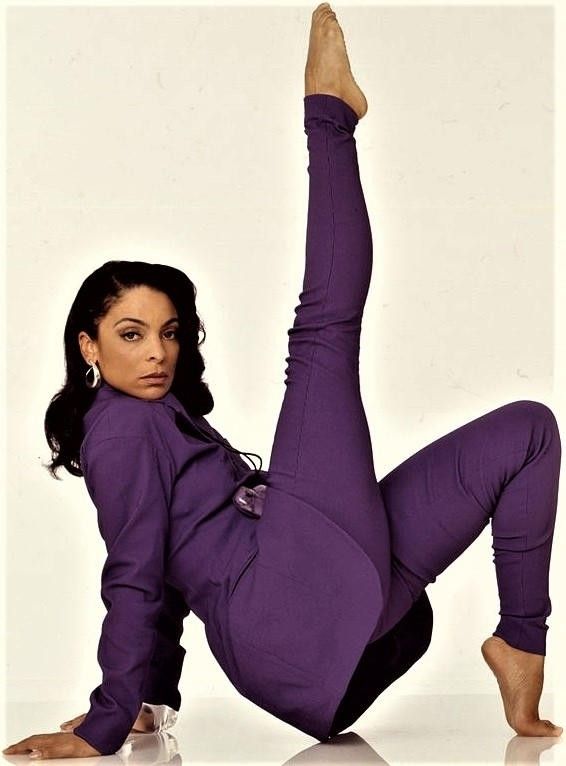
A vision of sophistication with a dancer’s poise and an actress’s emotional depth, Jasmine Guy captivated audiences and helped redefine the image of the modern Black woman on television.
This photograph is the property of its respective owner.
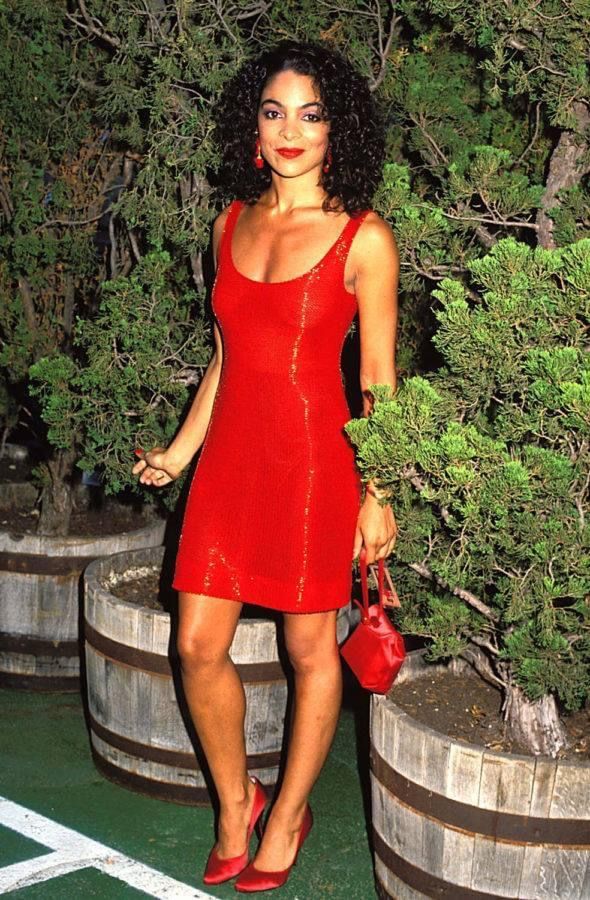
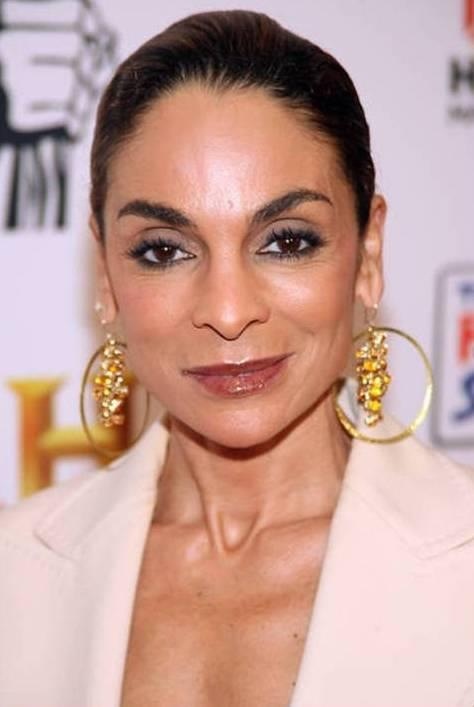
With regal poise, luminous beauty, and a voice that blended Southern charm with artistic sophistication, Jasmine Guy became one of television’s most unforgettable “It Girls,” captivating audiences with intelligence, elegance, and multi-talented artistry.
This photograph is the property of its respective owner.
Jasmine Guy was born on March 10, 1962, in Boston, Massachusetts, but she was primarily raised in Atlanta, Georgia. She grew up in a culturally rich and intellectually stimulating household. Her father, William Guy, was an African American Baptist minister and professor of philosophy and religion who served as pastor of the historic Friendship Baptist Church in Atlanta. Her mother, Jaye Rudolph, was a Portuguese-American high school teacher. Growing up in a biracial household exposed Jasmine Guy to diverse cultural influences that shaped her worldview and artistic identity. Raised in the historic Collier Heights neighborhood—one of Atlanta’s first affluent Black communities—Guy was surrounded by educators, professionals, and leaders who emphasized excellence and achievement.
From childhood, Guy displayed remarkable artistic ability. She sang in the church choir where her father preached, developing a love for music and performance at an early age. She later attended Northside Performing Arts High School in Atlanta, where her talents in dance, theater, and singing began to flourish. Determined to pursue a professional career in the arts, she moved to New York City at age seventeen to study dance at the prestigious Alvin Ailey American Dance Theater school. This rigorous training refined her technical abilities and prepared her for a career in entertainment that would span television, film, music, and theater.
This photograph is the property of its respective owner.
Guy’s professional career began in the early 1980s when she appeared as a dancer on the television series Fame in 1982. Though a small role, it marked her official entry into the entertainment industry. She soon began performing in stage productions and appeared in the Broadway musical revival of The Wiz in 1984. Her work in theater helped her develop the triple-threat talent—acting, singing, and dancing—that would define her career.
Her major breakthrough came in 1987 when she was cast as Whitley Gilbert on the NBC sitcom A Different World, a spin-off of The Cosby Show. Whitley Gilbert was a wealthy Southern debutante attending the fictional historically Black Hillman College. The character quickly became one of the most iconic figures on television due to her dramatic personality, distinctive Southern accent, impeccable fashion sense, and complex emotional development. Initially portrayed as a privileged socialite, Whitley evolved into a thoughtful and independent woman over the course of the show’s six seasons from 1987 to 1993. Guy’s performance made the character unforgettable and cemented her place in television history. Her portrayal resonated with audiences, particularly Black viewers, who saw a sophisticated and multidimensional representation of young Black womanhood.
Guy’s work on A Different World brought her significant recognition. She won four NAACP Image Awards for Outstanding Lead Actress in a Comedy Series, reflecting both her acting talent and the cultural impact of the show. The series itself became an influential program that highlighted historically Black colleges and universities, inspiring many young viewers to pursue higher education.
This photograph is the property of its respective owner.
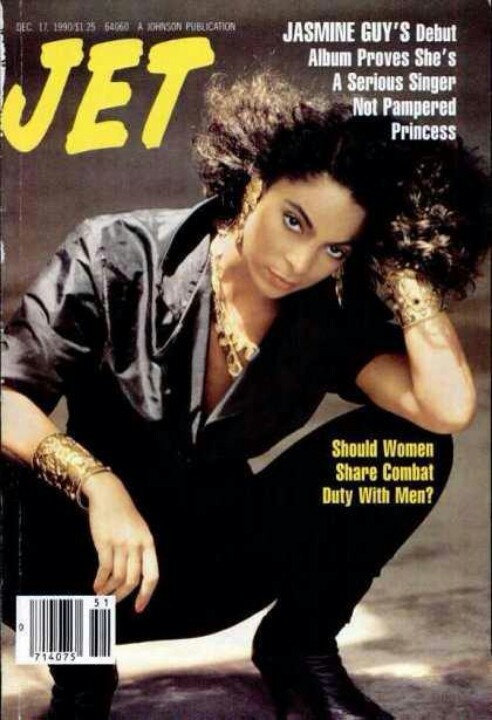
At the height of her television fame, Guy expanded her artistic career into music. In 1990, she released her self-titled debut album Jasmine Guy through Warner Bros. Records. The album blended R&B, pop, and new jack swing, a sound popular during the early 1990s. It produced several singles, including “Try Me,” “Another Like My Lover,” and “Just Want to Hold You.” The song “Another Like My Lover” became her biggest hit, reaching the Top 10 on the Billboard R&B chart. Though she did not pursue a long-term recording career, the album demonstrated her versatility as an entertainer and further enhanced her public image as a multi-talented performer.
Alongside her television success, Guy built a notable film career. One of her earliest film roles was in School Daze (1988), directed by Spike Lee. The film explored issues of colorism and social identity within Black college culture, and Guy’s role as Dina contributed to the movie’s cultural commentary. She later appeared in Harlem Nights (1989), starring alongside Eddie Murphy and Richard Pryor. Her film work also included voice acting in the animated film Cats Don’t Dance (1997).
This photograph is the property of its respective owner.
Guy continued appearing in numerous television projects throughout the 1990s and 2000s. Her television credits include guest roles in The Fresh Prince of Bel-Air, Dead Like Me, and the supernatural drama The Vampire Diaries. Her continued presence on television demonstrated her longevity as an actress and her ability to adapt to new genres and audiences. In addition to acting, Guy worked behind the scenes as a director and choreographer, further expanding her influence in the entertainment industry.
Beyond performing, Jasmine Guy is also an accomplished writer. In 2004, she authored the biography Afeni Shakur: Evolution of a Revolutionary, chronicling the life of activist Afeni Shakur, the mother of legendary rapper Tupac Shakur. Guy had been a close friend of Tupac and worked closely with Afeni Shakur to document her experiences as a member of the Black Panther Party and a social activist.
In her personal life, Guy married Terrence Duckett in 1998. The couple welcomed a daughter, Imani Guy Duckett, in 1999. After approximately ten years of marriage, Guy and Duckett divorced in 2008. Following the divorce, she returned to Atlanta, where she continued acting while focusing on raising her daughter and participating in local theater and cultural projects.
Throughout her career, Jasmine Guy has received numerous honors and recognitions. In addition to her NAACP Image Awards, she received critical acclaim for her stage performances and later earned a Daytime Emmy Award in 2023 for her work in the short-form series Chronicles of Jessica Wu. The recognition demonstrated the lasting relevance of her talent decades after her breakthrough role.
This photograph is the property of its respective owner.
Jasmine Guy became an “It Girl” because she represented the rare combination of beauty, intelligence, artistic versatility, and cultural significance. Her elegant appearance, expressive voice, and commanding presence made her unforgettable, while her portrayal of Whitley Gilbert defined an era of Black television. The character’s memorable lines, emotional depth, and iconic romance with Dwayne Wayne remain among the most beloved moments in sitcom history.
More than just a television star, Jasmine Guy symbolizes the power of multidimensional Black artistry. Actress, singer, dancer, author, and director, she built a career that reflects both creativity and resilience. Her influence continues to resonate with audiences who grew up watching A Different World and with new generations discovering her work. In the legacy of Black entertainment icons, Jasmine Guy stands as a timeless example of the grace, intellect, and talent that define a true “It Girl.”
References
BlackPast.org. (2016). Jasmine Guy. IMDb. (2024). Jasmine Guy Biography and Filmography. The Famous People. (2024). Jasmine Guy Biography. Billboard. (1990). R&B Chart History – Jasmine Guy. Wikipedia contributors. (2024). Jasmine Guy. Wikipedia contributors. (2024). Jasmine Guy (album).
Where faith, history, and truth illuminate the Black experience.




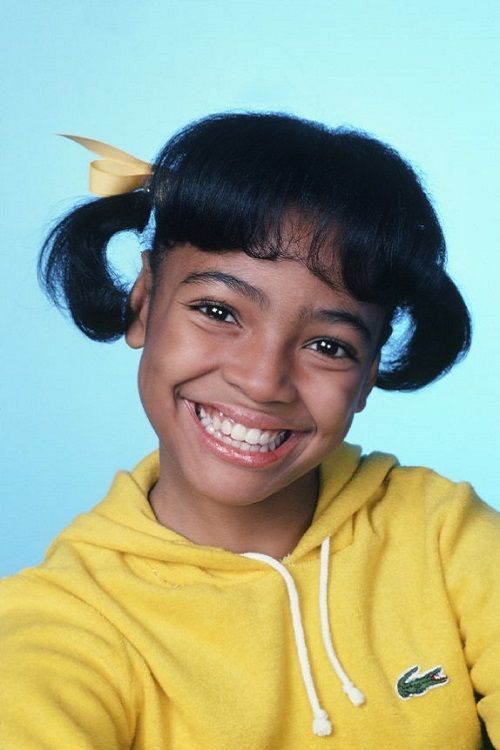

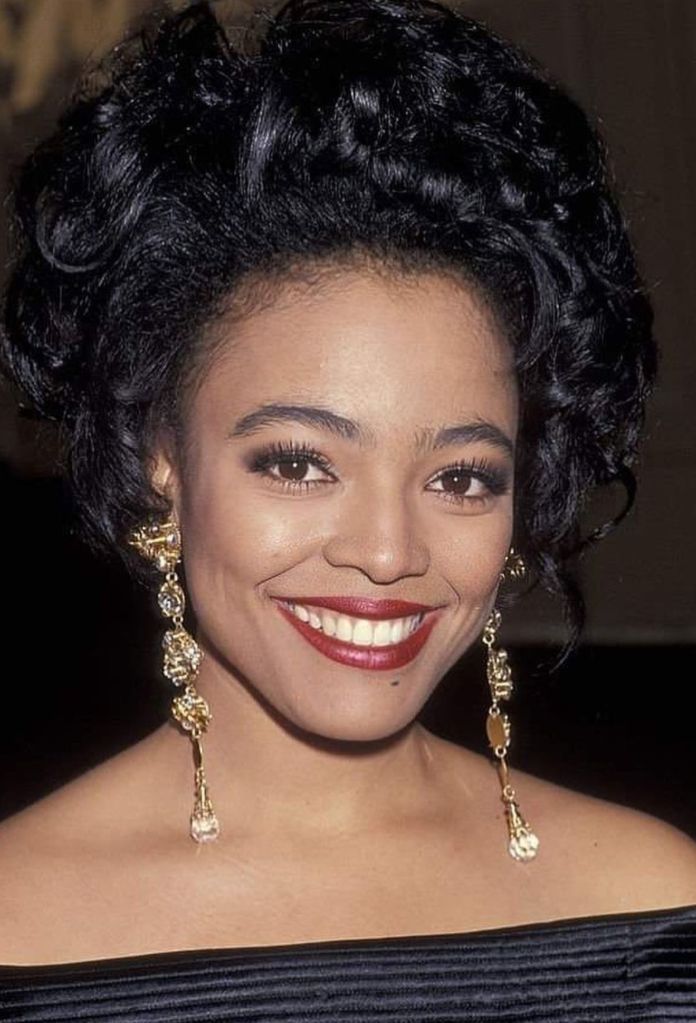
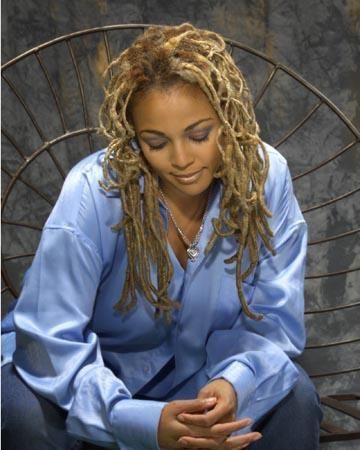

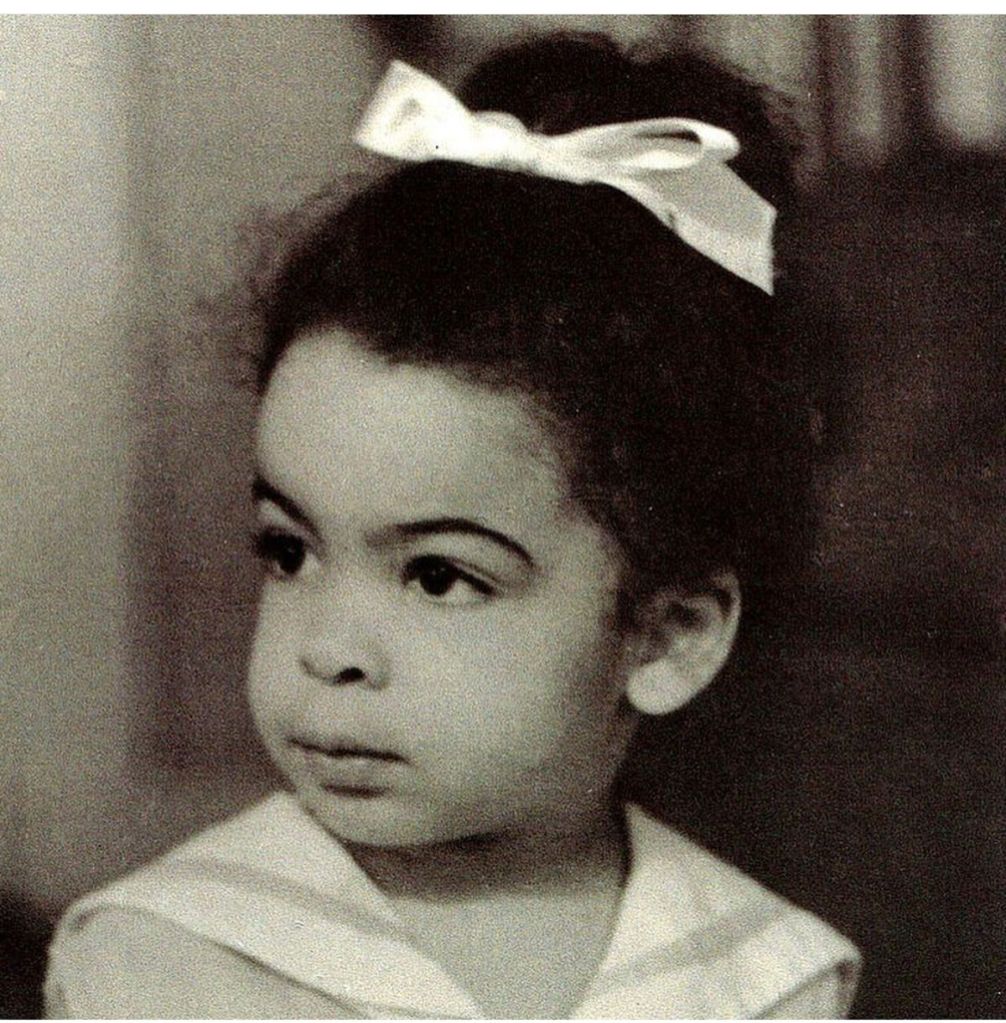
 THE BROWN GIRL DILEMMA