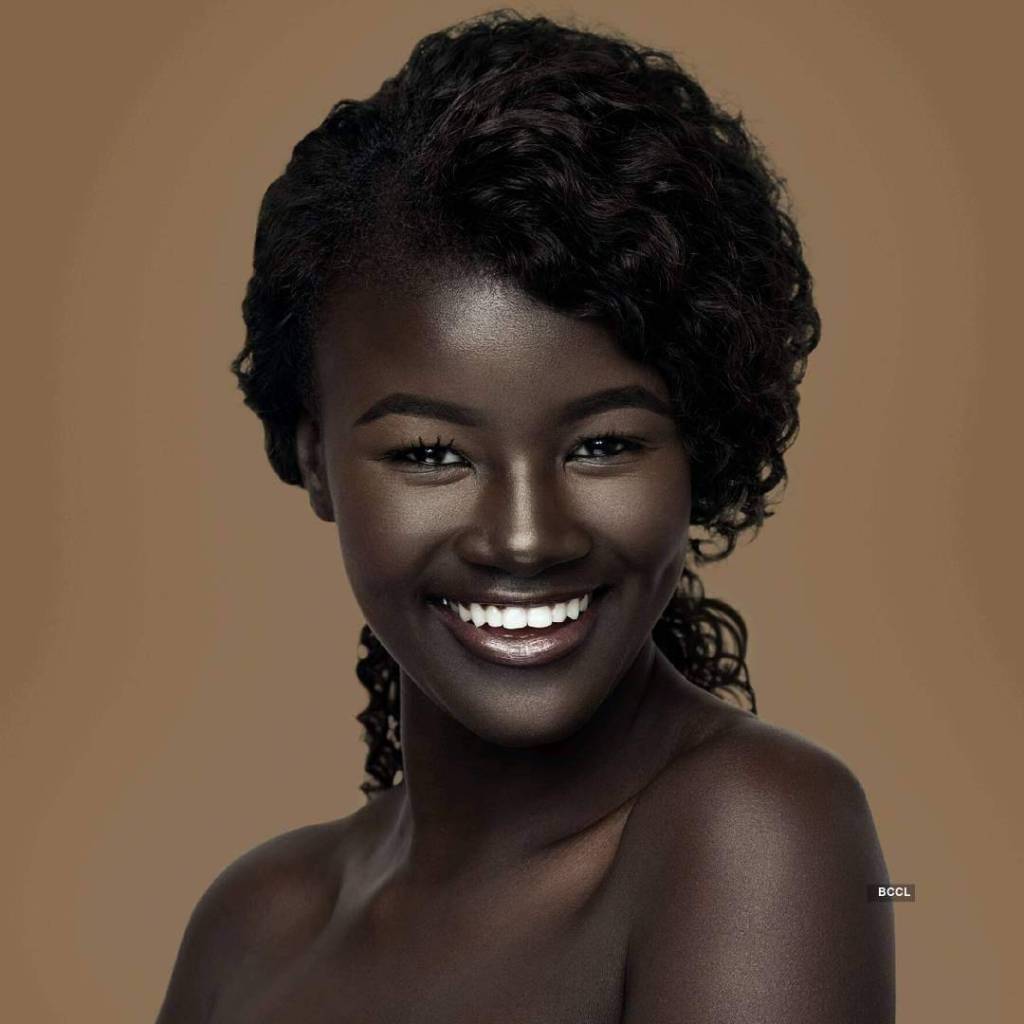
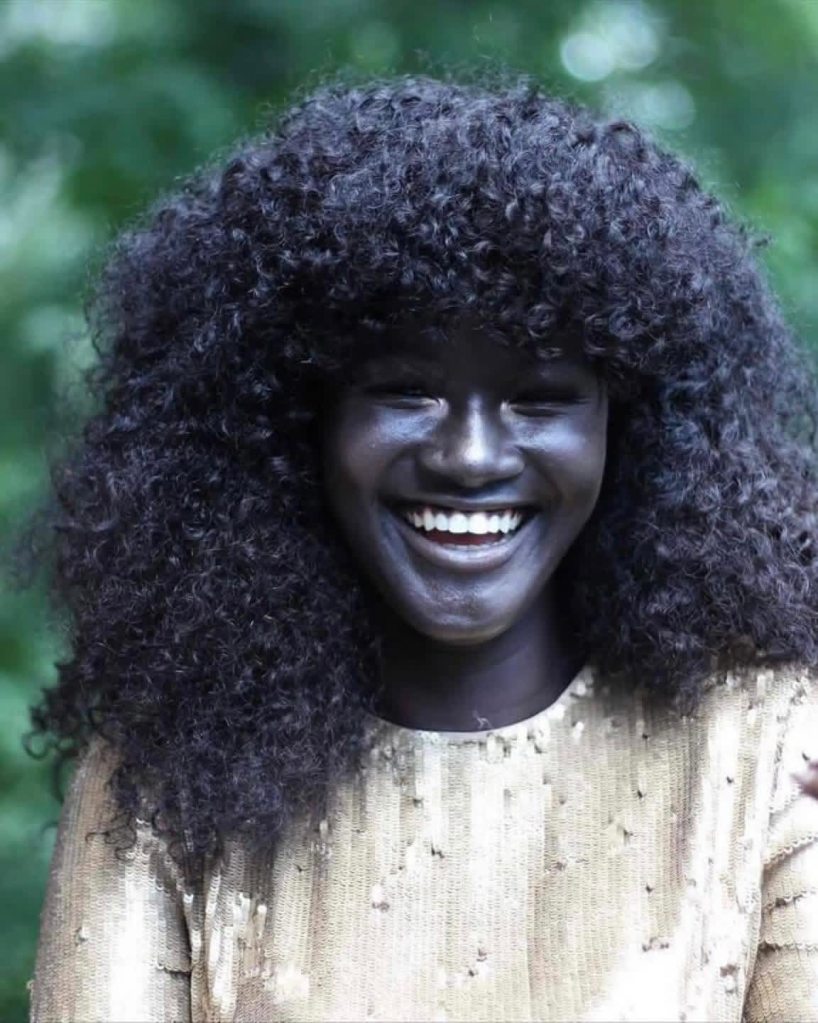
Category Archives: The Ebony Doll

The Ebony Dolls: Lela Rochon

From Sunshine to silver-screen sophistication, Lela Rochon remains the glow that never fades.
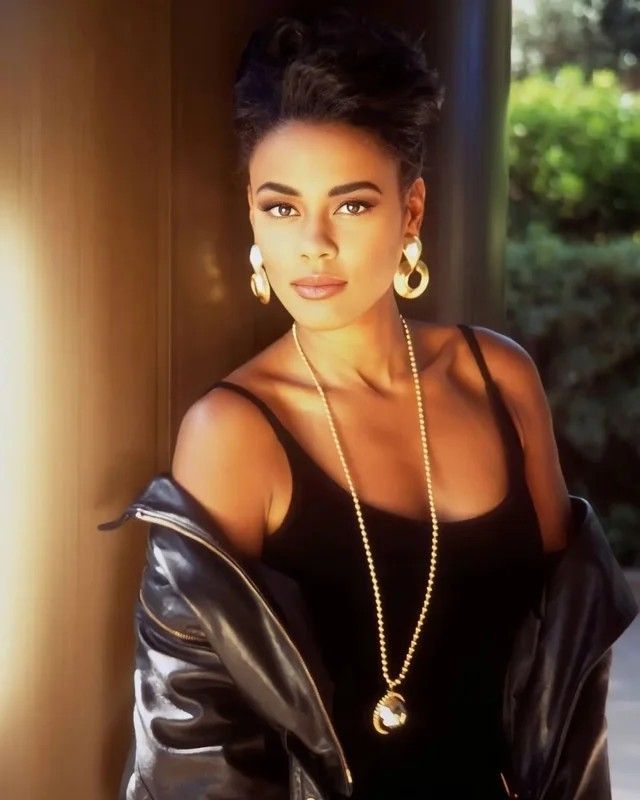
Photo Credit: Barry King

There are women in Hollywood who shine — and then there are women who glow. Lela Rochon has long embodied a radiance that transcends screen presence. With luminous brown skin, softly sculpted cheeks, and a smile that carries both sweetness and strength, Rochon represents a generation of Black actresses whose beauty was undeniable and whose talent demanded recognition. In the canon of cinematic elegance, she belongs unmistakably among The Ebony Dolls — women whose image, grace, and cultural impact reshaped how Black beauty was seen on screen.

Born Lela Rochon Staples on April 17, 1964, in Los Angeles, California, she was raised in a culturally rich household that supported her artistic ambitions. She attended California State University, Dominguez Hills, earning a degree in broadcasting and journalism — a foundation that sharpened her poise and public presence. Before film stardom, Rochon appeared in commercials and music videos during the 1980s, slowly carving out space in an industry that often marginalized darker-skinned actresses.
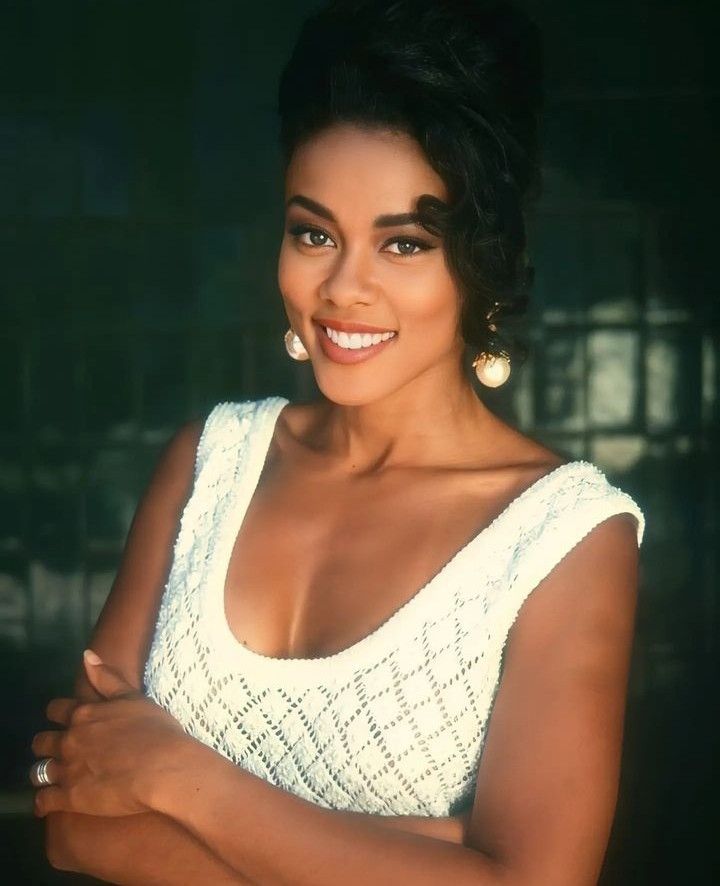
Photo Credit: Barry King

Her early film appearances included roles in Breakin’ 2: Electric Boogaloo (1984) and television guest spots throughout the decade. But it was her comedic turn in Harlem Nights that introduced her to mainstream audiences. Playing the warm-hearted and spirited “Sunshine,” opposite icons like Eddie Murphy and Richard Pryor, Rochon radiated softness and sensual charm. Sunshine was not merely a love interest — she was tenderness in a harsh world, a woman whose vulnerability gave emotional depth to a male-dominated narrative. From that moment, her nickname “Sunshine” became culturally embedded.

The 1990s marked her ascension into leading-lady status. In Waiting to Exhale, directed by Forest Whitaker and adapted from the novel, Rochon portrayed Robin Stokes, an ambitious, sensual, and emotionally complex character. Alongside Whitney Houston, Angela Bassett, and Loretta Devine, she helped redefine Black female friendship on screen. The film became a cultural milestone, presenting professional Black women as layered, desirable, and flawed — yet powerful.
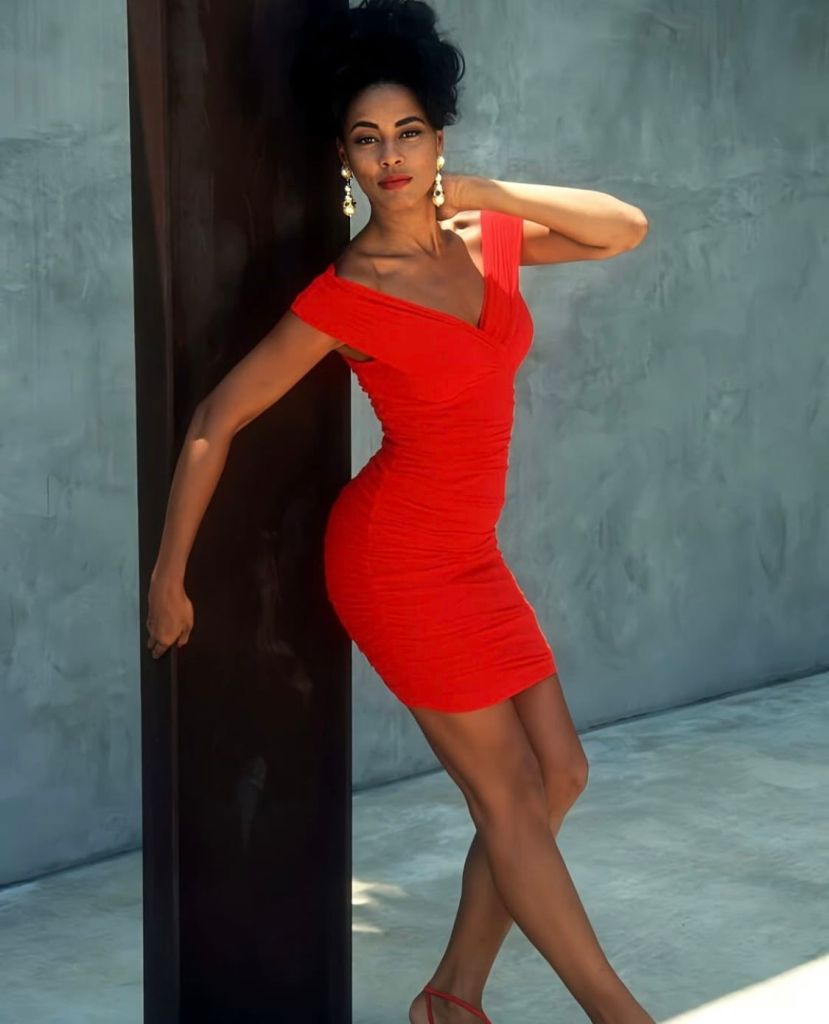
This photograph is the property of its respective owner.

Her performance in Why Do Fools Fall in Love showcased another dimension of her talent. As singer-songwriter Darlene Love, Rochon embodied classic glamour, evoking the golden era of R&B femininity. That same year, she appeared in The Players Club, directed by Ice Cube, portraying a veteran dancer who navigates power, survival, and womanhood in an exploitative industry. Her performance was dignified and nuanced, offering depth where stereotypes often prevailed.

Television became another platform for her enduring presence. Rochon appeared in numerous series over the years, including roles in Family Business and its spinoff Family Business: New Orleans, continuing to demonstrate her versatility and longevity in an evolving industry. These later roles affirmed her staying power — not as a nostalgic figure, but as an active, working actress.
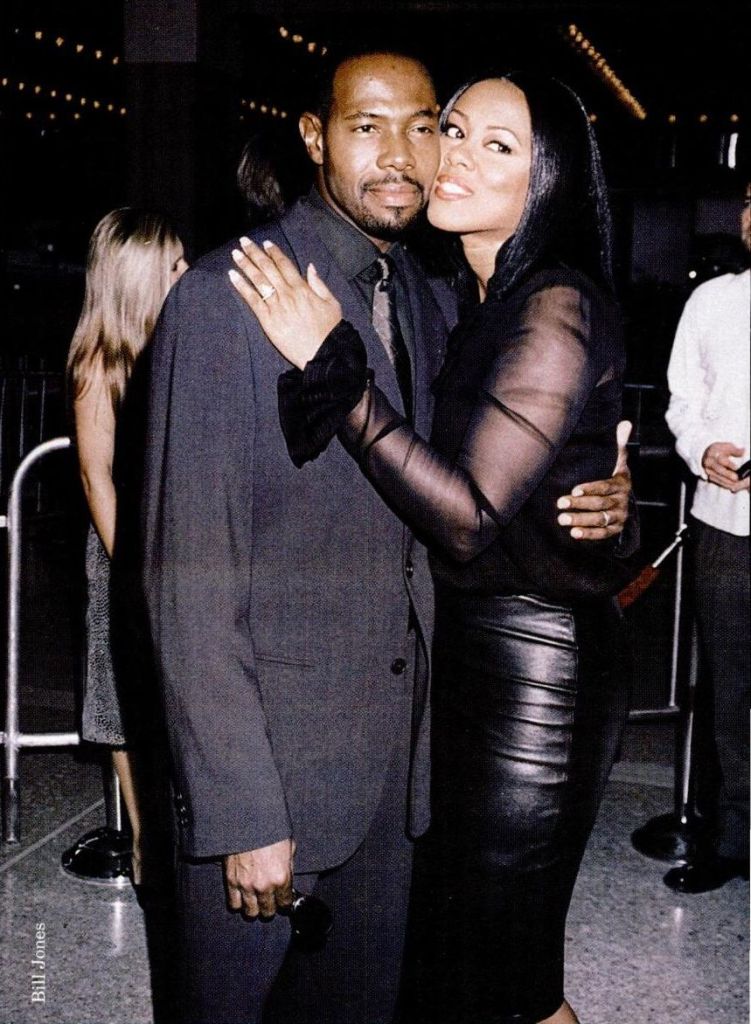
This photograph is the property of its respective owner.

Lela Rochon was first married to dancer and actor Adolfo Quiñones, who was widely known by his stage name Shabba Doo, a pioneering figure in the West Coast break-dancing movement and a star of the film Breakin’. He was a member of the legendary street dance group The Lockers, and his appearance in Breakin’ helped popularize breakdancing in mainstream cinema during the 1980s. The couple married on December 12, 1982. Their marriage lasted approximately five years before the couple divorced in 1987. Later, she married film director Antoine Fuqua in 1999. The couple has two children. Their marriage faced public challenges when media reports surfaced regarding Fuqua’s infidelity. Throughout that ordeal, Rochon maintained dignified silence — embodying resilience rather than spectacle. In an era of oversharing, her discretion communicated strength. She chose privacy over performance, grace over public retaliation.

This composure adds to her legacy as a “strong Black woman,” though that phrase often carries burdens. Rochon’s strength is not loud; it is anchored. It is seen in her career longevity, her maternal devotion, her refusal to be reduced to scandal, and her unwavering elegance amid adversity.

Physically, Rochon represents a standard of Black beauty that defied Hollywood’s narrow casting norms of the late 20th century. Her rich brown complexion, full cheeks, soft eyes, and curvaceous silhouette celebrated natural Black femininity at a time when Eurocentric aesthetics dominated mainstream media. She did not dilute herself for acceptance. She appeared fully embodied — warm, sensual, confident.

Her awards and recognitions include nominations from the NAACP Image Awards and acclaim from Black film critics circles for her ensemble performances. While she may not possess a trophy shelf overflowing with Oscars, her cultural impact transcends hardware. She helped anchor an era of Black romantic cinema that centered women’s desires, friendships, and interior lives.
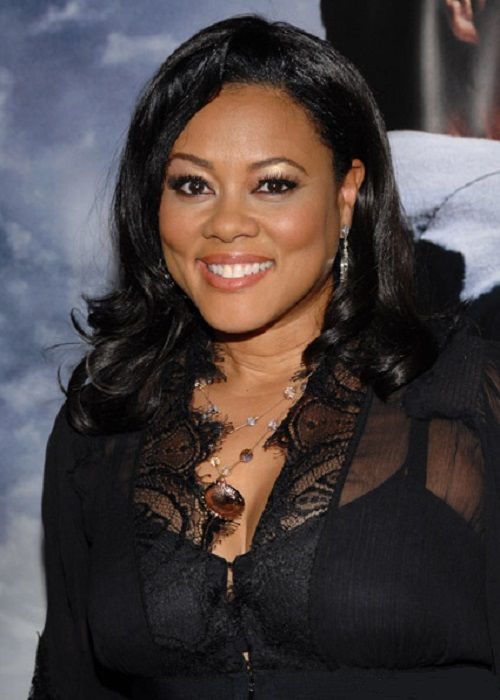
This photograph is the property of its respective owner.

So why is Lela Rochon an Ebony Doll?

Because Ebony Dolls are not merely beautiful women.
They are cinematic symbols.
They are aesthetic milestones.
They are women whose image defined an era of Black glamour.

Rochon belongs in this series because she represents the archetype of the 1990s Black leading lady — soft yet resilient, sensual yet intelligent, vulnerable yet composed. She stands in a lineage of actresses who expanded the range of Black womanhood onscreen, insisting on complexity over caricature.

Sunshine from Harlem Nights.
Robin from Waiting to Exhale.
Darlene Love.
The veteran survivor.
The wife.
The mother.
The woman.

Lela Rochon is not just remembered.
She is revered.

And in the gallery of The Ebony Dolls, her portrait glows warmly — timeless, dignified, and beautifully Black.


References

Aftab, K. (2019). Waiting to Exhale: Revisiting a cultural classic. Film Quarterly Review.

Bogle, D. (2016). Toms, coons, mulattoes, mammies, and bucks: An interpretive history of Blacks in American films (Updated ed.). Bloomsbury Academic.

IMDb. (n.d.). Lela Rochon filmography. Retrieved from https://www.imdb.com

NAACP Image Awards. (n.d.). Nominees and archives. Retrieved from https://naacpimageawards.net

Whitaker, F. (Director). (1995). Waiting to Exhale [Film]. 20th Century Fox.

Murphy, E. (Director). (1989). Harlem Nights [Film]. Paramount Pictures.

Gregory Nava, G. (Director). (1998). Why Do Fools Fall in Love [Film]. Warner Bros.

Cube, I. (Director). (1998). The Players Club [Film]. New Line Cinema.

BET+. (2018–present). Family Business [Television series].

BET+. (2025). Family Business: New Orleans [Television series].
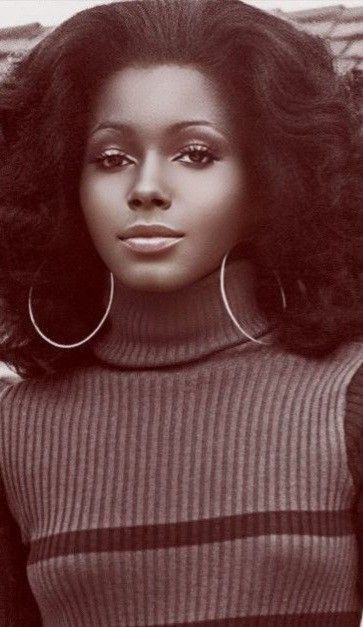
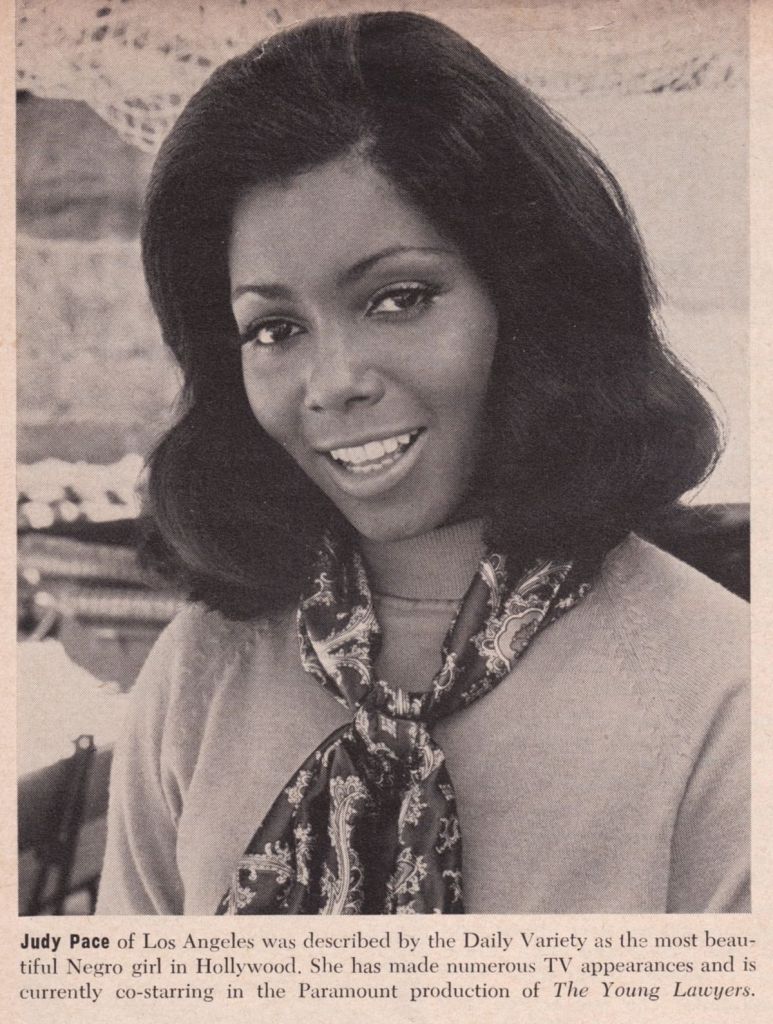
The Ebony Dolls: Judy Pace

The Black Barbie

This photograph is the property of its owner. No copyright infringement intended.

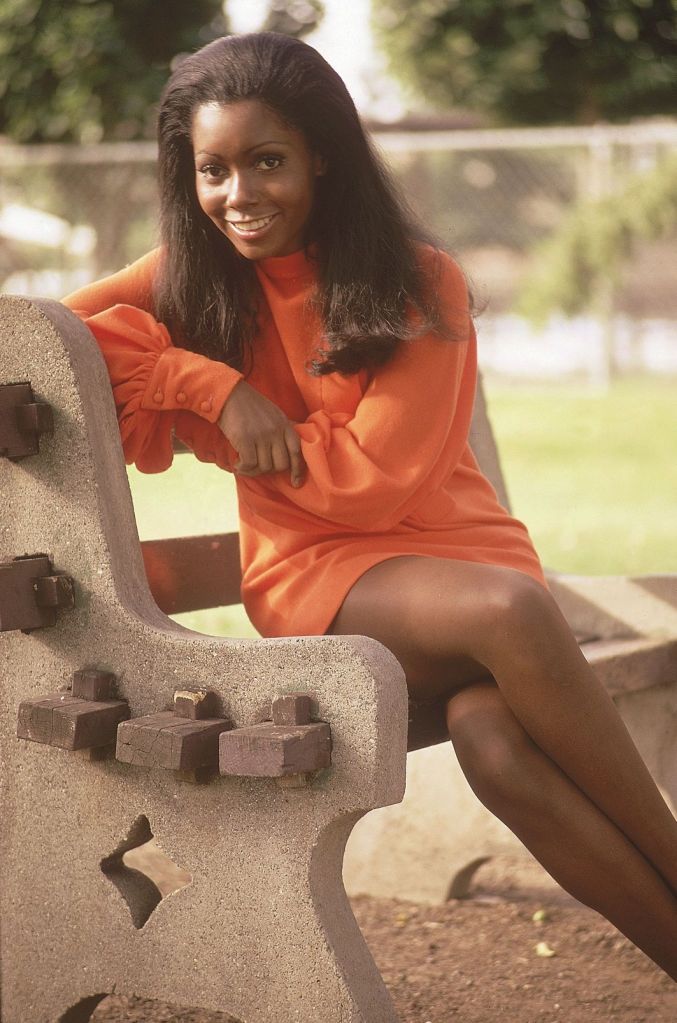
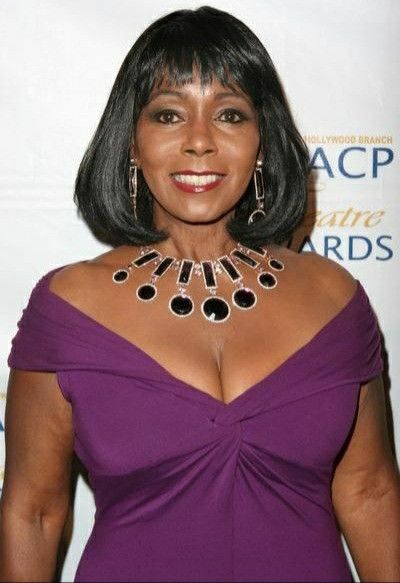
Judy Pace is an American actress and model whose beauty, talent, and groundbreaking presence helped reshape Hollywood’s portrayal of Black women during the 1960s and 1970s. Born Judy Lenteen Pace on June 15, 1942, in Los Angeles, California, she emerged at a time when opportunities for dark-skinned Black actresses were limited, yet she transcended barriers with elegance and strength. She was not simply a performer; she became a symbol of refined Black beauty during an era of cultural transformation.

Raised in Los Angeles, Pace grew up in a creative and supportive household. Her father worked as an airplane mechanic and her mother was a dressmaker. She attended Los Angeles City College, where she studied sociology before transitioning into modeling. Her entry into the entertainment industry came through fashion, and she quickly distinguished herself as the youngest model to participate in the prestigious Ebony Fashion Fair. That platform placed her before national audiences and positioned her as a rising figure in Black fashion and media.

This photograph/article is the property of its respective owner.

Her modeling success opened the door to film. She made her screen debut in 1963 in 13 Frightened Girls, marking the beginning of a steady acting career. However, her true breakthrough came in 1968 when she joined the cast of the television drama Peyton Place, becoming the first Black female villainess in American prime-time television history. This role was culturally significant; it disrupted the narrow stereotypes assigned to Black women and introduced complexity and intrigue to their representation onscreen.

This photograph is the property of its owner. No copyright infringement intended.

Pace continued her television success with a starring role in The Young Lawyers from 1969 to 1971. Her performance earned her the NAACP Image Award for Outstanding Actress in a Drama Series in 1970, affirming both her talent and her cultural impact. Throughout the 1970s, she appeared in numerous popular television shows, including Batman, Bewitched, I Dream of Jeannie, Sanford and Son, and Good Times. Her film credits include Three in the Attic and Cotton Comes to Harlem, further solidifying her versatility across genres.

This photograph is the property of its respective owner.

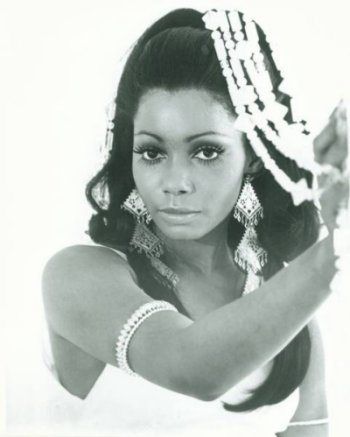
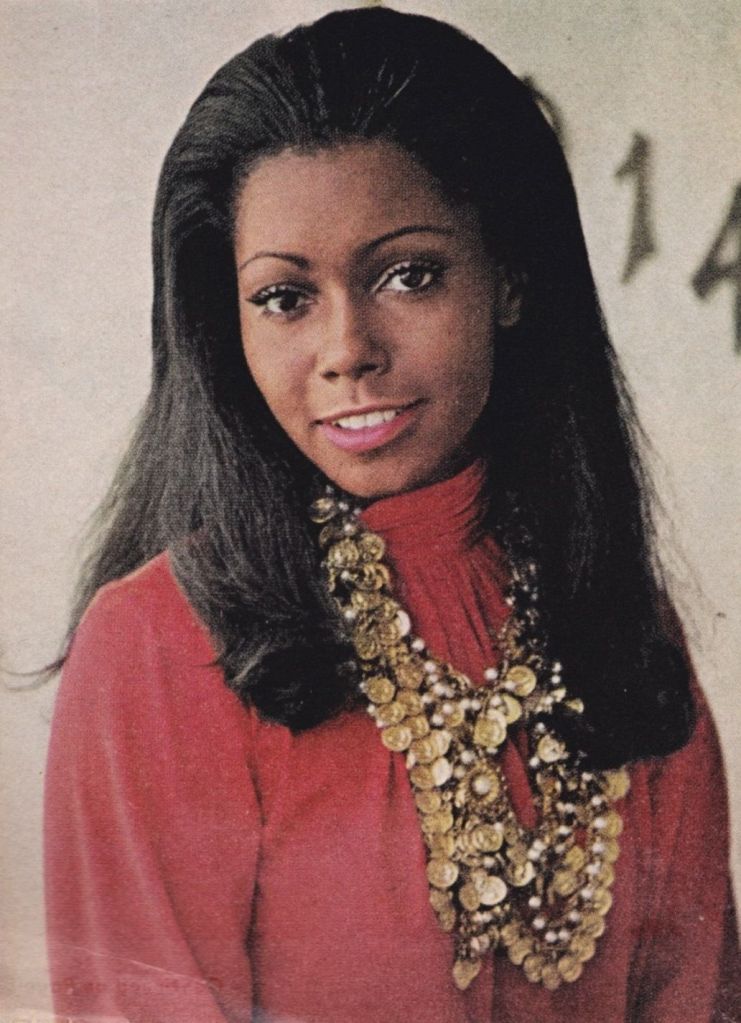
Beyond her acting, Judy Pace was widely celebrated for her striking appearance. Her dark chocolate complexion, luminous skin, and expressive eyes captivated photographers and audiences alike. During a period when colorism often privileged lighter complexions, she stood unapologetically as a dark-skinned beauty icon. Industry publications described her as one of the most beautiful women to appear on screen. She was affectionately referred to as “The Black Barbie” and “The Black Babydoll,” titles that reflected both admiration and her doll-like elegance.

Her beauty, however, was never detached from intellect or poise. Pace represented a refined femininity that balanced strength with softness. She carried herself with composure and confidence, embodying the spirit of the “Black is Beautiful” movement that was redefining aesthetic standards in America. In this sense, she became more than a glamorous figure; she became a cultural affirmation.

This photograph is the property of its owner. No copyright infringement intended.

In her personal life, she married actor Don Mitchell in 1972. The couple had two daughters, including actress Julia Pace Mitchell. After their divorce in 1984, Pace later married baseball legend Curt Flood in 1986. Flood was a pivotal figure in Major League Baseball’s fight for free agency, and their union linked two pioneering spirits—one in sports justice and the other in entertainment representation. They remained married until Flood’s passing in 1997.

Judy Pace’s lineage reflects African American heritage rooted in Los Angeles, and her life represents the postwar generation of Black Americans who navigated integration, civil rights transformation, and evolving media landscapes. Her career unfolded during a critical historical moment when Black visibility in Hollywood was expanding but still constrained. She stepped into that space with confidence and sophistication.

Why is she a great “Ebony Doll”? Because she embodied grace under pressure. She broke barriers without loud proclamations, simply by being excellent. She proved that dark-skinned Black women could be leading ladies, complex characters, and national beauty icons. She expanded what America saw when it looked at Black womanhood.

This photograph is the property of its respective owner.

Judy Pace is elegant. She is a representation. She is cinematic history. She is the quiet revolution of beauty and talent walking through Hollywood’s doors when they were only slightly open.


References

BlackPast.org. (n.d.). Judy Lenteen Pace (1942– ).
IMDb. (n.d.). Judy Pace – Biography.
NAACP Image Awards archives. (1970). Outstanding Actress in a Drama Series.
Wikipedia contributors. (n.d.). Judy Pace.
Wikipedia contributors. (n.d.). Julia Pace Mitchell.
Wikipedia contributors. (n.d.). Curt Flood.

The Ebony Dolls: Nyakim Gatwech

Known as the “Queen of the Dark,” celebrated for extreme melanated skin

This photograph is the property of its respective owner. No copyright infringement intended.

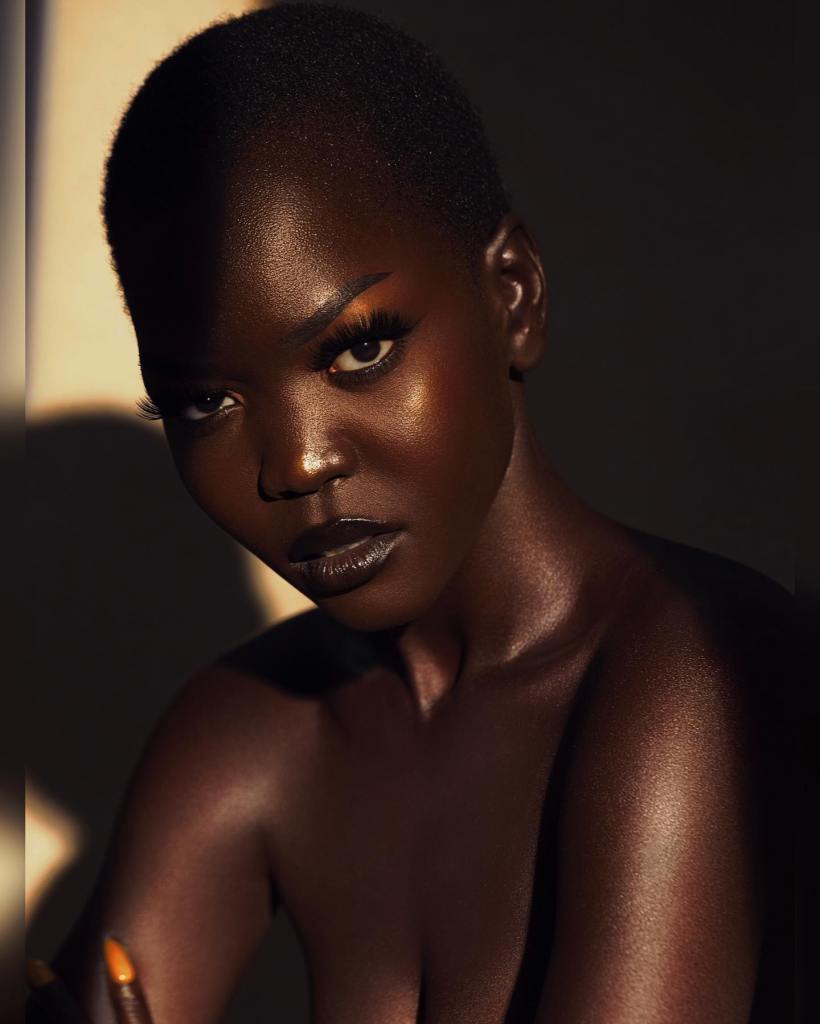
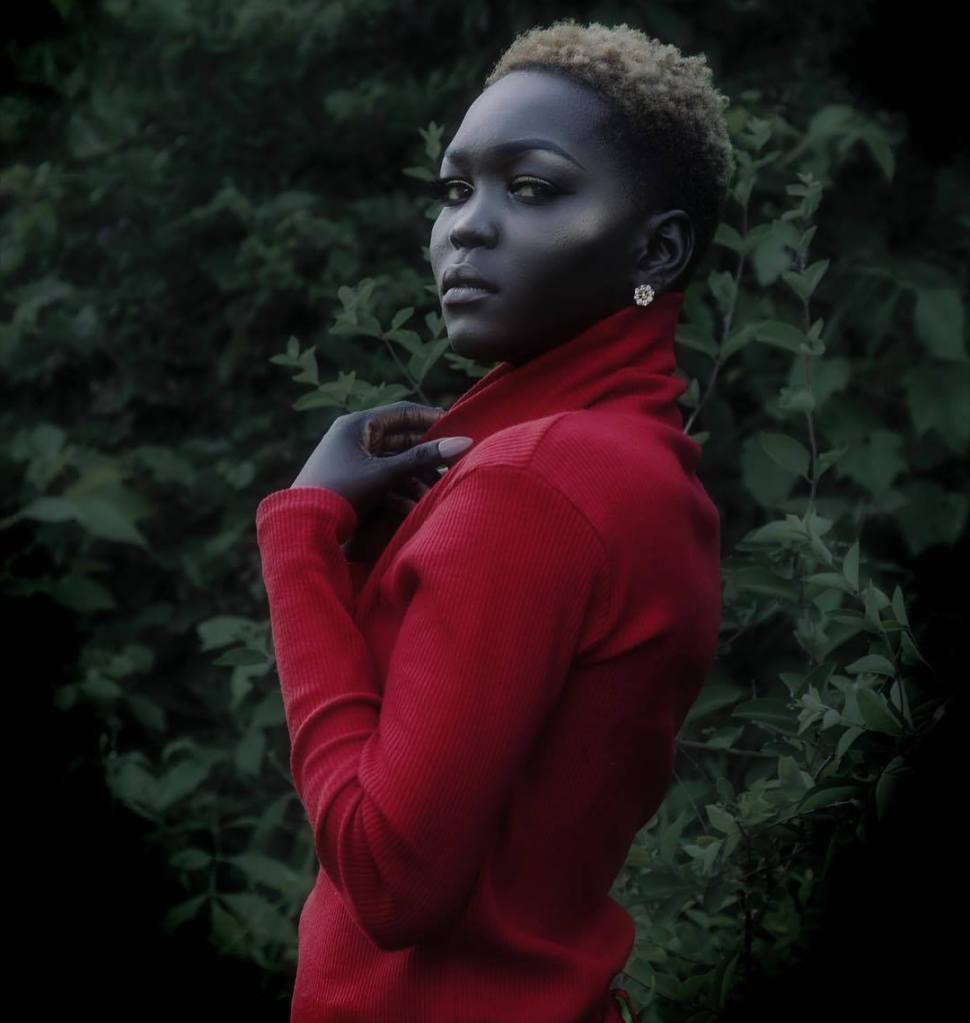
Gatwech’s skin tone isn’t just a physical attribute — it’s central to her identity and public ethos. She is affectionately known as the “Queen of the Dark,” a nickname bestowed upon her by her growing global fan base in admiration of her unapologetic self-love and radiant complexion. Despite encountering colorism and ignorant comments — including being asked if she would bleach her skin for money — she has consistently embraced and celebrated her dark beauty, turning potential humiliation into empowerment for others with similar skin tones.

Nyakim Gatwech is an Ethiopian-born American fashion model of South Sudanese descent whose strikingly deep, radiant dark complexion has positioned her as one of the most visually and culturally significant faces in modern modeling. Widely known as the “Queen of the Dark,” Nyakim represents a powerful redefinition of beauty in an industry historically dominated by Eurocentric standards and color hierarchies. Her skin tone, rich in melanin and visually luminous, is not merely aesthetic but symbolic — a living challenge to global colorism and internalized anti-Black beauty norms. Nyakim’s beauty lies in the contrast she embodies: jet-black skin against high fashion, regal African features within Western luxury spaces, and unapologetic self-love in a world that often pressures Black women to diminish themselves.

Born on January 27, 1993, in Gambela, Ethiopia, to South Sudanese parents who fled civil war, Nyakim spent her early childhood in refugee camps across Ethiopia and Kenya. Her family later immigrated to the United States, settling in Minnesota when she was a teenager. It was in the U.S. that she first encountered intense colorism, particularly in school, where classmates mocked her skin tone, leading to early insecurity and emotional distress. Ironically, the very feature she was taught to feel ashamed of would later become the foundation of her global identity and success.

Nyakim’s entry into modeling occurred organically. While studying in Minnesota, she was invited to walk in a college fashion show, which sparked her interest in the fashion world. Without agency representation or industry connections, she began building her portfolio independently, collaborating with local photographers and using Instagram as her primary platform. Social media became her runway, gallery, and voice — a space where she could present herself without filters, whitening, or apology.

Her breakthrough came when she shared a now-viral story about an Uber driver who asked if she would bleach her skin for money. Her response — rejecting the offer and affirming her love for her natural complexion — resonated globally. The post turned her into a symbol of resistance against skin bleaching culture and a spokesperson for radical self-acceptance. From that moment, Nyakim’s following grew exponentially, and she began receiving international modeling opportunities.

She later became the face of Annabelle Cosmetics’ EDGE campaign, which celebrated unconventional beauty and diversity. Her presence in fashion editorials, beauty campaigns, and cultural platforms marked a shift in representation — not just inclusion of Black women, but elevation of the darkest shades of Blackness as luxurious, desirable, and elite.

This photograph is the property of its respective owner. No copyright infringement intended.

Nyakim’s special significance lies not only in how she looks, but in what she represents. She is part of a new generation of Black models who do not seek proximity to whiteness, but instead reclaim African features, melanin, and cultural identity as high status. Her image disrupts centuries of colonial aesthetics where lightness was equated with beauty, purity, and value. In contrast, Nyakim’s work affirms that darkness itself is divine, regal, and worthy of admiration.

Her skin has become a visual metaphor — a mirror for millions of dark-skinned women and girls who were taught that their complexion was something to “fix.” Through her modeling and public statements, Nyakim reframes melanin as a blessing rather than a burden. She speaks openly about loving her reflection, embracing contrast, and rejecting any narrative that associates darkness with inferiority.

Regarding her personal life, Nyakim is known to be private. There is no publicly verified information confirming that she is married or has children. She has spoken primarily about her parents, siblings, and her journey as a refugee and immigrant, choosing to keep romantic relationships outside of the public spotlight. Her narrative focuses more on identity, culture, and empowerment than celebrity exposure.

This photograph is the property of its respective owner. No copyright infringement intended.

In terms of awards and recognition, Nyakim has not received mainstream fashion industry prizes like Vogue or CFDA awards, but she has been widely honored in cultural and empowerment spaces. She has been recognized by African and diaspora organizations, featured at international beauty and women’s empowerment events, and celebrated across global media as one of the most influential dark-skinned models in the world. While some social media outlets claim Guinness recognition for her skin tone, this remains unverified through official Guinness records.

Nyakim Gatwech is considered an Ebony Doll because she embodies the very essence of what the term signifies: a woman whose Blackness is not diluted, modified, or assimilated, but fully embraced, elevated, and aestheticized. She represents melanin as luxury, African features as elite, and dark skin as high fashion. Her beauty is not rooted in proximity to whiteness, but in proximity to ancestry, identity, and unapologetic self-love.

She stands as both muse and message — proof that the darkest skin can sit at the center of beauty culture, not its margins. Nyakim Gatwech is not simply a model; she is a visual revolution.


References

Cosmopolitan. (2017). Nyakim Gatwech on embracing her dark skin and redefining beauty.

Fashion Magazine. (2018). Nyakim Gatwech: The model changing beauty standards.

Gatwech, N. (2017). Instagram post on skin bleaching and self-love.

Oddity Central. (2017). The Queen of Dark: The model embracing her gorgeous dark skin.

Royal Tee Magazine. (2020). Empowering quotes about self-love from Nyakim Gatwech.

Teen Vogue. (2017). Model Nyakim Gatwech challenges beauty standards on Instagram.

Yahoo Lifestyle. (2017). Dark-skinned model gives Uber driver reality check.

Wikipedia. (2025). Nyakim Gatwech.

Pulse Nigeria. (2023). Nyakim Gatwech and the global celebration of dark skin.

The Ebony Dolls: Khoudia Diop

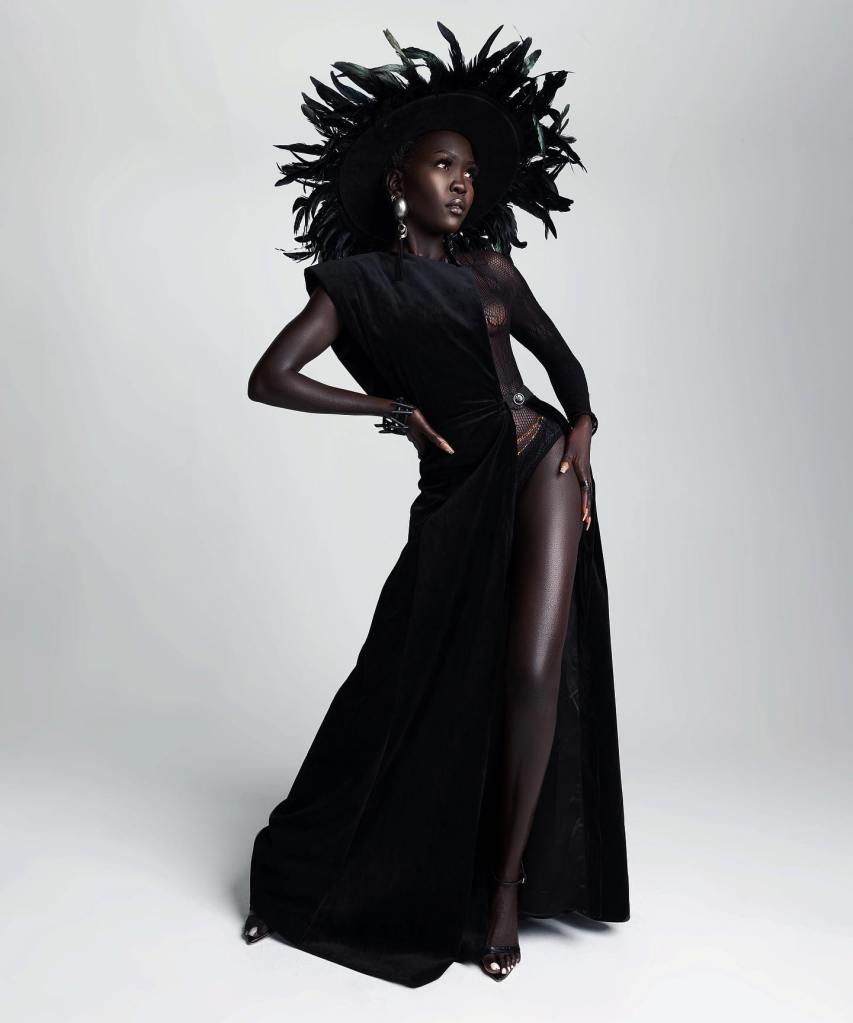
Khoudia Diop, globally known as the “Melanin Goddess,” is a Senegalese model, entrepreneur, and cultural icon celebrated for her extraordinarily deep ebony complexion and her fearless celebration of Black beauty. She has become a living symbol of power, pride, and unapologetic self-love, inspiring millions around the world to embrace dark skin in a society that has historically marginalized it.

Born and raised in Senegal, Khoudia grew up in a culture where colorism was deeply ingrained, and from a young age she faced teasing and ridicule for her dark complexion. Instead of internalizing shame, she gradually transformed those experiences into strength, choosing to view her skin as a source of identity and beauty rather than something to hide. Her journey reflects the emotional reality of many dark-skinned women across the African diaspora.

Khoudia’s entry into modeling did not come through traditional fashion pathways. She began by posting self-portraits on social media, where her striking appearance quickly went viral. Her images stood out in a digital space dominated by Eurocentric beauty standards, and soon she attracted attention from photographers, brands, and global media outlets who recognized her unique presence.

Her modeling career took off as she began working with international photographers and fashion campaigns that centered on diversity and representation. Unlike conventional models, Khoudia built her brand organically, without an agency at first, proving that authenticity and confidence could compete with industry gatekeeping. She became known not just for her looks, but for her message.

Khoudia is widely recognized for her velvety midnight complexion, high cheekbones, piercing eyes, and serene yet commanding aura. Her beauty is often described as celestial and ancestral, evoking African royalty and divine femininity. She does not conform to beauty standards—she redefines them.

Throughout her career, Khoudia has used her platform to speak openly about colorism, self-worth, and mental health, especially among young Black girls. She has stated that her mission is to normalize dark skin and to ensure that future generations grow up seeing themselves reflected positively in media and fashion.

Beyond modeling, Khoudia is also an entrepreneur. She founded a fashion and lifestyle brand focused on empowerment and inclusivity, using her business ventures to extend her message beyond imagery into tangible social impact. Her work blends beauty with activism, positioning her as a cultural leader rather than just a visual icon.

Khoudia is a wife and mother, and she has spoken about how motherhood deepened her understanding of self-love and responsibility. She often shares reflections on raising children in a world shaped by racial bias, emphasizing the importance of teaching pride, confidence, and identity from an early age.

Her milestones include global media features, international fashion campaigns, public speaking engagements, and recognition as one of the most influential dark-skinned models of the modern era. While she may not collect traditional fashion awards, her true recognition lies in her cultural impact and the millions of people who credit her for changing how they see themselves.

Khoudia Diop is an Ebony Doll because she represents the highest expression of melanated beauty—unfiltered, radiant, and spiritually powerful. She is not simply admired; she is symbolic. Her life stands as proof that Blackness does not need validation from external systems—it is already divine, complete, and worthy of reverence.

References

Khoudia Diop. Wikipedia. https://en.wikipedia.org/wiki/Khoudia_Diop

BBC News. “Meet Khoudia Diop, the ‘Melanin Goddess’.” https://www.bbc.com/news/world-africa-

Vogue Arabia. “Khoudia Diop on Colorism and Redefining Beauty.” https://en.vogue.me

CNN Style. “How Khoudia Diop Became the Face of Dark Skin Pride.” https://www.cnn.com/style

The Guardian. “Khoudia Diop: From Online Trolls to Global Model.” https://www.theguardian.com

Elle Magazine. “The Melanin Goddess Speaks: Khoudia Diop on Self-Love.” https://www.elle.com

Forbes Africa. “How Khoudia Diop Built a Global Brand.” https://www.forbesafrica.com

HuffPost. “Khoudia Diop and the Power of Dark Skin Representation.” https://www.huffpost.com