

Category Archives: The Brown Girl Experience

Girl Talk Series: Your “Type” of Man VS Your “Kind” of Man.

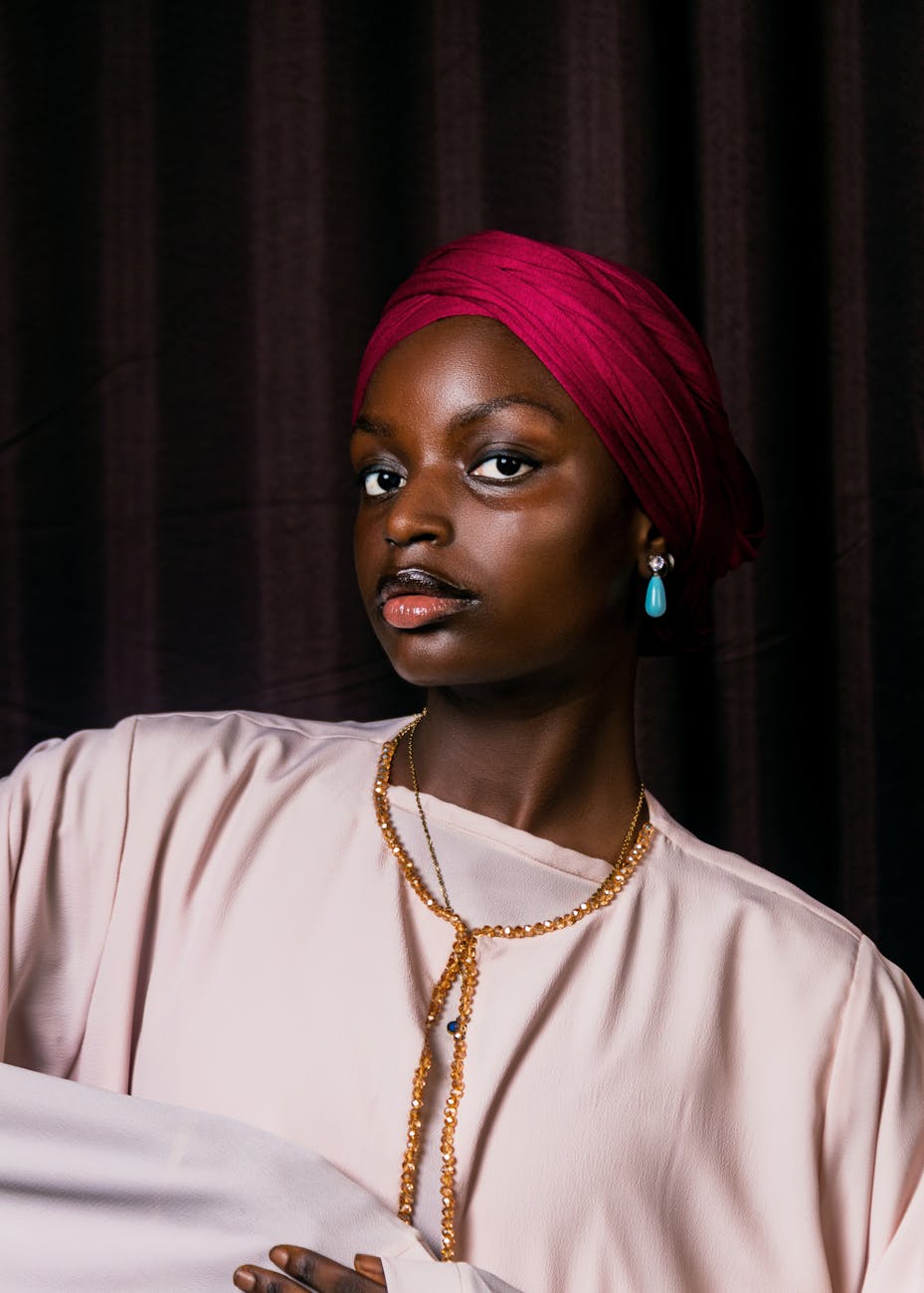
Photo by Aj Collins Artistry on Pexels.com

Hello ladies, I know, I know—we’ve all had a list of our desired mate. And if we’re honest, most of those things were superficial, motivated by the flesh. Maybe he had to be tall, fine, and strong; maybe he needed a six-figure salary, a nice car, or the right style. But as many of us have learned, having a “type” doesn’t guarantee a godly husband. My own list eventually shifted—at the very top, I began to value character traits and a man after God’s own heart. I realized I didn’t need just a type; I needed my kind of man. Not a prototype of a bad man, but the covenant-keeper God had chosen for me.

Your type of man is often based on superficial standards—what looks good on paper. He might be handsome, charming, wealthy, or socially impressive, but still lack integrity, self-control, and faith. The Bible reminds us that “man looketh on the outward appearance, but the LORD looketh on the heart” (1 Samuel 16:7, KJV). Too often, women are drawn to a man’s “type” qualities while ignoring red flags, leading to heartache, betrayal, or cycles of toxic relationships. Psychology calls this the “halo effect,” where external traits like attractiveness or wealth cloud our judgment about a person’s true character (Thorndike, 1920).

By contrast, your kind of man is not chosen by worldly measures but by spiritual discernment. A kind of man is a keeper of the covenant of God, one who truly loves the Most High, treats you with respect, and is willing to walk with you into destiny. This is the man who will stand through the test of time, because his foundation is built on the fear of the Lord. Proverbs 19:14 (KJV) says, “House and riches are the inheritance of fathers: and a prudent wife is from the LORD.” If God can give a prudent wife, surely He can also provide a godly husband—a kind of man aligned with His will.

Your type may want to impress you, but your kind will cover you. Your type may look like a dream, but your kind will pray with you in your darkest hour. Your type may bring temporary excitement, but your kind will bring covenant stability. Psychology shows that relationships built on superficial attraction tend to fade when challenges arise, while those founded on shared values and faith tend to endure (Gottman & Silver, 1999). God already designed marriage to reflect His covenant love (Ephesians 5:25, KJV), so your kind of man will mirror Christ by loving sacrificially, faithfully, and consistently.

Ladies, the truth is this: your list should not only include what looks good but what lasts. Do not settle for someone who is simply “fine to the fine fine” but lacks holiness. Instead, desire a man who fears God, for “the fear of the LORD is the beginning of wisdom” (Proverbs 9:10, KJV). A godly man may not always match every superficial desire, but he will exceed them by giving you what money and charm cannot—peace, stability, and covenant love.

So, before you write another checklist, pause and ask: Am I looking for a type or a kind? Am I motivated by flesh or guided by Spirit? The Lord is faithful, and if you seek Him first, He will add all things—including the right man—unto you (Matthew 6:33, KJV). Remember, a type can fade, but your kind of man, the one sent by God, will remain through seasons, trials, and blessings.

Your “Type” vs. Your “Kind” of Man

Instructions: Pray before answering these questions. Be honest with yourself and the Most High, because self-awareness is the first step toward discernment.


1. Heart Check

  • When I think of my “ideal man,” are most of my desires focused on looks, status, and money—or character, faith, and godliness?
  • (Read 1 Samuel 16:7, KJV — “for man looketh on the outward appearance, but the LORD looketh on the heart.”)

2. Relationship History

  • In past relationships, what drew me to the men I chose—was it outward attraction or inward godliness?
  • What were the consequences of choosing based on “type”?

3. The Fruit Test

  • Does the man I am considering display the fruit of the Spirit (Galatians 5:22–23, KJV)?
  • Or does he show traits of selfishness, lust, or dishonesty?

4. The Covenant Question

  • If I married this man, would he help me grow closer to God—or pull me away?
  • Is he capable of being the spiritual head of the household (Ephesians 5:23, KJV)?

5. Personal Alignment

  • Am I being a woman after God’s own heart, preparing myself to attract a kind of man rather than just a type of man?
  • What areas of my life should I surrender to the Most High so I don’t repeat unhealthy patterns?

Final Reflection Prayer:
“Father, search my heart and remove every superficial desire that blinds me. Give me discernment to recognize my kind of man, the one who loves You and will walk in covenant with me. Teach me to wait, to trust, and to honor You in my choices. In Jesus’ name, Amen.”


References

  • The Holy Bible, King James Version.
  • Thorndike, E. L. (1920). A constant error in psychological ratings. Journal of Applied Psychology, 4(1), 25–29.
  • Gottman, J., & Silver, N. (1999). The seven principles for making marriage work. Crown Publishers.

Girl Talk Series: A Microcosm of Relationships That Are Outside of God’s Will for Your Life.

Photo by Luis Quintero on Pexels.com

Ladies, beware of the types of men who can destroy your peace, your faith, and even your destiny. Toxic relationships are not just emotionally draining—they can be spiritually deadly. Pray, pray, and pray again to the Most High about anyone you even consider marrying. In this generation, with the rise of STDs, abuse, and broken covenants, it is dangerous to lean only on feelings or appearances. Our Heavenly Father will reveal the true heart of a man if you seek Him first. Be a woman after His own heart before chasing after any relationship, and in His timing, He will add the right man to your life (Matthew 6:33, KJV).

Relationships hold the power to either elevate or destroy one’s life. When we connect ourselves to the wrong person, we step into a dangerous microcosm that reflects brokenness, sin, and disorder. The Bible warns believers not to be “unequally yoked together with unbelievers” (2 Corinthians 6:14, KJV), for light and darkness cannot walk in harmony. Bad relationships often carry the weight of dysfunction, manipulation, and lust, leading to spiritual decay rather than growth. These unions do not align with God’s perfect will and can prevent us from stepping into our divine purpose.

A bad relationship can be defined as one that hinders your walk with Christ, steals your peace, and causes compromise in your values. Proverbs 13:20 (KJV) states, “He that walketh with wise men shall be wise: but a companion of fools shall be destroyed.” If a connection draws you away from holiness and into sin, it cannot be of God. Such relationships are marked by dishonesty, abuse, infidelity, and an absence of covenant love. These are not simply personality clashes; they are spiritual traps that can drain years of your life and rob you of your joy.

Consider the many types of ungodly men that women may encounter. The toxic man manipulates and controls, often isolating you from friends and family; many women have shared how such men left them feeling worthless and confused. The ungodly man rejects the Word of God, leading you into rebellion; one sister testified that dating a man with no prayer life slowly drew her out of church. The cheater destroys trust, sowing insecurity and heartbreak; psychology confirms that betrayal trauma can lead to anxiety and depression (Freyd, 1996). The man who wants to sleep with you outside of marriage entices you into fornication, though the Bible clearly says, “Flee fornication” (1 Corinthians 6:18, KJV); countless women regret giving their bodies only to be abandoned. The liar builds a false foundation where no true intimacy can exist, leaving women in cycles of disappointment. The lukewarm man professes faith but lacks commitment, echoing Revelation 3:16 (KJV): “Because thou art lukewarm, and neither cold nor hot, I will spue thee out of my mouth.” Each of these men represents a counterfeit partnership that distracts from God’s design for love and marriage.

Bad vs. Godly Men

Type of ManTraits & BehaviorBiblical Reference (KJV)Psychological Insight
Toxic ManManipulative, controlling, emotionally abusive, isolates youProverbs 4:14 – “Enter not into the path of the wicked…”Linked to narcissistic or abusive tendencies; damages self-esteem
Ungodly ManRejects prayer, Word of God, encourages rebellionPsalm 1:1 – “Blessed is the man that walketh not in the counsel of the ungodly…”Promotes spiritual and moral compromise
CheaterUnfaithful, breaks covenant, sows insecurityExodus 20:14 – “Thou shalt not commit adultery.”Betrayal trauma can lead to depression and anxiety (Freyd, 1996)
Fornicator (wants sex outside marriage)Pressures you into sin, disregards purity1 Corinthians 6:18 – “Flee fornication.”Increases risk of regret, broken trust, and unstable attachment
LiarDeceptive, untrustworthy, false promisesProverbs 19:9 – “A false witness shall not be unpunished, and he that speaketh lies shall perish.”Destroys trust, leads to emotional instability
Lukewarm ManClaims faith but lacks commitment, double-mindedRevelation 3:16 – “Because thou art lukewarm… I will spue thee out of my mouth.”Creates confusion, inconsistency, and relational insecurity
Godly ManFaithful, honest, humble, seeks righteousnessProverbs 20:7 – “The just man walketh in his integrity…”Builds secure attachment, trust, and long-term stability
Good Husband MaterialSpirit-led, prays with you, exhibits fruits of the SpiritGalatians 5:22–23 – “The fruit of the Spirit is love, joy, peace, longsuffering, gentleness, goodness, faith, meekness, temperance.”Empathetic, consistent, emotionally mature, supportive
Servant-Hearted ManLeads with humility, serves others, protects youMatthew 20:28 – “The Son of man came not to be ministered unto, but to minister…”Demonstrates prosocial behavior, fosters healthy family dynamics

Psychologically, a good man is one who embodies emotional stability, empathy, responsibility, and integrity. He demonstrates consistency in both words and actions, aligning with traits of secure attachment and healthy masculinity (Bowlby, 1988). Such a man offers emotional safety rather than instability, builds trust instead of fear, and cultivates growth rather than destruction. Psychology affirms what Scripture declares: “A faithful man shall abound with blessings” (Proverbs 28:20, KJV). Women who marry such men often testify that they feel protected, respected, and free to grow into their purpose.

A cursed relationship, on the other hand, is one that brings hardship, strife, and lack instead of joy and peace. These connections are marked by constant turmoil, financial struggles, infidelity, and deep dissatisfaction because they are not blessed by God. When Israel disobeyed, curses followed them (Deuteronomy 28, KJV), showing how disobedience in life and love leads to bondage rather than freedom. A cursed relationship is essentially one born out of sin and sustained by compromise. One woman shared how years of living with a cheating partner drained her emotionally and spiritually, a perfect example of the weight of a cursed union.

Godly relationships, in contrast, are established on truth, covenant, and purity. A godly man fears the Lord, as Proverbs 1:7 (KJV) states, “The fear of the LORD is the beginning of knowledge.” He does not tempt you into sin but pushes you toward holiness. He prays with you, supports your calling, and values you as a daughter of the Most High, not as an object of lust. Women who wait on God often find that these men do not only bring companionship but also strengthen their faith walk.

When looking for a godly man, Scripture gives guidance. He must be sober-minded, faithful, gentle, and not greedy (1 Timothy 3:2–3, KJV). He should demonstrate fruit of the Spirit: love, joy, peace, patience, and self-control (Galatians 5:22–23, KJV). Look for consistency, humility, and a servant’s heart, for even Christ “came not to be ministered unto, but to minister” (Matthew 20:28, KJV). Unlike worldly men, godly men encourage you to honor purity and prepare for covenant marriage.

Choosing God’s will in relationships means avoiding counterfeits and waiting on His timing. Many enter destructive relationships out of loneliness, but patience produces blessings. Isaiah 40:31 (KJV) declares, “But they that wait upon the LORD shall renew their strength.” A woman who waits will not only find a godly husband but also guard her soul from unnecessary heartbreak. Testimonies often reveal that waiting leads to healthier marriages where trust and godliness are the foundation.

Ultimately, relationships outside of God’s will reflect a cycle of pain, sin, and compromise. But when we submit to His Word, we can discern the difference between cursed and blessed unions. The right relationship will not only honor God but also bring fulfillment, protection, and joy, reflecting Christ’s love for His Church (Ephesians 5:25, KJV). In this, believers find that true love is not merely emotional but divine in its foundation.


References

  • The Holy Bible, King James Version.
  • Bowlby, J. (1988). A secure base: Parent-child attachment and healthy human development. Basic Books.
  • Freyd, J. J. (1996). Betrayal trauma: The logic of forgetting childhood abuse. Harvard University Press.

The Psychology of Shade: Self-Worth in the Brown Girl Journey. #thebrowngirldilemma

Photo by Anchau on Pexels.com

Shade is more than a color on the spectrum of skin—it is a lived experience that shapes identity, opportunity, and self-worth. For the brown girl, navigating her journey often means negotiating the psychological weight of how her shade is read by the world. Colorism, both within and outside of the Black community, functions as a hierarchy of value, where lighter shades are privileged and darker shades are dismissed or devalued (Hunter, 2007). This creates a paradox of belonging: the brown girl is simultaneously celebrated for her uniqueness yet pressured to alter or deny her shade to gain acceptance.

Psychologically, this manifests in what scholars call internalized colorism, where individuals measure their self-worth against Eurocentric standards of beauty and success (Keith & Herring, 1991). Brown girls may wrestle with questions of desirability—Am I too dark to be beautiful? Too brown to be chosen?—echoing wounds that stem from centuries of colonial trauma. Such questions erode self-esteem, linking complexion to perceived social status and opportunity. This is evident in studies showing that darker-skinned women often earn less, face higher discrimination in dating markets, and experience greater stigmatization in professional spaces (Hersch, 2008).

Yet, the psychology of shade is not solely one of burden. It is also one of resilience. Brown girls develop what psychologists call racial socialization—strategies passed down through family and community that affirm their identity, instill cultural pride, and resist internalized oppression (Hughes et al., 2006). For example, Black mothers often teach their daughters affirmations of melanin beauty, linking shade to cultural strength and divine uniqueness. This nurtures resilience, allowing brown girls to push back against narratives of inferiority.

Faith also plays a crucial role in shaping the psychology of shade. The biblical reminder that “I am fearfully and wonderfully made” (Psalm 139:14, KJV) serves as a spiritual antidote to colorist lies. In the Song of Solomon, the Shulamite woman boldly declares, “I am black, but comely” (Song of Solomon 1:5, KJV), a verse that directly challenges the stigma attached to darker complexion. By rooting self-worth in divine creation rather than societal validation, the brown girl journey becomes one of liberation rather than limitation.

Media representation also influences the psychology of shade. Historically, darker-skinned women were cast in roles that reinforced stereotypes of servitude, aggression, or invisibility. Today, increasing visibility of brown-skinned actresses, models, and influencers signals a shift in cultural narratives. When Lupita Nyong’o won an Academy Award, she used her platform to speak directly to young girls with darker skin, affirming their beauty and worth. Such moments have a profound psychological impact, expanding the mirror of possibility for future generations.

Still, the scars of colorism persist. In global contexts, from South Asia to Latin America, skin-lightening creams remain billion-dollar industries (Tate, 2016), underscoring how shade continues to dictate perceived value. For the brown girl, resisting this global obsession with lightness is a radical act of self-love. It is choosing to see her shade not as a deficit but as a divine inheritance.

Ultimately, the psychology of shade reveals both the wounds and the wisdom of the brown girl journey. The struggle with self-worth is real, shaped by centuries of systemic bias. Yet, through faith, cultural pride, and resistance, brown girls transform shade from a site of shame into a source of strength. In embracing her skin, the brown girl affirms not only herself but also generations before her who were told to hide their brilliance.

Her journey declares that shade is not something to overcome but something to honor. The psychology of shade, therefore, becomes a psychology of sovereignty—choosing to define beauty, worth, and identity on her own terms.


References

  • Hersch, J. (2008). Profiling the new immigrant worker: The effects of skin color and height. Journal of Labor Economics, 26(2), 345–386.
  • Hughes, D., Rodriguez, J., Smith, E. P., Johnson, D. J., Stevenson, H. C., & Spicer, P. (2006). Parents’ ethnic-racial socialization practices: A review of research and directions for future study. Developmental Psychology, 42(5), 747–770.
  • Hunter, M. (2007). The persistent problem of colorism: Skin tone, status, and inequality. Sociology Compass, 1(1), 237–254.
  • Keith, V. M., & Herring, C. (1991). Skin tone and stratification in the Black community. American Journal of Sociology, 97(3), 760–778.
  • Tate, S. (2016). Skin Bleaching in Black and Brown Communities: Connected to Colorism and Colonialism. Palgrave Macmillan.
  • The Holy Bible, King James Version.