Category Archives: Supermodels

The Ebony Dolls: Helen Williams

The First Black Fashion Model and Pioneer of Black Beauty
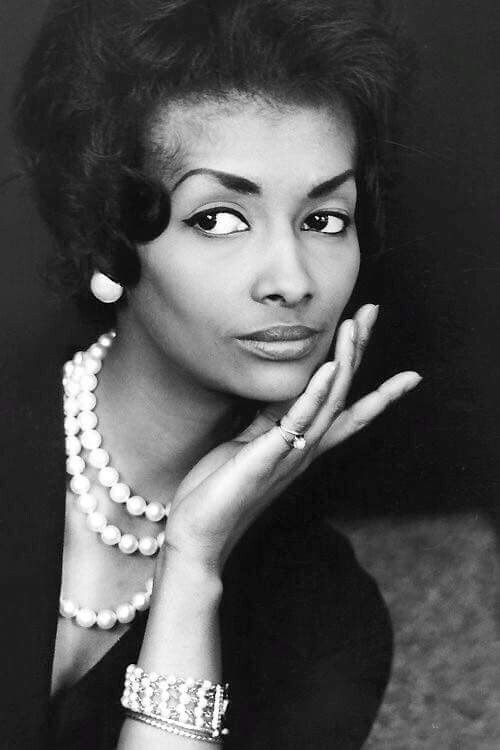
Helen Williams is widely recognized as the world’s first Black fashion model, a trailblazer who broke racial barriers in fashion decades before diversity became a conversation. Her beauty was striking and regal—tall, dark-skinned, with refined African features that challenged a modeling industry built almost entirely around whiteness. At a time when Black women were excluded from mainstream fashion, Helen Williams stood as a living contradiction to racist beauty standards.

Helen Williams was born on September 10, 1924, in New York City, USA. She came of age during the Jim Crow era, when segregation and racial discrimination shaped nearly every aspect of Black life in America. Her rise in fashion occurred against the backdrop of legalized racism, making her success not just professional but political.

Williams began modeling in the late 1940s, after being discovered while working as a waitress. Her elegance and presence quickly drew attention, but American fashion houses refused to book her because of her race. Rather than accept marginalization, she relocated to Paris, France, where racial barriers in fashion were far less rigid.
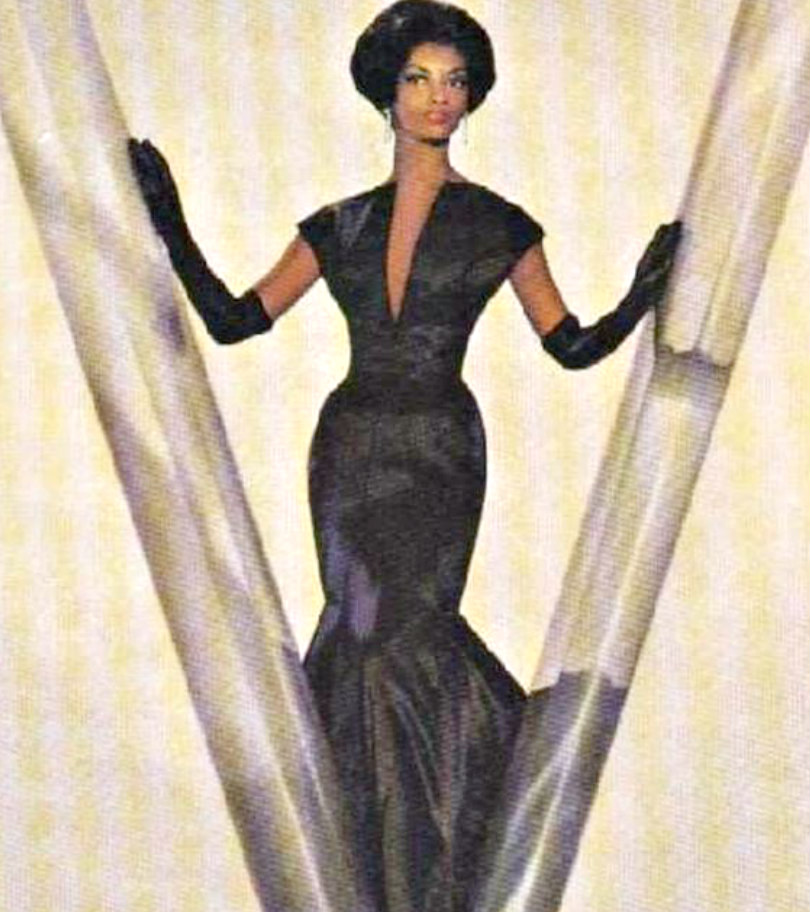
In Paris, Helen Williams became a sensation. She worked extensively in European fashion and appeared in high-profile magazines, becoming one of the most sought-after models in France during the 1950s. She was often compared to white supermodels of the era, yet her dark skin and African features made her uniquely captivating in European fashion circles.

Her most iconic moment came when she became the face of Dior and other major Parisian designers, and most famously when she modeled for Vogue Paris, making her one of the first Black women to appear in a major international fashion publication. This was revolutionary at a time when Black women were still barred from American Vogue.

Despite her success in Europe, Williams remained excluded from mainstream American fashion. U.S. magazines and designers often told her she was “too Black” for their audience. She later recalled that racism in the industry was not subtle—it was explicit and institutionalized.
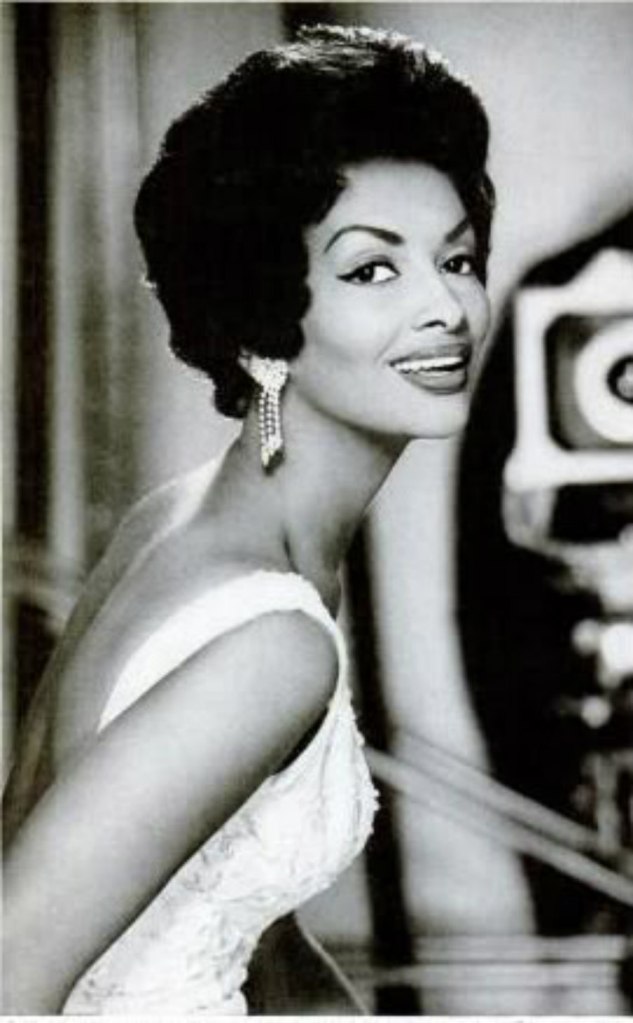
Helen Williams spoke candidly about racism, once stating that in America, she was invisible, while in Europe, she was celebrated. She described how American agencies refused to represent her and how fashion editors openly rejected her because advertisers did not want to associate with Black models.

Although she did not receive formal industry awards during her lifetime—because such institutions rarely honored Black pioneers—Helen Williams’ impact is now recognized historically as foundational. Without her, there would be no Naomi Campbell, Beverly Johnson, Iman, or Adwoa Aboah.

Williams later married French jazz musician Roger Williams and settled in Europe for much of her life. She had children and lived largely outside of the American fashion spotlight, despite her legendary status.
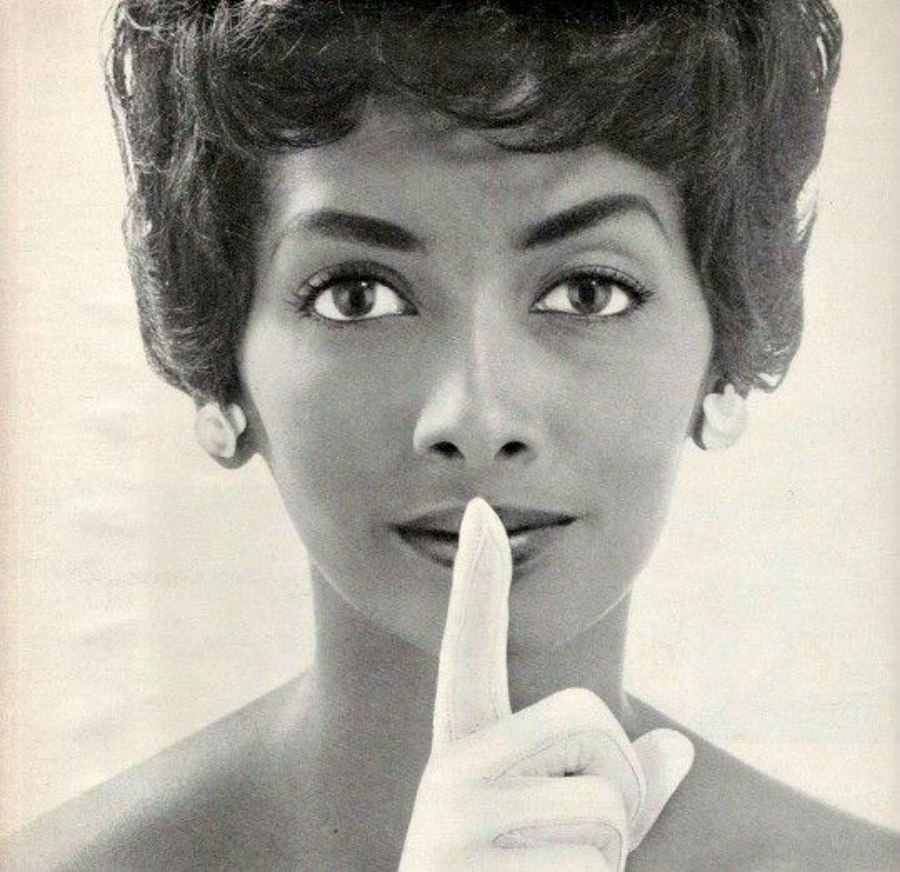
She passed away on November 28, 1997, at the age of 73. For decades, her name was largely erased from fashion history, even though she had opened the door for every Black model who followed.

Helen Williams’ legacy lies in her quiet revolution. She did not protest in the streets—she protested with her presence. Her body, her face, her dark skin on luxury runways was itself a political act.

She proved that Black women belonged in haute couture long before the world was ready to admit it. She was not just a model—she was a cultural insurgent inside an exclusionary industry.

Today, Helen Williams is increasingly acknowledged as the original Ebony Doll, the first Black woman to be globally celebrated in high fashion. Her life reminds us that Black beauty did not begin with modern diversity campaigns—it began with women like her who endured rejection so others could be seen.


References

BlackPast. (n.d.). Helen Williams (1924–1997).
https://www.blackpast.org

Fashion History Museum. (n.d.). Helen Williams: The first Black supermodel.
https://fashionhistory.fitnyc.edu

The Guardian. (2014). The forgotten Black supermodel: Helen Williams.
https://www.theguardian.com

Vogue France Archives. (1950s). Helen Williams editorial appearances.
https://www.vogue.fr

National Museum of African American History and Culture. (n.d.). Black pioneers in fashion.
https://nmaahc.si.edu

BBC Culture. (2020). The Black women who changed fashion.
https://www.bbc.com

Models.com. (n.d.). History of Black models in fashion.
https://models.com
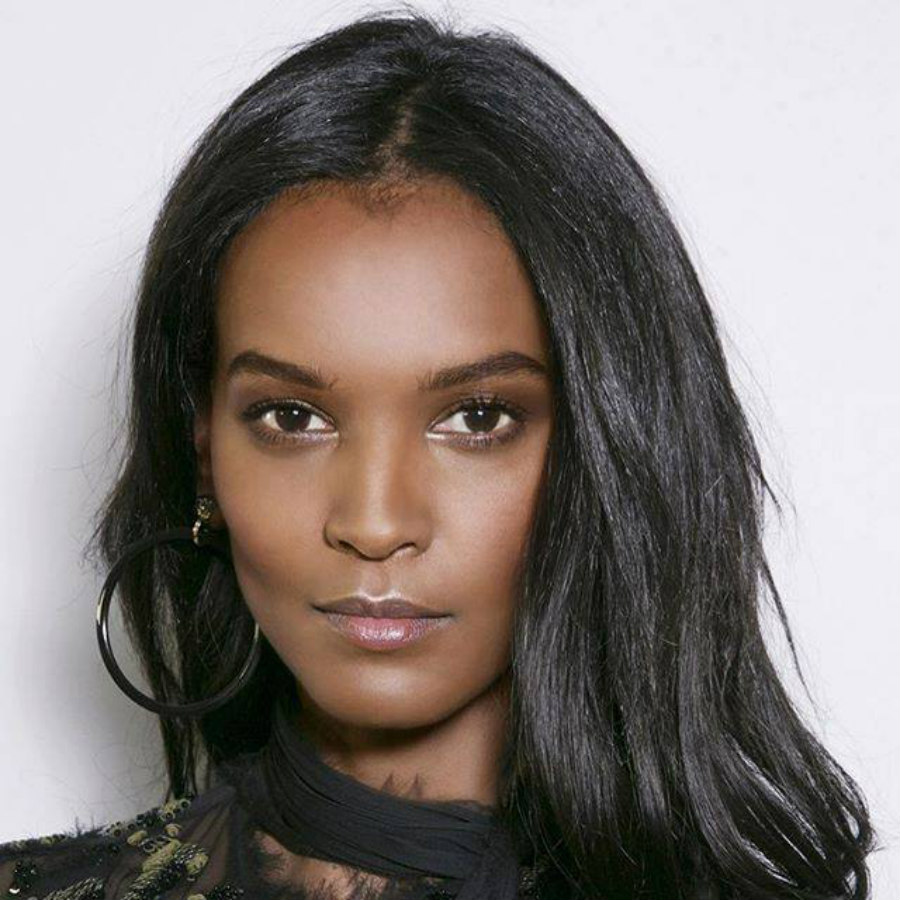
The Ebony Dolls: Liya Kebede

Ethiopian Supermodel and Maternal Health Advocate

This photograph is the property of its respective owners. No copyright infringement intended.

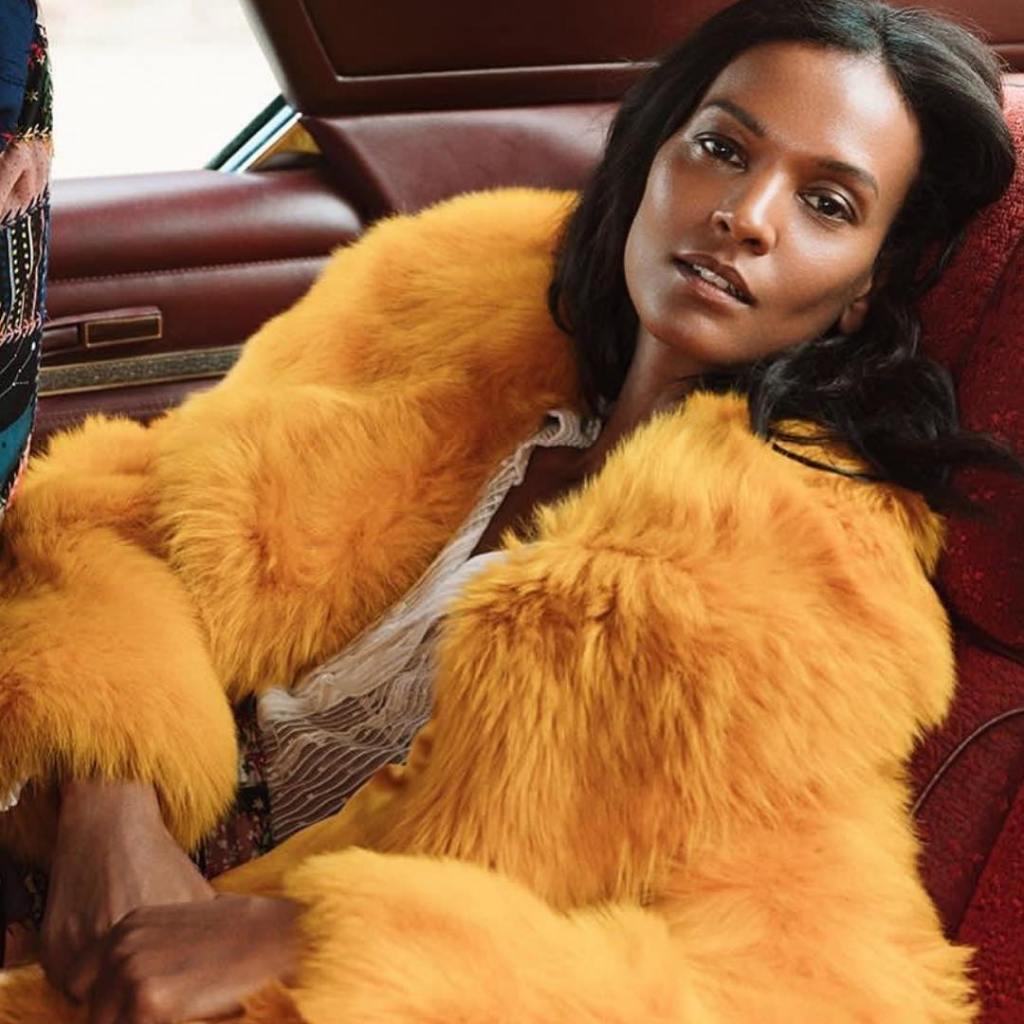
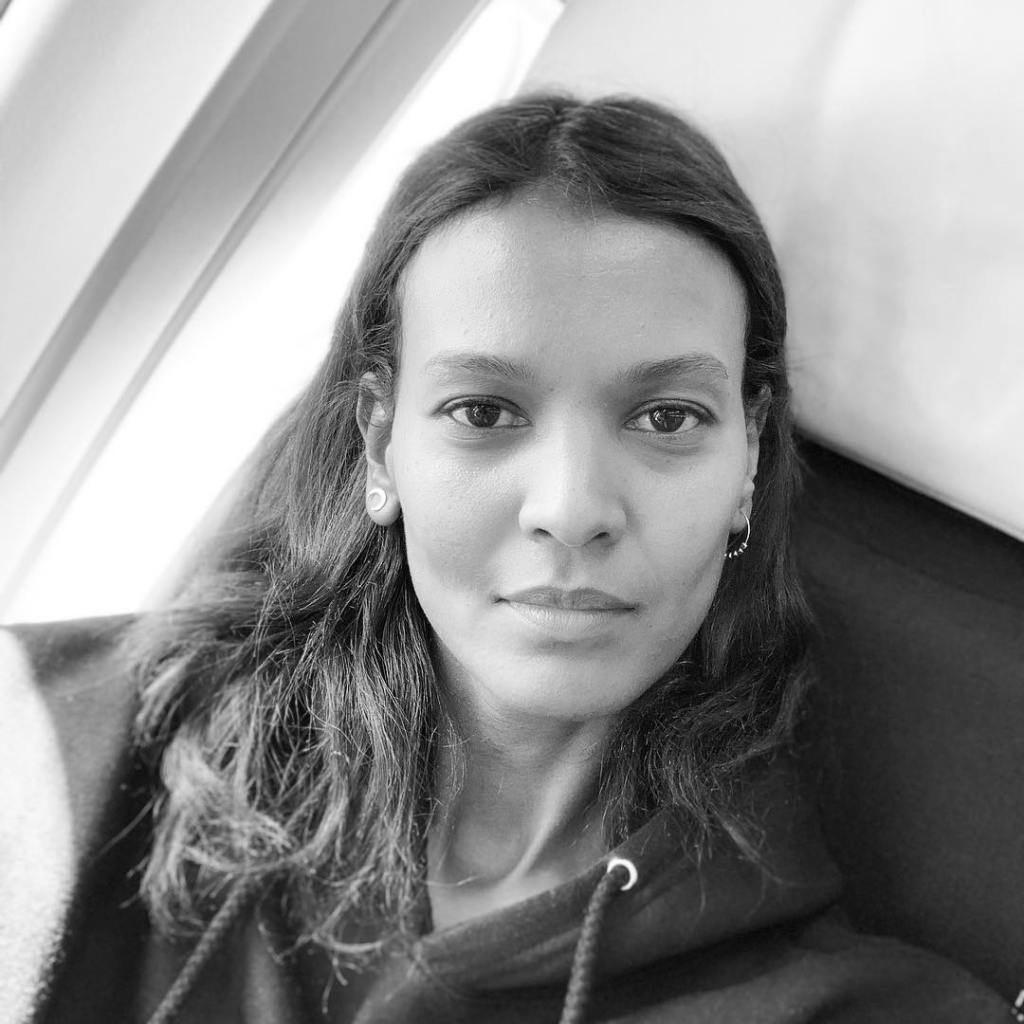
Liya Kebede is an internationally celebrated Ethiopian supermodel, entrepreneur, and global maternal health advocate whose career has transcended fashion to become a platform for humanitarian impact. Born on January 3, 1978, in Addis Ababa, Ethiopia, Kebede emerged as one of the first African models to achieve sustained global dominance in high fashion, redefining the visibility of African beauty within Eurocentric modeling industries.

Kebede was discovered in 1998 while attending Lycée Guebre-Mariam, a French international school in Addis Ababa. A French filmmaker spotted her and encouraged her to pursue modeling in Paris, where she soon signed with a major agency. Her entry into the European fashion scene marked a pivotal moment, as African models had historically been marginalized within elite fashion circuits.

Her breakthrough came in the early 2000s when she walked exclusive runways for designers such as Tom Ford for Gucci, Yves Saint Laurent, Louis Vuitton, Jean Paul Gaultier, and Estée Lauder. In 2003, she made history as the first Ethiopian model to become the face of Estée Lauder, a milestone that placed her among the world’s highest-paid models at the time.

Liya Kebede’s modeling career is distinguished not only by commercial success but by symbolic representation. She embodied a shift in beauty politics, bringing dark-skinned African features into luxury branding spaces that had long privileged whiteness and Eurocentric aesthetics. Her presence disrupted narrow beauty standards and affirmed Black femininity on a global stage.

This photograph is the property of its respective owners. No copyright infringement intended.

In addition to runway and editorial success, Kebede became the face of major advertising campaigns for brands including Estée Lauder, Dolce & Gabbana, Victoria’s Secret, Gap, and L’Oréal. Her campaigns were marked by elegance, refinement, and a classical visual identity that resonated with both haute couture and mass-market audiences.

Beyond fashion, Kebede’s life mission shifted toward global health advocacy, particularly maternal health in Africa. In 2005, she founded the Liya Kebede Foundation, a nonprofit organization dedicated to improving maternal and newborn health in Ethiopia and other developing countries. Her advocacy was inspired by her own experiences and exposure to high maternal mortality rates in sub-Saharan Africa.

In 2011, she was appointed a World Health Organization (WHO) Goodwill Ambassador for Maternal, Newborn, and Child Health. In this role, Kebede worked closely with international institutions to raise awareness about preventable maternal deaths and the structural inequalities affecting African women’s healthcare systems.

Kebede is also a successful entrepreneur. She launched Lemlem, an ethical fashion brand that supports Ethiopian artisans and promotes traditional handwoven textiles. The brand integrates fashion with economic empowerment, creating sustainable employment for African women while preserving indigenous craftsmanship.

Her awards and recognitions include being named among Time Magazine’s “100 Most Influential People in the World” and receiving numerous humanitarian honors for her global advocacy work. These accolades reflect her rare position as both cultural icon and social reformer.

Liya Kebede was married to hedge fund manager Kassy Kebede (Kassé Kebede), and they share two children. Although they later divorced, Kebede has maintained a private family life, emphasizing balance between motherhood, activism, and professional leadership.

As an “Ebony Doll,” Liya Kebede represents a form of Black beauty rooted in classical proportion, regal poise, and ancestral elegance. The term “Ebony Doll” in cultural aesthetics refers not to objectification, but to symbolic idealization—an archetype of dark feminine beauty that embodies grace, depth, and timeless appeal.

Her skin tone, facial symmetry, high cheekbones, almond-shaped eyes, and natural Afrocentric features align with what scholars describe as “classical Black beauty,” a form of aesthetics historically erased or marginalized in Western visual culture. Kebede’s beauty operates not as spectacle but as dignity—quiet, composed, and sovereign.

In contrast to hypersexualized or exoticized portrayals of Black women, Kebede’s image has consistently reflected restraint, intellect, and moral authority. Her modeling persona is refined rather than performative, aligning beauty with character rather than consumption.

From a sociological perspective, Kebede embodies what Pierre Bourdieu would call symbolic capital: beauty converted into cultural authority and ethical influence. She did not merely accumulate visibility; she transformed it into institutional power and social change.

Her role in reshaping African representation in global fashion parallels earlier cultural icons such as Iman, Naomi Campbell, and Alek Wek. However, Kebede’s distinctive legacy lies in her integration of beauty with global health politics.

Liya Kebede stands as a living example of how Black beauty can function as both aesthetic excellence and moral agency. She is not simply admired—she is emulated, respected, and historically significant.

In the broader framework of racial and gender representation, Kebede represents the re-humanization of African femininity within systems that once rendered it invisible. Her success reframes Black womanhood as intellectual, ethical, maternal, and powerful.

Ultimately, Liya Kebede is an Ebony Doll not because she fits a fantasy, but because she transcends one. Her beauty is classical, her mission is humanitarian, and her legacy is cultural sovereignty.


References

Kebede, L. (2010). Liya Kebede Foundation: Maternal health initiatives in Ethiopia. Liya Kebede Foundation.

Time Magazine. (2010). The 100 most influential people in the world: Liya Kebede.

World Health Organization. (2011). WHO Goodwill Ambassador for Maternal, Newborn and Child Health: Liya Kebede.

Entwistle, J. (2009). The aesthetic economy of fashion: Models and symbolic capital. Berg Publishers.

Hunter, M. (2011). Buying racial capital: Skin bleaching and cosmetic surgery in a globalized world. The Journal of Pan African Studies, 4(4), 142–164.

Bourdieu, P. (1986). The forms of capital. In J. Richardson (Ed.), Handbook of theory and research for the sociology of education (pp. 241–258). Greenwood.

Iman. (2011). The beauty of color: Skin, fashion, and representation. HarperCollins.

Crenshaw, K. (1991). Mapping the margins: Intersectionality and identity politics. Stanford Law Review, 43(6), 1241–1299.

The Ebony Dolls: Iman

Somali Queen of Fashion and Global Beauty Icon

This photograph is the property of its respective owner. No copyright infringement intended.

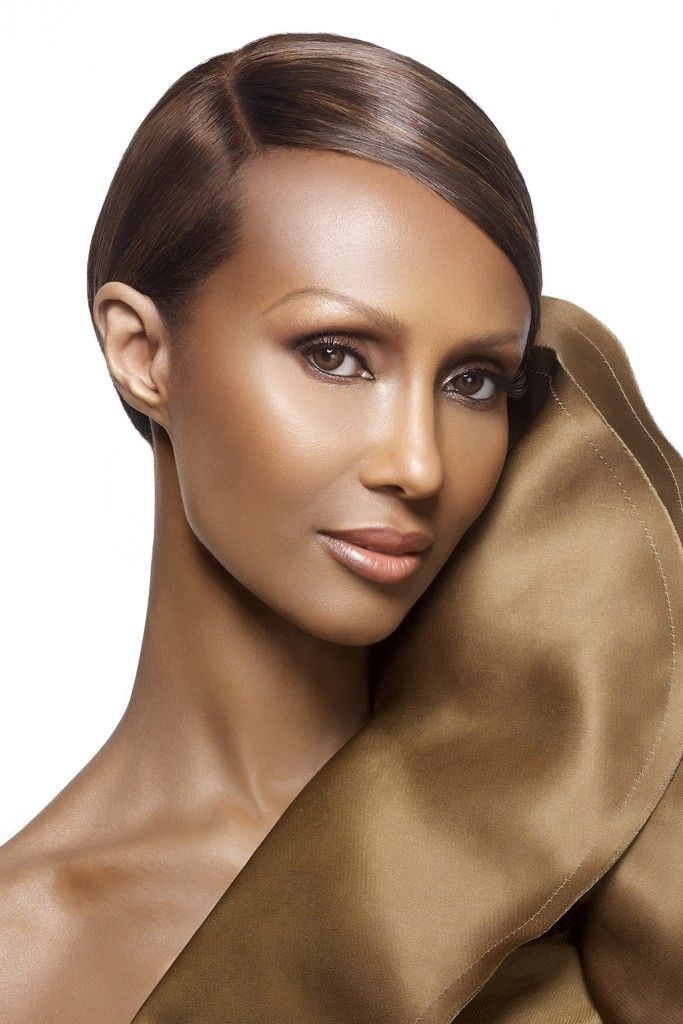
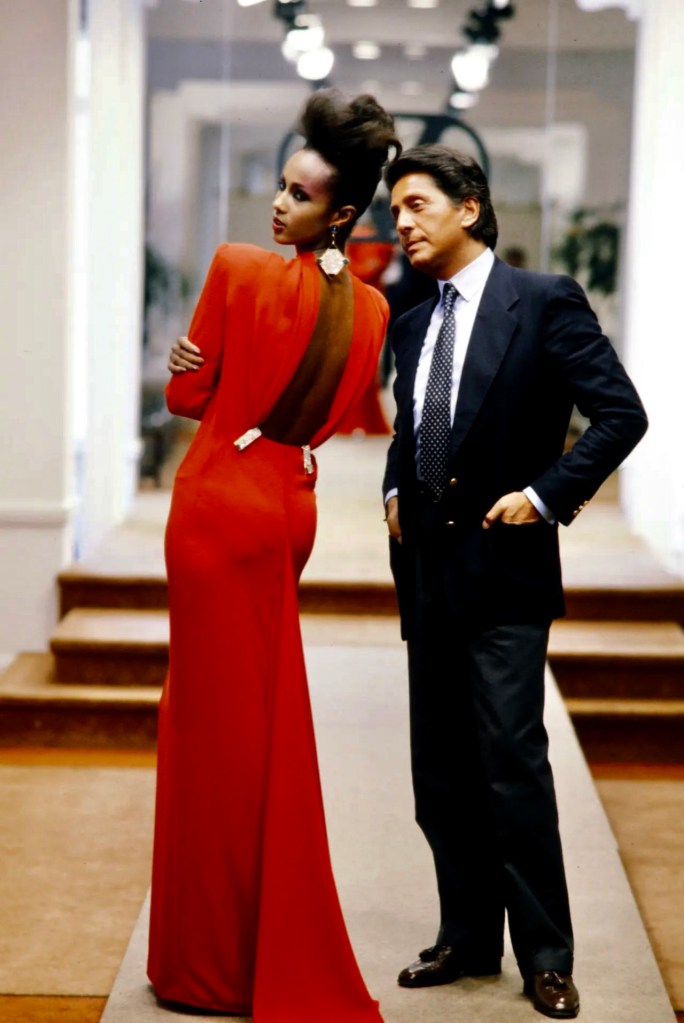
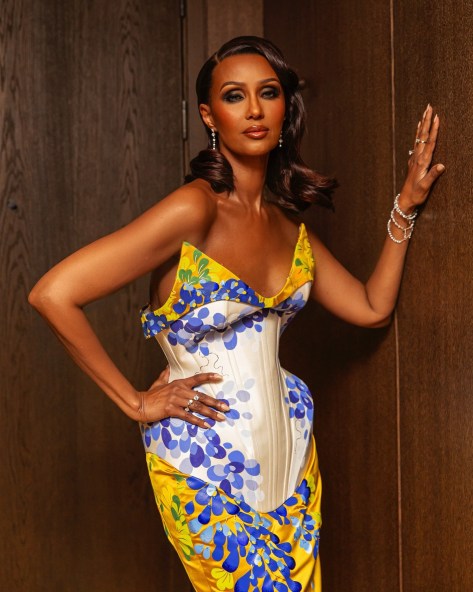
Iman Abdulmajid is a Somali supermodel, entrepreneur, and humanitarian whose career fundamentally reshaped global standards of beauty, race, and representation. Born on July 25, 1955, in Mogadishu, Somalia, Iman emerged as one of the first African supermodels to achieve worldwide fame, becoming the embodiment of high fashion elegance and later the architect of one of the most influential Black-owned beauty empires in history.

Iman’s early life was intellectually and culturally rich. Her father was a diplomat and former Somali ambassador, and her mother was a gynecologist. She was educated in Somalia, Egypt, and Kenya, and spoke several languages fluently before ever entering the fashion world. Contrary to common myth, Iman did not aspire to be a model; she was studying political science at the University of Nairobi when she was discovered.

She was discovered in 1975 by legendary American photographer Peter Beard, who encountered her while she was walking in Nairobi. Beard photographed her and presented her as an exotic African muse to the fashion world, launching her career internationally. Within months, Iman appeared on the cover of Vogue, marking one of the first times a dark-skinned African woman graced the magazine.

This photograph is the property of its respective owner. No copyright infringement intended.

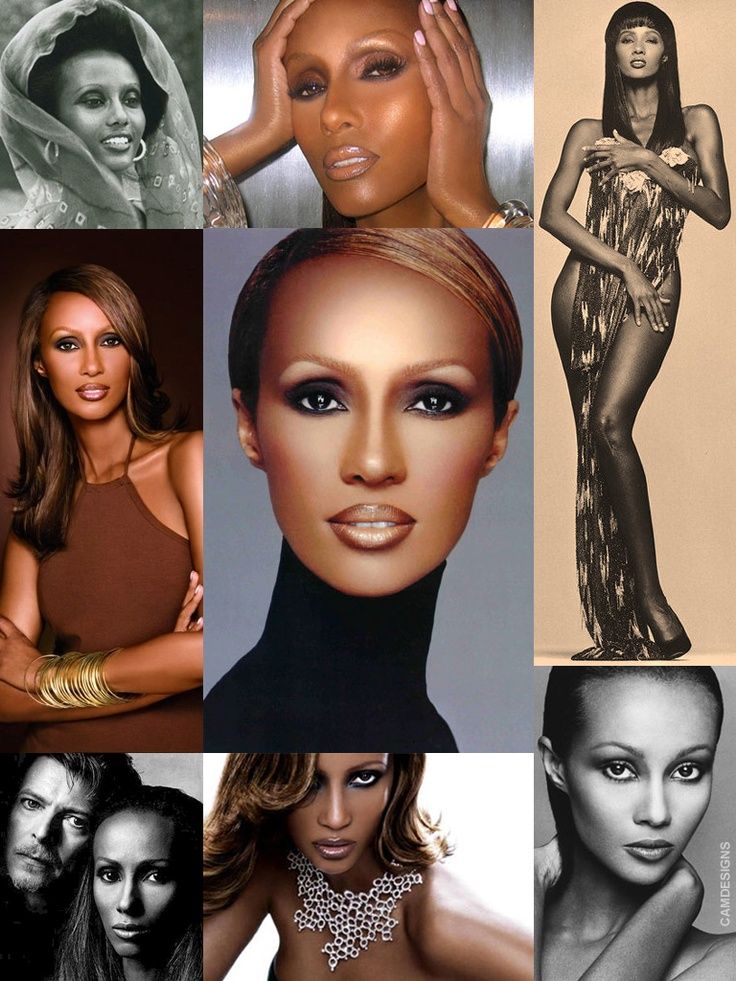
Iman’s rise was meteoric. She quickly became the muse of fashion icons such as Yves Saint Laurent, Gianni Versace, Calvin Klein, Halston, Issey Miyake, and Thierry Mugler. Yves Saint Laurent famously stated that he could not have designed his iconic “African Collection” without Iman, declaring that she represented his ideal woman.

Her runway and editorial career spanned two decades, during which she became one of the most in-demand models in the world. She appeared on the covers of Vogue, Harper’s Bazaar, Elle, Allure, and Time, and worked with elite photographers such as Richard Avedon, Helmut Newton, Irving Penn, and Steven Meisel.

This photograph is the property of its respective owner. No copyright infringement intended.

Iman’s beauty became legendary. She is celebrated for her luminous, deep brown skin, regal height, sculpted cheekbones, elongated neck, almond-shaped eyes, and symmetrical facial structure. Her Somali features reflect classical East African Nilotic aesthetics, often compared to ancient Nubian and Pharaonic beauty ideals.

In fashion theory, Iman is often described as the epitome of “model beauty” because her appearance combines proportion, bone structure, posture, and presence. She possesses what scholars call architectural beauty—features that translate powerfully across photography, film, and live runway.

Iman did not simply succeed within Eurocentric systems—she redefined them. At a time when Black models were rare and often marginalized, she became the standard rather than the exception. She normalized African beauty within luxury spaces that had historically excluded it.

In her personal life, Iman married iconic musician David Bowie in 1992. Their marriage became one of the most admired interracial celebrity unions in modern history, lasting until Bowie died in 2016. Together, they had one daughter, Alexandria Zahra Jones, born in 2000. Iman also has a daughter, Zulekha Haywood, from her previous marriage to basketball player Spencer Haywood.

Beyond modeling, Iman made history as a beauty entrepreneur. In 1994, she founded IMAN Cosmetics, one of the first global beauty brands created specifically for women of color. The brand addressed a massive gap in the cosmetics industry, which had long ignored deeper skin tones.

IMAN Cosmetics became a revolutionary force, offering foundation, skincare, and makeup products for a wide range of melanin-rich complexions. Iman famously stated that she created the brand because “women of color were invisible in beauty.” Her company is now regarded as a blueprint for inclusive beauty, preceding brands like Fenty by decades.

This photograph is the property of its respective owner. No copyright infringement intended.

Her entrepreneurial success transformed her from model to mogul. Iman became one of the wealthiest self-made Black women in fashion, proving that Black beauty could generate not only cultural value but economic sovereignty.

Iman’s impact extends into humanitarian and political advocacy. She has worked extensively with organizations such as CARE, Keep a Child Alive, and the UN Refugee Agency, focusing on African development, famine relief, and global health.

She has received numerous honors, including the Fashion Icon Award from the Council of Fashion Designers of America (CFDA), TIME Magazine Icon Award, BET Lifetime Achievement Award, and multiple humanitarian recognitions.

As an “Ebony Doll,” Iman represents the highest archetype of Black feminine beauty—regal, dignified, and timeless. The term here signifies symbolic elevation: she is not decorative, but iconic; not consumable, but monumental.

Her Somali beauty challenged colonial narratives that framed African features as primitive or undesirable. Instead, she presented African aesthetics as classical, royal, and divine—comparable to ancient queens, goddesses, and empresses.

Unlike hypersexualized representations of Black women, Iman’s beauty has always been associated with intellect, grace, and power. She embodies what cultural theorists describe as sovereign femininity—beauty aligned with authority rather than submission.

In sociological terms, Iman converted beauty into symbolic, cultural, and economic capital. She did not merely model luxury—she became luxury itself, reshaping global visual culture.

Iman’s legacy paved the way for generations of Black models, including Naomi Campbell, Alek Wek, Liya Kebede, Jourdan Dunn, Adut Akech, and Anok Yai. Without Iman, the contemporary presence of African beauty in fashion would be unimaginable.

Ultimately, Iman is not simply a model—she is a civilizational figure. She represents the re-entry of African beauty into global consciousness after centuries of erasure.

She is the Ebony Doll, not as fantasy, but as truth: the living standard by which model beauty itself is measured.


References

Iman. (2001). I Am Iman. HarperCollins.

Iman Cosmetics. (2020). Brand history and founder biography. IMAN Global.

Council of Fashion Designers of America. (2010). Fashion Icon Award: Iman.

Beard, P. (1975). Discovery of Iman photographic series.

TIME Magazine. (2018). Iman: Global fashion icon and entrepreneur.

Entwistle, J. (2009). The aesthetic economy of fashion: Models and symbolic capital. Berg.

Hunter, M. (2011). Buying racial capital: Skin bleaching and cosmetic surgery in a globalized world. The Journal of Pan African Studies, 4(4), 142–164.

Bourdieu, P. (1986). The forms of capital. In J. Richardson (Ed.), Handbook of theory and research for the sociology of education (pp. 241–258). Greenwood.

Banks, I. (2015). Black bodies in fashion: Representation and resistance. Fashion Theory, 19(3), 267–289.

Crenshaw, K. (1991). Mapping the margins: Intersectionality and identity politics. Stanford Law Review, 43(6), 1241–1299.

The Ebony Dolls: Alek Wek

Sudanese Supermodel and Icon of Unconventional Beauty

This photograph is the property of its respective owner. No copyright infringement intended.

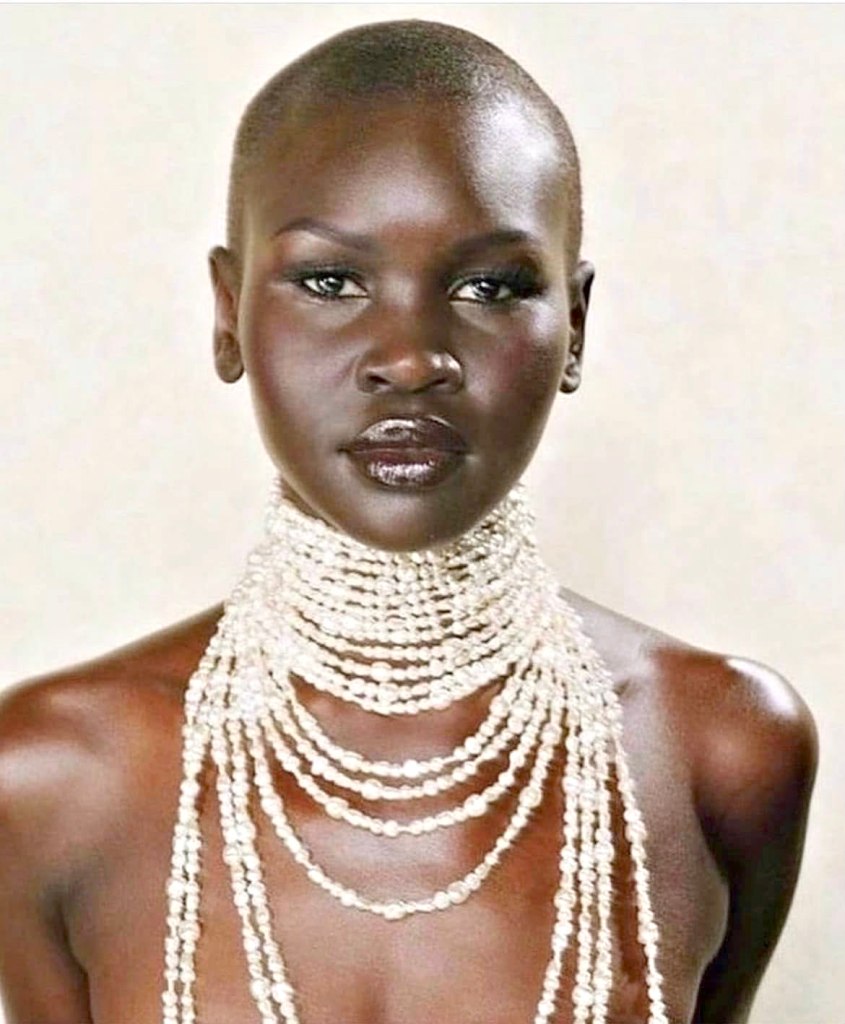
Alek Wek is a Sudanese-British supermodel and cultural icon whose emergence in the global fashion industry transformed dominant conceptions of beauty, race, and representation. Born on April 16, 1977, in Wau, South Sudan, Wek became one of the first African models to achieve international supermodel status in the late 1990s, celebrated not for conformity to Western standards but for her distinctly African features and richly melanated skin.

Wek’s early life was shaped by political violence and displacement. During the Second Sudanese Civil War, her family fled to London as refugees when she was 14 years old. This experience of forced migration profoundly shaped her worldview and later humanitarian advocacy, grounding her public identity in resilience and survival.

She was discovered in 1995 at an outdoor market in Crystal Palace, London, by a modeling scout from Models 1 agency. At the time, Wek had no prior connection to fashion and did not fit the conventional industry image of beauty. Her height, deep ebony skin, shaved head, and Nilotic facial features were considered “unmarketable” by traditional standards—yet these exact traits would soon redefine global beauty culture.

Wek’s breakthrough came in 1996 when she appeared in the iconic Calvin Klein Obsession fragrance campaign, photographed by Steven Meisel. The campaign was revolutionary, positioning a dark-skinned African woman at the center of a luxury brand’s visual identity. This marked one of the first times a Sudanese model was presented as the global face of high fashion.

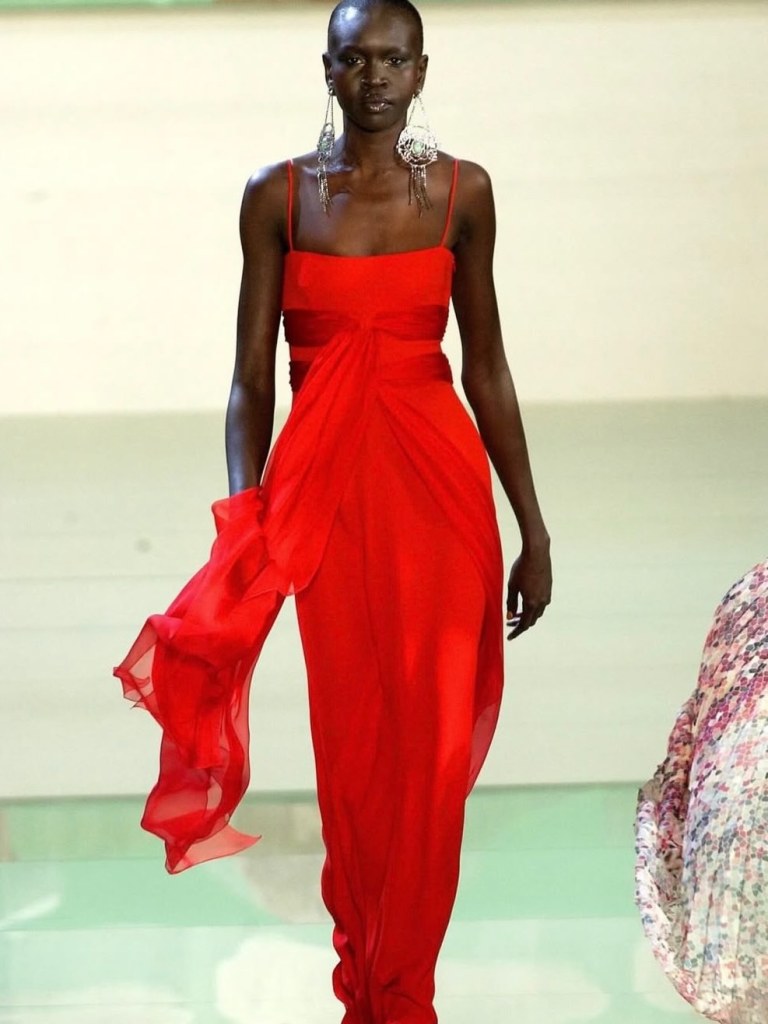
Her runway career quickly flourished, with appearances for elite designers including Chanel, Jean Paul Gaultier, Moschino, Givenchy, Donna Karan, Valentino, and Victoria’s Secret. She graced the covers of Vogue, Elle, Harper’s Bazaar, Allure, and i-D, becoming one of the most visible Black models of her generation.

Alek Wek is particularly celebrated for her “unconventional beauty,” a term often used to describe her departure from Eurocentric norms. Her elongated limbs, high cheekbones, almond eyes, sculptural facial structure, and shaved head embodied an Afrocentric aesthetic that was rarely elevated in Western fashion prior to her rise.

Her rich ebony dark skin became her most radical form of beauty capital. In an industry long dominated by lighter skin tones and racial assimilation, Wek’s melanation symbolized a form of aesthetic resistance. She did not soften her African features to fit Western ideals—she forced Western ideals to expand.

This photograph is the property of its respective owner. No copyright infringement intended.

Wek’s impact extended beyond modeling into cultural politics. She became a symbol of racial pride, particularly for dark-skinned Black women and African girls who had rarely seen themselves reflected in elite beauty spaces. Her visibility disrupted global color hierarchies and helped normalize deeply melanated beauty.

In 1997, Alek Wek was named MTV’s Model of the Year, and in 1998 she won Elle Magazine’s Model of the Year Award. These recognitions confirmed her status as not just a novelty, but a dominant fashion force.

She also transitioned into acting, appearing in films such as The Four Feathers (2002), further expanding her influence into global media representation. Her presence on screen continued the work of decolonizing visual narratives of African women.

Alek Wek has no publicly known husband and has remained largely private about her romantic life. She does not have children. Her public identity has been centered more on cultural leadership, advocacy, and representation than on traditional celebrity domestic narratives.

In 2013, Wek was appointed a UNHCR Goodwill Ambassador, using her refugee experience to advocate for displaced people worldwide. She has worked extensively with the United Nations, raising awareness about refugee rights, humanitarian aid, and African development.

Wek’s humanitarian mission aligns with her broader legacy: using beauty as a tool for social consciousness rather than commercial consumption. She reframes modeling as a platform for ethical visibility rather than mere spectacle.

In cultural theory, Alek Wek represents what scholars describe as “decolonial beauty.” Her image dismantles colonial hierarchies that positioned African features as inferior or primitive. Instead, she embodies African aesthetics as classical, regal, and sovereign.

As an “Ebony Doll,” Alek Wek symbolizes the highest form of Black feminine archetype—not sexualized, not exoticized, but monumental. The term here reflects a symbolic elevation: beauty that is iconic, ancestral, and spiritually grounded.

This photograph is the property of its respective owner. No copyright infringement intended.

Her shaved head became a signature aesthetic, challenging Eurocentric femininity that equates beauty with long hair and softness. Wek’s minimalism emphasized bone structure, skin, and presence, redefining femininity through strength and abstraction.

She is celebrated in academic, fashion, and cultural spaces as a pioneer of Afrocentric representation. Designers, photographers, and scholars frequently cite her as the model who made space for later figures like Nyakim Gatwech, Duckie Thot, Adut Akech, and Anok Yai.

Alek Wek’s legacy lies not in trend, but in transformation. She did not simply enter the fashion system—she altered its symbolic architecture.

Ultimately, Alek Wek is an Ebony Doll because she embodies what had long been denied: the idea that African features, dark skin, and refugee identity are not marginal, but magnificent. Her beauty is not decorative—it is historical.

She stands as a living monument to Black aesthetics, African resilience, and the global redefinition of what beauty means.


References

Wek, A. (2015). Alek: From Sudanese refugee to international supermodel. HarperCollins.

UNHCR. (2013). Goodwill Ambassador: Alek Wek biography. United Nations High Commissioner for Refugees.

Calvin Klein. (1996). Obsession fragrance campaign featuring Alek Wek.

Elle Magazine. (1998). Model of the Year Awards.

Banks, I. (2015). Black bodies in fashion: Representation and resistance. Fashion Theory, 19(3), 267–289.

Hunter, M. (2007). The persistent problem of colorism. Sociology Compass, 1(1), 237–254.

Bourdieu, P. (1986). The forms of capital. In J. Richardson (Ed.), Handbook of theory and research for the sociology of education (pp. 241–258). Greenwood.

Crenshaw, K. (1991). Mapping the margins: Intersectionality and identity politics. Stanford Law Review, 43(6), 1241–1299.

Entwistle, J. (2009). The aesthetic economy of fashion: Models and symbolic capital. Berg.

The Ebony Dolls: Philomena Kwao

Beauty, Brains, and the Power of Representation

Philomena Kwao stands as one of the most compelling figures in contemporary fashion modeling, not merely for her striking physical beauty, but for the intellectual and cultural depth she brings to an industry long dominated by narrow ideals. With her luminous dark skin, regal posture, and unforgettable, piercing eyes, Kwao represents a modern embodiment of Black elegance—one that challenges both Eurocentric beauty standards and the historical marginalization of plus-size women within fashion. One of Philomena Kwao’s most arresting and unforgettable features is her eyes—mirrored, expansive, and profoundly piercing. They are not merely beautiful; they are commanding. Her large, dark eyes possess a reflective depth that feels almost cinematic, as though they hold both memory and prophecy. In fashion photography, where the gaze is everything, Kwao’s eyes function as a narrative force. They do not simply invite attention; they demand contemplation.

Born in London to Ghanaian parents, Philomena Kwao’s journey into modeling was unconventional. Before the runway and magazine spreads, she pursued higher education, earning a degree in Economics from the University of Birmingham and later a master’s degree in International Health Management. Her academic background already distinguished her as a woman rooted in intellect and global consciousness. Modeling, for Kwao, was not originally a dream but an unexpected calling. She was discovered after submitting photographs to an online modeling platform, initially skeptical of the industry’s limitations but ultimately realizing its potential as a platform for advocacy and change.

Kwao rose to prominence as a plus-size model, though she has often resisted the reductive nature of that label. While she does not conform to traditional sample sizes, her physique defies stereotypes associated with “plus-size” modeling—she is statuesque, toned, and carries herself with the confidence of classical high fashion. Her work with agencies such as Wilhelmina Models and appearances in major publications including Vogue Italia, Essence, Glamour, and Sports Illustrated Swimsuit have placed her firmly among the elite tier of global models.

One of Philomena Kwao’s most defining attributes is her face—often described by critics and fans alike as one of the most beautiful in modern fashion. Her large almond-shaped eyes, sculpted cheekbones, full lips, and smooth melanin-rich complexion create a visage that feels both timeless and contemporary. There is a quiet nobility in her features, evoking the aesthetics of African royalty and classical portraiture. In an industry obsessed with youth and homogeneity, Kwao’s beauty feels ancestral, symbolic, and deeply cultural.

Beyond aesthetics, Kwao’s career is marked by activism and thought leadership. She has become a leading voice in body positivity, diversity, and mental health within fashion. She frequently speaks on panels, contributes to academic and cultural discussions, and advocates for ethical representation of women of color. Her work challenges not only size discrimination but also the sexualization and commodification of Black women’s bodies. She reframes modeling as a site of empowerment rather than objectification.

Philomena Kwao qualifies as an “Ebony Doll” not simply because she is a model, but because she represents the very essence of what the term should signify: a Black woman who is visually exquisite, culturally grounded, intellectually formidable, and socially influential. The Ebony Doll archetype is not about superficial beauty alone—it is about excellence, presence, and representation. Kwao embodies all three. She is living proof that Black beauty is not marginal or niche but global, aspirational, and transformative.

In a world still struggling to reconcile race, gender, and aesthetics, Philomena Kwao stands as a corrective image—one that says Black women do not need to shrink themselves to be seen. They are already monumental.


References

Ashley, L. (2018). The politics of plus-size fashion and representation. Fashion Theory, 22(5), 593–610.

Essence Magazine. (2020). Philomena Kwao on body positivity and mental health.

Glamour. (2017). Meet the model changing the face of fashion: Philomena Kwao.

Sports Illustrated. (2019). Philomena Kwao: Breaking barriers in swimwear.

Vogue Italia. (2016). Curves, color, and couture: A new generation of models.

Wilhelmina Models. (n.d.). Philomena Kwao portfolio and biography.

Kwao, P. (2019). Body image, race, and self-worth in the fashion industry. Journal of Cultural Studies, 14(3), 211–225.

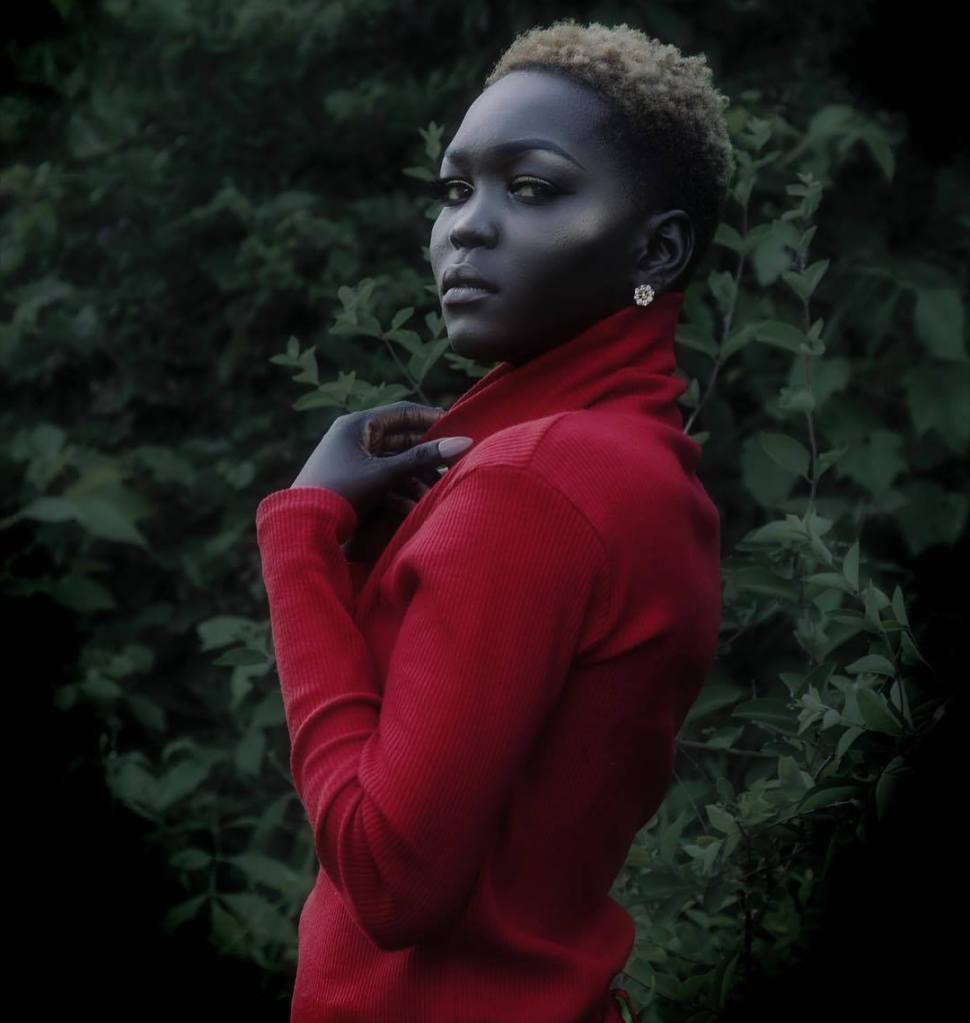
The Ebony Dolls: Nyakim Gatwech

Known as the “Queen of the Dark,” celebrated for extreme melanated skin

This photograph is the property of its respective owner. No copyright infringement intended.

Gatwech’s skin tone isn’t just a physical attribute — it’s central to her identity and public ethos. She is affectionately known as the “Queen of the Dark,” a nickname bestowed upon her by her growing global fan base in admiration of her unapologetic self-love and radiant complexion. Despite encountering colorism and ignorant comments — including being asked if she would bleach her skin for money — she has consistently embraced and celebrated her dark beauty, turning potential humiliation into empowerment for others with similar skin tones.

Nyakim Gatwech is an Ethiopian-born American fashion model of South Sudanese descent whose strikingly deep, radiant dark complexion has positioned her as one of the most visually and culturally significant faces in modern modeling. Widely known as the “Queen of the Dark,” Nyakim represents a powerful redefinition of beauty in an industry historically dominated by Eurocentric standards and color hierarchies. Her skin tone, rich in melanin and visually luminous, is not merely aesthetic but symbolic — a living challenge to global colorism and internalized anti-Black beauty norms. Nyakim’s beauty lies in the contrast she embodies: jet-black skin against high fashion, regal African features within Western luxury spaces, and unapologetic self-love in a world that often pressures Black women to diminish themselves.

Born on January 27, 1993, in Gambela, Ethiopia, to South Sudanese parents who fled civil war, Nyakim spent her early childhood in refugee camps across Ethiopia and Kenya. Her family later immigrated to the United States, settling in Minnesota when she was a teenager. It was in the U.S. that she first encountered intense colorism, particularly in school, where classmates mocked her skin tone, leading to early insecurity and emotional distress. Ironically, the very feature she was taught to feel ashamed of would later become the foundation of her global identity and success.

Nyakim’s entry into modeling occurred organically. While studying in Minnesota, she was invited to walk in a college fashion show, which sparked her interest in the fashion world. Without agency representation or industry connections, she began building her portfolio independently, collaborating with local photographers and using Instagram as her primary platform. Social media became her runway, gallery, and voice — a space where she could present herself without filters, whitening, or apology.

Her breakthrough came when she shared a now-viral story about an Uber driver who asked if she would bleach her skin for money. Her response — rejecting the offer and affirming her love for her natural complexion — resonated globally. The post turned her into a symbol of resistance against skin bleaching culture and a spokesperson for radical self-acceptance. From that moment, Nyakim’s following grew exponentially, and she began receiving international modeling opportunities.

She later became the face of Annabelle Cosmetics’ EDGE campaign, which celebrated unconventional beauty and diversity. Her presence in fashion editorials, beauty campaigns, and cultural platforms marked a shift in representation — not just inclusion of Black women, but elevation of the darkest shades of Blackness as luxurious, desirable, and elite.

This photograph is the property of its respective owner. No copyright infringement intended.

Nyakim’s special significance lies not only in how she looks, but in what she represents. She is part of a new generation of Black models who do not seek proximity to whiteness, but instead reclaim African features, melanin, and cultural identity as high status. Her image disrupts centuries of colonial aesthetics where lightness was equated with beauty, purity, and value. In contrast, Nyakim’s work affirms that darkness itself is divine, regal, and worthy of admiration.

Her skin has become a visual metaphor — a mirror for millions of dark-skinned women and girls who were taught that their complexion was something to “fix.” Through her modeling and public statements, Nyakim reframes melanin as a blessing rather than a burden. She speaks openly about loving her reflection, embracing contrast, and rejecting any narrative that associates darkness with inferiority.

Regarding her personal life, Nyakim is known to be private. There is no publicly verified information confirming that she is married or has children. She has spoken primarily about her parents, siblings, and her journey as a refugee and immigrant, choosing to keep romantic relationships outside of the public spotlight. Her narrative focuses more on identity, culture, and empowerment than celebrity exposure.

This photograph is the property of its respective owner. No copyright infringement intended.

In terms of awards and recognition, Nyakim has not received mainstream fashion industry prizes like Vogue or CFDA awards, but she has been widely honored in cultural and empowerment spaces. She has been recognized by African and diaspora organizations, featured at international beauty and women’s empowerment events, and celebrated across global media as one of the most influential dark-skinned models in the world. While some social media outlets claim Guinness recognition for her skin tone, this remains unverified through official Guinness records.

Nyakim Gatwech is considered an Ebony Doll because she embodies the very essence of what the term signifies: a woman whose Blackness is not diluted, modified, or assimilated, but fully embraced, elevated, and aestheticized. She represents melanin as luxury, African features as elite, and dark skin as high fashion. Her beauty is not rooted in proximity to whiteness, but in proximity to ancestry, identity, and unapologetic self-love.

She stands as both muse and message — proof that the darkest skin can sit at the center of beauty culture, not its margins. Nyakim Gatwech is not simply a model; she is a visual revolution.


References

Cosmopolitan. (2017). Nyakim Gatwech on embracing her dark skin and redefining beauty.

Fashion Magazine. (2018). Nyakim Gatwech: The model changing beauty standards.

Gatwech, N. (2017). Instagram post on skin bleaching and self-love.

Oddity Central. (2017). The Queen of Dark: The model embracing her gorgeous dark skin.

Royal Tee Magazine. (2020). Empowering quotes about self-love from Nyakim Gatwech.

Teen Vogue. (2017). Model Nyakim Gatwech challenges beauty standards on Instagram.

Yahoo Lifestyle. (2017). Dark-skinned model gives Uber driver reality check.

Wikipedia. (2025). Nyakim Gatwech.

Pulse Nigeria. (2023). Nyakim Gatwech and the global celebration of dark skin.

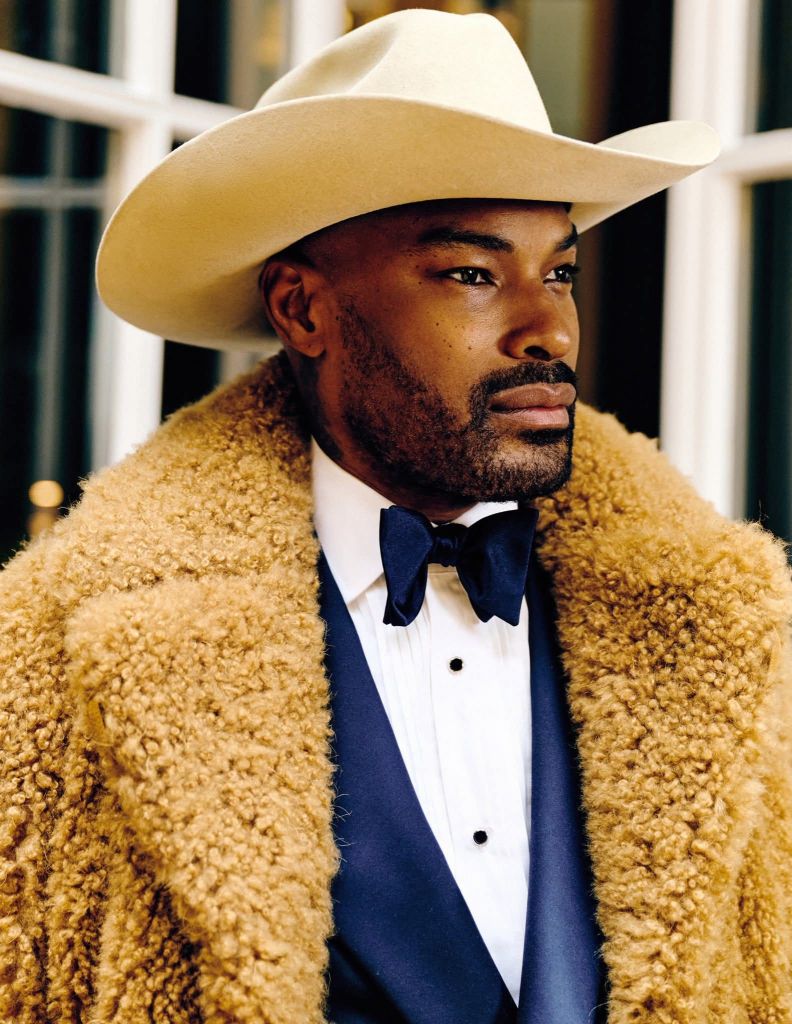
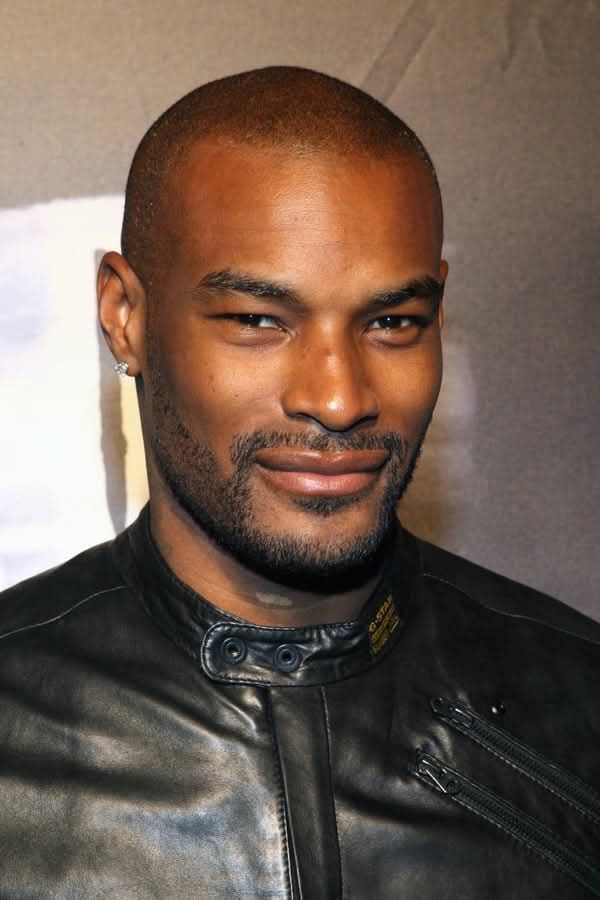
Celebrity Spotlight: Tyson Beckford

Tyson Beckford: The Face That Redefined Male Beauty and Broke Fashion’s Color Line

Photo Credit: Ralph Lauren.

In the world of fashion, where beauty is often dictated by narrow Eurocentric standards, Tyson Beckford emerged as a seismic shift — a face that did not merely model clothes, but redefined what male beauty could look like on a global stage. With his luminous skin, symmetrical features, and effortless masculine presence, Beckford embodied a rare fusion of classical handsomeness and cultural distinction. His beauty was not manufactured; it was ancestral, carrying the genetic poetry of Afro-Caribbean and Chinese-Jamaican heritage, rendered through bone structure, gaze, and physical poise.

What made Beckford extraordinary was not simply that he was handsome, but that his beauty was disruptive. At a time when Black male models were largely marginalized or confined to niche markets, Beckford’s image entered the highest temples of fashion — Polo Ralph Lauren, Vogue, GQ, and global billboards — without dilution or apology. He was not presented as an exception to Black beauty, but as its embodiment: regal, sensual, and universally aspirational. In doing so, Tyson Beckford did not just become a supermodel; he became a cultural symbol of aesthetic liberation.

Tyson Craig Beckford (born December 19, 1970) is a Jamaican-Panamanian American model, actor, and television personality best known for his iconic work as a Ralph Lauren Polo model. He is widely regarded as one of the most successful male supermodels in fashion history and is often credited as being the first Black male supermodel to achieve global prominence in a field historically dominated by white models.

Beckford was born in the Bronx, New York City, to a Jamaican mother, Hillary Dixon Hall, and a Panamanian father, Lloyd Beckford, who himself was of Jamaican and Chinese-Jamaican descent. His mixed Afro-Asian heritage contributes to his distinctive and striking features, which helped set him apart in the modeling world.

Shortly after his birth, his family moved back to Jamaica, where Beckford spent the first seven years of his life before returning to the United States and eventually settling in Rochester, New York. He attended and graduated from Pittsford Mendon High School, where classmates sometimes teased him about his looks before his later success.

Beckford’s entry into modeling was not planned. In 1992, he was approached in Manhattan’s Washington Square Park by editor Erik Lauren Counsel from The Source magazine, who invited him to pose for a style piece — a moment that launched his modeling career.

In 1993, his big break came when Ralph Lauren signed him to front its Polo line of men’s sportswear. The campaign quickly drew international attention and made Beckford a recognizable face in fashion, effectively breaking racial barriers in the industry by placing a Black male model at the center of a major luxury brand campaign.

Beckford’s looks — a blend of Jamaican, Panamanian and Chinese ancestry — were seen as exotic and striking in the early 1990s modeling scene. His features, symmetry, and presence helped him stand out among peers, leading to extensive editorial and advertising work.

Early in his career, Beckford worked with top photographers such as Herb Ritts and Bruce Weber, and appeared on the covers and in the pages of leading fashion magazines including Vogue, GQ, Essence, and Details.

This photograph is the property of its respective owner. No copyright infringement intended.

His success with Ralph Lauren and the broader fashion world was rapid. In 1995, VH1 named Beckford “Model of the Year,” and People magazine listed him as one of the “50 Most Beautiful People in the World.” He was also ranked number 38 on VH1’s “40 Hottest Hotties of the ’90s.”

Beyond fashion campaigns and editorials, Beckford expanded into television. He hosted both seasons of Bravo’s Make Me a Supermodel and appeared on reality and entertainment programs. He also judged and mentored models in international versions of the show.

Beckford has spoken openly about the challenges he faced in the industry, including instances of racism and limited diversity. In interviews, he has described fashion as “very racist” at times, critiquing runway casting that excluded Black, Latino, and Asian models and calling for broader inclusivity.

In addition to modeling, Beckford has acted in films including Into the Blue and appeared in music videos such as Britney Spears’ “Toxic,” further cementing his place in pop culture.

On the personal side, Beckford has a son, Jordan Beckford, born in 1998 from a relationship with stylist April Roomet.

He was briefly married to Berniece Julien in 2009, though the marriage ended the same year.

Beckford’s journey from a young man with humble beginnings — including brushes with street life — to one of fashion’s most recognizable male figures illustrates both personal resilience and transformational opportunity. According to Beckford, his late brother Patrick played a crucial role in encouraging him to pursue a legitimate path rather than the dangerous lifestyle that surrounded him in youth.

Despite his success, Beckford has acknowledged that the fashion industry still has room to grow in terms of diversity and representation, emphasizing the importance of including models from a wide range of racial and ethnic backgrounds.

Over three decades after his Polo breakthrough, Beckford continues to influence fashion and representation. In 2025, he honored his legacy with a custom Ralph Lauren ensemble at the Met Gala, celebrating the brand and his role in breaking boundaries in modeling.

Today, Beckford is not only remembered as a face of ’90s fashion but also as a pioneer who helped broaden the visibility of Black and multiracial models in high fashion.


References

Beckford, T. (n.d.). Tyson Beckford biography. Wikipedia. Retrieved from
https://en.wikipedia.org/wiki/Tyson_Beckford

BET Staff. (2016). Tyson Beckford says fashion is the most racist industry. BET. Retrieved from
https://www.bet.com/article/9pem2t/tyson-beckford-says-fashion-is-most-racist-business

Bellazon. (n.d.). Tyson Beckford modeling career profile. Bellazon Model Database. Retrieved from
https://www.bellazon.com/main/topic/5426-tyson-beckford/

People Magazine. (2024). Tyson Beckford explains how he almost avenged his brother’s murder. People. Retrieved from
https://people.com/tyson-beckford-explains-how-he-almost-avenged-his-brothers-murder-8716980

People Magazine. (2025). Tyson Beckford honors his 90s Ralph Lauren Polo campaign at the Met Gala. People. Retrieved from
https://people.com/met-gala-2025-tyson-beckford-honors-his-90s-ralph-lauren-polo-campaign-sharp-tuxedo-exclusive-details-11727831

IMDb. (n.d.). Tyson Beckford – trivia and personal life. Internet Movie Database. Retrieved from
https://www.imdb.com/name/nm0004734/

Arogundade, B. (n.d.). Tyson Beckford: ethnicity, heritage and background. Arogundade Fashion Archive. Retrieved from
https://www.arogundade.com/tyson-beckford-model-his-chinese-asian-ethnicity-nationality-his-mother-parents-family-biography-bio.html

VH1. (1995). Model of the Year Awards Archive. VH1 Networks. Retrieved from
https://www.vh1.com

Ralph Lauren. (n.d.). Polo Ralph Lauren advertising campaigns archive. Ralph Lauren Corporate. Retrieved from
https://corporate.ralphlauren.com

The Dark Side of the Modeling Industry

The fashion industry is often portrayed as a glamorous world of beauty, wealth, and celebrity. Runways, photo shoots, and magazine covers create an image of success that many aspire to achieve. However, beneath the polished surface lies a darker reality filled with exploitation, substance abuse, eating disorders, and psychological distress. Many models—including Carre Otis, Gia Carangi, and Beverly Johnson—have exposed these hidden struggles, reminding us that beauty often comes at a steep price.

Carre Otis: Beauty, Abuse, and Survival

Carre Otis, once one of the most recognizable faces in modeling, shed light on the industry’s dark underbelly in her memoir Beauty, Disrupted. She detailed her struggles with anorexia, cocaine addiction, and an abusive marriage to actor Mickey Rourke. Her career exemplifies how the relentless pressure to maintain a certain body image can push models into cycles of starvation and drug dependency (Otis & Warren, 2011). Otis’s story highlights how objectification and commodification often reduce models to mere products, disregarding their humanity.

Gia Carangi and the Tragedy of Fame

Gia Carangi, often called the world’s first supermodel, became a tragic cautionary tale. She quickly rose to fame in the late 1970s but struggled with heroin addiction and died from AIDS-related complications at just 26 years old (Steinem, 1982). Gia’s story illustrates how models, despite their fame and wealth, are not immune to the destructive consequences of substance abuse. Her untimely death revealed the fragility of careers built on the unstable foundations of beauty and fame.

Beverly Johnson: Racism and Exploitation

For Black models, the challenges are even greater. Beverly Johnson, who broke barriers in 1974 as the first Black woman to appear on the cover of Vogue, has been outspoken about the discrimination she faced in the industry. While she helped pave the way for women of color, Johnson admitted that the racism she endured affected her mental health and self-image. She also struggled with drug use during her career, openly discussing how cocaine was normalized in the modeling scene of the 1970s and 1980s (Johnson, 2015). Her story not only reflects the common pressures of beauty and addiction but also the added weight of racial inequality.

Naomi Campbell: Battling Racism and Addiction

Naomi Campbell, one of the most iconic supermodels in history, also faced struggles behind the scenes. Despite her extraordinary success, Campbell revealed in interviews that she turned to drugs and alcohol to cope with industry stress and the racism she experienced in fashion (Campbell, 2010). She admitted to attending rehabilitation programs and facing public scandals over her substance use. Her resilience in overcoming these challenges demonstrates both the toxic pressures of modeling and the possibility of recovery.

Alek Wek: Redefining Beauty in a Colorist World

Alek Wek, a South Sudanese model who rose to fame in the late 1990s, revolutionized beauty standards by embracing her dark skin and natural features in an era when Eurocentric ideals dominated. However, her success was not without struggle. Wek faced intense criticism from segments of the fashion industry and the public, who resisted her presence as a dark-skinned African model. Psychologically, Wek’s story underscores the importance of representation: her rise inspired countless young Black girls to see themselves as beautiful, yet it also revealed the industry’s deep discomfort with redefining beauty beyond whiteness (Wek, 2007).

Jourdan Dunn: Exploitation and Mental Health Struggles

Jourdan Dunn, a British supermodel, provides a modern example of the challenges Black models face. Despite being one of the most sought-after models of her generation, Dunn spoke openly about being paid less than white counterparts, being sidelined for major campaigns, and experiencing tokenism. She also shared her struggles with depression and the pressure of being a single Black mother while navigating an unstable and discriminatory industry (Halliday, 2015). Her experiences illustrate how systemic racism intersects with economic and emotional exploitation in modeling.

The Psychology of Race and Beauty

Psychologists emphasize that beauty standards are not only gendered but also racialized. Black models often internalize messages that their natural features are less desirable, leading to identity struggles and lowered self-esteem (Hunter, 2007). The phenomenon of “colorism”—where lighter skin is favored over darker skin—further marginalizes darker-skinned Black models, intensifying pressures to conform to Eurocentric norms. These dynamics increase vulnerability to depression, anxiety, and substance abuse as models navigate a system that simultaneously fetishizes and rejects them (Grogan, 2016).

Exploitation and Racism in the Industry

In addition to mental health challenges, Black models are frequently subjected to structural exploitation. They are often paid less, given fewer opportunities, and treated as interchangeable tokens in a predominantly white industry. Beverly Johnson’s testimony during the #MeToo era about abuse from powerful figures underscored how Black women in fashion face not only racism but also sexual exploitation (Johnson, 2015). Unlike their white peers, Black models often carry the additional burden of proving their beauty and legitimacy in an environment that persistently devalues them.

Survivors and Change-Makers

Despite the challenges, many Black models have transformed adversity into resilience. Naomi Campbell continues to advocate for diversity in fashion. Alek Wek has become a symbol of empowerment, redefining beauty for a new generation. Jourdan Dunn has used her platform to speak about mental health and inequality, while Tyra Banks created America’s Next Top Model to broaden representations of beauty on television. These women show that while the industry’s dark side is real, survival and reform are possible when models use their voices and visibility to challenge systemic oppression.

The Psychology of the Industry

Psychologists argue that the modeling industry reinforces body dissatisfaction, external validation, and self-objectification. Constant rejection, public scrutiny, and the demand to meet impossible beauty standards create fertile ground for depression, anxiety, and eating disorders (Grogan, 2016). Models are conditioned to base their worth on external approval, which fosters an external locus of control—meaning self-esteem is dictated by others’ opinions rather than inner confidence (Deci & Ryan, 2000). For many, drugs and alcohol become coping mechanisms for managing this high-pressure environment.

Exploitation and Abuse

Beyond mental health struggles, many models face exploitation. Carre Otis spoke about being forced into situations that blurred the line between professional and personal boundaries. Young models are often scouted as teenagers and placed in environments where they are vulnerable to financial exploitation, sexual harassment, and manipulation. In the #MeToo era, models such as Beverly Johnson came forward with stories of abuse by powerful figures in the fashion industry, revealing the systemic exploitation underlying the glitz and glamour (Johnson, 2015).

Survivors Who Transformed Their Careers

Despite the pitfalls, some models have managed to rise above the darker aspects of the industry. Cindy Crawford, Tyra Banks, and Iman transitioned into successful business careers, using their platforms to advocate for women and diversity in fashion. Naomi Campbell, despite her struggles, remains a powerful force in fashion and philanthropy, continuing to champion Black representation. Their resilience shows that while the industry can be destructive, survival and transformation are possible.

Conclusion

The modeling industry, for all its beauty and allure, often conceals a devastating reality. The stories of Carre Otis, Gia Carangi, Beverly Johnson, and Naomi Campbell expose the toxic mix of drugs, eating disorders, exploitation, and racism that lurks behind the runway lights. Psychology helps us understand how constant objectification and external validation can erode mental health, while systemic inequalities exacerbate these struggles for women of color. Yet, amid the darkness, survivors who turned their pain into resilience remind us that change is possible. The future of modeling must prioritize mental health, inclusivity, and ethical reform if it is to truly reflect beauty without destruction. The dark side of modeling is intensified for Black women, who endure the same pressures of drugs, eating disorders, and exploitation as their peers while also navigating racism and colorism. Beverly Johnson, Naomi Campbell, Alek Wek, and Jourdan Dunn exemplify both the pain and the resilience of Black models. Psychology helps us understand the toll of objectification and racial exclusion, while history reminds us of the courage it takes to break barriers in a hostile industry. If fashion is to truly reflect beauty, it must not only embrace diversity but also dismantle the systems that exploit and harm those who bring life to the runway.


References

  • Campbell, N. (2010). Naomi Campbell: The rise, fall, and rise again. Interview Magazine.
  • Deci, E. L., & Ryan, R. M. (2000). Self-determination theory and the facilitation of intrinsic motivation, social development, and well-being. American Psychologist, 55(1), 68–78.
  • Grogan, S. (2016). Body image: Understanding body dissatisfaction in men, women, and children. Routledge.
  • Johnson, B. (2015). The face that changed it all: A memoir. Atria Books.
  • Otis, C., & Warren, H. (2011). Beauty, disrupted: A memoir. HarperCollins.
  • Steinem, G. (1982). The truth about Gia. Cosmopolitan Magazine.

Campbell, N. (2010). Naomi Campbell: The rise, fall, and rise again. Interview Magazine.

Grogan, S. (2016). Body image: Understanding body dissatisfaction in men, women, and children. Routledge.

Halliday, J. (2015). Jourdan Dunn speaks out on racism in the fashion industry. The Guardian.

Hunter, M. (2007). The persistent problem of colorism: Skin tone, status, and inequality. Sociology Compass, 1(1), 237–254.

Johnson, B. (2015). The face that changed it all: A memoir. Atria Books.

Wek, A. (2007). Alek: From Sudanese refugee to international supermodel. HarperCollins.

Masculine Perfection Series: Broderick Hunter, Christopher Williams, and Blair Underwood.

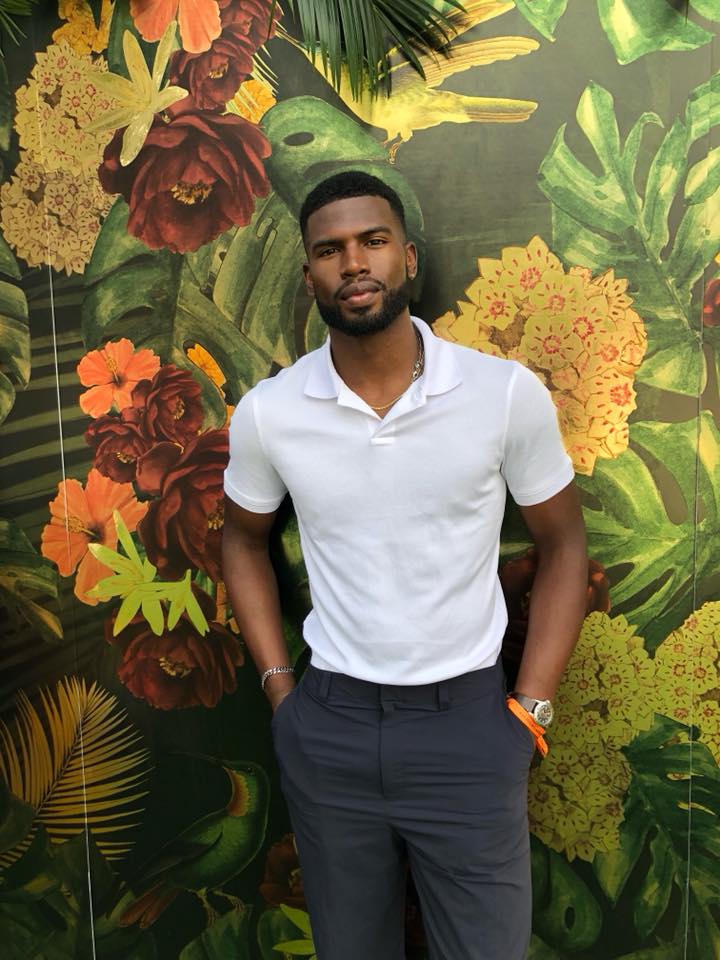
Broderick Hunter — “Mesmerizing eyes, boyish charm, modern Black beauty.”

Broderick Hunter Jr., born January 3, 1991, in Fontana, California, is an American model and actor. Originally a basketball player with over fifteen years of experience, an injury shifted his path toward modeling in 2011. Hunter has appeared in editorials and covers for major publications, including Vogue Paris, Italian GQ, Cosmopolitan, Maxim, and Essence. He has also modeled for top brands such as Ralph Lauren. On screen, he has acted in television series, including Insecure, showcasing versatility that combines athleticism, aesthetic polish, and charisma.

Hunter’s allure lies in his “piercing” eyes and boyish charm — a blend of youthful energy and contemporary Black male beauty. His presence conveys both confidence and approachability, making him a standout figure in fashion and media.


Christopher Williams — “Soulful crooner, gorgeous face, velvet voice.”

Christopher Williams, born August 22, 1967, in the Bronx, New York, emerged as a professional recording artist in the late 1980s. His debut album, Adventures in Paradise (1989) introduced his smooth R&B style, and his 1991 single I’m Dreamin’ topped Billboard’s Hot R&B/Hip-Hop Singles chart. Williams continued to produce hits such as Every Little Thing U Do and All I See, solidifying his reputation as a romantic and soulful performer. He has also acted in films, most notably New Jack City, and participated in theatre and smaller screen roles.

Williams embodies a classic form of Black masculinity: his gorgeous face and rich, emotional voice convey vulnerability and romantic depth. His combination of musicality and visual appeal positioned him as a beloved figure in R&B and Black culture.


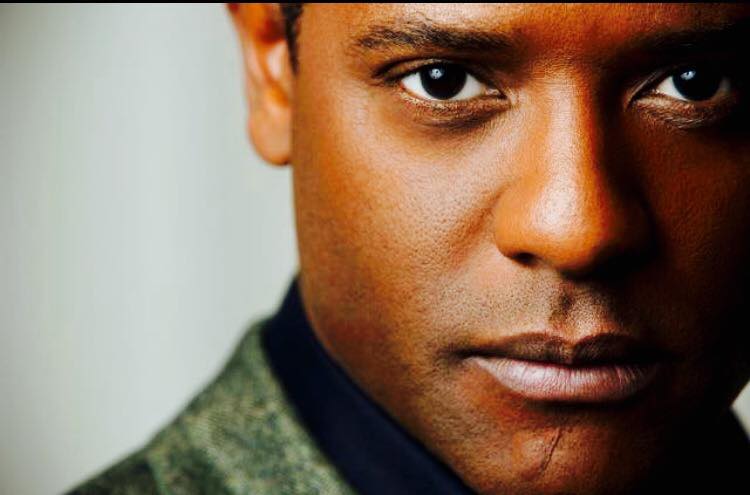
Blair Underwood — “Demure sophistication, classically handsome, acting excellence.”

Blair Underwood, born August 25, 1964, in Tacoma, Washington, is a classically trained actor with a BFA from Carnegie Mellon School of Drama. He gained prominence with the role of attorney Jonathan Rollins on NBC’s L.A. Law (1987–1994) and has sustained a prolific career in film and television, displaying versatility across genres. Underwood has received two Golden Globe nominations, multiple NAACP Image Awards, and a Grammy Award, underscoring his talent and impact.

Underwood represents a timeless, understated elegance, combining classical good looks with gravitas and sophistication. His refined style and acting skill embody a mature, dignified form of Black masculine beauty, emphasizing poise, intellect, and artistic excellence.


Why these three matter

Together, Broderick Hunter, Christopher Williams, and Blair Underwood illustrate a spectrum of Black male beauty and excellence:

  • Hunter reflects contemporary youth, athleticism, and media-ready aesthetic.
  • Williams represents soulful, romantic, and emotionally resonant masculinity.
  • Underwood embodies classical sophistication, gravitas, and unforgettable actor.

Their collective presence challenges narrow standards of Black male beauty, offering multiple models of excellence in fashion, music, and acting.


References

  • Broderick Hunter — Wikipedia, IMDb, Teen Vogue, Vogue Paris.
  • Christopher Williams — Wikipedia, IMDb, Billboard, UrbanBridgez.
  • Blair Underwood — Wikipedia, TV Guide, BET, Encyclopedia.com.

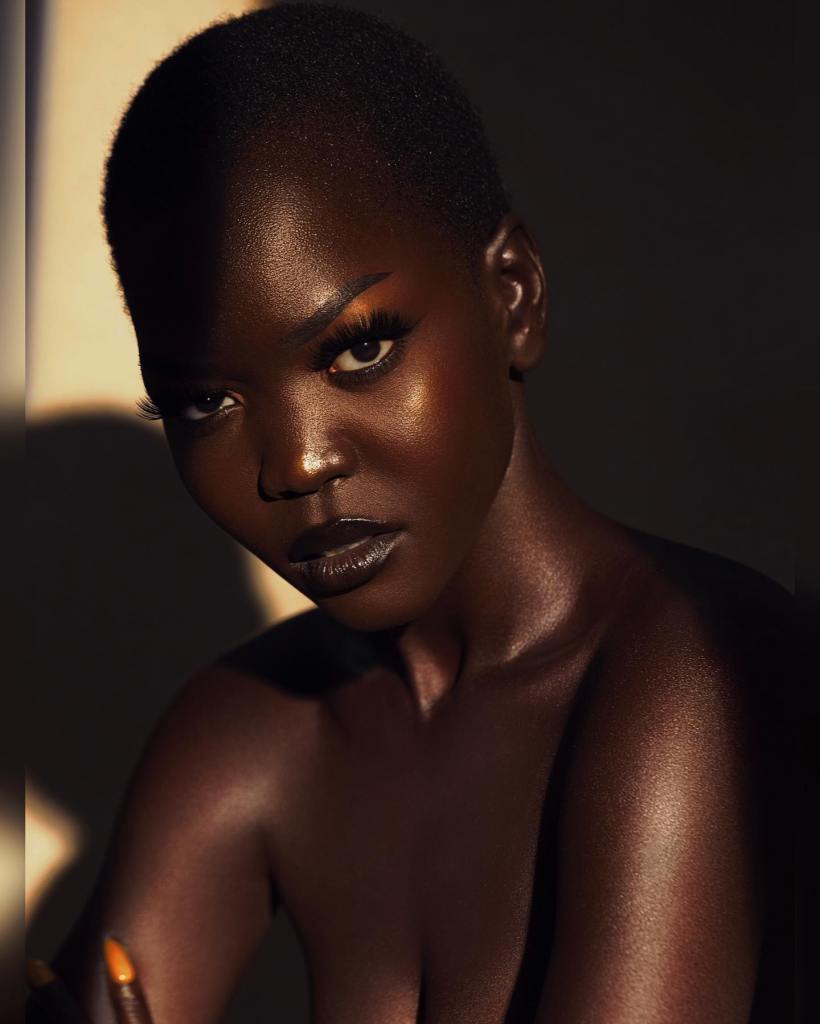
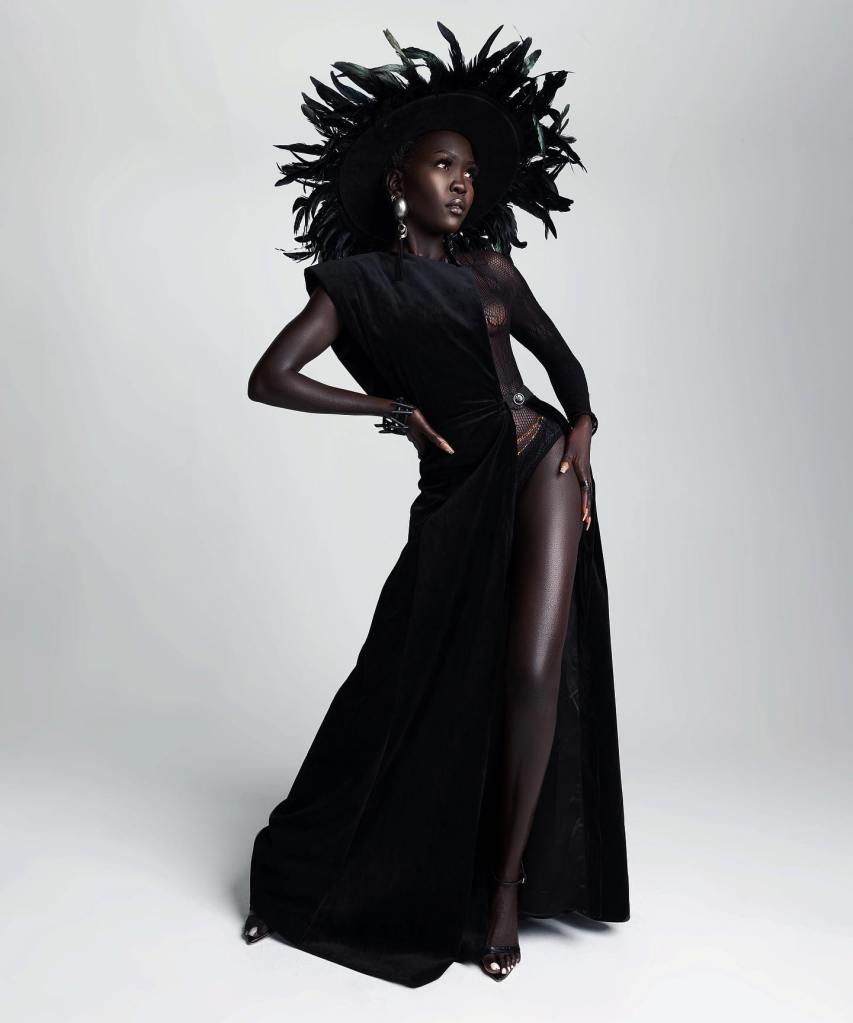
The Ebony Dolls: Anok Yai

This photograph is the property of its respective owner. No copyright infringement intended.

Anok Yai is one of the most striking and influential models of her generation, celebrated for her regal presence, flawless dark skin, and sculptural beauty that has reshaped global fashion standards. She represents a new era in modeling where African features, deep melanin, and unapologetic Blackness are not only accepted but exalted.

Born on December 20, 1997, Anok Yai is of South Sudanese descent and was raised in the United States after her family migrated from Egypt. Her upbringing was deeply rooted in cultural pride and academic excellence, as she initially pursued higher education before entering the fashion world. Modeling was never her original plan, which makes her rise even more remarkable.

Anok was discovered in 2017 after a photo of her attending Howard University’s homecoming went viral on social media. The image, captured by a photographer and shared online, spread rapidly and caught the attention of major modeling agencies. Almost overnight, Anok became a global sensation, proving the power of organic Black beauty and digital visibility.

Shortly after being discovered, Anok signed with Next Management and made history as the second Black woman ever to open a Prada runway show, following Naomi Campbell. This debut instantly placed her among the elite ranks of high fashion and established her as a symbol of progress in an industry long criticized for racial exclusion.

Anok is known for her celestial facial symmetry, radiant ebony complexion, almond-shaped eyes, and statuesque height, which give her a goddess-like appearance both on the runway and in editorial work. Her beauty is often described as futuristic, otherworldly, and divine, embodying a visual language that feels ancestral and modern at the same time.

This photograph is the property of its respective owner. No copyright infringement intended.

Throughout her career, she has walked for and appeared in campaigns for some of the world’s most prestigious fashion houses, including Prada, Dior, Versace, Saint Laurent, Burberry, Fendi, and Givenchy. She has also graced the covers of Vogue, Harper’s Bazaar, and other major fashion publications, becoming a muse for top designers and photographers.

Anok has spoken openly about the challenges she has faced in the modeling industry, including colorism, tokenism, and mental health struggles. She has used her platform to advocate for greater representation, honesty, and protection for young Black models navigating spaces that often lack emotional support and cultural understanding.

Beyond fashion, Anok is admired for her intelligence and activism. She has expressed interest in public service and international development, once stating that she aspired to work with the United Nations before modeling. This intellectual depth adds another layer to her public image, positioning her as more than a face—she is a voice and a symbol.

Anok Yai has received widespread recognition for her impact, including being named Model of the Year by models.com and receiving multiple fashion industry honors. She is consistently ranked among the top models in the world and is considered one of the most important figures in redefining modern beauty. Anok’s impact culminated in her being named Model of the Year at the 2025 Fashion Awards held at London’s Royal Albert Hall, one of the most prestigious honors in fashion today. The accolade acknowledged not only her creative achievements but also her role in shaping the industry’s evolving identity and inclusivity.

Anok qualifies as an Ebony Doll because she embodies the highest expression of melanated Black femininity—royal, luminous, and unapologetically African. Her presence restores visibility to dark-skinned women who were historically marginalized, and her success stands as a testament to the power, elegance, and divine design of African beauty.


References

Anok Yai. Wikipedia. https://en.wikipedia.org/wiki/Anok_Yai

Euronews profile on Anok Yai career and influence.

“Anok Yai Wins Model Of The Year At The Fashion Awards.” FashionABC.org.

AOL lifestyle article on Anok Yai’s British Fashion Council Model of the Year award.

Raandoom profile of Anok Yai’s campaigns and magazine work.