Category Archives: struggles

Inheriting Struggles, Creating Strength: Family Lessons for Brown Girls. #thebrowngirldilemma

Photo by Mikhail Nilov on Pexels.com

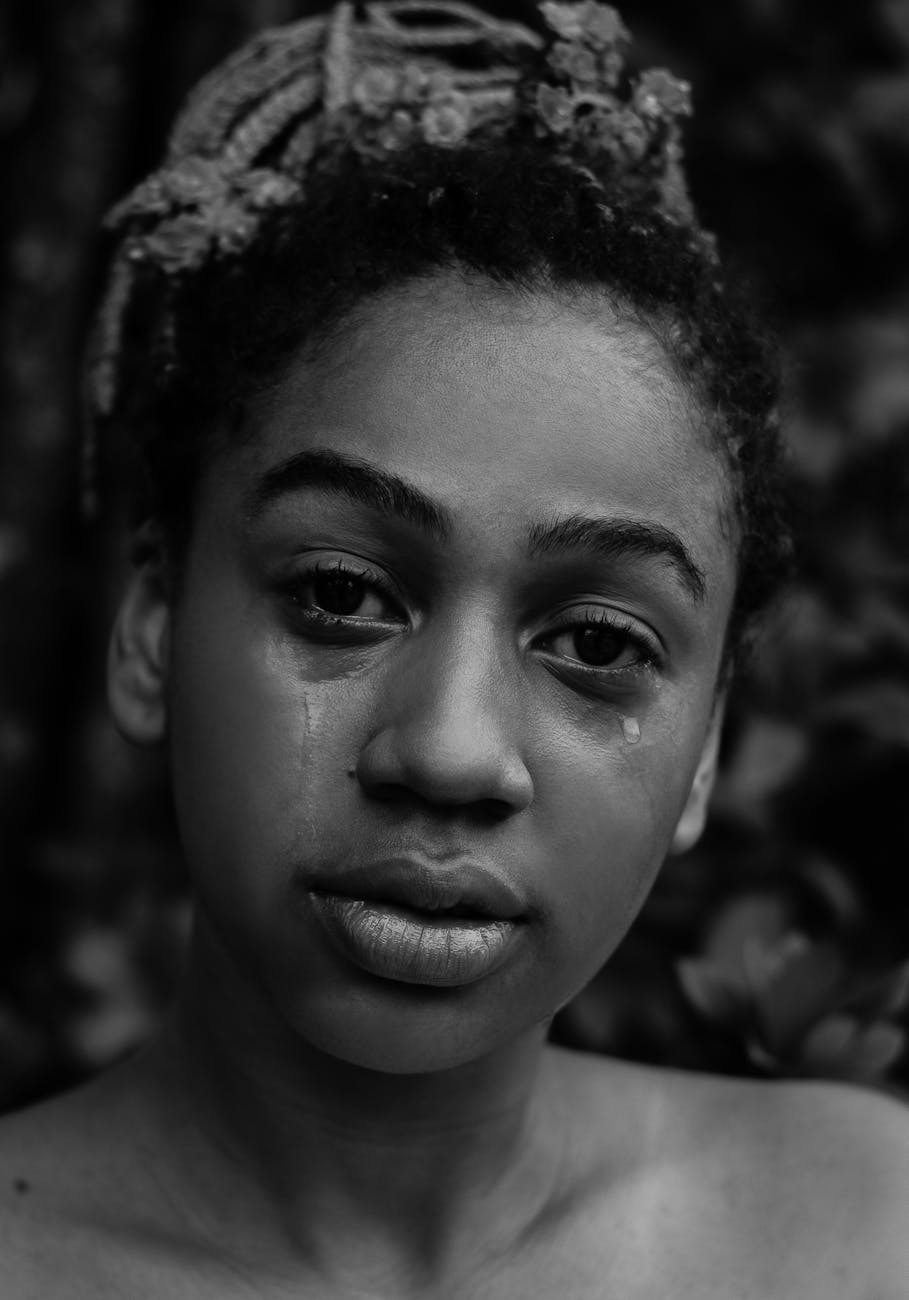
For Brown girls, family is both a teacher and a testing ground. From the moment of birth, they inherit not only their family’s love and legacy but also its struggles. These struggles—rooted in history, poverty, racism, and generational trauma—become part of their earliest lessons. Yet from within these hardships emerges resilience, creativity, and strength that shape the identity of the Brown girl in profound ways. Family is where she learns how to navigate the world’s hostility, and also where she discovers her capacity to rise above it.

Psychologically, the transmission of struggle across generations is known as intergenerational trauma (Kellermann, 2001). Families carry unspoken wounds from slavery, segregation, migration, and systemic oppression, which often manifest as silence, discipline, or survival-driven parenting. Brown girls often feel the weight of expectations to succeed, to “be strong,” and to represent the family honor. This responsibility, though heavy, becomes a source of strength, teaching her perseverance, adaptability, and the importance of hard work.

Scripture affirms that trials are not meaningless, but can produce growth. “We glory in tribulations also: knowing that tribulation worketh patience; and patience, experience; and experience, hope” (Romans 5:3–4, KJV). The struggles passed down in families can feel burdensome, but they also cultivate spiritual endurance. For many Brown girls, watching mothers and grandmothers sacrifice and endure becomes a living parable of hope, reminding them that their own pain can be transformed into purpose.

At the same time, the inherited struggles often reveal family dysfunction. Generational cycles of absent fathers, unhealed grief, or economic hardship can weigh heavily on Brown daughters. Psychology identifies these cycles as patterns of repetition, where unresolved trauma reemerges across generations (Bowen, 1978). A Brown girl may wrestle with the tension of loving her family deeply while recognizing the pain that family has unintentionally passed down. Her challenge is not only to endure but also to discern what to keep, what to heal, and what to break.

Yet within these struggles, strength is born. Many Brown girls learn resourcefulness from watching their families “make a way out of no way.” They inherit cultural wisdom, oral traditions, and spiritual practices that give them identity and grounding. They see women turn kitchens into sanctuaries and living rooms into places of worship. They witness fathers and brothers, though scarred by racism, still striving to provide. These lessons of endurance, faith, and solidarity become the building blocks of inner fortitude.

The Bible repeatedly reminds us of the importance of generational wisdom. Proverbs 1:8 (KJV) says, “My son, hear the instruction of thy father, and forsake not the law of thy mother.” Even when families are fractured, the lessons passed down—whether through words, prayers, or example—carry power. For Brown girls, these instructions are often more than survival tools; they are testimonies of grace under pressure.

Family lessons also teach Brown girls the power of transformation. Struggles may be inherited, but so is the ability to rewrite the story. As psychology highlights, breaking cycles requires intentional healing, therapy, and new patterns of relating (Minuchin, 1974). Spiritually, liberation comes through Christ, who declares, “If the Son therefore shall make you free, ye shall be free indeed” (John 8:36, KJV). Brown girls who learn to take the lessons of struggle and convert them into strength stand not only for themselves but also for the generations to come.

Ultimately, the journey of the Brown girl is not defined by what she inherits but by what she creates. She may inherit struggles, but she also creates strength. She may be handed pain, but she crafts resilience. Her family story may begin with hardship, but she chooses to carry it forward with hope, faith, and courage. In doing so, she ensures that the lessons passed down to her daughters will not only speak of survival but also of victory.


References

  • Bowen, M. (1978). Family therapy in clinical practice. Jason Aronson.
  • Kellermann, N. P. F. (2001). Transmission of Holocaust trauma—An integrative view. Psychiatry: Interpersonal and Biological Processes, 64(3), 256–267.
  • Minuchin, S. (1974). Families and family therapy. Harvard University Press.
  • The Holy Bible, King James Version.

When the World is Against Us: Brown Girls in the Black Struggle. #thebrowngirldilemma

Photo by Mateus Souza on Pexels.com

For Brown girls, growing up in a world that often resists their existence is both a crucible and a calling. They are confronted with the intersection of racism, sexism, and colorism, carrying a dual burden of being both Black and female. The Black struggle in America—and across the diaspora—has demanded strength from every generation, yet Brown girls often face an amplified form of that struggle. Their journey is not only about surviving in a society built on racial inequality, but also about asserting their worth in a world that constantly seeks to diminish them.

Historically, Black women have stood at the forefront of resistance while bearing invisible scars. During slavery, Brown girls were often stripped of their childhood and forced into labor or subjected to sexual exploitation. Their bodies became battlefields of oppression. This legacy has carried into modern times, where Black women face higher rates of maternal mortality, gendered pay gaps, and systemic erasure in professional and academic spaces (Crenshaw, 1991). The world has been against them, yet they continue to rise, embodying resilience born from centuries of struggle.

The Bible provides a framework for understanding this paradox of suffering and strength. “We are troubled on every side, yet not distressed; we are perplexed, but not in despair; persecuted, but not forsaken; cast down, but not destroyed” (2 Corinthians 4:8–9, KJV). Brown girls endure societal hostility, but their faith becomes an anchor, transforming their trials into testimonies. They inherit not only the struggles of their people but also the faith that sustained their ancestors through bondage and Jim Crow.

Psychologically, the pressure of living in a world that feels adversarial can result in what scholars term weathering—the gradual wearing down of the body and mind due to chronic exposure to racism and stress (Geronimus, 1992). Brown girls may grow up hearing that they must work “twice as hard” to be seen as equal, a truth that instills perseverance but also deep fatigue. This duality is the essence of their struggle: strength forged in pain, yet often at the cost of rest and softness.

Yet, even when the world presses against them, Brown girls transform their suffering into cultural and social contributions. From the poetry of Maya Angelou to the activism of Angela Davis and the global influence of Beyoncé, Brown women have reshaped the narrative, proving that they are not merely victims of struggle but architects of liberation. Their creativity, intelligence, and leadership continue to resist the world’s attempt to erase or diminish them.

Family plays a crucial role in shaping how Brown girls respond to the world’s opposition. Mothers often teach daughters resilience through prayer, storytelling, and example, while fathers—when present—instill confidence and a sense of protection. Even in fractured homes, community networks, church families, and mentors help carry the weight of the struggle. Proverbs 31:25 (KJV) captures the spirit of these lessons: “Strength and honour are her clothing; and she shall rejoice in time to come.” The Brown girl is taught that the world may reject her, but she must never reject herself.

The greatest lesson for Brown girls in the Black struggle is that opposition can forge purpose. Psychology emphasizes that adversity, when processed with support and faith, can build resilience, identity, and leadership qualities (Masten, 2001). Spiritually, struggle produces a deeper reliance on God and a stronger vision for justice. When the world is against them, Brown girls learn not only to stand but to lead others into freedom.

Ultimately, the story of the Brown girl is not defined by the hostility of the world but by her ability to rise within it. Though the world may set itself against her, she embodies survival, grace, and defiance. She is the inheritor of pain and the bearer of strength, the one who turns rejection into power and silence into song. When the world is against her, she does not stand alone—she carries with her the legacy of her people and the promise of God’s deliverance.


References

  • Crenshaw, K. (1991). Mapping the margins: Intersectionality, identity politics, and violence against women of color. Stanford Law Review, 43(6), 1241–1299.
  • Geronimus, A. T. (1992). The weathering hypothesis and the health of African-American women and infants. Ethnicity & Disease, 2(3), 207–221.
  • Masten, A. S. (2001). Ordinary magic: Resilience processes in development. American Psychologist, 56(3), 227–238.
  • The Holy Bible, King James Version.