Category Archives: Spokesmodel

How to Become a Brand Ambassador?

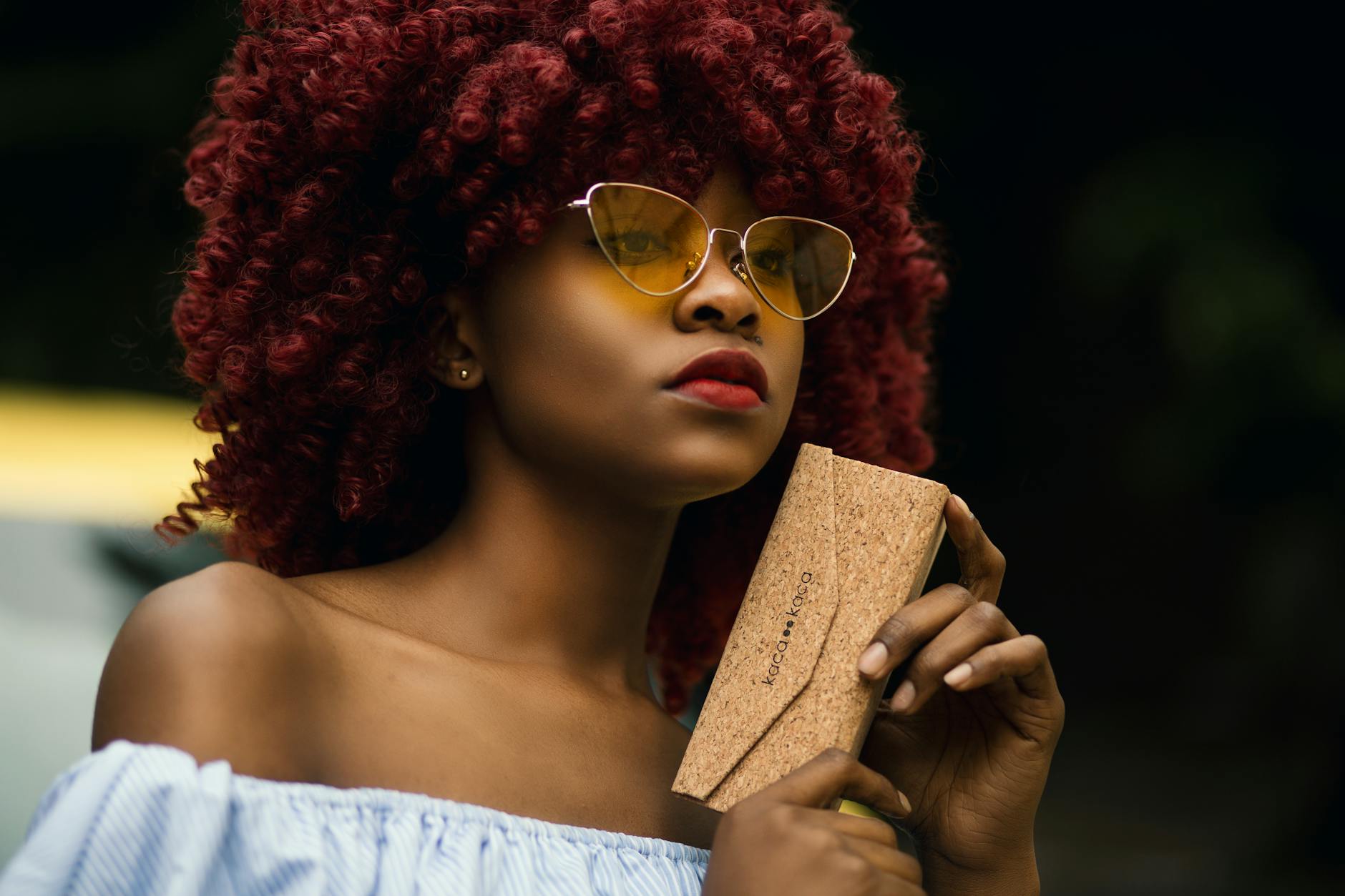
Photo by Godisable Jacob on Pexels.com

In today’s digital marketplace, brand ambassadors have become essential in shaping consumer perceptions and driving brand loyalty. A brand ambassador is an individual who represents, endorses, and promotes a company’s products or services, often leveraging personal influence to increase visibility and trust (Keller, 2013). With the rise of social media, ambassadors have become a central marketing strategy, bridging the gap between businesses and consumers through authentic representation.

Understanding the Role of a Brand Ambassador

A brand ambassador is more than a spokesperson—they embody the values, image, and culture of a brand. Ambassadors often create content, attend events, and interact with communities to increase brand awareness and credibility (Freberg, Graham, McGaughey, & Freberg, 2011). Unlike traditional advertising, ambassadors provide relatable and humanized promotion, which enhances consumer trust.

Step-by-Step Guide: How to Become a Brand Ambassador

1. Define Your Personal Brand

  • Identify your niche (fashion, fitness, beauty, tech, lifestyle, etc.).
  • Highlight your unique values, personality, and style.
  • Keep your message consistent across all platforms.

📌 Tip: Ask yourself—what do I want to be known for?


2. Build and Strengthen Your Online Presence

  • Choose 1–2 main platforms (Instagram, TikTok, YouTube, LinkedIn).
  • Post high-quality content consistently (photos, videos, reels, blogs).
  • Engage with your audience—reply to comments, start conversations, run polls.

📌 Tip: Engagement rate matters more than follower count.


3. Create Authentic Content

  • Share lifestyle posts that naturally include your favorite brands.
  • Tell stories instead of just advertising—authenticity builds trust.
  • Showcase your creativity (unboxings, tutorials, “day in the life,” reviews).

📌 Tip: Brands notice when you already support them without being paid.


4. Grow Your Network

  • Tag brands in your posts.
  • Use hashtags strategically.
  • Collaborate with other influencers or ambassadors.
  • Attend local events, trade shows, and networking opportunities.

📌 Tip: Relationships matter—brands scout through social engagement.


5. Reach Out to Brands

  • Create a professional media kit (bio, audience demographics, engagement stats, sample posts).
  • Send polite pitches to brands you love.
  • Sign up for influencer/ambassador platforms like AspireIQ, BrandSnob, or Influenster.

📌 Tip: Start with smaller or local brands before approaching global ones.


6. Be Professional and Reliable

  • Meet deadlines for sponsored posts.
  • Follow brand guidelines (logos, hashtags, tag requirements).
  • Stay respectful and ethical online—brands look for positive reputations.

📌 Tip: Treat this like a job, not just free products.


7. Measure and Show Results

  • Track engagement (likes, shares, saves, comments, link clicks).
  • Share insights with brands to prove your value.
  • Use analytics tools (Instagram Insights, TikTok Analytics, Google Analytics).

📌 Tip: Brands are more likely to rehire ambassadors who show measurable results.


8. Stay Authentic and Evolve

  • Never promote products you don’t believe in—audiences can sense inauthenticity.
  • Keep learning new marketing trends.
  • Grow with your audience and diversify your content.

📌 Tip: Authentic ambassadors get the longest partnerships.


Quick Checklist:

  • Personal brand defined
  • Social media optimized
  • Consistent, authentic content
  • Active networking and collaborations
  • Professional media kit created
  • Pitches sent to brands
  • Track results and improve
  • Long-term authenticity maintained

Building a Strong Personal Brand

The first step toward becoming a brand ambassador is cultivating a strong personal brand. Personal branding involves crafting a consistent and authentic identity that highlights one’s unique strengths, style, and values (Montoya & Vandehey, 2002). Individuals must showcase professionalism, creativity, and relatability across their platforms, as companies often seek ambassadors whose personal image aligns with their brand’s mission.

Developing an Online Presence

A strong online presence is crucial. Social media platforms such as Instagram, TikTok, and YouTube serve as vital spaces for showcasing content, growing an audience, and demonstrating influence (Djafarova & Trofimenko, 2019). Engagement is more valuable than sheer follower count, as brands look for ambassadors who can foster genuine connections with audiences. Consistency in posting, storytelling, and interaction helps build credibility and visibility.

Networking and Brand Partnerships

Networking plays a critical role in becoming a brand ambassador. Attending industry events, engaging with companies online, and collaborating with other influencers can open doors to partnerships. Many brands scout potential ambassadors by monitoring individuals who already support and promote their products authentically (Schau & Gilly, 2003). Thus, aspiring ambassadors should organically incorporate their favorite brands into content before seeking official partnerships.

Brand Ambassador vs. Spokesmodel

1. Definition & Role

  • Brand Ambassador
    • A long-term representative who embodies the brand’s values and lifestyle.
    • Promotes the brand across multiple platforms (social media, events, personal networks).
    • Focuses on building relationships and creating authentic engagement.
  • Spokesmodel
    • A hired face or personality used in advertisements, campaigns, or promotional events.
    • Represents the brand in a professional, sometimes short-term contract.
    • Focuses on appearance, presentation, and scripted brand messaging.

2. Relationship with the Brand

  • Brand Ambassador → Often has an ongoing partnership. They become part of the brand identity and may use the product in daily life.
  • Spokesmodel → Usually hired for specific campaigns, commercials, or events. The relationship is transactional and tied to image/appearance.

3. Marketing Approach

  • Brand Ambassador → Relies on authenticity, word-of-mouth marketing, and personal influence. Often leverages social media to connect with followers.
  • Spokesmodel → Relies on visual appeal, professionalism, and advertising campaigns (TV, print, digital).

4. Skills & Requirements

  • Brand Ambassador
    • Strong social media presence.
    • Relatable personality and communication skills.
    • Ability to engage communities and foster trust.
  • Spokesmodel
    • Photogenic and camera-ready presence.
    • Modeling or public speaking skills.
    • Ability to represent the brand’s desired look and voice.

5. Example

  • Brand Ambassador → Serena Williams partnering with Nike not only to model apparel but to embody strength, resilience, and excellence in women’s sports.
  • Spokesmodel → Tyra Banks modeling for CoverGirl ads—serving as the face of a beauty campaign without ongoing lifestyle integration.

In short:

  • A brand ambassador promotes a brand authentically and long-term, often through lifestyle and social media influence.
  • A spokesmodel is a professional “face” of the brand for ads or campaigns, usually short-term and more image-focused.

Professionalism and Longevity

Sustaining a career as a brand ambassador requires professionalism, reliability, and adaptability. Ambassadors must meet deadlines, maintain ethical standards, and continuously evolve with trends in digital marketing (Khamis, Ang, & Welling, 2017). Those who maintain authenticity while delivering measurable impact often establish long-term relationships with companies, enhancing both personal and brand credibility.

Conclusion

Becoming a brand ambassador is a journey that requires authenticity, consistency, and professionalism. By building a strong personal brand, developing a digital presence, and fostering genuine relationships with both audiences and companies, individuals can position themselves as valuable assets in today’s marketing landscape. As businesses increasingly rely on personal influence over traditional advertising, opportunities for aspiring ambassadors continue to expand.


References

  • Djafarova, E., & Trofimenko, O. (2019). ‘Instafamous’–credibility and self-presentation of micro-celebrities on social media. Information, Communication & Society, 22(10), 1432-1446.
  • Freberg, K., Graham, K., McGaughey, K., & Freberg, L. A. (2011). Who are the social media influencers? A study of public perceptions of personality. Public Relations Review, 37(1), 90-92.
  • Keller, K. L. (2013). Strategic Brand Management: Building, Measuring, and Managing Brand Equity. Pearson.
  • Khamis, S., Ang, L., & Welling, R. (2017). Self-branding, ‘micro-celebrity’ and the rise of Social Media Influencers. Celebrity Studies, 8(2), 191-208.
  • Montoya, P., & Vandehey, T. (2002). The Brand Called You: Make Your Business Stand Out in a Crowded Marketplace. McGraw Hill.
  • Schau, H. J., & Gilly, M. C. (2003). We are what we post? Self‐presentation in personal web space. Journal of Consumer Research, 30(3), 385-404.
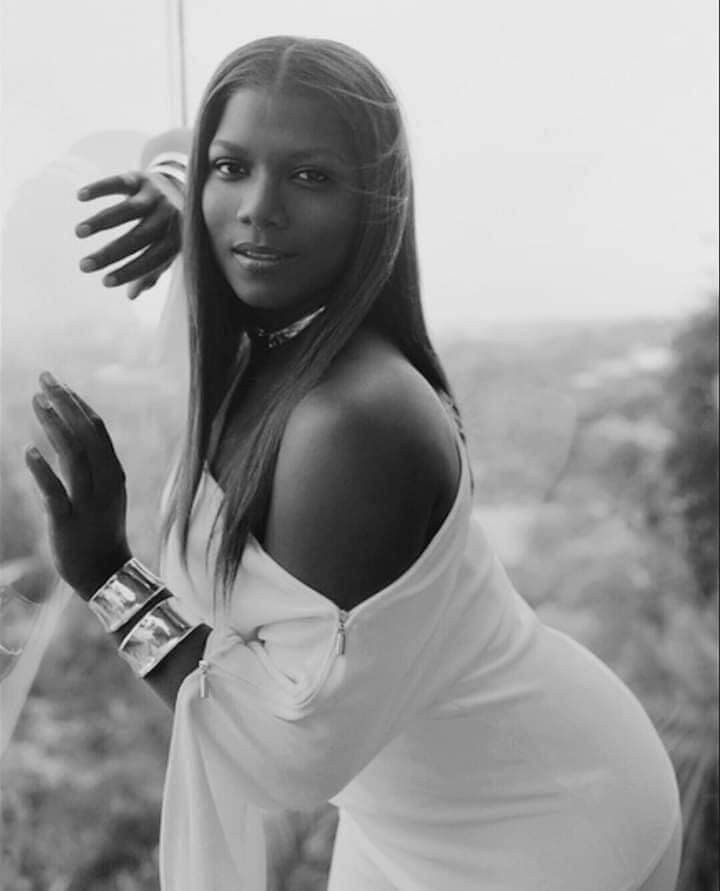
The “It Girl” Series: Queen Latifah

From Newark’s Hip-Hop Queen to Hollywood Royalty

This photograph is the property of its respective owner.

In the world of entertainment, certain women transcend generations and cultural boundaries to become enduring symbols of beauty, talent, and influence. Queen Latifah is one of those rare figures. Known for her statuesque elegance, radiant skin, commanding voice, and intellectual presence, she represents a powerful image of confidence and grace. Over the course of more than three decades, she has excelled as a rapper, actress, producer, businesswoman, and fashion figure, earning respect across multiple industries. Her multifaceted career and timeless presence make her a quintessential “It Girl,” a woman whose style, talent, and influence define cultural moments.

Born Dana Elaine Owens on March 18, 1970, in Newark, New Jersey, Queen Latifah was raised in a working-class family that emphasized discipline and education. Her mother, Rita Owens, was a schoolteacher who instilled strong values and intellectual curiosity, while her father, Lancelot Owens, worked as a police officer. Growing up in Newark during a transformative era in American culture exposed Latifah to the vibrant rhythms of urban life, gospel music, and the emerging sounds of hip-hop. These early influences would shape the foundation of her creative voice.

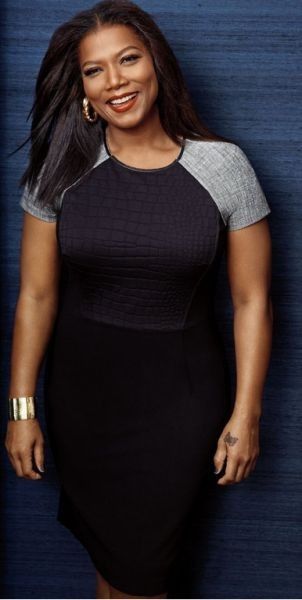
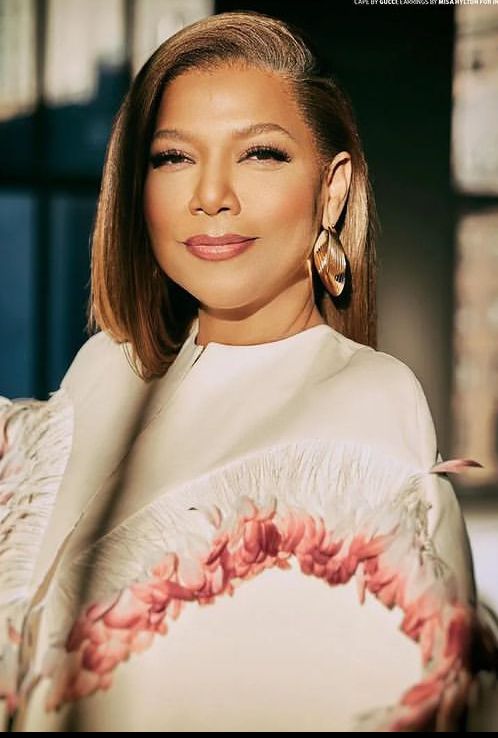
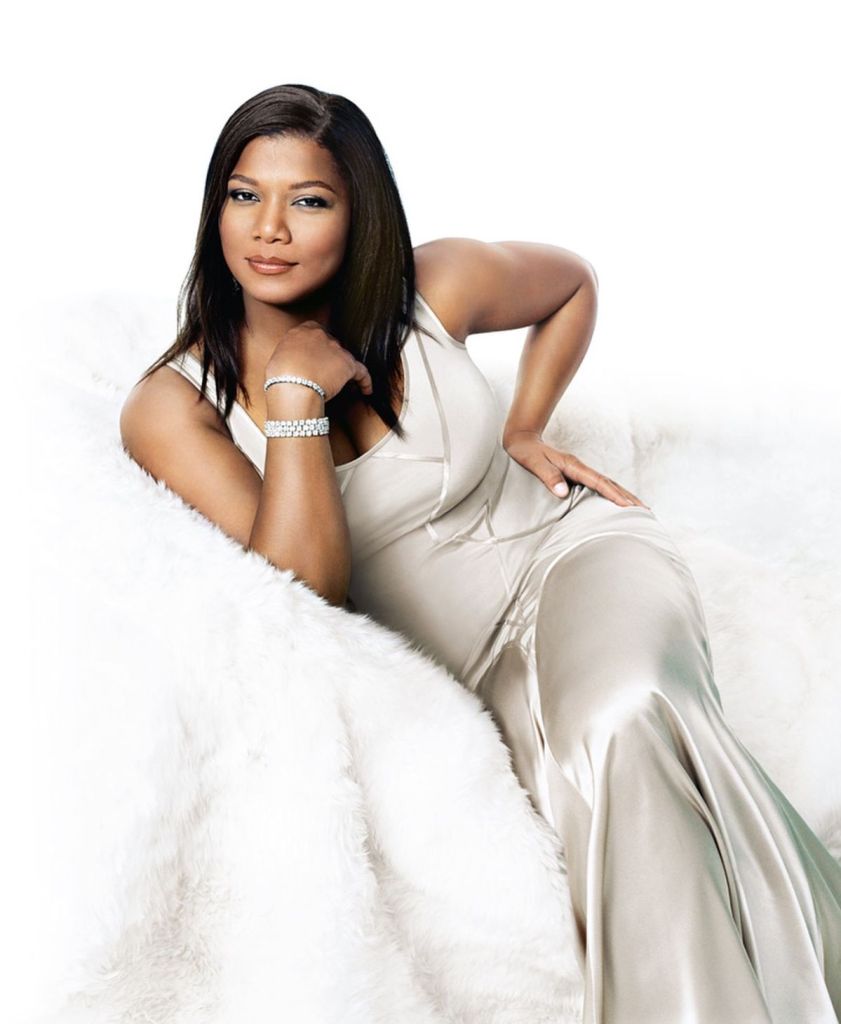
Queen Latifah has long been admired for her striking physical presence. Standing nearly six feet tall, she carries herself with a regal posture that commands attention in any room. Her smooth, luminous complexion and confident smile helped redefine beauty standards in an entertainment industry that historically marginalized fuller-figured Black women. Rather than conforming to narrow expectations, Latifah embraced her natural beauty, projecting confidence and dignity that resonated with audiences around the world.

As a teenager, Latifah discovered her passion for music and performance. She began beatboxing and rapping in local groups while attending high school in East Orange, New Jersey. Her early musical experiences included performing with an all-female rap collective called Ladies Fresh. At a time when female voices were rare in hip-hop, she developed a style that blended lyrical strength with social awareness and rhythmic innovation.

Her stage name carries both cultural meaning and personal symbolism. The name “Latifah,” which translates loosely from Arabic as “delicate” or “kind,” was given to her by a cousin when she was a child. When she entered the music industry, she added the title “Queen” to express dignity, respect, and empowerment for women. The name became a declaration of identity, reflecting both self-respect and a broader message about the worth and strength of women.

This photograph is the property of its respective owner.

Queen Latifah’s breakthrough came in 1989 when she released her debut album All Hail the Queen. The album was groundbreaking not only for its musical style but also for its themes of empowerment and cultural pride. It blended hip-hop beats with jazz and reggae influences while delivering messages that encouraged respect for women and community awareness. The record quickly established Latifah as one of the most important female voices in hip-hop history.

Her music often addressed social issues affecting women. One of her most famous songs, “U.N.I.T.Y.,” became an anthem against harassment and violence toward women. The song’s bold lyrics challenged misogyny in hip-hop culture and broader society, earning her a Grammy Award for Best Rap Solo Performance. Through her music, Latifah demonstrated that hip-hop could be both entertaining and socially conscious.

While her rap career flourished, Queen Latifah also expanded into entrepreneurship. She co-founded Flavor Unit Entertainment, a production and management company that helped guide the careers of multiple artists and entertainment projects. Through this venture, she demonstrated remarkable business acumen and creative leadership, building opportunities not only for herself but for other performers as well.

Her transition into acting began during the 1990s, when she appeared in television and film roles that showcased her natural charisma. One of her most beloved early performances was in the sitcom Living Single, where she portrayed Khadijah James, a confident magazine editor navigating friendship and career in New York City. The series became a cultural touchstone, portraying successful Black women in professional settings with humor and authenticity.

Queen Latifah’s acting career soon expanded into major motion pictures. She delivered memorable performances in films such as Set It Off, The Bone Collector, Brown Sugar, and Bringing Down the House. Her versatility allowed her to move seamlessly between drama and comedy, establishing her as one of Hollywood’s most respected actresses.

A defining moment in her acting career came with her role as Mama Morton in the musical film Chicago. Her commanding performance earned her an Academy Award nomination for Best Supporting Actress. The role demonstrated her powerful singing ability and theatrical presence, further proving that she could excel in virtually any artistic medium.

This photograph is the property of its respective owner.

Latifah continued to star in a wide range of films, including Hairspray, Last Holiday, and The Secret Life of Bees. Each performance reflected her ability to embody strong and complex female characters. Audiences connected with her authenticity, warmth, and humor, qualities that made her a beloved figure in entertainment.

Beyond acting and music, Queen Latifah has also influenced the beauty and fashion industries. She became a spokesperson for the cosmetics brand CoverGirl and launched the “Queen Collection,” a makeup line designed specifically for women of color. The collection celebrated diverse skin tones and helped expand representation in mainstream beauty marketing.

Her contributions to entertainment have been recognized with numerous awards and honors. Queen Latifah has received a Grammy Award, a Golden Globe, Screen Actors Guild Awards, and multiple nominations for prestigious honors, including the Academy Awards and Emmy Awards. She also received a star on the Hollywood Walk of Fame, marking her lasting impact on American popular culture.

Throughout her career, Latifah has also been a voice for empowerment and social responsibility. She has spoken openly about issues affecting women, body positivity, and representation in media. Her ability to balance artistic success with cultural advocacy has strengthened her legacy as more than just an entertainer.

In recent years, Queen Latifah has continued to evolve creatively. She currently stars in the television series The Equalizer, portraying a resourceful woman who uses her intelligence and skills to protect vulnerable people. The role highlights her strength, wisdom, and maturity as a performer.

Outside of acting, she remains active as a producer and entrepreneur through her production company. Her leadership behind the camera has helped create opportunities for diverse stories and voices in film and television.

This photograph is the property of its respective owner.

What makes Queen Latifah an “It Girl” is not simply her fame but her presence. She embodies elegance, intelligence, talent, and resilience. Her beauty radiates confidence rather than conformity, and her success spans multiple creative disciplines.

Her career also represents longevity in an industry known for fleeting trends. While many artists rise and fade quickly, Latifah has remained relevant for more than three decades by constantly evolving and expanding her talents.

She represents a powerful model of Black womanhood—one that celebrates intelligence, strength, compassion, and dignity. For many admirers, she symbolizes a modern form of royalty rooted in character rather than status.

Ultimately, Queen Latifah’s journey from a young girl in Newark to an international icon reflects perseverance and vision. She used her voice and intellect to break barriers in music, film, and business.

In every sense of the phrase, Queen Latifah remains an “It Girl”—a timeless symbol of elegance, influence, and cultural power.


References

Britannica. (2026). Queen Latifah. Encyclopaedia Britannica.

Owens, D. E. (1999). Ladies First: Revelations of a Strong Woman. HarperCollins.

Biography.com Editors. (2020). Queen Latifah Biography. Biography.com.

IMDb. (2026). Queen Latifah Filmography. IMDb Database.

Smith, S. (2018). Hip-Hop Divas: Women Who Changed the Game. New York University Press.