

Category Archives: Pagan Holidays

Pagan Holiday Series: Christmas – The Hidden History of a Pagan Holiday

Christmas is celebrated worldwide as a time of joy, giving, and family togetherness. Yet beneath its glittering surface lies a complex and troubling history filled with deception, pagan worship, and commercial exploitation. What many believe to be a holy day honoring the birth of Christ is, in truth, a festival rooted in idolatry and ancient pagan rituals.

The origins of Christmas trace back to ancient Rome, long before the birth of Yahshua (Jesus). December 25th was celebrated as Dies Natalis Solis Invicti, meaning “the birthday of the unconquered sun.” This day honored the pagan sun god Sol Invictus, symbolizing the victory of light over darkness during the winter solstice (Miles, 1912). The solstice marked the shortest day of the year, after which daylight began to increase — a time when pagans rejoiced in the rebirth of the sun, not the Son of God.

When Christianity spread through the Roman Empire, early church leaders faced pressure to convert pagan worshippers. To make conversion easier, they merged pagan customs with Christian terminology. Around the 4th century, Emperor Constantine officially recognized December 25th as the birth of Christ (Nissenbaum, 1997). Yet nowhere in Scripture is Christ’s birth date mentioned, and biblical evidence suggests He was born in the autumn, not in winter (Luke 2:8, KJV). Shepherds would not have been tending flocks by night in the cold Judean winter.

The celebration was, therefore, a compromise — a spiritual disguise to repackage Saturnalia, a Roman festival honoring Saturn, the god of agriculture. Saturnalia was infamous for drunkenness, feasting, and moral chaos. Slaves and masters switched roles, gifts were exchanged, and excess ruled the streets (MacCulloch, 2011). This festival began on December 17th and ended on the 25th, the same day later renamed “Christmas.”

The Bible condemns such syncretism — mixing holy and unholy practices. The Most High warned, “Learn not the way of the heathen… For the customs of the people are vain” (Jeremiah 10:2–3, KJV). Ironically, Jeremiah goes on to describe people cutting a tree from the forest, decorating it with silver and gold — a perfect description of the modern Christmas tree. This was a Babylonian practice of worshipping the fertility god Tammuz, symbolized through evergreen trees representing eternal life (Frazer, 1922).

The Christmas tree, therefore, is not a symbol of Christ but an idol. Ancient Germanic and Norse pagans decorated trees during Yule festivals to honor gods like Odin and Freyr, associated with fertility, winter, and the sun’s rebirth (Hutton, 1996). When missionaries reached Germany, they found these customs deeply ingrained and adopted them under Christian names. Thus, the tree became “Christianized,” but its roots remained pagan.

The myth of Santa Claus is another deception disguised as innocence. The name derives from “Saint Nicholas,” a 4th-century bishop of Myra, known for giving gifts to the poor. However, the modern Santa has little resemblance to this figure. The transformation began in Europe, particularly in the Netherlands, where Saint Nicholas evolved into Sinterklaas — a bearded man who rode through the sky delivering gifts (Bowler, 2012).

When Dutch immigrants brought this tradition to America, it merged with British folklore and Norse mythology. The Norse god Odin rode a flying horse through the sky during Yule, delivering rewards or punishments to mortals. This myth directly influenced Santa’s reindeer and his judgment of children as “naughty or nice” (Restad, 1995). The KJV Bible, however, teaches that judgment belongs only to God, not to a fictional figure: “For the LORD seeth not as man seeth” (1 Samuel 16:7, KJV).

By the 19th century, writers like Clement Clarke Moore (“A Visit from St. Nicholas”) and artists like Thomas Nast shaped the image of Santa as a jolly, red-suited man from the North Pole. Coca-Cola’s marketing in the 1930s solidified this image globally, turning Santa into the mascot of consumerism. Thus, a once-pagan deity evolved into the symbol of modern capitalism.

The lie of Santa Claus corrupts the innocence of children. Parents teach that a magical being rewards good behavior with gifts and punishes the disobedient by withholding them. This mirrors the myth of Odin, who rode through the night judging mortals. Scripture, however, forbids lying: “Lie not one to another” (Colossians 3:9, KJV). Teaching children to believe in Santa introduces deceit as entertainment, dulling their sense of truth and faith in God.

Moreover, the idea that “good kids get gifts” and “bad kids get nothing” distorts divine mercy. The Bible teaches that all have sinned and come short of God’s glory (Romans 3:23, KJV). Gifts should not be based on behavior but on love and grace — qualities embodied by Christ, not Santa.

Christmas also glorifies Mammon, the spirit of greed. The season has become a commercial empire, generating billions of dollars in sales each year. Businesses depend on Christmas spending to survive, pushing people to measure love through material gifts. This contradicts Christ’s teaching: “Ye cannot serve God and mammon” (Matthew 6:24, KJV).

Behind the decorations and music, Christmas promotes gluttony, debt, and vanity. People exhaust themselves buying presents, decorating trees, and hosting parties, often forgetting the poor and oppressed. This reflects the world’s spirit, not the Holy Spirit. The Prophet Isaiah warned of those who “call evil good, and good evil” (Isaiah 5:20, KJV).

In ancient Babylon, people celebrated the birth of Tammuz, the son of Semiramis, around the same time of year. Tammuz was considered a reincarnation of the sun god Nimrod, whose mother-wife claimed divine conception. This false trinity—Nimrod, Semiramis, and Tammuz—formed the foundation for many pagan religions. Christmas, therefore, echoes these counterfeit stories, replacing truth with idolatry (Alexander Hislop, The Two Babylons, 1853).

The Yule log, burning in fireplaces, symbolizes the sun’s rebirth and was part of Norse and Celtic solstice traditions. It represented Tammuz, who was “reborn” as the sun after death. In Scripture, however, the worship of heavenly bodies is condemned: “And lest thou lift up thine eyes unto heaven, and… shouldest be driven to worship them” (Deuteronomy 4:19, KJV).

Another pagan remnant is the mistletoe, sacred to the Druids. It symbolized fertility and was used in kissing rituals to honor gods of love and procreation. These customs, imported into Christmas, have no basis in biblical holiness.

Even the name “Christmas” reveals its unholy nature. “Christ’s Mass” refers to the Roman Catholic tradition of the Eucharistic mass — a ritual sacrifice re-enacting Christ’s death rather than celebrating His life. The Bible states that Christ’s sacrifice was once for all (Hebrews 10:10, KJV); thus, repeating it through ritual is unscriptural.

Many Christians argue that Christmas can be redeemed through pure intentions. Yet the Most High said, “What thing soever I command you, observe to do it: thou shalt not add thereto, nor diminish from it” (Deuteronomy 12:32, KJV). God never commanded the observance of Christ’s birthday. Instead, He commanded His holy feasts — Passover, Pentecost, and Tabernacles — which reveal His redemptive plan.

The timing of Christmas also aligns with astrological paganism. The sun’s “rebirth” after the winter solstice was viewed as a cosmic resurrection. Thus, December 25th celebrates not Jesus Christ but the sun god in his many forms — Mithra, Sol Invictus, and Tammuz. Ancient pagans greeted this day as “The Return of the Light.”

Mithraism, a Persian religion popular in Rome, held that Mithra was born from a rock on December 25th, witnessed by shepherds. Sound familiar? The parallels were deliberately used by church authorities to ease the blending of faiths (Ulansey, 1989). Yet Scripture clearly states, “What agreement hath the temple of God with idols?” (2 Corinthians 6:16, KJV).

By the Middle Ages, Christmas had become a riotous festival of drunkenness, gambling, and revelry. English Puritans even banned it in the 17th century, recognizing its unholy roots. When Christmas returned in the 19th century, it was rebranded as a family-centered holiday emphasizing morality and consumer joy, not repentance or righteousness.

The modern Christmas culture thrives under capitalism. Its symbols — Santa, trees, gifts, lights — have been commodified into global trademarks. Retailers use them to manipulate emotion and profit from nostalgia. What began as idolatry has become industrialized greed.

Spiritually, Christmas has turned people’s hearts from the Creator to creation. They worship the works of their hands — gifts, lights, ornaments — while neglecting justice, mercy, and truth. God warned Israel of such hypocrisy: “This people draweth nigh unto me with their mouth… but their heart is far from me” (Matthew 15:8, KJV).

The true light came into the world through Christ, not through winter festivals. He said, “I am the light of the world” (John 8:12, KJV). Yet the world replaced Him with candles, stars, and artificial cheer. The devil’s greatest deception is to turn worship into entertainment and truth into tradition.

To understand Christmas is to see it for what it is — a pagan festival baptized in Christian words, fueled by capitalism, and perpetuated by lies. Its customs honor false gods, not the Creator. The Most High never asked for “Christ’s Mass”; He asks for obedience and holiness.

In the end, those who love truth must separate from man-made holidays and return to God’s appointed feasts. True joy is found not in gifts under a tree but in the presence of the Most High. “For where your treasure is, there will your heart be also” (Matthew 6:21, KJV).


References
Bowler, G. (2012). Santa Claus: A Biography. McFarland.
Frazer, J. G. (1922). The Golden Bough: A Study in Magic and Religion. Macmillan.
Hislop, A. (1853). The Two Babylons: Papal Worship Proved to Be the Worship of Nimrod and His Wife. Loizeaux Brothers.
Hutton, R. (1996). The Stations of the Sun: A History of the Ritual Year in Britain. Oxford University Press.
MacCulloch, D. (2011). Christianity: The First Three Thousand Years. Penguin Books.
Miles, C. (1912). Christmas in Ritual and Tradition, Christian and Pagan. T. Fisher Unwin.
Nissenbaum, S. (1997). The Battle for Christmas. Vintage.
Restad, P. (1995). Christmas in America: A History. Oxford University Press.
Ulansey, D. (1989). The Origins of the Mithraic Mysteries: Cosmology and Salvation in the Ancient World. Oxford University Press.
KJV Bible (1611/1769). Authorized King James Version.

Pagan Holiday Series: Thanksgiving – The Dark History Behind a Pagan Holiday

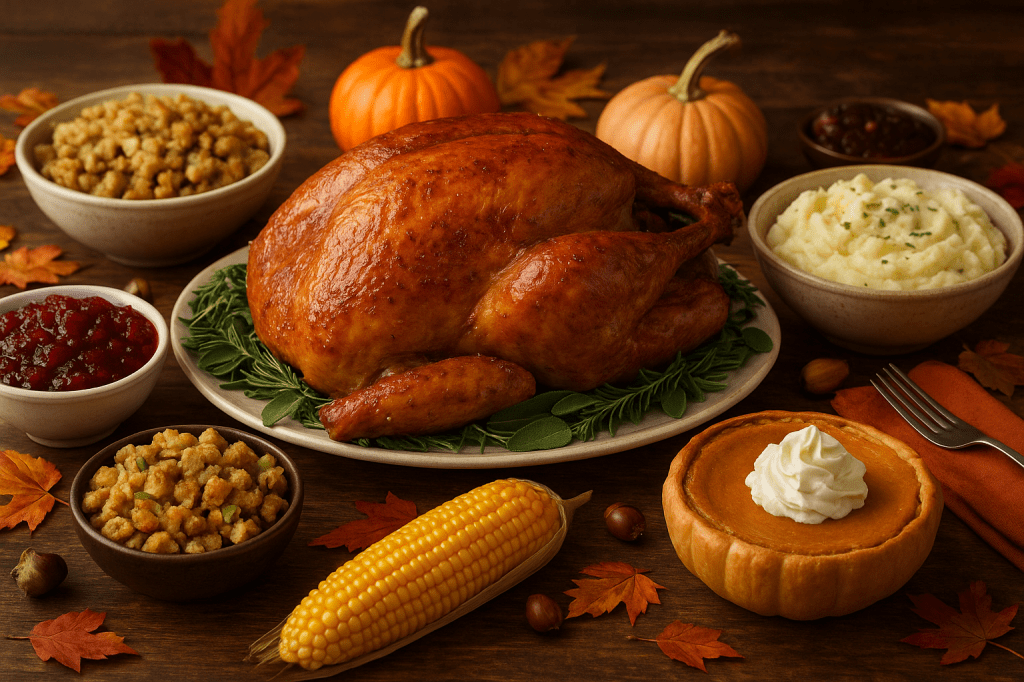
Thanksgiving is often portrayed as a day of gratitude, family, and feasting. In American culture, it represents unity and blessing, where families gather around tables filled with turkey, stuffing, and pies. However, behind this warm and commercialized tradition lies a dark and often ignored history—one rooted in colonial violence, religious hypocrisy, and the near extermination of Indigenous peoples. The sanitized story of Pilgrims and Native Americans sharing a friendly meal hides the pain, suffering, and spiritual deception that marked the true origins of the holiday (Loewen, 1995).

The traditional narrative teaches that in 1621, Pilgrims and the Wampanoag people came together in harmony to celebrate a successful harvest. Yet, historical records reveal that this so-called “first Thanksgiving” was not an annual holiday but a one-time event, following a violent year of disease, displacement, and death among Native tribes (Silverman, 2019). European settlers brought smallpox and other diseases that wiped out up to 90% of the Indigenous population before the Pilgrims even landed (Mann, 2006). Gratitude was expressed not for coexistence, but for survival—at the expense of Native lives.

The Wampanoag, led by Chief Massasoit, initially aided the Pilgrims, teaching them farming and fishing techniques. However, this alliance was short-lived. Within decades, English colonists expanded aggressively, seizing land, enslaving Native people, and destroying entire communities. The peace was broken, culminating in King Philip’s War (1675–1676), where thousands of Native Americans were killed, and their leaders’ heads were displayed on pikes in Puritan towns (Lepore, 1998). These were the true fruits of colonial “thanksgiving.”

The holiday’s darker meaning becomes clearer when one examines the 1637 “Thanksgiving” proclaimed by Massachusetts Bay Governor John Winthrop. This celebration followed the massacre of over 700 Pequot men, women, and children who were burned alive in their village (Churchill, 1997). The colonists saw this mass killing as divine victory and gave thanks to their God for their triumph. This was one of the first recorded official “Thanksgivings”—a day of rejoicing over genocide.

Many historians note that Puritan theology intertwined with imperial conquest. They believed they were a “chosen people,” sent by God to establish a new Israel in the “New World.” This ideology justified enslavement, land theft, and extermination of those deemed “heathen” or “savage.” Ironically, this mirrors the biblical warnings in Deuteronomy 28 about a nation that would destroy others in arrogance, forgetting God’s laws. The holiday, therefore, is not truly about gratitude but about domination under the guise of divine destiny.

Thanksgiving’s pagan undertones trace back to harvest festivals in ancient Europe. Long before the Pilgrims, pagans celebrated Samhain, Lammas, and other feasts to honor deities of fertility and agriculture (Frazer, 1922). When colonists adopted these traditions, they combined them with their version of Christian thanksgiving rituals, blending idolatrous symbolism with supposed piety. The turkey, cornucopia, and other elements have roots in pagan fertility and sun worship.

By the 19th century, the holiday was nationalized by President Abraham Lincoln in 1863, during the Civil War. He proclaimed a national Thanksgiving Day to promote unity and national repentance. Yet, this proclamation came amid ongoing wars against Indigenous tribes on the western frontier (Blakemore, 2017). Even in its rebranding as a “holy day of gratitude,” the holiday remained steeped in hypocrisy—thankfulness to God for blessings built upon oppression and stolen land.

The Turkey – The Pagan Symbol of Sacrifice

The centerpiece of the Thanksgiving table, the turkey, represents far more than a meal. In ancient European and Native harvest rituals, animals—especially birds—were sacrificed to fertility gods and harvest deities to ensure abundance in the coming year (Frazer, 1922). The turkey, a bird native to North America, became the colonial substitute for the European rooster or boar, which were once offered to gods like Demeter (Greek) or Ceres (Roman).
For Puritans and settlers, the turkey took on biblical symbolism as a “clean” bird suitable for feasting, but it also retained the underlying idea of a blood offering. The act of roasting and carving the bird resembles ancient rites of thanksgiving sacrifices, where flesh and blood were shared among the people as a sign of covenant.
In essence, the turkey symbolizes harvest sacrifice—a ritualistic meal to honor abundance and human dominion over nature. Yet, spiritually, many see this as a pagan distortion of the biblical thanksgiving offering, since the Most High never commanded such ritual feasts tied to agricultural gods (Leviticus 23 outlines holy feasts, none of which resemble Thanksgiving).


2. Cranberry Sauce – The Blood of the Earth

Cranberries, with their deep red color, symbolize blood—both the blood spilled during Native American massacres and the blood of sacrifice in pagan harvest rituals. In Indigenous tradition, cranberries were used in pemmican (a dried meat mixture) as a sacred fruit symbolizing life and endurance. However, colonists commercialized and repurposed the berry to represent sweetness and celebration after conquest.
When the Puritans gave “thanks” following massacres like the 1637 Pequot slaughter, cranberry dishes were often present in harvest meals that followed. Over time, cranberry sauce came to symbolize peace and unity, but its original color and use echo the earth’s blood, the lives taken, and the “thank offerings” given after war.
Spiritually, the sauce can be seen as a blood libation—a food offering representing the lifeblood of conquered peoples, now sweetened to cover the bitterness of the past. The crimson dish, placed at the center of every table, becomes a silent reminder of violence turned into tradition.


3. The Corn and the Cornucopia – Pagan Fertility and Sun Worship

Corn, or maize, is often placed on tables and in decorations, symbolizing harvest abundance. The cornucopia (horn of plenty) originates directly from ancient Greek and Roman mythology. It was associated with Amalthea, the goat who nursed Zeus, whose horn overflowed with fruit and grain. This horn became a pagan emblem of fertility, prosperity, and the favor of the gods (Frazer, 1922).
When colonists adopted it into Thanksgiving imagery, they were essentially reviving this ancient idol in Christian clothing. The overflowing horn represents earthly blessing without repentance—a form of false thanksgiving that focuses on material abundance rather than spiritual gratitude. In biblical terms, such symbols parallel the worship of Baal and Ashtoreth, where fertility and harvest were celebrated through feasting, wine, and ritualized excess (Jeremiah 7:18).


4. The Feast and the Table – A Covenant of Assimilation

Sharing a meal as a “peace ritual” was a common act among pagans and colonizers alike. The Thanksgiving table symbolizes covenant, but not between man and God—it represented the colonial covenant of domination, where Native allies were invited to feast only to later be betrayed.
Eating together was used politically to signify submission or alliance. Spiritually, it mimics the covenant meal described in Exodus 24, but without divine sanction. Thus, the Thanksgiving feast became a man-made covenant of cultural assimilation—thanksgiving not to the Creator, but to the state and its prosperity.


5. Pumpkin Pie and Sweet Dishes – Idolatry of Indulgence

Pumpkin and sweet pies symbolize indulgence and pleasure, echoing the harvest celebrations of ancient agrarian societies. The sweetness represents the completion of the agricultural cycle, the “reward” of labor. In pagan rites, sweetened foods were often used as offerings to household gods or spirits of the dead during harvest festivals like Samhain (Hutton, 1996).
Today, these pies reflect modern excess—consumption as comfort, gluttony as gratitude. Scripture warns, “Whose god is their belly, and whose glory is in their shame” (Philippians 3:19, KJV). The pie becomes not merely dessert, but a metaphor for America’s tendency to sweeten its sins.


6. The Ritual of Saying Grace – Sanctifying the Unsanctified

Praying over the Thanksgiving meal may seem godly, but historically it was used to Christianize a pagan act. The Puritans replaced the name of old gods with “God” but kept the ritual structure—feasting after conquest and harvest. This blending of worship mirrors the Israelites’ sin in Exodus 32, when they declared a “feast unto the LORD” but worshipped a golden calf.
True thanksgiving is commanded in Scripture, but it must be directed toward obedience and righteousness (1 Thessalonians 5:18). Blessing food that was prepared in remembrance of oppression or rooted in false worship does not sanctify the act; it masks it.


7. The Parade and Festivities – Modern Idolatry

The Macy’s Thanksgiving Day Parade and televised events symbolize modern America’s devotion to spectacle and consumption. Giant floats, corporate mascots, and celebrities replace ancient idols, but the spirit is the same—public rejoicing before the gods of entertainment and wealth.
Ancient pagan festivals also featured processions with effigies of gods and fertility symbols. Today’s parades and football games serve as secular “rituals of joy” for the national religion of materialism. The Most High warned against adopting the ways of the nations, saying, “Learn not the way of the heathen” (Jeremiah 10:2, KJV).


8. The Act of Carving – Symbolic Sacrifice

The moment of carving the turkey has ceremonial undertones—it mirrors the cutting of flesh in sacrificial feasts. In old-world rituals, the act of slicing the offering symbolized covenant renewal, where a leader or priest would divide the animal to represent shared participation in the deity’s blessing.
In modern Thanksgiving, the patriarch of the family often performs the carving, symbolizing his headship over the household’s “sacrifice.” This continuation of symbolic animal offering aligns with ancient rites to gods of harvest and plenty rather than the Most High, who rejected such idolatrous ceremonies.


9. The Leftovers and “Harvest Blessings” – Spirit of Greed

Even the tradition of saving and hoarding leftovers stems from superstition. In early European harvest festivals, saving the final portion of food was believed to please the “spirit of the grain” or the harvest god, ensuring next year’s fertility.
Today, it manifests as gluttony and excess—a false sense of security rooted in abundance rather than faith. The Most High commanded His people not to hoard manna, teaching them to rely daily on Him (Exodus 16:19–20).


10. The Overall Ritual – False Thanksgiving

When we combine the turkey (sacrifice), cranberry (blood), corn (fertility), and feast (covenant), we see a clear pattern. Thanksgiving, though marketed as a Christian holiday, is actually a synchronized ritual—a merging of ancient pagan harvest worship with colonial nationalism. It expresses gratitude not for divine righteousness, but for human prosperity and domination.
It teaches people to be thankful for what they possess, not who God is; for material abundance, not moral restoration.


Conclusion

The foods and customs of Thanksgiving carry deep spiritual and historical meanings—none of which are innocent. Each symbol ties back to pagan harvest rites, colonial conquest, and man’s attempt to sanctify self-made traditions. True thanksgiving, according to Scripture, must be done “in spirit and in truth” (John 4:24, KJV), not through rituals rooted in idolatry or injustice.

For believers seeking to honor the Most High, the focus should shift from the table to the altar of the heart—from feasting on flesh to feeding on truth. Gratitude that ignores the blood of the oppressed or the origins of ritual is not thanksgiving—it is desecration disguised as devotion.

For Native Americans, Thanksgiving is not a celebration but a day of mourning. Since 1970, many Indigenous groups have gathered at Plymouth Rock for the National Day of Mourning to honor their ancestors and protest historical revisionism. They fast instead of feast, reminding the world that the survival of Native peoples is an act of resistance, not colonial benevolence (Newell, 1998).

Spiritually, many see Thanksgiving as part of America’s cycle of self-deception—a yearly ritual that covers sin with sentimentality. The Bible warns against offering sacrifices of praise while injustice prevails: “When ye spread forth your hands, I will hide mine eyes from you…your hands are full of blood” (Isaiah 1:15, KJV). Gratitude means little when it ignores the suffering of others.

For the descendants of enslaved Africans, Thanksgiving is equally complex. Enslaved Black people often used the holiday as a rare moment of rest, while their enslavers thanked God for bountiful harvests gained through forced labor. Later, during the Great Migration, many Black families reclaimed the holiday as a time of community and survival, infusing it with resilience and faith rather than nationalism (Harris, 2012). Yet the question remains—can one truly “give thanks” for freedom in a system still rooted in the oppression of one’s ancestors?

The real meaning behind Thanksgiving, then, depends on perspective. For colonizers, it marked divine favor. For Indigenous and Black people, it symbolized conquest and hypocrisy. Spiritually, it reflects the same deception seen in other man-made holidays like Christmas and Easter—pagan in origin and cloaked in Christian imagery to appease the masses. As the Apostle Paul wrote, “What concord hath Christ with Belial?” (2 Corinthians 6:15, KJV). One cannot mix righteousness with idolatry.

In modern times, Thanksgiving has evolved into a celebration of consumption. The day of “gratitude” leads directly into Black Friday—one of the most materialistic and greed-driven events of the year. This shift exposes the spirit behind the holiday: not holiness, but consumerism, gluttony, and false peace. The original spirit of conquest has simply taken a new form.

Nevertheless, believers in the Most High can redeem the idea of gratitude by detaching it from colonial roots. True thanksgiving is not bound to a date or tradition—it is a daily posture of humility before God. The psalmist declares, “O give thanks unto the LORD; for he is good: for his mercy endureth for ever” (Psalm 136:1, KJV). Real thankfulness acknowledges both blessing and justice.

Acknowledging the truth about Thanksgiving does not mean rejecting gratitude, but rejecting lies. It means facing history honestly, mourning the innocent blood shed, and breaking free from cultural traditions that glorify sin. The Most High calls His people to “come out of her, my people” (Revelation 18:4, KJV)—to separate from pagan customs disguised as holy.

By uncovering the dark history of Thanksgiving, we free ourselves from the illusion of innocence. The holiday serves as a mirror reflecting America’s unresolved sins: genocide, slavery, and greed. Only by repentance and truth-telling can a nation be healed.

In truth, Thanksgiving is not about food or family—it is about remembrance. For Indigenous peoples, it remembers loss and survival. For the faithful, it should recall the Most High’s mercy despite human corruption. Gratitude that ignores justice is hollow, but thanksgiving that honors truth becomes worship in spirit and in truth (John 4:24, KJV).

Therefore, the real meaning behind Thanksgiving is not the feast, but the reckoning. It is the reminder that every table built on oppression must be overturned. And until that happens, every prayer of “thanks” must also be a cry for truth and restoration.


References
Blakemore, E. (2017). The twisted history of Thanksgiving. National Geographic.
Churchill, W. (1997). A Little Matter of Genocide: Holocaust and Denial in the Americas, 1492 to the Present. City Lights.
Frazer, J. G. (1922). The Golden Bough: A Study in Magic and Religion. Macmillan.
Harris, L. (2012). The meanings of Thanksgiving in Black America. Journal of African American Studies, 16(3), 243–258.
Lepore, J. (1998). The Name of War: King Philip’s War and the Origins of American Identity. Knopf.
Loewen, J. W. (1995). Lies My Teacher Told Me: Everything Your American History Textbook Got Wrong. The New Press.
Mann, C. C. (2006). 1491: New Revelations of the Americas Before Columbus. Vintage Books.
Newell, J. (1998). Thanksgiving: A National Day of Mourning. Wampanoag Tribe of Gay Head.
Silverman, D. J. (2019). This Land Is Their Land: The Wampanoag Indians, Plymouth Colony, and the Troubled History of Thanksgiving. Bloomsbury.Frazer, J. G. (1922). The Golden Bough: A Study in Magic and Religion. Macmillan.
Hutton, R. (1996). The Stations of the Sun: A History of the Ritual Year in Britain. Oxford University Press.
Silverman, D. J. (2019). This Land Is Their Land: The Wampanoag Indians, Plymouth Colony, and the Troubled History of Thanksgiving. Bloomsbury.
KJV Bible. (1611/1769). Authorized King James Version.
Pagan Holiday Series: Halloween – The Night of Darkness and Deception

Halloween is one of the most celebrated holidays in modern America, yet few understand its true origins or the sinister spiritual meanings behind its traditions. Beneath the costumes, candy, and laughter lies a dark history rooted in ancient paganism, witchcraft, and the glorification of death. What appears to be harmless fun for children and adults alike was once a night devoted to spirits, demons, and the worship of false gods.

The origin of Halloween dates back over 2,000 years to the Celtic festival of Samhain (pronounced “Sow-en”), celebrated in what is now Ireland, Scotland, and parts of Britain. The Celts believed that on October 31st, the veil between the living and the dead was at its thinnest, allowing spirits to cross over into the mortal world (Frazer, 1922). Fires were lit, animals were sacrificed, and offerings were left out to appease the wandering dead. This festival marked the end of the harvest season and the beginning of the dark winter — symbolizing death and decay.

When the Roman Empire conquered Celtic territories, they merged Samhain with their own pagan festivals, such as Feralia, honoring the spirits of the dead, and Pomona, the goddess of fruit and trees. Pomona’s symbol was the apple, which explains the Halloween tradition of bobbing for apples — a practice originally meant to divine one’s future through witchcraft (Hutton, 1996).

Centuries later, the Roman Catholic Church attempted to Christianize these pagan rituals by introducing All Saints’ Day (November 1) and All Souls’ Day (November 2), collectively known as “All Hallows.” The night before became “All Hallows’ Eve,” which eventually evolved into “Halloween.” However, instead of erasing paganism, these efforts only blended the two worlds, creating a hybrid holiday filled with superstition, necromancy, and rebellion against the Most High.

In its original context, Halloween was a night of fear, not fun. The Celts believed that evil spirits roamed freely, bringing sickness, curses, and misfortune. To protect themselves, they disguised their appearance with animal skins, masks, and costumes to confuse or ward off the spirits. This practice of “dressing up” was born out of fear and demonic superstition — not celebration (Miles, 1912).

The tradition of trick-or-treating also emerged from dark roots. During Samhain, villagers would leave food outside their doors to appease spirits or fairies, hoping to prevent curses. Later, beggars and impersonators of the dead would go door to door asking for food or coins in exchange for prayers. If denied, they would perform mischief or invoke a curse — the origin of the phrase “trick or treat.” This was spiritual bribery masked as festivity.

Candy, now a symbol of joy, carries this same spiritual deception. Each piece of candy represents an offering to the spirits — a modern echo of ancient sacrifices. Some believe that the sweetness was meant to lure spirits and keep them from causing harm, symbolizing humanity’s attempt to pacify evil rather than resist it (Nissenbaum, 1997). It is chilling that what was once an act of appeasement has become a tradition for children, teaching them to “celebrate” the very forces Scripture warns against.

The act of carving pumpkins also has a demonic history. In Ireland, people originally carved faces into turnips or potatoes to create lanterns, known as Jack-o’-lanterns, which were said to house wandering spirits or ward them off. The legend of “Stingy Jack,” a man who tricked the devil and was condemned to roam the earth with a burning coal inside a hollowed gourd, gave rise to this eerie custom (Santino, 2014). When Irish immigrants came to America, they used pumpkins, a native fruit, and the tradition became a Halloween staple.

Throughout history, Halloween has been closely tied to witchcraft and sorcery. Witches considered October 31st one of their holiest nights, known as the Witches’ Sabbath. They believed that spirits of the dead were most active and that dark powers could be summoned more easily. The Bible strictly forbids these practices: “There shall not be found among you… an enchanter, or a witch” (Deuteronomy 18:10, KJV). Yet every year, millions unwittingly take part in the same rituals through costumes, spells, and horror-themed celebrations.

The fascination with death, skeletons, ghosts, and demons on Halloween reflects a culture obsessed with darkness. Costumes portraying monsters, witches, vampires, and devils glorify evil and desensitize people to sin. What was once feared has become entertainment. The enemy has repackaged darkness as fun, fulfilling the prophecy that people would “call evil good, and good evil” (Isaiah 5:20, KJV).

One of the most disturbing aspects of modern Halloween is the malicious practice of tampering with candy. In the late 20th century, reports surfaced of razor blades, needles, and poison being hidden in children’s treats. While some cases were exaggerated, documented incidents did occur, creating widespread fear (Best & Horiuchi, 1985). This evil act symbolizes the spiritual truth of the holiday: what appears sweet and innocent can conceal danger and destruction.

The Bible teaches that Satan disguises himself as an “angel of light” (2 Corinthians 11:14, KJV). Similarly, Halloween disguises death, fear, and demonic worship as fun and fellowship. Children, the most impressionable among us, are led to glorify darkness through costumes, horror movies, and haunted houses — practices that dull their sensitivity to evil and open spiritual doors to fear and bondage.

Why, then, do people love Halloween? The answer lies in the human heart’s attraction to rebellion and mystery. Halloween allows people to step into roles of power, fantasy, and fear — to escape moral restraint for one night. The masks symbolize hidden sin, and the darkness gives permission for indulgence. Yet Scripture reminds us: “Men loved darkness rather than light, because their deeds were evil” (John 3:19, KJV).

For many, Halloween offers a thrill — a temporary flirtation with danger. Horror movies, haunted attractions, and macabre decorations allow people to experience fear in a controlled setting. This fascination with terror feeds the flesh but starves the spirit. God did not give us the spirit of fear (2 Timothy 1:7, KJV); He calls His people to walk in light, not darkness.

The devil delights in Halloween because it normalizes what God detests. Witches, demons, and death become jokes, and children learn to celebrate rebellion. The imagery of black cats, cauldrons, and broomsticks still represents witchcraft, yet society embraces them with laughter. Through commercialization, Satan has turned his worship into a billion-dollar industry.

Halloween’s popularity also reveals a spiritual void. Many are drawn to its darkness because they lack the true Light of Christ. The night becomes an outlet for suppressed desires — lust, fear, and power — all things contrary to the fruit of the Spirit (Galatians 5:22–23, KJV). What began as pagan worship has become psychological release for a lost world.

In truth, Halloween celebrates death — the very thing Christ came to conquer. Every skull, tombstone, and ghost decoration is a mockery of resurrection. But the believer knows that “death is swallowed up in victory” (1 Corinthians 15:54, KJV). To celebrate death is to reject life; to celebrate darkness is to deny the Light.

Some Christians attempt to “reclaim” Halloween with alternative events or “harvest festivals,” yet the roots of this holiday remain unholy. The Most High commands His people to “come out from among them, and be ye separate” (2 Corinthians 6:17, KJV). There can be no fellowship between light and darkness.

Halloween’s persistence shows how deeply the world loves what God hates. It celebrates fear, lust, and rebellion, dressed up in costumes and candy. It teaches children that sin is fun, demons are funny, and death is entertaining. Yet the truth remains: this night belongs to the enemy.

For those who follow God, Halloween is a reminder to stay vigilant. We are not called to blend with the world but to stand apart from it. “And have no fellowship with the unfruitful works of darkness, but rather reprove them” (Ephesians 5:11, KJV). Instead of partaking in Halloween’s darkness, we should shine the light of truth — for only light drives out darkness.


References
Best, J., & Horiuchi, G. (1985). The Razor Blade in the Apple: The Social Construction of Urban Legends. Social Problems, 32(5), 488–499.
Frazer, J. G. (1922). The Golden Bough: A Study in Magic and Religion. Macmillan.
Hutton, R. (1996). The Stations of the Sun: A History of the Ritual Year in Britain. Oxford University Press.
Miles, C. (1912). Christmas in Ritual and Tradition, Christian and Pagan. T. Fisher Unwin.
Nissenbaum, S. (1997). The Battle for Christmas. Vintage.
Santino, J. (2014). Halloween and Other Festivals of Death and Life. University of Tennessee Press.
KJV Bible (1611/1769). Authorized King James Version.

Pagan Holiday Series: The Celebration of Columbus Day – Unmasking the Truth Behind a Controversial Holiday

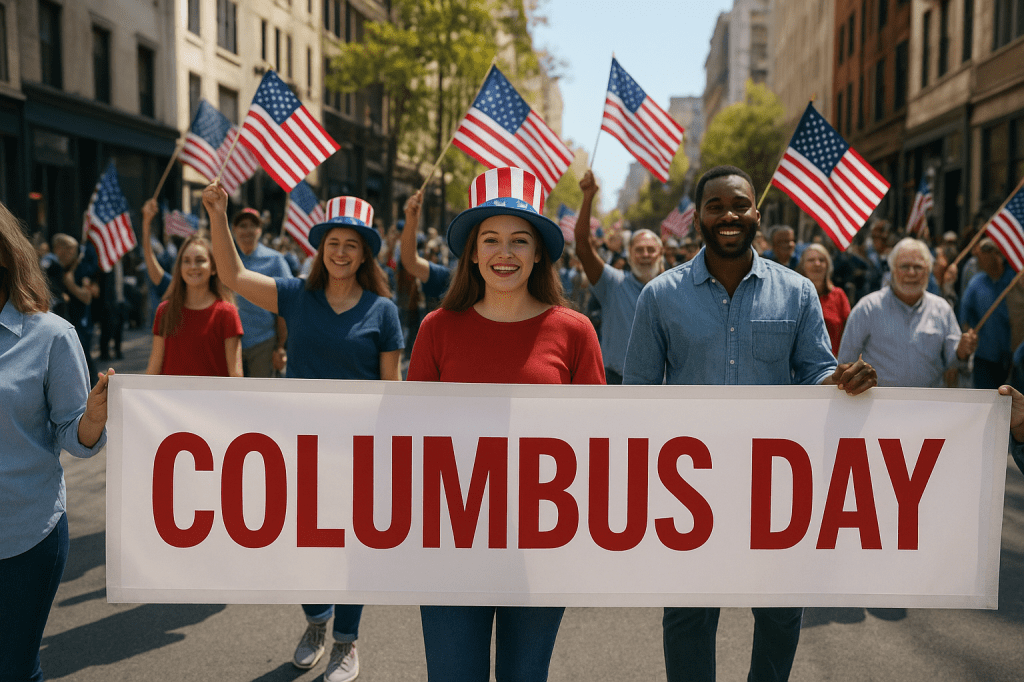
Columbus Day, celebrated on the second Monday in October in the United States, has long been promoted as a day to honor Christopher Columbus, the Italian explorer credited with “discovering” the Americas in 1492. Yet, beneath this national holiday lies a dark and painful legacy of colonization, genocide, and enslavement. To understand why many now question or reject the celebration of Columbus Day, we must revisit history through the eyes of the oppressed — the Indigenous peoples of the Americas and the enslaved Africans who suffered under European conquest.

Christopher Columbus, born in Genoa around 1451, was an ambitious navigator who sought a western sea route to Asia. Backed by Spain’s monarchs, Ferdinand and Isabella, his 1492 voyage was not a mission of peace or discovery, but one driven by greed, power, and imperial expansion. When Columbus landed in the Caribbean, he mistakenly believed he had reached the East Indies. He called the native people “Indians,” beginning a legacy of misnaming and misunderstanding that persists to this day.

Columbus’s arrival marked the beginning of a brutal system of colonization. The Taíno and Arawak peoples of Hispaniola (modern-day Haiti and the Dominican Republic) were among the first to encounter the Europeans. What followed was devastation. Columbus enslaved the Indigenous people, forced them to mine gold, and imposed cruel punishments on those who resisted. His regime was marked by torture, mutilation, and mass murder, documented even by his contemporaries (Zinn, 1980).

Within a few short decades, the Indigenous population of the Caribbean had been nearly wiped out through violence, disease, and forced labor. Columbus’s legacy was not one of discovery, but of destruction. His expeditions paved the way for centuries of European exploitation across the Americas, leading to the transatlantic slave trade that forcibly brought millions of Africans to the New World. Thus, both Native Americans and Africans suffered under systems of oppression rooted in Columbus’s so-called “discovery.”

Despite this horrific history, Columbus was later glorified as a national hero. The idea of celebrating him gained traction in the late 19th century, particularly among Italian-Americans who viewed him as a symbol of ethnic pride in a time of widespread discrimination. In 1937, President Franklin D. Roosevelt, under pressure from the Knights of Columbus (a Catholic fraternal organization), made Columbus Day a federal holiday. The decision was political, not moral — meant to unite Catholics and immigrants under a banner of patriotism.

However, this government-sanctioned glorification of Columbus ignored the historical atrocities committed under his rule. The myth of Columbus as a brave explorer who brought “civilization” to the New World perpetuated Eurocentric narratives that erased Indigenous voices and justified colonial domination. This narrative served to validate white supremacy, expansionism, and the exploitation of both land and people.

For African Americans, Columbus Day represents a celebration of the very system that enslaved and dehumanized their ancestors. The same European expansion that began with Columbus led directly to the transatlantic slave trade, the Middle Passage, and centuries of racial oppression. In this light, celebrating Columbus Day is akin to celebrating the foundations of systemic racism.

For Native Americans, the day symbolizes genocide and cultural annihilation. Entire civilizations were decimated as European powers claimed their lands, destroyed their spiritual systems, and imposed foreign rule. The diseases brought by European settlers wiped out millions, and survivors were forced into reservations centuries later. Columbus became the emblem of Indigenous suffering — not freedom or progress.

The modern push to replace Columbus Day with Indigenous Peoples’ Day represents a moral reckoning with this painful history. Indigenous activists, scholars, and allies have fought tirelessly to reclaim the narrative, emphasizing survival, resilience, and the truth about colonization. Cities and states across the U.S., including California, Minnesota, and New Mexico, have officially recognized Indigenous Peoples’ Day in place of Columbus Day.

The shift toward Indigenous Peoples’ Day reflects a growing awareness of historical injustice and a rejection of whitewashed history. It honors the first inhabitants of the Americas and acknowledges their enduring contributions to humanity, spirituality, and ecological wisdom. It also calls for repentance and reconciliation for the centuries of violence inflicted by European colonization.

Columbus’s voyages cannot be separated from their consequences — the destruction of Indigenous cultures, the theft of land, and the enslavement of Africans. His story symbolizes the birth of a global system of exploitation that shaped modern capitalism and racial hierarchies. Celebrating him, therefore, is not a tribute to exploration but a denial of historical truth.

Many historians now argue that Columbus should be remembered, not revered. His actions and their aftermath belong in the history books as a warning against the dangers of greed and ethnocentrism, not as a model of heroism. The celebration of Columbus Day perpetuates myths that distort the origins of the Americas and obscure the suffering of millions.

For Black people, the connection to Columbus’s legacy is direct and devastating. The European conquest he initiated laid the groundwork for the dehumanization of Africans, justified through false notions of racial superiority. It began a cycle of exploitation that continues to manifest in systemic inequalities today.

True historical education must include both the achievements and atrocities of the past. To celebrate Columbus without acknowledging the cost of his conquests is to dishonor those who perished because of them. It is to endorse the continued erasure of Black and Indigenous histories in favor of colonial pride.

The time has come for America to replace glorification with truth-telling. Recognizing Indigenous Peoples’ Day is not about erasing history — it is about correcting it. It is about lifting up the stories of those who were silenced and acknowledging that the “discovery” of America came at a horrific human price.

Ultimately, the celebration of Columbus Day reflects who society chooses to honor. Will we continue to idolize an oppressor, or will we honor the resilience of those who survived his legacy? The answer to that question defines not only our understanding of history but our commitment to justice and truth.


References (APA Style):
Zinn, H. (1980). A People’s History of the United States. Harper & Row.
Loewen, J. W. (1995). Lies My Teacher Told Me: Everything Your American History Textbook Got Wrong. The New Press.
Dunbar-Ortiz, R. (2014). An Indigenous Peoples’ History of the United States. Beacon Press.
Sale, K. (1990). The Conquest of Paradise: Christopher Columbus and the Columbian Legacy. Alfred A. Knopf.
Churchill, W. (1997). A Little Matter of Genocide: Holocaust and Denial in the Americas, 1492 to the Present. City Lights.