Category Archives: nollywood

🌍⭐🎬 NOLLYWOOD 🌍⭐🎬

Nollywood is the term used to describe Nigeria’s film industry, a cinematic powerhouse that has grown into one of the most prolific film ecosystems in the world. Emerging in the early 1990s from low-budget home-video productions, it has transformed into a cultural phenomenon recognized globally. The industry developed organically, driven not by massive studios or government investment, but by the creativity, urgency, and determination of everyday Nigerian storytellers.

Nollywood began as a response to the absence of a formal filmmaking infrastructure in Nigeria. With limited access to cinemas and expensive equipment, early filmmakers turned to VHS and later DVD formats to distribute stories directly to the public. This democratization of filmmaking allowed people outside elite circles to participate in an art form that had historically been restricted to the well-financed.

Each year, Nollywood produces thousands of films, often with rapid production timelines and modest budgets. Estimates vary, but it consistently ranks among the world’s top three filmmaking centers in terms of annual film output. This massive volume reflects both the demand for Nigerian stories and the necessity of quick turnarounds in a largely informal film economy.

When compared to other global industries, Nollywood stands out for its intense productivity. Bollywood in India remains the world’s largest film industry by the number of films released yearly, while Hollywood leads in global box office revenue and production budgets. Nollywood, however, occupies a unique middle ground—second or third in volume but operating with far fewer resources.

Purpose, Outcome, and Legacy of Nollywood
The purpose of Nollywood has been multifaceted: to tell Nigerian stories, provide entertainment for local audiences, create economic opportunity, and assert cultural identity. The outcome has been the world’s second-largest film industry (by volume) that has reshaped African popular culture, created celebrity economies, and entered the streaming era. The legacy includes a vibrant film ecosystem, diasporic audiences, and increased global awareness of African cinema. Challenges remain (distribution, piracy, production quality, funding), but Nollywood has established a model of low-budget high-volume filmmaking that has inspired creative industries across Africa.

For many Nigerians, Nollywood is not just entertainment but a mirror of social realities. The films often portray family dynamics, religion, corruption, romance, and supernatural beliefs deeply rooted in Nigerian culture. As a result, audiences feel intimately connected to the characters and stories.

Cultural Significance within Africa and the Diaspora
Nollywood’s cultural resonance extends beyond Nigeria. Its films are widely viewed across Africa and among the African diaspora; they carry Nigerian English, local dialects, cultural references, and social dynamics familiar to many Africans. In this sense, Nollywood serves as a cultural ambassador exporting African narratives rather than importing foreign ones. By giving voice to local experiences, the industry contributes to continental self-representation in film.

The Nigerian public has a complex but affectionate relationship with the industry. Many celebrate it as a symbol of African creativity and cultural independence. Others criticize it for repetitive themes, low production quality in earlier eras, or exaggerated moral stories. Yet overall, Nollywood remains a source of national pride, representing a shift from foreign-dominated media to African-owned narratives.

Nollywood has changed countless lives by creating jobs in acting, directing, set design, costume creation, scriptwriting, and technical production. Beyond film workers, the industry stimulates the economy for caterers, drivers, rental companies, and local communities where filming takes place. For many Nigerians, Nollywood has become a pathway out of poverty.

The industry has its own set of celebrities who have become household names. Actors such as Omotola Jalade Ekeinde, Genevieve Nnaji, Ramsey Nouah, and Pete Edochie have achieved fame not only in Nigeria but across Africa and in diaspora communities worldwide. Their rise to prominence demonstrates Nollywood’s ability to shape global perceptions of African talent.

Actresses like Genevieve Nnaji and Omotola Jalade Ekeinde have become cultural icons, admired for both their screen presence and their influence in fashion, politics, and philanthropy. Their careers reflect the evolution of Nollywood from a local video market to an international industry with global recognition.

Some of the most well-known Nollywood films include Living in Bondage, Osuofia in London, Last Flight to Abuja, The Wedding Party, and Weekend Getaway. These films illustrate the industry’s versatility—from comedy to romance, from thriller to traditional folklore—and show how Nigerian filmmakers adapt genres to local contexts.

The purpose of Nollywood has always been rooted in storytelling. It offers narratives that resonate deeply with Nigerian viewers while also giving global audiences insight into African traditions, conflicts, humor, and spirituality. Through this lens, Nollywood becomes not only a form of entertainment but a cultural archive.

The outcome of this massive storytelling tradition is the creation of a distinct Nigerian cinematic identity. Today, Nollywood is recognized internationally for its characteristic fast pacing, emotional storytelling, and cultural authenticity. Its films travel across Africa and beyond, shaping regional entertainment trends.

The legacy of Nollywood is profound. It has inspired filmmakers across Africa, influenced television production, and shifted the global conversation about who gets to make films and whose stories deserve to be told. For many Africans in the diaspora, Nollywood movies serve as a connection to home and heritage.

Despite its success, Nollywood still faces several challenges. Piracy remains one of the industry’s biggest problems, costing producers significant revenue. Limited funding and inadequate filmmaking infrastructure also restrict the industry’s growth potential. However, these obstacles have not dampened its resilience.

The arrival of digital streaming platforms such as Netflix, Amazon Prime, and local services has been transformative. These platforms have expanded Nollywood’s global audience and encouraged higher production values. Filmmakers now have access to better equipment and more refined storytelling methods.

Streaming has also allowed Nollywood films to reach viewers who may never have encountered African cinema otherwise. As a result, the industry is now more visible on the world stage, attracting international collaborations, investments, and film-festival recognition.

Culturally, Nollywood has become a tool for shaping identity and reinforcing values. Families bond over films, communities debate moral lessons, and social themes shown on screen often reflect real societal issues. In this sense, Nollywood shapes not only entertainment but national consciousness.

The influence of Nollywood extends into fashion, music, and lifestyle. Many of its actors set fashion trends, promote Nigerian clothing designers, and inspire young people to dream beyond their circumstances. The industry contributes to cultural pride and the celebration of African beauty and creativity.

Nollywood also functions as a soft-power instrument for Nigeria, exporting culture in a way that fosters understanding and connection. Films featuring Nigerian languages, traditions, and comedic styles have become beloved across the continent.

In terms of social impact, Nollywood has helped normalize African perspectives in mainstream media. Instead of relying on Hollywood portrayals, many African youth now see themselves reflected onscreen with authenticity and dignity.

In conclusion, Nollywood is far more than a film industry—it is a movement, an economic engine, and a cultural storyteller. It stands as a testament to Nigerian creativity, resilience, and the power of African narratives. With continued growth, streaming expansion, and increasing global collaboration, Nollywood is poised to play an even greater role in shaping world cinema in the decades to come. Nollywood stands as a remarkable cinematic phenomenon: it is Nigeria’s cultural powerhouse, a global film-production leader by volume, and a creative engine that has challenged the dominance of Hollywood and Bollywood on the metrics of output. Yet its true significance lies in the way it creates stories, jobs, and identity for Nigerians—not only as spectators but as producers and participants. While structural challenges remain, its life-changing potential for individuals, its cultural affirmation, and its economic contribution ensure that Nollywood is far more than a mere film industry—it is a societal movement.

References

Andrews, D. (2009, April 28). What is Nollywood? Yale Insights. https://insights.som.yale.edu/insights/what-is-nollywood

Demand Africa. (2019, January 28). Top Nollywood film stars — Who is Genevieve Nnaji? https://demandafrica.com/entertainment/celebrities/top-nollywood-film-stars-genevieve-nnaji/

Encyclopedia Britannica. (n.d.). Nollywood. https://www.britannica.com/topic/Nollywood

Giwa, E. T. (2012). Nollywood: A case study of the rising Nigerian film industry (Master’s thesis, Southern Illinois University). https://opensiuc.lib.siu.edu/gs_rp/667

Northwestern University Libraries. (2025). Nollywood and beyond: Research guide. https://libguides.northwestern.edu/nollywood

StudioBinder. (2019, December 5). What is Nollywood and how did it become the 2nd largest film industry in the entire world? https://www.studiobinder.com/blog/what-is-nollywood/

TechCulture Africa. (2025, February 26). Nigeria’s Nollywood is Africa’s largest cinema hub; here’s why. https://techcultureafrica.com/nollywood

Time Magazine. (2014). Hooray for Nollywood! https://time.com/3153912/hooray-for-nollywood

Wikipedia. (n.d.). Omotola Jalade Ekeinde. https://en.wikipedia.org/wiki/Omotola_Jalade_Ekeinde

Wikipedia. (n.d.). Last Flight to Abuja. https://en.wikipedia.org/wiki/Last_Flight_to_Abuja

Wikipedia. (n.d.). Weekend Getaway. https://en.wikipedia.org/wiki/Weekend_Getaway

The Ebony Dolls: Genevieve Nnaji

This photograph is the property of its respective owner. No copyright infringement intended.

Few women embody the word elegance quite like Genevieve Nnaji — the Nigerian actress, producer, and cultural icon whose beauty and brilliance have transcended borders. With her luminous dark ebony skin, perfectly stunning face, expressive almond-shaped eyes, and graceful demeanor, she radiates a timeless charm reminiscent of a handcrafted porcelain doll — only richer, warmer, and divinely melanated. Her beauty is not only physical; it is regal, poised, and deeply rooted in confidence. Genevieve represents the pinnacle of African femininity: intelligent, self-assured, and graceful in both speech and movement. Often called the “Julia Roberts of Africa,” she stands as one of the most influential figures in Nollywood history, a living testament to what happens when talent meets purpose.


Early Life and Rise to Stardom

Genevieve Nnaji was born on May 3, 1979, in Mbaise, Imo State, Nigeria, and raised in Lagos. The fourth of eight children, she grew up in a close-knit family where hard work, education, and faith were emphasized. Her father worked as an engineer, and her mother was a nursery school teacher. From a young age, Genevieve displayed an extraordinary sense of charisma and performance. At just eight years old, she began acting in the popular Nigerian soap opera Ripples, marking the beginning of a journey that would reshape African cinema.

She later studied Creative Arts at the University of Lagos, where she continued auditioning for film roles while pursuing her education. In the late 1990s, her breakthrough came with the film Most Wanted (1998), followed by a series of blockbuster performances that established her as Nollywood royalty. Her ability to portray deep emotion and authentic African womanhood resonated with audiences across the continent and beyond.


This photograph is the property of its respective owner. No copyright infringement intended.

Career, Awards, and Global Recognition

Genevieve’s career is a masterclass in longevity and excellence. Over the years, she has starred in more than 100 Nollywood films, including Sharon Stone, Blood Sisters, Ijele, and Games Women Play. Her compelling performances earned her numerous accolades, such as the Africa Movie Academy Award (AMAA) for Best Actress in a Leading Role in 2005 — making her the first actress to win that prestigious honor.

In 2011, she was honored with the title of Member of the Order of the Federal Republic (MFR) by the Nigerian government for her contributions to the arts. Genevieve made history again when she directed and starred in Lionheart (2018), which became Nigeria’s first-ever Netflix original film and was Nigeria’s first submission to the Academy Awards in the “Best International Feature Film” category. Lionheart’s success cemented her global reputation as a pioneering filmmaker and storyteller.


Endorsements and Business Ventures

Genevieve’s influence extends beyond acting. Her stunning looks and magnetic presence have made her one of Africa’s most sought-after brand ambassadors. She has signed endorsement deals with major companies such as Lux, Range Rover Evoque, Etisalat (now 9mobile), and Amstel Malta, among others. Her elegance and professionalism have made her the face of premium African beauty, symbolizing grace and achievement.

In 2008, she launched her clothing line, St. Genevieve, blending fashion and philanthropy — proceeds from sales support various charitable causes. Through both her fashion and film ventures, she continues to empower women and promote positive representations of African beauty and excellence.


Family and Personal Life

Genevieve is known for maintaining a dignified level of privacy about her personal life. She is a proud mother to her daughter, Theodora, and has often spoken about the joys and challenges of motherhood. Despite her fame, she has remained grounded, preferring a quiet life away from unnecessary public drama. Her humility and mystery have only deepened her appeal, making her a beloved figure admired for both her beauty and integrity.


This photograph is the property of its respective owner. No copyright infringement intended.

Impact and Legacy

Genevieve Nnaji is widely considered one of the highest-paid actresses in Nollywood, commanding impressive fees per film due to her experience, influence, and star power. She has paved the way for many younger actresses and remains a mentor figure within the industry. Beyond wealth and awards, her impact lies in her ability to tell African stories with dignity, power, and authenticity. She redefined what it means to be a woman of substance and strength — not merely admired for her face, but for her mind and spirit.

Her legacy continues to inspire filmmakers, actresses, and audiences around the world. Genevieve’s artistry proves that true beauty transcends complexion and fame — it is the light of self-awareness, discipline, and divine purpose shining through every performance.


Conclusion

From the streets of Lagos to the global stage, Genevieve Nnaji has become the embodiment of African excellence. Her ebony glow, refined features, and commanding presence are matched only by her grace and intellect. She is not just a film star — she is a symbol of pride, power, and perfection for millions of Black women across the world. In her face and her art, we see the beauty of Africa: radiant, enduring, and forever unforgettable.


References (APA Style)

Africa Magic. (2020). Genevieve Nnaji: The icon of Nollywood. Africa Magic Entertainment. https://www.africamagic.dstv.com

BBC News. (2019, January 7). Genevieve Nnaji’s Lionheart: Nigeria’s first Oscar submission. BBC. https://www.bbc.com/news

Channels Television. (2011). Genevieve Nnaji honored with national award (MFR). Channels TV Nigeria. https://www.channelstv.com

IMDb. (n.d.). Genevieve Nnaji biography. IMDb. https://www.imdb.com/name/nm1452478/

Netflix. (2018). Lionheart [Film]. Netflix Originals.

Pulse Nigeria. (2023, June 12). Genevieve Nnaji: Biography, career, and impact on Nollywood. Pulse Nigeria. https://www.pulse.ng

The Guardian Nigeria. (2020, November 2). Genevieve Nnaji: Beauty, brains, and the power of quiet influence. The Guardian Nigeria. https://guardian.ng

Vanguard. (2021, August 10). Is Genevieve Nnaji still Nollywood’s highest-paid actress? Vanguard Nigeria. https://www.vanguardngr.com

Casting choices in Hollywood & African Cinema.

Hollywood: The Politics of Light Skin

Hollywood has historically privileged lighter-skinned actors and actresses in lead roles, reinforcing colorism and Eurocentric beauty ideals (Russell, Wilson, & Hall, 2016). Darker-skinned performers have often been relegated to secondary roles, villainous characters, or stereotypical archetypes. For example:

  • Lupita Nyong’o vs. Halle Berry: Despite critical acclaim, darker-skinned actresses like Lupita Nyong’o face fewer commercial opportunities than light-skinned actresses such as Halle Berry, highlighting a systemic bias favoring lighter complexions.
  • Historical Casting Practices: Classic films like Gone with the Wind and The Birth of a Nation used colorism and whitewashing to construct narratives of Black inferiority or tokenized beauty, while light-skinned Black actors were positioned as “acceptable” for mainstream audiences.

From a biblical lens, this aligns with James 2:1 (KJV), warning against favoritism based on outward appearance: casting decisions reflect societal bias in determining perceived value, perpetuating inequality even in creative spaces.


African Cinema: Between Liberation and Color Hierarchies

African cinema, while more culturally authentic, is not immune to colorism. Films across Nigeria (Nollywood), Ghana, and South Africa often unconsciously reflect colonial beauty hierarchies:

  • Nollywood: Lighter-skinned actors frequently dominate romantic leads and high-status roles, while darker-skinned actors are cast in “everyday” or comedic roles (Nzewi, 2018).
  • Historical Influence: This phenomenon stems from colonial-era European ideals imposed on African societies, which valued lighter skin as a marker of proximity to power and sophistication (Harris, 2015).

Scripturally, the Apocrypha’s Wisdom of Solomon 14:12 warns against human vanity and superficial valuation, suggesting that privileging light skin over dark skin constitutes moral as well as social corruption.


Intersection with Digital Platforms

Casting bias is increasingly codified in AI-driven content recommendation, image recognition, and automated casting tools. For example:

  • Algorithms trained on biased datasets often recommend lighter-skinned actors for lead roles or editorial prominence in digital marketing.
  • Social media platforms amplify these choices, rewarding lighter-skinned beauty standards with visibility and engagement.

The Digital Plantation metaphor extends here: the same hierarchical systems that controlled enslaved populations now influence cultural representation through digital and algorithmic means, perpetuating historical inequities.


Theological and Social Implications

  1. Spiritual Perspective: Romans 2:11 (KJV) states, “For there is no respect of persons with God.” Casting favoritism based on skin tone contradicts the divine principle that all humans are created in God’s image (Genesis 1:27).
  2. Cultural Responsibility: Filmmakers and casting directors carry the ethical obligation to counteract colorist tendencies, ensuring representation reflects diversity in beauty, talent, and human dignity.
  3. Societal Impact: Colorist casting reinforces internalized oppression among audiences, shaping self-esteem, identity formation, and career opportunities for darker-skinned individuals.

Examples and Case Studies

  • Hollywood: Zendaya, a light-skinned actress, often receives more commercial opportunities than darker-skinned peers in the same age group, illustrating the persistent preference for lighter complexions in casting.
  • African Cinema: In Nollywood, actresses like Omotola Jalade Ekeinde (light-skinned) often secure lead roles in international-facing films, while darker-skinned actresses remain underrepresented.

These examples show that even in Black-centered industries, colorism remains a barrier to equitable representation.


References

  • Nzewi, O. (2018). Colorism in Nollywood: Representation, identity, and audience perception. Journal of African Media Studies, 10(3), 345–362.
  • Russell, K., Wilson, M., & Hall, R. (2016). The color complex: The politics of skin color in a new millennium. Anchor Books.
  • Harris, A. P. (2015). Skin tone stratification and social inequality: Historical and contemporary perspectives. Oxford University Press.

Celebrity Spotlight: Omotola Jalade Ekeinde #Nollywood

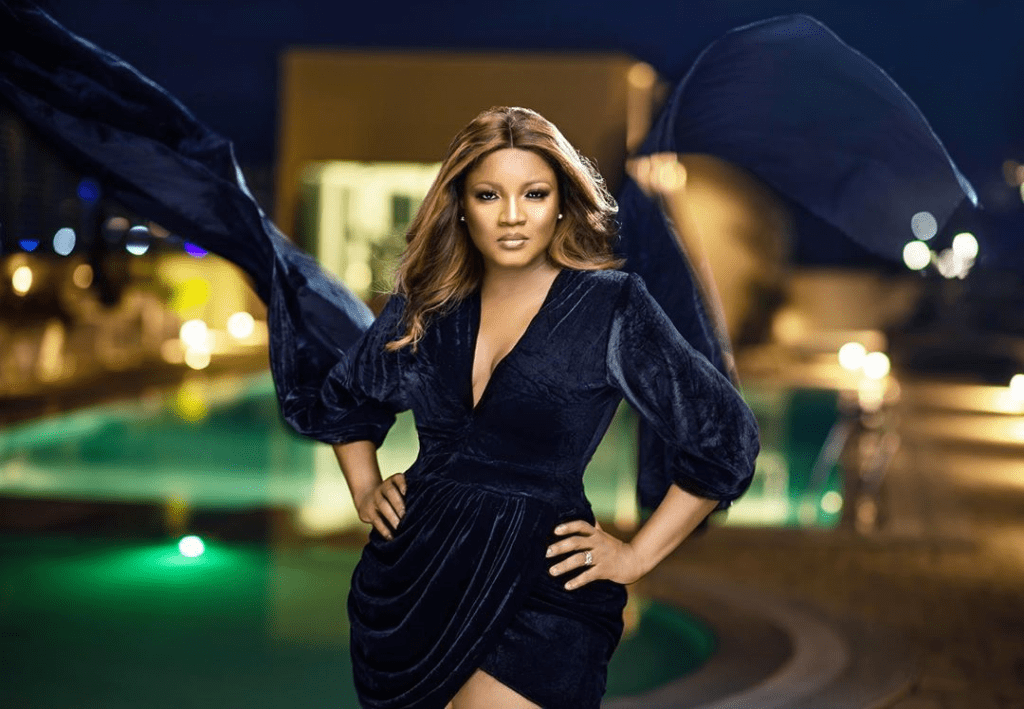
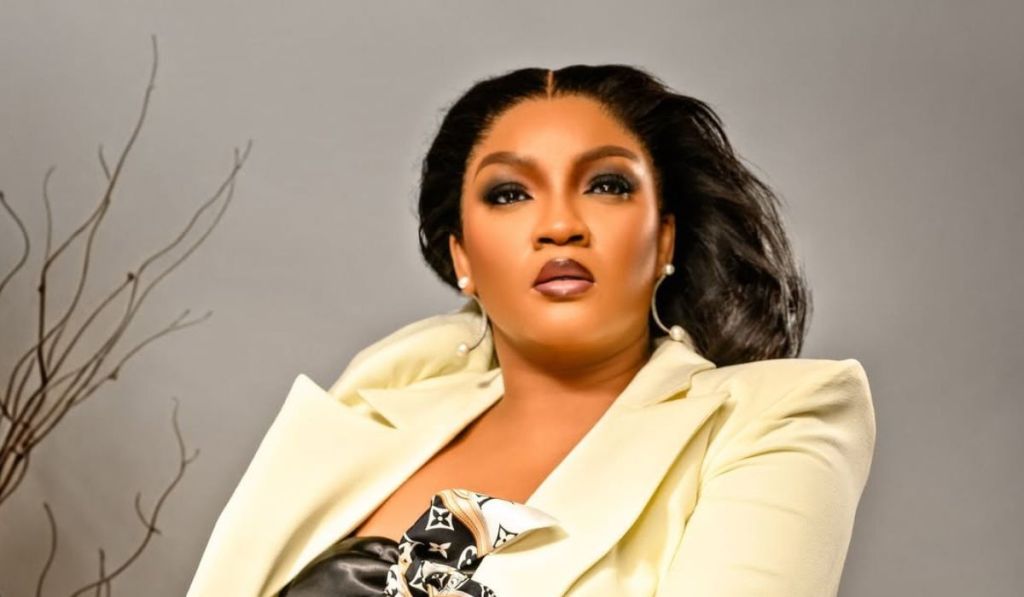
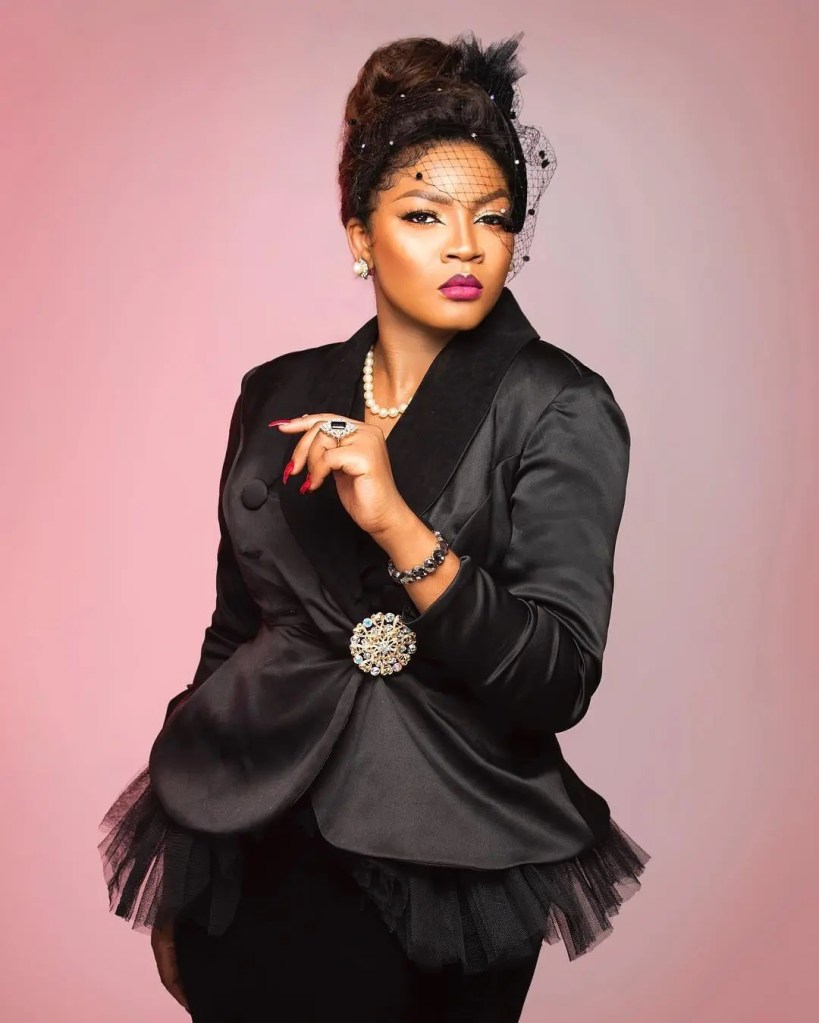
There are women whose presence commands admiration before they even speak — and Omotola Jalade Ekeinde, fondly called “Omosexy,” is one of them. With her radiant light caramel complexion, captivating almond eyes, and statuesque physique, she embodies a perfect fusion of African grace, sensuality, and sophistication. Her beauty is not only physical but regal — the kind that glows from confidence, faith, and purpose. She is not merely a Nollywood actress; she is a global phenomenon, humanitarian, wife, and mother whose impact extends far beyond the screen.


Early Life and Family Background

Omotola Jalade Ekeinde was born on February 7, 1978, in Lagos, Nigeria, to Oluwashola Jalade, a manager with the Lagos Country Club, and Oluwatoyin Jalade, a businesswoman. Raised in a disciplined Christian household, Omotola grew up with strong moral values, a sense of independence, and an early appreciation for education and service. She attended Chrisland School, Opebi, Oxford Children School, and Command Secondary School, Kaduna, before studying Estate Management at Yaba College of Technology.

At the age of 18, Omotola married her long-time partner, Captain Matthew Ekeinde, a respected Nigerian airline pilot, in a union that has become one of the most admired and enduring celebrity marriages in Africa. Together, they have four beautiful children, and their family stands as a symbol of stability, love, and faith within the entertainment industry.


Journey into Nollywood and Rise to Stardom

Omotola’s path to stardom began unexpectedly. Initially aspiring to a career in business management, she accompanied a friend to a movie audition and was encouraged to try out for a role herself. This spontaneous decision became destiny. Her acting debut came in 1995 with the film Venom of Justice, but it was her performance in Mortal Inheritance (1995) that catapulted her to fame. The film, which explored interracial marriage and sickle-cell anemia, showcased her emotional depth and established her as one of Nollywood’s most gifted talents.

Since then, Omotola has appeared in over 300 films, portraying complex characters that explore themes of love, justice, and womanhood. Her commanding performances have made her a household name, not only in Nigeria but across Africa and the diaspora.


Awards, Honors, and Global Recognition

Omotola’s contributions to film and society have earned her an impressive array of awards and distinctions. She received the Africa Movie Academy Award (AMAA) for Best Actress in a Leading Role and has won numerous Africa Magic Viewers’ Choice Awards (AMVCA) honors for her outstanding acting.

In 2013, Time Magazine named her one of the “100 Most Influential People in the World”, alongside Michelle Obama, Beyoncé, and Kate Middleton — an honor that solidified her status as a global icon. She was also recognized by the Nigerian government with the Member of the Order of the Federal Republic (MFR) for her contributions to Nigerian cinema.

Her film Alter Ego (2017) earned widespread critical acclaim for tackling issues of trauma and justice, further demonstrating her evolution as an actress of depth and conviction.


Endorsements and Humanitarian Work

Beyond the screen, Omotola is a dedicated humanitarian. She is a long-time UN World Food Programme Ambassador, advocating for the rights of women and children across Africa. She also works with the Amnesty International campaign on human rights awareness. Her commitment to social justice has earned her the nickname “The Real Life African Superwoman.”

Her beauty, intelligence, and authenticity have also made her one of the most sought-after brand ambassadors in Africa. She has partnered with major brands including Knorr, Ghandour Cosmetics, and BO16 Hair Care, using her platform to promote empowerment and self-confidence among African women.


Personal Life and Legacy

Despite her global fame, Omotola’s humility and devotion to her family remain at the heart of her identity. She often speaks openly about the importance of faith, balance, and maintaining one’s integrity in the entertainment industry. Her marriage to Captain Ekeinde remains one of the longest and most respected in Nollywood, defying the stereotype of fleeting celebrity unions.

Affectionately called “Omosexy” by fans, she redefines sensuality with grace — not as a tool of vanity, but as an expression of confidence and self-love. Her legacy is not only in film but also in her example of womanhood: strong, intelligent, nurturing, and unapologetically powerful.


Is Omotola the Highest-Paid Nollywood Actress?

For years, Omotola has ranked among the highest-paid actresses in Nollywood, often commanding premium fees per film. Alongside Genevieve Nnaji, she helped elevate the professional standards of pay and production quality in the Nigerian film industry. Her business acumen and professionalism have set new precedents for African actors, helping Nollywood evolve into a billion-dollar global industry.


Impact and Cultural Influence

Omotola Jalade Ekeinde’s influence reaches far beyond cinema. She represents the evolution of African womanhood — bold yet humble, beautiful yet principled, powerful yet nurturing. Her presence has inspired countless women to pursue their dreams without compromise. She is not only admired for her radiant ebony beauty but for her substance, discipline, and heart.

Her life is a living parable of excellence — proof that true beauty radiates from purpose and character. Omotola’s journey from a young Lagos girl to a world-renowned icon embodies the strength, resilience, and divine elegance of the modern African woman.


Conclusion

Omotola Jalade Ekeinde remains an enduring symbol of Black femininity and excellence. With her gleaming brown skin, sculpted face, and regal aura, she is a masterpiece of nature and nurture — a woman who moves with both grace and authority. As an actress, wife, and humanitarian, she continues to inspire a generation to dream boldly and love deeply. In every sense, she is carved by destiny, refined by faith, and crowned by legacy.


References

Amnesty International. (2015). Omotola Jalade Ekeinde joins campaign for human rights in Africa. Amnesty International. https://www.amnesty.org

BBC News. (2013, April 18). Time 100: Omotola Jalade Ekeinde among world’s most influential people. BBC. https://www.bbc.com/news

IMDb. (n.d.). Omotola Jalade Ekeinde biography. IMDb. https://www.imdb.com/name/nm1069989/

Nigerian Government Gazette. (2011). National honors list: Member of the Order of the Federal Republic (MFR). Federal Republic of Nigeria.

Pulse Nigeria. (2022, September 6). Omotola Jalade Ekeinde: Biography, family, and career success. Pulse Nigeria. https://www.pulse.ng

Time Magazine. (2013, April). The 100 Most Influential People in the World: Omotola Jalade Ekeinde. TIME Magazine. https://time.com

Vanguard Nigeria. (2021, August 12). Omotola Jalade Ekeinde: The timeless beauty of Nollywood. Vanguard Nigeria. https://www.vanguardngr.com

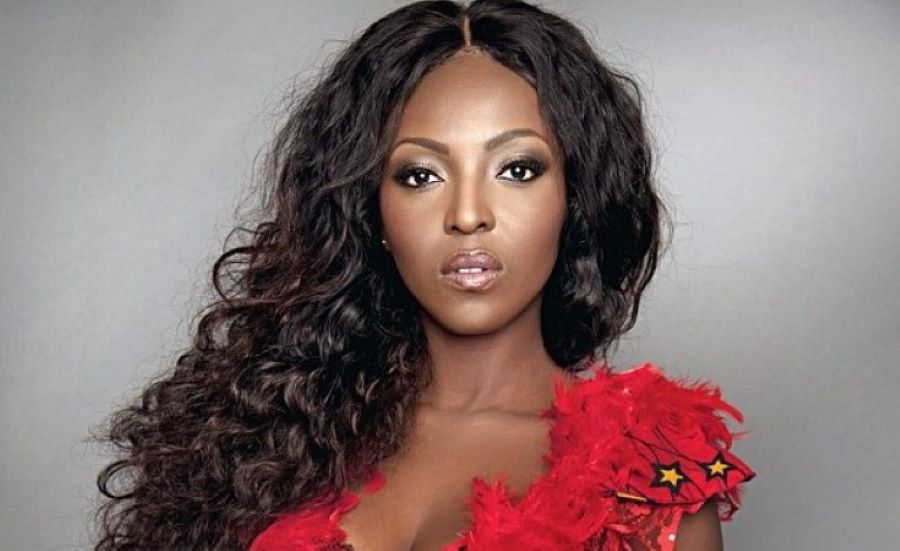
The Ebony Dolls: Yvonne Okoro

This photograph is the property of its respective owners. No copyright infringement intended.

In the constellation of African cinema, Yvonne Okoro shines with a rare brilliance that fuses sophistication, intelligence, and undeniable beauty. With her flawless bronze-ebony complexion, luminous almond-shaped eyes, and refined features framed by a radiant smile, she is often admired for her doll-like allure—a blend of African richness and European elegance. Beyond her physical charm, Okoro’s poise, confidence, and versatility have positioned her among the most respected actresses in both Ghana’s Ghallywood and Nigeria’s Nollywood film industries. She is a modern African woman who balances glamour with grit, embodying excellence both on and off the screen.

Born Chinyere Yvonne Okoro on November 25, 1984, in Tamale, Ghana, she comes from a mixed heritage that beautifully reflects the unity of West Africa—her father is Nigerian (from Abia State, Igbo), and her mother is Ghanaian. This cultural blend enriched her worldview and artistic expression, allowing her to connect with audiences across two major entertainment industries. From a young age, Yvonne demonstrated a passion for performance, often participating in school plays and local talent showcases that revealed her natural charisma and expressiveness.

Yvonne Okoro’s educational journey is as impressive as her acting career. She attended Achimota Preparatory School and Lincoln Community School before earning her Bachelor of Arts in English and Linguistics from the University of Ghana, Legon. She later pursued further studies in France at the Université de Nantes, where she deepened her understanding of communication and modern languages—skills that would later enhance her presence in international cinema.

This photograph is the property of its respective owners. No copyright infringement intended.

Her acting debut came with a supporting role in the Ghanaian film Sticking to the Promise (2002). However, her major breakthrough came when she transitioned into Nollywood, starring in Beyoncé: The President’s Daughter (2006) alongside Nadia Buari and Van Vicker. Her beauty, eloquence, and natural on-screen chemistry with her co-stars captured the attention of filmmakers and audiences alike. Soon, she became a fixture in both Ghanaian and Nigerian film productions, a rare feat achieved by only a handful of actresses.

Over the years, Yvonne Okoro has built an impressive filmography, with notable works including The Game (2010), Contract (2012), Single Six (2011), Rebecca (2016), and Ghana Must Go (2016)—a romantic comedy she also produced. Her role in Contract, opposite Hlomla Dandala, earned her the Best Actress Award at the Ghana Movie Awards and an Africa Magic Viewers’ Choice Award (AMVCA) nomination. The film’s critical success established her as one of the leading ladies of African cinema, capable of blending humor, depth, and authenticity with magnetic beauty.

Yvonne Okoro’s contributions extend beyond acting; she is also a film producer and entrepreneur, using her platform to promote quality storytelling in Africa. Her production company, Desamour Company Limited, has produced several films that highlight African culture, love, and social issues. Through this, she has provided opportunities for emerging talents, especially women in film, fostering growth and creativity in the industry.

This photograph is the property of its respective owners. No copyright infringement intended.

Her grace and intelligence have also made her a favorite for brand endorsements, having represented beauty and fashion brands that mirror her elegance. She is frequently listed among the most beautiful and influential actresses in Africa, celebrated for her radiant skin, well-defined features, and polished style that bridges modern glamour and cultural authenticity.

In addition to her professional achievements, Yvonne Okoro’s personal life reflects humility and purpose. Despite her fame, she remains grounded and family-oriented, often crediting her parents for instilling discipline and confidence. Her close relationship with her siblings—particularly her sister, Roseline Okoro, who also ventured into acting—highlights her belief in family unity and shared success.

Throughout her career, Yvonne has earned numerous accolades, including the Best Actress of the Year (2010) at the Ghana Movie Awards, the Achievement Award at the City People Entertainment Awards in Nigeria, and recognition at the Africa International Film Festival (AFRIFF). Her dedication to excellence has made her one of the highest-paid actresses in Ghana and Nollywood, respected for both her beauty and her business acumen.

Ultimately, Yvonne Okoro represents the epitome of modern African femininity—educated, talented, and unapologetically elegant. Her soft-spoken confidence, luminous ebony glow, and striking intellect set her apart as not merely a star, but a symbol of pan-African pride and excellence. As one of the Ebony Dolls of African cinema, she continues to inspire young women to dream beyond boundaries while embracing their heritage and divine beauty.


References

  • Africa Magic. (2023). Yvonne Okoro: The Actress Who Bridges Ghana and Nollywood. MultiChoice Africa.
  • Ghana Web. (2022). Profile of Yvonne Okoro: From Beauty to Brilliance.
  • Pulse Ghana. (2023). Top 10 Highest-Paid Actresses in Ghana and Nigeria.
  • The Guardian Nigeria. (2021). Yvonne Okoro: The Pan-African Face of Modern Cinema.
  • IMDb. (2024). Yvonne Okoro Biography and Filmography.
  • Modern Ghana. (2022). Yvonne Okoro: The Glamorous Ghanaian-Nigerian Star Redefining African Film.