Category Archives: music

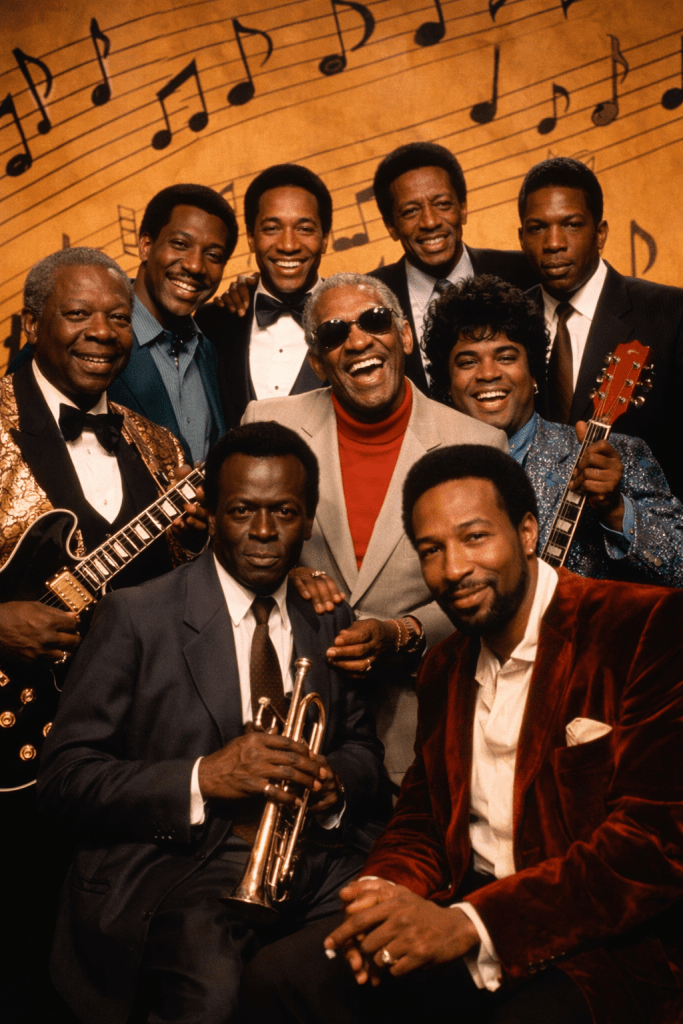
Black History: The History of Jazz, Soul, and Blues Music.

African American music is one of the richest contributions to global culture, shaping the soundscape of the modern world. Jazz, soul, and blues are not merely genres—they are historical chronicles of struggle, triumph, and creative ingenuity. Each arose from the African American experience, reflecting emotions, storytelling, and cultural resilience in the face of oppression. These genres have influenced each other profoundly, giving birth to rhythm and blues (R&B) and ultimately shaping popular music across the 20th and 21st centuries.

Blues music, often called the foundation of modern Black music, emerged in the late 19th and early 20th centuries in the Deep South. Rooted in African spirituals, work songs, and field hollers, the blues expressed the pain, resilience, and hope of formerly enslaved people. Instruments such as the guitar, piano, and harmonica became staples of the genre. Pioneering artists like Bessie Smith and Robert Johnson defined early blues, using emotive vocal techniques and twelve-bar structures that would influence generations.

Jazz, born in New Orleans around the early 1900s, blended African rhythms, European harmonics, and improvisational techniques. It was first popularized in brothels, dance halls, and clubs, creating a distinct urban culture. Iconic artists like Louis Armstrong, Duke Ellington, and Ella Fitzgerald transformed jazz into both a popular entertainment form and an artistic statement. Jazz’s improvisational nature, complex harmonies, and syncopated rhythms made it a revolutionary form of musical expression.

Soul music emerged in the 1950s and 1960s as an extension of gospel and rhythm and blues traditions. Soul fused emotional gospel singing with secular themes, creating music that was both spiritually powerful and deeply relatable. Artists like Otis Redding, Aretha Franklin, and Sam Cooke became voices of a generation, merging personal expression with social commentary during the Civil Rights era. Soul music emphasized vocal intensity, call-and-response patterns, and lyrical storytelling that spoke to everyday struggles and joys.

Rhythm and blues, commonly known as R&B, developed in the 1940s as a hybrid of jazz, blues, and gospel. This genre introduced strong backbeats, danceable rhythms, and smooth vocal harmonies that would later influence rock and pop music. Artists such as Jeffrey Osborne helped popularize R&B in the late 1970s and 1980s, building on the traditions established by earlier performers like Ray Charles and Ruth Brown. R&B bridged the gap between blues, jazz, and contemporary soul, making African American music accessible to mainstream audiences while retaining its cultural essence.

All three genres—blues, jazz, and soul—share common threads. They are deeply rooted in African musical traditions, emphasizing improvisation, rhythm, and emotional storytelling. They reflect the collective African American experience, using music as a tool to narrate personal and communal struggles. The interplay of call-and-response, improvisation, and emotional intensity creates a continuum that links early field songs to modern R&B and hip-hop.

The historical impact of these genres is monumental. Jazz broke racial barriers in performance spaces and recording studios, giving African American musicians international acclaim. Blues provided a raw emotional outlet during eras of severe oppression and economic hardship. Soul became a voice of empowerment during the Civil Rights movement, connecting music with social change and identity. Together, they laid the foundation for future musical innovation across all genres.

Notable jazz artists include Charlie Parker, Miles Davis, Thelonious Monk, and John Coltrane. Their improvisational brilliance, technical mastery, and innovative approaches to melody and harmony defined jazz as an art form and influenced countless musicians across genres.

Blues innovators include Muddy Waters, B.B. King, and Etta James. These artists refined the twelve-bar blues, expressive vocal phrasing, and guitar techniques that remain central to modern music.

Soul music pioneers like Marvin Gaye, Curtis Mayfield, and Gladys Knight showcased the intersection of spiritual intensity and secular themes, bridging church traditions with contemporary musical expression. Their work also informed the development of funk and disco.

R&B evolved further with artists such as Luther Vandross, Teddy Pendergrass, and Jeffrey Osborne, who infused modern production techniques while retaining emotional depth and vocal virtuosity. Their success in the 1970s and 1980s solidified R&B as a mainstream genre with mass appeal.

The interconnections between these genres are undeniable. Jazz improvisation influenced soul phrasing. Blues chord structures informed R&B songwriting. Gospel-inspired call-and-response techniques permeated all three styles. These shared elements demonstrate the continuity of African American musical innovation across decades.

Each genre also shaped dance, fashion, and social culture. From jazz clubs in New York and Chicago to soul concerts and R&B television performances, music became a catalyst for social gatherings, identity expression, and community solidarity. Television programs like Soul Train highlighted this evolution by showcasing Black artistry to national audiences.

Jazz

  • Louis Armstrong – Trumpeter, singer, and bandleader; a pioneer of solo improvisation.
  • Duke Ellington – Composer and bandleader known for sophisticated orchestration.
  • Charlie Parker – Bebop innovator and saxophone virtuoso.
  • Miles Davis – Revolutionary in cool jazz, modal jazz, and fusion.
  • John Coltrane – Innovator in improvisation and modal jazz.
  • Thelonious Monk – Composer known for unique harmonic and rhythmic style.
  • Ella Fitzgerald – “First Lady of Song,” famous for scat singing and vocal improvisation.

Blues

  • B.B. King – Guitar legend and emotive vocalist.
  • Muddy Waters – Father of modern Chicago blues.
  • Robert Johnson – Delta blues pioneer whose guitar work inspired rock and blues.
  • Etta James – Soulful voice blending blues, R&B, and jazz.
  • Bessie Smith – Empress of the Blues, iconic early 20th-century vocalist.

Soul

  • Otis Redding – Iconic voice of Southern soul and heartfelt ballads.
  • Aretha Franklin – “Queen of Soul,” blending gospel with R&B.
  • Sam Cooke – Smooth vocals and socially conscious lyrics.
  • Marvin Gaye – Social commentary and romantic themes in Motown soul.
  • Curtis Mayfield – Political soul and funk pioneer.
  • Gladys Knight – Powerful voice and emotive performances.

Rhythm & Blues (R&B)

  • Jeffrey Osborne – 1980s R&B crooner with hits like On the Wings of Love.
  • Luther Vandross – Smooth vocals, ballads, and love songs.
  • Teddy Pendergrass – Soulful, romantic style that bridged soul and R&B.
  • Ray Charles – Fused gospel, jazz, blues, and R&B, innovating soul music.
  • Ruth Brown – Early R&B pioneer, sometimes called “Miss Rhythm.”

Technological advancements, including radio, recording studios, and later television, helped spread jazz, blues, and soul to broader audiences. The migration of African Americans to northern urban centers during the Great Migration brought regional musical styles into contact, facilitating fusion and innovation.

The legacy of these genres continues today. Contemporary R&B, neo-soul, jazz fusion, and blues-rock all trace their roots to the pioneering artists of the 20th century. Musicians still draw inspiration from the improvisational freedom, emotional depth, and rhythmic complexity of early jazz, blues, and soul.

In summary, jazz, soul, and blues reflect the historical and cultural journey of African Americans. They document pain, resilience, love, and joy. The emergence of R&B and contemporary music owes a debt to these foundations, as seen in the works of artists like Jeffrey Osborne and Otis Redding. Together, they embody a musical continuum that celebrates creativity, identity, and the enduring power of Black culture.


References

Gioia, T. (2011). The History of Jazz (2nd ed.). Oxford University Press.

Ward, B., & Burns, K. (2000). Jazz: A History of America’s Music. Knopf.

Evans, D. (2010). Blues: The Basics. Routledge.

George, N. (1988). The Death of Rhythm and Blues. Pantheon Books.

Werner, C. (2006). A Change is Gonna Come: Music, Race, and the Soul of America. University of Michigan Press.

Smithsonian National Museum of African American History and Culture. (n.d.). Jazz, Blues, and Soul Collections.

AllMusic. (n.d.). Artist biographies for Jeffrey Osborne, Otis Redding, Louis Armstrong, and other key figures.
Black History: The Soul Train… The hippest trip in America.

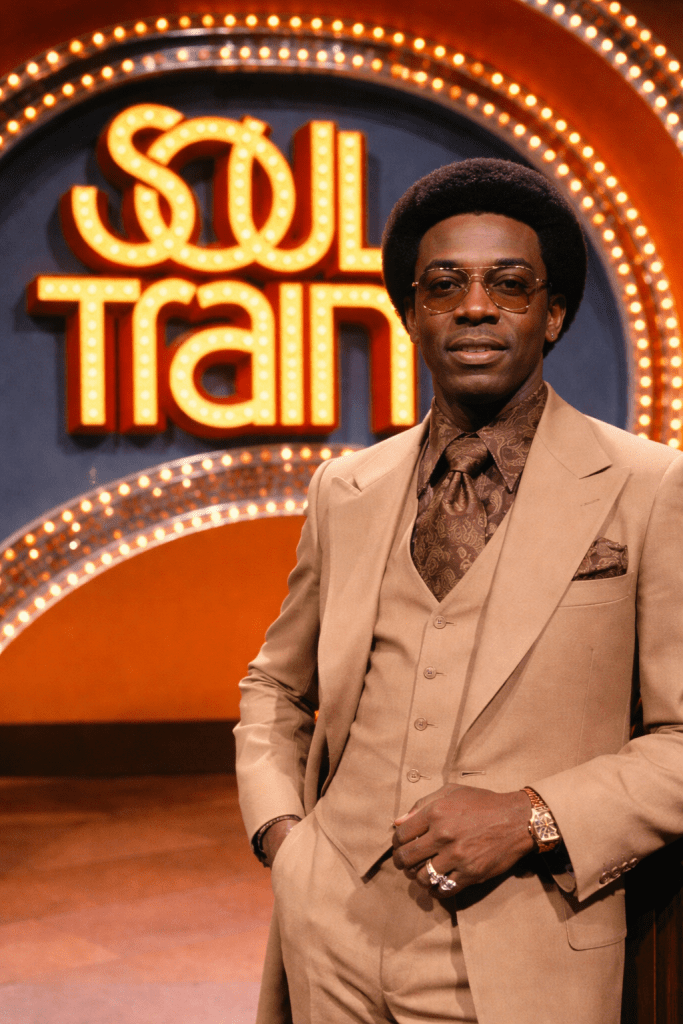
When Soul Train first aired in 1971, it was more than a television program—it was a cultural declaration. Branded “the hippest trip in America,” the show became a weekly sanctuary where Black music, fashion, and joy were broadcast unapologetically into millions of homes. At a time when mainstream television offered limited and often distorted portrayals of African Americans, Soul Train centered Black artistry with elegance, style, and pride.

The visionary behind the show was Don Cornelius, a former Chicago police officer and radio DJ whose deep baritone voice and calm authority became synonymous with the program. Born on September 27, 1936, in Chicago, Illinois, Cornelius developed an early love for broadcasting. After working in insurance sales and law enforcement, he transitioned into radio at WVON, a prominent Black-oriented station in Chicago.

In 1970, Cornelius created a local dance program on Chicago’s WCIU-TV featuring live performances and dancing teens. Its immediate success demonstrated a demand for authentic Black entertainment. With ambition and business acumen, Cornelius syndicated the show nationally in 1971, launching Soul Train into living rooms across America.

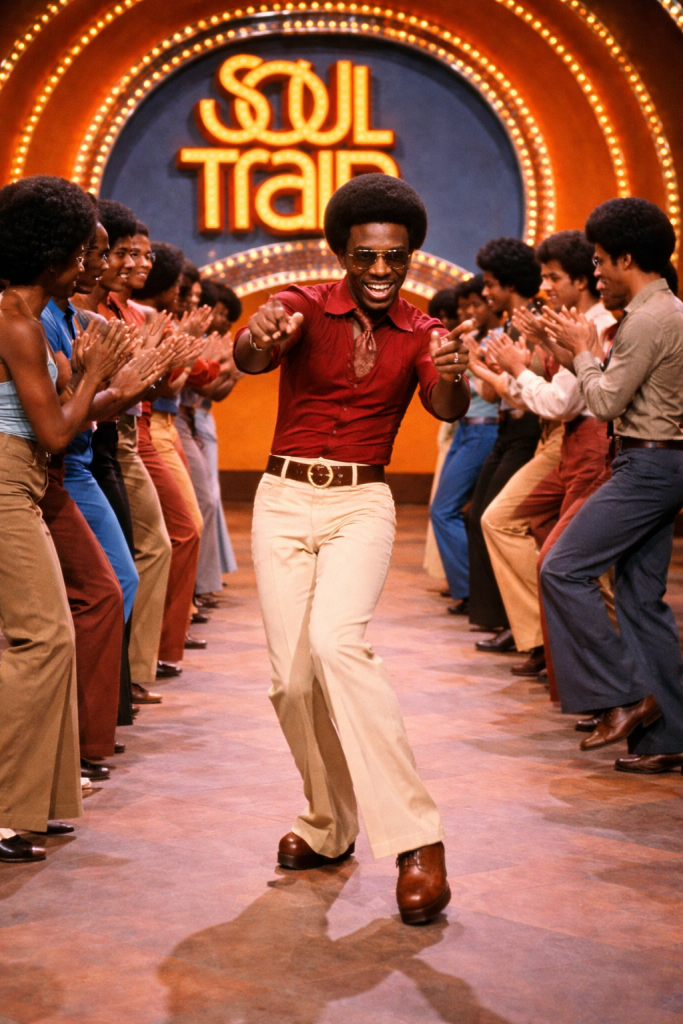
The show’s format was revolutionary. It featured live performances from emerging and established R&B, soul, and later funk and disco artists, alongside high-energy dancers whose style influenced fashion and street culture. The famed “Soul Train Line,” where dancers formed two rows and showcased individual flair, became an iconic symbol of self-expression.

Throughout the 1970s and 1980s, Soul Train hosted legendary performers including Aretha Franklin, Stevie Wonder, James Brown, The Jackson 5, and Whitney Houston. For many artists, appearing on Soul Train was a rite of passage and a gateway to broader audiences.

Cornelius maintained strict control over his production. He insisted on Black ownership at a time when few African Americans controlled nationally syndicated programs. His business model was groundbreaking, ensuring that the cultural capital generated by Black creativity benefited Black entrepreneurs.

In 1987, Cornelius expanded the brand by creating the Soul Train Music Awards, which celebrated achievements in R&B, soul, gospel, and later hip-hop. The awards show provided recognition for artists often overlooked by mainstream institutions like the Grammys.

Don Cornelius’s personal life, however, was complex. He was married twice and had two sons, Anthony and Raymond. Despite his professional success, he faced personal struggles, including depression and legal issues stemming from domestic disputes in the late 2000s.

On February 1, 2012, Cornelius died in Los Angeles from a self-inflicted gunshot wound. His death was ruled a suicide. The loss stunned the entertainment world, prompting tributes that underscored his immense cultural impact. He was 75 years old.

Cornelius’s signature closing phrase—“And as always in parting, we wish you love, peace, and soul”—became etched into American memory. His voice carried authority, smoothness, and dignity, reinforcing the show’s ethos of unity and cultural pride.

The theme song “Soul Train (Hot Potato),” performed by King Curtis in the early years, helped define the show’s sonic identity. Later, the most recognized theme, “TSOP (The Sound of Philadelphia),” performed by MFSB featuring The Three Degrees, became a number-one hit in 1974 and cemented the show’s musical legacy.

The program also served as a launching pad for artists who would later dominate popular culture. The exposure provided by Soul Train often translated into record sales, touring opportunities, and mainstream visibility. It helped integrate Black musical innovation into the broader American soundtrack.

Beyond music, the show influenced fashion trends. Afros, bell-bottoms, platform shoes, sequins, and bold prints became staples of 1970s style, broadcast weekly to a national audience. The dancers were not merely background performers; they were cultural ambassadors.

In 1993, Cornelius stepped down as host, though the show continued with guest hosts until its final episode in 2006. By then, it had aired for 35 years, making it one of the longest-running first-run syndicated programs in American television history.

The legacy of Soul Train extended into film and documentary. In 2021, Summer of Soul and other retrospectives reignited conversations about Black music archives and cultural preservation, though specifically in 2022, the series American Soul dramatized the creation of Soul Train, portraying Cornelius’s rise and personal struggles.

Official Hosts of Soul Train

Don Cornelius (1971–1993)
Creator and original host. His deep baritone voice, calm delivery, and signature closing line defined the show for over two decades.

Guest Host Era (1993–1997)
After Cornelius stepped down in 1993, the show used rotating celebrity guest hosts for several seasons rather than appointing a permanent replacement immediately.

Mystro Clark (1997–2000)
The first permanent host after Cornelius. He brought a youthful, late-90s R&B/hip-hop energy to the show.

Shemar Moore (2000–2003)
Yes — Shemar Moore was one of the official hosts. Before becoming widely known for acting roles on The Young and the Restless and later Criminal Minds, he hosted Soul Train during its early 2000s era. His charisma, physique, and charm appealed to a new generation of viewers and added a modern flavor to the brand.

Dorian Gregory (2003–2006)
The final permanent host before the show ended in 2006. Gregory carried the program through its concluding seasons.

The influence of Soul Train can be traced in later music television programs, including 106 & Park and other platforms that center Black youth culture. Its DNA is embedded in award shows, dance competitions, and music video aesthetics.

In 2012, Cornelius was posthumously honored with tributes at the BET Awards, affirming his foundational role in shaping Black entertainment media. Industry leaders credited him with building an institution that validated generations of artists.

Academically, Soul Train is often examined as a site of cultural resistance and representation. Scholars argue that it countered dominant narratives by showcasing Black excellence, entrepreneurship, and aesthetic innovation during the post–Civil Rights era.

The program also functioned as a historical archive. Episodes now serve as visual documentation of evolving Black style, choreography, and musical trends from soul and funk to early hip-hop. It captured cultural shifts in real time.

Today, Soul Train remains a symbol of unapologetic Black joy. Don Cornelius’s vision transformed a local dance show into a global brand that honored the rhythm of a people. His life story—marked by ambition, struggle, triumph, and tragedy—reflects both the promise and pressure of pioneering success.

“Soul Train” was never just a show; it was a movement. And as Cornelius always reminded viewers, its journey was guided by love, peace, and soul.


References

George, N. (1988). The Death of Rhythm and Blues. Pantheon Books.

Guerrero, E. (1993). Framing Blackness: The African American Image in Film. Temple University Press.

Harris, M. (2014). “Soul Train and the Construction of Black Cool.” Journal of Popular Culture, 47(3), 567–585.

Jet Magazine Archives (1971–2012). Johnson Publishing Company.

Robinson, E. (2012). Don Cornelius, ‘Soul Train’ Creator, Dies at 75. Los Angeles Times.

Smithsonian National Museum of African American History and Culture. (n.d.). Soul Train Collection Archives.

Cultural Appropriation vs. Appreciation: Hair, Fashion, and Music.

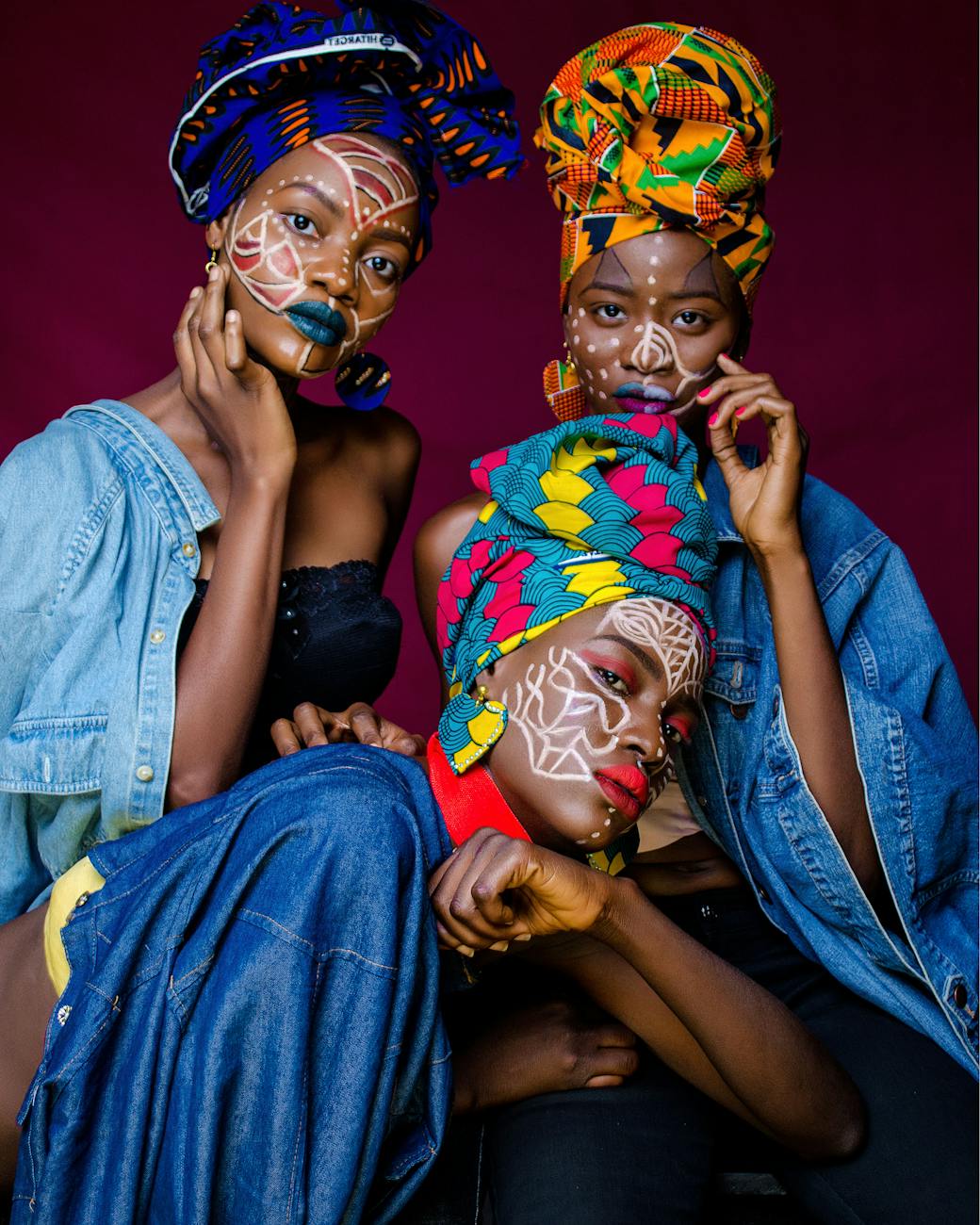
Photo by Bestbe Models on Pexels.com

Cultural appropriation and appreciation are concepts that often generate debate, particularly in creative industries such as hair, fashion, and music. While cultural appreciation involves learning from, respecting, and honoring another culture, cultural appropriation occurs when elements of a marginalized culture are adopted superficially, stripped of context, or used for profit without acknowledgment. For Black communities, whose cultural contributions have historically been exploited, understanding this distinction is essential in preserving heritage, identity, and agency.

In the realm of hair, cultural appropriation has frequently manifested through the adoption of traditionally Black hairstyles—braids, dreadlocks, cornrows—by non-Black individuals without acknowledgment of the historical and social significance. These hairstyles, long stigmatized in professional and educational settings for Black individuals, are often celebrated or commodified when worn by others (Thompson, 2019). Cultural appreciation, by contrast, involves learning the history, giving credit to Black culture, and respecting the lived experiences associated with these styles.

Fashion is another domain where the lines between appropriation and appreciation are frequently blurred. Designers and brands often adopt African-inspired patterns, textiles, and traditional garments without consultation or credit to the originating communities. When cultural symbols are used solely for aesthetic or commercial gain, it constitutes appropriation; when designers collaborate with local artisans, highlight the cultural context, and share profits fairly, it reflects appreciation (Rogers, 2006). This distinction emphasizes the importance of agency and acknowledgment in cultural exchange.

Music has similarly been affected by appropriation. Black musical forms such as jazz, hip-hop, R&B, and rap have been historically adopted and commercialized by non-Black artists, sometimes erasing the contributions of the originators. Cultural appreciation, on the other hand, involves studying the roots of the genre, respecting its historical context, and supporting artists within the community (Floyd, 1995). Misappropriation in music often leads to economic exploitation and diminished recognition for Black creators.

Cultural Appropriation vs. Appreciation: Quick Guide

1. Hair

ActionAppropriationAppreciation
Wearing cornrows, dreadlocks, or bantu knotsWearing styles without understanding history; dismissing the struggles Black people face for wearing natural hairLearning about the hairstyle’s cultural roots; crediting Black originators; supporting Black-owned salons
Using productsUsing Black hair products solely for trend/fashionSupporting Black-owned hair brands and educating yourself about hair care traditions

2. Fashion

ActionAppropriationAppreciation
African prints, dashikis, or traditional garmentsWearing garments purely for aesthetics; ignoring cultural significanceCollaborating with artisans; crediting communities; giving fair compensation
Jewelry and accessoriesUsing sacred symbols as casual fashionLearning the meaning and symbolism before wearing; respecting cultural context

3. Music

ActionAppropriationAppreciation
Sampling or performing genres like hip-hop, jazz, or R&BExploiting without credit; profiting while originators remain unrecognizedStudying genre history; crediting Black artists; supporting the community financially
Performance styleAdopting cultural expressions superficiallyEngaging with the culture authentically; understanding context; collaboration with originators

4. Key Principles to Avoid Appropriation

  • Educate Yourself: Learn the history and significance of cultural elements.
  • Give Credit: Always acknowledge the originators or communities.
  • Fair Compensation: Support artists, designers, or creators financially.
  • Respect Sacred Elements: Avoid trivializing spiritual or sacred cultural items.
  • Intent Matters: Ask if your action honors or exploits the culture.

5. Spiritual Reminder

“Thou shalt not oppress a stranger: for ye know the heart of a stranger, seeing ye were strangers in the land of Egypt” (Exodus 23:9, KJV).

  • Treat all cultures with empathy, respect, and ethical consideration.

The psychological effects of cultural appropriation are significant. When elements of a marginalized culture are commodified or misrepresented, it can reinforce feelings of marginalization, invisibility, and frustration among community members. For Black women, hair appropriation is particularly impactful, as hair is intimately connected to identity, beauty, and self-expression (Thompson, 2019). The contrast between stigmatization of Black hair in professional settings and its commodification elsewhere creates cognitive dissonance and emotional stress.

Legally and commercially, the distinction between appropriation and appreciation also affects intellectual property and compensation. While cultural elements often lack copyright protection, ethical standards dictate that originating communities receive recognition and financial benefit when their cultural artifacts are utilized commercially. This principle applies to fashion collaborations, music sampling, and hairstyle commercialization.

Historically, cultural appropriation has roots in colonialism, slavery, and systemic exploitation. Dominant groups have often taken cultural elements from marginalized populations while simultaneously denying those populations agency and economic benefit. Recognizing this history is essential for distinguishing between respectful cultural exchange and harmful appropriation.

Promoting cultural appreciation involves education, respect, and intentionality. Key strategies include learning about the origins of cultural elements, acknowledging creators publicly, providing fair compensation, and engaging in dialogue with communities about proper representation. These steps help prevent exploitation and foster cross-cultural understanding.

The Bible provides principles that align with cultural respect and appreciation: “Thou shalt not oppress a stranger: for ye know the heart of a stranger, seeing ye were strangers in the land of Egypt” (Exodus 23:9, KJV). This verse emphasizes empathy, respect, and ethical treatment of others, which can be applied to cultural exchange and the avoidance of appropriation.

In conclusion, differentiating cultural appropriation from appreciation is critical in hair, fashion, and music. Appreciation involves acknowledgment, respect, and fair benefit for originators, while appropriation exploits cultural elements for profit or aesthetics without context. By educating oneself, respecting historical significance, and fostering ethical collaboration, individuals and institutions can honor marginalized cultures and contribute to equitable representation.


References

  • Floyd, S. A. (1995). The Power of Black Music: Interpreting Its History from Africa to the United States. Oxford University Press.
  • Rogers, R. A. (2006). From cultural exchange to transculturation: A review and reconceptualization of cultural appropriation. Communication Theory, 16(4), 474–503.
  • Thompson, C. (2019). Black Hair: Art, Style, and Culture. Bloomsbury Academic.
  • The Holy Bible, King James Version.

Black Music Artist of the Month

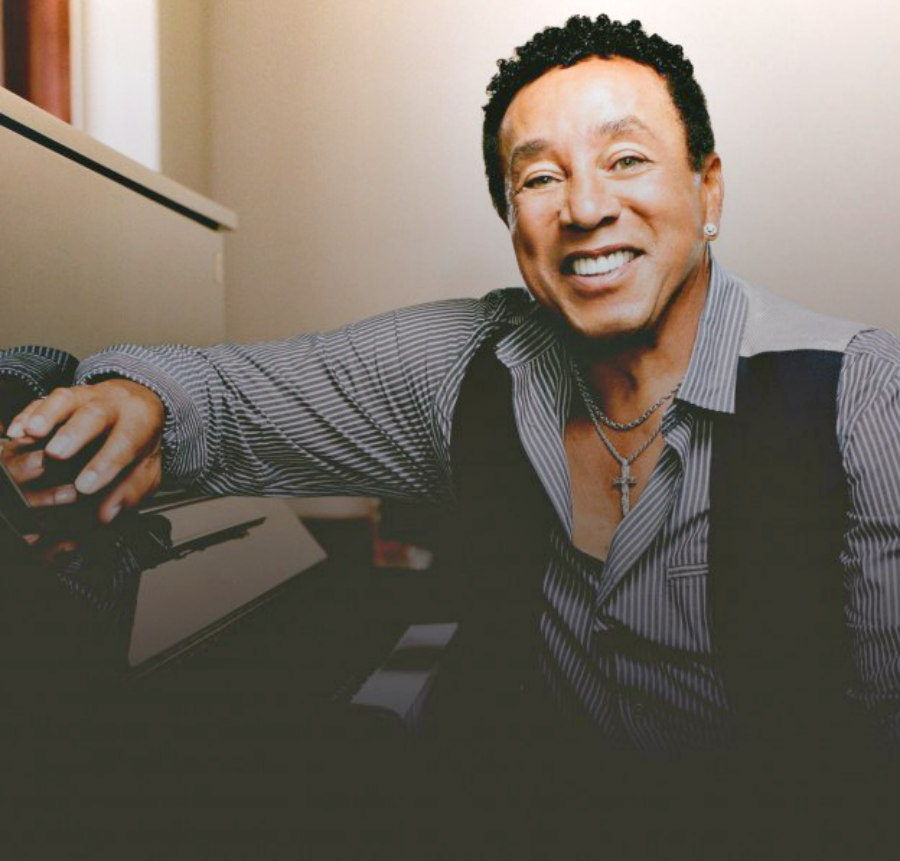
This photograph is the property of its respective owner. No copyright infringement is intended.

A lot can be said about the genius of Smokey Robinson — the green-eyed bandit, Motown’s poetic heart, singer, songwriter, producer, executive, cultural architect. Here’s a biographical sketch of his life, career, history and awards.


William “Smokey” Robinson Jr. was born on February 19, 1940, in Detroit, Michigan. From an early age, he was immersed in music — gospel, doo-wop, jazz — all of which shaped a sensibility that would become central to the Motown sound. While still in high school, he formed a vocal group that evolved into The Miracles, which became Berry Gordy’s first major act and one of the foundational groups of Motown Records.

With The Miracles, Smokey composed, produced and led a string of classic hits: “Shop Around” (Motown’s first R&B #1 and first million-selling hit), “You’ve Really Got a Hold on Me”, “Ooo Baby Baby”, “The Tracks of My Tears”, “Going to a Go-Go”, “More Love”, “Tears of a Clown” (co-written with Stevie Wonder), “I Second That Emotion”, among others. These songs combined lyrical depth, emotional subtlety, and hooks that have lasted generations.

In 1972, Smokey left The Miracles to embark on a solo career. His solo work continued to produce major hits such as “Cruisin’”, “Being With You”, and “Just to See Her”. His album A Quiet Storm (1975) became so influential that its title spawned a whole radio format (“quiet storm”) devoted to smooth, romantic soul — a testament to his creativity and impact.

Beyond performing, Smokey played major behind-the-scenes roles. He served as vice president of Motown Records, was a talent scout, writer and producer not only for The Miracles but for many Motown artists — Mary Wells, Marvin Gaye, The Temptations, Brenda Holloway and more. His pen and ear helped craft some of the most enduring songs in American popular music.

His awards and honors are numerous. He was inducted into the Rock & Roll Hall of Fame in 1987 and into the Songwriters Hall of Fame soon after. He received the National Medal of Arts, Kennedy Center Honors, the Gershwin Prize for Popular Song, an honorary doctorate from Howard University, and many lifetime achievement awards. His song “Just to See Her” won him his first Grammy Award (Best Male R&B Vocal Performance) in 1988. He has been given accolades for both his solo work and his contributions with The Miracles.

Smokey Robinson remains rightly celebrated for his lush high tenor voice, his ability to capture both joy and sadness in melody and lyric, and for helping to build a musical legacy that transformed Black music and American popular culture. He is often called “Mr. Motown” — not to diminish the dozens of talents involved, but to recognize his singular role in creating, shaping, and maintaining that legacy.


References

Soul Music: The Heartbeat of Black America. #SoulMusicWorld

https://www.facebook.com/soulmusicworldofficial

Soul music is more than a genre; it is the emotional and spiritual expression of the African-American experience. Emerging in the mid-20th century, soul combines the fervor of gospel, the rhythm of R&B, and the storytelling of blues, creating a sound that conveys both pain and triumph. Its essence lies in the ability to express deep human emotion through melody, harmony, and lyrical honesty.

The roots of soul music can be traced to the African-American church. Gospel music provided the foundation for vocal techniques, call-and-response patterns, and emotional intensity. Artists grew up singing in church choirs, learning how to convey passion, hope, and suffering through their voices. This spiritual lineage gave soul its signature depth and resonance.

Early pioneers of soul music include Sam Cooke, often called the “King of Soul,” whose smooth voice bridged gospel and popular music. Cooke’s music carried the fervor of church singing while appealing to secular audiences. His song “A Change Is Gonna Come” became an anthem for the Civil Rights Movement, illustrating soul’s role in both entertainment and social commentary.

Otis Redding, another seminal figure, exemplified raw emotional delivery. Born in 1941 in Georgia, Redding’s music communicated longing, heartache, and desire with unparalleled authenticity. His song “Try a Little Tenderness” demonstrates the gospel-infused emotive singing that defined soul music’s golden era.

Aretha Franklin, often called the “Queen of Soul,” brought unmatched power and nuance to the genre. Her background as a preacher’s daughter in Detroit steeped her in gospel traditions, which she fused with secular themes. Franklin’s music, including hits like “Respect,” resonated not only with the African-American community but also with the wider society, asserting dignity and empowerment.

Soul music is deeply intertwined with R&B, yet it distinguishes itself by its gospel-rooted intensity and emotional authenticity. While R&B often emphasizes rhythm, dance, and melodic hooks, soul prioritizes storytelling and emotional resonance. Jeffrey Osborne, Diana Ross, and James Ingram represent artists who successfully blended elements of soul and R&B, bringing emotional depth to mainstream pop audiences.

Jeffrey Osborne’s career, starting with the band L.T.D., showcases smooth vocal delivery and emotional lyricism that bridges R&B and soul. Diana Ross, emerging from The Supremes, carried Motown’s soul-influenced pop sound to international fame, using her voice to convey both vulnerability and strength. James Ingram’s ballads further illustrate the crossover potential between R&B and soul, retaining gospel-influenced phrasing.

The connection between soul and gospel is profound. Gospel’s call-and-response structure, melismatic singing, and improvisational phrasing became the backbone of soul. Unlike gospel, which often centers explicitly on God, soul frequently addresses love, heartbreak, and social issues, though the emotional intensity remains consistent.

Soul music arose during a period of systemic racism and oppression. Artists experienced segregation, limited access to venues, and exploitative contracts. Sam Cooke, Otis Redding, and Aretha Franklin navigated these barriers while asserting cultural pride through their music. Despite these challenges, soul became a medium of resistance, empowerment, and storytelling for the Black community.

The term “Blue-Eyed Soul” refers to white artists performing soul-influenced music. Examples include Michael McDonald, Hall & Oates, and Dusty Springfield. While talented, blue-eyed soul singers often lacked the lived experience of systemic oppression that informs Black soul music, which can imbue performance with layers of pain, resilience, and cultural memory that are difficult to replicate.

Soul music’s influence extends to contemporary R&B, hip-hop, and pop. Its rhythmic patterns, vocal techniques, and emotional storytelling have been foundational for modern music. Artists continue to draw inspiration from soul pioneers while incorporating new technology and stylistic trends.

Sam Cooke’s music exemplified the tension between secular success and gospel roots. Raised singing gospel, Cooke transitioned to secular music, facing criticism from religious communities while achieving broader appeal. His artistry illustrates the fine line many soul artists walked between sacred and secular music.

Otis Redding’s career was tragically cut short in a plane crash in 1967, yet his legacy endures through his recordings and influence on future artists. His music reflects both vulnerability and strength, hallmarks of soul’s capacity to communicate complex human emotion.

Aretha Franklin’s performances were often described as cathartic. Audiences, particularly African-American listeners, identified with her music on a spiritual and cultural level. Songs like “Chain of Fools” highlight both personal and collective struggle.

Motown Records, founded by Berry Gordy in 1959, provided a platform for soul artists to reach national and global audiences. The label carefully crafted crossover appeal while maintaining authentic soul influences, elevating artists such as Diana Ross, Marvin Gaye, and Stevie Wonder.

Jeffrey Osborne’s solo career highlighted the fusion of R&B smoothness with gospel-rooted vocal technique. His ballads carry soul’s emotional depth while appealing to mainstream audiences, reflecting the genre’s flexibility and reach.

James Ingram’s collaborations with Quincy Jones and other producers exemplify soul’s integration into pop and R&B production, creating sophisticated arrangements while retaining expressive vocal performance.

Soul music was also a vehicle for civil rights messaging. Artists subtly and overtly addressed racial injustice, encouraging social consciousness. The emotional intensity of their performances amplified their messages, making music both a cultural and political instrument.

Blue-eyed soul singers often achieved mainstream radio play more easily than Black artists due to racial bias in the music industry, highlighting systemic inequities. While musically skilled, these singers benefited from societal structures that historically disadvantaged Black musicians.

The improvisational aspects of soul music reflect its gospel lineage. Artists frequently embellish melodies, elongate notes, and use vocal inflections to convey emotion. This improvisation requires both technical skill and emotional authenticity.

R&B and soul share harmonic structures and rhythmic patterns, yet soul’s emphasis on raw vocal expression distinguishes it. This distinction is evident in Otis Redding’s impassioned delivery compared with R&B’s more restrained smoothness.

Diana Ross’s transition from Motown group performances to solo work demonstrates soul’s adaptability. Her music retained emotional expression while embracing pop sensibilities, expanding the genre’s audience.

The legacy of soul artists like Aretha Franklin and Sam Cooke is enduring. Contemporary artists, including Beyoncé, John Legend, and Alicia Keys, continue to draw from their influence, blending gospel-rooted technique with modern R&B, hip-hop, and pop.

ArtistGospel Roots / Early InfluenceSoul / R&B Career HighlightsSocial / Cultural ActivismNotes / Legacy
Sam CookeSang in gospel choir with the Soul StirrersHits: A Change Is Gonna Come, You Send MeCivil Rights advocacy, anthem for equalityBridge between gospel and secular soul; martyr of artistry (assassinated 1964)
Otis ReddingChurch choir singing in GeorgiaHits: Try a Little Tenderness, Respect (covered by Aretha)Represented African-American emotional expression during segregationKnown for raw emotional delivery; influenced rock and soul artists globally
Aretha FranklinPreacher’s daughter; gospel backgroundHits: Respect, Chain of Fools, ThinkCivil Rights supporter; symbol of Black female empowerment“Queen of Soul”; gospel-infused vocal style became standard in soul music
Diana RossGospel and church influence in DetroitThe Supremes hits: Baby Love, Solo hits: Ain’t No Mountain High EnoughBroke racial barriers in pop and Motown musicBlended soul with pop; expanded soul’s commercial reach internationally
James IngramChurch choir and family gospel influenceHits: Baby, Come to Me, I Don’t Have the HeartAdvocate for music education and mentorship programsSmooth soul/R&B integration; Grammy-winning collaborations
Jeffrey OsborneChurch and local gospel choirsHits: On the Wings of Love, You Should Be LovedAdvocate for African-American musical heritageVocal style bridges R&B and soul; emotional depth linked to gospel technique
Marvin GayeFather was a minister; gospel singingHits: What’s Going On, Let’s Get It OnVoice of social change; addressed racism, war, and povertySoul and R&B fusion with socially conscious lyrics
Ray CharlesChurch choirs, gospel influencePioneer of soul/R&B crossoverAdvocated for racial equality through music and performanceCreated the blueprint for secularizing gospel while retaining emotional intensity
Hall & OatesMinimal gospel influence (white artists)Hits: Sara Smile, Rich GirlLimited social activismExample of “blue-eyed soul”; popularized soul stylings in mainstream pop for white audiences
Dusty SpringfieldLimited direct gospel exposureHits: Son of a Preacher Man, You Don’t Have to Say You Love MeSupported Black music and civil rights causesExample of blue-eyed soul; acknowledged influence of African-American music

Insights from the Chart

  • Gospel roots are central for Black soul artists; they provide vocal technique, improvisation, and emotional intensity.
  • Soul artists often addressed social injustice, civil rights, and community uplift, giving the music a dual function: artistic and activist.
  • “Blue-eyed soul” artists can emulate sound but lack the lived experience of oppression, making their music stylistically similar but culturally distinct.
  • Many soul artists successfully bridged the gap between gospel, R&B, and pop, expanding the genre’s reach while preserving authenticity.

Racism in the industry affected recording contracts, touring opportunities, and media representation. Black soul artists often faced exploitation while white artists performing soul-influenced music were given preferential treatment, illustrating systemic inequities that continue to have echoes today.

Soul music remains a testimony to resilience, creativity, and cultural pride. Its emotional intensity, spiritual foundation, and storytelling capacity make it a uniquely African-American art form with universal resonance.

In conclusion, soul music reflects the Black experience: rooted in gospel, shaped by adversity, and transmitted through the voices of extraordinary artists. It communicates joy, pain, hope, and resistance, continuing to inspire generations while preserving the spiritual and cultural heritage of African Americans.


References

  • Ben-Jochannan, Y. A. A. (1974). Africa: Mother of Western Civilization. Alkebu-Lan Books.
  • Cross, W. E. (1991). Shades of Black: Diversity in African-American Identity. Temple University Press.
  • DeGruy, J. (2005). Post Traumatic Slave Syndrome: America’s Legacy of Enduring Injury and Healing. Joy DeGruy Publications.
  • Guralnick, P. (1986). Sweet Soul Music: Rhythm and Blues and the Southern Dream of Freedom. Little, Brown & Co.
  • Vincent, R. (1996). Funk: The Music, The People, and The Rhythm of The One. St. Martin’s Press.
  • The Holy Bible, King James Version.
  • AllMusic. (2025). Soul Music Overview. https://www.allmusic.com
  • Rolling Stone. (2021). The Greatest Soul Artists of All Time.