
Category Archives: Health/Disease/Illnesses

Why Are Americans So Overweight?

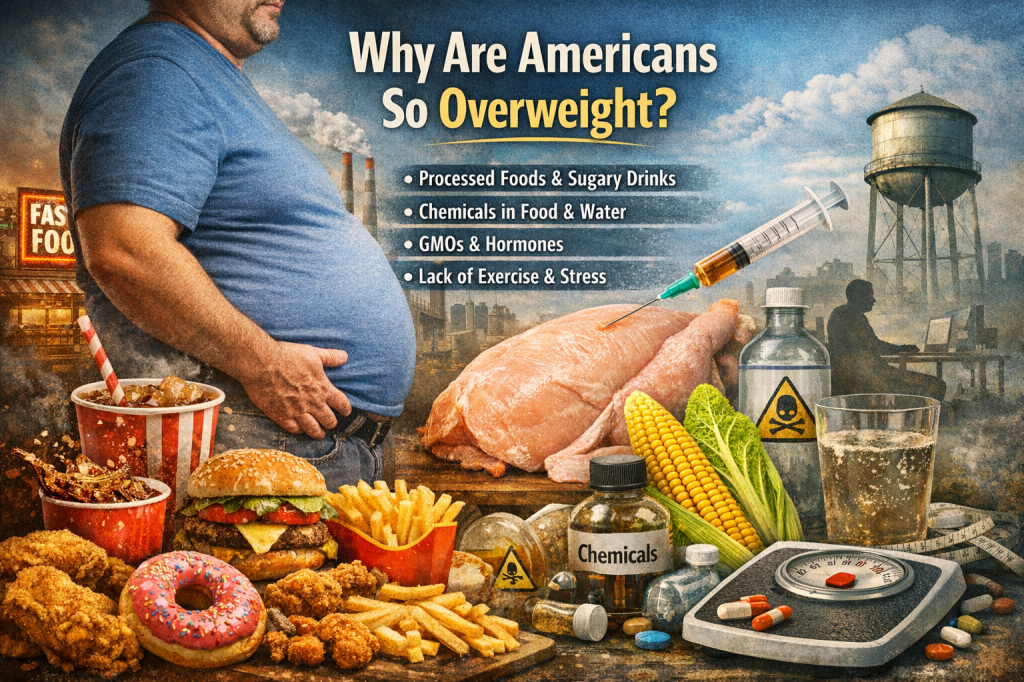
The United States stands among the nations most affected by the global obesity epidemic. According to the Centers for Disease Control and Prevention, more than 40% of American adults are classified as obese, with even higher percentages considered overweight. These figures represent a dramatic increase over the past five decades and correlate with rising rates of type 2 diabetes, cardiovascular disease, hypertension, and certain cancers. Obesity is no longer a marginal issue; it is a defining public health crisis of the modern American era.

A primary driver of excess weight in the United States is the dominance of ultra-processed foods in the national diet. Researchers at institutions such as the National Institutes of Health have demonstrated that diets high in ultra-processed foods lead to greater caloric intake and measurable weight gain compared to whole-food diets, even when macronutrients are matched. These foods are engineered for hyper-palatability, long shelf life, and convenience, often at the expense of nutritional integrity.

Ultra-processed foods typically contain high levels of added sugars, refined carbohydrates, industrial seed oils, and sodium. Ingredients such as high-fructose corn syrup, hydrogenated oils, artificial flavor enhancers, and synthetic preservatives increase calorie density while reducing satiety. Excess sugar consumption, particularly in beverages, has been strongly linked to insulin resistance and fat accumulation.

A growing body of scientific evidence links diets high in ultra-processed foods, added sugars, processed meats, and chemical additives to an increased risk of cancer and other chronic illnesses. The World Health Organization, through its cancer research arm the International Agency for Research on Cancer, has classified processed meats as Group 1 carcinogens, meaning there is sufficient evidence that they cause colorectal cancer in humans. Additionally, high consumption of ultra-processed foods has been associated with increased risks of cardiovascular disease, type 2 diabetes, and certain cancers due to factors such as chronic inflammation, insulin resistance, oxidative stress, and exposure to food additives and contaminants formed during high-heat processing. Diets rich in refined sugars and unhealthy fats further contribute to metabolic dysfunction, obesity, and nonalcoholic fatty liver disease, all of which elevate long-term disease risk. These findings underscore the importance of prioritizing whole, minimally processed foods to reduce the burden of diet-related illness.

Beyond macronutrients, the modern American food supply contains numerous additives and chemical agents that may influence metabolic processes. Certain emulsifiers, artificial sweeteners, and preservatives have been studied for their potential impact on gut microbiota and metabolic regulation. Disruption of gut flora has been associated with inflammation and weight gain, suggesting that food chemistry may indirectly contribute to obesity risk.

Another controversial but frequently discussed topic is genetically modified organisms (GMOs). While leading scientific bodies, including the National Academy of Sciences, conclude that GMOs currently approved for consumption are not directly linked to obesity or chronic disease, concerns persist among consumers regarding pesticide residues and the broader industrial agricultural model. The issue may be less about genetic modification itself and more about the industrial processing of foods derived from such crops.

Hormones in meat production are often cited in discussions about weight gain. It is important to clarify that the use of added hormones is prohibited in U.S. poultry production, as regulated by the U.S. Department of Agriculture. However, hormones are permitted in some cattle production. While no definitive evidence links dietary hormones in approved quantities to obesity, the perception reflects broader mistrust of industrial food systems.

Chemical exposure is not limited to food alone. Drinking water contamination has become a growing concern. Substances such as PFAS (per- and polyfluoroalkyl substances), sometimes referred to as “forever chemicals,” have been detected in water supplies across the country. The Environmental Protection Agency has acknowledged links between certain PFAS exposures and metabolic disorders, thyroid dysfunction, and hormonal disruption. Although research is ongoing, endocrine-disrupting chemicals in water may influence fat storage and metabolic balance.

Bisphenol A (BPA), phthalates, and other plastic-associated chemicals can leach into both food and water from packaging and containers. These compounds are classified as endocrine disruptors because they mimic or interfere with hormonal signaling. Hormonal dysregulation affects appetite, fat storage, and insulin sensitivity, potentially contributing to weight gain over time.

Lifestyle patterns further compound the issue. Americans consume larger portion sizes than most nations and eat outside the home more frequently. Restaurant meals and fast food portions often exceed daily caloric needs in a single sitting. Combined with sedentary occupations and car-dependent infrastructure, caloric intake often surpasses energy expenditure.

Globally, the most obese countries include small Pacific Island nations such as Nauru and Tonga, where obesity rates exceed 60–70%. The United States ranks among the highest of large industrialized nations. In contrast, countries such as Japan and Vietnam report adult obesity rates below 5%.

Many Americans question why countries like France appear to maintain relatively lower obesity rates despite consuming bread, pastries, and desserts. The so-called “French paradox” highlights differences in eating culture rather than specific foods. French meals tend to emphasize portion control, slower eating, fewer snacks, and fresh ingredients rather than highly processed packaged products.

Similarly, traditional diets in China historically centered on vegetables, rice, legumes, and modest portions of meat. While modern China is experiencing rising obesity due to Western dietary influence, traditional dietary patterns involved high fiber intake and minimal processed sugar.

Food deserts and socioeconomic disparities also contribute significantly. In many American urban and rural areas, fresh produce is less accessible than convenience stores stocked with packaged snacks. Lower-income communities often face limited access to affordable, nutrient-dense food options, reinforcing unhealthy dietary cycles.

Marketing practices intensify the issue. Ultra-processed foods are heavily advertised, especially to children. Bright packaging, cartoon branding, and digital marketing campaigns normalize excessive sugar and snack consumption from an early age, shaping lifelong habits.

Sleep deprivation and chronic stress also affect metabolic health. Elevated cortisol levels are associated with increased abdominal fat storage and cravings for high-calorie foods. In a fast-paced, high-stress society, these physiological responses amplify dietary risks.

Physical inactivity is another structural factor. Unlike many European and Asian countries where walking, biking, and public transit are common, American infrastructure often requires automobile travel. Reduced daily movement contributes to energy imbalance over time.

The solution to American obesity must be multifaceted. Individual behavior change—such as cooking whole foods, reducing processed sugar intake, filtering drinking water when necessary, and increasing physical activity—is essential. However, systemic change is equally critical.

Policy interventions may include regulating harmful additives, improving water quality standards, limiting marketing of unhealthy foods to children, and incentivizing access to fresh produce. Public health campaigns must emphasize food literacy, label awareness, and long-term lifestyle change rather than short-term dieting.

Culturally, a shift toward mindful eating, smaller portions, and valuing food quality over quantity may help reshape national norms. Observing dietary patterns in countries with lower obesity rates suggests that eating rituals, moderation, and whole-food traditions play a powerful role in weight stability.

Ultimately, Americans are not overweight because of a single ingredient or habit. The crisis reflects an intricate interaction of industrial food production, chemical exposures in food and water, environmental design, socioeconomic disparities, stress, and lifestyle patterns. Addressing obesity requires both personal accountability and structural reform aimed at restoring balance to the modern American diet and environment.


References

Centers for Disease Control and Prevention. (2023). Adult obesity facts.
Environmental Protection Agency. (2023). PFAS and human health effects.
Hall, K. D., et al. (2019). Ultra-processed diets cause excess calorie intake and weight gain: An inpatient randomized controlled trial. Cell Metabolism, 30(1), 67–77.
National Academy of Sciences. (2016). Genetically Engineered Crops: Experiences and Prospects.
National Institutes of Health. (2022). Ultra-processed foods and obesity research updates.
U.S. Department of Agriculture. (2023). Hormones in meat and poultry.
World Health Organization. (2023). Obesity and overweight global statistics.

International Agency for Research on Cancer. (2015). IARC Monographs evaluate consumption of red meat and processed meat. World Health Organization.
Dementria: Understanding Dementria, Alzheimer’s Disease, and the Pathways to Brain Healing.

Dementia is a broad clinical term used to describe a decline in cognitive functioning severe enough to interfere with daily life. It is not a single disease but a syndrome composed of multiple symptoms affecting memory, reasoning, communication, and behavior. In everyday conversation, the word is often used interchangeably with Alzheimer’s disease, but medically, they are not identical. Dementia is the overall category; Alzheimer’s is the most common cause within that category.

Dementia develops when brain cells are damaged and can no longer communicate effectively with one another. The areas affected influence how a person thinks, behaves, and remembers. For many families, the slow and steady unraveling of memory is one of the most painful aspects of this condition, as loved ones shift into altered versions of themselves.

Alzheimer’s disease is a progressive neurodegenerative disorder and accounts for approximately 60–80% of dementia cases. In Alzheimer’s, abnormal protein deposits—beta-amyloid plaques and tau tangles—build up around and inside brain cells. Over time, these deposits disrupt neural pathways, eventually causing cell death and significant brain shrinkage.

The brain involvement in Alzheimer’s is both structural and functional. The hippocampus, responsible for forming new memories, is often one of the first regions affected. As the disease progresses, the damage spreads into the cerebral cortex, influencing language, reasoning, sensory processing, and the ability to perform daily tasks. This widespread degeneration is why symptoms intensify over time.

Healthy Foods for Brain Support

Leafy Green Vegetables

  • Spinach
  • Kale
  • Collard greens
  • Swiss chard
  • Arugula
    Rich in folate, vitamin K, lutein, and antioxidants—linked to slower cognitive decline.

Berries

  • Blueberries
  • Strawberries
  • Blackberries
  • Raspberries
    Contain anthocyanins that help fight memory decline and protect neurons from oxidative stress.

Fatty Fish

  • Salmon
  • Sardines
  • Mackerel
  • Trout
    High in omega-3 fatty acids (DHA + EPA), essential for brain cell structure and communication.

Nuts & Seeds

  • Walnuts
  • Almonds
  • Brazil nuts
  • Flaxseeds
  • Chia seeds
    Contain healthy fats, vitamin E, selenium, and antioxidants—important for memory and nerve function.

Healthy Oils

  • Extra virgin olive oil
  • Avocado oil
  • Flaxseed oil
    Mediterranean-style oils reduce inflammation and support vascular brain health.

Cruciferous Vegetables

  • Broccoli
  • Cabbage
  • Brussels sprouts
  • Cauliflower
    contains sulforaphane, which helps detoxify the brain and reduce inflammation.

Whole Grains

  • Oats
  • Quinoa
  • Brown rice
  • Whole wheat
    Provide steady energy for the brain through slow-release glucose.

Beans & Legumes

  • Black beans
  • Lentils
  • Chickpeas
  • Kidney beans
    High in fiber, B vitamins, and steady glucose for brain energy.

Dark Chocolate (70% or higher)

Contains flavonoids that improve circulation and cognitive performance.

Turmeric-Infused Foods

  • Turmeric tea
  • Turmeric in soup or rice
    Contains curcumin, which crosses the blood-brain barrier and reduces plaque and inflammation.

Herbs & Natural Supplements that Support Brain Function

Turmeric (Curcumin)

Powerful anti-inflammatory; supports memory and may reduce buildup of amyloid plaques.

Ginkgo Biloba

Improves blood flow to the brain and supports memory; used in many dementia studies.

Ginseng (Panax ginseng)

Supports mental clarity, energy, and cognitive performance.

Ashwagandha

Reduces stress hormones (cortisol) that damage memory; may support neuron regeneration.

Sage

Contains compounds that enhance memory and acetylcholine levels.

Gotu Kola

Traditionally used to improve memory, mental clarity, and circulation.

Lion’s Mane Mushroom

Supports nerve growth factor (NGF), potentially helping neurons regenerate.

Bacopa Monnieri

Ayurvedic herb known to improve memory formation and recall.

Rosemary

Improves circulation and antioxidant protection; aroma alone enhances memory.


Brain-Protective Fruits

  • Oranges (vitamin C)
  • Grapes (resveratrol)
  • Pomegranates (antioxidants)
  • Avocados (healthy fats for brain cells)

Brain-Healthy Spices

  • Cinnamon (balances blood sugar)
  • Ginger (boosts circulation)
  • Black pepper (helps absorb turmeric)
  • Cloves (high antioxidants)

Foods That Support Gut Health (the gut–brain connection)

  • Greek yogurt
  • Kimchi
  • Sauerkraut
  • Kefir
  • Kombucha
    A healthy microbiome supports emotional stability, memory, and inflammation reduction.

Brain-Supportive Drinks

  • Green tea (L-theanine + antioxidants)
  • Matcha
  • Turmeric latte
  • Blueberry smoothie
  • Fresh vegetable juices

The progression of dementia generally follows several recognizable stages, though the speed varies from person to person. Early-stage symptoms may include difficulty finding words, mild forgetfulness, or trouble managing finances. In the middle stages, confusion deepens, personality changes may appear, and daily activities become harder. In advanced stages, individuals may lose the ability to speak, walk, or swallow, requiring full-time care.

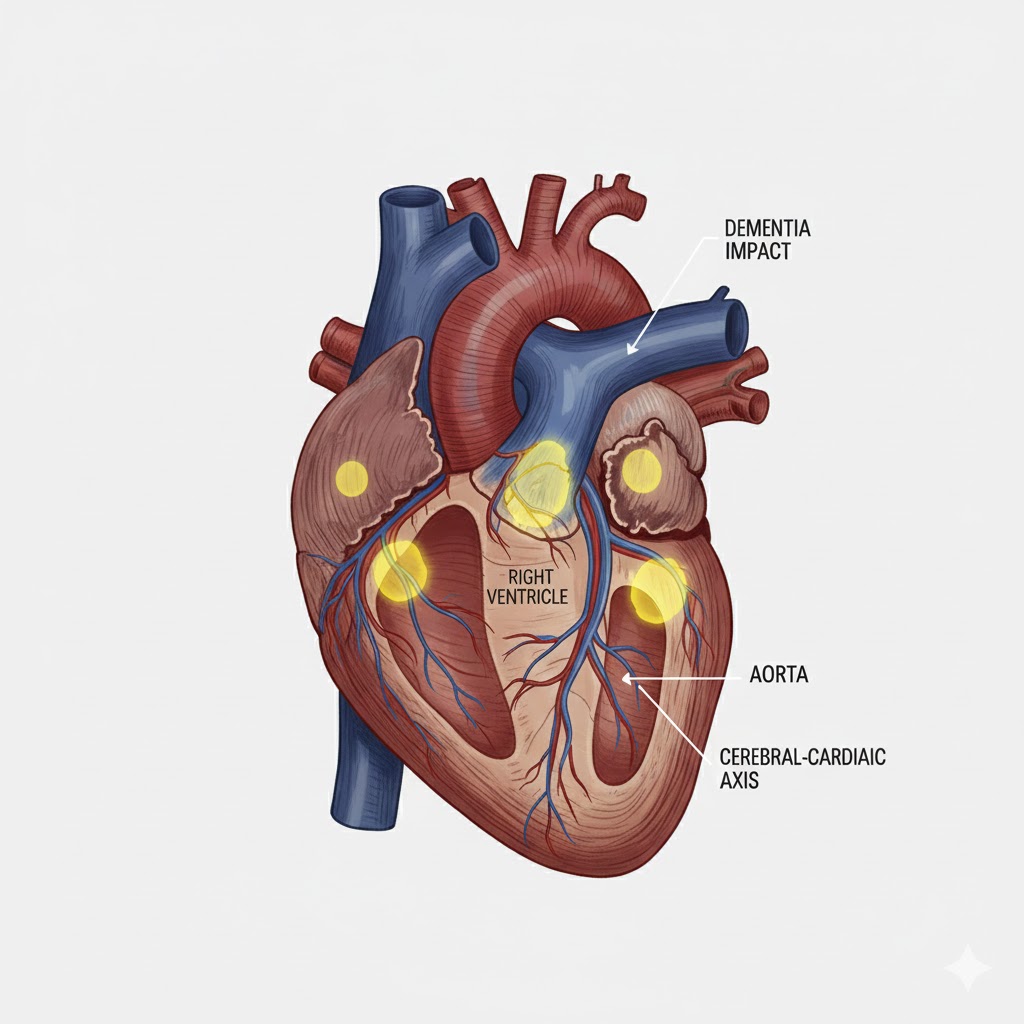
Understanding what causes dementia remains a major area of research, but several factors are consistently linked. Age is the strongest risk factor, though dementia is not a normal part of aging. Genetics play a role as well, especially in early-onset cases. Cardiovascular health, chronic inflammation, head injuries, and lifestyle habits also contribute significantly to overall risk.

At the biological level, dementia emerges from the breakdown of synapses—the connections between neurons. When neurons can no longer communicate effectively, the cognitive functions they once performed begin to fail. This loss is gradual, but cumulative, eventually affecting entire networks within the brain.

Treatments for dementia do not cure the condition, but they can slow symptoms, improve quality of life, and support cognitive functioning. Medications such as cholinesterase inhibitors and memantine work by regulating neurotransmitters involved in memory and learning. While the benefits are modest, they can help maintain independence for a longer period.

Another leg of treatment involves behavioral and environmental interventions. Structured routines, memory aids, music therapy, and safe living environments reduce stress and support mental functioning. These interventions are often just as important as medication, especially as symptoms progress.

Cognitive stimulation therapy is an evidence-based approach that involves engaging the mind through carefully designed activities. These may include puzzles, discussions, or memory exercises that help strengthen neural pathways. The brain retains some capacity for adaptation—known as neuroplasticity—throughout life.

Physical activity is another essential component of treatment. Exercise supports blood flow to the brain, reduces inflammation, and promotes the release of neuroprotective chemicals. Walking, strength training, and balance exercises benefit both cognitive and physical health.

Social engagement plays a vital role in slowing the progression of dementia. Isolation can accelerate cognitive decline, while meaningful interactions—whether with family, friends, or community—stimulate emotional and intellectual centers of the brain.

Dietary approaches have gained attention for their ability to support brain health, though no food can cure dementia. The Mediterranean diet and the MIND diet emphasize fruits, vegetables, whole grains, nuts, olive oil, and lean proteins. These eating patterns reduce inflammation and support cardiovascular health, which in turn protects the brain.

Specific foods linked to better brain function include leafy greens, berries, fatty fish rich in omega-3s, nuts, turmeric, and foods high in antioxidants. These nutrients help guard against oxidative stress, a contributor to cellular damage in dementia.

Managing chronic diseases is another leg of treatment. Conditions like diabetes, hypertension, and high cholesterol significantly increase dementia risk. Controlling them through medication and lifestyle can help slow cognitive decline.

Sleep is a crucial but often overlooked factor. Poor sleep contributes to the buildup of beta-amyloid in the brain. Establishing healthy sleep routines supports memory consolidation, emotional regulation, and overall brain function.

Mental health also intersects with dementia risk. Depression, chronic stress, and anxiety can impair memory and weaken neural circuits. Therapy, mindfulness, and stress-reduction practices create a healthier internal environment for the brain.

Genetics influence dementia risk, but they do not determine destiny. Even individuals with family histories can lower their risk through lifestyle, nutrition, and consistent brain engagement. The interplay between genes and environment is powerful and dynamic.

Environmental toxins may contribute to dementia development. Exposure to pollutants, heavy metals, or harmful chemicals has been linked to higher cognitive decline. Clean air, safe water, and toxin-free environments support long-term brain health.

Head injuries, especially repeated concussions, raise the risk of dementia later in life. Wearing helmets, preventing falls, and prioritizing physical safety protect the brain’s structure and function.

Understanding the emotional impact of dementia is central to comprehensive care. Families often experience grief long before physical loss because dementia changes relationships. Compassionate communication helps loved ones maintain dignity and connection.

As dementia progresses, individuals may struggle with identity and autonomy. Person-centered care focuses on their remaining strengths, preferences, and memories, reinforcing their inherent worth.

Spiritual and cultural practices can provide grounding and comfort. Many families draw upon prayer, scripture, storytelling, and ancestral traditions to strengthen resilience during the journey.

Caregiver support is essential. Those who care for loved ones with dementia face emotional, physical, and financial stress. Support groups, respite care, and practical assistance create healthier caregiving environments.

Legal and financial planning should be addressed early. Decisions about guardianship, power of attorney, and healthcare preferences help ensure dignity and clarity as the disease advances.

As research evolves, new therapies and early detection tools offer hope. Biomarker testing, brain imaging, and genetic analysis allow earlier diagnosis, opening doors for more effective interventions.

Innovations in technology also support patients and families. Devices that track location, automatic reminders, and home sensors increase safety and independence. Assistive technologies can bridge the gap between cognitive decline and functional needs.

Community resources—such as adult day programs, memory cafés, and educational workshops—offer essential support. These networks help reduce stigma and provide opportunities for meaningful engagement.

Education plays a powerful role in breaking misconceptions. Understanding dementia encourages empathy and reduces fear, allowing society to build supportive environments for those living with cognitive decline.

The future of dementia care depends on a holistic approach that values medical science, lifestyle strategies, emotional support, and community involvement. No single intervention is sufficient; rather, progress arises from integrating multiple pathways to brain health.

Dementia reshapes lives, but it does not erase humanity. Individuals living with cognitive decline still experience love, joy, connection, and purpose. Recognizing this truth helps families hold onto moments of grace.

At its core, dementia is a reminder of the fragility of the brain—and the resilience of the human spirit. While memory may fade, dignity, compassion, and care must remain unwavering.

Hope persists in the advancements of research, the devotion of caregivers, and the daily courage of those facing cognitive decline. Each effort contributes to a future where prevention, early intervention, and compassionate understanding are universal.

Until then, brain health remains a lifelong commitment—an ongoing practice that blends science, lifestyle, and care. Strengthening the mind is an investment in clarity, vitality, and quality of life across the lifespan.


References

Alzheimer’s Association. (2024). 2024 Alzheimer’s disease facts and figures. Alzheimer’s & Dementia, 20(3), 1–70.

Livingston, G., Huntley, J., Sommerlad, A., Ames, D., Ballard, C., Banerjee, S., … Mukadam, N. (2020). Dementia prevention, intervention, and care: 2020 report of the Lancet Commission. The Lancet, 396(10248), 413–446.

Morris, M. C., Tangney, C. C., Wang, Y., Sacks, F. M., Barnes, L. L., Bennett, D. A., & Aggarwal, N. T. (2015). MIND diet slows cognitive decline with aging. Alzheimer’s & Dementia, 11(9), 1015–1022.

National Institute on Aging. (2023). Alzheimer’s disease and related dementias: Research and facts. U.S. Department of Health & Human Services.

Smith, E. E., & Johnson, K. A. (2022). Brain aging, cognitive decline, and neurodegenerative disease. The New England Journal of Medicine, 387(7), 613–622.