Category Archives: femininity

Girl Talk Series: Faith, Femininity & Future.

Ladies, first and foremost, remember that your life is in the hands of a loving God. Seek Him first in all things, and pray earnestly for His will to be done in your life. By centering your relationship with Him, you create a foundation that guides your choices, relationships, and personal growth (Matthew 6:33, KJV).

Faith is not just a Sunday ritual; it is a daily practice that informs every decision you make. As women, our spiritual strength sets the tone for our emotional, mental, and social well-being. Engaging with scripture, prayer, and worship equips us to navigate life’s challenges with wisdom and grace (Hebrews 11:1).

Femininity is a divine gift. It is not defined solely by appearance, style, or societal expectations, but by character, poise, and the ability to influence with gentleness and confidence. Proverbs 31:25 reminds us that strength and honor are her clothing, and she rejoices in the days to come. Embracing your femininity means recognizing your inherent worth in God’s eyes.

Understanding your purpose is crucial for shaping your future. Life can present distractions, temptations, and pressure to conform to worldly standards. By remaining anchored in faith, you can discern what aligns with God’s plan versus what is fleeting or superficial (Jeremiah 29:11).

Healthy boundaries are essential in protecting your heart, time, and emotional energy. Setting limits in friendships, romantic relationships, and professional spaces demonstrates self-respect and ensures that your focus remains on growth and godly priorities (Proverbs 4:23).

Education and personal development are acts of stewardship over your God-given talents. Pursue knowledge, skill-building, and experiences that broaden your capacity to serve, lead, and contribute meaningfully to society. Wisdom is more valuable than gold, and a disciplined mind honors God (Proverbs 3:13–14).

Sisterhood is powerful when nurtured with love, encouragement, and accountability. Surround yourself with women who uplift you, challenge you to grow, and inspire you to walk in faith. As iron sharpens iron, supportive relationships strengthen character and purpose (Proverbs 27:17).

Emotional intelligence is a cornerstone of mature femininity. Understanding your feelings, responding thoughtfully, and navigating conflict with grace reflects both wisdom and self-control. Galatians 5:22–23 highlights the fruit of the Spirit, including love, peace, and patience—qualities that sustain healthy interactions.

Self-respect and self-worth begin with recognizing your divine identity. You are fearfully and wonderfully made, created in God’s image (Psalm 139:14). No external validation can replace the confidence that comes from understanding your spiritual value.

Practical wisdom in dating and relationships protects your heart and preserves your future. Seek partners who share your values, respect your boundaries, and pursue godly intimacy. Avoid situations that compromise your integrity or emotional well-being (1 Corinthians 6:18–20).

Financial literacy and independence empower women to steward resources responsibly. Money is a tool to support your goals, generosity, and stability. Proverbs 31:16 describes the virtuous woman as one who considers a field and buys it; wise financial management reflects discernment and preparation.

Health and self-care are spiritual responsibilities as well as physical necessities. Treat your body as a temple of the Holy Spirit, honoring God through nutrition, exercise, and rest (1 Corinthians 6:19–20). Holistic wellness ensures energy, clarity, and longevity for life’s pursuits.

Your voice matters. Express your ideas, dreams, and convictions with confidence and humility. Women who speak with clarity and kindness can influence communities, workplaces, and families, demonstrating the power of godly communication (Proverbs 31:26).

Faith equips you to face trials without despair. Challenges will come, but a prayerful and trusting heart can endure hardship with hope. Romans 12:12 encourages rejoicing in hope, patience in tribulation, and steadfastness in prayer.

Mentorship is invaluable. Seek guidance from older, experienced women of faith, and be willing to mentor younger sisters in turn. This generational exchange strengthens both individual lives and the broader community (Titus 2:3–5).

Creativity and expression honor God when used with intention. Whether through art, music, writing, or entrepreneurship, your talents can inspire others and glorify the Creator. Colossians 3:23 reminds us to work heartily as for the Lord, not men.

Resilience is cultivated through prayer, patience, and perseverance. Life may present setbacks, but steadfast faith and a positive mindset ensure that obstacles become lessons and opportunities (James 1:2–4).

Forgiveness frees the heart. Holding onto bitterness or past hurt limits your potential and blocks God’s plan for your life. Ephesians 4:31–32 calls us to put away anger, bitterness, and malice, and to be kind and forgiving.

Gratitude transforms perspective. Daily recognition of God’s blessings fosters joy, humility, and contentment, shaping a mindset that thrives even in adversity (1 Thessalonians 5:18).

Finally, embrace your future with courage and faith. God’s plans are perfect, and trusting Him allows you to walk confidently into your purpose. Commit your ambitions, relationships, and aspirations to Him, and watch as He orchestrates a life of blessing, influence, and fulfillment (Jeremiah 29:11).
How to Be More Bold, Feminine, Minimalist, and Fashion-Forward.

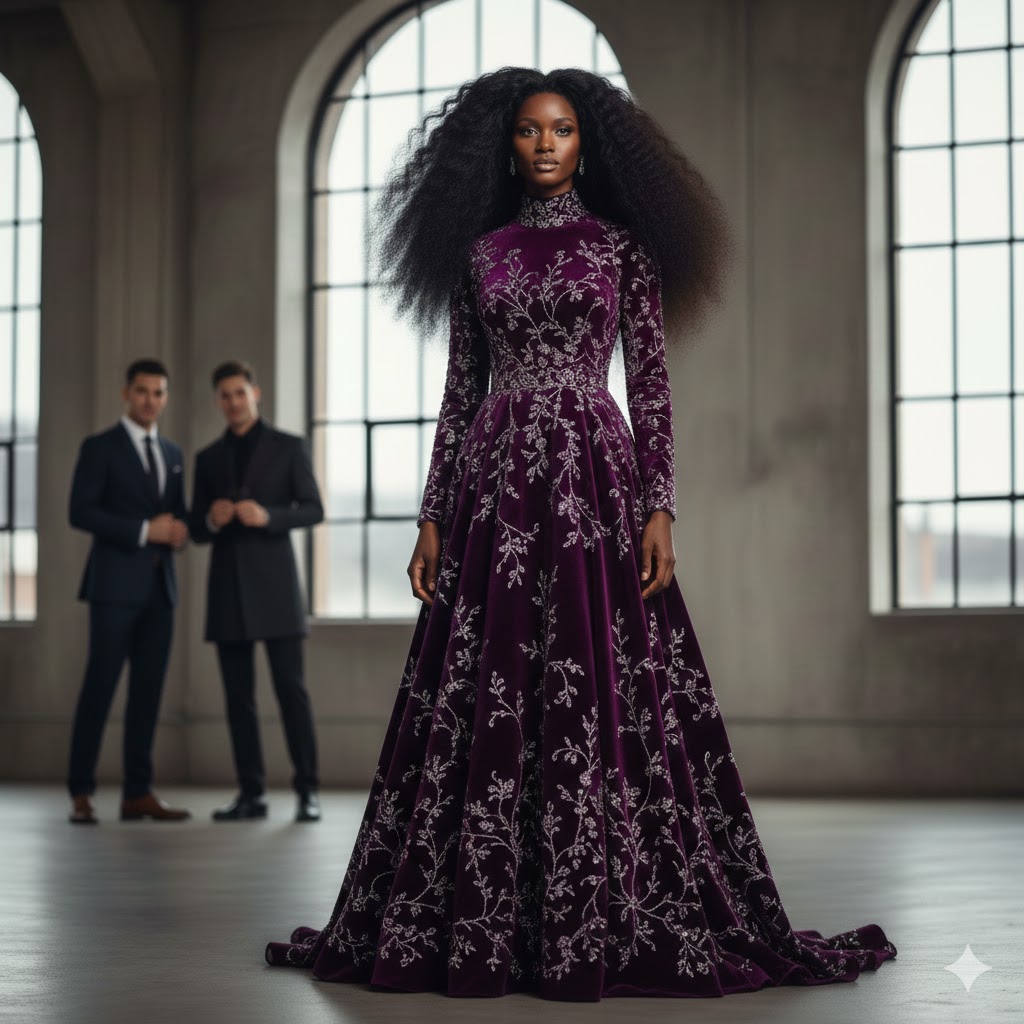
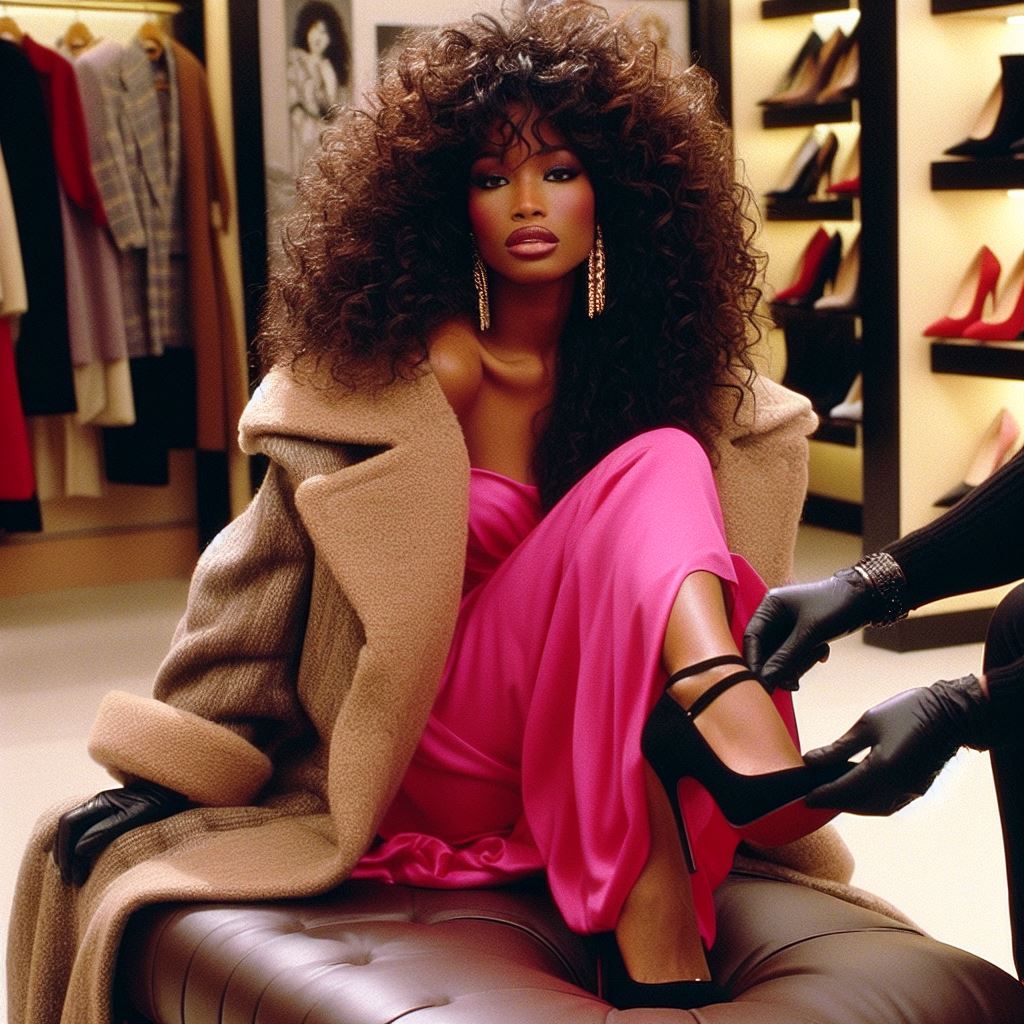
Boldness, femininity, minimalism, and fashion-forward expression may appear to be separate aesthetics, yet when combined, they create a timeless and elevated personal style. Many women desire to embody confidence while maintaining softness, simplicity, and modernity. Achieving this balance requires an intentional approach to self-presentation, identity, and psychological mindset. Being bold does not mean being loud; femininity does not mean being overly delicate; minimalism is not plainness; and fashion-forward expression is not trend-chasing. Rather, these elements work together to refine how a woman shows up in the world.

Cultivating boldness begins internally. Psychological research shows that confidence grows from clarity of identity and repeated action rather than innate personality. When a woman knows who she is—and who she is becoming—her style naturally becomes stronger. Boldness is about owning your presence: standing tall, speaking clearly, and embracing choices without apology. In fashion, this can translate into choosing a statement piece, wearing colors that amplify your skin tone, or selecting silhouettes that highlight your strengths.

Femininity is another layer that enhances boldness rather than contradicts it. Feminine style is rooted in grace, softness, and intentional detailing. It is defined by fluidity, movement, and the celebration of womanhood. This can include fabrics that drape, cuts that flatter natural curves, subtle makeup that enhances features, and accessories that add gentle elegance. Feminine style is less about conforming to stereotypes and more about tapping into one’s natural softness and beauty.

Minimalism grounds both boldness and femininity. Minimalist fashion emphasizes simplicity, clean lines, and a curated wardrobe. A minimalist aesthetic allows your presence—not your clothing—to speak first. It relies on neutral palettes, quality fabrics, and timeless pieces that elevate rather than distract. The minimalist woman does not chase every trend; she selects what aligns with her essence. She chooses pieces that can be styled multiple ways, giving her the freedom to express creativity without clutter.

Being fashion-forward requires an understanding of both personal style and the evolving language of fashion. It doesn’t mean adopting every trend, but anticipating what flatters you within the context of modern style. Fashion-forward women combine timelessness with innovation—mixing classic silhouettes with current textures, pairing minimalist staples with bold accents, or integrating culturally relevant elements into their aesthetic. They look informed, intentional, and contemporary.

To merge boldness with femininity, balance is key. For example, a structured blazer paired with a soft satin camisole creates strength and softness simultaneously. A bold red lip matched with minimal makeup elsewhere maintains both daring and restraint. A fitted dress in a neutral tone maintains femininity while staying minimal and fashion-forward.

Confidence in presentation grows as women practice self-expression. Behavioral psychology notes that repeated exposure to a behavior increases comfort and reduces fear. This means embracing bold earrings or streamlined monochrome outfits may feel unfamiliar initially, but the more they are worn, the more natural they become. Boldness is built through action.

Minimalist femininity thrives on subtlety and intentionality. Instead of heavily layered accessories, one might choose a single high-quality piece—a simple gold necklace, pearl earrings, or a structured leather handbag. The minimalist approach invites refinement. It encourages investing in fewer but better items that elevate every outfit.

A fashion-forward mindset also requires staying culturally aware. Fashion is deeply influenced by art, music, social change, and global aesthetics. Women who study these patterns—not obsessively, but curiously—gain insight into why trends emerge and how to adopt them strategically. Understanding the cultural language of style gives depth to personal expression.

Boldness can also be psychological empowerment. Studies show that clothing impacts mood, confidence, and performance. This is known as “enclothed cognition.” When you wear clothing that aligns with your ideal self, your behavior follows. A woman who dresses boldly is more likely to behave boldly; a woman who dresses minimally is more likely to feel grounded and purposeful.

Femininity is also nurtured psychologically through self-care and self-compassion. A woman who honors her body—through rest, nutrition, movement, and emotional boundaries—expresses natural femininity effortlessly. Her glow is not just fashion-based; it is internal wellness expressed outwardly.

Minimalism can also apply to lifestyle. Decluttering mental, emotional, and physical spaces frees energy for creativity and self-expression. When your closet is organized and simplified, styling becomes easier and more intentional. Minimalism creates mental clarity, helping women decide what truly reflects their identity.

Another element of being fashion-forward is fit. No matter how stylish or expensive a piece is, the wrong fit diminishes its impact. Tailoring—even small adjustments—can transform a garment from ordinary to elevated. Fashion-forward women pay attention to proportion, silhouette, and balance.

Boldness also includes authenticity. True boldness means resisting the pressure to imitate others and instead developing a personal signature. This could be a specific color you love, a hairstyle that defines you, or a recurring accessory that becomes part of your identity. Signature style communicates confidence.

Feminine style can also be modern. Today’s femininity celebrates strength and softness, wisdom and beauty. It includes sharp blazers, flowing skirts, soft neutral palettes, and structured handbags. A woman can be feminine without being overly frilly—modern femininity is polished, mature, and graceful.

Minimalism pairs easily with luxury. The minimalist philosophy emphasizes quality. Investing in premium basics—such as well-made trousers, fitted tops, cashmere sweaters, and leather outerwear—creates a wardrobe that elevates even casual looks. Minimalist luxury is understated but powerful.

To be fashion-forward, experiment with textures: leather, silk, knitwear, matte vs. glossy finishes. These subtle details bring depth to simple outfits. They prevent minimalism from becoming boring and femininity from becoming predictable.

The key to merging all four aesthetics is mindfulness. Mindful dressing involves asking: Does this reflect who I am? Does it express who I am becoming? Does it support my confidence? Does it honor my femininity, simplicity, and modern sensibility? Mindfulness brings harmony to style.

Ultimately, bold, feminine, minimalist, and fashion-forward expression is about identity, clarity, and intention. When a woman knows her worth, understands her aesthetic, and honors her personal evolution, her style becomes timeless. She does not dress to impress others. She dresses to reflect a powerful, grounded, and beautifully modern version of herself.


References

Ahuvia, A. (2005). Beyond the extended self: Loved objects and consumers’ identity narratives. Journal of Consumer Research, 32(1), 171–184.

Entwistle, J. (2015). The fashioned body: Fashion, dress, and modern social theory. Polity Press.

Fredrickson, B. L., & Roberts, T. (1997). Objectification theory. Psychology of Women Quarterly, 21(2), 173–206.

Kwon, Y. H. (1992). The influence of clothing on mood and self-perception. Clothing and Textiles Research Journal, 10(4), 18–22.

Levy, S. J. (1959). Symbols for sale. Harvard Business Review, 37(4), 117–124.

Tseëlon, E. (2012). Masculinities and femininities in fashion. Berg Publishers.

Trier-Bieniek, A. (2015). Feminist theory and pop culture. Sense Publishers.

Tseëlon, E. (1995). The masque of femininity: The presentation of woman in everyday life. SAGE Publications.

Sacred Femininity: A Woman’s Becoming

This photograph is the property of its respective owner. No copyright infringement intended.

Sacred femininity is not merely an aesthetic—it is a divine revelation. It speaks of the eternal essence that God placed within woman when He formed her from man’s rib and breathed into her the breath of life (Genesis 2:21–23, KJV). This sacredness is not defined by worldly ideals but by divine purpose. It is the glory of creation’s balance, the embodiment of wisdom, compassion, and strength hidden in softness.

The becoming of a woman is both spiritual and ancestral. It is the long pilgrimage from brokenness to wholeness, from survival to sovereignty. For the Black woman, this journey carries generational echoes—cries from foremothers who birthed nations in chains yet sang freedom into existence. Her becoming is not a new story, but a continuation of an ancient one written on papyrus, in the sands of Kemet, and in the margins of a slave Bible.

To become sacred is to remember. The modern world has taught women to perform, to compete, and to commodify their beauty, yet sacred femininity calls her to return—to the Edenic origin where she was not objectified but ordained. She is not the temptation; she is the temple. Her beauty is not vanity—it is divinity made visible.

In a culture that profits from insecurity, sacred femininity is resistance. When a woman reclaims her worth beyond her body, she dismantles a billion-dollar industry of comparison and control. Her holiness becomes protest; her modesty becomes power. The act of self-love becomes an altar where she meets God.

The Black woman’s becoming cannot be divorced from the historical dehumanization of her image. From the Jezebel stereotype that sexualized her body to the Mammy caricature that muted her soul, she has had to rebuild her identity from ashes. Yet like the phoenix, she rises—clothed not in the garments of oppression but in the robe of righteousness (Isaiah 61:10, KJV).

Becoming sacred means understanding that pain has purpose. Every trial, heartbreak, and injustice becomes a teacher. Through tears, she learns the language of faith. Through struggle, she births endurance. Through silence, she finds her voice. The womb of womanhood is not only physical—it is spiritual, birthing dreams, nations, and legacies.

Sacred femininity is not submission to man—it is submission to God. When a woman walks in divine order, her power multiplies, not diminishes. Submission, in its biblical sense, is alignment—a woman aligned with God’s purpose becomes a mirror of His grace. Her femininity is not fragile; it is fortified by faith.

This becoming is also a healing—a spiritual reclamation of what was stolen. For centuries, the Black woman’s body was a battlefield, her womb exploited, her image distorted. But through divine awakening, she begins to see herself as God sees her: fearfully and wonderfully made (Psalm 139:14, KJV). Her melanin is no longer a mark of marginalization but a manifestation of majesty.

The sacred woman knows that beauty is both physical and metaphysical. Her glow is not from cosmetics but from consecration. Her elegance is not performed but possessed. Proverbs 31 describes her not as a passive figure but as an enterprising, wise, and fearless force—a woman whose value is far above rubies.

To become sacred is to unlearn survival and embrace sovereignty. Many women have learned to endure, but few have learned to reign. Sacred femininity teaches her to sit on her throne, not as an idol of vanity, but as a vessel of virtue. It is the spiritual homecoming of the daughter of Zion.

The woman’s becoming is deeply tied to her community. She is both nurturer and nation-builder. From Harriet Tubman guiding souls to freedom, to contemporary queens leading boardrooms and ministries, her divine assignment remains the same: to restore what was broken, to heal what was wounded, and to give life where death was declared.

Sacred femininity also redefines strength. It is not the hardness that the world celebrates but the softness that sustains. It is the ability to forgive without forgetting, to love without losing oneself, and to stand without shouting. Strength, in its purest form, is sanctified gentleness.

Her becoming is also prophetic. Each generation of women births a new revelation of what it means to walk in God’s image. Eve introduced life, Ruth embodied loyalty, Esther demonstrated courage, Mary carried divinity, and today’s woman carries their collective anointing—an inheritance of faith and fire.

In the modern age, sacred femininity stands as a rebuke to artificial empowerment. The world tells women that power is found in dominance and detachment, but the sacred woman knows that true power flows from humility, holiness, and harmony. Her authority is not granted by man but ordained by heaven.

For Black women, this sacred identity also means rejecting colorism, texturism, and the colonial beauty codes that fractured sisterhood. Each shade of melanin, each curl pattern, each ancestral feature reflects a facet of God’s creative genius. Her hair is her crown; her complexion, her covenant.

Sacred femininity restores balance between the masculine and feminine principles of creation. It honors the divine order in relationships, family, and leadership—without erasing individuality or equality. It calls men and women to walk in spiritual unity, where love becomes leadership and service becomes strength.

The woman’s becoming is both internal and eternal. It is a daily practice of prayer, purpose, and purification. She must shed the old self like snakeskin—ego, shame, and fear—to step into her divine assignment. In doing so, she becomes both priestess and prophet of her destiny.

Sacred femininity is also communal; it cannot thrive in isolation. Women heal when they gather—when sisters speak life into one another instead of competing for validation. The circle of sisterhood is an altar where collective healing takes place, a sacred echo of the matriarchal wisdom that once guided nations.

Ultimately, A Woman’s Becoming is not a final arrival but an eternal evolution. To become sacred is to live in constant renewal—to be water and fire, gentle yet unyielding. Every season of her life, from maiden to matriarch, reveals a deeper reflection of God’s glory within her.

In her becoming, she learns that holiness is not perfection but presence—the awareness of God within her. She is both the daughter and the dwelling place, the reflection and the revelation. And when she finally sees herself through divine eyes, she becomes what she was always meant to be: sacred, sovereign, and whole.


References

  • The Holy Bible, King James Version. (n.d.).
  • hooks, b. (2000). All About Love: New Visions. William Morrow.
  • Cooper, B. C. (2018). Eloquent Rage: A Black Feminist Discovers Her Superpower. St. Martin’s Press.
  • Lorde, A. (1984). Sister Outsider: Essays and Speeches. Crossing Press.
  • Walker, A. (1983). In Search of Our Mothers’ Gardens: Womanist Prose. Harcourt.
  • Collins, P. H. (2000). Black Feminist Thought: Knowledge, Consciousness, and the Politics of Empowerment. Routledge.

Faith, Femininity, and the Brown Girl Dilemma. #thebrowngirldilemma

Photo by Kaybee Photography on Pexels.com

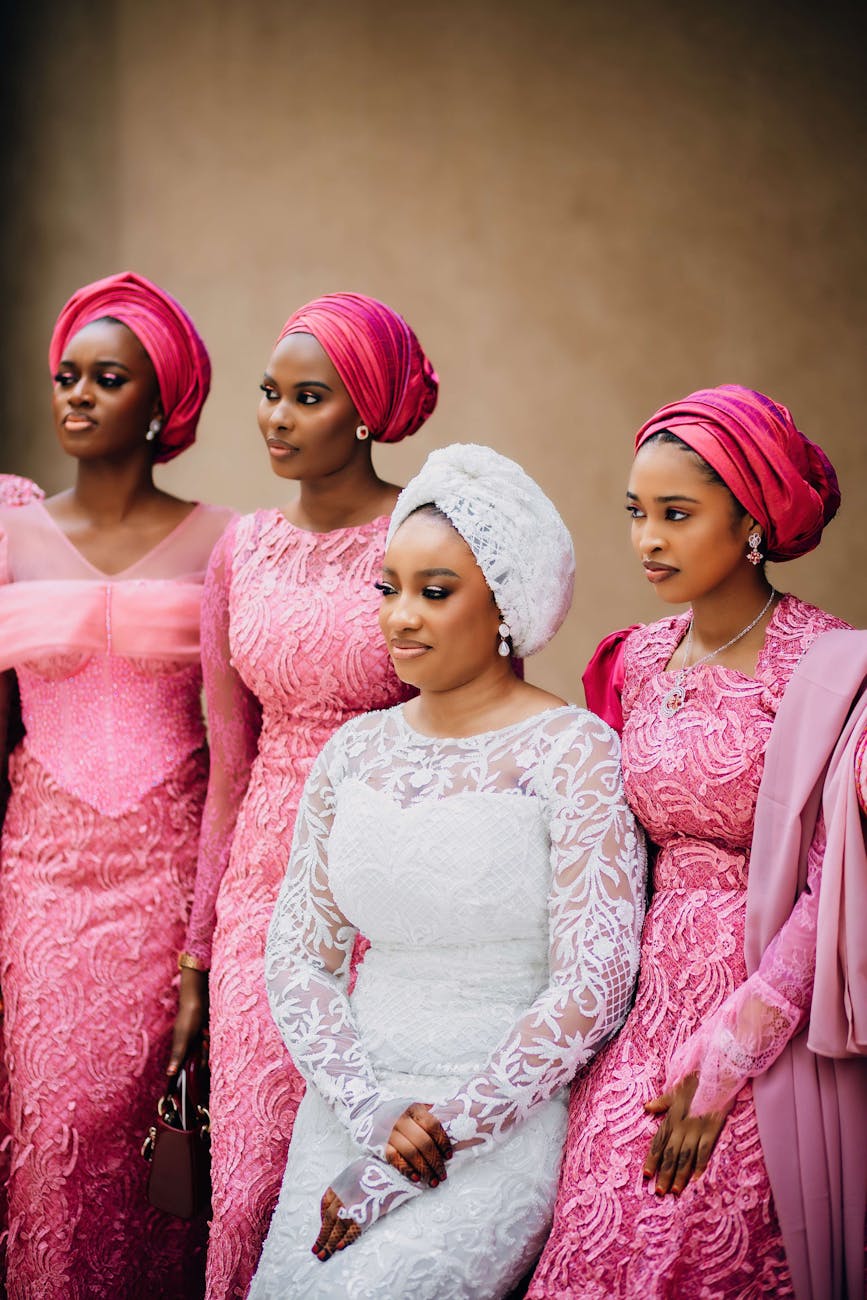
The dilemma of the brown girl is not only social or psychological—it is deeply spiritual. To be a brown-skinned woman in a world built on whiteness is to wrestle daily with questions of identity, worth, and divine purpose. Femininity, already loaded with societal expectations, is further complicated by skin tone, hair texture, and cultural stereotypes. For the brown girl, faith often becomes both shield and sword: a shield against the arrows of colorism, and a sword to cut through lies of inferiority with the truth of divine affirmation.

Faith is the compass that helps brown girls navigate a world that questions their beauty, their womanhood, and their place. Scripture affirms what society denies. In Song of Solomon 1:5 (KJV), the Shulammite woman boldly declares, “I am black, but comely.” This verse not only acknowledges the reality of dark skin but also affirms its beauty. It is a reminder that femininity, in God’s design, is not diminished by melanin—it is magnified.

Yet, the dilemma remains. Brown girls are too often forced to choose between being hyper-visible and invisible, between being fetishized or ignored. Their femininity is policed: too strong, they are labeled masculine; too soft, they are accused of weakness. This paradox is a reflection of cultural double standards rooted in both racism and sexism (Crenshaw, 1989). But faith offers an alternative narrative: that femininity is not a performance for societal approval but a sacred expression of God’s image.

Femininity, when grounded in faith, is liberated from comparison. The Proverbs 31 woman, often cited as the biblical model of womanhood, was not defined by her appearance but by her character, her wisdom, and her strength. For brown girls, this scripture dismantles the lie that their worth is tied to Eurocentric beauty standards. Instead, it affirms that divine femininity is about purpose, resilience, and compassion.

Psychologically, faith functions as a protective factor against the internalized effects of colorism and sexism. Studies show that spiritual practices such as prayer, meditation, and scriptural reflection can foster resilience and positive self-concept in women of color (Watson & Hunter, 2015). When a brown girl declares herself fearfully and wonderfully made (Psalm 139:14), she is not reciting empty words but reclaiming her mental and spiritual health from a society invested in her doubt.

Faith also empowers brown girls to reimagine femininity as collective rather than competitive. In many spiritual traditions, sisterhood is sacred. The church, when functioning rightly, provides community, mentorship, and affirmation for women struggling under the weight of colorism. In this space, femininity is not weaponized but celebrated, not measured against whiteness but grounded in holiness.

The brown girl dilemma, then, is not an unsolvable curse but a calling to resist, redefine, and rise. Through faith, femininity becomes not a burden but a blessing, not a source of shame but a channel of divine glory. The words of Isaiah 61:3 (KJV) remind us that God gives “beauty for ashes, the oil of joy for mourning, the garment of praise for the spirit of heaviness.” For every insult hurled at her, there is a crown prepared. For every stereotype imposed on her, there is a truth that sets her free.

Faith and femininity converge to transform the brown girl dilemma into the brown girl testimony: a story of survival, grace, and sacred beauty. She is not simply enduring the weight of her existence—she is walking in divine purpose.


References

  • Crenshaw, K. (1989). Demarginalizing the intersection of race and sex: A Black feminist critique of antidiscrimination doctrine, feminist theory, and antiracist politics. University of Chicago Legal Forum, 1989(1), 139–167.
  • Watson, N. N., & Hunter, C. D. (2015). “I had to be strong”: Tensions in the strong Black woman schema. Journal of Black Psychology, 41(5), 424–452.
  • The Holy Bible, King James Version.